Bury buzzes with life. Each place brings different security needs. Crime follows the bustle. Anti-social behaviour creeps up. Organised retail theft looks more planned. Warehouses face forced-entry attempts, and vehicle crime spills over from nearby routes. (It’s messy, and it changes fast.) That is why Bury businesses need manned guarding. A trained person on site stops risks early. They deter, they respond, and they keep people and stock safer. This blog lays it out: the law and licences, day-to-day operations, cost factors, and tech that helps. Read on to plan smarter, not just harder.
Table of Contents
Manned Guarding Basics in Bury
Definition & Core Role of Manned Guarding
Security you can see does more than signal authority. It stops things early. A trained guard watches, reads the room, and moves the moment trouble shows its face. Cameras record. Control rooms monitor. A person on site decides fast whether to talk, calm, or contain. That snap judgment, and the restraint behind it, is something tech alone cannot deliver.
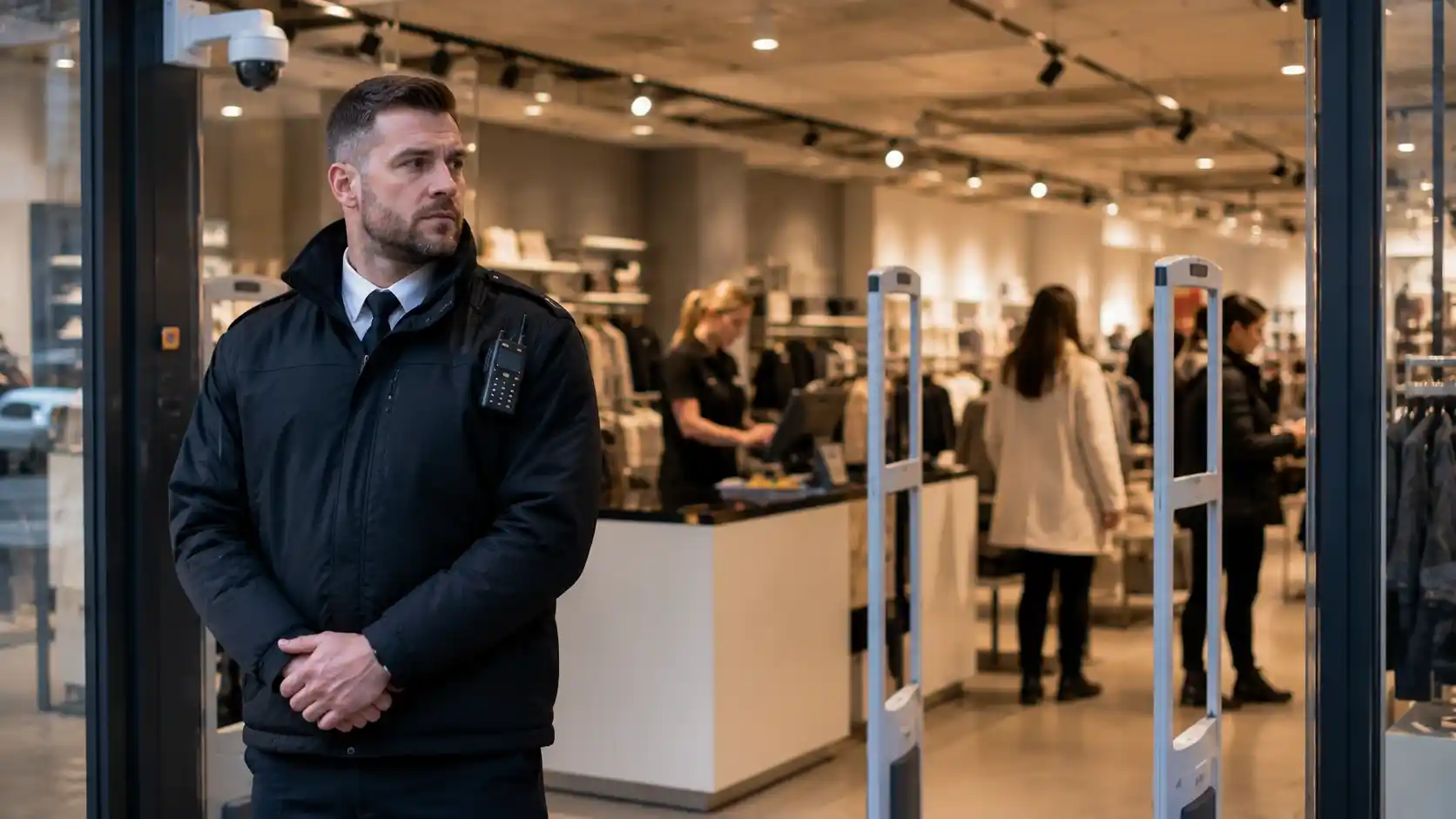
This is why Bury businesses need manned guarding. In shops, warehouses, nightlife spots and logistics yards, guards cut theft, steady staff nerves and keep trade flowing. They’re practical, live deterrents, a no-nonsense line of defence for a busy town that keeps changing.
Crime Trends Shaping Bury’s Security Needs
Bury’s security picture follows larger Merseyside crime trends but adds its own local quirks. Organised shoplifting, rising anti-social behaviour and vehicle-related offences spill into surrounding towns, shaping how businesses plan protection, according to the police. UK crime rate in Bury is 97.26 crimes per 1,000 residents. Retailers face their toughest windows late at night; industrial yards, by contrast, see early-morning probes and occasional vandalism when gates first open.
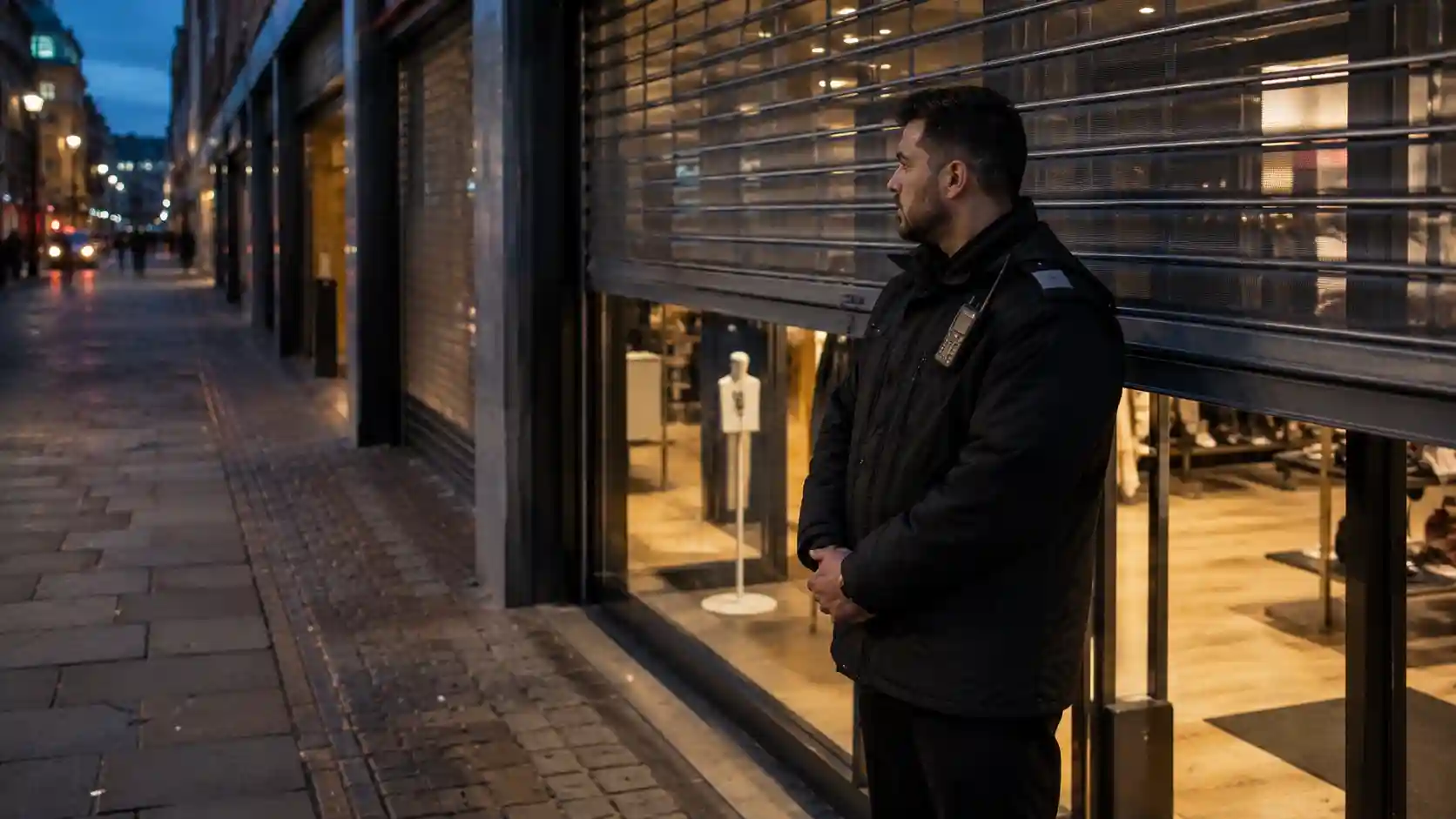
Sites such as Pilsworth and Hollins Brook Park show common weak points: remote perimeters, valuable inventory and limited natural sightlines. A visible guard changes that calculus. Uniformed staff cut anti-social patterns in retail parks and step in during incidents, a vital capability as daytime theft climbs.
Day and night bring different threats. Darkness reduces sightlines and raises break-in risk; daytime brings crowds, busy deliveries and more opportunistic theft. Seasonal spikes, Bury Light Night or winter markets, also swell numbers and demand extra patrols and sharper vigilance.
Transport nodes and Merseyrail links add churn: commuters and passing trade can create unpredictable security pressures for nearby shops and station-adjacent businesses. Economic shifts across Merseyside, rising wages, business expansion and logistics growth, further increase demand for skilled, on-site officers. For industrial and logistics operators in Bury, having people on the ground delivers deterrence, quicker response and better protection for stock, reputation and local community confidence.
Legal & Compliance Requirements for Bury Businesses
Licensing & Vetting Obligations
Security in Bury is not just about having someone stand at the door. It’s about doing things the right way. Every security guard working in Bury must hold a valid SIA licence. No exceptions. That licence shows the guard has been checked, trained, and approved to do the job. Without it, a business is taking a serious risk. Hiring an unlicensed guard is not a small mistake. It can lead to fines. In some cases, prosecution.
Some sites need more checks. Places with close contact. Offices. Public areas. That’s where DBS checks matter. They help make sure the right people are trusted with the role. Good security companies go further. They use BS 7858 vetting. This looks at work history, gaps in employment, and past records. It’s slow. It’s detailed. And it works.
There’s also company licensing to think about. A licensed provider shows they follow the law, hire properly, and take responsibility seriously. At the end, it is all simple. While businesses in Bury choose to be legal, vetted security, they protect more than their property. They protect people and then stay on the right side of the law.
Compliance, Insurance & Data Protection
Hiring manned guards in Bury also brings clear insurance duties. Most businesses hold Employers’ Liability, Public Liability, and Professional Indemnity cover to handle daily risks. When these policies are clear and up to date, they protect the business and may even reduce costs when guards are on site.
Data protection still matters. When CCTV works alongside manned security, UK GDPR rules have to be respected. Guards must treat footage carefully, and businesses need clear privacy notices for staff and visitors. VAT rules matter too, shaping invoices and records. Knowing these basics helps Bury businesses remain compliant while gaining the true value of trained security on the ground daily
Local & Regional Regulatory Environment
Bury firms work inside a shifting set of local rules. Construction sites and high-risk industrial parks must meet council demands. Fences. Good lighting. On-site monitoring. Keeping a supplier’s compliance pack handy is vital for audits and gives clients confidence.
SIA licence changes have altered recruitment. Roles that need specialist training are in higher demand. Employment law sets the rules on overtime, shifts and working conditions for guards. Post-Brexit checks still affect EU nationals working in Merseyside security roles.
Event venues face strict local licensing, too. Manned guards now form a key part of those safety plans. Working with Bury police helps: shared intelligence, joint patrols and links to Business Crime Reduction Partnerships focus resources where they are needed most.
Follow the rules, and you cut legal risk. Do it well, and you build operational strength. Increasingly, local businesses see manned guarding not as a luxury but as a core part of a responsible security plan.
Costs, Contracts & Deployment in Bury
Pricing Factors for Manned Guarding
Costs for manned guards in Bury vary for obvious reasons. Town-centred posts were busy with the heavy footfall and trickier risk profiles, which usually cost more than the suburban or edge-of-town sites. In 2025, wages increased and pushed fees up across the North West, a reminder that providers must retain the trained, licensed officers in a small, competitive labour pool. Add inflation and running costs climb further, making long contracts harder to keep.
So businesses often ask: how do we afford guards and still get value? Think in terms of return on investment: fewer thefts, fewer incidents, lower insurance claims. Over months and years, those savings frequently outweigh the initial spend, so on-site guarding proves its worth for many Bury businesses.
Contract Structures
Good contracts make guarding work. They set clear rules. They also protect both sides. Include a simple payment schedule. Say when invoices are due. Add a clause for late payments. Keep pricing transparent. Note any extra costs, such as holiday cover or rapid mobilisation.
Build in a fair review clause. Link reviews to clear triggers: wage rises, inflation, or new legal duties. That keeps the contract honest over time. Don’t hide automatic rises. Put them in writing. Add performance requirements. List patrol times. Define response windows. State how incidents will be reported. Use plain language so managers and guards both understand. Agree on penalties for missed KPIs. But be reasonable. Offer cures first, fines last.
Agree on substitution rules. Say if a guard is sick, how will replacements be handled? Name the minimum qualifications for any substitute. That prevents surprises. Include a clear mobilisation and demobilisation plan. Spell out what happens at the start and at the end. Require a handover checklist. Keep the checklist short. Make it practical.
Keep data and privacy simple. Say who owns CCTV footage. Say how long logs are kept. Make sure both sides follow GDPR. Finally, add an exit plan. Say notice periods, final audits, and how keys and equipment are returned. A tidy end saves time and money. Simple contracts build trust. They keep Bury sites safer.
Insurance & Risk Reduction Alignment
Manned guarding is more than having someone present; it plays a real role in managing risk. Insurers often reduce premiums for businesses that use trained, on-site guards, especially in higher-risk settings such as warehouses, nightlife venues, or cash-handling work. Meeting local and national compliance rules also strengthens a company’s position, lowering overall liability exposure.
The Procurement Act 2023 also impacts public sector contracts, requiring proof of risk control and compliance with security standards. In Bury, this allows businesses to link safety, insurance benefits, and contract compliance in a practical way, not just protection, but financial and regulatory confidence.
Training Standards, Daily Operations & Guard Duties
Training & Qualifications
Manned guards in Bury do far more than stand watch. Their training is practical and shaped by real work in shops, industrial sites, and busy public spaces. Core qualifications include SIA licensing, ACT awareness, conflict management, first aid, and radio use. These are not box-ticking steps. They help guards think quickly, read situations, and act with confidence when something goes wrong.
Across the wider Merseyside area, risks keep changing. Anti-social behaviour is rising. Retail theft is more organised. Industrial sites face targeted break-ins. Because of this, regular refresher training matters. Guards take part in updates and scenario drills to stay sharp. This mix of formal approval and hands-on skill means Manchester businesses rely on guards who can prevent trouble and respond calmly when it appears.
What Guards Do at Shift Start
The first hour shapes the whole shift. In Bury, guards sign in, scan the site with a quick but sharp look, and check that each access point holds firm. The handover from the last team isn’t a dull tick-through; they read the logs, spot strange notes, and sort out which patrols need extra care.
Patrol plans shift with each site’s risks. Busy shops need more walk-throughs when crowds build, while large industrial yards get early checks as trucks roll in. Every move has a reason. Guards watch, note small things, and step in when needed. Their presence acts as a quiet warning. Someone is there, paying attention, ready to deal with whatever breaks the calm.
Site-Specific Tasks
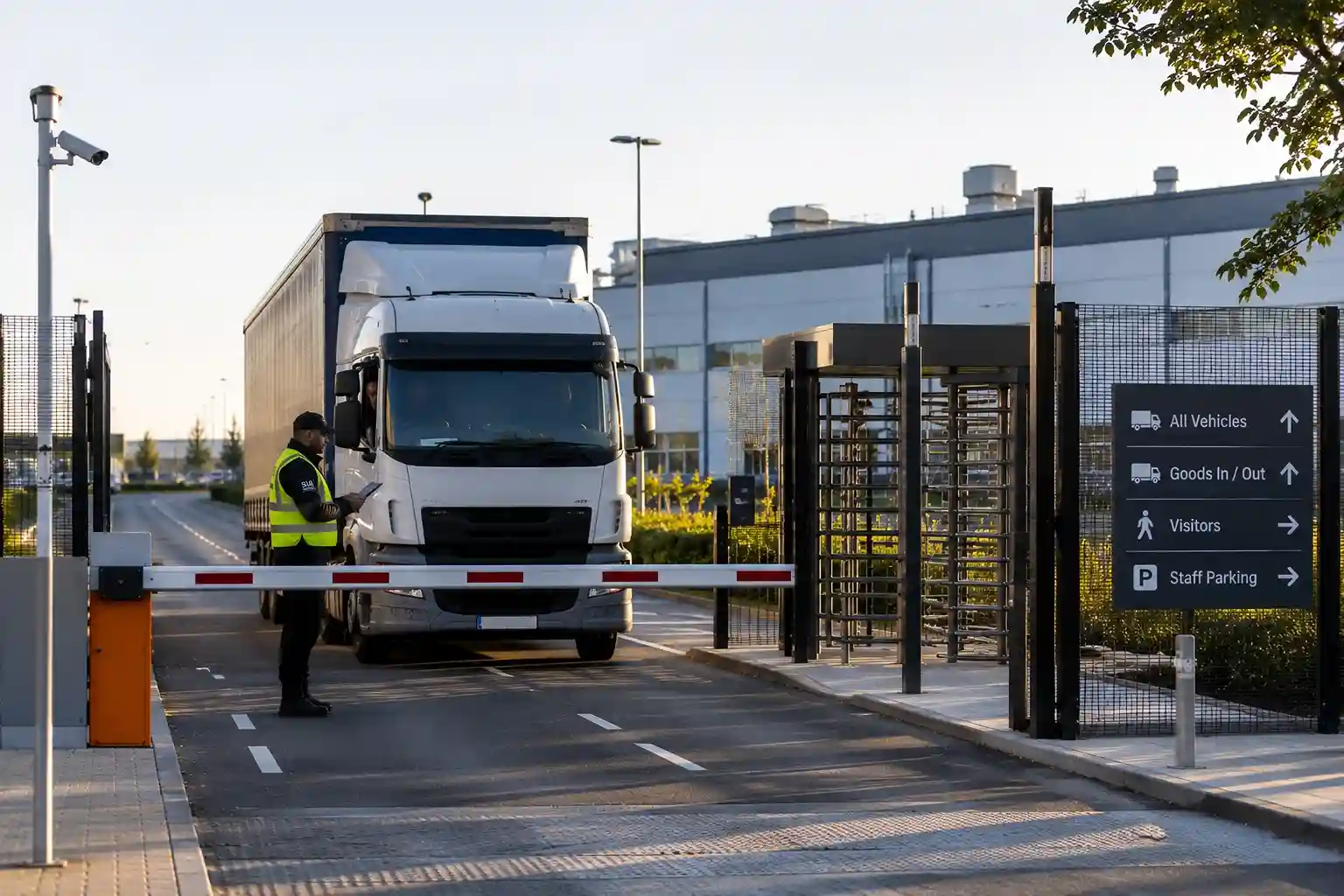
Bury’s industrial estates, retail parks and logistics hubs each need their own routines. Guards start shifts with a perimeter walk, fences, gates, and bollards get a close look. Every officer keeps a log: patrol times, odd findings, anything worth flagging. Radios, alarms, equipment and CCTV are checked regularly at the beginning of duty and again during the shift.
When alarms sound, teams follow clear procedures, especially overnight when sites sit quietly. Visitor handling is strict: arrivals are logged, IDs checked, movements tracked. Officers also test cameras and internal locks to keep the security chain intact. Reading past incident logs helps staff spot patterns and stop repeats.
Safety & Infrastructure Checks
Guards do more than watch screens or patrol. They help keep the site itself safe. Fire extinguishers, alarms, and escape routes are checked often, especially in warehouses and retail spaces. Lighting in car parks and along boundaries is reviewed to limit dark areas. Utilities are monitored for signs of interference, and regular notes are made so that anything unusual reaches management quickly. This steady attention reduces risk and helps sites meet safety rules without gaps.
Shift End Protocol
Guards do more than watch screens; they keep a site’s fabric sound. Fire extinguishers, emergency exits and alarm systems get routine inspections, especially in warehouses and shops. Car parks and perimeters have lighting tested to shrink shadowed spots. Utilities are checked for signs of tampering, and hourly logs capture oddities so management can act. This forward-looking approach lowers risk and helps meet safety and regulatory obligations.
Performance, Risks & Staffing Challenges
KPIs for Bury Businesses
For Bury firms, judging how well manned guarding works isn’t just about someone standing visible. KPIs, the measurable stuff, look at clear results: fewer incidents, completed patrols, reaction times, and compliance marks. Cutting incidents is the clearest readout. Every theft prevented, every row stopped, every blocked unauthorised entry shows active patrols and sharp site focus. Patrol completion rates prove officers are covering high-risk spots, from busy retail zones to warehouse yards. Response times reveal whether teams actually move fast when alarms trigger, and that speed matters where quick action stops things from getting worse. Compliance scores show whether licensing, safety rules and internal procedures are being followed. Together, these measures give owners an evidence-based view of security performance.
External Conditions Affecting Guarding
Outdoor guarding in Bury is not static; environmental conditions heavily influence operations. Rain, fog, or icy surfaces in Merseyside can slow patrols and obscure visibility, necessitating adjustments in guard deployment and route planning.
Documentation of environmental disruptions is critical. Every shift records weather impacts, noting deviations from planned patrols or equipment issues caused by external conditions. Compliance with environmental regulations ensures that outdoor security measures, lighting, barriers, and temporary patrol posts meet local council standards without overstepping restrictions. By accounting for these factors, manned guarding remains effective, responsive, and aligned with legal requirements, even under challenging weather conditions.
Workforce Health & Retention
People still matter most in manned guarding. Long night shifts wear on staff, fatigue creeps in, focus slips, and stress takes a toll. To fight that, Bury security providers schedule sensible rest breaks, run quick wellbeing check-ins, and offer mental-health support for those on overnight duty.
Keeping teams together is another hurdle. Merseyside’s tight labour market means firms compete hard for trained officers. Useful retention moves include offering skills training, fair pay, clear promotion paths, and regular praise for top performers. Putting effort into staff stability keeps rosters full, cuts coverage holes, and preserves service quality, vital for organisations that depend on alert people to guard staff, stock, and reputation.
In short, manned guarding in Bury isn’t merely deterrence. It’s a measured system that tracks performance, reduces risk, and backs people so protection stays steady and dependable, every night consistently.
Technology & Future Trends in Bury Manned Guarding
Evolving Tech Landscape
Technology has quietly changed how manned guarding works in Bury. City sites, industrial estates and retail centres now blend human awareness with smart systems. Post-COVID measures still matter too, from cleaner patrol routines to contactless visitor logs, helping sites stay safe and compliant. Guards today do more than watch. They operate systems, read data, and step in fast when something feels off.
Cameras, mobile reporting tools and automated access controls give live updates on what’s happening. Still, tech doesn’t replace people. It sharpens them. A trained guard reading CCTV analytics or AI alerts can stop problems early, using judgment and instinct in ways machines alone simply can’t. This approach is also seen across nearby hubs like Bolton.
Integrated Security Systems
Integration makes the difference. AI cameras can flag odd behaviour, a delivery van looping a warehouse twice, or someone lingering too long near a shop entrance. Remote monitoring teams can alert guards straight away, so the response on site is quicker and more precise.
Drones are starting to play a role too, especially on large estates like Pilsworth and Chamberhall. They scan blind spots, use thermal views at night, and stream live footage back to guards below. When paired with predictive data, managers can spot trends, tweak patrol routes, and cut response times.
When people and technology work together, security shifts from reactive to planned. It’s not just about dealing with incidents anymore. It’s about seeing risk early, protecting assets, and keeping Bury’s businesses running without disruption.
Certifications & Sustainability
Training means something real now. Guards learn first aid, ACT skills, CCTV work, and how to cool down a brewing row. These sessions shape people who stay steady, sharp, and able to handle tech on the fly. Shops, yards, and busy venues count on that. They want staff who can use cameras, manage radios, and keep their heads when tension kicks off.
Sustainability sits higher on the list, too. Clients in Bury look for patrols that cut waste and fumes. Electric vans on rounds. Quick LED checks. Tighter routes that save fuel and keep noise down for nearby homes. Small steps, sure, but they trim costs and lift how a business looks to the public.
Martyn’s Law shifts daily routines in venues. Teams must plan for major threats, tighten access, and walk through evacuation drills. Guards train for these tasks and pick up new tools as they go. The aim stays clear: shield people and keep the place running when things turn sharp.
Put simply, modern manned guarding blends trained staff, smart kit, and greener habits. That mix keeps sites safer and ready for whatever turns up next.
Conclusion
So, why does manned guarding actually matter for businesses in Bury? Because the risks here aren’t theoretical, they’re everyday. Busy retail streets, tucked-away industrial estates, late-night venues, logistics yards with awkward layouts, a pattern also seen in nearby Rochdale. All of them face different pressures, and many of them slip straight past CCTV and alarms.
This is where trained guards earn their keep. They don’t just watch problems unfold; they step in early. They meet SIA licensing standards, pass DBS checks, and help businesses stay aligned with Martyn’s Law duties. In real terms, that means fewer incidents, lower losses, and often reduced insurance premiums. Stock is safer. Staff aren’t left dealing with trouble alone. Operations keep moving.
But there’s another layer people often miss. A visible, professional guard changes how a place feels. Tensions drop. Customers linger longer. Employees work with more confidence. Security stops being a background worry and becomes part of how the business runs smoothly.
For Bury businesses, manned guarding isn’t an optional upgrade. It’s a shift from passive protection to active control. Walk your site, spot the weak points, and put trained people where they’re needed. Doing nothing costs more in the long run in money, reputation, and trust. Strong security protects more than property; it protects your place in the community as Bury continues to grow.
FAQs
1. Why do Bury businesses spend on manned guarding rather than rely on CCTV alone?
CCTV watches, and that’s useful for replaying what went wrong. It doesn’t stop things from happening in the first place. In Bury, businesses pay for human presence because a trained guard sees the tiny hints a camera misses: a tense word, a furtive glance, a pattern of behaviour that says “something’s about to go sideways.” They step in, calm things down, guide staff, and call for help when needed, right away. In short: cameras record. people prevent.
2. Are guards in Bury trained to deal with anti-social behaviour?
Yes. Guards are trained in conflict handling, calm communication, and de-escalation. In retail parks and nightlife areas across Bury, those skills matter. They help situations cool down quickly and safely, protecting staff, customers, and passers-by.
3. How much does manned guarding cost for a Bury retail store?
Costs vary depending on site size, hours of coverage, and specific risks. On average, a standard daytime retail store in Bury can expect rates to reflect staffing levels, local wage pressures, and any specialised requirements. Consulting a security provider ensures accurate budgeting and ROI.
4. How fast can a guard be placed on a Bury site?
In urgent cases, deployment can happen within 24 to 72 hours. For planned cover, onboarding is phased so guards learn the site properly. That way, protection is effective from the first shift.
5. Do businesses need to supply equipment for guards?
Sometimes. Clients often provide access tools like keys or passes. Most professional firms supply uniforms, protective gear, and patrol equipment. Clear coordination avoids gaps and keeps daily operations smooth.
6. Can manned guarding lower insurance premiums in Bury?
Often, yes. Insurers value a visible, trained presence. Regular patrols, strong reporting, and fewer incidents show good risk control for warehouses, shops, and logistics sites, which can translate into reduced premiums.
7. What does a security guard need to work legally in Bury?
To work on site, a guard needs a current SIA licence. They’re also trained in first aid, handling conflict calmly, and using CCTV systems. Check,s matters and DBS screening and BS 7858 vetting are standard. These steps make sure that guards work together to meet the law and could protect people and property.
8. Does Martyn’s Law apply to venues in Bury?
Yes, and it’s not something local venues can brush aside.
If you host the public in Bury, Martyn’s Law applies. That means real risk assessments, sensible access control, and clear plans for what happens if something goes wrong. Paperwork alone won’t cut it. Someone has to notice unusual behaviour, manage entry points, and act fast under pressure.
This is where manned guarding makes a difference. Trained officers don’t just “tick the compliance box”. They help venues stay aligned with the law day to day, while quietly keeping visitors safe. It’s practical, visible protection, and often the difference between being prepared and being caught off guard.