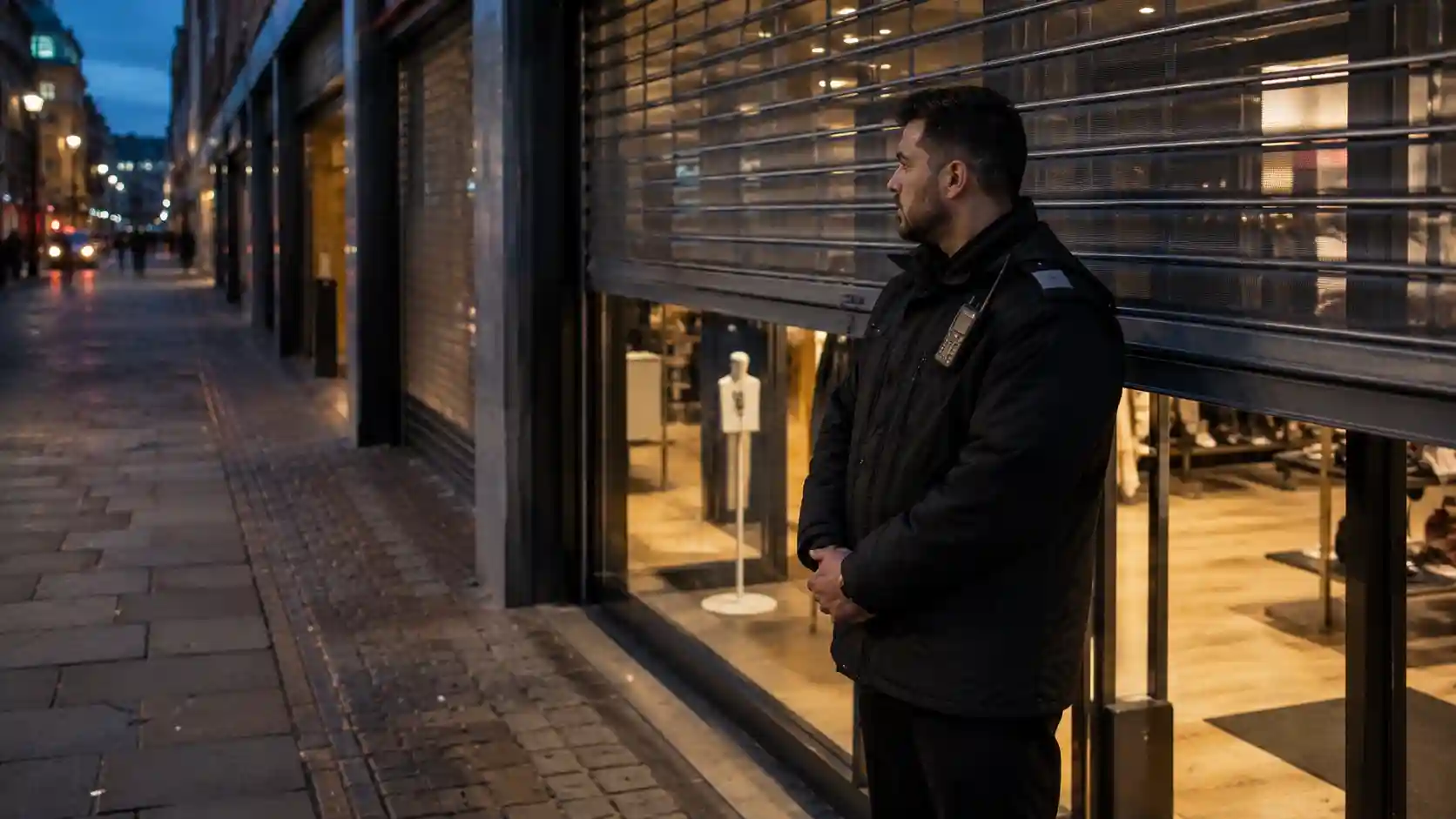
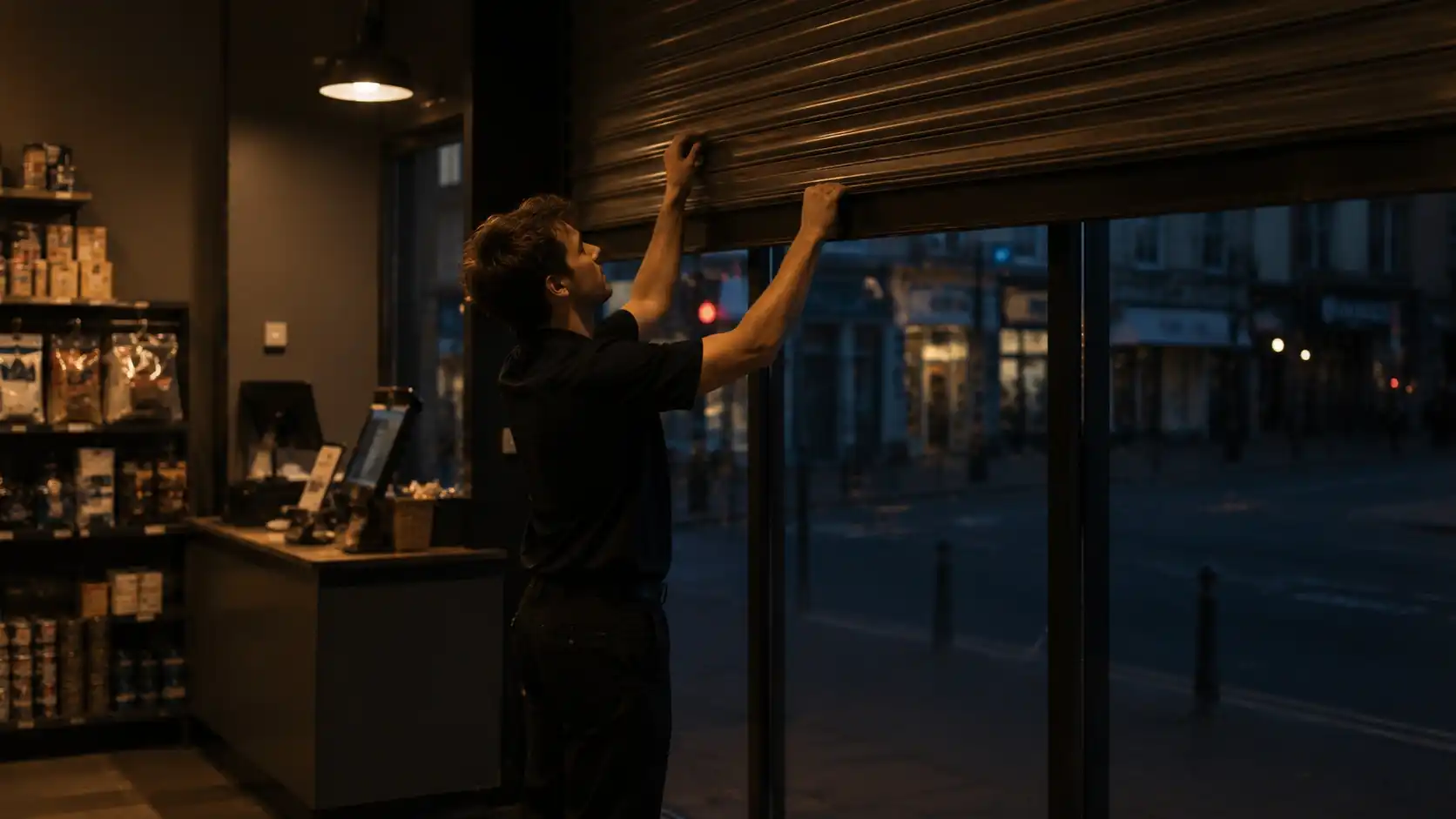
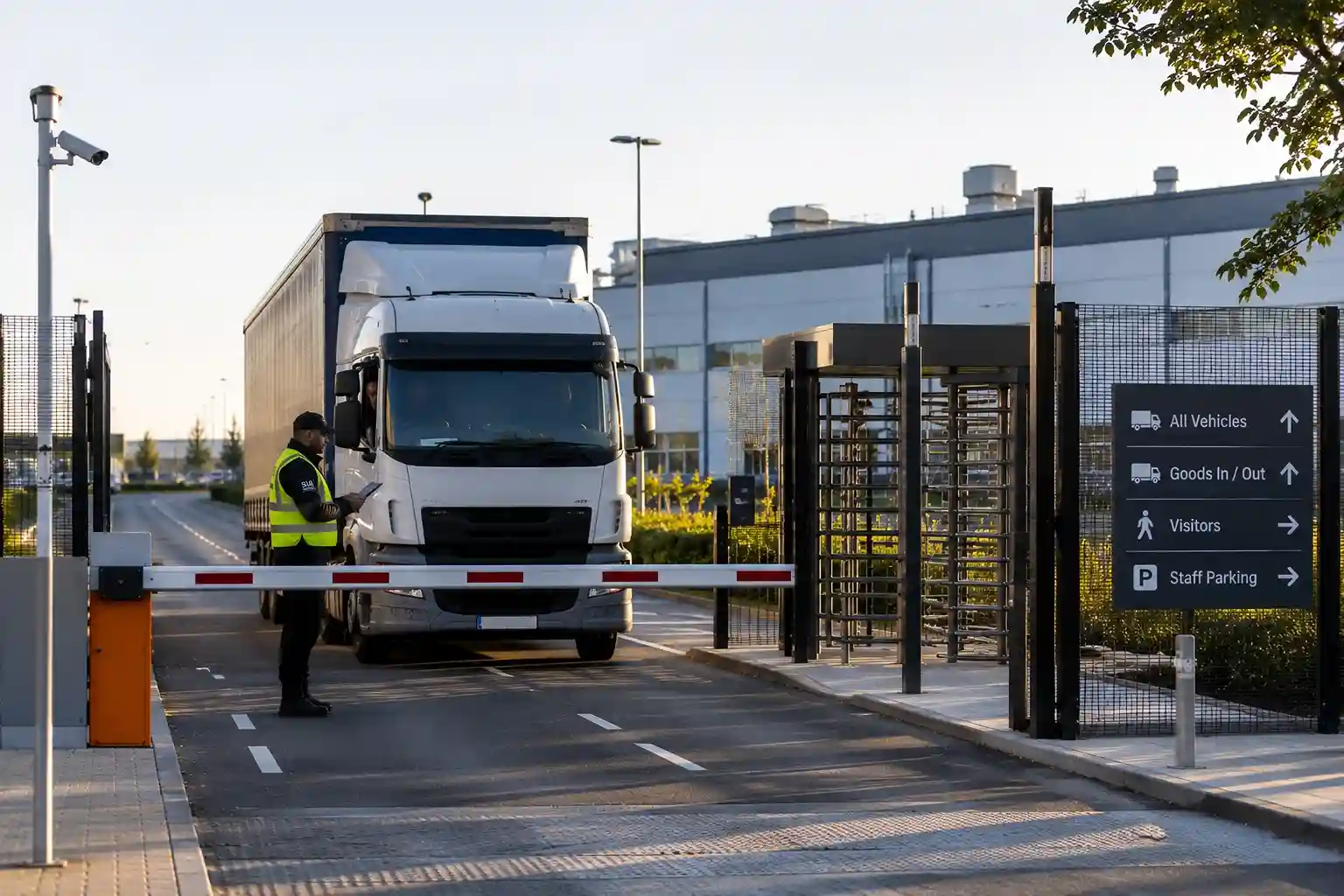
St Helens has been the place for many businesses that have been putting in a lot of hard work; however, not many of them have a buffer of a margin for error now. Retail parks are full of life from early morning to late evening, but industrial estates remain still for most of the time, and warehouses and logistics units are busy during the night. Even the smaller offices, which have been more frequently empty because of hybrid working patterns or seasonal downtime, are becoming so. That shift in how sites are used has changed the risk profile across the area.
Many sites still rely on older systems, such as cameras on walls, alarms on doors. The idea that visible hardware equals safety sometimes helps. Often it doesn’t. Modern security issues tend to be quiet. An unsecured gate, unexplained stock loss, or someone on site who doesn’t raise an alert.
This is why St Helens businesses need manned guarding becomes a practical question. Shops, retail parks, industrial estates, construction sites, and late-night venues all sit side by side. The pressures change by sector, but the risk is shared. Staff numbers are thinner, lone working is normal, and operating hours keep stretching.
Pressure increases as crime shifts. Theft in retail has become more brazen, antisocial behaviour affects staff morale, and industrial sites deal with overnight trespass and damage.
There’s a gap between perceived security and real security. Systems can record and alert, but only human presence shapes behaviour in the moment.
Manned Guarding Basics in St Helens
What Manned Guarding Means for St Helens Businesses
Manned guarding means having a trained, licensed security officer physically present on site. The guard is there to observe activity, manage access, patrol key areas, and respond when something feels wrong. Unlike cameras or alarms, this presence is active rather than reactive.
In St Helens, that distinction matters. Many business sites are open by design. Retail parks allow free movement. Industrial estates share roads, yards, and loading areas. Construction sites change layout as work progresses. In these environments, risk rarely arrives with force, which appears through routine behaviour that feels slightly out of place.
This is where human presence in business security becomes important. A guard notices patterns that systems miss.
- Who arrives earlier than usual?
- Which gate keeps being tested?
- When behaviour shifts from normal to concerning.
These small observations often prevent larger incidents later.
When Manned Guarding Becomes Necessary
Most St Helens businesses do not start out needing manned guarding. They reach that point gradually.
Patterns form as incidents repeat and losses no longer add up. Staff voice concerns about safety and behaviour. Footage confirms events, but offers little guidance on prevention.
This is often when manned guarding services become necessary. Not because crime has suddenly increased, but because existing controls no longer reduce risk in a meaningful way. Alarms respond after access has already been gained. Remote monitoring cannot judge intent in real time.
At this stage, why St Helens businesses need manned guarding becomes clear. A consistent on-site presence closes the gap between awareness and action.
Business Crime Patterns in St Helens
Business crime in St Helens tends to be practical rather than dramatic. Retail theft often happens during trading hours, sometimes openly. Staff face pressure and abuse alongside stock loss. Retail parks see repeat behaviour because access is easy and response is slow.
Industrial areas face different problems. Trespass, tool theft, fuel loss, and damage often occur quietly. These incidents are usually discovered hours later, once a new shift begins.
What links these patterns is repetition. Small incidents build over time, increasing cost and frustration for businesses. Retailers in Liverpool have reported the same shift, where theft happens openly during trading hours when visible on-site intervention is absent.
Sector-Specific Vulnerabilities in St Helens
Different sectors face different weaknesses.
Industrial estates struggle with wide perimeters and shared access points. Warehouses deal with constant movement, deliveries, and internal risk. Construction sites face changing boundaries and valuable materials left overnight. Late-night venues manage behaviour that can change quickly and without warning. Warehousing sites in Warrington face similar overnight trespass and damage issues, particularly where estates share access roads and long perimeter lines.
Night-time economy security company in St Helens relies heavily on presence and judgment. Guards are there to calm situations early, guide behaviour, and prevent escalation rather than respond after the fact. No single approach fits every site, but all depend on people, not just systems.
Day vs Night Manned Guarding Risks
Daytime risks are often social. Theft, confrontation, and access control issues dominate. Guards support staff, manage visitors, and maintain visible order.
Night-time risks are more structural. Perimeter breaches, poor lighting, and unauthorised access become the focus. Patrol patterns, response planning, and lone-working awareness matter more after hours. Treating day and night as the same risk profile leaves gaps that incidents quickly exploit.
Seasonal and Event-Driven Risk in St Helens
Seasonal peaks place extra pressure on sites. Temporary staff, longer hours, and higher footfall reduce natural oversight. Local events increase crowd density and disorder risk, especially around car parks and transport routes.
During these periods, commercial site vulnerability factors rise sharply. Short-term manned guarding is often used to stabilise sites and protect staff until conditions return to normal.
Legal and Compliance Requirements for Manned Guarding in St Helens
UK Manned Guarding Legal Requirements Explained
Manned guarding in the UK is not informal cover; it is a regulated activity. When a business places a security guard on site, legal responsibility does not sit with the guard alone. It sits with the business as well.
The UK manned guarding legal requirements are built around one core principle: duty of care. Business owners must take reasonable steps to protect staff, visitors, and property. That duty extends to how security is provided, who provides it, and whether it is lawful.
Using manned guarding services without understanding these obligations creates exposure. Not just to fines, but to insurance disputes, civil claims, and reputational damage if something goes wrong.
SIA Regulations and Licensing in St Helens
Any guard carrying out licensable activities must hold a valid SIA licence. This includes guarding premises, managing access, and working in public-facing roles. There are no special allowances for St Helens under national rules.
The SIA regulations for manned guarding exist to ensure guards are trained, vetted, and accountable. If a business uses an unlicensed guard, it is committing an offence. In practice, this often comes to light after an incident, when insurers or investigators begin asking questions.
For businesses, the risk is not theoretical. Insurance policies may be invalidated. Claims can be refused; however, liability can fall directly on directors or site managers.
Vetting, DBS Checks, and Workforce Eligibility
Licensing is only part of compliance. Guards must also be properly vetted. BS 7858 screening checks identity, employment history, and right to work. This process protects businesses from placing unsuitable individuals in sensitive environments.
DBS checks apply depending on the site. Retail differs from education. Industrial sites differ from healthcare or public venues. Post-Brexit rules have added further complexity, particularly around EU nationals and right-to-work verification.
Businesses cannot assume these checks are being handled correctly. If vetting fails, responsibility does not disappear.
Insurance, Liability, and Risk Transfer
Insurers now look closely at security arrangements. They ask who is on site, when they are present, and what authority they have. This is where insurance requirements for security guards intersect with day-to-day operations. Insurers reviewing sites in Bury increasingly look for documented manned guarding as evidence of active risk control rather than passive monitoring.
Manned guarding is often viewed as a risk-reduction measure. Sites with consistent, licensed guarding tend to see smoother claims handling and fewer disputes after incidents. Where guarding is informal or non-compliant, insurers may challenge liability.
This is one reason many businesses see guarding as part of risk management rather than an added cost.
Data Protection and CCTV Integration
When guards work with CCTV, data protection rules apply in full. Access to footage must have a clear reason, and use must stay proportionate to the incident. How long footage is kept, who can view it, and how it is shared all need to follow a set policy.
Guards require clear instructions. They must know what they are allowed to watch, record, and include in reports. Poor handling creates risk fast, even if the original incident was minor. A single mistake can trigger legal issues that sit far outside the security response itself. Compliance here is less about the camera and more about the process that controls it.
Council, Police, and Partnership Expectations
Local authorities influence security expectations through licensing conditions, planning approvals, and event permissions. In some cases, the presence of trained, licensed guards is part of approval.
Policing priorities also shape deployment. Crime trends, repeat locations, and emerging risks are monitored using local intelligence, supported by national oversight from bodies such as the UK Home Office, which sets direction for policing and public safety across England.
Private manned guarding works best when it aligns with these frameworks. Clear communication, lawful operation, and proper reporting help avoid conflict and confusion during incidents.
Legal and Compliance Requirements for Manned Guarding in St Helens
UK Manned Guarding Legal Requirements Explained
In the UK, manned guarding is a regulated activity with clear legal boundaries. It isn’t optional, and it isn’t hands-off. Business owners are part of the duty chain, not bystanders to it. Its legal requirements place responsibility on both the guard and the organisation that hires them. That means checking SIA licences, confirming training, and ensuring the work being carried out is lawful and appropriate for the site.
Compliance isn’t theoretical. When things go wrong, the impact is real. Fines, invalidated insurance, contract disputes, and public scrutiny all follow failures quickly. Reputational damage often lasts longer than the incident itself. Meeting legal requirements protects more than a site. It protects the business behind it.
SIA Regulations and Licensing in St Helens
All guards carrying out licensable duties must hold a valid SIA licence, and that rule applies fully in St Helens. There are no local shortcuts. Businesses that use unlicensed guards take on a serious risk. Prosecution is one outcome. Insurance can also be invalidated, leaving claims uncovered. Civil action may follow if someone is harmed.
Enforcement usually feels quiet until something goes wrong. Investigations often start after an incident, not before. At that point, paperwork, licences, and deployment records are examined closely. Understanding SIA regulations for manned guarding is not optional. It is the foundation of lawful security. When licensing is handled properly, it protects the guard, the client, and the business operating the site.
Staff Vetting and Eligibility Requirements for Security Teams
BS 7858 vetting looks beyond a CV. It checks identity, previous jobs, references and right-to-work status so people placed on site are who they say they are. DBS checks are added where the role or location needs extra caution, such as schools, care settings, or roles with close public contact.
Since Brexit, eligibility checks have tightened. Right-to-work evidence must be clear and current. Employers and security providers need robust processes to stay compliant. Don’t assume a supplier handles everything for you; confirm it in writing. Paperwork errors or shortcuts can lead to prosecutions, failed claims, or lost contracts. In short, vetting is a shared duty. Ignorance won’t protect a business when things go wrong.
Insurance, Liability, and Risk Transfer
Insurers no longer treat on-site security as background detail. They ask clear questions.
- Who is on site?
- When the cover is in place?
- What authority do guards hold?
These details shape how risk is priced and whether cover stands up after an incident.
Insurance requirements for security guards now influence premiums directly. For sites with repeat losses, manned guarding is often viewed as a practical risk-reduction step. Fewer incidents mean fewer claims. That pattern matters at renewal. Clear contracts, proof of licensing, and documented duties help transfer risk correctly between the business and the provider. When roles are defined and evidence exists, liability becomes clearer. When they are not, insurers may push responsibility back onto the site operator.
Data Protection and CCTV Integration
When guards use CCTV, they step into a legal role under GDPR. Footage cannot be accessed out of curiosity or convenience. There must be a clear reason linked to safety or investigation. Recording also has limits. Cameras must be positioned and used lawfully, without capturing more than is necessary.
How data is handled matters just as much. Who can view footage, how long it is kept, and when it can be shared all need firm control. Training in these duties is essential. Without it, small mistakes turn into serious issues. A casual replay, an unsecured clip, and an informal share. Compliance here depends on people understanding the process, not just knowing where the camera sits.
Council, Police, and Partnership Expectations
Local councils and police set firm expectations for how security should operate, even when that influence isn’t obvious day to day. Licensing rules, planning conditions, and enforcement focus all shape what is acceptable on a site. These standards don’t appear by chance. They reflect local crime patterns, assessed risks, and broader public safety aims. What is allowed in one setting may not be suitable in another, and security plans are expected to reflect that reality.
Much of this direction is set at a national level through organisations such as the UK Home Office, which defines how policing and public protection operate across England. That guidance flows down into local policy and response. Private guarding must work within it. During incidents, alignment becomes critical. Clear responsibility, shared understanding, and proper escalation prevent delays. When private security moves in step with public services, responses stay controlled, coordinated, and far easier to manage under pressure.
Costs, Contracts, and Deployment in St Helens
Manned Guarding Costs in St Helens
Manned guarding costs in St Helens depend on both location and exposure. A post in the town centre carries different demands than a low-traffic industrial estate. Night shifts add another layer, as reduced visibility and higher risk make staffing more complex. These factors shape pricing from the start and should be reflected in planning.
The rate itself covers far more than presence. Pay, licensing, training, vetting, and active supervision all sit behind it. Across the UK, costs have risen as labour shortages tighten supply and compliance standards increase. Retention has become a real challenge. This isn’t just local inflation at work. Knowing what the rate includes helps businesses judge value properly, compare providers fairly, and avoid saving money in ways that later create exposure.
What Drives Guarding Costs Locally
Several factors push up guarding costs at a local level. Wages have risen, driven by labour shortages and the need to retain experienced staff. Longer shifts add pressure, too. Fatigue has to be managed, which means more cover or tighter rotas. Skill requirements also play a part. Sites now expect guards who can handle access control, reporting systems, and conflict calmly, not just stand watch.
Round-the-clock coverage raises costs further. Night work is harder to staff and carries a higher risk, so rates reflect that reality. Compliance sits underneath all of this. Licensing, training, vetting, supervision, and welfare checks are not optional, and none come free. Compliance is not cheap. But cutting corners costs more when fines, failed claims, or incidents arrive.
Contract Structures and Flexibility
Security contracts come in many forms. Some are short-term, covering events or temporary risk. Others run for years and provide steady, planned cover. Notice periods sit in the middle. They protect both sides by allowing change without sudden gaps or rushed decisions. This structure matters when sites evolve.
Mobilisation speed is just as important. Risk can rise quickly after an incident, staffing change, or seasonal shift. Providers need the ability to respond without delay. In practice, flexibility often matters more than the lowest rate. Businesses value coverage that can scale, adjust hours, or change focus as conditions shift. A rigid contract may look cheaper on paper, but it can fail when pressure hits and response time counts most.
Insurance, Risk Reduction, and Cost Value
The real value of manned guarding isn’t seen on an hourly rate sheet. It shows up when losses slow down, disruptions ease, and sites keep running. Theft prevention saves more than stock. It avoids repairs, delays, and staff time spent dealing with fallout. Downtime costs quietly drain budgets.
Many businesses notice another shift over time. Fewer incidents lead to fewer claims, which steadies insurer conversations. Confidence grows when risk looks managed, not reactive. Reducing business risk through guarding rarely delivers instant results. It builds gradually, with each prevented issue adding weight over time. Over months, that consistency often costs less than repeated disruption ever did.
Training, Daily Operations, and Guard Duties in St Helens
Guard Training Standards for Local Sites
Training shapes how guards perform on-site. Conflict handling, observation, access control, and customer interaction all matter. Retail roles focus on people and behaviour. Industrial patrols demand awareness of space and process. Local knowledge ties it together, helping guards read patterns and respond faster.
Start-of-Shift Procedures
A shift starts with preparation, not movement. Guards check access points, lighting, and key utilities. Previous incident logs are reviewed for patterns or unfinished issues. This routine clears blind spots early and sets expectations for how the rest of the shift will run.
Patrol Routines and Access Control
Guards plan rounds by risk, not routine. They map weak points, then act. Random checks break patterns. Gates use badges and timed locks. Patrols shift with deliveries, foot traffic, and work hours. The aim: fewer chances for someone to learn the schedule. Shifts vary nightly; unpredictability is the defence too.
Incident Response and Reporting
Stay steady. Note facts fast: who, where, when, what. Speak low to calm people, and call managers if danger grows. Secure the scene, save evidence, and keep bystanders back. File a clear, timed report with photos. Share copies with staff and responders to close the loop. Log follow-up tasks promptly.
Handover, Logging, and Secure-Down
- Pass keys and facts fast at handover.
- Talk about odd signs, visitor logs, alarms, and note unfinished tasks and who owns them.
- Check locks, windows, and cameras during secure-down.
- Set alarms, remove keys, and leave clear notes.
- Confirm rival teams know changes.
- Sign, time, and store the log for records.
Performance, Risks, and Staffing Challenges in St Helens
Measuring Guarding Performance
KPIs track patrols, incidents, response times, and compliance. Reporting creates accountability.
Environmental and Weather Challenges
Manchester weather patterns spill into St Helens. Rain, wind, and cold affect patrol effectiveness and safety.
Fatigue, Mental Health, and Retention
- Long shifts impact performance.
- Support structures matter.
- Retention remains a challenge across the sector.
Labour Shortages and Local Market Pressures
- Recruitment is competitive.
- Skill gaps appear quickly.
- Continuity is valued more than novelty.
Technology and Future Trends in St Helens Manned Guarding
Staffed Security vs Remote Monitoring
Staffed security vs remote monitoring is not an either-or debate. Technology supports guards. It does not replace judgment.
Integrating CCTV, AI, and Analytics
Analytics surface odd patterns, guards read the meaning, and the combined response sharpens outcomes.
Drones, Remote Oversight, and Urban Sites
Drones supplement perimeter checks on large sites. They do not replace ground presence.
Martyn’s Law and Future Compliance Pressures
Future legislation will increase expectations for venue security. Manned guarding will play a larger role in visible compliance.
Hybrid guarding models trialled around Preston show how combining on-site presence with analytics improves response without increasing overall headcount.
Conclusion – Why St Helens Businesses Need Manned Guarding
Why St Helens businesses need manned guarding is no longer just about crime rates. It is about control, confidence, and continuity.
Manned guarding supports compliance. It stabilises operations. It reassures staff and customers. It strengthens physical security planning for businesses and anchors local business risk management in St Helens in reality.
When done properly, guarding is not reactive. It is preventative. And in a town where business environments continue to evolve, that distinction matters.
Protect your operations with trained guards on the ground. Get a tailored quote.
Reach out to us for more information.
Frequently Asked Questions
1. Why is manned guarding increasingly necessary for St Helens businesses?
Staffing gaps, mixed-use sites, and changing crime patterns create risks that technology alone cannot manage.
2. How does manned guarding help reduce retail theft in St Helens?
Visible presence deters theft and allows early intervention before loss escalates.
3. What legal risks do businesses face without licensed guards?
Fines, invalid insurance, civil liability, and reputational damage.
4. How do guarding costs compare to losses from crime?
For many sites, guarding costs less than repeat losses, disruption, and claims.
5. Is CCTV alone enough for industrial estates in St Helens?
Often no. Large sites need physical checks and response capability.
6. How quickly can manned guarding be deployed locally?
This depends on vetting and availability, but emergency cover is often rapid.
7. Do insurers favour businesses with staffed security?
Yes, especially for high-risk or previously affected sites.
8. How will future laws affect manned guarding requirements?
They are likely to increase expectations for visible, trained on-site security.