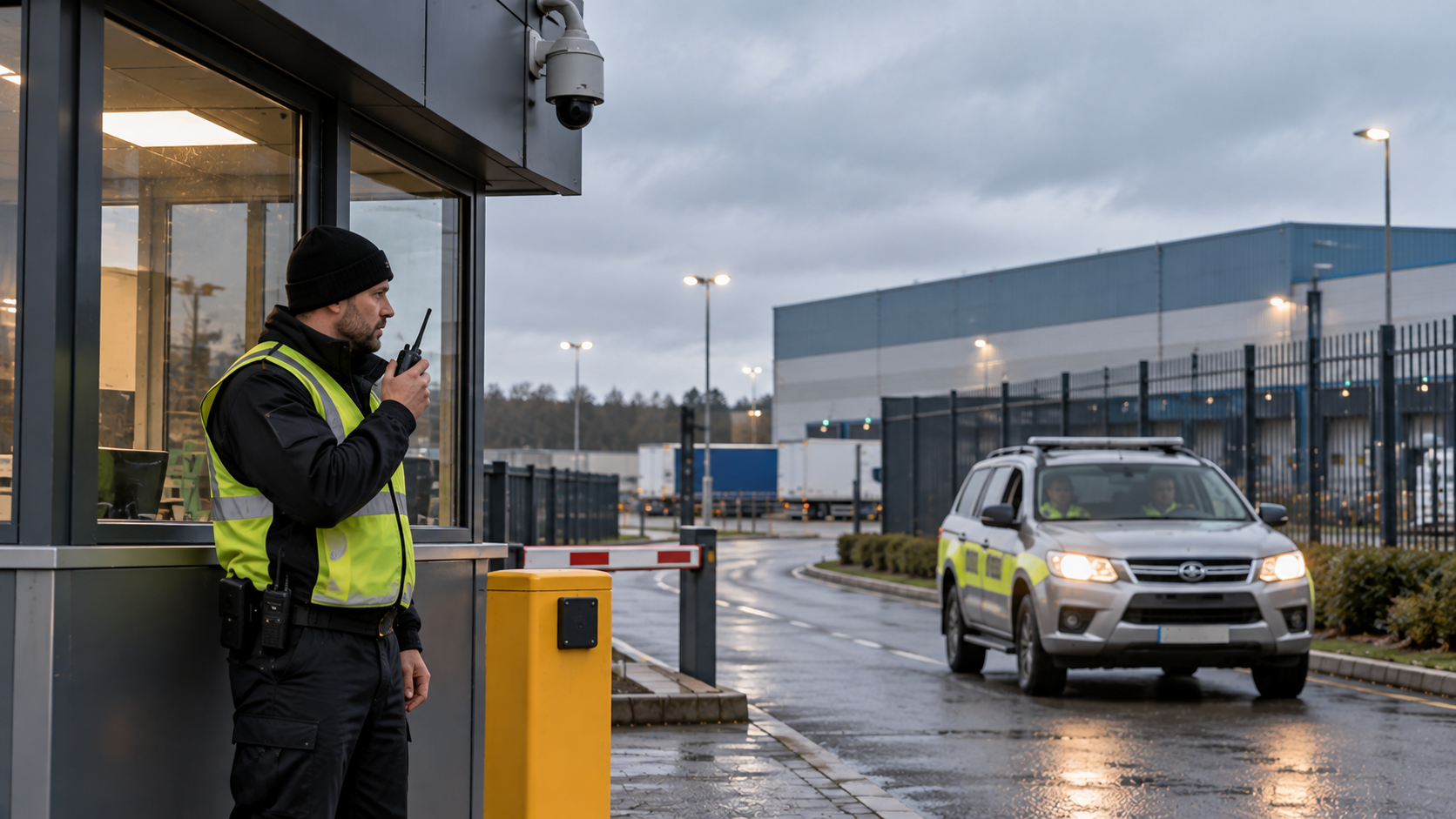
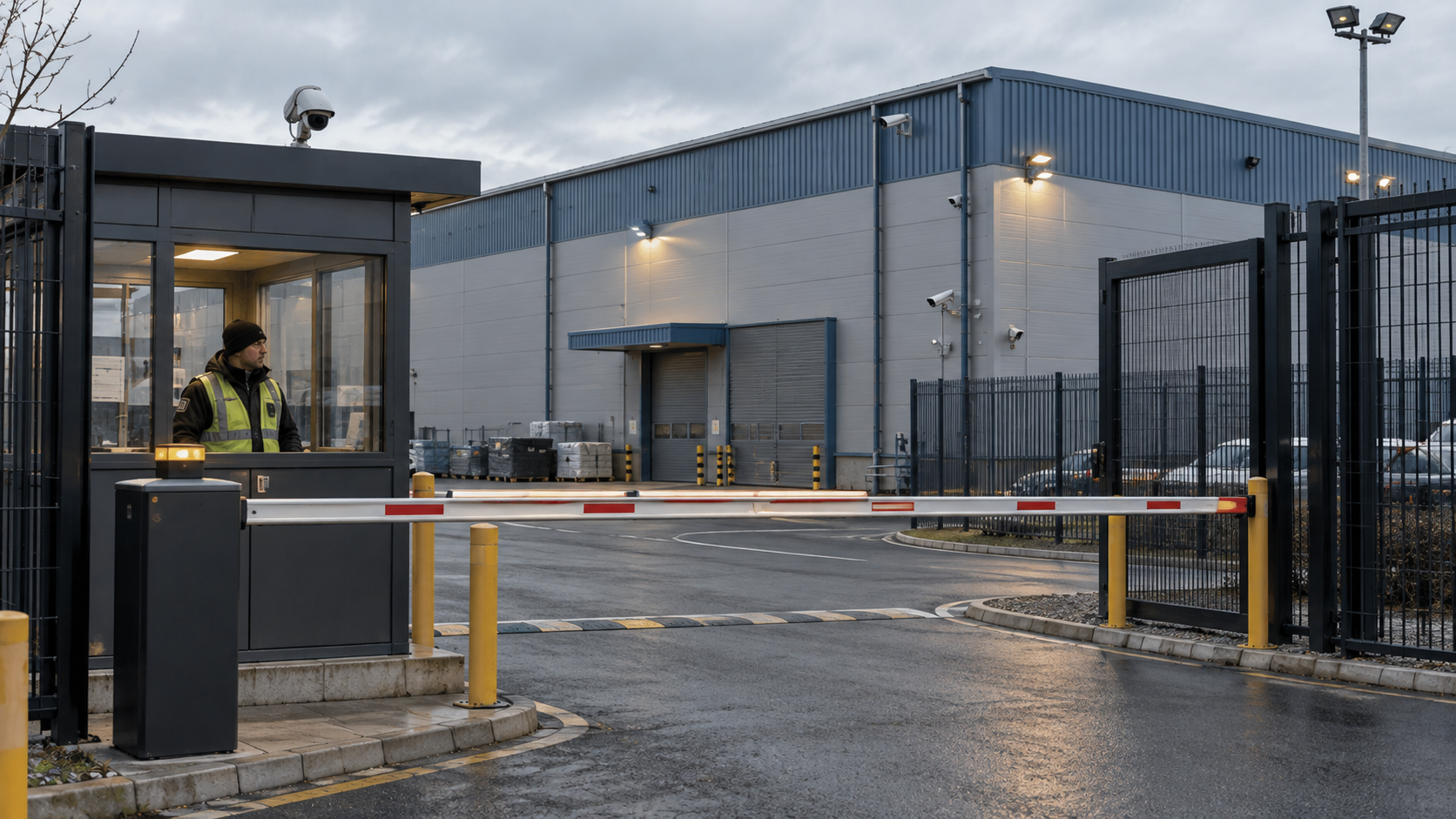
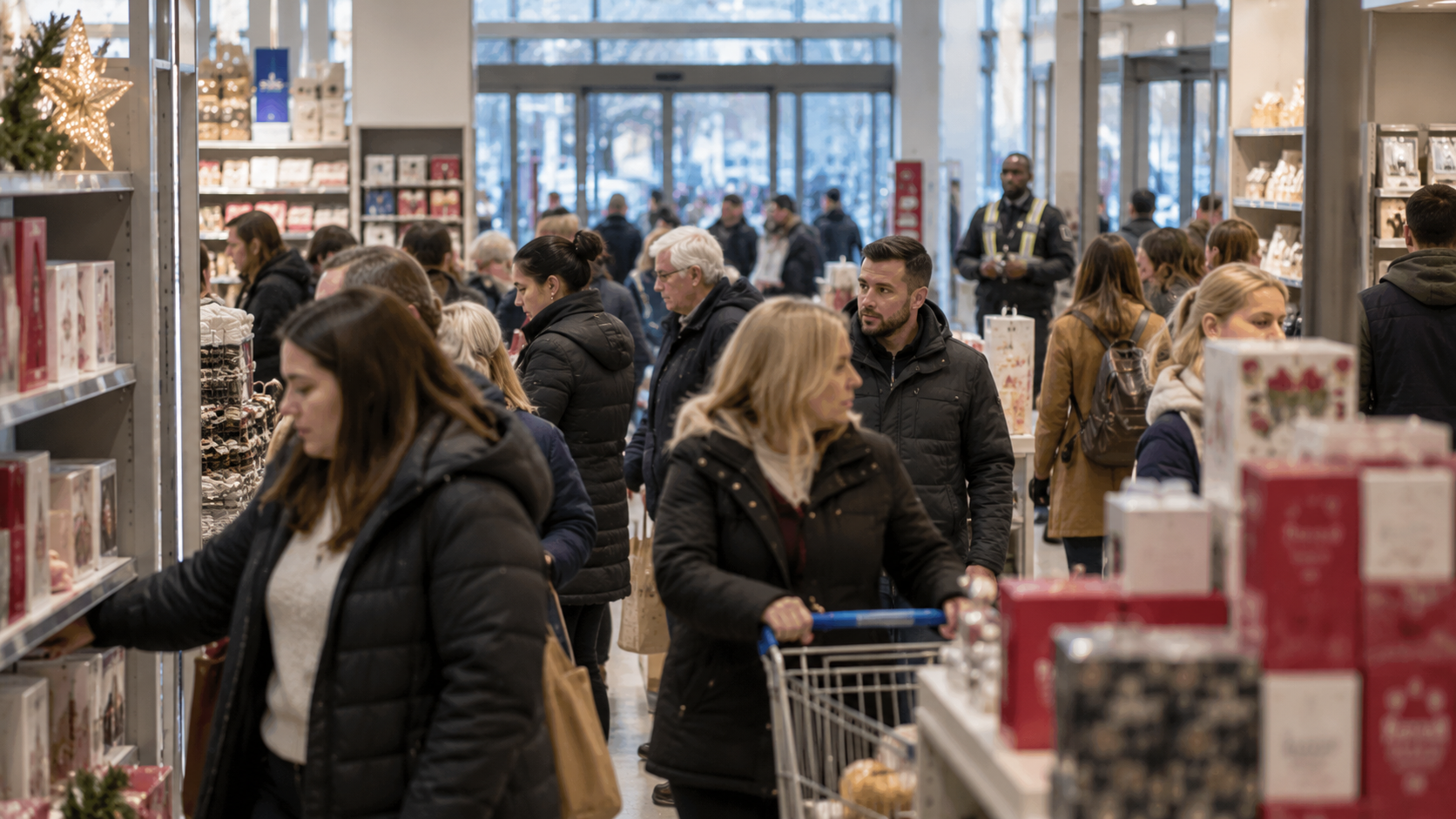
Retail in Hull runs on footfall, trust, and thin margins. That mix also makes it vulnerable. From city-centre convenience stores to retail parks on the outskirts, security is vital. Theft, abuse, and repeat offenders are no longer rare events; they have become part of the trading week. This is why Hull businesses need Retail Security, not as a show of force, but as everyday protection.
A visible, trained presence changes behaviour. Their presence can calm staff, and it also slows escalation before it turns ugly. In a city with busy independents, national chains, and open retail layouts, security has become part of responsible retailing, not an optional extra.
Understanding Retail Security Basics in Hull
Retail security in Hull has its own shape. It’s shaped by the city’s layout, its shopping habits, and the type of crime businesses actually face day to day. What works in London or Manchester often misses the mark here. This section breaks down what retail security really means on the ground. And says why Hull businesses need Retail Security that fits local conditions, not templates.
What Retail Security Is and What It Is Not
Retail security focuses on protecting people, stock, and trading continuity inside customer-facing spaces. That’s different from construction security or vacant property guarding in Hull, where the risk is usually trespass or vandalism after hours.
Retail officers are trained to:
- Stay visible without escalating tension
- Handle theft, abuse, and refusal-of-sale incidents
- Support staff under pressure
- Gather usable evidence when something goes wrong
It’s closer to customer-facing risk management than traditional “watch and wait” guarding.
How Hull’s Crime Profile Drives Retail Security Demand
Hull’s retail crime isn’t evenly spread. Some areas see repeat, predictable patterns. Others spike suddenly.
Yorkshire & The Humber Police data and local business reporting show:
- Repeat shoplifting by known individuals
- Group theft during busy trading hours
- Verbal abuse escalating into threats
This reality pushes retailers towards prevention, not reaction.
Peak Crime Hours for Retailers in Hull
There isn’t one danger window in the crime hours. There are several, and along with the store, staff and customers also face the danger.
Most retailers see problems during:
- Late mornings to mid-afternoon (distraction thefts)
- School closing hours (ASB clusters)
- Early evenings when staff numbers thin
This is why daytime retail security guards in Hull are no longer seen as excessive. They’re practical.
Hull-Specific Vulnerabilities Retailers Face
Hull has features that shape risk in open retail parks. Following it, they face trouble in high footfall but low supervision areas. And they face one of the vulnerabilities in mixed-use zones near food outlets.
These environments are easy to enter, easy to leave, and hard to control without presence.
Retail Security and Anti-Social Behaviour in Hull Retail Parks
Retail parks face customers and problems. Security officers play a quiet but effective role by:
- Breaking up loitering before it settles
- Spotting escalation early
- Supporting store refusals without staff confrontation
ASB drops fastest when offenders know someone is watching.
Why Rising Theft Has Increased Daytime Patrols
Yorkshire & The Humber region retailers are seeing more casual daytime theft, not late-night break-ins.
Daytime patrols help by:
- Creating unpredictability
- Watching multiple units, not just one door
- Disrupting repeat attempts
It’s about friction. Enough to make offenders move on.
Day vs Night Retail Security Risks
Day risks are mostly personal, while night risks will be physically challenging.
- Daytime: theft, abuse, crowd pressure
- Night-time: break-ins, damage, arson risk
Retail security in Hull often blends both, but the skills required are very different.
Seasonal Pressure: Hull Pride and Major Events
Events like Hull Pride change everything in here. Footfall surges, tempers shorten, and stores near routes or venues see:
- Crowding issues
- Higher theft attempts
- Staff fatigue
Temporary guarding during these periods is no longer optional for many retailers.
Economic Pressure and Retail Security Demand
Cost-of-living stress shows up in retail crime first. Hull is no exception.
When margins tighten:
- Theft rises
- Abuse becomes more common
- Staff confidence drops
Retail security acts as a stabiliser.
Business Growth and the Need for Protection
Hull’s retail regeneration brings opportunity and exposure. New stores, longer hours, and busier spaces all increase risk. As the city grows, so does the need for retail security that understands Hull, not just security in Hull.
Legal and Compliance Requirements in Hull
Retail security in Hull isn’t just about deterrence. It sits inside a tight legal frame, and getting it wrong carries real consequences. This is another reason why Hull businesses need Retail Security providers who understand compliance, not just presence.
SIA Licensing: The Non-Negotiable Requirement
Any security guard working in a retail environment in Hull must hold a valid licence from the Security Industry Authority (SIA). This applies whether the guard is static, patrolling, or handling incidents.
Licences confirm:
- Identity and right to work
- Criminal background checks
- Completion of approved training
- Ongoing suitability
There is no local exception. Hull follows the same national standard as everywhere else.
Penalties for Using Unlicensed Guards in Hull
Using unlicensed security is not a grey area; it is a criminal offence. For Hull businesses, penalties can include:
- Unlimited fines
- Invalidated insurance cover
- Reputational damage with police and insurers
In some cases, directors or managers can be held personally liable. Cheap cover often turns out to be the most expensive mistake.
DBS Checks: What Is Actually Required
SIA licensing already includes criminality checks, but many Hull retailers request enhanced DBS checks for added reassurance. It does especially where guards work near children, vulnerable adults, or lone staff.
It’s not legally mandatory in every case. It is often commercially sensible.
Insurance Requirements for Retail Security
Any compliant UK security provider should carry:
- Public liability insurance
- Employers’ liability insurance
- Professional indemnity
Hull businesses should always request certificates. If something goes wrong, insurance is what stands between disruption and disaster.
CCTV, Retail Security, and Data Protection
When retail security integrates with CCTV, UK data protection law applies. This includes:
- Lawful purpose for monitoring
- Clear signage for customers
- Secure handling of footage
- Limited access to recordings
Security officers must be trained to support compliance, not undermine it. Poor handling of footage can expose Hull retailers to complaints or enforcement action.
VAT Rules on Retail Security Services
Retail security services in the UK are subject to VAT at the standard rate. There are no Hull-specific exemptions.
This matters for budgeting. It also matters when comparing quotes that look suspiciously low.
Proving a Security Firm’s Compliance History
A reputable retail security provider should be able to show:
- SIA Approved Contractor Scheme (ACS) status
- Valid insurance documents
- Training records
- Incident reporting procedures
If a firm avoids paperwork, that’s usually the answer.
Mandatory Licensing and What It Means for Hull Clients
Licensing doesn’t just protect the public. It protects the client.
Mandatory regulation means Hull businesses can:
- Expect minimum training standards
- Rely on structured complaint processes
- Escalate issues properly if needed
It creates accountability on both sides.
Changing SIA Rules and Hiring Pressure
Recent SIA updates have increased training and compliance costs. This has reduced the pool of licensed guards nationally.
For Hull retailers, this means:
- Planning cover earlier
- Avoiding last-minute hires
- Choosing quality over availability
Labour Law, Overtime, and Fair Pay
UK labour law governs the maximum working hours of guards and their rest breaks. Following it, they also insist on maintaining fair overtime pay.
Retail security firms must manage this properly. Overworked guards make mistakes. Hull businesses feel the fallout.
Post-Brexit Rules and EU Nationals
EU nationals working in retail security in Hull must now prove:
- Right to work status
- Ongoing eligibility
Compliant firms handle this quietly in the background. Non-compliant ones create risk.
Working With Police and Local Partnerships
Retail security doesn’t operate in isolation. Humberside Police share intelligence that shapes patrol timing and focus. Many retailers also engage with the Hull Business Crime Reduction Partnership (BCRP), which coordinates offender data and exclusion schemes.
This collaboration helps security move from reactive guarding to informed prevention. This shows one more reason why Hull businesses need Retail Security that understands the local system, not just the uniform.
Costs, Contracts, and Deployment in Hull
Money matters. So does flexibility. For many retailers, this is the section where decisions actually get made. Understanding how retail security is priced, contracted, and deployed locally explains, in very practical terms, why Hull businesses need Retail Security that fits how they trade, not rigid national models.
Typical Retail Security Costs: City Centre vs Suburban Hull
Costs shift depending on where and when cover is needed. Hull is no different.
In broad terms:
- City centre Hull tends to sit at the higher end due to footfall, incident frequency, and later trading hours
- Suburban and retail park locations are usually cheaper, but often need longer daytime coverage
A quiet suburban store may pay less per hour but for more hours.
How Quickly Retail Security Can Be Deployed in Hull
Deployment speed depends on preparation.
In most cases:
- Existing providers can deploy within 48–72 hours
- High-risk or event cover can be arranged faster
- Brand-new contracts take longer due to site risk assessments
Last-minute requests usually cost more. Planned cover costs less and works better. Simple as that.
Common Retail Security Contract Lengths
Hull retailers use a mix of contract types.
The most common are:
- Short-term (1–3 months) for trial periods or seasonal pressure
- Six-month contracts for flexibility without instability
- 12-month agreements for consistent, cost-controlled cover
Longer contracts usually secure better hourly rates. Shorter ones buy flexibility.
Notice Periods: How Easy Is It to Exit
Standard notice periods in Hull are:
- 30 days for rolling contracts
- 60–90 days for fixed-term agreements
Retailers should always check exit clauses. A provider confident in their service rarely traps clients.
Wage Increases and Security Costs in 2026
Security wages are rising along with the increase in threats. Higher training requirements, licensing costs, and staff shortages mean providers are paying more to keep good officers. In Hull, this has pushed prices upward but not unreasonably.
Well-paid guards stay alert, while underpaid ones drift. Retailers can notice the difference fast, as it can affect their store.
Inflation and Long-Term Contract Pricing
Inflation affects uniforms, fuel, training, and supervision, not just wages.
Long-term contracts often include:
- Annual price reviews
- Inflation-linked adjustment clauses
- Wage review pass-throughs
Hull businesses that lock in sensible multi-year terms often smooth out cost spikes instead of reacting to them.
Retail Security and Insurance Premiums
Insurers look at risk controls, not promises. Retail security can support:
- Reduced theft frequency
- Better incident documentation
- Faster claim resolution
While premiums don’t drop overnight, consistent security often improves a retailer’s risk profile over time.
Public Sector Retail and the Procurement Act 2023
For council-owned retail spaces and public-facing assets, the Procurement Act 2023 has changed how contracts are awarded.
Key impacts in Hull:
- Greater emphasis on compliance and transparency
- Value is measured beyond the lowest price
- Stronger scrutiny of labour practices
This has raised standards and reduced tolerance for cut-rate providers.
Why Deployment Strategy Matters More Than Price
Hull’s mix of independents, chains, retail parks, and city-centre units means deployment needs thought. The deployment needs to calculate hours, positioning and timing.
That’s the real reason why Hull businesses need Retail Security that’s planned, not just purchased.
Training, Operations, and Daily Duties in Hull
Retail security in Hull lives or dies on routine. Not flashy moments. Not confrontations. The quiet, repeatable work done every single shift. This is where the difference shows between a guard who just turns up and one who actually protects a store. It’s also a core reason why Hull businesses need Retail Security that’s properly trained and locally grounded.
Training Standards for Retail Security Guards
Retail guards working in Hull must meet national SIA standards, but retail environments demand more than a licence badge.
Most competent officers are trained in:
- Conflict management and de-escalation
- Theft prevention and lawful detention
- Customer-facing communication
- Incident reporting and evidence handling
- Basic fire awareness and emergency response
Retail is public, emotional, and unpredictable. Training reflects that.
What Happens the Moment a Guard Starts a Shift
The first five minutes matter. On arrival at a Hull store, a retail security guard will usually:
- Check in with the duty staff or management
- Review the handover log from the previous shift
- Confirm assignment hours, patrol focus, and known risks
Before anything else, they look for change. Something that wasn’t there yesterday.
First Physical Checks on Arrival
The very first physical check is simple but critical: access points.
That includes:
- Front and rear doors
- Fire exits
- Delivery entrances
If something’s open that shouldn’t be, the shift starts there.
Shift Handovers: How Information Moves
Good handovers stop repeat incidents. Hull guards rely on:
- Written logbooks
- Verbal briefings where possible
- Highlighted names, patterns, or times
“Same lad, blue jacket, mid-afternoon” carries weight when passed on properly.
Patrol Frequency During a Typical Shift
There’s no fixed number, but most retail guards patrol:
- Every 30–60 minutes during busy hours
- More frequently during known risk windows
Patrols are adjusted, not clockwork. Predictability helps offenders.
Perimeter and Early Patrol Checks
Early patrols focus on external doors and shutters. Following it, they look over, stock delivery areas. Then, waste and service corridors to complete the checks. These are the quiet spots where problems start.
Daily Logbooks and Reporting
Hull retail security guards maintain detailed logs, including:
- Time-stamped patrols
- Suspicious behaviour
- Staff concerns
- Equipment checks
Logs protect the guard and the business.
Equipment and Alarm Checks
At shift start, guards verify radios or body-worn devices. Then they check panic alarms and door sensors. They ensure everything stays well and accessible.
An alarm going off at 9 am is handled calmly, verified, isolated, and reported. No drama.
CCTV and Internal Access Checks
Guards don’t “monitor” CCTV unless authorised, but they do:
- Confirm cameras are live
- Report blind spots or faults
- Check internal access doors post-opening
Retail theft often starts behind the scenes.
Fire Safety and Lighting Inspections
Fire exits are checked for obstructions, tampering and alarm seals. Car park lighting inspections matter more in Hull during the winter months. Poor lighting invites problems.
Night Shifts and Supervisor Reporting
During night coverage, guards usually:
- Check in with supervisors at set intervals
- Escalate lone-worker risks early
- Log all movement and alarms
Silence isn’t good. Communication is.
End-of-Shift Secure-Down
At shift end, guards ensure to secure doors and exits. They do update logs clearly and brief incoming staff or guards. Leaving anything behind can create loose ends and cause morning incidents.
Shift Patterns and 24/7 Coverage
Retail security in Hull often runs:
- Day-only coverage
- Peak-hour shifts
- Full 24/7 rotation
Patterns are built around risk, not convenience.
Emergency Response Expectations
While response times vary, guards are expected to act immediately, stabilise situations, and escalate fast. Comparable cities like Leeds or Sheffield follow similar expectations, but local knowledge in Hull makes responses smarter.
That’s the point. Training gives structure, and experience gives judgment. Together, they explain why Hull businesses need Retail Security that’s properly run, not just present.
Performance, Risks, and Challenges in Hull
Retail security only works if it’s measured honestly. In Hull, performance isn’t about ticking boxes or wearing a uniform for show. It’s about whether theft drops, staff feel safer, and problems stop repeating. This is the reality behind why Hull businesses need Retail Security that performs under pressure, not just on paper.
Key KPIs for Measuring Retail Security Performance
Good retailers don’t guess, they track. Common KPIs used across Hull include:
- Number of theft attempts prevented
- Repeat offender frequency
- Incident response times
- Staff-reported confidence levels
- Quality and consistency of incident reports
A quiet store isn’t always a safe one. Patterns matter more than single days.
How Hull’s Weather Affects Guarding Effectiveness
Hull weather is rarely neutral. Wind, rain, and cold change behaviour. Heavy rain pushes people indoors, increasing:
- Crowding
- Short tempers
- Distraction theft
Cold, dark evenings reduce natural surveillance. Guards have to work harder just to stay visible.
Documenting Weather Conditions During Patrols
Experienced guards log weather for a reason. They note:
- Reduced visibility
- Slippery surfaces
- Lighting impact from fog or rain
These details explain delayed patrols, altered routes, or unusual behaviour. Context protects everyone.
Health Impact of Long Shifts on Guard Performance
Long shifts don’t fail suddenly; they fade. Fatigue affects:
- Reaction time
- Situational awareness
- Communication clarity
In Hull retail environments, where incidents escalate quickly, tired guards miss early warning signs. That’s why reputable firms rotate duties and avoid stacking excessive hours.
Mental Health Support for Night-Shift Guards
Night shifts carry a different weight. Hull night guards deal with:
- Isolation
- Confrontation without backup
- Disturbed sleep patterns
Responsible employers provide:
- Clear escalation channels
- Regular supervisor check-ins
- Access to mental health support
Burnout shows before mistakes as good firms act early.
Environmental Regulations and Outdoor Patrols
Outdoor retail security patrols must still comply with environmental and workplace regulations.
This includes:
- Adequate lighting and PPE
- Safe footwear for wet or icy conditions
- Breaks during extreme weather
Ignoring this doesn’t just risk staff, it exposes the business legally.
Labour Shortages and Guard Retention in Hull
Hull, like much of the UK, faces a shortage of experienced licensed guards. Retail security firms are adapting fast. Without holding proper guard firm, the site also faces threats. Guards stay where they’re respected. Retailers feel the benefit.
Why Performance Management Matters More Than Ever
Retail security failures rarely come from one big mistake. They come from small ones, stacking up:
- Missed patrols
- Poor handovers
- Fatigued guards
- Untracked patterns
Hull businesses that actively manage performance see fewer incidents and better staff morale.
That’s the quiet truth behind why Hull businesses need Retail Security that’s monitored, supported, and challenged, not just deployed and forgotten.
Technology and Future Trends in Hull
Retail security in Hull is no longer just a person on the door. It’s a mix of people, systems, data, and judgment. Technology hasn’t replaced guards here; it’s changed how they work and where their attention goes. That shift is a big part of why Hull businesses need Retail Security that’s ready for what comes next, not stuck in 2015.
How Technology Has Changed Retail Security in Hull
Urban retail areas like Hull have pushed security to evolve faster than quieter towns.
Today, guards are expected to work alongside:
- Digital incident reporting tools
- Live CCTV feeds
- Access control systems
- Centralised supervision platforms
This means less guesswork and faster decisions. A guard now arrives informed, not blind.
Post-COVID Changes to Retail Security Protocols
COVID didn’t just change footfall. It changed behaviour.
In Hull, post-COVID retail security has adapted to:
- Higher tension around refusals and queue control
- More abuse towards frontline staff
- Increased lone working during quieter hours
Security protocols now place more weight on early de-escalation, calm communication, and visible reassurance rather than confrontation.
AI Surveillance: Support, Not Replacement
AI surveillance is appearing in larger on York and Hull retail sites, but it doesn’t replace guards. Instead, it helps by:
- Flagging unusual movement patterns
- Identifying repeat behaviours
- Reducing time spent watching empty screens
The final call still sits with a human. AI spots patterns. Guards read intent.
Remote Monitoring and On-Site Security
Remote monitoring has become a quiet force multiplier. In urban Hull locations, it allows:
- Off-site teams to alert guards to developing issues
- Faster escalation when incidents spill outside
- Reduced blind spots during busy periods
It works best when paired with on-site presence. One without the other leaves gaps.
Drone Patrols: Limited but Emerging
Drone patrols are still rare in Hull retail, but they’re appearing around:
Large retail parks
- Distribution-adjacent sites
- Perimeter-heavy environments
They don’t replace ground patrols. They extend visibility, especially after hours or during incidents.
Predictive Analytics and Smarter Deployment
Retailers are starting to use data properly. Predictive tools help Hull businesses:
- Identify peak risk hours
- Spot repeat theft windows
- Adjust patrol density
It’s not about predicting crime perfectly. It’s about wasting less time guarding quiet periods.
Upskilling: New Expectations for Retail Guards
Modern retail security teams are expected to hold more than a basic licence.
Increasingly valuable certifications include:
- Advanced conflict management
- Counter-terror awareness
- First aid for public settings
- Mental health awareness
Better-trained guards reduce incidents without escalating them.
Green Security Practices in Hull
Sustainability is filtering into security operations, too.
Emerging practices include:
- Low-energy lighting for patrol routes
- Electric patrol vehicles for large sites
- Smarter scheduling to reduce unnecessary patrols
Green security isn’t about image. It’s about efficiency.
Martyn’s Law and the Next Shift
Martyn’s Law will push retail security further towards prevention and preparedness. For Hull venues, this means:
- Clear emergency procedures
- Trained staff and guards
- Visible mitigation, not just policies
Technology will help, but only when paired with people who know the site, the risks, and the city.
That balance of human judgement and smart systems is where the future sits. And it’s another reason why Hull businesses need Retail Security that’s built for tomorrow, not borrowed from the past.
Conclusion
Retail in Hull has changed more than before. Quieter days are rarer, tempers are shorter, and risks show up without warning. Security, in that setting, isn’t about looking tough or ticking a compliance box. It’s about keeping trade moving when things wobble.
A steady presence, someone who notices what feels off before it turns into an incident. That’s why Hull businesses need retail security that fits the city, the pace, and the pressure. Done well, it protects people first, stock second, and reputation always. Leave it too late, and the cost isn’t just financial.
Frequently Asked Questions
1: Do I really need retail security if my store hasn’t been hit yet?
We hear this a lot. Most Hull retailers only realise they need security after the first serious incident. Security works best before patterns form. Once offenders know a store is easy, they come back. Prevention is always cheaper than recovery.
2: Is retail security in Hull only for large chains?
Not at all. We have seen independents suffer more because they’re easier targets. Smaller stores often have fewer staff and less backup. Even limited, well-timed cover can change behaviour and protect people on the floor.
3: Will having a guard scare customers away?
In our experience, no. Most customers feel safer with a calm, professional presence. The key is how the guard behaves. Retail security today is about reassurance, not intimidation. Done properly, it blends into the store.
4: Can retail security actually reduce shoplifting, or does it just record it?
When it’s done right, it reduces it. Visible presence, early intervention, and knowing local patterns make a difference. Recording incidents helps, but stopping repeat theft is where Hull retailers see real value.
5: How flexible are retail security contracts in Hull?
They can be very flexible if you choose the right provider. We have seen retailers start with peak-hour cover, then adjust. Good firms don’t lock you in unfairly. They let performance do the talking.
6: What makes Hull different from other cities when it comes to retail security?
Hull has a mix of tight-knit independents, open retail parks, and busy event days. That combination creates specific risks. Security that understands the city works better than generic, one-size-fits-all coverage.
7: Does retail security help with staff confidence and retention?
Yes, more than people expect. When staff feel supported, they stay calmer and stay longer. We have seen morale lift quickly once staff know they’re not facing abuse or theft alone.
8: When is the right time to review my retail security setup?
New trading hours, rising theft, staff concerns, or upcoming legal changes are all signals. Reviewing early gives you options. Waiting usually removes them.