Macclesfield factories are feeling the squeeze. Not all at once, but in small, costly ways. A late delivery. An unlocked gate at shift change. A claim query from an insurer that suddenly goes quiet. This is exactly why Macclesfield businesses need Factory Security in 2026, not later.
Between Martyn’s Law readiness and growing expectations under Cheshire Safer Business Action (SaBA), the rules have changed. Also, insurers are pushing the SIA Business Approval Scheme (BAS) standards forward in the rule change.
Add digital oversight tools like NICE Investigate Digital Uplink, and it’s clear factory security is no longer optional. It became a part of running a serious business.
Understanding Factory Security Basics in Macclesfield
Factory security in Macclesfield is shaped less by theory and more by lived reality. Long trading hours. Mixed-use industrial estates. People coming and going who should not be. This is why Macclesfield businesses need Factory Security. It helps to look at what factory security actually means on the ground and why generic guarding often falls short.
What factory security really means
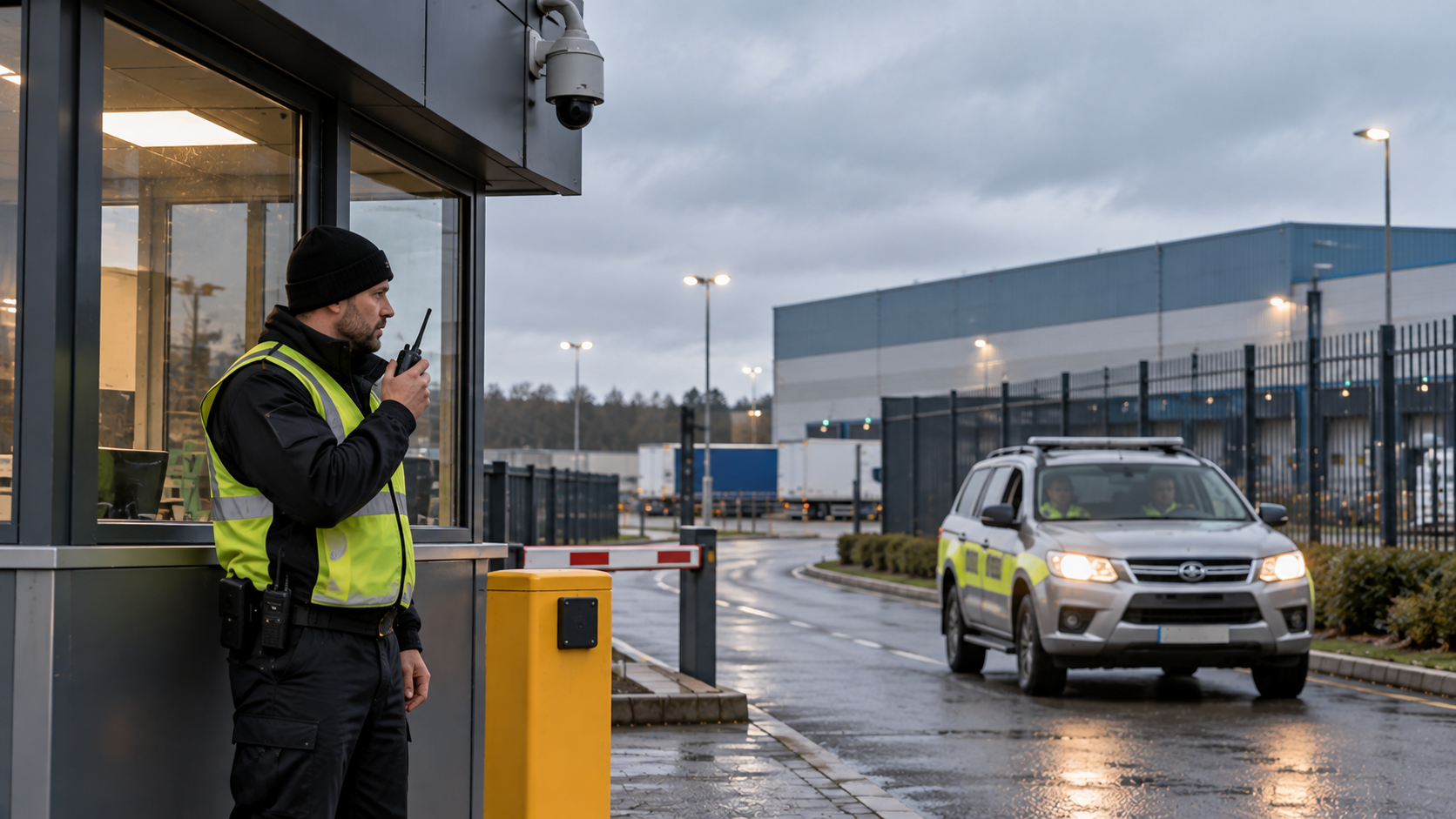
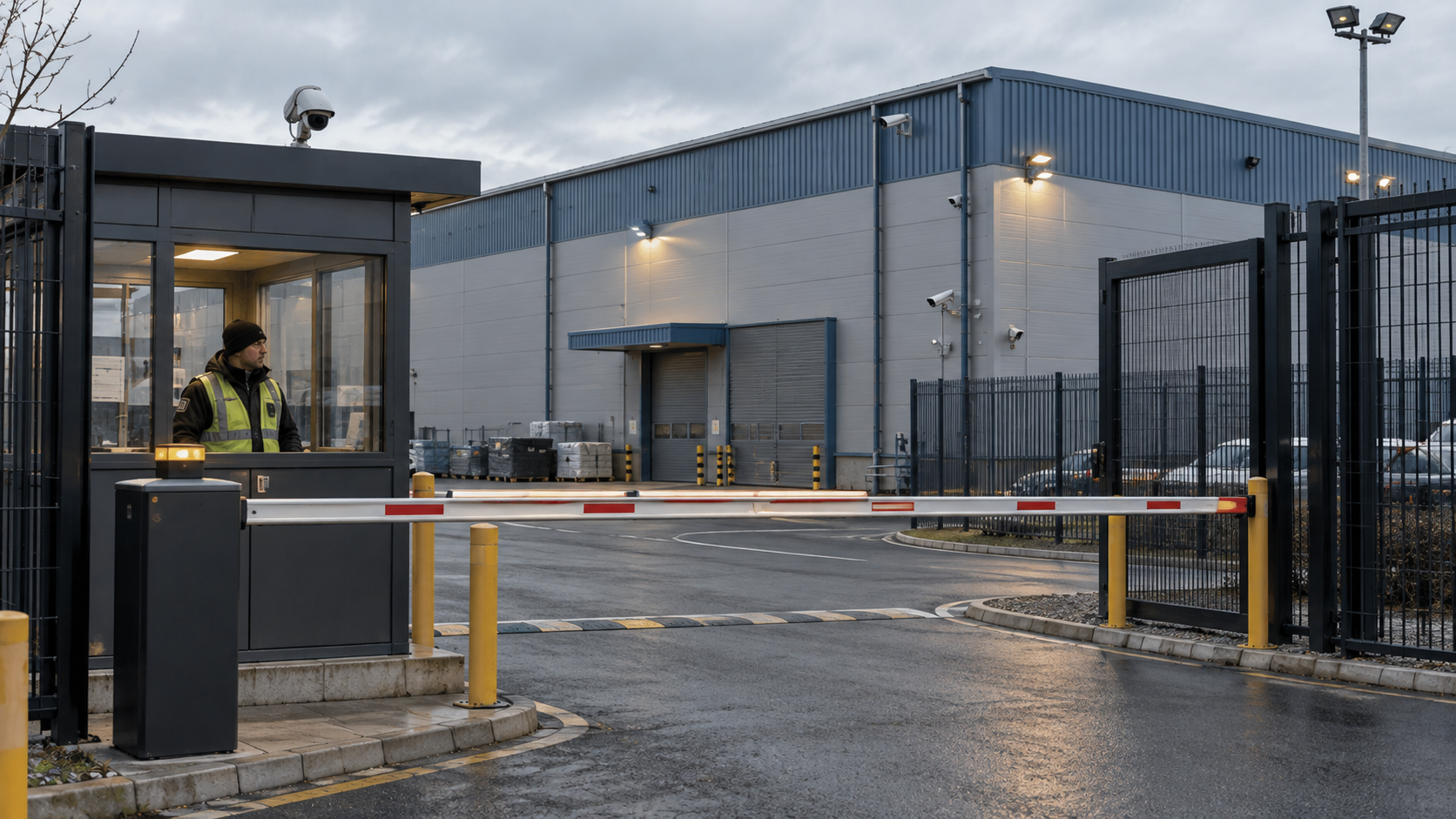
Factory security is active, layered, and situational. While other securities in Macclesfield usually involve a single officer. And they are also positioned at a gatehouse or reception. That works for offices, but it doesn’t quite fit here. Factories are different to other sites.
Factory security focuses on:
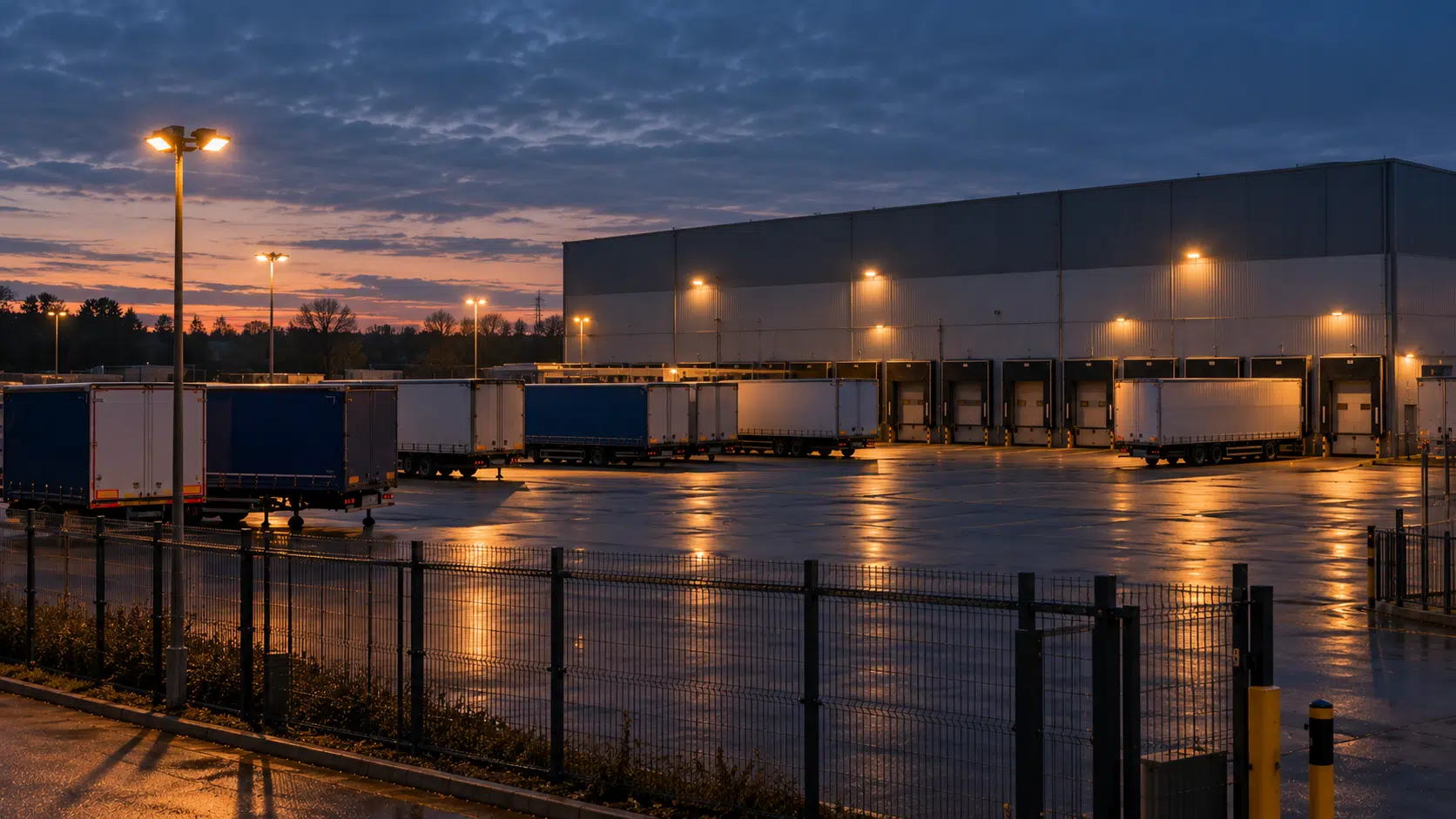
- Vehicle movements and loading bays
- Staff shift changes
- Contractor and delivery access
- Perimeter breaches and internal theft
It often blends patrols, access control, incident reporting, and digital oversight. It does well rather than relying on one fixed post. That distinction matters, especially on larger or older industrial sites.
How Macclesfield’s crime patterns affect factory security needs
Macclesfield does not face constant high-level crime, but that’s part of the risk. Incidents tend to be opportunistic. Tools go missing, stock walks, and vehicles are interfered with. Once patterns emerge, losses stack up quietly.
Local businesses are increasingly responding by shifting from reactive guarding to planned factory security services. Especially, it does where insurance scrutiny is rising, and SIA-approved standards are becoming the norm.
Peak crime hours for factory sites in Macclesfield
The most vulnerable periods are not late at night. They’re messy, human moments during the day.
Common risk windows include:
- Early morning deliveries (around 6 am–9 am)
- Shift changeovers
- Lunch periods with reduced supervision
This is why daytime factory security patrols are growing. It does particularly as theft now overlaps with routine business hours rather than after dark.
Macclesfield-Specific Vulnerabilities Industrial sites face
Many factories sit on shared estates near retail parks or residential routes. That brings foot traffic, curiosity and anti-social behaviour. Some sites also operate in older buildings with poor sightlines and outdated access controls.
Areas linked to Hurdsfield Industrial Crime Deterrence schemes often highlight the same weak spots:
- Uncontrolled pedestrian access
- Poorly lit service yards
- Informal contractor sign-in processes
These are not dramatic failures. They’re everyday oversights.
Tackling anti-social behaviour on factory and industrial estates
Anti-social behaviour is rarely violent, but it creates risk. Trespassing, intimidation and vandalism. Factory security addresses this through visible patrols, early intervention, and proper incident logging rather than confrontation-heavy responses.
Digital reporting systems, including tools aligned with NICE Investigate Digital Uplink. It helps to see through document patterns before they escalate into repeat losses or staff complaints.
Why rising retail theft is pushing daytime factory patrols
As retail theft has increased across Macclesfield, displacement has followed. Industrial estates are quieter during the day than high streets. This makes them attractive to opportunists. It has directly increased demand for daytime factory security patrols. Especially around loading bays and storage areas.
Day vs night factory security risks
Daytime risks are about access, and nighttime risks are about intent.
- Day: theft, tailgating, internal loss
- Night: burglary, vehicle theft, sabotage
Effective factory security adapts rather than treating both periods the same.
How site layout and growth affect guarding needs
Large footprints, multi-tenant estates, and expanding operations all increase complexity. As Macclesfield businesses grow, particularly in specialist manufacturing and life sciences. Life Sciences Site Security requirements are pushing factories toward higher standards, clearer access control, and better-trained officers.
Economic pressure plays a role, too. When margins tighten, losses hurt more. That reality is driving long-term investment in proper industrial factory security across Macclesfield, not short-term fixes.
Legal and Compliance Requirements in Macclesfield
Legal compliance is one of the quiet reasons why Macclesfield businesses need Factory Security done properly. It is not as flashy or exciting as a task. But it’s the bit that bites hardest when something goes wrong. It could lead to a claim rejection and a licence being questioned.
Security guard licensing under SIA rules in the North West
Any person carrying out manned guarding in the North West must hold a valid licence from the Security Industry Authority. That includes factory patrols, gatehouse duties, and access control. There are no local exemptions.
Using unlicensed guards is not a grey area. It’s illegal and affects your factory safety. Along with it, this also creates damage to your reputation.
Penalties can include:
- Unlimited fines
- Criminal prosecution
- Insurance policies are being invalidated
For factory operators, liability doesn’t stop with the provider. If you knowingly allow unlicensed guarding, responsibility travels uphill.
DBS checks and vetting expectations for factory sites
Strictly speaking, DBS checks are not mandated by law for every guard. In practice, most compliant providers apply them as standard. Insurers now expect this, especially for factories handling high-value stock, chemicals, or sensitive IP.
Across Cheshire, many underwriters benchmark against BS 7858 vetting. This includes identity checks, employment history, and criminal record screening. Skip this, and your risk profile changes overnight.
Insurance requirements when hiring factory security
Factories hiring manned security in the UK should expect providers to carry:
- Public liability insurance
- Employers’ liability insurance
- Professional indemnity cover
If a security firm cannot evidence these, that’s a red flag. In 2026, insurers are increasingly linking cover validity to the use of properly vetted, licensed security suppliers.
CCTV, data protection, and factory security
Factory security often integrates with CCTV, which brings data protection obligations. Under UK GDPR, footage must be:
- Justified by legitimate security needs
- Stored securely
- Accessed only by authorised persons
Good providers document these clearly. While the non-professional ones won’t do it. That difference matters during audits or complaints.
VAT rules for manned guarding services
Manned security services are standard-rated for VAT in the UK. If a quote looks VAT-free, ask why. Incorrect VAT handling can expose factories to retrospective charges, even if the mistake came from the supplier.
Local council and site-specific rules
Macclesfield Council does not impose unique licensing for factory guards. But construction and redevelopment sites often carry additional planning conditions around security, lighting, and access control. These are usually enforced via site inspections rather than upfront approvals.
Proving a security firm’s compliance history
A compliant provider should be able to show:
- Current SIA licences
- Accreditation under recognised schemes (such as BAS)
- Insurance certificates
- Incident reporting records
If documentation feels vague, that’s usually because it is.
Licensing changes and labour law pressures
Recent SIA licensing updates have tightened renewal checks. This has reduced casual labour availability, pushing factories toward longer-term contracts with approved firms.
Labour laws also affect overtime. Guards must be paid correctly for extended shifts. Cutting corners here can land liability with the client, not just the employer.
Post-Brexit rules add another layer. EU nationals can work as security officers only if they hold the correct right-to-work status. Reputable providers handle this. Others gamble.
Police collaboration and local intelligence
Private factory security regularly coordinates with Cheshire Police. They share incident data and respond to local crime trends. Deployment strategies often reflect:
- Theft hotspots
- Time-of-day risk patterns
- Repeat offender behaviour
Some estates also align with local business crime reduction partnerships. It ensures faster escalation and better information flow.
Compliance isn’t paperwork for its own sake. In Macclesfield, it’s the backbone of credible factory security. This makes factory security reliable and supports your business without fail.
Costs, Contracts, and Deployment in Macclesfield
Money questions usually come first. Fair enough. When owners ask why Macclesfield businesses need Factory Security, they’re really asking what it costs, how fast it can be in place, and how locked-in they’ll be once they commit. The answers are practical, not salesy, and they vary more than people expect.
Typical factory security costs: town centre vs suburbs
Costs in Macclesfield are shaped by location and complexity rather than postcode prestige. City-centre and edge-of-centre sites usually cost more due to foot traffic, access challenges, and longer coverage windows.
As a rough benchmark:
- Town centre / mixed-use estates: higher hourly rates due to risk and visibility
- Suburban or edge-of-town sites: slightly lower rates, especially for night coverage
What pushes prices up isn’t geography alone. It’s loading bays, shift overlap, poor lighting, and how often gates are left open “just for five minutes”.
How fast factory security can be deployed
In most cases, a factory security team can be deployed within 5 to 10 working days. Urgent cover can happen faster, but only if vetted staff are already available.
Delays usually come from:
- Site risk assessments
- Licence and vetting checks
- Client induction requirements
Rushed deployments often cost more and deliver less. Planning saves both.
Contract lengths you’ll see in Macclesfield
There’s no single standard, but most factory security contracts fall into predictable ranges.
Common contract terms include:
- 3 months (short-term or trial coverage)
- 6–12 months (most common)
- 24 months (large or regulated sites)
Longer contracts often stabilise pricing, which matters as wage pressure increases.
Notice periods and exit flexibility
Standard notice periods in Macclesfield range from 30 to 90 days. Shorter terms are possible, but usually cost more per hour. Long notice periods can be risky if service quality dips, so flexibility matters as much as price.
Wage increases and 2026 cost pressure
Security wages have risen steadily, and 2026 is no exception. Higher National Living Wage thresholds and tighter labour supply mean guarding costs are climbing even where risk hasn’t changed.
This doesn’t always mean sharp price jumps, but it does explain why the same price as last year is becoming rare.
Inflation and long-term pricing
Inflation affects uniforms, training, fuel, and supervision, not just wages. Long-term factory security contracts increasingly include review clauses tied to CPI or agreed benchmarks. That’s not a trick but realism. Locking a fair structure early often protects both sides.
Insurance savings through proper factory security
Insurers are paying attention, and proper factory security can:
- Reduce premiums
- Lower excesses
- Prevent claim disputes
This is especially true where providers meet recognised vetting and licensing standards. Poor security costs more in the long run, even if the hourly rate looks cheap.
Public sector contracts and the Procurement Act 2023
For publicly owned or publicly funded factories, the Procurement Act 2023 changes how security contracts are awarded. Value is no longer just the lowest price. Compliance history, resilience, and transparency now carry more weight.
That’s pushing public-sector sites in Macclesfield toward approved, audited security providers rather than informal arrangements.
The bigger picture in Security
Costs, Contracts and Deployment speed matter to security. But in Macclesfield, factory security pricing is now tied directly to risk, regulation, and insurance reality. The cheapest option rarely stays cheap for long.
If you want, the next section can break down best-practice factory security setups or move into insurance and liability outcomes in more detail.
Training, Operations, and Daily Duties in Macclesfield
This is the part most people never see. Training manuals, early starts, quiet checks while the site is still waking up. Yet this is where factory security either works or quietly fails. It’s another reason why Macclesfield businesses need Factory Security that’s built for industrial reality, not office blocks.
Training standards for factory and industrial environments
Factory security guards must meet baseline licensing through the Security Industry Authority, but industrial sites demand more than the minimum. Good providers train guards specifically for:
- Industrial access control
- Machinery-adjacent safety awareness
- Lone working procedures
- Fire marshal and evacuation support
Life sciences and regulated manufacturing sites often add site-specific induction before a guard ever steps on patrol.
What happens when a guard starts a shift
The first minutes matter. On arrival at a Macclesfield factory, the guard checks the handover log before anything else. That log tells them what went wrong, what was fixed, and what still feels off.
The first physical check is usually:
- Gates and access points
- Alarm panel status
- Any overnight incidents flagged by monitoring
Only then does the shift properly begin.
Shift handovers and patrol frequency
Handovers are verbal and written. A rushed handover is a red flag. Guards brief on incidents, alarms, visitors of note, and any unresolved maintenance issues.
Patrols typically run:
- Every 60–90 minutes during nights
- More frequently during early mornings and shift changes
Those windows matter most in Macclesfield industrial areas.
Perimeter, equipment, and system checks
Early patrols focus outward first. Fences, gates, and loading bays. Then inward.
At shift start, guards verify:
- Radios and body-worn devices
- Torches and access keys
- Alarm response equipment
CCTV checks follow. Guards confirm cameras are live, recording, and unobstructed. They don’t review footage for fun. They check for blind spots and faults.
Visitor logging and internal access control
Once systems are live, visitor logging begins. They log everyone from Contractors, couriers, and cleaners. It stores names, times, and reasons to visit. There are no shortcuts in it.
Internal access checks follow:
- Fire exits are not wedged open
- Sensitive zones locked
- Swipe or keypad systems responding correctly
It’s quiet work, and that’s the point, how it works perfectly.
Fire safety, lighting, and utilities
Fire safety checks are a daily priority, panels are clear, and routes are unobstructed. Muster points are accessible.
Car park lighting inspections are routine in Macclesfield, especially on shared estates. Failed lighting invites problems.
Guards also look for tampering:
- Gas and water valves
- Electrical cabinets
- External meters
Small signs often prevent big incidents.
Reporting, supervision, and documentation
Guards complete hourly or patrol-based log entries. There is no need for essays. Only clear facts, times and actions. During night shifts, check-ins with supervisors usually happen at set intervals. This keeps lone workers supported and accountable.
End-of-shift procedures and 24/7 coverage
At shift end, sites are secured down. Doors checked, alarms set, and logs are completed. The next guard is briefed properly.
For 24/7 coverage, shifts are staggered to avoid fatigue. Most factories use rotating patterns to balance day, night, and early starts.
Emergency response expectations
In nearby areas like Warrington or Chester, standard on-site response times sit within minutes, not hours. That benchmark influences Macclesfield deployments too. Guards are expected to act immediately, escalate fast, and document everything.
Performance, Risks, and Challenges in Macclesfield
Factory security doesn’t fail in dramatic ways. It slips. Slowly. A missed patrol. A tired guard. A wet night where no one really wants to walk the far fence. Understanding performance and risk is a big part of why Macclesfield businesses need Factory Security that’s measured, supported, and adjusted over time.
KPIs that actually matter for factory security
Not all metrics are useful. Headcount alone tells you nothing. The KPIs that matter in Macclesfield are practical and slightly unglamorous.
Most factories track:
- Patrol completion rates
- Incident response times
- Number of repeated issues at the same location
- Accuracy and consistency of daily logs
If reports look perfect every night, that’s often a warning sign. Real sites have friction.
Weather and its impact on security effectiveness
Macclesfield’s weather is persistent. It faces rough rain, wind and fog. It affects visibility, footing, and how long guards can stay outside without losing focus.
Bad weather increases:
- Blind spots on CCTV
- Fence line wear
- Alarm faults triggered by moisture
Good factory security plans adjust patrol routes and timing when conditions turn rough instead of pretending it’s business as usual.
How guards document weather-related issues
Weather isn’t just noted casually. Guards log it because it explains context.
Typical entries include:
- Reduced visibility areas
- Slippery surfaces
- Flooded service roads
- Lighting glare during fog
Those notes matter later, especially if an incident is questioned.
Long shifts and physical performance risk
Long shifts take a toll. Fatigue reduces awareness long before it looks obvious. Reaction time slows, and corners get cut. Health impacts linked to extended factory security shifts include:
- Reduced concentration
- Increased injury risk
- Higher error rates during early mornings
This is why reputable providers rotate duties and avoid stacking excessive overtime, even when demand is high.
Mental health pressures on night-shift guards
Night work isolates people. Add cold weather and quiet industrial estates, and mental strain builds. In the UK, employers have a duty of care to support lone workers, including security staff.
Support measures often include:
- Regular supervisor check-ins
- Access to wellbeing resources
- Predictable shift patterns
Factories that ignore this see higher turnover and weaker performance.
Environmental and outdoor patrol regulations
Outdoor factory security patrols must still comply with environmental and safety regulations. This includes safe use of lighting, spill awareness, and avoiding damage to protected areas or drainage systems.
Guards are trained not just to spot intruders, but to notice environmental hazards that could create liability.
Labour shortages and local pressure
Macclesfield firms are feeling the labour squeeze. Security is no exception, as fewer available guards means:
- Higher wage pressure
- Less tolerance for poor site conditions
- Greater reliance on experienced staff
Labour shortages don’t just raise costs. They raise the risk if factories try to stretch the cover too thin.
The real challenge for Macclesfield businesses
The biggest challenge isn’t crime, it’s complacency. Assuming yesterday’s setup still works today. Performance drops quietly, and risks stack up unnoticed. Then something happens, and everyone asks why no one saw it coming.
Strong factory security performance comes from measurement, realism, and human support, not box-ticking. That’s the difference between presence and protection.
Technology and Future Trends in Macclesfield
Factory security in Macclesfield no longer runs on instinct alone. Technology has crept in quietly, then all at once. What used to be a guard, a torch, and a logbook is now layered with data, alerts, and remote eyes. This shift explains why Macclesfield businesses need Factory Security that evolves instead of standing still.
How technology has reshaped factory security locally
Urban industrial areas like Macclesfield and Crewe face mixed risks. Residential foot traffic. Retail spillover. Shared estates. Technology helps guards focus on what matters instead of covering ground blindly.
Modern factory security now leans on:
- Live access data rather than static sign-in sheets
- Incident trend tracking instead of one-off reports
- Smarter patrol scheduling based on risk, not habit
It hasn’t replaced guards; it’s made them sharper.
Post-COVID changes that stuck
COVID changed how factories think about people on-site. Some of those changes never rolled back. Post-COVID factory security protocols in Macclesfield now commonly include:
- Digital visitor pre-registration
- Contactless access control
- Clear audit trails for who was on site, and when
These systems now double as compliance tools, not just health measures.
AI surveillance and human oversight
AI surveillance is not about replacing guards with screens. On Macclesfield sites, it’s used to flag anomalies. Unusual movement, out-of-hours access and loitering near loading bays.
AI works best when:
- It alerts, not decides
- Guards verify before acting
- False positives are reviewed and refined
Used badly, it overwhelms staff; used well, it buys time.
Remote monitoring as a force multiplier
Remote monitoring centres now support many factory security teams across Cheshire. Cameras, alarms, and access systems feed into off-site operators who can escalate issues instantly.
This complements on-site security by:
- Reducing lone-worker risk
- Speeding up response times
- Providing independent incident verification
For Macclesfield factories, this is especially valuable during early morning hours.
Drones and ground-level security
Drone patrols are still limited, but they’re emerging on large or hard-to-secure sites. They’re typically used for perimeter sweeps, roof inspections, or after-hours checks following an alert.
They don’t replace foot patrols. They support them, especially where terrain or layout makes ground checks slow.
Predictive analytics and risk forecasting
Factories are starting to assess security needs using data rather than gut feel. Predictive tools analyse:
- Incident frequency
- Time-of-day risk
- Seasonal patterns
- Local crime trends
This allows Macclesfield businesses to adjust coverage before problems spike.
Upskilling and new certifications
As technology grows, training has to keep up. Beyond basic licensing, factory security teams are increasingly expected to hold:
- CCTV and data protection awareness training
- Counter-terror awareness
- Digital reporting system competence
Sites linked to regulated manufacturing or life sciences raise the bar further.
Green security practices on the rise
Environmental responsibility is now part of security planning. Outdoor factory security patrols in Macclesfield are adopting:
- Low-energy lighting systems
- Electric patrol vehicles
- Smarter lighting schedules instead of constant floodlighting
These changes reduce cost and environmental impact without lowering safety.
The impact of Martyn’s Law on future requirements
Martyn’s Law will formalise expectations that already exist. Real-time awareness, clear access control and accurate headcounts impact on security. Along with it, technology underpins all of this.
For Macclesfield venues and factories, future-ready security isn’t optional. It’s becoming the baseline. The future of factory security isn’t louder or heavier. It’s quieter. Smarter. And far more accountable.
Conclusion
Factory security in Macclesfield isn’t about fear or ticking boxes. It’s about keeping ordinary days ordinary. Gates that stay shut and staff who feel safe turning up early. Insurers who don’t ask awkward questions when something goes wrong.
That’s why Macclesfield businesses need Factory Security that fits the site, the people, and the way the place actually runs. Not copied from a handbook and not frozen in time. Just practical protection that adapts as the town grows, rules tighten, and risks quietly shift. Done right, you barely notice it’s there.
Frequently Asked Questions
Why do Macclesfield businesses need factory security now more than before?
We see it every time I walk a site. Longer hours, more deliveries, tighter margins. Small gaps turn into real losses. Factory security isn’t about reacting anymore. It’s about staying ahead of problems before they cost time, money, or staff confidence.
Is factory security only needed for large industrial sites?
Not at all. Some of the most vulnerable sites we deal with are small factories on shared estates. Fewer staff, less visibility and easier access. Size doesn’t reduce risk; sometimes it increases it.
Can factory security really lower insurance issues?
Yes, we have seen insurers soften their tone when proper security is in place. Clear logs, licensed guards, and real patrols. Claims get questioned less. Conversations are shorter. That alone often justifies the spend.
Do I need security during the day if I already lock up at night?
Yes, especially in Macclesfield. Most incidents don’t happen in the dark anymore. They happen during shift changes, deliveries, or busy mornings when everyone assumes someone else is watching.
How quickly can factory security be put in place?
If things are planned properly, it doesn’t take long. A site visit, risk review, and vetted staff. Rushing it is usually what causes problems later, not speed itself.
Will security guards disrupt staff or slow operations down?
Good guards don’t. They blend in, learn routines and spot issues quietly. When security causes friction, it’s usually because it wasn’t designed around how the factory actually works.
Is technology replacing factory security guards?
No, technology supports guards. Cameras don’t challenge strangers. Systems don’t smell smoke. Human presence still matters; it’s just smarter now.
What’s the biggest mistake Macclesfield businesses make with factory security?
Assuming last year’s setup still works. Risks shift, and rules change, which leads to sites growing. Security needs to move with it, not lag behind.