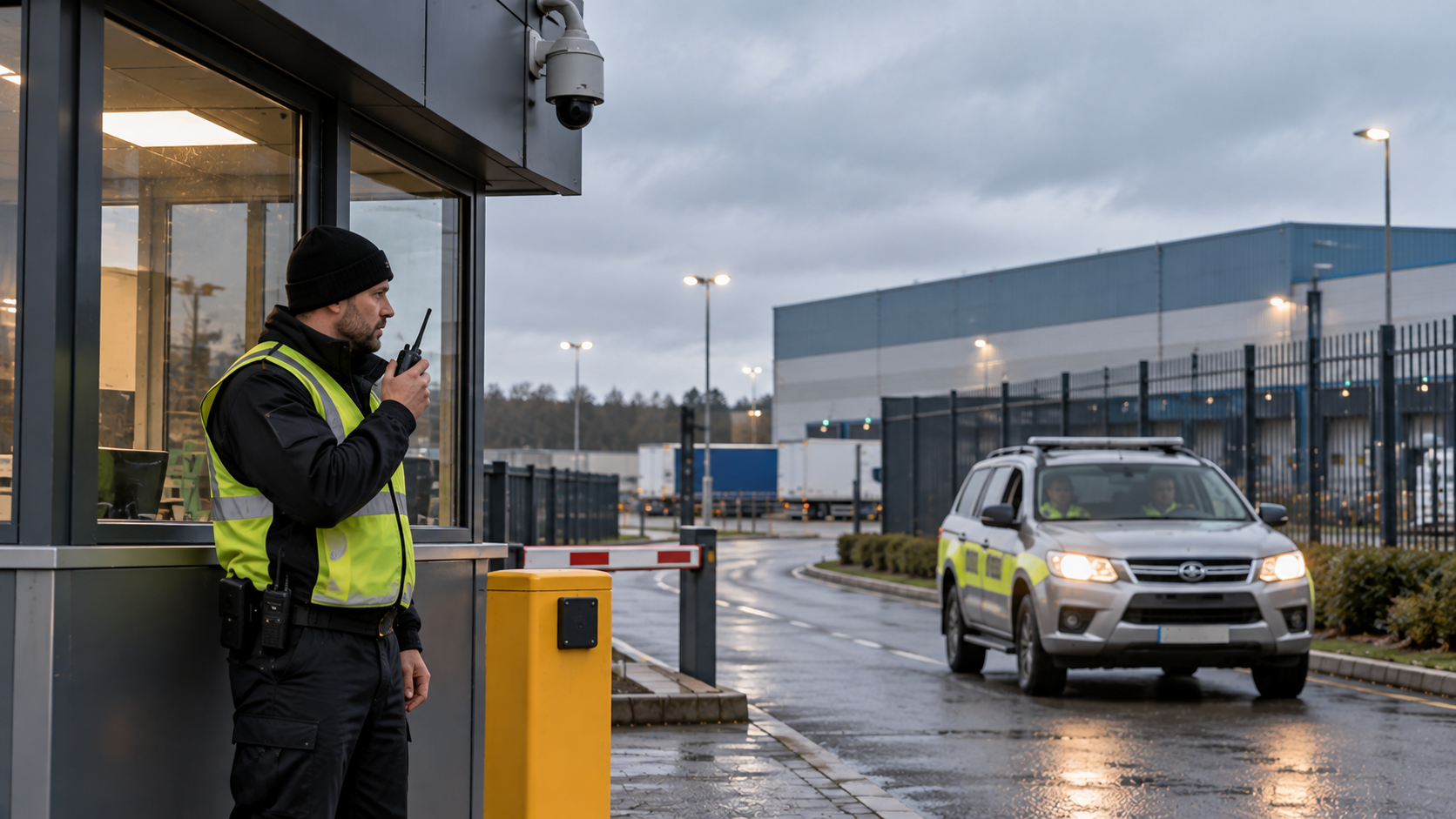
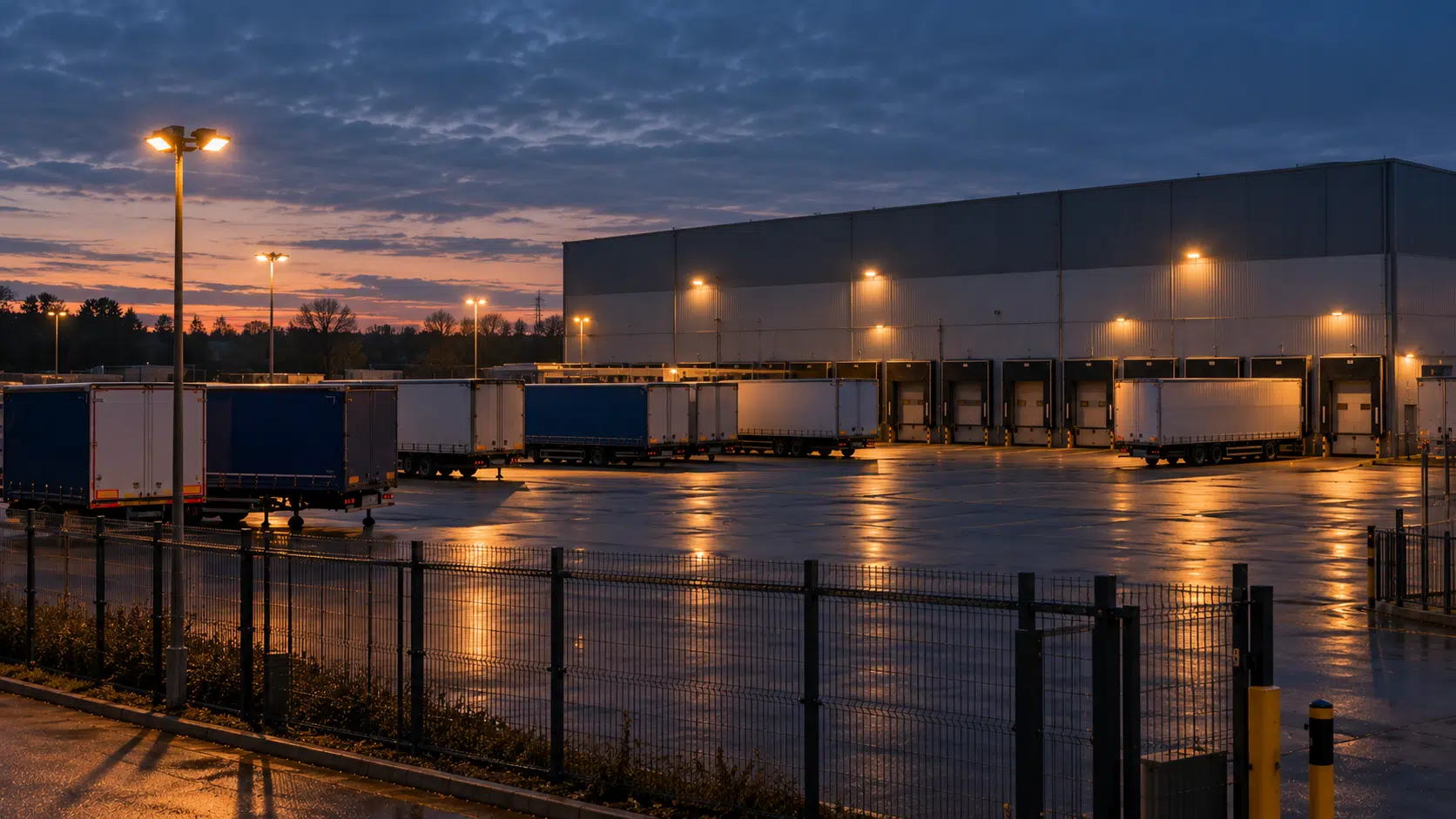
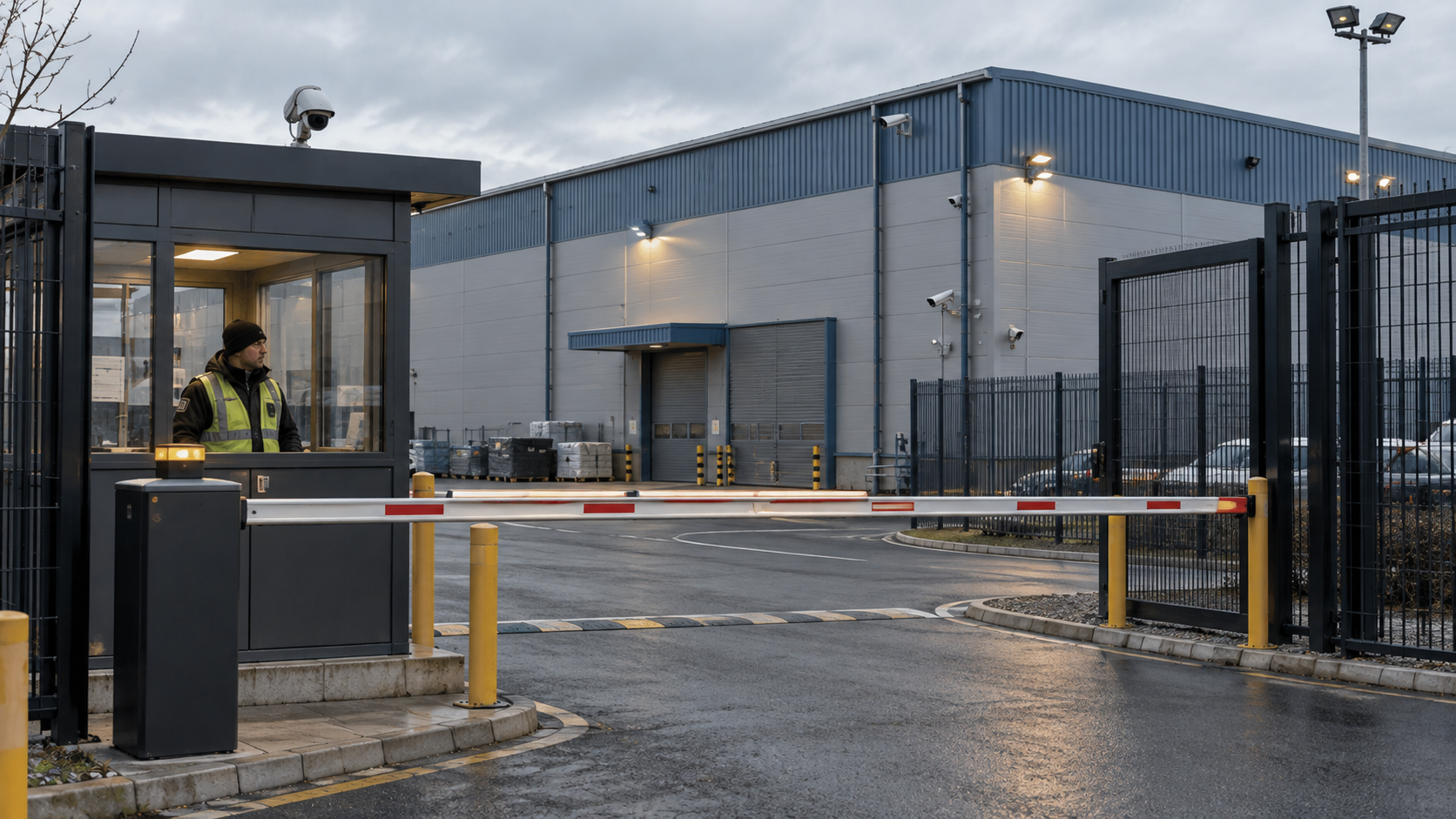
Cumbria is often seen as rural and scenic. But behind that landscape sits a serious industrial backbone. Advanced engineering in Barrow. Food production near Carlisle. Logistics hubs feeding the M6 corridor. Energy-linked manufacturing is tied to national infrastructure. These are not small operations. They hold high-value plants, raw materials, and specialist equipment.
Geography changes the risk equation. Many factories sit on dispersed estates or standalone plots bordered by farmland or dual carriageways. After dark, activity drops sharply. Weekends can feel deserted. Emergency response times are not the same as in major cities. In winter, they stretch further.
Growth in energy projects, fabrication and warehousing has increased contractor movement and on-site assets. More vehicles. More storage. More opportunity.
That is the real context behind Why Cumbria businesses need Factory Security? It is not about fear. It is about exposure, accountability, and making sure protection matches the operational reality on the ground.

Factory Security Basics
Defining Factory Security In An Industrial Setting
Factory security is not just a guard at a gate. It is a structured system built around risk, access, and accountability. In practical terms, it usually combines:
- Controlled entry and exit points
- Perimeter checks and yard patrols
- Access control systems
- Visitor and contractor verification
- Incident logging aligned with insurance standards
In Cumbria’s industrial settings, that structure often needs to flex around shift patterns and mixed-use estates. There is also a clear difference between deployment models. Static guarding places a licensed officer on site for continuous presence.
Mobile patrols attend several sites, either at set times or on unpredictable visits. Remote monitoring relies on CCTV and alarm verification from an off-site control room. Each has a place. None works well in isolation.
Layered protection matters. Physical presence deters. Cameras record. Access control restricts. A proper site risk assessment determines how those layers interact. Without that assessment, factory security Cumbria becomes reactive rather than strategic.
Cumbria’s Geographic Risk Profile
Cumbria is not central Manchester. Many factories in Carlisle, Barrow-in-Furness or near Kendal operate in quieter zones. Some sit beside farmland. Others are back onto dual carriageways.
Rural isolation changes behaviour patterns. After 7 pm, foot traffic drops. Industrial estate security gaps become visible. Lighting may be inconsistent across shared access roads. Neighbouring units may close entirely overnight.
Emergency response distances are longer than many assume. In winter weather, they stretch further. That delay is often the difference between attempted intrusion and confirmed loss.
Peak Vulnerability Periods For Factories
Risk is rarely constant. It spikes. Night production shutdowns leave yards static and unobserved. Weekends create longer windows of exposure. Bank holidays extend that window again.
Seasonal fluctuation also plays a role. Food production sites increase stock levels before peak demand. Engineering firms may hold higher-value components before contract deadlines. That visibility attracts attention. Factories do not fail because they lack locks. They fail because timing and opportunity align.
Warehouse And Yard Exposure In Mixed Industrial Estates
In mixed estates across the North West, warehouse and factory security Cumbria faces practical issues:
- Shared access roads used by multiple tenants
- Perimeter fencing is installed in phases, not as one system
- Vehicle access control systems that vary by unit
- Lighting that meets minimum standards but leaves blind edges
Yards are often the softest point. HGV parking, diesel storage and palletised goods sit outside the main buildings. Once breached, loss can escalate quickly.
Industrial Expansion And Security Demand In Cumbria
Infrastructure investment and energy-linked projects in Barrow-in-Furness have increased contractor traffic. Logistics growth near Carlisle feeds cross-border distribution. Kendal continues to see smaller-scale manufacturing expansion.
With growth comes complexity. More subcontractors. More deliveries. More temporary access requirements.
Manufacturing site security Cumbria must now manage not only perimeter defence but also identity control, asset protection strategy, and structured oversight. Expansion without proportional security planning leaves exposure behind.
Crime And Risk Patterns In Cumbria
Machinery, Tool And Copper Theft Patterns
In Cumbria, theft is rarely random. It follows value. Engineering sites in Barrow-in-Furness and fabrication units near Carlisle hold specialist tools, catalytic metals, and copper cabling. These items are portable, resell easily, and often sit in predictable storage areas. That combination attracts both opportunistic offenders and organised groups.
Opportunistic theft tends to happen when a gate is left unsecured or a yard is poorly lit. Organised theft looks different. Vehicles arrive with purpose. Specific items are targeted. Entry and exit are quick.
Resale markets, online platforms, scrap channels, and informal trade networks keep demand steady. Once a site is breached successfully, repeat targeting is common. Offenders assume similar security conditions remain.
For factory security Cumbria, that pattern matters. It shifts focus from single-incident thinking to repeat-risk prevention.
Fuel Theft And Yard Intrusion Risks
Diesel is an easy target. It is of high value, mobile, and often stored in bulk. Across mixed industrial estates near Kendal and rural zones outside Carlisle, fuel tanks sit in yards with minimal shielding. HGV fuel siphoning is not uncommon, especially when vehicles remain parked over weekends.
There is also a crossover with agricultural crime. Rural familiarity means offenders understand access routes and blind spots. A yard that backs onto open land is not as private as it seems. Fuel loss is rarely just financial. It disrupts operations. It delays deliveries. It creates insurance scrutiny.
Transport Corridor Influence On Industrial Crime
The M6 corridor changes exposure across the North West. Quick access in and out of Cumbria reduces risk for organised groups. A targeted site near a junction can be entered and exited within minutes.
Logistics yards become visible markers, with stacked pallets, container storage, and fleet vehicles. Once patterns are observed, timing follows. Industrial security services Cumbria must account for these transport-linked dynamics, not just local crime rates.
Internal Risk During Operational Hours
Not all risk happens at night. Contractor access increases complexity. Temporary badges. Multiple subcontractors. Delivery drivers moving between units. Without firm access control systems, impersonation is possible.
Internal shrinkage is quieter. Small tools disappear. Stock discrepancies appear during the audit. It is rarely dramatic, but over time, it adds up.
A structured site risk assessment should treat internal movement with the same seriousness as perimeter defence.
Night-Time Perimeter Breach Patterns
Night creates opportunity. Fewer witnesses. Reduced activity. Predictable patrol gaps.
Common weaknesses include:
- CCTV blind spots near fencing corners
- Cameras installed too high to capture faces
- Lighting that meets minimum lux levels but leaves shadowed areas
- Perimeter fencing weakened by gradual wear
Warehouse and factory security Cumbria must treat perimeter integrity as a living system. Once one breach succeeds, word travels. And word, in industrial crime, travels quickly.
Sector-Specific Vulnerabilities In Cumbria’s Industrial Landscape
Security Risks In Food Production And Processing Facilities
Food sites carry a different weight of risk. It is not just theft. It is contamination, disruption, and reputation.
In Carlisle and around Kendal, food production facilities often operate tight supply chains. A single breach, even an attempted one, can trigger product holds, batch tracing, and regulatory scrutiny. The financial impact spreads fast.
Cold storage creates its own access control issues. Large shutter doors. Frequent forklift movement. Drivers waiting at loading bays. If sign-in procedures weaken during busy shifts, gaps open.
High-value consumables are also vulnerable. Alcohol-based ingredients, specialist oils, imported stock. Shrinkage here is rarely dramatic. It is incremental. But insurers notice patterns.
Biosecurity matters more than many assume. Perimeter integrity, controlled entry, and documented patrol routines are not cosmetic measures. They protect against:
- Product tampering claims
- Environmental health investigations
- Contract termination from retail buyers
Industrial security services Cumbria in food environments must align with compliance, not just crime prevention. One incident can undo years of supplier trust.
Engineering And Fabrication Plant Exposure In Rural Industrial Estates
Engineering sites in Barrow-in-Furness and rural estates often store high-value materials. This includes sheet metal, copper wiring, precision tools, and specialist parts. These items are easy to resell, which makes them attractive to thieves.
Tool cages are often targeted. They look strong, but many rely on one main lock. If that lock fails, access is easy. Machinery stored in yards, such as telehandlers, generators, and cutting equipment, often sits in open compounds. This increases the risk of theft.
Unsupervised welding bays or fabrication units with multiple roller doors increase entry points. During shift overlap, it becomes harder to distinguish authorised movement from intrusion.
Key vulnerabilities often include:
- Open access loading points
- Shared fencing lines with neighbouring units
- Limited CCTV coverage beyond main entrances
Manufacturing site security Cumbria in these environments is about understanding asset density. The higher the concentration, the greater the incentive for organised targeting.
Logistics And Distribution Hub Vulnerabilities Near The M6 Corridor
Proximity to the M6 changes everything. Sites near Carlisle benefit from fast distribution routes. Offenders benefit too. Trailer drop-and-hook systems allow units to sit unattended. High-value freight can be identified through routine observation.
Driver impersonation is not rare. Branded clothing and cloned paperwork are enough to pass through weak gate checks. Once a trailer leaves, recovery becomes difficult, especially with rapid motorway exit routes.
Mixed estates add complexity. Shared access roads reduce natural surveillance. Overnight yard surveillance gaps appear when only perimeter cameras operate without on-site verification.
Warehouse and factory security Cumbria in logistics settings must prioritise speed of response. Crime here is quick. It is planned. And it often leaves the county within minutes.
Energy And Infrastructure Site Security Complexity
Energy-linked sites in the North West carry layered risk. Substations, storage compounds, and infrastructure projects attract both criminal and protest-related attention.
Multi-contractor access creates complexity. Temporary passes. Specialist engineers. Short-term works. Without firm access control systems, identity management weakens.
Hazardous materials storage introduces public safety exposure. A perimeter breach is no longer just a theft issue. It becomes regulatory.
Compliance-heavy environments demand documentation. Incident logs. Access records. Patrol evidence. Security must stand up to scrutiny from insurers and regulators alike.
Here, factory security Cumbria intersects with public accountability. The margin for error is small. The consequences are not.
Legal And Compliance Requirements
SIA Licensing Requirements For Factory Security Officers
In the UK, factory security is regulated by law. Security officers in Carlisle, Barrow-in-Furness, or Kendal must hold a valid licence from the Security Industry Authority (SIA). Most roles need a Security Guarding or Door Supervision licence, based on the job.
The type of licence matters. A guard at a gatehouse has a different role from someone working at a public entrance. Employers also have legal duties. They must check that licences are valid and up to date.
A company offering industrial security services Cumbria must confirm licence details and make sure the officer fits the role. Businesses cannot just assume everything is correct. They must keep proof. This is part of the legal requirements for factory security in Cumbria.
Criminal And Financial Penalties For Using Unlicensed Guards
Using unlicensed personnel is a criminal offence. That liability can extend beyond the security provider. If an incident occurs and investigation reveals unlicensed deployment, insurers may question coverage. Claims defensibility weakens. In serious cases, regulatory fines apply.
The more significant risk, however, is reputational. A breach followed by a compliance failure suggests negligence. For manufacturing firms supplying national clients, that reputational impact can exceed the original loss. Cost savings through underqualified deployment rarely withstand scrutiny.
BS 7858 Vetting Standards For Industrial Security Roles
Licensing is only one layer. BS 7858 sets out screening standards for individuals in security-sensitive roles. In industrial settings, especially those handling valuable stock or hazardous materials, this screening provides essential reassurance.
It includes:
- Five-year employment history checks
- Identity verification
- Right-to-work confirmation
- Criminal record disclosure (where relevant)
For manufacturing site security Cumbria, proper vetting reduces internal risk exposure. It also strengthens insurance conversations. Insurers often ask about vetting standards during underwriting reviews.
DBS Considerations In Manufacturing Environments
DBS checks depend on the job role. A standard DBS check may be needed if a guard can access valuable stock or money systems. An enhanced check is less common, but it may be required on sensitive sites.
Factories linked to energy or defence work in the North West may face stricter rules. The main point is simple. DBS checks should match the level of risk. Not guesswork.
Insurance Requirements When Contracting Industrial Security Services in Cumbria
Insurance is often the silent driver behind security decisions.
When contracting industrial security services Cumbria, businesses should verify:
- Public liability cover (often £5m or £10m minimum)
- Employer’s liability insurance
- Professional indemnity where advisory input is provided
Insurance cover should match the level of risk. A large site near Carlisle has more risk than a small workshop in Kendal. The cover limits should reflect that.
You must also follow the legal requirements for factory security in Cumbria. Keep clear records to show this. Without proof, insurers may reduce a payout or question the claim.
GDPR Compliance In CCTV And Incident Reporting
CCTV is common in warehouse and factory security Cumbria. But recording images creates data protection obligations.
Key considerations include:
- Clear signage explaining surveillance
- Defined retention periods
- Secure storage of footage
- Access logs showing who viewed or copied data
Subject access requests must be handled within statutory timeframes. Incident reports that reference identifiable individuals must be stored securely. Security cannot create a data protection breach while trying to prevent theft.
VAT Treatment And Financial Structuring Of Security Contracts
Security services attract VAT in most commercial contexts. For private manufacturers, this is usually reclaimable. Public-sector factories or mixed-use sites may face different accounting treatment.
Long-term contracts affect budget forecasting. Multi-year contracts should clearly explain how rates may change. This includes planned increases linked to legal wage updates.
Finance directors should treat factory security Cumbria as a planned operating cost. It should not be handled as last-minute or emergency spending.
Procurement Act 2023 Implications For Public-Sector Factories
Public-sector manufacturing or infrastructure-linked facilities must comply with the Procurement Act 2023. Tender transparency, evaluation criteria, and documented due diligence are no longer optional formalities.
A security company in Cumbria must demonstrate:
- Licensing compliance
- Financial stability
- Operational capability
- Audit-ready documentation
For public factories in Barrow-in-Furness or Carlisle, non-compliant procurement processes can trigger a challenge.
Collaboration With Cumbria Constabulary And Incident Reporting Protocols
Effective security includes a structured liaison with Cumbria Constabulary. That means clear crime reference procedures, preserved evidence, and accurate timelines.
Poor documentation weakens prosecution outcomes. Strong reporting supports local intelligence exchange and repeat-offence tracking. This is where site risk assessment meets practical policing.
Martyn’s Law And Its Potential Impact On Industrial Premises
Martyn’s Law aims to improve safety and security rules. It may bring new duties for places that allow public access. Most factories are not open to the public. But sites with visitors or mixed use could be affected.
Preparedness obligations may include:
- Risk documentation
- Staff awareness training
- Clear emergency protocols
For energy-linked or high-footfall industrial environments in the North West, future compliance demands are likely to increase. Planning early avoids reactive restructuring later.
Costs, Contracts, And Deployment
Core Cost Drivers For Factory Security Cumbria
Security pricing is rarely arbitrary. It follows exposure. The largest variable in factory security Cumbria is hourly coverage. A single overnight officer costs less than a full 24-hour deployment. Add weekends and bank holidays, and the figure shifts again.
Risk level also affects cost. A yard storing high-value copper near Barrow-in-Furness faces more risk than a small food unit in Kendal with little outside storage. Insurers often help decide this risk level.
Site size also matters, but not in a simple way. A small site with many open access points can cost more to secure than a larger site with good layout and control. Shared roads, open loading bays, and mixed industrial estates all add to the risk. They also increase the time needed for supervision. In short, cost depends on real risk and layout. Not guesswork.
Location-Based Pricing Differences Across Cumbria
Location affects how security is planned and delivered. A factory near Carlisle’s main industrial areas is easier to cover. Staff can reach the site quickly, and shift changes are smoother. Remote estates in rural Cumbria are different. Travel takes longer. Relief cover is harder to arrange. Emergency response times can also increase.
Town-centre sites may deal with more public contact. They often need stronger access control. Remote sites face isolation and fewer witnesses. Both situations affect cost, but in different ways.
Travel time and coverage planning are often ignored when setting budgets. That can be a mistake. Security that looks cheap on paper may struggle in practice if location challenges are not considered.
24-Hour Coverage Versus Night-Only Deployment Models
Many directors ask the same question: Do factories in Cumbria need 24-hour security?
The answer depends on operational rhythm. Night-only deployment focuses on high-risk hours when sites fall quiet. It controls cost but assumes daytime oversight is sufficient. That may suit low-traffic sites with strong access control systems.
Twenty-four-hour coverage offers continuity. It manages contractor flow, delivery verification, and internal access monitoring. It also reduces handover risk between shifts.
The cost-benefit difference is not just financial. It is about the exposure window. If most theft attempts occur overnight, night-only may suffice. If internal shrinkage or contractor impersonation is a concern, extended coverage provides oversight. Security design should follow risk assessment, not habit.
Emergency Mobilisation Timelines
Immediate deployment is possible in some circumstances, particularly where providers already operate within the North West. However, urgent cover is not the same as structured onboarding.
Planned contract mobilisation allows:
- Site induction and familiarisation
- Access credential setup
- Patrol route mapping
- Risk documentation review
Factories in Carlisle or Kendal with complex yard layouts benefit from structured onboarding. Rushed deployment reduces effectiveness.
Standard Contract Lengths In Industrial Security Services Cumbria
Contract duration shapes stability. Six-month contracts give more flexibility. But they may cost more per hour because the term is short. Twelve-month contracts are common in industrial security services Cumbria. They offer more stable pricing and allow time for regular reviews.
Break clauses protect both parties. They allow exit where performance or operational change demands adjustment. Security should be flexible enough to adapt without constant renegotiation.
Notice Period Structures And Termination Conditions
Notice periods typically range from 30 to 90 days. Shorter notice offers agility. Longer notice supports continuity planning.
Transition risk is real. Abrupt termination without a structured handover can create coverage gaps. That is rarely discussed during procurement but becomes critical during changeover.
Continuity planning, documentation transfer, key control logs, and incident records protect operational integrity.
Inflationary Pressures And Long-Term Contract Pricing
Security pricing does not sit outside economic reality. Statutory wage increases, insurance costs, and compliance requirements influence long-term contracts. Multi-year agreements often include indexed adjustments.
This is not about staffing difficulty. It is about predictable cost modelling. Factories budgeting for three to five years should consider built-in adjustments rather than fixed pricing that becomes unsustainable.
Insurance Premium Implications Of Structured Factory Security
Insurers look at proof, not promises. They want to see patrol logs, clear incident reports, and strong access control. These records show that you are managing risk. Over time, steady security can help build a better claims history.
Factory security costs in Cumbria should be compared with the cost of a possible loss. A clear asset protection plan can reduce damage, cut downtime, and support better talks at renewal time. Security is not always the cheapest cost. But poor protection often costs far more.
Training, Daily Operations, And Guard Duties
Core Training Standards For Manufacturing Site Security Cumbria
Effective manufacturing site security Cumbria starts with competence, not presence. Officers must hold valid SIA training aligned with their role. That is the baseline.
Beyond licensing, industrial environments demand practical awareness. Factories in Carlisle or Barrow-in-Furness may involve heavy plant, confined spaces, or hazardous materials. An officer unfamiliar with industrial hazard awareness is a liability, not an asset.
Core capabilities should include:
- Fire safety and evacuation support
- First aid response, particularly in remote estates
- Safe interaction with machinery zones
- Understanding of site-specific risk assessments
In Kendal and other rural areas, response times can stretch. Guards are often the first responders until emergency services arrive. Training must reflect that reality.
Site Arrival Protocols And Initial Security Checks
The first hour of a shift sets the tone. On arrival, perimeter verification is essential. Fencing breaches, damaged locks, or unsecured access points must be identified early. An access point audit confirms that gates, barriers and access control systems function as intended.
Equipment checks follow. Radios, body-worn devices, CCTV monitoring stations, all tested before reliance. These are simple steps. But when skipped, vulnerabilities go unnoticed.
Structured Shift Handover Procedures
Security is continuous, even if personnel change. Structured handover prevents information loss. Outgoing officers should brief incoming staff on incidents, suspicious activity, or maintenance issues. Log continuity matters. Incomplete records weaken accountability.
Key control management is particularly sensitive in factory security Cumbria. Master keys, vehicle keys, and restricted access passes must be signed, logged and reconciled. Informal handling invites risk.
A proper handover may feel routine. It is not. It is the hinge between stability and oversight gaps.
Patrol Frequency And Industrial Estate Coverage
Patrol patterns should follow risk, not habit. A high-value engineering yard near Barrow-in-Furness requires different intervals from a low-traffic storage unit outside Carlisle.
Risk-based patrol intervals often consider:
- Asset concentration
- Previous incident history
- Lighting quality
- Blind spots in CCTV coverage
Yard inspection routines should include gates, fuel storage, loading bays and utility areas. Utility spaces, substations, compressor rooms, and plant enclosures are frequently overlooked. Yet they can be high-impact targets.
Industrial estate security improves when patrols are varied. Predictable timing reduces deterrence.
Visitor And Contractor Access Control Systems
Factories rely on movement. Deliveries. Engineers. Temporary contractors. Access control systems must manage this flow without slowing operations unnecessarily. Effective procedures typically include:
- Sign-in processes with time stamping
- ID verification against pre-approved lists
- Escort procedures for restricted zones
In logistics-linked sites near the M6 corridor, impersonation risk rises. Verification cannot become a courtesy. It must remain procedural. The balance is subtle. Too rigid, and operations stall. Too relaxed, and exposure grows.
Alarm Response And Escalation Protocols
Alarms rarely trigger at convenient times. Early-hour alerts are common, particularly on remote estates around Kendal.
An effective response includes:
- Immediate on-site verification
- Assessment of false alarm versus intrusion
- Police liaison where threshold criteria are met
- Containment of affected areas
Delay erodes evidence. Quick but measured escalation protects both assets and investigative integrity.
Documentation And Reporting Standards
Documentation underpins defensibility. Hourly logs provide traceable oversight. Incident reporting must capture time, location, actions taken, and outcomes. Insurance-aligned record keeping supports claims and audit reviews.
In industrial security services Cumbria, paperwork is not bureaucracy. It is protection against disputes.
If a loss occurs, the records answer questions. If compliance is reviewed, logs demonstrate diligence. Operations may appear routine from the outside. They are not. Consistency, training and documentation convert daily activity into measurable risk control.
Performance, Risks, And Operational Challenges
Key Performance Indicators For Factory Security Effectiveness
Security cannot be judged on presence alone. It must be measured. For factory security Cumbria, meaningful indicators are practical, not cosmetic. Response times matter, how quickly an officer reaches a triggered alarm, a breached gate, or a reported disturbance. Minutes count, especially on isolated estates outside Carlisle or Kendal.
Incident frequency also tells a story. A sudden rise in attempted intrusion or internal discrepancies may signal pattern development. Zero incidents are not always proof of strength; they can reflect underreporting.
Audit compliance and reporting accuracy are equally important. Are patrol logs complete? Are access control systems reviewed? Do incident reports stand up to insurance scrutiny?
Key KPIs often include:
- Verified response time to alarms
- Number and type of recorded incidents
- Audit pass rates
- Accuracy and completeness of documentation
If performance cannot be evidenced, it cannot be defended.
Weather Impact On Industrial Security In Cumbria
Cumbria’s weather is not a side note. It shapes risk. Flood-prone areas near Carlisle can affect access routes and perimeter fencing. Storm exposure damages lighting and cameras. Winter brings long hours of darkness, reduced visibility, and icy yard conditions.
A poorly lit yard in January behaves differently from the same yard in June. Security planning must account for:
- Seasonal lighting adjustments
- Drainage around fencing lines
- Safe patrol routes during ice or heavy rain
Industrial security services Cumbria that ignore environmental factors create blind spots, sometimes literal ones.
Operational Risks That Undermine Factory Security
Some weaknesses are self-inflicted. Overreliance on CCTV is common. Cameras record. They do not intervene. Without active monitoring or on-site verification, footage becomes retrospective evidence.
Poor lighting design also reduces deterrence. Light positioned incorrectly creates shadow zones along fencing or loading bays.
Access complacency is subtler. Regular drivers waved through without verification. Temporary contractors are moving unsupervised. These habits build quietly. Risk does not usually arrive dramatically. It accumulates.
Health And Shift Fatigue Considerations In 24-Hour Coverage
Twenty-four-hour coverage supports continuity. But long shifts require structure.
Performance consistency declines when routines become monotonous. Repeated patrol routes without variation reduce alertness. Oversight risk increases in the early hours, particularly on remote estates near Barrow-in-Furness.
Scheduling stability, without delving into workforce mechanics, supports attentiveness. Predictable rotation and defined responsibilities reduce error. Security effectiveness depends on human judgement. Fatigue weakens it.
Evaluating Long-Term Security Performance And Risk Reduction
Security should evolve. Review security every three months. Look at past incidents. Check patrol routes. Test access control systems. If your site has changed, your security should change too. New storage areas, more contractors, or new shift times all affect risk.
Insurance consultation feedback is often overlooked. Underwriters may highlight recurring claim triggers or documentation gaps.
Factory security Cumbria is not static. What worked two years ago may no longer align with current exposure. Sustained performance comes from review, adjustment, and evidence, not assumption.
Technology And Future Trends
CCTV Integration With On-Site Factory Security
CCTV is common across factory security Cumbria, but cameras alone are not a strategy. The value lies in how systems connect with on-site officers.
When integrated properly, CCTV supports real-time decision-making. A control room can alert an officer to movement near a yard gate in Carlisle. An on-site guard can verify whether it’s a late delivery or something else. That short feedback loop matters.
Evidence capture is the second layer. Time-stamped footage aligned with incident logs strengthens insurance claims and police reporting. Without structured reporting, footage loses weight.
GDPR alignment cannot be an afterthought. Footage must be stored securely, retained within defined limits, and accessed under controlled procedures. Technology that protects assets must also protect data.
AI Analytics As A Risk Detection Tool
AI tools are now used in industrial security services Cumbria. Larger sites near Barrow-in-Furness are starting to use them.
These tools can spot unusual behaviour. For example, someone standing near a fence for too long. A vehicle is driving around the site again and again. Movement after the factory has closed.
They can also reduce false alarms. This helps in rural Kendal, where animals or bad weather often set off sensors.
That said, AI plays a support role only. It highlights anomalies. It does not interpret intent. Human judgement remains central. Overreliance risks blind trust in software rather than critical assessment.
Used carefully, analytics improve response speed. Used carelessly, they create a false sense of control.
Remote Monitoring And Out-Of-Hours Oversight
Remote monitoring strengthens the layered defence model. For factories that do not operate 24-hour guarding, monitored alarms provide out-of-hours oversight.
Alarm verification is key. Before calling the police, it helps to check the alarm with video or visual proof. This reduces false call-outs and keeps your response record strong.
This method works well for spread-out sites across the North West, where police response times can vary. Remote systems extend coverage. They do not replace structured site risk assessment.
Drone-Assisted Perimeter Monitoring For Rural Sites
Drone-assisted monitoring is gaining attention in large rural estates. A perimeter bordering open land can be checked quickly after storms or suspected intrusion.
Coverage efficiency improves, particularly where fencing lines are long and uneven. Cost justification depends on scale. Smaller facilities may not benefit. Larger manufacturing or energy-linked sites might. Drones support patrols. They do not substitute physical verification.
Predictive Analytics For Industrial Risk Forecasting
Predictive analytics uses trend mapping to inform patrol adjustments. If tool theft rises seasonally or fuel siphoning increases before holidays, security planning should reflect that.
Seasonal crime modelling helps shift from reactive to preventive action. Data without adaptation achieves little.
Sustainable And Green Security Practices In Industrial Estates
Sustainability is entering warehouse and factory security discussions in Cumbria. Low-emission patrol vehicles reduce environmental impact. Energy-efficient lighting improves visibility while lowering operational costs.
Security and environmental responsibility do not conflict. Done properly, they reinforce each other.
The Long-Term Regulatory Impact Of Martyn’s Law On Factory Security
Martyn’s Law may bring new safety rules. These rules focus on being prepared for serious threats. Factories that allow visitors or contractors on-site may need more paperwork. They may have to show clear safety plans and keep better records.
Risk documentation expansion, structured emergency planning, and clearer accountability will likely follow.
Technology will continue to evolve. The principle remains steady: tools enhance structured human oversight. They do not replace it.
Conclusion
Cumbria has a strong industrial base. There is manufacturing in Carlisle. Engineering in Barrow-in-Furness. Smaller production sites near Kendal. Many of these sit on quiet, spread-out estates.
Some are far from town centres. Police and emergency response can take longer. Nights are quiet. Weekends are quieter. The M6 moves goods fast in and out of the county. That mix creates a different level of risk compared to busy North West cities.
Security here should not be a last-minute fix. It should start with a clear site risk assessment. Check the perimeter. Review access control systems. Make sure licences and insurance are in place. Plan the right level of cover.
This is the real point behind Why Cumbria businesses need Factory Security? It is about planning you can defend, not just having someone on a gate.
Review security each year. Look at incident records. Check patrol routes. Speak with your insurer. When done well, security supports daily operations. It should not feel like an afterthought.
Frequently Asked Questions
How much does factory security cost in Cumbria?
Costs vary by coverage hours, site size, and risk profile. A rural yard outside Kendal will price differently from a logistics unit near Carlisle. Structured risk assessment usually determines spending more accurately than guesswork.
Do factories in Cumbria need 24-hour security?
Not always. It depends on asset value, contractor flow, and isolation. Some sites need overnight focus. Others benefit from continuous oversight.
What are the legal requirements for factory security in Cumbria?
Officers must hold valid SIA licences. Providers should meet BS 7858 vetting standards and carry appropriate insurance. GDPR applies where CCTV operates.
How quickly can factory security be deployed?
Urgent cover is possible, but structured onboarding takes planning. Induction and site familiarisation improve effectiveness.
Is CCTV alone enough for manufacturing site security Cumbria?
Rarely. Cameras record events. They do not intervene. Layered protection works better.
What training must factory security officers hold?
SIA licensing, basic first aid, fire awareness, and industrial hazard understanding are typical expectations.
Does factory security reduce insurance premiums?
It can support better claims defensibility and risk assessment outcomes, though reductions depend on insurer review.
How can I conduct a site risk assessment for my factory?
Review perimeter integrity, access control systems, asset concentration, incident history, and insurance feedback. Update it annually, or after operational changes.