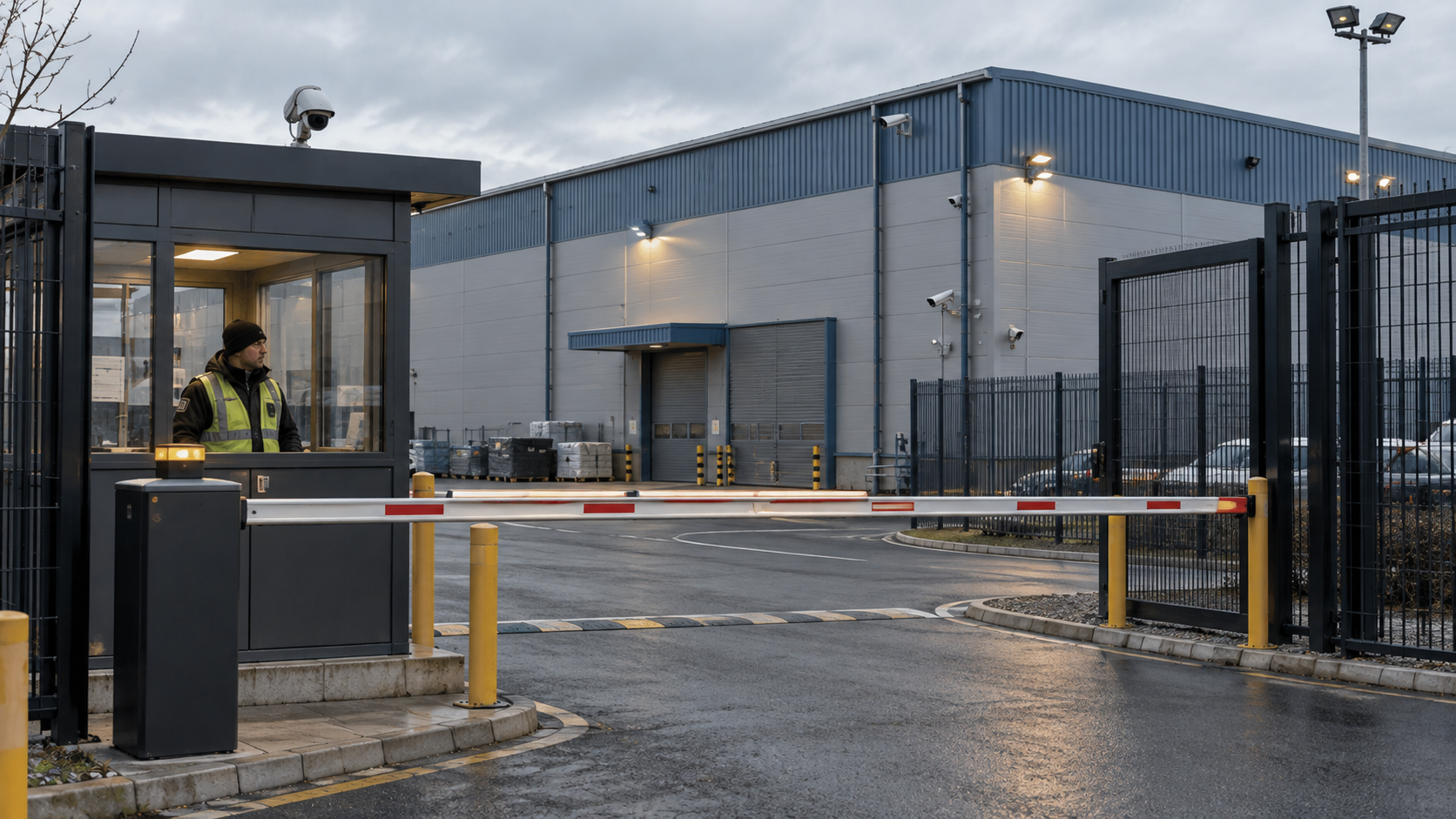
Shoplifting is rarely random. Many retailers face a tough reality. The same offenders often come back. Staff start to recognise faces. Incidents feel familiar. Losses grow over time.
The real challenge is not one theft. It is the repeated pattern. Repeat shoplifting places steady pressure on stores. It impacts the company’s profits, employee morale, and routine activities.
Retailers frequently raise an important issue: why repeat shoplifters return to the same stores?
Shops may look like easy targets to burglars. The deterrents may be weak. Thieves may think the risk is minimal. It is essential to gain insight into such consumer behaviour. It enables retailers to reinforce prevention measures, enhance visibility and consequently, reduce losses.
When the retailers deal with the primary issues, they are capable of making retail stores safe and secure environments.
Shoplifting Is Often a Pattern, Not an Impulse
The Myth of One-Time Theft
Shoplifting is often viewed as a single mistake. This belief can be misleading. Many cases connect to repeat shoplifting behaviour, not isolated actions. Retailers frequently encounter the same individuals over time.
These incidents rarely happen by chance. Behaviour develops through familiarity and reduced fear of consequences. When early attempts succeed, confidence grows. What seems like a minor event may signal an emerging pattern.
How Retail Theft Patterns Develop
Offenders observe and adapt. Each visit offers new information. Store routines, staff presence, and layout all influence decisions. Experience shapes strategy.
Success strengthens behaviour. Failed attempts refine it. Over time, predictable retail theft patterns begin to form. Certain locations or time periods may be targeted repeatedly.
Recognising these patterns is essential. It allows retailers to move beyond reactive measures. A focused approach helps reduce losses, improve deterrence, and strengthen overall store security.
Why Shoplifters Target the Same Stores
Shoplifting often follows clear retail theft patterns. Many offenders return to places they already know. This behaviour is rarely random. It is shaped by comfort, observation, and perceived risk.
Familiar Layout and Escape Routes
A known store feels easier to navigate. Offenders understand the layout. They know where cameras sit. They recognise blind spots. Exits become predictable. This setting supports repeat shoplifting behaviour.
Staff Behaviour and Response Gaps
Shoplifters watch the staff closely. They study reactions and look for weak responses. Slow intervention reduces pressure. Inconsistent action lowers deterrence. Over time, offenders learn what staff will do. This knowledge shapes future attempts.
Lack of Visible Deterrents
Visibility strongly affects decisions. A store without a clear security presence may appear less risky.
Perceived consequences matter. When deterrents seem weak, offenders feel more comfortable. Repeat visits become more likely.
Recognising these factors is important for retailers. Theft rarely happens by chance. Patterns reveal opportunity.
Stronger visibility helps. Clear staff responses help. Consistent deterrence helps. Together, these measures disrupt retail theft patterns and reduce ongoing risk.
Psychological Drivers Behind Repeat Shoplifting Behaviour
Repeat theft often links to perception, not impulse. Experience shapes decisions. Familiarity lowers doubt.
Confidence From Previous Success
Success changes how risk feels. Fear weakens. The act feels easier. Stress fades quickly. Confidence builds through repetition. Known stores feel predictable. Layouts feel simple to navigate. Daily routines feel easy to read. This sense of control supports return visits.
Perceived Low Risk
Offenders assess shoplifting risk factors before acting. They watch the staff presence. They note store activity. They look for visible deterrents.
Low visibility reduces pressure. Slow response lowers concern. Stores may then appear safer to target. Perception drives behaviour.
Habitual and Opportunistic Offending
For some individuals, theft becomes routine. The behaviour feels normal. Decisions require little thought.
Opportunity still triggers action. Quiet areas. Distracted staff. Easy access to goods. These moments reinforce repeat shoplifting behaviour.
Understanding these drivers helps retailers respond early. Shoplifting often reflects learned comfort and reduced fear of consequences. Perception, habit, and store conditions all play a role.
Clear visibility strengthens deterrence. Consistent staff response increases pressure. Strong security presence shifts risk perception and reduces repeat incidents.
How Retailers Can Break the Cycle
Retail theft often feels relentless. Incidents repeat. Losses build quietly. Yet retailers are not stuck with the problem. Practical steps can change outcomes. Behaviour shifts when conditions change.
Visible Security Alters Choices
People react to what they notice. A clear retail security presence increases perceived risk. That single factor influences many decisions. Doubt interrupts intent. Some offenders walk away before acting.
Security visibility also affects the atmosphere. Stores feel supervised. Movement appears observed. The sense of control becomes hard to ignore. This change matters because many theft attempts rely on confidence and ease.
Disrupting Familiar Patterns
Predictability helps repeat offenders. Familiar layouts reduce hesitation. Expected staff responses lower stress. Over time, routines become vulnerabilities.
Variation disrupts comfort. Adjusted patrol routes create uncertainty. Different monitoring points remove blind spots. Even small environmental changes can weaken established habits. Offenders struggle when a store no longer behaves as expected.
Reducing Opportunity
Opportunity plays a central role in theft. Removing easy chances limits incidents.
Strategic camera placement raises awareness. Clear sightlines reduce concealment. Well-positioned staff improve observation. Simple store adjustments often deliver meaningful protection. These measures do not rely on confrontation. They rely on visibility and design.
Strengthening Staff Confidence
Employees influence deterrence more than many retailers realise. Calm, alert staff presence signals awareness. Confident engagement discourages opportunistic behaviour.
Training improves consistency. Clear procedures remove hesitation. Staff act with certainty rather than doubt. That stability reduces escalation while protecting the shopping experience.
Early and Consistent Response
Timing shapes perception. Delayed reactions may reinforce offender confidence. Consistent responses reshape expectations.
Immediate attention, professional handling, and clear communication establish boundaries without creating disruption. Repeat attempts decline when offenders encounter reliable deterrence.
Breaking the cycle requires balance. Visibility discourages risk-taking. Store design limits opportunity. Staff confidence supports prevention. Together, these actions build safer retail environments and reduce long-term losses.
Conclusion: Prevention Is Cheaper Than Repeated Losses
Retailers must understand why repeat shoplifters return to the same stores. Repeat offenders look for ease, not chance. Weak stores attract attention. Gaps create confidence.
Vulnerability leads to recurring theft. Losses repeat, and pressure builds. Visible retail security changes perception. Risk feels higher. Certainty disappears. Plans lose clarity.
Investing in retail security is not simply about protection. It is a practical step to reduce repeat losses and regain control. Region Security Guarding supports retailers with visible, reliable solutions that deter risk and strengthen store stability.
Frequently Asked Questions
1. Why do repeat shoplifters return instead of targeting new stores?
Familiarity reduces risk. Offenders know the layout, exits, and routines. Comfort increases confidence.
2. Can visible security really reduce repeat shoplifting behaviour?
Yes. Visibility raises perceived risk. It creates hesitation. Many offenders avoid guarded stores.
3. What store vulnerability to theft do offenders notice most?
Blind spots, weak visibility, distracted staff, and slow response. Predictable routines also attract attention.
4. Are retail theft patterns predictable?
Often. Theft tends to follow routines, time windows, and store conditions. Patterns reveal opportunity.
5. How can retailers reduce shoplifting risk factors quickly?
Improve visibility. Strengthen staff awareness. Use surveillance well. Add a visible security presence. Consistency shifts behaviour.