A business may still have deliveries, contractors or early-shift workers arriving outside normal hours. At the same time, rear entrances, yards, loading areas and empty sections of a property may receive less attention.
The practical answer is to identify where supervision drops, which parts of the premises are most exposed and what should happen if something goes wrong. This gives businesses a clearer basis for deciding whether they need stronger access controls, monitoring, patrols or a defined response process.
What Changes When a Business Closes in Hindley?
The main change is the loss of normal activity and on-site supervision. A site that is busy during the day can become much harder to observe once staff leave.
The Site Goes Quiet
A working site has natural movement throughout the day. Employees, visitors, drivers and contractors pass through different areas. That activity can make unusual behaviour easier to notice.
After closing, this changes. A person near a rear entrance may attract little attention. The same movement during working hours could be noticed straight away. This is why empty periods need to be considered separately from normal daytime operations.
Closing Creates a Risk Window
The period between the last employee leaving and the site being fully secured can create avoidable gaps. A door may still be open. An alarm may not have been set. A gate may have been left unsecured.
There can also be uncertainty over who completed the final checks. A clear closing routine removes much of that confusion. It gives the final person on site a set process to follow.
Early Starts Matter Too
Security planning should cover the start of the working day as well as the night. Cleaners, contractors, delivery drivers and early-shift workers may arrive before most employees. Normal staffing levels may not yet have returned.
Businesses should know who is expected and when they are expected to arrive. They should also know which entrances those people are authorised to use.
Visibility Drops
Dark car parks, rear yards and storage areas can be harder to observe after closing. Poor lighting can make this worse. So can blind spots around buildings, gates and less-used entrances.
Businesses should consider which areas are difficult to see. They should also decide how those areas will be checked when nobody is working nearby.
What Are the Main Out-of-Hours Security Risks in Hindley?
The main out-of-hours security risks in Hindley include unauthorised access, weak entry points, vulnerable perimeter areas and activity around empty premises.
Police.uk recorded 8 crimes in the Hindley area during the 12 months from September 2025 to August 2026. However, the risk is not the same for every business. A warehouse may have concerns around loading bays and stock. A shop may need to focus on rear doors and shutters.
Access Point Vulnerabilities
Every entrance should be considered separately. The main door may be secure while a side door remains vulnerable. Loading bays and gates can create similar problems. Businesses should identify every route into the premises.
They should then decide who can use each entrance and when. Contractors and delivery teams also need clear access arrangements. Uncontrolled access becomes harder to assess when staff numbers are low.
Perimeter Security Checks
The perimeter can become a weak point when a property is empty. Fences, gates, rear access routes, yards and external storage areas all need consideration. These areas may be away from normal staff activity.
Regular perimeter security checks can help identify problems such as an open gate, damaged fencing or unusual activity. The checks should match the property. A small retail unit will not need the same approach as a large industrial site.
Empty Premises, Higher Exposure
An empty property has fewer people available to notice a problem. This applies to offices, warehouses, shops and industrial units. It also applies to parts of a building that are not being used overnight.
The important question is what happens if something goes wrong. A business should know what happens when a door is forced, an alarm activates, or somebody is seen on site unexpectedly. A defined response is much safer than leaving staff to decide what to do during an incident.
Activity Around Deliveries
Late collections and early deliveries can create security gaps. The issue is often a lack of clarity. Staff may not know who is expected or which areas should be accessible.
Businesses should agree on delivery times where possible. They should also identify authorised drivers and limit access to the areas they need. That makes unusual activity easier to recognise without disrupting legitimate deliveries.
How Do Businesses Reduce After-Hours Security Risks?
Good after-hours business security Hindley starts with simple site controls and clear responsibilities.
Businesses do not need to add security measures without first understanding the actual weaknesses. The first step is to identify where problems are most likely to occur.
Start With a Closing Routine
A closing routine should cover the details that can easily be missed. Check doors and windows. Secure gates. Confirm keys are accounted for. Set alarms. Complete any required final site checks.
It should also be clear who is responsible for completing those tasks. A written checklist can help. It removes the need to rely on memory at the end of a busy working day.
Remove Easy Access
Businesses can reduce exposure by controlling entrances and improving poorly lit areas. Valuable stock and equipment should not be left in locations where they are easy to reach. External storage also deserves attention.
Items placed against fences or beside buildings can create additional access opportunities. Keeping these areas clear can make the premises easier to secure and monitor.
Know Who Should Be On Site
Businesses should have a clear record of expected out-of-hours visitors. This can include contractors, cleaners, maintenance workers and delivery teams.
An authorised person arriving late should not create confusion. An unexpected person arriving at the same time should not be treated as routine. Clear access arrangements make unusual activity easier to identify.
Check What Happens Overnight
Businesses should review what actually happens after closing. Repeated alarm activations may point to a problem. So can issues with a particular door or regular concerns around one part of the site.
Patrol records and incident reports can also highlight patterns. If the same issue keeps appearing, it may be time to change the process rather than simply deal with each incident separately.
Which Business Sites Need Extra Attention After Hours?
The right commercial property security Hindley depends on the site itself. The layout, operating hours, access arrangements and contents of the premises all affect what needs attention.
|
Business site |
Main out-of-hours focus |
|
Warehouses and industrial units |
Loading bays, stock areas, yards, vehicle access and perimeter routes |
|
Retail premises |
Rear doors, shutters, customer entrances, storage and cash-handling areas |
|
Construction sites |
Equipment, materials, temporary fencing, compounds and unfinished access points |
|
Offices and mixed-use premises |
Shared entrances, unoccupied floors, contractor access and building controls |
Warehouses and Industrial Units
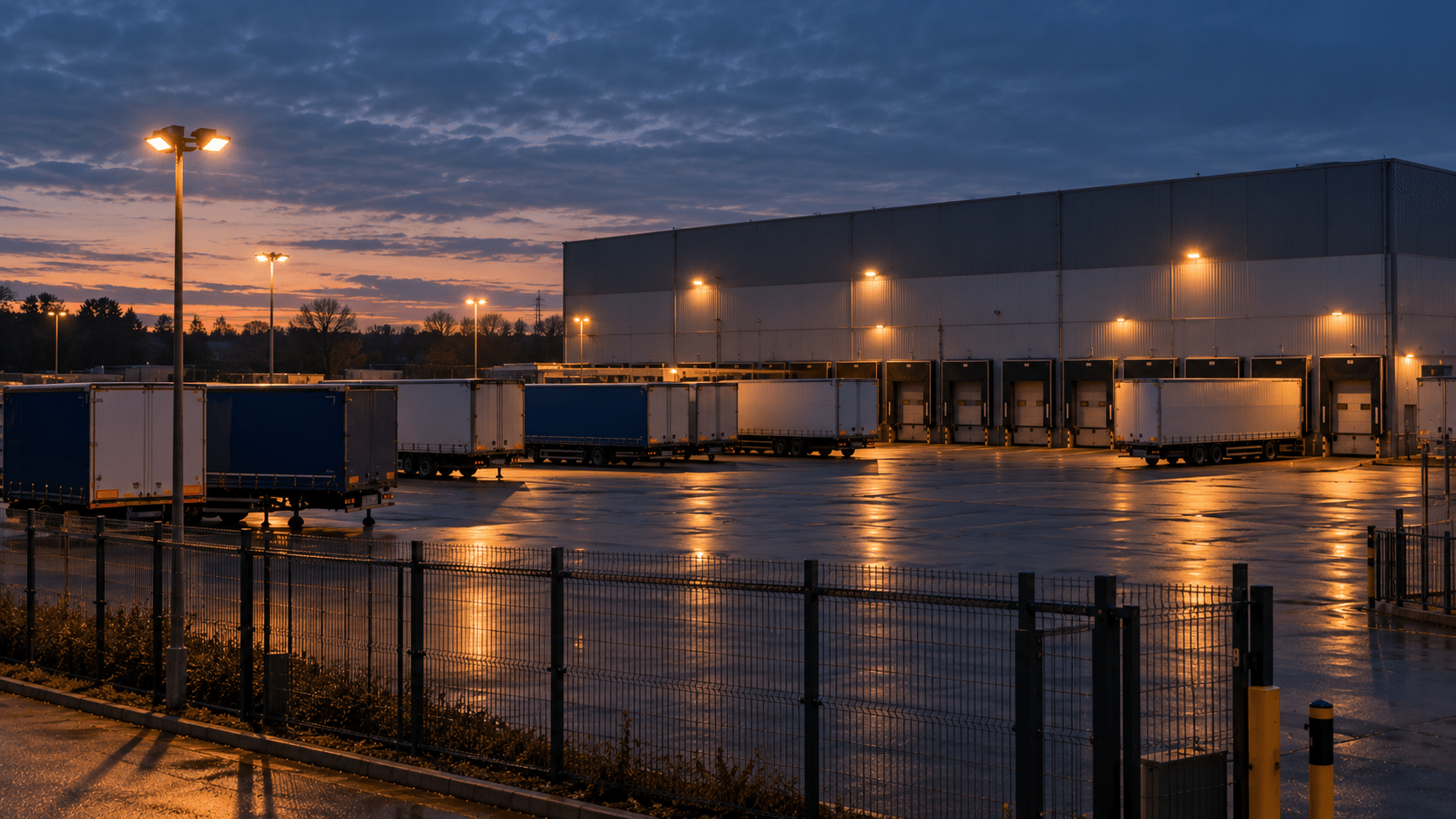
Warehouses and industrial premises can have several access routes. They may also include large yards, loading areas and storage spaces. The main entrance is therefore not always the main concern.
Loading bays, vehicle gates and less visible areas may need more attention after staff leave. Businesses should identify which areas can be left unattended and which require checks.
Retail and Customer-Facing Premises
Retail premises can have several ways into the building. Rear doors, delivery areas, shutters and staff entrances should all form part of the closing routine.
Cash and valuable stock may also need additional controls once the shop is closed. The security plan should cover areas that customers do not normally see.
Construction and Development Sites
Construction sites can change quickly. A site may have temporary fencing one week and a different access arrangement the next. New equipment or materials may also be added as work progresses.
That means the security plan should be reviewed when the site layout changes. Equipment, stored materials, plant and unfinished sections of the building may all need attention.
Offices and Mixed-Use Premises
Shared buildings can create different access requirements. One business may remain open while another has closed. Contractors may also need access outside normal office hours.
Clear responsibility is important in these situations. Everyone using the building should know which areas they can access and who controls the shared entrances.
When Should Businesses Use Security Patrols or Monitoring?
Out-of-hours business protection should be based on an identified gap. Security services should support a clear need rather than being added without considering how the site operates.
When Physical Presence Matters
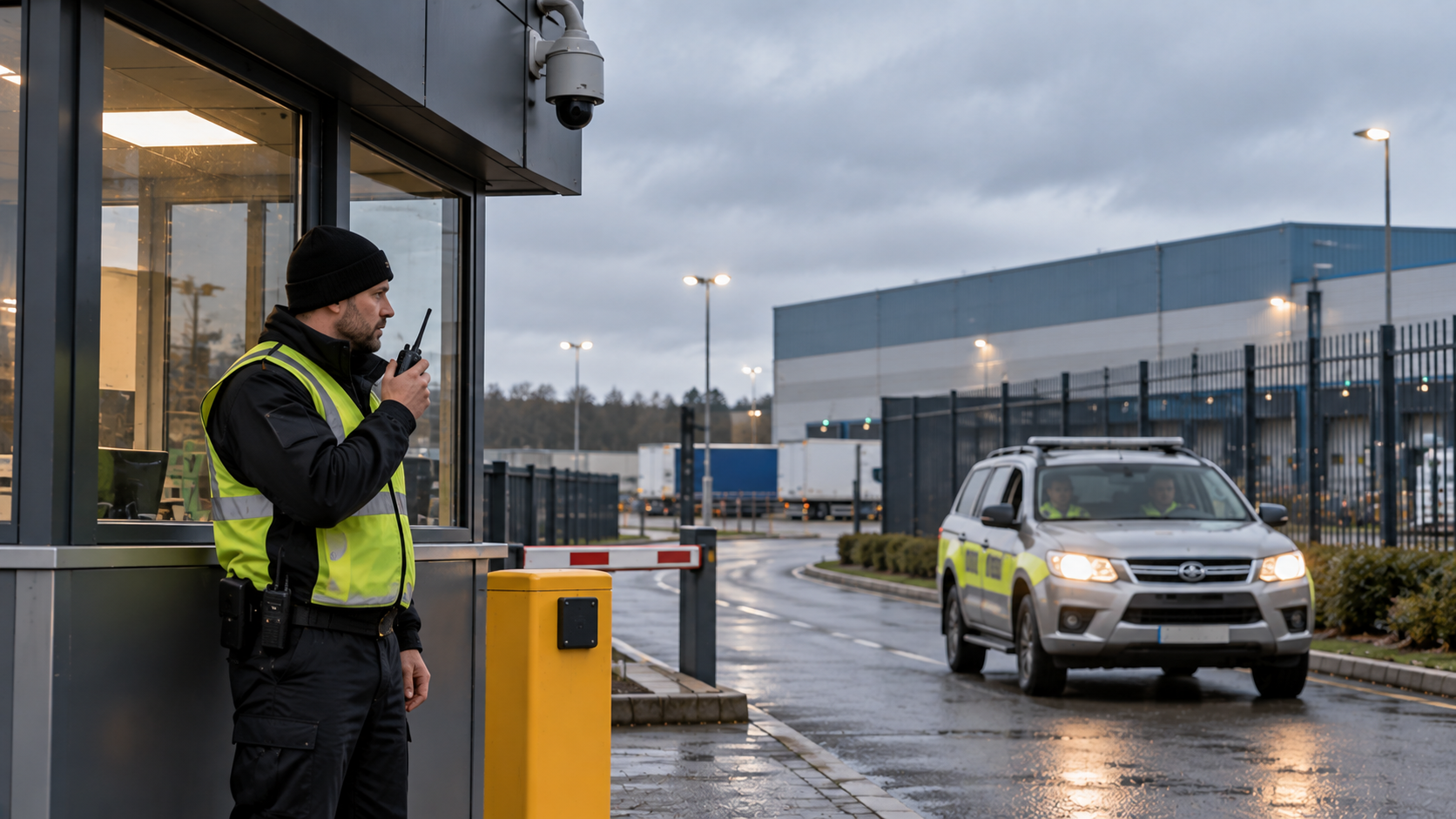
A physical presence can help when a site has areas that need regular checks. Mobile security patrols can provide physical checks at agreed times. Manned guarding can provide a more consistent presence where the site requires an officer on location.
Region Security Guarding provides guarding and mobile security services based on site requirements. Its service information includes access management, patrols and incident response.
When Alarm Response Is Needed
An alarm only forms part of the security process. Someone still needs to deal with the activation when it happens outside normal working hours.
An alarm response procedure should establish who receives the alert and who is authorised to attend. It should also cover how the premises will be checked and secured.
Keyholding and alarm response service includes secure keyholding and attendance following alarm activation.
When Remote Monitoring Adds Value
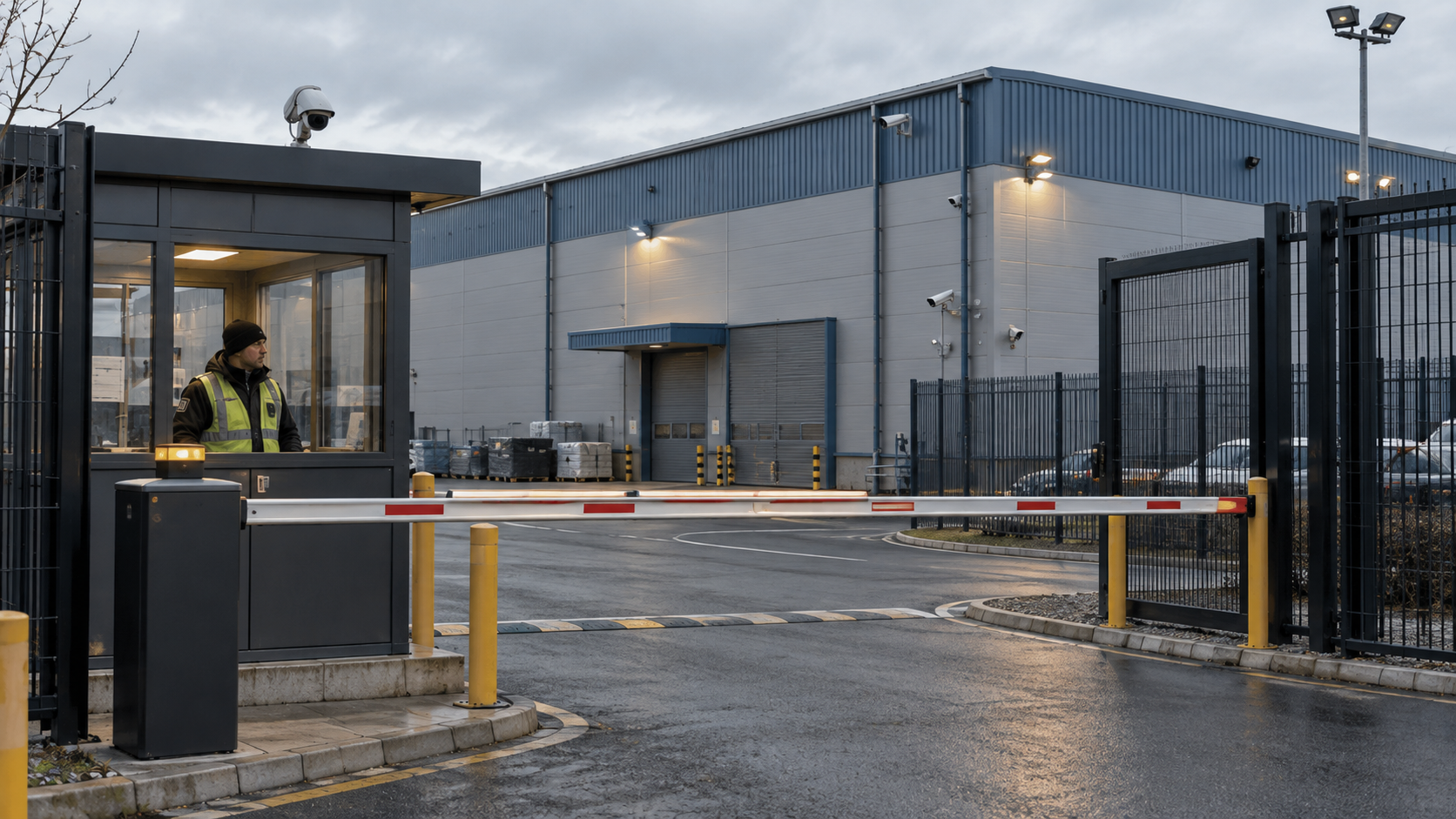
CCTV monitoring can provide oversight when there is nobody physically present. It can be useful for entrances, yards and other areas that need visibility outside normal working hours.
Remote monitoring should support the wider security arrangement. It should not be treated as a substitute for basic access controls or sensible site procedures.
When Layers Work Better
Different measures can address different parts of the same problem. Access controls can restrict entry. CCTV can provide visibility. Alarms can highlight an activation.
A patrol or response service can then deal with an issue that needs physical attention. The right combination depends on the site. There is no single arrangement that suits every business.
How Should Businesses Build an Out-of-Hours Security Plan?
A practical out-of-hours plan should identify vulnerable areas, establish the response and reflect the way the site actually operates.
Map the Vulnerable Areas
Start with every route into and around the premises. Include main entrances, side doors, gates, loading areas, yards and storage locations. Also identify areas that are difficult to see from occupied parts of the building. This gives the business a clearer picture of where security attention is needed.
Define the Response
Decide what happens when something goes wrong. The plan should cover alarm activations, open doors and unexpected people on site. It should also state who receives alerts, who has authorised access and who is responsible for securing the property. Staff should not have to work this out during an unfamiliar incident.
Match Security to Operating Hours
Security arrangements should reflect the actual operating timetable. Consider normal closing times. Include overnight periods, weekends and bank holidays.
Early deliveries and night shifts should also be included where relevant. A business that operates differently at weekends may need a different approach during those periods.
Review and Adjust
An out-of-hours security plan should not remain unchanged when the site changes. New gates, different opening hours, construction work and additional equipment can alter the security picture.
Repeated alarm activations can also highlight a weakness. Reviewing these changes helps keep the plan relevant and practical.
Conclusion
Businesses can reduce out-of-hours exposure by identifying weak access points, checking vulnerable areas, controlling who enters the site and setting out a clear response before an incident occurs.
The main out-of-hours security risks arise when normal supervision disappears and areas such as rear entrances, yards, storage spaces and empty buildings receive less attention.
Not every business needs the same level of security. Some may need stronger access controls and monitoring, while others may benefit from physical patrols, keyholding or alarm response. Region Security Guarding provides these types of supporting services alongside its wider guarding provision.
The starting point should always be the site itself: understand where the gaps are, decide how those gaps should be managed and then put the appropriate security measures in place.