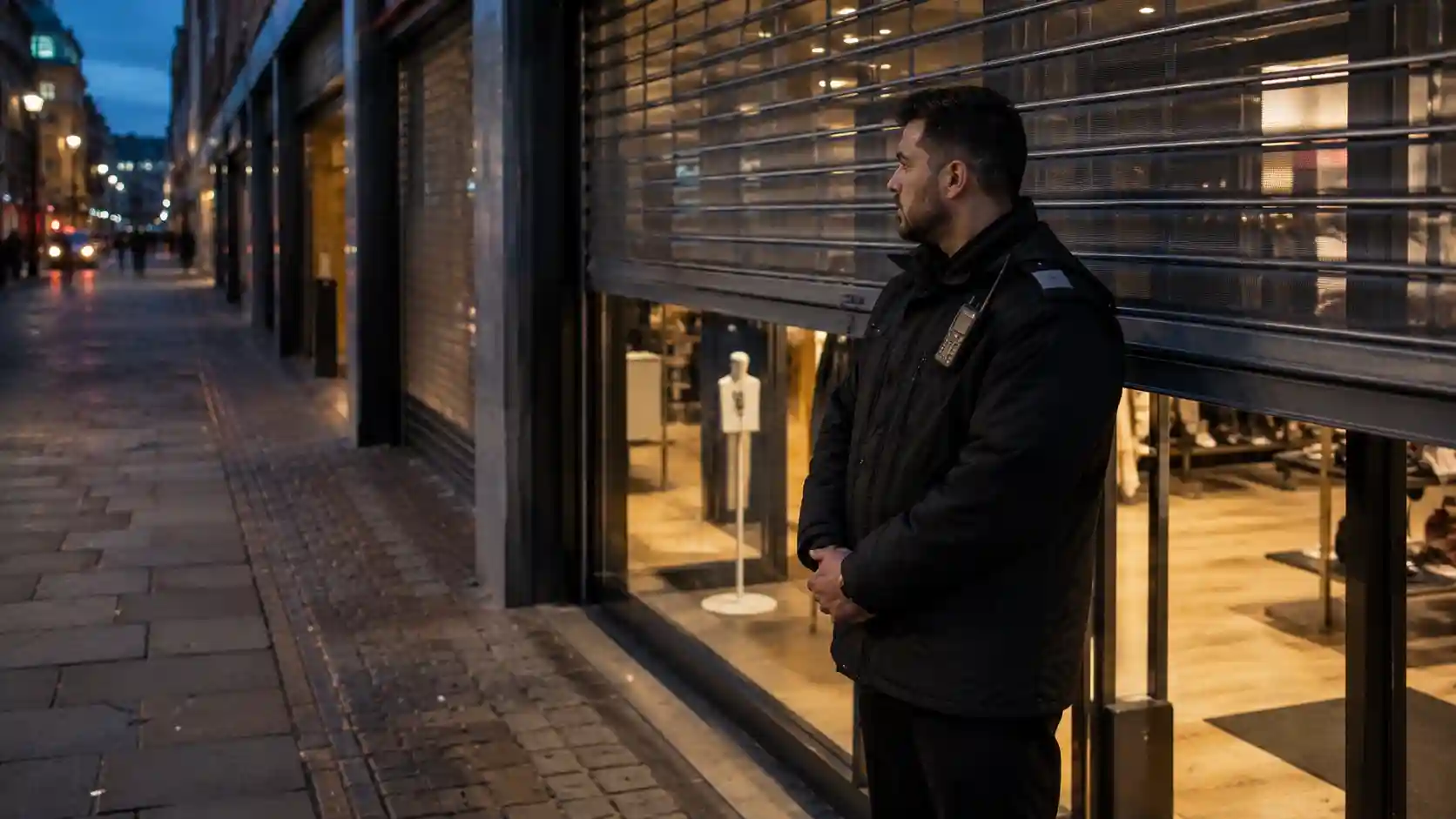
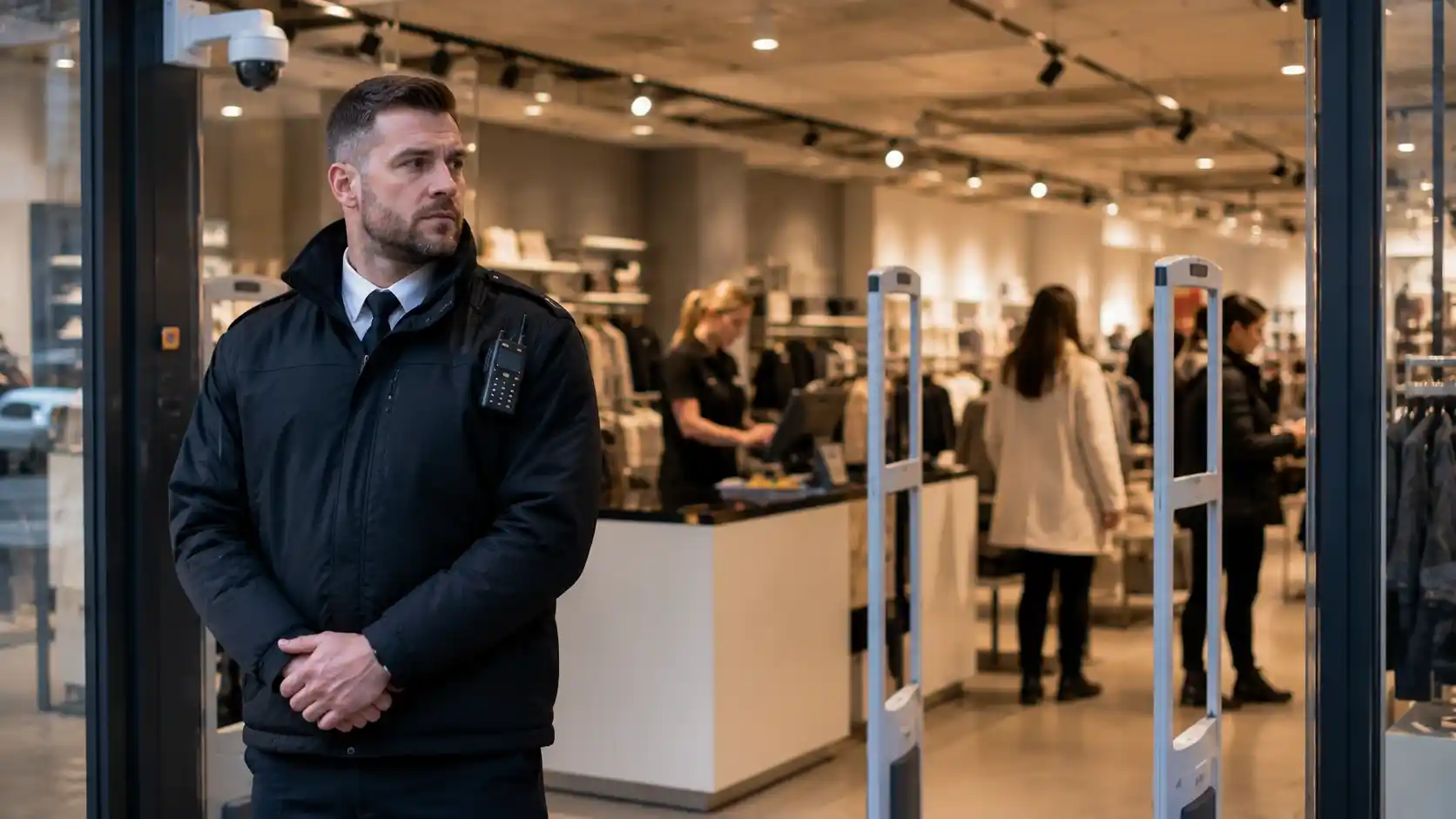
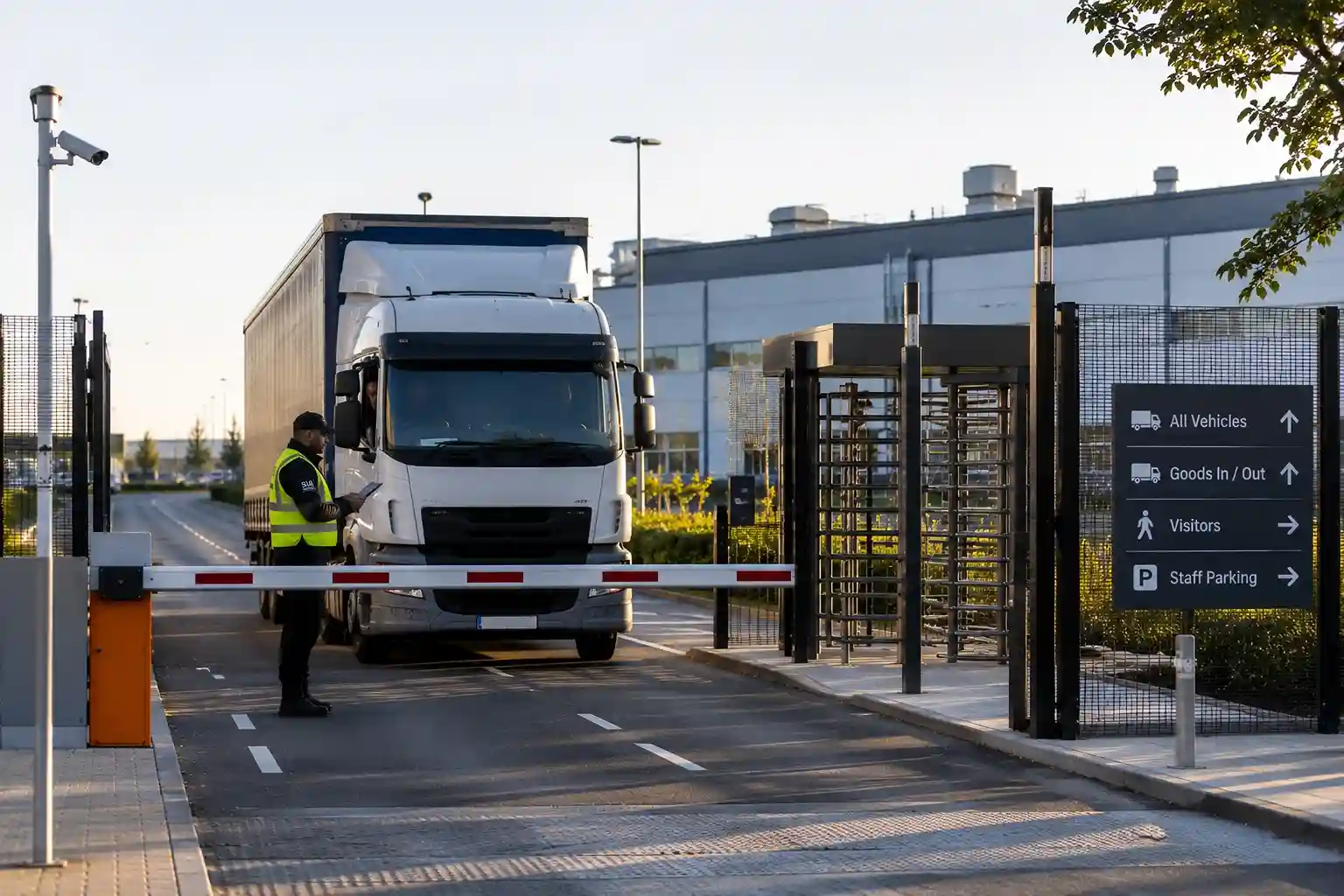
Liverpool’s mix of busy streets, waterfront industry, and high-footfall retail zones. This shows clearly why Liverpool businesses needs manned guarding today. Crime across Merseyside shifts fast, and many firms feel the strain due to it. Threats like shop theft, break-ins, and late-night disturbances cause trouble for people. These issues hit both small retailers and large warehouses. It increases the financial impact of business crime in Liverpool. And it also driving demand for trained security guards Liverpool teams. For many sites, guards offer what cameras can’t do.
Businesses also look closely at loss prevention Liverpool figures. Compare yearly shrinkage and damaged stock with the value of physical protection. This lets you understand the cost-benefit analysis of security becomes clear. A patrol at the right time often stops far bigger losses. Also, it can make a direct impact on your site’s efficiency. This is also one of the strongest reasons why Liverpool businesses need manned guarding. Reliable security support across retail, logistics, and hospitality districts.
Table of Contents
Understanding Manned Guarding Basics in Liverpool
What Manned Guarding Is and How It Differs From Static or Remote Security
To know why Liverpool businesses needs manned guarding, understanding more about it provides. It helps to look at what makes physical security different from remote-only protection. They move across the premises, speak with staff, and calm tense moments. Remote cameras support safety on site, but there is a limitation to it. They cannot walk to a door, speak to a suspicious visitor, or stop someone from entering a restricted space. This is why many managers treat security guards Liverpool teams as a key part of Liverpool business security. Especially when they need judgment and a fast response instead of passive watching. Manned guards also support loss prevention Liverpool efforts. This is giving businesses the human insight that systems alone cannot deliver.
Liverpool Crime Patterns, Peak Risk Hours, and Why Manned Guarding Demand Is Rising
Liverpool’s crime rates, such as shop theft, break-ins, trespass, and anti-social behaviour, have increased. This makes more people find why Liverpool businesses needs manned guarding. City-centre streets see late-night activity with high footfall. Retail parks face crowd issues during busy weekends. Warehouses and logistics estates experience more break-ins after closing hours. These patterns raise the financial impact of business crime on the front. This is pushing every company to adopt stronger safety plans. Many threats occur during the less-attended hours, like late nights. Manned guarding reinforces access control and prevents theft and vandalism. This lets highly targeted places like entrances, yards, and car parks be safe. The rise in daytime shoplifting has also increased the need for visible patrols. This made 24/7 manned security a common part of Liverpool operations.
Warehouse, Port, and Industrial Vulnerabilities Across Merseyside
Large industrial estates near the Port of Liverpool face unique threats. From long fences, heavy equipment, scattered storage, to valuable goods stored in containers. Criminals often target metals, tools, fuel, and high-value stock. These sites depend on on-site security Merseyside teams. They understand blind spots, changing weather, and perimeter checks. Many businesses now view manned guarding Liverpool costs as essential to their business. This change, in part of their wider risk strategy rather than an optional expense, is better. Guards reduce long-term losses by spotting tampering early and responding before damage spreads. This creates a clear cost-benefit analysis of security that favours physical presence.
Retail Parks, Anti-Social Behaviour, and Growing Daytime Security Pressures
Retail parks in Speke, Aintree, Edge Lane, and Hunts Cross frequently deal with most threats. They face crowd disturbances, aggressive behaviour, and vehicle-related incidents. Trained guards help calm situations before they escalate. It also improves customer safety and staff confidence. In just last month, Liverpool recorded more cases of violence and shoplifting. As recorded, police records show 181 violent cases and 115 shoplifting cases are registered. The rise in daytime theft across Liverpool has increased demand for guards. They need to understand shop layouts, behaviour patterns, and loss prevention Liverpool tactics. This shift reinforces why Liverpool businesses needs manned guarding most in recent days. Especially, they need it during peak retail hours when threats move fast and visibility matters most.
Day and Night Security Differences, Event Impact, Transport Flow, and Economic Factors
Day shifts focus on interacting with customers, handling queues, and checking deliveries. Following it, they also have to monitor open areas. Night shifts concentrate on perimeter checks and alarm responses. Event days like football matches, concerts, marathons, and waterfront festivals need extra care. Because they create issues easily and affect other people and properties. Crowds increase risk, creating more demand for security guards Liverpool teams. They have to be trained in movement control to ensure safety. Liverpool’s transport routes include Merseyrail lines and late-night bus services. This shape patrol timing and access planning around the region. Economic shifts across Merseyside also influence security budgets. When crime pressure rises, businesses turn to 24/7 manned security. And stronger Liverpool business security routines to protect assets and reduce losses.
Legal and Compliance Requirements in Liverpool
SIA Licensing, Vetting Standards, and Legal Penalties for Unlicensed Guards
Strong regulation is one of the reason why Liverpool businesses needs manned guarding. They deliver only by trained and approved professionals for site guarding. Every guard working across Bootle, Birkenhead and Southport must hold a valid SIA licence. It is proof that they passed identity checks and background screening. Then they allow right-to-work verification and formal training to be completed.
Employers must also meet BS 7858 vetting standards when hiring. This ensures guards are trustworthy before stepping on-site. Liverpool firms that use unlicensed workers face serious penalties. From large fines, loss of insurance cover, to possible criminal charges. This is why most companies insist on security guards Liverpool teams be verified. They need to be backed by clean records and documented compliance. Especially for high-risk areas where preventing theft and vandalism matters most.
DBS Expectations, Insurance Requirements, and Compliance Documentation for Liverpool Sites
Many businesses across Merseyside request DBS checks for guards. Especially in roles involving public contact, key-holding, or access to sensitive areas. Insurance plays a big part, too. Companies hiring guards must hold certain documents to ensure complete safety. They need public liability insurance, employer’s liability coverage, and sometimes professional indemnity. These policies protect them from claims linked to theft, injury, or damage. When companies review manned guarding Liverpool costs, insurance becomes part of the calculation. Because a trained team often reduces long-term premiums. Firms also need proof of compliance from their chosen provider. They need SIA lists, BS 7858 files, training logs, incident reports, and full licensing documentation. These records strengthen Liverpool business security by demonstrating the provider’s operational integrity.
Data Protection, CCTV Rules, and VAT Treatment of Manned Guarding
Any business using CCTV alongside manned guards must follow UK GDPR rules. This includes secure storage of footage, restricted access rights, and clear signage. Because guards often work closely with camera systems. They must understand how to manage data correctly. These rules matter for on-site security in Merseyside and Lancashire teams. Because they integrate cameras with daily patrol routines. VAT also affects budgeting in site security allocation. In Liverpool, guarding services are normally charged at the standard rate. Meaning is that companies must factor full VAT into their yearly cost-benefit analysis of security. For larger firms, VAT treatment becomes a key part of planning future 24/7 manned security arrangements.
Liverpool Council Requirements for Construction Sites, Overtime Rules, and Post-Brexit Hiring
Liverpool City Council has specific expectations for construction sites. These include secure perimeters and controlled access. They also do visible ID checks, and trained guards are present during high-risk phases. Labour laws also shape staffing in these rules. Guards must receive correct overtime pay. And need legally required breaks, and shift limits to reduce fatigue. These rules protect health and improve performance during long hours. Post-Brexit right-to-work changes mean EU nationals need to do proper documentation. They are working as security guards. Liverpool must now provide detailed documents before being hired.
Event Licensing, Martyn’s Law, and Partnerships With Merseyside Police & Liverpool BCRP
Liverpool’s events, like football matches, arena shows, and festivals, gather more people. To control the crowd, it requires manned guards as part of licensing conditions. Several venues are already preparing for the upcoming requirements of Martyn’s Law. This will introduce stronger protective-security duties for public spaces. It creates more demand for trained guards than before. Those who can support crowd safety and emergency procedures. Collaboration with Merseyside Police also shapes patrols into reliable ones. Officers share intelligence on hotspots, crime trends, and offender patterns. Helping teams tailor Liverpool business security plans. Many businesses also join Liverpool’s BCRP schemes. They do link guards, retailers, hospitality venues, and police. This partnership improves communication, reduces repeat incidents, and strengthens loss prevention Liverpool.
Costs, Contracts, and Deployment in Liverpool
City Centre vs Suburban Costs and How Pricing Is Set
Money plays a major role in why Liverpool businesses needs manned guarding, and costs change across the city. Sites in Liverpool city centre often pay more. These areas see higher footfall, more late-night activity, and stronger crime pressure. Retail zones and hospitality districts are highly targeted sites among threats. This makes them in need of visible patrols, quick responses, and constant checks. Even though manned guarding Liverpool costs have risen due to demand. This has become essential to every business and site.
Suburban areas like Bootle, Speke, Aintree, and Garston can be cheaper, but not always. Large yards, long fences, and open spaces often need more patrol time. Because these places make a change in the hourly rate. Companies started to add these numbers to their cost-benefit analysis of security. And many see that guards help cut the financial impact of business crime far more than cameras alone. Criminals often target the unprotected areas first. So having a guard makes it reliable to protect your site. Also, they prevent bigger losses linked to preventing theft and vandalism.
How Fast Guards Can Be Deployed and How Contracts Typically Run
Deployment times matter for firms that need help fast. Many providers can start a single-guard post in a day or two. Bigger teams often need more planning for deployment. They need uniforms, site inductions, and risk assessments. Some sites in Merseyside start even faster when urgent risks appear. This flexibility supports on-site security Merseyside teams. And it makes quick cover possible during sudden threats.
Manned guarding service contract lengths vary from one firm to another. Many businesses use monthly rolling contracts for flexibility. The other businesses choose six-month or one-year contracts to stabilise Liverpool business security. Fixed contracts often help with budgeting and long-term planning. This supports guards too, as they understand the layout and make it familiar to them. Rolling terms are different from fixed. This helps during seasonal peaks, like events, Christmas trade, or football match days. Notice periods usually range from 30 to 90 days. This gives both the business and the provider time to adjust without leaving gaps in coverage.
Wage Pressures, Inflation, and How Costs Shift in 2025
Guarding prices across Liverpool have changed in recent years. Higher wages in the security sector raise manned guarding Liverpool costs. Also, it makes firms offer fair pay to keep skilled guards. Inflation adds extra pressure on the guards as it may affect equipment. Uniforms, fuel, equipment, and training all increased in price. These factors change long-term quotes. But it also pushes firms to expect more value from their guards. Many businesses adjust by strengthening their loss prevention Liverpool plans. So, it lets every shift deliver clear results.
Inflation also affects hiring a guard for the site. It takes longer to find trained staff, and good guards often receive multiple job offers. This makes reliable partners even more important. And they need to deliver 24/7 manned security without gaps or sudden shortages.
Insurance Benefits, Pricing Stability, and Public Sector Rules Under the Procurement Act 2023
Many insurers offer lower premiums when a business uses trained guards. Providers must show proof of patrols, incident reports, and safety routines. These records reduce risk and support cost-benefit analysis of security for larger sites. When insurance companies see fewer claims, they often reward businesses with better pricing.
Public sector work follows different rules. The Procurement Act 2023 changed how councils and government sites hire security teams. It demands full transparency, strong compliance records, and ethical hiring. Liverpool firms with clean audits and high standards often win more of this work. These rules improve service quality across Merseyside and strengthen everyday Liverpool business security.
Training, Operations, and Daily Duties in Liverpool
Training Standards, Retail Readiness, and Starting a Shift in Liverpool
Training shapes why Liverpool businesses needs manned guarding for daily protection. Guards learn conflict control, customer care, theft awareness, and how to read behaviour. These skills matter in retail sites across the city to ensure safety. Busy stores depend on trained security guards Liverpool teams. They must be trained in guiding crowds, spotting problems early, and supporting staff during tense moments.
A shift starts with simple but important steps. Guards check access points, doors, and gates. They test radios, torches, CCTV feeds, and alarms. Read the handover log to understand issues from the last shift. These checks support strong Liverpool business security and help guards plan safe patrols before the site gets busy.
Handovers, Patrol Timing, Perimeter Checks, and Core Logbook Duties
Shift handovers need to be done without leaving issues. Leaving guards should explain what happened, who visited, and any risks. Incoming guards ask questions and confirm details. This avoids missed information. It also supports on-site security Merseyside by keeping every shift aligned.
Patrol timing changes from site to site. Some retail spaces need short, frequent patrols. Industrial zones need longer walks along fences, loading yards, and storage areas. Many Liverpool sites see attempts to breach perimeters. So guards check for damage, loose locks, or signs of tampering. These steps help with preventing theft and vandalism and support stronger loss prevention Liverpool routines.
Logbooks record every key detail. Guards write visitor names, deliveries, alarm resets, patrol results, and any hazards spotted. These records protect the business and form part of the cost-benefit analysis of security, showing real value from daily work.
Equipment Checks, Alarm Response, Visitor Control, and CCTV Duties
At the start of duty, guards confirm that all equipment works. Broken radios or cameras can cause delays. Good tools help ensure fast action, especially in high-risk zones. When alarms go off early in the shift, guards move fast. They check the cause, secure the area, and record the event. This reduces the financial impact of business crime and keeps routine work steady.
Visitor control is also part of daily duties. Guards check IDs, sign people in, and direct them where to go. Many offices and industrial units rely on 24/7 manned security for safe entry.
CCTV checks follow soon after guards confirm that every camera is online and recording. They note any faults and report them. Clear footage supports legal compliance and helps with investigations.
Fire Safety Checks, Lighting Reviews, Supervisor Updates, and Utility Tamper Checks
Fire safety checks start early. Guards confirm exit routes, inspect fire doors, and review alarm panels. In car parks and large yards, lighting checks prevent blind spots. Good lighting stops many incidents before they happen.
Night shifts require more updates to supervisors. Guards send reports at set times to show they are safe and active. They also inspect utilities, like fuel tanks and external power boxes, for tampering.
These routines show again why Liverpool businesses needs manned guarding. Daily checks catch problems early and keep risk low across different sites.
Documentation, Secure-Down Steps, 24/7 Rotation Patterns, and Emergency Response Times
Post-patrol notes go into the logbook. Guards record areas checked, people seen, and anything unusual. This builds a clear history of site activity. At the end of the shift, guards secure the building. They lock doors, test alarms, and confirm everything is safe for the next team.
Liverpool’s on-site security Merseyside operations run on 24/7 patterns. Teams rotate days, nights, and weekends. This creates steady coverage for warehouses, retail parks, and offices.
Emergency response standards differ between sites, but most guards aim to reach an alert point within minutes. Fast reactions reduce damage and help control incidents before they spread. These routines form the backbone of Liverpool business security. And this reinforce the city’s need for skilled, reliable guards every day.
Performance, Risks, and Staffing Challenges in Liverpool
Key KPIs, Weather Impacts, and How Guards Record Patrol Conditions
Performance checks show why Liverpool businesses needs manned guarding each day. Many sites track simple KPIs. These include patrol times, visitor checks, alarm resets, and log accuracy. Managers also look at how fast guards react. They check how well guards stop problems from spreading. These KPIs show the value of trained security guards Liverpool teams. They also support stronger Liverpool business security plans.
Weather shapes performance, too. Heavy rain, sharp wind, and early darkness can slow patrols. Guards record these changes in their logs. Short notes explain why a route changed or why an area took longer to secure. These details support loss prevention Liverpool routines. They help managers plan safer patrols during rough weather.
Health Risks From Long Shifts, Mental Health Needs, and Environmental Rules
Long shifts can harm performance and create fatigue. This could let guards show slow reactions in situations. It makes it harder to spot threats. Breaks, rotation, and fair schedules reduce this risk. Many providers now support night-shift staff. They offer rest areas, wellness checks, and simple ways to report stress. These steps help guards stay steady through long hours.
Mental health support matters too. Busy nightlife areas and high-risk zones can be stressful. Strong support protects the guard and the business. Healthy teams deliver stronger 24/7 manned security. They stay alert and help reduce the financial impact of business crime.
Environmental rules shape outdoor work. Some sites sit near protected areas or operate under noise and light limits. Guards learn to patrol without breaking these rules. This keeps the site compliant and safe.
Staffing Shortages, Retention Challenges, and How Liverpool Firms Keep Skilled Guards
Liverpool’s security sector faces shortages. This adds to why Liverpool businesses needs manned guarding from steady, well-trained teams. Some firms struggle to keep skilled guards. Long hours and rising costs make retention hard. Low staffing raises risk. It weakens preventing theft and vandalism across sites.
To keep good staff, many businesses changed their approach. They offer stable shifts, regular training, and fair pay. Some add bonuses or clear career paths. These steps create teams that stay longer and understand the site better. Good retention supports reliable on-site security Merseyside coverage. It also reduces gaps that criminals could use.
Training is key to strong results. Skilled guards provide clearer reports, faster responses, and safer patrols. This supports the cost-benefit analysis of security. A trained team reduces damage, loss, and delays. It also builds trust and confidence for the business.
These performance, risk, and staffing factors shape how Liverpool builds its guarding plans. Each point shows the value of trained people, steady routines, and simple systems. Together they reinforce why Liverpool businesses needs manned guarding in a city where risks can change fast.
Technology and Future Trends in Liverpool Manned Guarding
Tech Changes, Post-COVID Routines, and AI Support in Liverpool
New tools change why Liverpool businesses needs manned guarding today. Guards now work with smart cameras, simple reporting apps, and real-time alerts. These tools help them see risks sooner. They also make patrols smooth, but they can’t replace the guard. People still make the final call regarding the security. This is why firms continue to use trained security guards Liverpool teams.
Post-COVID rules changed the daily work environment. Many sites added distance control, slower entry lines, and new checks. Guards guide visitors, reduce stress, and keep order. These steps improved Liverpool business security and proved that human presence still matters.
AI plays a growing part. It spots movement, flags odd behaviour, and alerts guards. AI works faster in recent technology and guards act with judgment in a situation. Together ,they support stronger loss prevention Liverpool routines. They also help reduce the financial impact of business crime by catching issues early.
Remote Monitoring, Drone Use, and Predictive Tools Across Liverpool
Remote monitoring centres now support on-site security Merseyside teams. When a camera triggers an alert, an operator checks it at once. They share the details with the guard on duty. This helps build steady 24/7 manned security for busy or wide sites.
Drone patrols appear more often across Liverpool’s large estates. Drones scan high points and dark corners, and ground guards then check the area. This mix makes preventing theft and vandalism more effective and faster.
Predictive tools study patterns. They look at past incidents, weather, and footfall. Firms use this data to plan shifts. Good planning also improves the cost-benefit analysis of security. It reduces wasted hours and strengthens protection.
Guard Upskilling, Green Security Practices, and Martyn’s Law
Modern guards need more skills than before. Many now learn digital reporting and basic tech use. Some train in new emergency tools. These steps help build stronger security guards Liverpool teams.
Green security grows across Merseyside. Some sites use electric patrol vehicles. Others use low-energy lighting checks or digital logs. These changes cut waste and lower running costs.
Martyn’s Law will have a big impact on Liverpool venues. Stadiums, arenas, and waterfront sites must improve their safety plans. They will need trained guards who understand crowd risks and emergency steps. This shift adds another reason why Liverpool businesses needs manned guarding for long-term safety.
Conclusion
Liverpool businesses face steady pressure from crime and crowded streets. These conditions show why Liverpool businesses needs manned guarding for daily safety. Trained guards see things that cameras miss, and stop trouble early. They can also guide visitors and keep sites calm.
Strong Liverpool business security relies on people who act fast. Guards read behaviour and react in real time. Many firms now depend on security guards Liverpool teams to protect stock and staff. With costs rising and threats changing, 24/7 manned security becomes essential. Skilled guards remain one of the best ways to secure a site.
Tools for preventing theft and vandalism help, but guards still play a key role. Their presence keeps many Liverpool properties safe each day.
Frequently Asked Questions
1. Why do Liverpool businesses rely on manned guarding?
We rely on manned guarding because a trained guard reacts fast. We get real support during busy hours and risky moments, which cameras alone cannot give.
2. How do security guards help prevent theft and vandalism?
We stop theft by staying visible, watching weak spots, and acting the moment something feels wrong. Our presence alone reduces many attempts before they start.
3. Does 24/7 manned security make a difference for Liverpool sites?
Yes. We keep the site protected at all hours. This helps when crime peaks at night or during events.
4. Why are licensed guards important for Liverpool business security?
We must hold the right licence to prove our training and checks. This keeps the business safe from legal risks and ensures we know how to handle incidents.
5. Can manned guarding reduce the financial impact of business crime?
Yes. We help cut losses by stopping break-ins and reducing damage. This lets us continue supporting strong loss prevention Liverpool routines.
6. How does manned guarding fit with modern security technology?
We work with cameras, alarms, and alerts. Technology shows us where to look, and take action. This mix gives the site a stronger defence.