Birkenhead is a patchwork of docks, busy retail streets, sprawling industrial estates and transport links that never quite sleep, and that mix shapes the kind of security local businesses actually need. Cameras and alarms help, sure, but they don’t read a tense crowd, notice a delivery routine sliding off-script, or steady a lone worker at three in the morning. That’s where visible, trained people make the difference. This guide cuts through jargon and looks at real choices: legal duties, cost realities, and practical steps businesses can take today. It’s informed by on-the-ground practice (local teams, police partners) and a simple idea: prevention beats paperwork every time. If you run a site in Birkenhead, consider this a practical checklist, not a sales pitch.
Understanding Manned Guarding in Birkenhead
What is manned guarding, and how does it differ from static security in Birkenhead?
Manned guarding is security in its most practical form: trained people, physically present, making decisions in real time. Unlike CCTV or alarms, guards don’t wait for something to happen and then log it. They intervene early. They read situations. They act.
That difference matters in Birkenhead. Many sites here aren’t purpose-built with clean layouts and perfect sightlines. They’re older retail units, mixed-use developments, dock-facing warehouses, and car parks shaped by decades of change. Cameras help, but they don’t notice hesitation, tension, or patterns forming. Human judgment does. A guard spots what doesn’t quite fit and steps in before it turns into a problem.Technology records. People prevent. In Birkenhead’s working environments, that distinction carries weight.
How Birkenhead’s crime patterns influence the need for manned guards
Most security issues in Birkenhead don’t arrive loudly. They build quietly. Opportunistic theft, low-level vandalism, and anti-social behaviour tend to repeat rather than explode. The damage comes from frequency, not drama.
According to crime data in Birkenhead, shoplifting remains a noticeable concern for local businesses. Official police figures show 48 shoplifting incidents in a single month, accounting for around 11.6% of all recorded crime in the Birkenhead and Tranmere area. These offences directly affect retailers through stock loss, higher insurance costs, and disruption to daily operations.
Headline crime figures don’t always capture that. Local businesses feel it instead, in staff frustration, customer unease, and slow but steady losses. Guards who work the same site day after day start recognising those patterns. They know what a normal afternoon looks like and when something is drifting off course. That local familiarity turns security from reactive to preventative.
Peak risk hours for Birkenhead businesses
Risk doesn’t stay still. It moves with the day. In daylight hours, shops carry the most pressure. Doors open. People will come and go, the staff used to be busy, and shelves are full and small thefts slip through the cracks, and no one is watching, just one thing for long. Evenings feel different. Crowds thicken around stations, pubs, and late-night venues. Tempers shorten. Noise rises. What starts as nothing can turn into something very quickly.
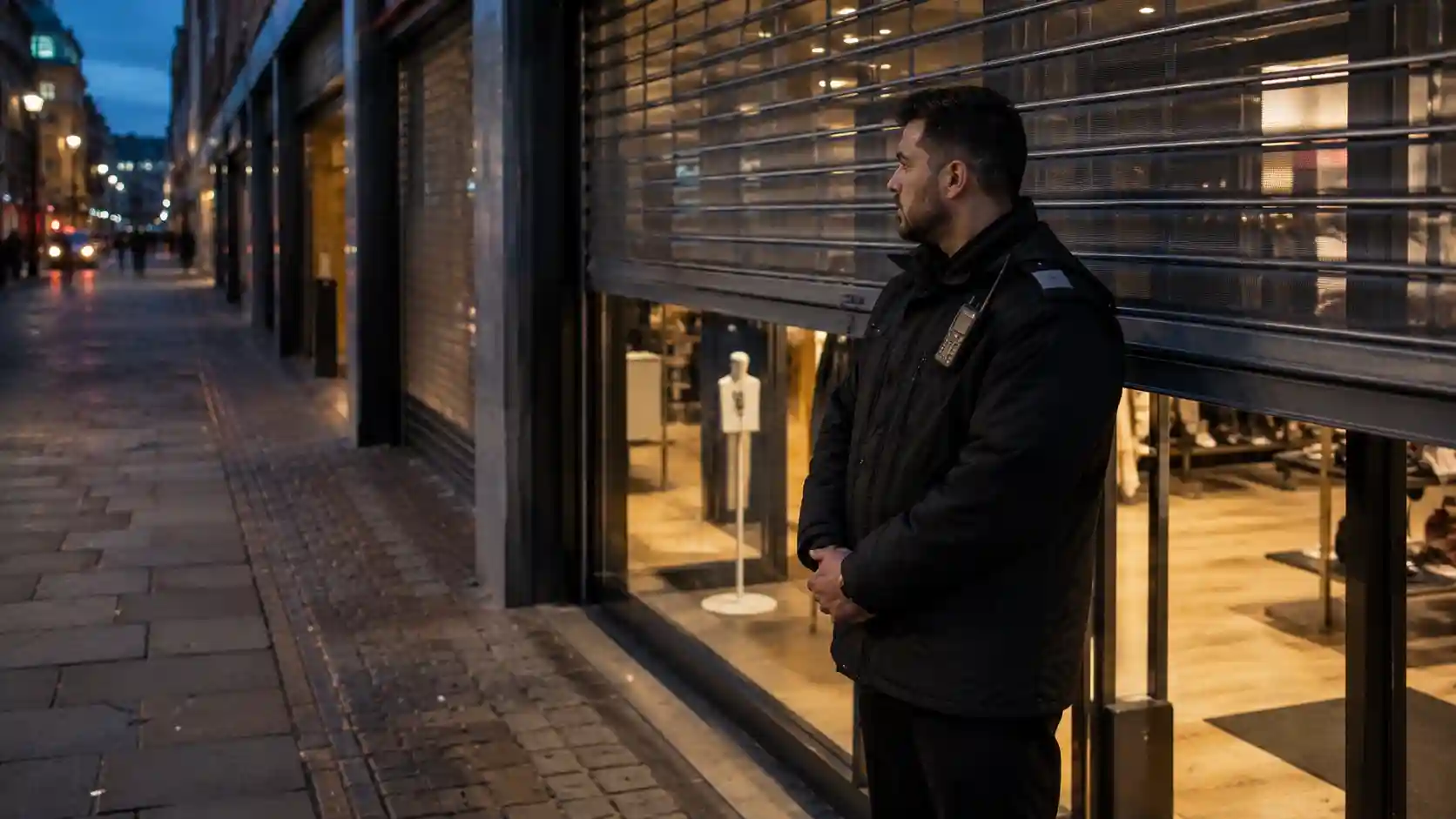
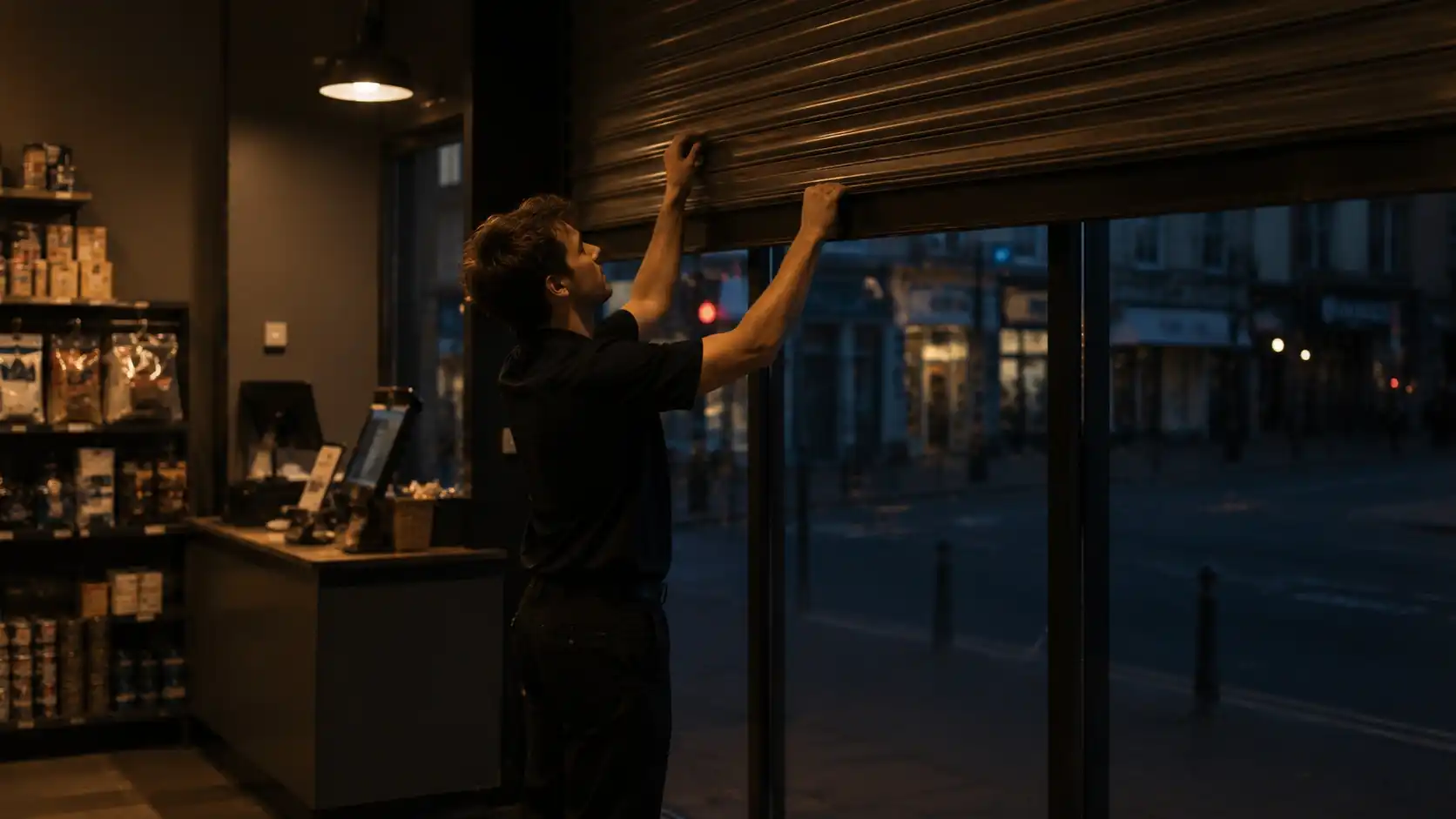
Early mornings are quiet, almost too quiet. For warehouses and industrial sites, that calm creates a gap. Fewer eyes. Fewer staff. More chances for someone to test the boundaries. This is where manned guarding earns its place. Patrols don’t follow a fixed script. They shift with the hour. Attention moves. Presence becomes more visible when the risk is highest. Security works best when it changes as the day does.
Birkenhead-specific vulnerabilities for warehouses and dock-adjacent sites
Warehousing around Birkenhead has its own set of disruptions in Liverpool. Perimeters stretch further than expected. Lighting fades in patches. Containers, older buildings, and uneven layouts create blind spots that no camera fully covers.
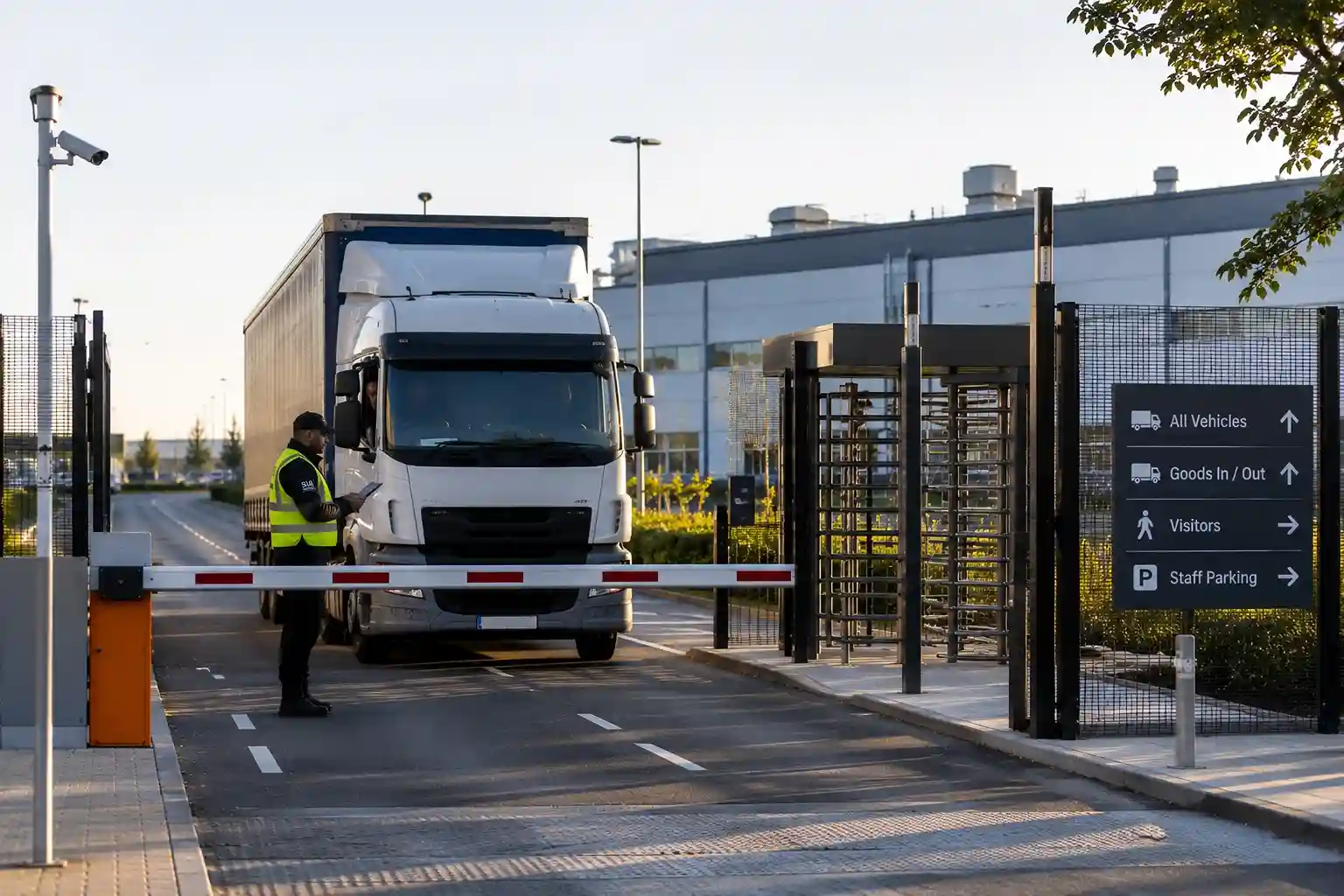
Access control rarely runs on a tidy schedule. Deliveries arrive early, late, sometimes both, and one open gate for convenience can quietly undermine an entire security plan. This is where guards earn their keep. They walk the awkward routes. They notice what’s been moved, left open, or doesn’t belong. Small interventions, done early, stop small oversights from becoming expensive incidents.
Managing anti-social behaviour in Birkenhead retail parks
Anti-social behaviour is rarely about one big confrontation. It’s about repetition. Groups returning. Boundaries are being pushed a little further each time. Staff are unsure whether to step in.
A visible guard changes that rhythm. Not through aggression, but presence. Few situations used to be cool before they escalated, but when they do not, trained guards know how to de-escalate the document properly and involve local authorities only when needed. That even balance keeps retail parks welcoming without turning them into hostile.
Retail theft trends across Birkenhead and the rise in daytime guarding
Retail theft has shifted into the open. Daylight, busy stores, and crowded aisles provide cover. Losses add up quietly, often hitting staff morale before they hit balance sheets.
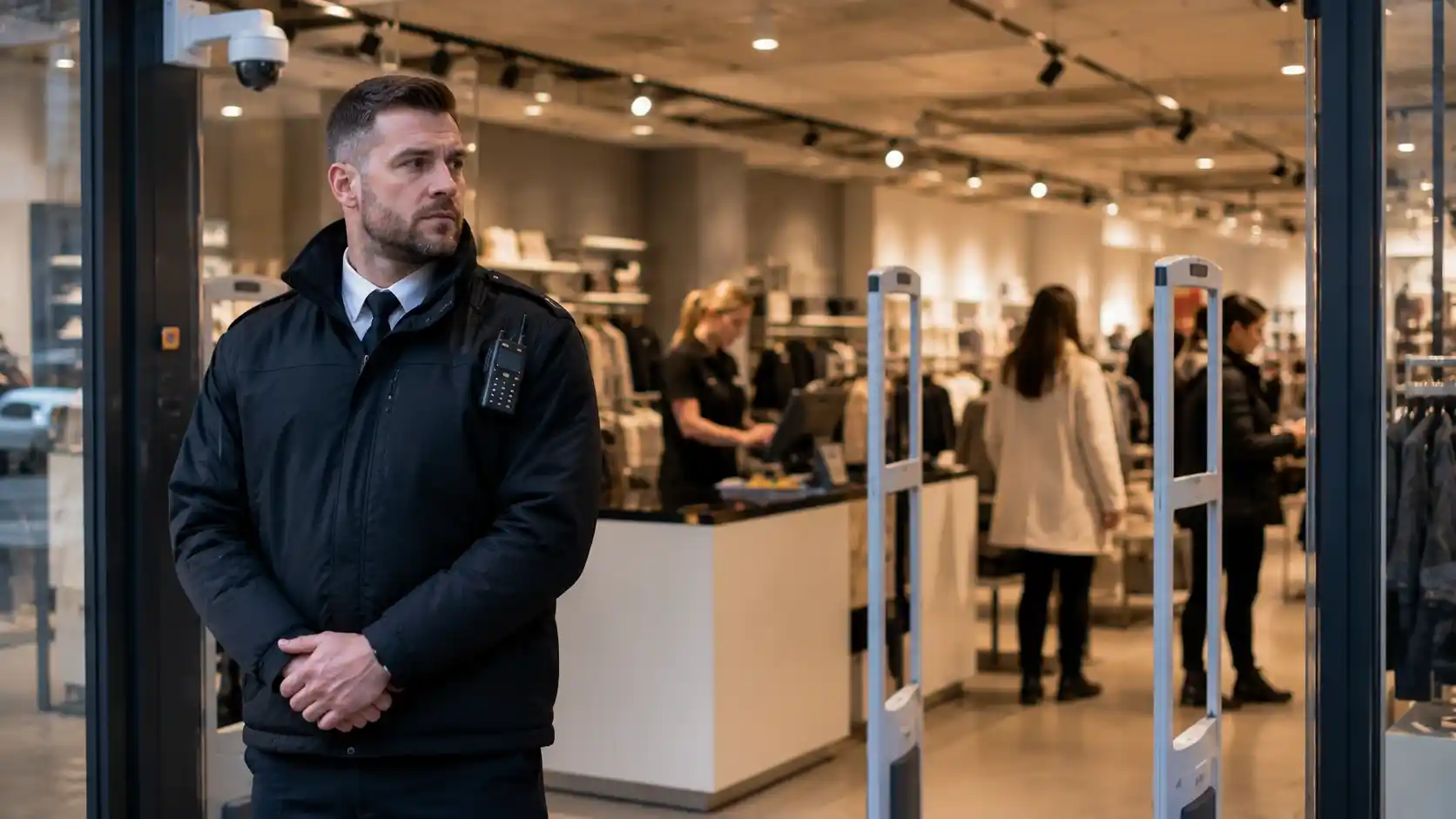
Daytime manned guarding tackles that head-on. A professional presence near entrances and high-value areas sends a clear message. Staff feel supported. Customers feel safer. Loss prevention improves without disrupting the shopping experience.
Day vs night manned guarding risks
Day shifts revolve around people. Night shifts revolve around space. During the day, guards manage behaviour, access, and flow. At night, the challenges change, darkness, weather, isolation, and long perimeters come into play. Patrol frequency, staffing levels, and communication protocols all adjust accordingly. Effective guarding plans respect that difference. One-size-fits-all approaches rarely work.
Seasonal events and their impact on Birkenhead security demand
At certain times of year, stretch normal routines. Football fixtures, waterfront events, and public holidays bring sudden spikes in footfall. Temporary risks appear where none existed the week before.
Manned guarding provides flexibility during these periods. Extra coverage where crowds gather. Controlled access where pressure builds. A calm human presence that keeps excitement from tipping into disorder.
Transport hubs, ferry terminals, and rail links
Where people move, pressure builds. Ferry terminals, train stations, and the paths between them fill fast, especially at busy hours. Bags bump. Tempers rise. Small gaps turn into problems. Guards in these spaces do more than watch. They step in early. A quick word. A clear gesture. Pointing someone the right way before confusion spreads. When movement flows, tension drops. And when tension drops, trouble rarely gets a chance to start.
Economic pressures and business growth in Birkenhead
Regeneration brought the opportunity, and Birkenhead is changing it, raising the stakes and developing the new assets and higher football and more complex boundaries between the public and private space, and industrial growth and stock increases values and operational . As businesses invest more, they protect more. Manned guarding fits naturally into that shift, not as a reaction to fear, but as a practical response to growth and responsibility.
Legal and Compliance Requirements for Manned Guarding in Birkenhead
SIA licensing requirements for security guards
Every legitimate manned guard working in Birkenhead must hold an active SIA licence. There’s no flexibility on this. It’s a legal requirement, not a best practice. Licences are issued to individuals, not companies, and they’re tied to specific roles. A guard licensed for static site work isn’t automatically cleared for door supervision or close protection.
That distinction matters more than many businesses realise. Hiring the wrong licence type exposes the client, not just the contractor. In practice, compliant firms monitor licence status constantly, track renewals, and make sure officers are deployed only within the scope they’re approved for.
Legal penalties for using unlicensed guards
Using unlicensed guards isn’t a technical breach. It is a criminal offence, and businesses could face fines, prosecution, invalidated insurance, and reputational damage that would linger long after the incident . Enforcement doesn’t stop at the security provider either. Clients who “didn’t ask” or “assumed compliance” are still accountable. In Birkenhead, where inspections often follow incidents, that risk is very real.
DBS checks and vetting expectations
DBS checks add another layer of assurance. While not every role requires an enhanced check, many client environments do, especially retail, public-facing sites, and locations with access to sensitive areas.
The difference between basic and enhanced screening isn’t academic. It directly affects trust. The people safeguarding staff want the customers’ assets to have been properly vetted, and businesses want to run with confidence in the people.
BS 7858 screening and workforce vetting
BS 7858 goes further. It looks back, not just at criminal history, but at employment records, gaps, references, and right-to-work status. The aim is consistency and accountability.
For clients, this matters quietly. It reduces risk without adding friction. Guards arrive properly vetted, documentation is in place, and compliance doesn’t rely on last-minute paperwork or verbal assurances. Ongoing compliance checks ensure standards don’t slip once a contract is live.
Insurance requirements when hiring manned guards
Insurance is a working requirement, not a formality. Public liability cover protects clients and members of the public. Employers’ liability safeguards our officers on-site. Professional indemnity applies where reporting, decision-making, or operational advice is provided.
Each policy is active, current, and reviewed. Limits are set to match real-world risk, not minimum thresholds. For clients in Birkenhead, this means confidence. If an incident occurs, cover is already in place. No gaps. No delays. No uncertainty. Certificates are available on request, supported by full policy documentation where required.
Data protection and CCTV integration
When guards work alongside CCTV systems, data protection rules apply immediately. Footage, incident logs, and access records all fall under GDPR.
Guards must know what they can view, record, share, and store, and what they can’t. Mishandling data, even unintentionally, exposes clients to penalties. Well-trained officers understand these boundaries and treat information with the same care as physical assets.
VAT rules for manned guarding services
Manned guarding is a standard-rated VAT service in the UK. There are no local exemptions. This affects contract pricing, budgeting, and procurement decisions. Clear contracts spell this out upfront. Ambiguity here usually causes friction later, especially for longer-term agreements or multi-site coverage across Wirral and Merseyside.
Birkenhead and Wirral council considerations
The expectations of the Wirral local authority vary by site type. Construction projects, temporary events, and high-risk locations often face additional scrutiny. Councils may require specific guarding plans, documented patrol routines, or evidence of trained supervision. For event-based security in particular, manned guarding often forms part of licensing approval rather than an optional extra.
Documentation that proves compliance
Compliance lives on paper as much as it does on-site. Licensing records, vetting files, incident logs, patrol reports, and audit trails all matter.
When something goes wrong, and eventually, something always does- documentation becomes the difference between a controlled response and a regulatory headache. Organised firms keep this accessible and current, not buried in archives.
Mandatory security company licensing and what it means for clients
Security company licensing shifts responsibility upward. It creates accountability at the management level, not just on the ground.
For clients, this simplifies due diligence. Licensed providers are easier to vet, easier to audit, and easier to hold accountable if standards slip. It also reduces the risk of subcontracting chains where responsibility becomes blurred.
SIA licensing changes and labour pressures
Licence renewals aren’t always smooth. Delays happen. Skills shortages persist. In Merseyside, competition for experienced guards is strong. Forward-planning matters here. Reliable providers manage renewals early, invest in training, and maintain staffing buffers so coverage isn’t disrupted when the market tightens.
Labour laws and overtime obligations
Working Time Regulations apply fully to manned guarding. Rest periods, maximum hours, and overtime payments aren’t optional.
Night shifts carry additional rules, especially around health assessments and fatigue management. Clients benefit when providers respect these limits; tired guards miss things. Alert ones don’t.
Post-Brexit workforce considerations
Right-to-work checks have become stricter. EU nationals must meet updated requirements, and documentation must be current.
This is another area where shortcuts create long-term risk. Proper checks protect both the business and the workforce from enforcement action later.
Manned guarding and event licensing in Merseyside
For public events, guards are part of the safety framework, not just crowd control. They assist with access management, emergency response, and coordination with stewards and organisers.
Licensing bodies often expect to see manned guarding built into risk assessments from the start, not added as an afterthought.
Collaboration with Merseyside Police
Private security doesn’t replace police involvement; it complements it. Information sharing, clear escalation routes, and accurate incident reporting all improve response times and outcomes. Guards who understand local protocols make that collaboration smoother and more effective.
Business Crime Reduction Partnerships (BCRP)
BCRPs rely on shared intelligence. Patterns spotted in one location often appear elsewhere days later. Manned guarding feeds into that system. Guards report trends, not just incidents, helping businesses across Birkenhead respond collectively rather than in isolation.
Costs, Contracts, and Deployment in Birkenhead
Typical manned guarding costs: town centre vs industrial zones
Costs for manned guarding in Birkenhead aren’t flat-rate, and anyone quoting a single figure without questions usually isn’t looking closely enough. Town-centre sites tend to cost more, not because guards do “more work”, but because the risk profile is sharper. Higher footfall, longer opening hours, public interaction, and faster incident escalation all push rates upward.
Industrial zones tell a different story. Fewer people, but wider spaces. Longer perimeters. Night work. That shifts the cost balance toward patrol frequency, lone-worker controls, and supervision. Pricing follows risk, not postcodes. Busy places pay for presence. Quiet places pay for coverage.
Deployment timelines for Birkenhead sites
Mobilisation depends on preparation. A well-run provider can deploy guards to most Birkenhead sites within days, sometimes faster if the role is straightforward and licensing checks are already in place.
Emergency cover is different. That relies on reserve staff, local availability, and proper planning done before the emergency exists. Businesses that wait until something goes wrong usually discover how limited last-minute options can be. Those who plan ahead get smoother handovers and fewer gaps.
Common contract lengths
Short-term guarding has its place. Construction phases, seasonal spikes, temporary risk. These contracts move quickly, cost slightly more, and rely on flexibility.
Long-term agreements are about stability. They allow guards to learn the site properly, spot patterns, and build working relationships with staff. Over time, that familiarity reduces incidents and improves response quality. In Birkenhead, most established businesses favour longer terms once risks settle.
Notice periods and contract flexibility
Notice periods aren’t just legal language. They’re about continuity. Too short, and coverage becomes unstable. Too long, and businesses feel trapped. Sensible contracts balance both. They allow adjustment when circumstances change, site expansion, reduced hours, and seasonal slowdowns, without leaving a security vacuum behind. Flexibility matters most when businesses are already under pressure.
Wage pressures and 2025 cost forecasts
Security wages are rising, and that’s not speculation. National Living Wage increases, combined with ongoing skills shortages, are reshaping costs across Birkenhead and Lancashire. Experienced guards now command premiums, especially those trained in customer-facing roles, de-escalation, and complex site management. For clients, this means higher hourly rates, but also better consistency, lower turnover, and fewer operational headaches. Cheap cover rarely stays cheap for long.
Inflation and long-term contract pricing
Inflation has made long-term pricing trickier. Index-linked contracts are becoming more common, allowing adjustments tied to wage growth rather than sudden renegotiations.
For businesses, this creates predictability. Costs rise gradually, not abruptly. For providers, it keeps staffing levels sustainable. In the long run, that stability benefits both sides more than artificially low fixed pricing that eventually breaks.
Insurance premium reductions through manned guarding
Well-documented manned guarding often supports insurance negotiations. Insurers look for evidence, not promises: patrol logs, incident reports, response times, and reduced claim histories. When those pieces are in place, premiums can soften. Sometimes marginally. Sometimes significantly. The key is consistency. Sporadic cover rarely moves the needle. Structured guarding does.
Public sector contracts and the Procurement Act 2023
Public sector guarding in Birkenhead now sits under tighter scrutiny. The Procurement Act 2023 emphasises transparency, fair competition, and measurable compliance.
For clients, this means clearer tender processes and stronger accountability. For providers, it demands robust documentation, ethical labour practices, and proven track records. The days of vague assurances are over. Contracts now expect evidence, and they check it.
Training, Daily Operations, and Guard Responsibilities
A manned guard’s day in Birkenhead doesn’t begin when something goes wrong. It starts quietly, often before most staff arrive. Shift handover comes first. Notes are checked. Incidents from the previous shift are read properly, not skimmed. A good guard wants context, what’s changed, what felt off, what didn’t quite get resolved. A rhythm familiar to teams working across nearby Wallasey as well.
On arrival, the basics are covered fast. Doors. Gates. Fire exits. Anything that should be locked, locked again. Equipment checks follow: radios working, body-worn cameras charged if used, torches functional, panic alarms responsive. It’s routine, but routine is what keeps small problems from snowballing.
Patrols in Birkenhead vary by site. Retail environments demand frequent, visible movement. Industrial sites need slower, more deliberate checks, perimeters first, then vulnerable internal zones. Dock-adjacent and warehouse locations often require attention to utilities, fencing, and lighting, especially after dark. A blown light in a car park isn’t cosmetic. It’s a risk.
Reporting runs alongside everything. Guards log patrols, note defects, and record incidents as they happen, not hours later. Those records matter. They inform supervisors, insurers, and sometimes emergency services. In 24/7 coverage models, this handover cycle never stops. Each shift builds on the last.
Emergency response expectations are clear. Whether it’s Birkenhead town centre or a quieter Wirral industrial area, guards are trained to respond immediately, escalate correctly, and avoid improvisation under pressure. Fire checks, evacuation routes, and muster points are revisited regularly. Familiarity saves time when seconds count.
Performance, Risks, and Staffing Challenges
KPIs for manned guarding performance
Good security performance shows up quietly. Fewer incidents. Faster response times. Clear, accurate reports that don’t need rewriting or guessing.
Incident reduction is the headline measure, but response time tells the deeper story. How quickly did someone notice? How fast did they act? Reporting accuracy matters just as much. Poor logs create risk long after the shift ends.
Weather impacts on Birkenhead patrol effectiveness
Birkenhead’s coastal conditions don’t get enough attention. Wind, rain, and cold change how patrols work. Visibility drops. Surfaces become hazardous. Equipment wears faster.
Seasonal exposure affects both guards and coverage plans. Smart providers adjust patrol frequency, rotate duties, and account for weather when assessing performance. Ignoring it leads to mistakes.
Guard against health issues, fatigue, and long-shift risks
Long shifts take a toll. Physically and mentally. Standing for hours, walking long perimeters, staying alert during quiet periods, fatigue creeps in if it’s unmanaged.
Tired guards miss details. That’s not a criticism; it’s reality. Managing shift lengths, rest periods, and workload isn’t just a legal requirement. It’s a performance issue.
Mental health support for night guards
Night work isolates people. Fewer interactions. Longer quiet stretches. Disrupted sleep patterns.
Duty of care doesn’t end with a rota. Employers have a responsibility to support mental well-being, especially for night staff. Regular check-ins, fair scheduling, and access to support services aren’t “extras”. They’re part of sustainable guarding.
Environmental regulations affecting outdoor patrols
Outdoor guarding comes with rules. PPE must be appropriate. Working conditions must be safe. Exposure limits matter.
In Birkenhead, where the weather can turn quickly, compliance isn’t theoretical. High-visibility clothing, waterproof gear, and proper footwear aren’t optional. They’re essential to safe, effective patrols.
Retention strategies amid labour shortages
Keeping good guards is harder than finding contracts. Pay matters, but it’s not everything. Training opportunities, predictable shifts, and fair treatment keep people longer than short-term incentives.
Businesses benefit when guards stay. Familiarity improves judgment. Turnover drops. Performance stabilises. In a tight labour market, retention isn’t just an HR issue; it’s a security one.
Technology and the Future of Manned Guarding in Merseyside
Technology-assisted guarding in urban Birkenhead
Technology hasn’t replaced guards in Birkenhead. It’s changed how they work. The most effective setups use tech to sharpen judgment, not override it. Mobile patrol apps, digital checkpoints, and live reporting tools help guards focus on what matters instead of paperwork.
Smarter patrols mean better coverage, not fewer people. When a system flags a missed check or a pattern forming, a guard can adjust in real time. The decision still sits with a human, and that’s the point.
Post-COVID changes in guarding protocols
COVID didn’t just alter health guidance. It changed crowd behaviour. People move differently now. They bunch up in some spaces and avoid others altogether.
Guards in Merseyside adapted fast. Crowd control became more about flow than force. Health awareness became part of daily observation, noticing distress, managing queues, and stepping in early when tension rises. Those habits have stuck, even as restrictions faded.
AI surveillance is working alongside guards
AI surveillance works best when it whispers, not shouts. Behavioural alerts can flag loitering, unusual movement, or sudden crowd changes, but they don’t make decisions. Guards do.
In Birkenhead sites using AI-assisted CCTV, officers treat alerts as prompts, not instructions. They verify, assess, and respond proportionately. Human judgment remains the final filter, because context still matters more than algorithms.
Remote monitoring integration
Remote monitoring has expanded how manned guarding operates, especially across larger Merseyside estates, including areas like Birkenhead. Control rooms watch multiple sites, coordinate responses, and support lone guards with instant backup.
Escalation workflows are tighter now. An alert triggers a check. If needed, it escalates to a guard on site or mobile response. That layered approach shortens response times without flooding locations with unnecessary presence.
Drone patrols and perimeter support
Drones are starting to play a quiet role in industrial and dock-adjacent areas, not as constant patrols, but as support tools.
They’re useful after alarms, during perimeter checks, or when visibility is poor. Guards remain responsible for decisions on the ground. Drones extend sightlines; they don’t replace boots on the ground.
Predictive analytics for security planning
Predictive analytics help businesses plan smarter. By reviewing incident data, access patterns, and timing trends, security teams can forecast where pressure points are likely to appear.
In Merseyside, this supports better staffing decisions. Guards are deployed where risk is rising, not where it used to be. Prevention improves when planning looks forward instead of backwards.
Upskilling and modern certifications
Modern guarding requires broader skills. Technology literacy is no longer optional. Guards are now trained to use digital systems, interpret alerts, and document incidents accurately in real time.
Certifications increasingly blend traditional security training with tech competence. The result is a more adaptable workforce, one that can work confidently across old sites and modern developments alike.
Green security practices
Sustainability has reached security. Low-emission patrol vehicles, energy-efficient equipment, and smarter routing reduce environmental impact without compromising coverage.
Sustainable uniforms and longer-lasting kit also matter. They reduce waste and improve comfort, which, in turn, improves performance. It’s practical, not political.
Martyn’s Law and future guarding obligations
Martyn’s Law will raise expectations for public venues across Merseyside. Preparedness will no longer be informal. Risk assessments, access control, and response planning will need to be visible and defensible.
For guards, this means deeper training. For businesses, it means integrating manned guarding into safety planning early, not as an afterthought. The future of guarding isn’t just smarter. It’s more accountable.
Conclusion
In Birkenhead, security is rarely about headline crime figures or dramatic incidents. It’s about everyday exposure. Open yards at dawn. Busy shopfronts at midday. Quiet industrial estates long before the sun comes up. Manned guarding works here because it meets those moments as they happen, not after the fact.
Across Birkenhead, businesses that rely on trained guards aren’t just buying a uniform on the door. They’re meeting legal duties, protecting insurance positions, and keeping operations moving when something unexpected crops up. A guard who knows the site, the routines, and the pressure points can stop small issues from becoming expensive disruptions.
The real value sits in prevention. Calm interventions. Early decisions. A visible presence that changes behaviour before alarms are triggered or damage is done. For Birkenhead sites balancing growth, compliance, and public-facing risk, proactive guarding remains one of the few controls that adapts in real time.
Frequently Asked Questions
Is manned guarding mandatory for businesses in Birkenhead?
In most cases, no. Manned guarding isn’t automatically required by law. That said, certain environments make it effectively unavoidable. Public-facing venues, high-risk sites, licensed premises, and locations subject to specific council or insurer conditions may be expected to have a physical security presence. Often, the obligation comes indirectly through health and safety duties, licensing terms, or insurance requirements rather than a single rule that says “you must have guards”.
How many security guards does a typical Birkenhead site need?
There’s no fixed number. A small retail unit may operate safely with one well-positioned guard, while a warehouse or mixed-use site might need layered coverage across entrances, yards, and patrol routes. The decision usually follows a site risk assessment, not square footage alone. Layout, hours of operation, public access, and asset value all influence staffing levels.
Does Martyn’s Law affect small venues in Merseyside?
Potentially, yes. While obligations scale with size and risk, even smaller venues may need to demonstrate basic preparedness. That often means documented risk awareness, clear emergency procedures, and staff or guards trained to respond calmly if something feels wrong. It’s about readiness, not turning every venue into a fortress.
Can manned guarding reduce insurance premiums?
In many cases, it can. Insurers tend to look favourably on visible risk controls, especially when guards are licensed, site-trained, and supported by clear incident records. Premium reductions aren’t guaranteed, but guarding often strengthens a business’s negotiating position at renewal.
How quickly can guards be deployed in Birkenhead?
For planned coverage, mobilisation can happen within days once contracts and vetting are in place. Emergency or short-notice cover is sometimes available within hours, particularly for local providers with nearby teams. Speed depends on role complexity and compliance checks, not just availability.
Are night guards trained differently from day guards?
Yes. Night guarding brings different pressures. Reduced visibility, lone working, fatigue management, and emergency decision-making all feature more heavily in training. The role is quieter, but the stakes can be higher.
What industries in Birkenhead rely most on manned guarding?
Retail parks, logistics and warehousing, construction sites, transport-linked facilities, and waterfront operations all use guards regularly. Public venues and regeneration projects also depend on them during peak activity or transition periods.
How do businesses verify a security firm’s compliance history?
Start with SIA licensing checks, then ask for insurance certificates, screening standards, and audit trails. Reputable firms will provide incident logs, training records, and references without hesitation. Transparency is usually a good indicator of reliability.