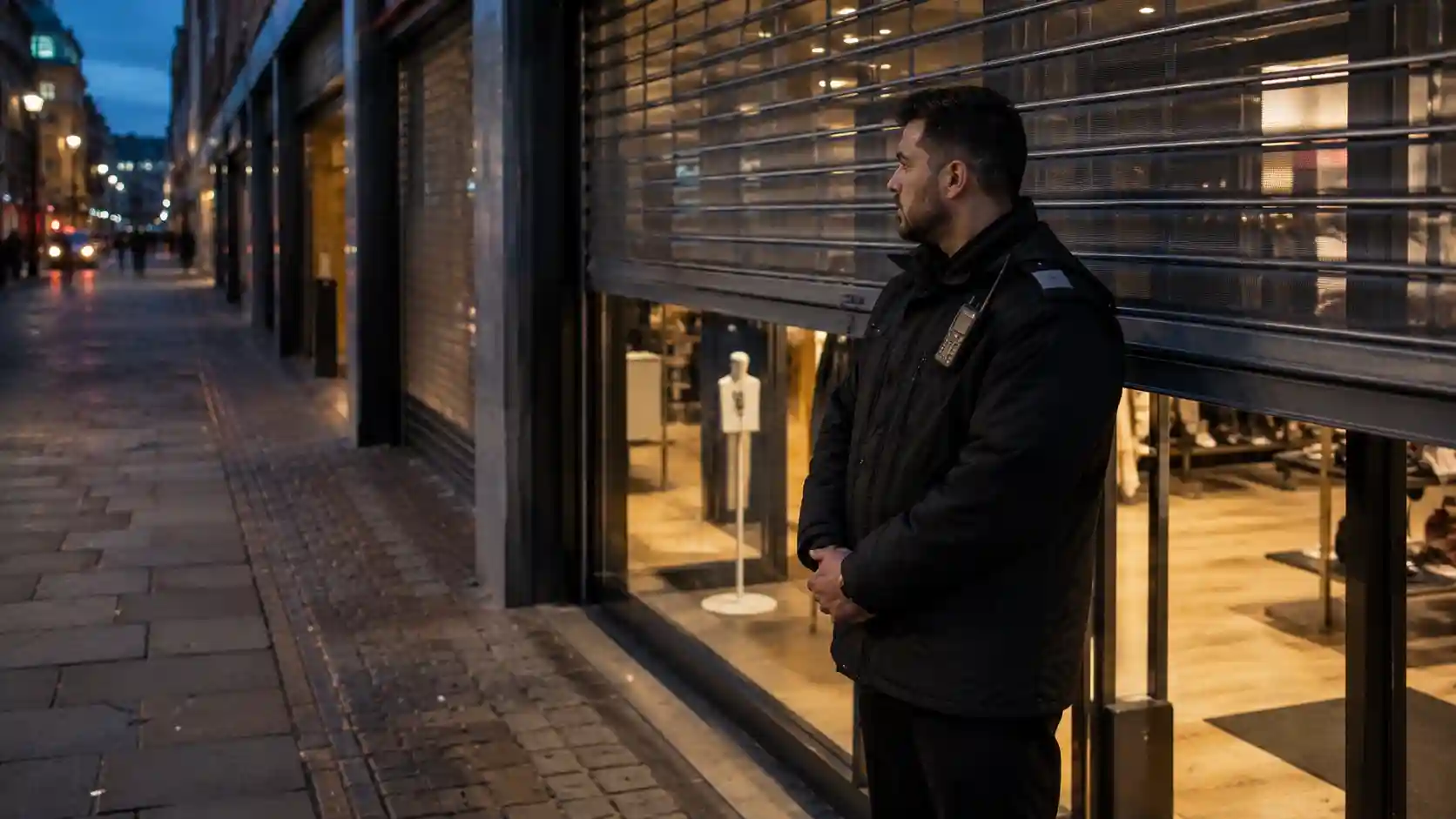
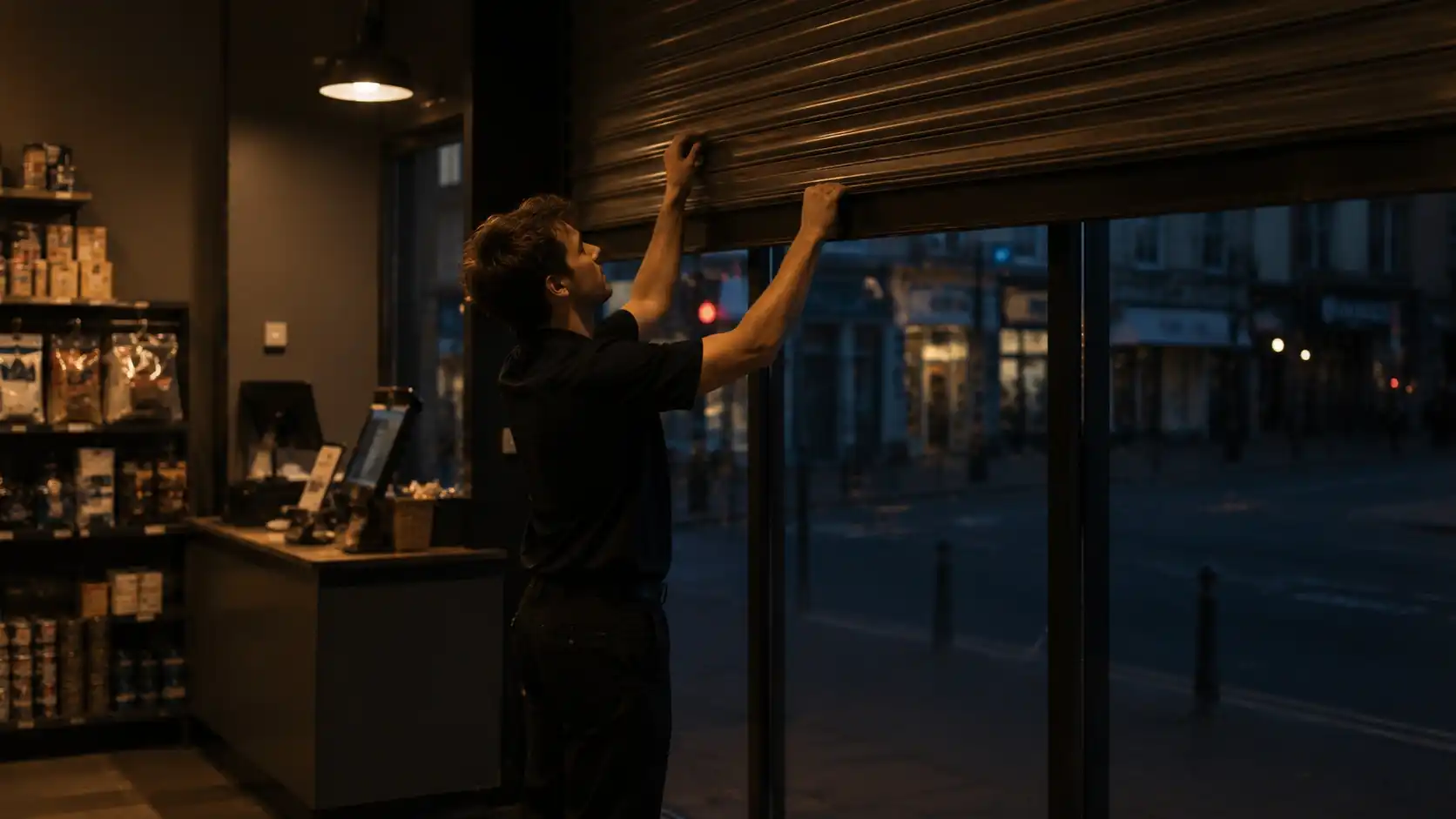
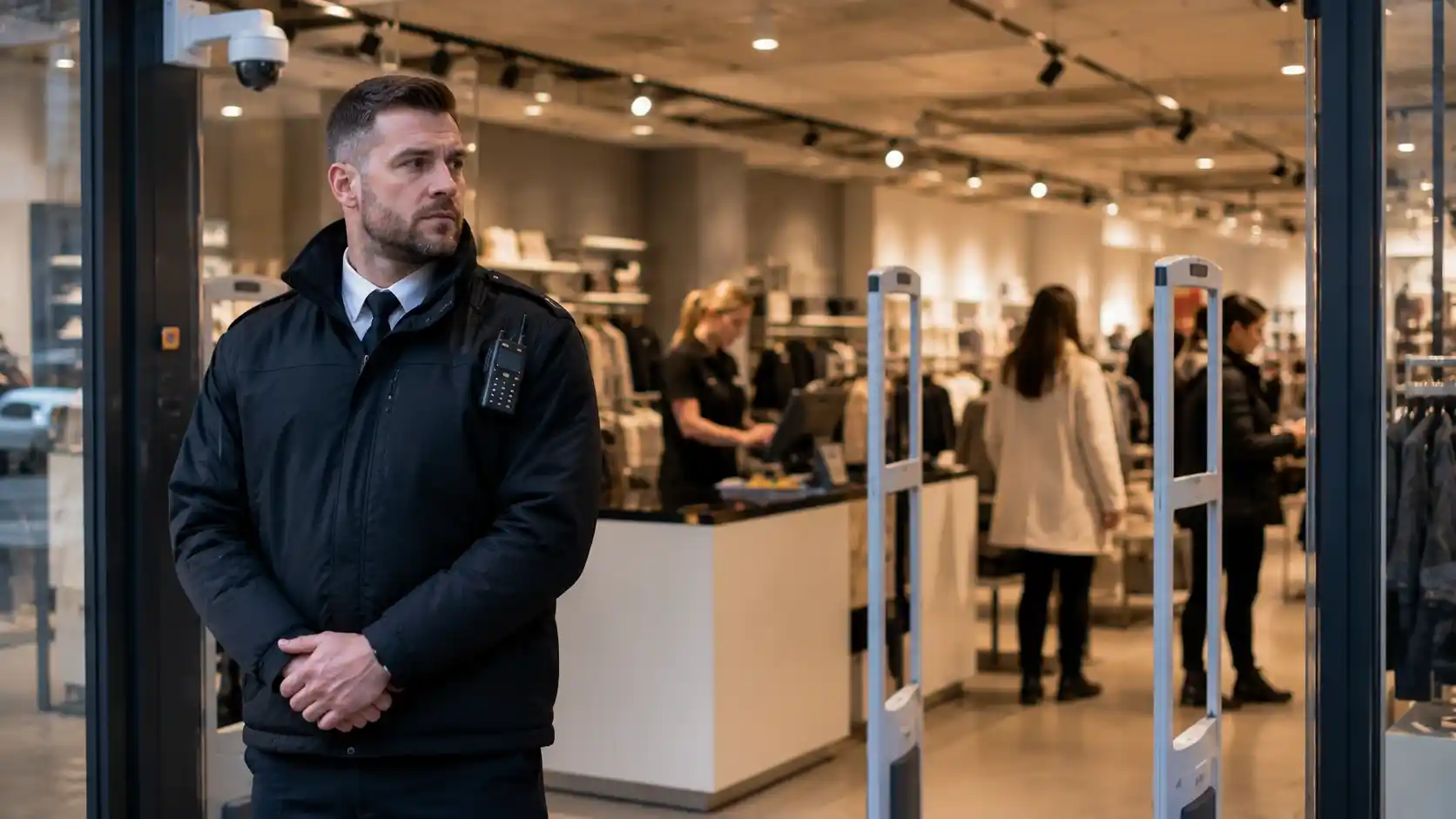
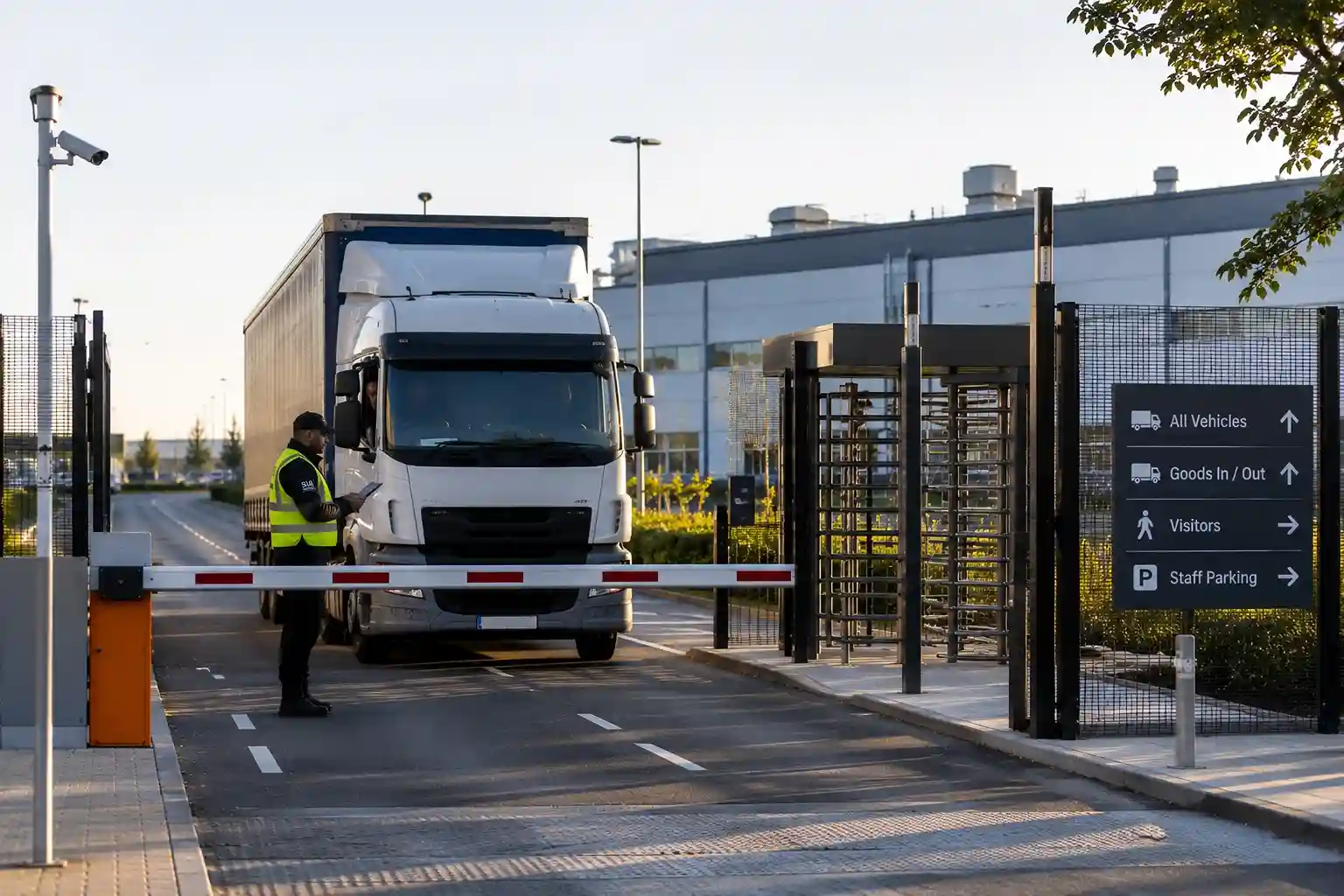
Manned guarding still matters in Cheshire because risk here doesn’t look dramatic on paper, but it adds up quietly. Retail parks deal with opportunistic theft and anti-social behaviour. Industrial estates sit exposed after dark.
Construction sites, often half-finished and poorly lit, become easy targets. Cheshire’s crime profile isn’t about constant pressure; it’s about moments of vulnerability. A visible, thinking human on site closes those gaps in ways cameras alone simply can’t.
Economics play a role, too. When operating costs rise, losses hurt more. Businesses become less tolerant of disruption, damage, or downtime. That’s why demand for proactive security tends to increase during tighter economic cycles, not decrease. Prevention becomes cheaper than recovery.
Then there’s growth. Cheshire continues to expand its logistics, warehousing, and mixed-use developments. New sites appear faster than permanent infrastructure can keep up. Industrial manned security fills that space, temporary where needed, scalable when growth accelerates. That combination explains why Cheshire businesses need manned guarding.
Manned Guarding Basics In Cheshire
What Manned Guarding Really Means For Cheshire Businesses Today
Manned guarding, at its core, is simple. A trained person is physically present, watching, listening, deciding. But in Cheshire, that simplicity is exactly the point.
Static security usually means fixed posts or limited duties. The guard stands where they’re told to stand. Remote-only security strips it back even further: cameras, sensors, alerts routed somewhere else, often to someone who has never seen the site in person.
That works for some environments. Cheshire businesses, more often than not, don’t fit neatly into that box. Sites here are varied. A logistics hub on the edge of town doesn’t behave like a city-centre shop.
A rural industrial estate after 6 pm has different risks than a busy retail park at lunchtime. Manned guarding adapts in real time. A guard can notice patterns: the same van circling twice, a door that never quite shuts properly, a group hanging around longer than they should.
Those details don’t always trigger alarms. Humans catch them. That’s why manned guarding services in Cheshire are still used alongside technology, not replaced by it. Cameras record. Guards prevent.
How Crime Timing And Location Shape Guarding Needs Across Cheshire
In Cheshire, the raw numbers tell a curious story. On the surface, overall crime figures have been falling, and the county is even ranked among the safer places in the North West.
Cheshire police data show around 69–71 offences per 1,000 people, below regional and national rates, and notable drops in burglary and vehicle theft over the latest reporting year. But this doesn’t mean risk disappears.
Here’s the catch: even a low overall crime rate can hide focused hotspots where businesses feel the pressure most. Shops and offices around Warrington see a different rhythm than industrial estates out near rural corridors.
According to broader Cheshire police data, public order and violent incidents still contribute significantly to local crime patterns, especially in areas with nightlife or transport hubs. Peak activity isn’t random either.
Most theft-related incidents tend to cluster late afternoons through early evenings, when shops are busiest, and staff are distracted. Overnight, theft from warehouses and trespass events spike, partly because vacancies and loading bays lie empty and attract opportunistic offenders.
Guarding needs thus stretch beyond a simple day shift; intelligent deployment considers location and timing. That’s why many local operators invest in manned guarding services in Cheshire tailored not just to a postcode, but to the tempo of risk: when people are around, when they’re not, and where opportunity tends to concentrate.
It’s not alarmism. It’s pattern recognition, something human guards, backed by real police data and local insight, still beat machines at every time of day.
Sector-Specific Vulnerabilities Driving Manned Guarding Demand In Cheshire
Warehousing is a clear example. Cheshire warehouses often sit close to transport links but away from constant public presence. Large footprints. Multiple access points. Long stretches with no staff on site. Once vulnerabilities become predictable, losses follow.
Daytime guarding in these environments focuses on access control and delivery verification. Night-time guarding shifts to intrusion prevention and patrol coverage. The risks are different. So are the skills required.
Construction sites add another layer. Layouts change weekly. Temporary fencing becomes permanent-looking. Materials sit exposed. A static solution struggles here. A guard who understands the site’s rhythm doesn’t.
This is where commercial security guarding in Cheshire earns its place, not through force, but through familiarity.
Managing Public Behaviour And Seasonal Pressure Points In Cheshire
Not every issue is a crime. Some of the biggest disruptions come from behaviour that sits just below that line.
Retail parks see loitering, verbal abuse toward staff, vandalism, and low-level intimidation. Manned guards change the tone. Presence alone often de-escalates situations before they turn confrontational. It’s subtle, but effective.
Seasonal pressure adds strain. Christmas trading. Summer footfall. Local events that pull crowds toward otherwise quiet areas. These periods don’t last long, but the risk spike is real. Temporary or reinforced guarding allows businesses to respond without overcommitting year-round. That flexibility is a quiet strength of on-site security services in Cheshire.
Infrastructure And Transport-Linked Security Challenges In Cheshire
Transport shapes risk, whether businesses like it or not. Sites near commuter routes, rail stations, or major roads attract movement. With movement comes opportunity, sometimes the wrong kind.
Car parks, pedestrian cut-throughs, and loading bays close to public access aren’t design flaws. They’re realities of modern infrastructure. But they complicate security.
Manned guarding helps manage those grey areas. Guards observe flow, not just entry points. They notice when patterns change, when something doesn’t belong. In a county as mixed as Cheshire, situational awareness is hard to replicate any other way.
Legal And Compliance Requirements
What Cheshire Businesses Are Legally Required To Check Before Hiring Manned Guards
Start with the basics, because this is where mistakes usually happen. In Cheshire, every frontline security guard must hold a valid SIA licence that matches their role. That licence isn’t decorative. It confirms training, identity checks, and the legal right to operate. Hiring a guard without one puts the business at risk, not the provider alone.
DBS checks sit slightly differently. They’re not legally required for every security role, but in practice, many Cheshire businesses expect them, especially in retail, offices, or sites where guards interact closely with staff or the public.
The decision often comes down to risk, not regulation. If a site involves vulnerable people, sensitive access, or lone working, a DBS check quickly becomes the sensible minimum. This is why professional manned guarding in Cheshire tends to look paperwork-heavy on the surface. That admin is there for a reason.
The Real Consequences Of Non-Compliant Manned Guarding In Cheshire
Using unlicensed guards is a criminal offence. Penalties can include substantial fines and, in serious cases, prosecution. But the more damaging consequences usually surface later.
Insurance claims get rejected, and audits fail. Contracts are terminated early. If an incident occurs, responsibility lands squarely with the business that hired the guard, not just the security firm. Mandatory licensing of security companies reinforces this. Cheshire clients are expected to carry out due diligence, not assume compliance.
Non-compliance rarely causes problems on day one. It causes them when something goes wrong. And that’s the worst possible moment to discover corners were cut.
Compliance Beyond Licensing — Data Protection, CCTV, And Accountability
Once manned guarding integrates with CCTV, UK data protection law becomes part of daily operations. Guards aren’t just watching screens; they’re handling personal data. Who appears on camera, how footage is stored, and who can access it matter.
Compliance here looks practical, not theoretical. It provides clear signage, defined access rights, secure storage, and documented procedures. Guards should know when they can monitor, when they must intervene, and when they should escalate.
Proof matters. Training records, SIA licence logs, incident reports, patrol records, and audit histories all form part of a security firm’s compliance trail. Cheshire businesses that request this documentation aren’t being difficult. They’re being responsible.
Employment Law, Pay, And Workforce Eligibility In Cheshire Security
Security work doesn’t sit outside employment law. Over time, rest breaks, night work limits, all apply. Guards working long or irregular shifts must be paid correctly, and providers must manage fatigue risks. If they don’t, liability doesn’t stop at the payroll department.
Post-Brexit rules have also reshaped the workforce. EU nationals can still work as guards, but only if they meet right-to-work requirements. Reputable security services for Cheshire businesses manage this quietly in the background. Less reputable ones don’t. That difference shows up during inspections and audits.
For clients, the takeaway is simple: workforce eligibility is part of compliance, not a separate issue.
Event Licensing, Martyn’s Law, And Local Authority Expectations In Cheshire
For events, manned guarding often becomes a condition of approval. Local authorities expect visible security, clear emergency procedures, and trained personnel who understand crowd dynamics. This applies to everything from retail-led promotions to larger public gatherings.
Martyn’s Law will raise expectations further. Cheshire venues will likely need more structured risk assessments, clearer security plans, and demonstrable training standards. Manned guarding won’t just support compliance; it will help define it. Businesses that treat security as an afterthought will feel that pressure most.
Working Relationships Between Private Security And Local Authorities
Private security doesn’t operate in isolation. Cheshire Police share crime data, trends, and intelligence through established channels. That information shapes patrol focus and staffing levels, especially in high-risk periods.
Business Crime Reduction Partnerships (BCRPs) play a quiet but important role here. They facilitate communication between businesses, police, and security providers. Incident alerts, shared intelligence, and agreed response protocols reduce repeat offences.
When collaboration works, problems are dealt with early. When it doesn’t, everyone reacts late. In Cheshire, effective manned guarding sits firmly on the right side of that line.
Costs, Contracts, And Deployment In Cheshire
What Really Drives The Cost Of Manned Guarding In Cheshire
There’s no single price tag for manned guarding in Cheshire, and anyone offering one upfront should probably be questioned. Costs move. They respond to where a site sits, what actually happens there, and how exposed it becomes once the doors close.
Town-centre locations tend to sit at the sharper end of the scale. Heavy footfall. Constant interaction with the public. A higher chance that something minor turns confrontational. Guards working these environments need confidence, awareness, and the ability to make decisions quickly, skills that cost more to recruit and retain. You see similar pricing pressure in busy urban areas like Oldham, where density and pace drive up expectations on-site.
Suburban and edge-of-town sites often look cheaper on paper, but they come with their own complications. Longer patrol routes. Fewer natural witnesses. Quiet corners that stay quiet for too long. Different risks, different pricing logic. Large business parks in places such as Trafford highlight this well: lower interaction, but more ground to cover and more reliance on consistent patrols.
Looking ahead, wages are doing most of the heavy lifting on cost. Higher minimum pay, tighter labour supply, and rising training expectations all feed into hourly rates. Inflation doesn’t help either. Uniforms, fuel, insurance, compliance, none of it stays still for long. That’s why longer contracts increasingly include review clauses. Not as a threat, but as realism.
For most decision-makers, understanding the cost of manned guarding services for Cheshire businesses isn’t about hunting for the cheapest quote. It’s about knowing where costs are heading, not just where they start, and planning around that before pressure forces the issue.
From Enquiry To Boots On The Ground — Deployment Timelines In Cheshire
Deployment speed depends on preparation. A well-defined brief with clear risk information can move quickly. Vague requests slow everything down.
For planned cover, businesses should expect a lead time of one to three weeks. That window allows for site assessments, guard selection, vetting checks, and inductions. Emergency cover can happen faster, sometimes within days, but the choice is limited. You get availability, not optimisation.
The fastest deployments tend to come from existing relationships. Providers who already understand a site don’t need to relearn it under pressure. That familiarity often matters more than raw speed.
Contracts, Notice Periods, And Commercial Commitments
Most manned guarding contracts in Cheshire fall between six and twenty-four months. Shorter agreements offer flexibility but usually cost more per hour. Longer contracts stabilise pricing and staffing, but they require trust. Notice periods typically range from 30 to 90 days. They protect both sides.
Businesses aren’t left exposed overnight, and providers can manage staff transitions responsibly. Early termination clauses exist, but they’re not designed for convenience. They’re there for breach, not buyer’s remorse. A good contract reads like a risk-management document, not just a schedule of hours.
Insurance, Risk Transfer, And Procurement Considerations
Insurers pay close attention to manned guarding. A visible, trained presence reduces the likelihood of theft, vandalism, and costly downtime. More importantly, it demonstrates proactive risk management. That often translates into lower premiums or fewer exclusions, particularly for high-value or high-risk sites.
Public sector contracts add another layer. The Procurement Act 2023 places greater emphasis on transparency, compliance history, and value beyond price. For Cheshire councils and public bodies, that means security providers must show not just competitive rates, but robust governance, training standards, and audit trails.
In this context, manned guarding isn’t just a service. It’s part of a broader risk-transfer strategy. Done well, it protects assets, stabilises operations, and makes the numbers work quietly in the background.
Training, Daily Operations, And Guard Duties
Training Standards Cheshire Businesses Should Expect From Professional Guards
Good guarding starts long before a uniform shows up on site. In Cheshire, professional manned guards working in retail or customer-facing environments are expected to go beyond basic licensing.
Conflict management, communication under pressure, and awareness of theft patterns are essential. A guard who knows how to talk someone down is often more valuable than one who knows how to stand still.
Retail training also covers practical details, such as layouts and escape routes. Customer flow at different times of day. Guards need to recognise the difference between suspicious behaviour and everyday shopping habits, especially in busy environments where assumptions lead to mistakes.
That expectation mirrors what’s seen in larger retail centres further north, including places like Preston, where footfall patterns can change quickly, and judgment matters more than rigid procedure.
That judgement comes from experience, not manuals. This is why security guards for local businesses in Cheshire are increasingly trained with scenario-based exercises rather than classroom theory alone.
What Happens In The First 30 Minutes Of A Manned Guard’s Shift
The first half hour sets the tone. When a guard arrives on a Cheshire site, the job doesn’t start with patrol; it starts with awareness.
The first check is always the environment. Are access points secure? Are doors and gates in the same condition as the previous shift reported? Has anything changed overnight? Even small details matter: a propped door, a light that’s gone dark, a vehicle that wasn’t there before.
Only after that does the guard review the handover notes. Previous incidents, unresolved issues, and known risks for the shift ahead. This isn’t paperwork for its own sake. It’s continuity. Miss it, and the guard is working blind.
Patrol Logic, Access Control, And Site Monitoring Routines
Patrols in Cheshire aren’t about clock-watching. They’re about rhythm. Most sites require multiple patrols per shift, but frequency depends on risk, layout, and time of day.
Industrial sites are usually approached from the outside in. Perimeter fencing, vehicle gates, and loading bays; these are checked first, because breaches here escalate quickly. Inside, guards verify internal access points: fire exits, restricted doors, and plant rooms. Anything left unsecured becomes a liability.
Good patrols aren’t random. They’re varied enough to be unpredictable, but structured enough to catch patterns.
Equipment Checks, Alarms, And Real-Time Response
Before patrols begin, equipment gets checked. Radios. Torches. Body-worn cameras, if used. Alarm panels and access systems are tested where appropriate. If something doesn’t work, it’s reported immediately. A broken radio at 2 am is not a small problem.
Early-hours alarms are treated with caution. Most are false, but assuming that can be costly. Guards verify visually when safe, follow site procedures, and escalate if needed. Speed matters, but so does judgment. This is where on-site security services in Cheshire earn their value.
Documentation, Reporting, And Shift Continuity
Every shift leaves a paper trail, digital or otherwise. Guards record patrol times, incidents, access issues, weather conditions, and anything out of the ordinary. These logs aren’t just for audits. They tell the story of the site over time.
Handover briefings matter just as much. Guards talk through incidents, not just tick boxes. Hourly or post-patrol updates ensure nothing slips between shifts. When something does go wrong, these records are often the first thing reviewed.
Safety Checks And End-Of-Shift Secure-Down Procedures
Fire safety comes first. Clear exits, unobstructed routes, functioning alarms. In car parks, lighting checks are routine. Poor lighting invites problems.
Guards also watch for tampering, meter boxes, plant equipment, and temporary fixes that shouldn’t be there. At shift end, sites are secured methodically. Doors locked. Systems armed. Final notes recorded. Nothing rushed.
At secure-down, Cheshire sites are locked down methodically, not hurriedly. Doors checked, then checked again. Systems are armed properly. Final patrols done with fresh eyes, not tired ones. Notes are written while things are still clear, not after the fact.
The process isn’t unique to Cheshire. Similar routines play out on large commercial sites across Lancashire and on complex business parks in Trafford, where scale and layout leave little room for assumption. The principle is the same everywhere: finish the shift properly, or you hand the risk to the next one.
Nothing rushed. Nothing assumed. That’s how sites stay quiet overnight, which is usually the goal.
Safety Checks And End-Of-Shift Secure-Down Procedures
Fire safety comes first. Clear exits, unobstructed routes, functioning alarms. In car parks, lighting checks are routine. Poor lighting invites problems.
Guards also watch for tampering, meter boxes, plant equipment, and temporary fixes that shouldn’t be there. At shift end, sites are secured methodically. Doors locked. Systems armed. Final notes recorded. Nothing rushed.
Shift Structures And Emergency Response Expectations
24/7 coverage relies on rotating shifts designed to manage fatigue. Long hours dull awareness. Good providers plan around that.
Emergency response times vary by site and location, but expectations are set clearly in advance. In Cheshire, response is often measured in minutes, not hours. When it works, it’s invisible. When it doesn’t, everyone notices. That’s the reality of manned guarding: quiet when it’s right, very loud when it isn’t.
Performance, Risks, And Staffing Challenges
Measuring Effectiveness — KPIs And Operational Reporting
Manned guarding works best when it’s measured properly. Not over-measured. Just enough to show whether it’s doing the job it was hired to do.
For Cheshire businesses, the most useful KPIs are practical ones. Incident response time sits near the top of the list. How quickly did a guard identify an issue, react, and escalate it? Patrol compliance follows close behind. Were patrols completed on schedule, and did they cover the right areas rather than just the easiest routes?
Reporting quality matters more than volume. Clear, timely incident reports, written in plain language, tell managers what actually happened, not just that something happened. Missed shifts, unexplained gaps in patrol logs, or vague entries are early warning signs. They rarely improve on their own.
The strongest manned guarding services in Cheshire don’t bury clients in dashboards. They provide enough data to support decisions, insurance reviews, and audits, without turning security into a spreadsheet exercise.
Environmental And Operational Risks Affecting Guarding Outcomes
Cheshire weather is rarely extreme, but it is persistent. Rain, wind, fog, and cold weather wear people down. Visibility drops. Patrol routes are slow. Small tasks take longer. Over a full shift, that erosion matters.
Outdoor guarding during winter evenings brings different risks than summer daytime cover. Wet surfaces increase slip hazards. Fog reduces sightlines around perimeters. Strong winds trigger alarms and move fencing, creating false positives that still need checking.
Experienced guards don’t ignore these conditions; they document them. Weather gets logged alongside patrols and incidents, not as an excuse, but as context. If response times vary or routes change, there’s a recorded reason. That detail becomes valuable later, especially during incident reviews or insurance discussions.
Operational risks extend beyond weather. Construction changes, temporary access points, and fluctuating footfall all affect how guarding performs. When those factors aren’t acknowledged, performance metrics lose meaning.
Health, Wellbeing, And Workforce Sustainability
Long shifts take a toll, even on the most disciplined guard. Fatigue dulls awareness, slows reaction time, and increases the chance of mistakes. In Cheshire, where many sites require overnight or extended cover, this is a real concern, not a theoretical one.
Night shifts add another layer. Working against natural sleep patterns affects mood, concentration, and long-term health. Forward-thinking providers now build rest periods, shift rotation, and welfare checks into their schedules. Some offer access to mental health support, others adjust workloads during high-risk periods. These aren’t perks. They’re safeguards.
Retention has become one of the biggest challenges. Labour shortages mean guards have options. Cheshire firms that keep staff tend to do a few things well: predictable rotas, fair pay, clear communication, and respect on site. Guards who feel ignored or overworked leave quickly. Those who feel supported stay.
This matters for clients, too. High turnover disrupts continuity, weakens site knowledge, and increases risk. Sustainable staffing isn’t just a workforce issue; it’s a performance issue.
In the end, effective manned guarding isn’t just about presence. It’s about people. When they’re measured fairly, protected properly, and supported consistently, the results speak for themselves.
Technology And Future Trends In Cheshire Manned Guarding
How Technology Is Reshaping Manned Guarding In Cheshire
Technology hasn’t pushed guards out of the picture. It’s changed what they do and how they do it. In urban parts of Cheshire, guards now work alongside access systems, live CCTV feeds, and digital reporting tools. That means less time writing logs at the end of a shift and more time responding in the moment.
Semi-rural sites tell a different story. Large estates and industrial parks rely on technology to extend visibility rather than replace presence. Mobile patrol apps confirm routes. Sensors flag unusual movement. Guards still walk the ground, but they’re guided, not guessing.
Post-COVID protocols left a mark, too. Crowd flow awareness, hygiene monitoring, and clearer incident escalation became routine. Some of that has eased, but the discipline remains. Guards are more methodical now, more conscious of space and movement. It’s made day-to-day manned guarding in Cheshire quieter, but sharper.
AI, Remote Monitoring, And Predictive Security Tools
AI surveillance gets misunderstood. It doesn’t make decisions. It spots patterns. In Cheshire sites, AI highlights unusual behaviour, lingering where there’s no reason to linger, movement at odd hours, and repeated perimeter breaches. A human guard decides what to do next.
Remote monitoring works in the same supporting role. It provides backup. Eyes are when a guard can’t be everywhere at once. Alerts when something changes outside normal patterns. But it doesn’t replace on-site judgement. It strengthens it.
Predictive analytics push this further. By analysing incident history, footfall, delivery schedules, and even seasonal trends, these tools help businesses plan guard coverage instead of reacting to losses after the fact. For security services for Cheshire businesses, that shift, from response to anticipation, is where real value now sits.
Innovation, Sustainability, And Future Compliance Pressures
Drone patrols are starting to appear on larger sites across Cheshire, particularly logistics hubs and industrial estates. Not as replacements, but as scouts. A drone checks a roofline or runs a long stretch of perimeter. A guard follows up on foot. Faster coverage, less guesswork, and fewer blind spots on large, awkward sites.
This approach is becoming familiar beyond the county as well. Comparable trials on industrial estates around Burnley have shown the same pattern emerging: technology flags the issue, but people still resolve it. When something needs challenging, securing, or explaining, it’s the guard on the ground who carries responsibility.
Sustainability is creeping into guarding, too, almost unnoticed. Electric patrol vehicles. Less idling during night shifts. Smarter route planning that cuts wasted movement. None of it makes headlines, but on outdoor sites, where fuel use, emissions, and equipment wear quietly add up, these changes matter.
Training is evolving alongside all this. Physical presence alone no longer covers it. Guards are expected to understand technology, maintain awareness of counter-terror guidance, and produce clear, defensible incident reports. As compliance expectations rise under future legislation, the gap between well-trained teams and under-prepared ones will widen quickly.
The future of manned guarding in Cheshire isn’t about choosing between people and technology. It’s about getting them to work together, cleanly, quietly, and with purpose.
Conclusion
When you look at manned guarding in isolation, it can feel like a line item. When you step back, it’s clearly more than that. Legal obligations set the baseline: licensed guards, compliant providers, and proper oversight.
Operational realities raise the stakes: sites change, and risks shift. Someone needs to notice before problems turn into losses. Financially, the picture finishes itself. Prevention is quieter, cheaper, and far less disruptive than recovery.
That combination explains, plainly, why Cheshire businesses need manned guarding, not as a legacy habit, but as a practical response to how business actually operates here.
The long-term decision shouldn’t hinge on hourly rates alone. It should weigh continuity, risk reduction, and resilience. The right guarding setup pays for itself slowly, almost invisibly. And that, in security terms, is usually a sign it’s doing exactly what it should.
Frequently Asked Questions
Why Cheshire businesses need manned guarding services?
Because presence prevents problems, manned guards deter theft, manage anti-social behaviour, and give rapid human responses that cameras and alarms alone can’t. It’s practical risk reduction tailored to local patterns.
What legal checks must be completed before hiring security guards in Cheshire?
Verify valid SIA licences, right-to-work, and (where relevant) DBS checks. Ask for BS 7858 vetting evidence, insurance certificates, and training records before signing anything.
What is the average cost of manned guarding in Cheshire?
There’s no single figure: town-centre and night cover cost more; suburban or daytime patrols cost less. Expect variability driven by hours, risk, and contract length, and a budget rather than a flat rate.
Which industries benefit most from manned guarding in Cheshire?
Retail, warehousing/logistics, construction, hospitality and high-value manufacturing, basically any site where assets, people or public access create recurring exposure.
Are licensed security guards mandatory for retail and office sites in Cheshire?
Yes. SIA licensing is required for frontline guarding roles; the provider should supply proof. Using unlicensed staff exposes a business to legal, insurance and reputational risk.
How fast can on-site security services be deployed in Cheshire?
Planned deployments: typically 1–3 weeks for vetting and induction. Emergency cover can be arranged faster, often within days, but with fewer choices and less site familiarity.
How does manned guarding reduce insurance and liability risks?
Insurers favour demonstrable prevention: documented patrols, rapid incident handling and audited procedures can lower premiums and reduce claim exposure. It’s evidence-based risk transfer.
Is manned guarding still worth it for Cheshire businesses in 2025?
Yes, when matched to real risk. With rising compliance expectations, labour changes and smarter criminals, a visible, trained human presence remains one of the most cost-effective ways to protect people and assets.