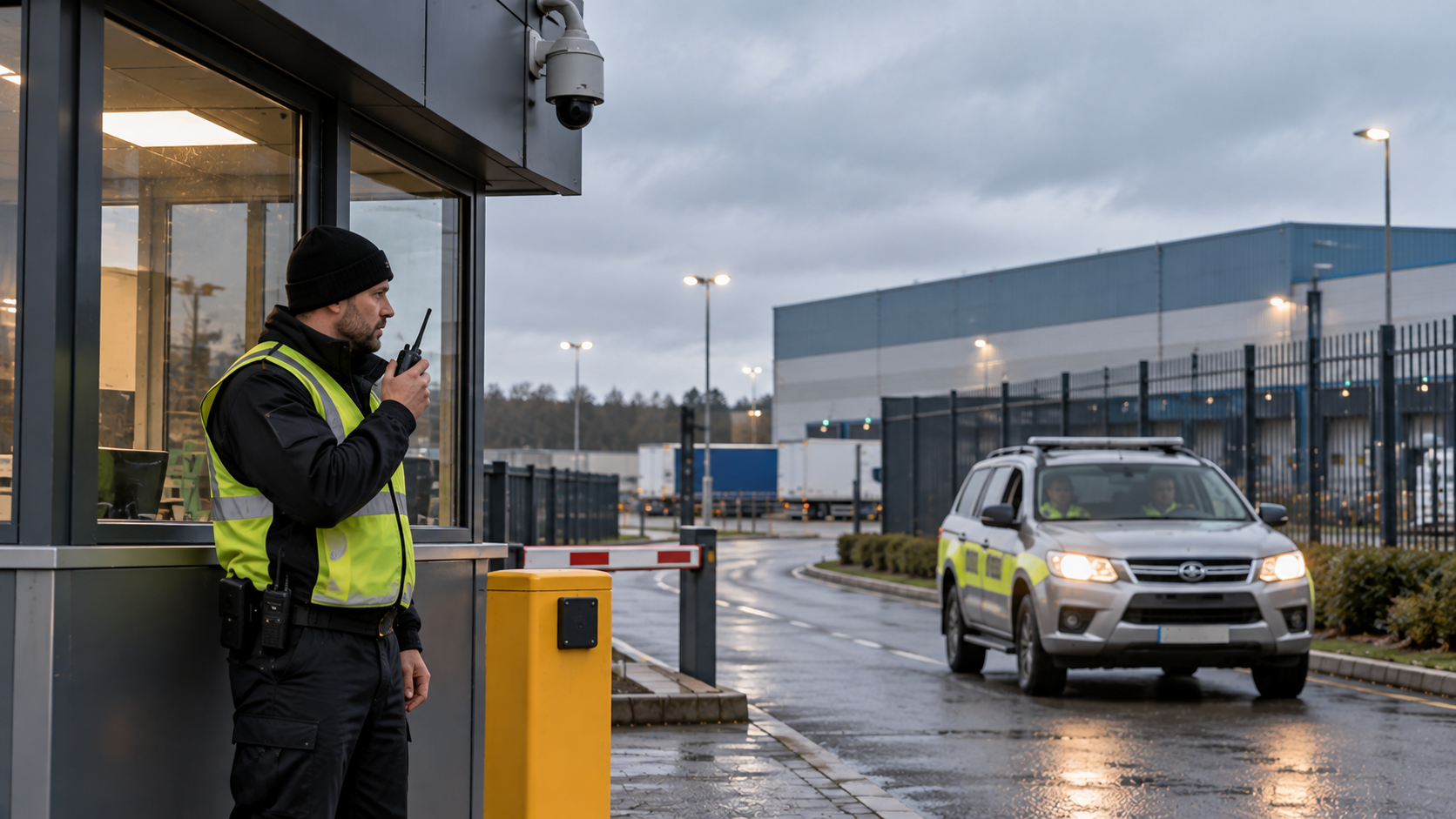
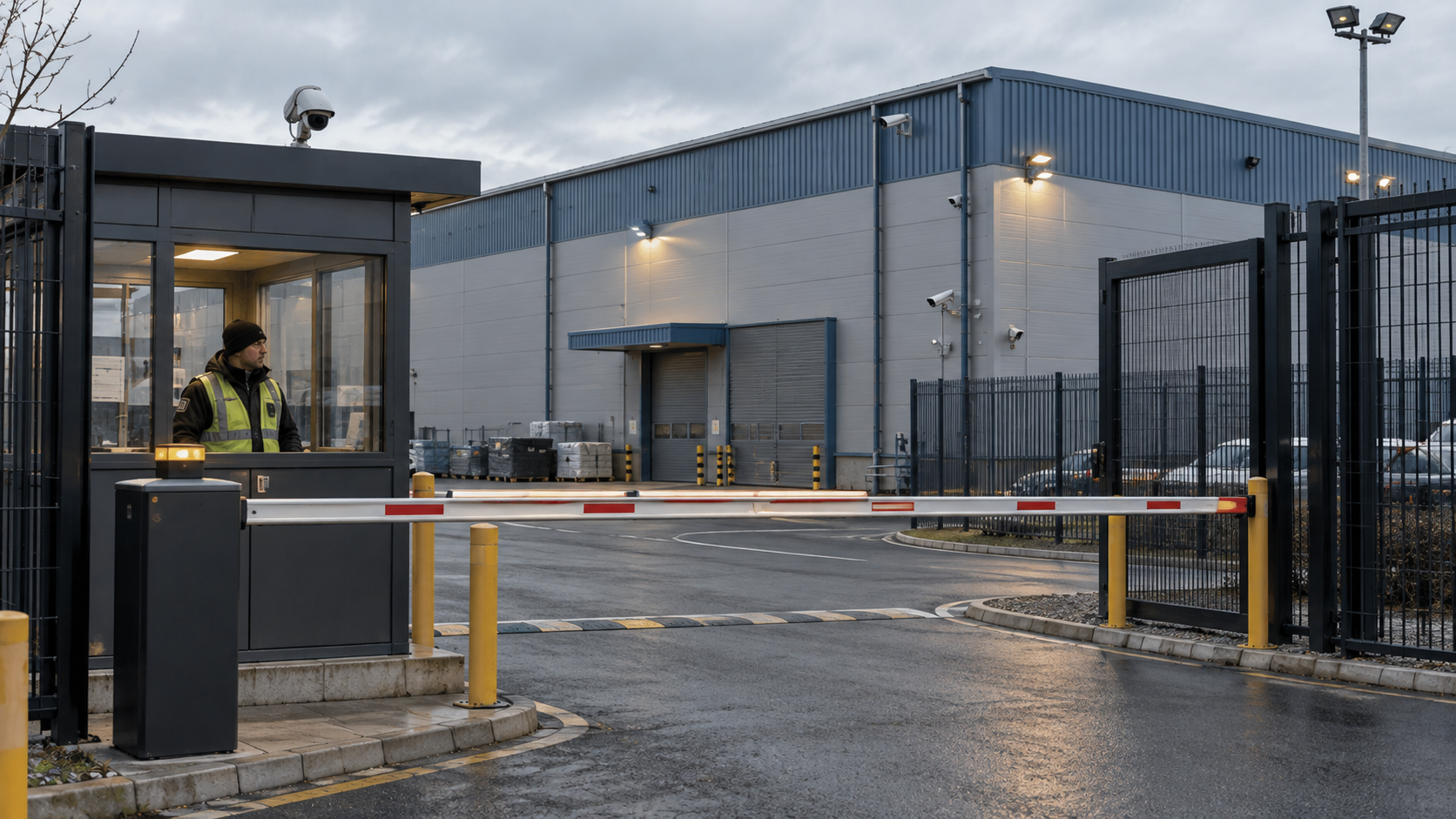
Nottingham is a city shaped by contrast. It combines active nightlife, infrastructure projects, and a logistics footprint on its outskirts. This diversity is a strength for the local economy. But it also creates uneven security exposure across different operating hours.
For many organisations, security decisions are not driven by headline crime figures. Patterns influence them. It covers who can handle an unusual situation before emergency services arrive. Manned guarding responds in real time to human behaviour.
This article explains why Nottingham businesses need manned guarding in practical terms. It helps business owners, facilities managers, and procurement teams. Assessing risk, understanding legal obligations, and planning security stand up to internal scrutiny.
Manned guarding basics in Nottingham
Manned guarding refers to the physical presence of trained and licensed security professionals. Manned guarding introduces judgment, discretion, and immediate intervention into security planning. It happens unlike remote or technology-led solutions.
In Nottingham, this distinction matters. The city’s risk profile is not uniform. Retail units face different pressures from construction sites near the M1 corridor. Static barriers, alarms, or cameras can record incidents. But they cannot adapt to behaviour or manage unexpected situations as they unfold.
From a business perspective, manned guarding is often chosen because it leaves gaps. Those gaps tend to appear during handovers, busy trading hours. It also happens when sites are exposed due to construction or layout changes.
Local data shows that unauthorised access in Nottingham is due to opportunity. That is why manned guarding Nottingham deployments vary by sector and operating schedule.
Nottingham’s layout plays a role in how security risks appear. Many commercial premises sit close to transport hubs, student housing, or late-night venues. This creates overlapping use of space. A car park that feels low-risk during office hours may become a gathering point overnight. A loading bay used during the day may sit exposed for long stretches after dark.
Manned guarding helps manage these transitions. Guards do not watch a site; they observe how it is being used differently over time. This awareness often leads to small adjustments that reduce risk. It includes, for example, closing access earlier or changing delivery routines.
This adaptive role is difficult to achieve through fixed systems alone. It relies on judgment, presence, and awareness of local behaviour.
What are the peak crime hours for businesses needing manned guards in Nottingham?
For most Nottingham businesses, risk does not spread evenly across the day. Peak exposure tends to cluster around specific windows.
In retail and mixed-use areas, late evening often sees an increase in theft attempts. This coincides with higher footfall, reduced staff attention, and shift changes. In industrial and logistics zones, early morning hours bring trespass and vehicle-related incidents.
Construction sites face a different pattern. Weekends and public holidays present a heightened risk due to predictable inactivity. In these periods, the absence of on-site staff makes visible deterrence. It is more effective than alarms alone.
Understanding these windows is crucial. Businesses that deploy on-site security guards Nottingham experience fewer incidents. It is because the presence alters behaviour before incidents occur.
Risk in Nottingham is often linked to movement rather than location. Sites near tram lines and bus routes see more unauthorised access attempts. This is because people pass through them. This is especially true in areas where commercial and residential zones overlap.
During peak movement hours, incidents tend to be low-level but frequent. At quieter times, incidents are rarer but more serious. Businesses that plan guarding around this distinction tend to see better outcomes.
Rather than asking whether a site is “high risk,” it is more useful to ask when it is most exposed. Manned guarding allows that question to be answered in real time, not on paper.
National crime data published by the UK Office for National Statistics consistently shows that theft and unauthorised access incidents are more likely to occur during predictable high-movement periods. It is rather than being evenly distributed across the day.
How has rising retail theft in Nottingham increased demand for daytime manned patrols?
Retail theft in Nottingham has shifted in character. A growing proportion of losses comes from opportunistic daytime incidents. These are less likely to trigger alarms and more likely to involve distraction.
For store managers and regional directors, this creates a dilemma. CCTV provides evidence after the event. But repeated losses can affect stock accuracy, staff morale, and customer experience. Daytime manned patrols establish authority and check behaviour patterns. It also intervenes early before the situations escalate.
This explains why security guards for businesses in Nottingham helps trading hours. The presence of a trained individual often reduces incident frequency. This happens without disrupting legitimate customers.
What are the differences between day and night manned guarding risks?
Daytime and nighttime guarding serve different risk objectives. During the day, the focus is often on interaction. It covers monitoring access points, supporting staff, and managing unpredictable behaviour.
At night, the risk profile becomes more static but no less complex. Fewer people on site increases the potential impact of a single incident. Fires, equipment theft, or unauthorised access can go unnoticed for longer. This can happen without a physical presence.
Many business premises are close to residential or mixed-use areas in Nottingham. Night-time incidents can also escalate into community or reputational issues. A visible guard can identify problems early and provide documented oversight. This supports insurance claims or investigations.
How does economic factors in Nottingham influence manned guarding demand?
Economic pressure shapes security demand in subtle ways. During rising costs, businesses may reduce their operating hours or delay capital investments. These decisions can increase exposure by leaving sites less supervised.
Nottingham’s economy includes a high proportion of small and medium-sized enterprises. For SMEs in particular, a single serious incident can have a disproportionate impact. It includes fire, theft, or liability claims. Manned guarding in Nottingham is often introduced at points of operational change. This covers relocation, expansion, refurbishment, or restructuring.
Rather than being a fixed cost, guarding becomes a temporary stabiliser. It allows businesses to adapt without accepting unmanaged risk.
Periods of financial pressure can shift behaviour. In Nottingham, local police reports have shown that opportunistic theft often rises. This happens when household costs increase. These incidents are usually unplanned. They occur when people believe they will not be challenged.
Visible guarding changes that calculation. It does not rely on confrontation. It relies on presence. Even brief interactions can discourage an incident before it begins. This is one reason many businesses now use guarding during normal trading hours.
Legal and compliance requirements
Security decisions are not operational. They sit within a framework of legal and regulatory expectations. This, in turn, affects liability, insurance, and governance.
For Nottingham businesses, compliance failures can have consequences beyond fines. They can invalidate insurance cover and undermine defence in civil claims. This can also trigger more scrutiny following incidents.
For many Nottingham businesses, compliance only becomes visible after an incident. That is when insurers ask questions. Were guards licensed? Were patrols logged? Were risks documented and reviewed?
Manned guarding creates a record. Incident logs and access reports show that businesses can manage risk. This documentation often proves as valuable as the physical presence itself. In disputes or claims, records provide clarity.
SIA licensing and approved standards
All individuals carrying out licensable guarding activities must hold a valid SIA licence. This is not optional, and responsibility extends to the business procuring the service. Using unlicensed personnel can expose organisations to prosecution and reputational damage.
Commercial security services in Nottingham ensure that guards are licensed for their role. It is also essential to note access control, patrols, or public-facing duties.
BS 7858 vetting and background checks
BS 7858 sets the standard for screening individuals working in security roles. It covers employment history, identity verification, and right-to-work checks.
From a client perspective, this matters because guards often operate unsupervised. It also includes holding keys or accessing sensitive areas. Vetting reduces internal risk and demonstrates due diligence in the event of incidents.
DBS expectations in context
Not all guarding roles need DBS checks. Many Nottingham clients in education, healthcare, and mixed-use developments expect them. This expectation often comes from insurers or local authority guidelines rather than statute.
Understanding where DBS checks are appropriate helps businesses align guarding with stakeholder expectations. It happens without imposing unnecessary requirements.
Event licensing and Martyn’s Law impact for venues in Nottingham
Venues in Derby hosting public events in Nottingham must follow licensing conditions. These conditions may specify stewarding levels, access control measures, and incident reporting procedures.
Looking ahead, Martyn’s Law introduces requirements for venues above certain capacity thresholds. While details are still finalised, the direction of travel is clear. It also covers preparedness, visibility, and coordination.
For venue operators, this increases the relevance of trained, accountable personnel. It is more relevant than reliance on temporary or informal arrangements.
How do VAT rules apply to manned security services in the UK?
Manned security services are generally subject to VAT at the standard rate. For VAT-registered businesses, this is recoverable. But it still affects cash flow and budgeting.
Understanding VAT treatment is important when comparing quotes. Plain cost differences can narrow once tax treatment and compliance standards are considered.
What documentation proves a security firm’s compliance history?
From a procurement standpoint, documentation matters. Evidence includes SIA-approved contractor status, insurance certificates, training records, and audit outcomes.
Businesses are subject to external audits or insurer reviews in Nottingham. Having a clear compliance trail can reduce friction and show proactive risk management.
How do labour laws affect manned guard overtime payments?
UK labour law governs working hours, rest periods, and overtime. While this is the responsibility of the security provider, it affects clients. This happens through pricing and continuity.
Unrealistically low rates often show non-compliance elsewhere. Businesses that understand these dynamics are better positioned to assess. It happens when proposed guarding arrangements are sustainable.
How do Nottinghamshire Police collaborate with private manned guarding firms?
While private guards do not replace police, structured cooperation exists. Information sharing, incident reporting, and coordinated responses improve outcomes.
In Nottingham, established providers often maintain local relationships that help with quicker escalation. This also helps with communication during incidents.
Private guards are often the first to notice a developing issue. Early awareness allows problems to be addressed before escalating. This is particularly relevant for the nearest nightlife areas in Nottingham.
Clear escalation procedures matter. Guards who know when and how to involve police help prevent overreaction. This still protects the business. This balance reduces disruption and avoids unnecessary confrontation.
Costs, contracts, and deployment in Nottingham
Cost is rarely the sole driver of security decisions, but it is always a constraint. Understanding what influences pricing helps businesses assess value rather than compare rates.
Cost comparisons often fail to account for disruption. A single serious incident can halt operations or close a site. These indirect costs are rarely included in budgets. But they affect profit as much as service fees.
Manned guarding is often used to protect continuity rather than property alone. Keeping a site operational can be more valuable than recovering losses.
For procurement teams, framing guarding as risk control leads to better internal alignment. It is better than loss prevention.
Typical cost drivers
Costs vary based on location, operating hours, skill requirements, and risk profile. Deployments tend to attract higher rates due to footfall, complexity, and extended hours. Industrial sites like Northamptonshire may see lower base rates. But need more coverage during specific periods.
Inflation and wage pressures have affected guarding costs. But Nottingham remains competitive compared to larger metropolitan areas.
Contract structures and flexibility
Contracts range from short-term deployments for projects to multi-year agreements for ongoing operations. Notice periods, break clauses, and escalation terms all affect long-term cost control. From a finance perspective, predictability often matters as much as headline price.
How long does it take to hire and deploy a manned security team in Nottingham?
Deployment timelines depend on scale and complexity. Single-site coverage can be mobilised within days. Larger or specialised deployments need a longer lead-in for vetting and site familiarisation.
Businesses planning relocations or refurbishments enjoy early engagements. This happens even if guarding is temporarily required.
Rushed deployments create gaps. Guards need time to understand layouts, routines, and site-specific risks. Even experienced personnel perform better when they are familiar with their environment.
Businesses that allow time for proper mobilisation tend to see fewer issues. This happens particularly during the first weeks of coverage. This planning phase is often where guarding delivers its greatest value.
What are common contract lengths for manned guarding in Nottingham?
Many Nottingham businesses opt for 12- to 24-month contracts with review points. This is why Nottingham businesses need manned guarding. It balances stability with flexibility, allowing adjustments as risk profiles change.
Shorter contracts are common in construction and seasonal retail, where exposure fluctuates.
How does manned guarding support business insurance premium reductions?
Insurers assess risk based on mitigation measures. Visible guarding, documented patrols, and incident logs can reduce perceived exposure.
Many businesses find that robust guarding arrangements strengthen their negotiating position with insurers. This happens while premium reductions are not guaranteed.
How does the Procurement Act 2023 affect public sector manned guarding contracts in Nottingham?
For public sector bodies, the Procurement Act 2023 emphasises transparency and social responsibility. Security contracts must show compliance, fair pricing, and risk management.
Private sector suppliers working with public bodies must align with these expectations. Those influence how guarding services are evaluated.
Training, daily operations, and guard duties
From a client’s perspective, training and operations matter. It is because they determine consistency and reliability, not because of procedural detail.
From a business perspective, consistency matters more than complexity. Clear routines reduce uncertainty. Predictable patrols discourage opportunistic behaviour.
In Nottingham, sites with many access points enjoy structured oversight. Guards ensure that procedures are followed even when staff are busy or stretched.
Their role often includes reminding rather than enforcing. Small corrections prevent larger problems later.
Guard training standards
Training covers conflict management, emergency response, and site-specific procedures. In Nottingham, sites often combine public access with restricted areas.
What does a manned guard do immediately upon starting a shift in Nottingham?
Shift start procedures usually involve site checks, handovers, and review of incident logs. This ensures continuity and awareness of any emerging issues.
What is the first thing a security guard checks when arriving at a Nottingham site?
Access points are a priority. Unsecured doors, damaged fencing, or unusual activity often signal broader issues.
What fire safety checks are priority for manned guards on duty?
Fire exits, alarms, and high-risk areas such as plant rooms are commonly checked. Early detection reduces potential damage and liability.
How frequently do guards report to supervisors during Nottingham night shifts?
Reporting frequency varies, but regular check-ins provide oversight and support lone workers. This structure also creates an audit trail.
What post-patrol documentation do manned guards complete hourly?
Logs typically record observations, incidents, and actions taken. These records are valuable for investigations and insurance claims.
How do shift patterns work for 24/7 manned guarding coverage?
Rotational shifts ensure coverage while managing fatigue. From a client standpoint, continuity and alertness are the key outcomes.
Performance, risks, and operational challenges
Measuring performance helps businesses ensure that guarding arrangements remain effective.
Performance reviews should focus on outcomes, not activity. A quiet incident log can be a positive sign if risk was present. It may show effective deterrence rather than inaction.
Weather, seasonal events, and local construction all influence performance. Businesses that review their guarding arrangements are better positioned to adapt.
What KPIs should businesses track for manned security performance?
Common indicators include incident frequency, response times, reporting quality, and compliance outcomes. These metrics support fair review.
How does weather in Nottingham affect manned guarding effectiveness?
Weather influences patrol patterns and risk exposure. Poor conditions can increase hazards, reduce visibility, and affect response times. This leads to making planning essential.
What health impacts of long shifts on manned guards’ performance?
Extended shifts can affect alertness. Responsible scheduling supports performance and reduces risk.
What strategies are Nottingham firms using to retain manned guards amid labour shortages?
From a client perspective, continuity matters. Stable deployments reduce the need for repeated site inductions and maintain institutional knowledge.
Technology and future trends in Nottingham manned guarding
Technology complements physical presence rather than replacing it.
Technology works best when it supports decision-making. Alerts without response create noise. Guards provide context. They decide whether an alert matters.
In Nottingham’s dense urban areas, false alarms are common. It covers the surrounding prime cities like Leicester, Derby, Northamptonshire, and Lincolnshire. Human verification reduces unnecessary escalation and allows genuine issues to be addressed. This balance between technology and presence is becoming standard practice.
How do remote monitoring systems complement traditional manned guarding in urban Nottingham?
Remote monitoring extends coverage. It allows guards to focus on intervention rather than observation alone.
How are drone patrols integrating with ground-level manned guarding in Nottingham?
On large or complex sites, drones can support perimeter checks. It happens particularly outside business hours.
What predictive analytics tools help Nottingham businesses assess manned guarding needs?
Data analysis helps identify patterns and divide resources effectively.
What impact will Martyn’s Law have on manned guarding requirements for Nottingham venues?
Martyn’s Law is likely to increase emphasis on trained personnel. It also covers documented procedures and visible security measures.
As regulations evolve, expectations around preparedness will increase. Businesses will be expected to show that they considered risk.
Manned guarding fits into this shift because it combines planning, visibility, and accountability. It is not a solution for every site. It is supposed to support wider governance and compliance goals.
Conclusion
Security decisions are rarely about fear. They are about responsibility. Directors, managers, and site leaders expect problems before they cause harm.
In Nottingham, that responsibility cannot always be met only through static measures. Human presence remains a practical way to bridge gaps. It also helps to manage change and provide reassurance when conditions are uncertain.
Nottingham’s business environment presents varied and evolving security challenges. Manned guarding remains relevant because it addresses gaps that technology alone cannot fill.
Understanding why Nottingham businesses need manned guarding requires looking beyond cost. It considers risk timing, legal exposure, operational change, and future regulation. For decision-makers, the value lies in planning security. It ensures that arrangements align with both business objectives and compliance expectations.
Frequently Asked Questions
1. When is manned guarding most appropriate for Nottingham businesses?
When risk is unpredictable, public-facing, or time-sensitive.
2. Do small businesses in Nottingham need manned guards?
Sometimes, particularly during periods of change or heightened exposure.
3. Is manned guarding only for night-time security?
No. Daytime deployments are increasingly common.
4. How does manned guarding differ from mobile patrols?
Manned guarding provides continuous presence; patrols are intermittent.
5. Are guards required to be SIA licensed?
Yes, for licensable activities.
6. Can guarding arrangements be temporary?
Yes, many deployments are short-term.
7. Does manned guarding guarantee crime prevention?
No, but it reduces opportunity and improves response.
8. How does guarding support insurance compliance?
Through deterrence, documentation, and oversight.
9. Will Martyn’s Law affect small venues?
Primarily, larger venues, but standards may influence best practice more broadly.