Retail in Devon does not behave like retail in large cities. Shops here sit in coastal towns, market centres, and seasonal high streets. Footfall rises and falls fast. A quiet weekday can turn busy without warning. That shift changes risk.
High-street stores, retail parks, and mixed-use shopping areas all face different pressures. Theft is not constant. Confrontation risk is not predictable. Much of it depends on timing, tourism, and local events rather than volume alone.
This is why Devon businesses need Retail Security is not a theoretical question. It is a practical one. Many retailers only review security after a stock loss, staff stress, or an incident that could have been avoided.
This article explains how retail security works in Devon, how the risks differ from major metro areas, and how businesses can plan guarding in a way that supports day-to-day operations without overreacting.

Manned Guarding Basics in Devon Retail Context
What Manned Guarding Means for Retail in Devon
In retail settings across Devon, manned guarding is about maintaining a visible presence and making judgments on the shop floor. It is not the same as placing someone at a door and hoping for the best. A retail guard observes customer movement, watches for patterns, and steps in early when behaviour shifts from normal to concerning.
This differs from store-only static presence, where a guard remains fixed in one position and reacts only after an issue appears. Static coverage can help with deterrence, but it often misses slow-building problems such as repeat shelf sweeps or coordinated distraction thefts. Remote-only monitoring, while useful, relies on alerts and delayed response. It works best as support, not as the main layer.
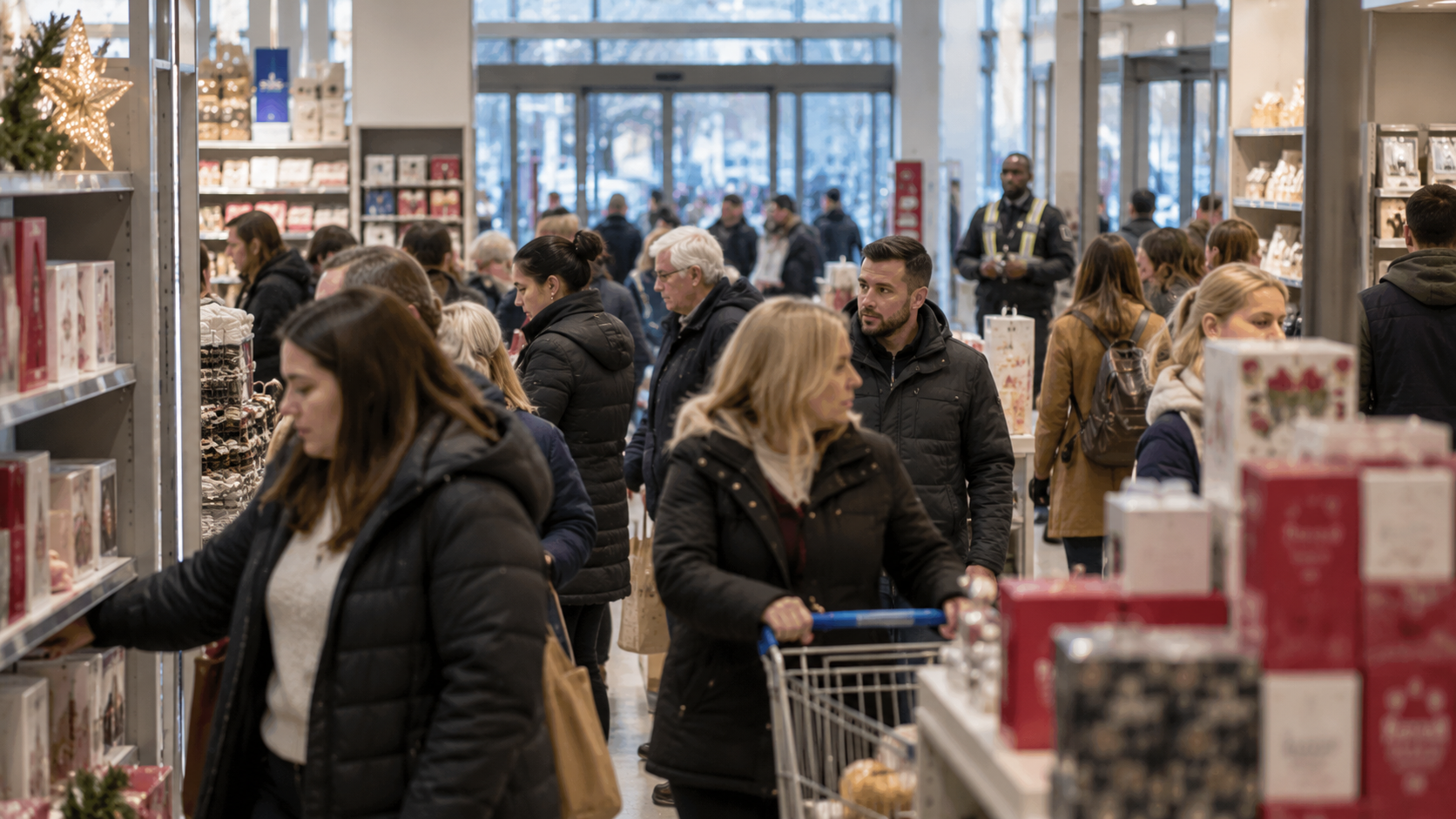
Physical presence matters more in lower-density retail environments. Many Devon towns do not have constant footfall. Quiet periods are common. That creates opportunity. A visible guard changes decision-making for someone considering theft or confrontation. It also reassures staff, which improves reporting and early intervention. In practice, this supports retail loss prevention without turning stores into controlled spaces.
Retail Crime Patterns and Timing in Devon
Retail crime in Devon does not follow the same rhythm as large metro areas. Dense cities experience steady pressure throughout the day. Here, risk moves in waves. It rises with footfall and drops sharply when the streets quieten.
Peak retail theft often appears in late afternoons, weekends, and during tourist season. These are the hours when stores are busy, but staffing is stretched. Coastal towns feel this first. Inland retail hubs see it later, often tied to local events or pay-day cycles.
Retail parks behave differently again. Sites outside town centres can feel calm while still being exposed. This pattern mirrors what many retailers have already seen when comparing sites closer to Bristol, where constant activity masks risk, to quieter South West locations where changes are sudden and visible.
Understanding timing matters more than raw statistics. Guards deployed around real risk windows reduce incidents without unnecessarily increasing hours.
Day vs Night Retail Guarding Risks
Many Devon retailers underestimate daytime risk. Shoplifting, aggressive behaviour, and refund fraud occur most often when stores are open, busy, and understaffed. These incidents rarely look dramatic. They build slowly and rely on distraction.
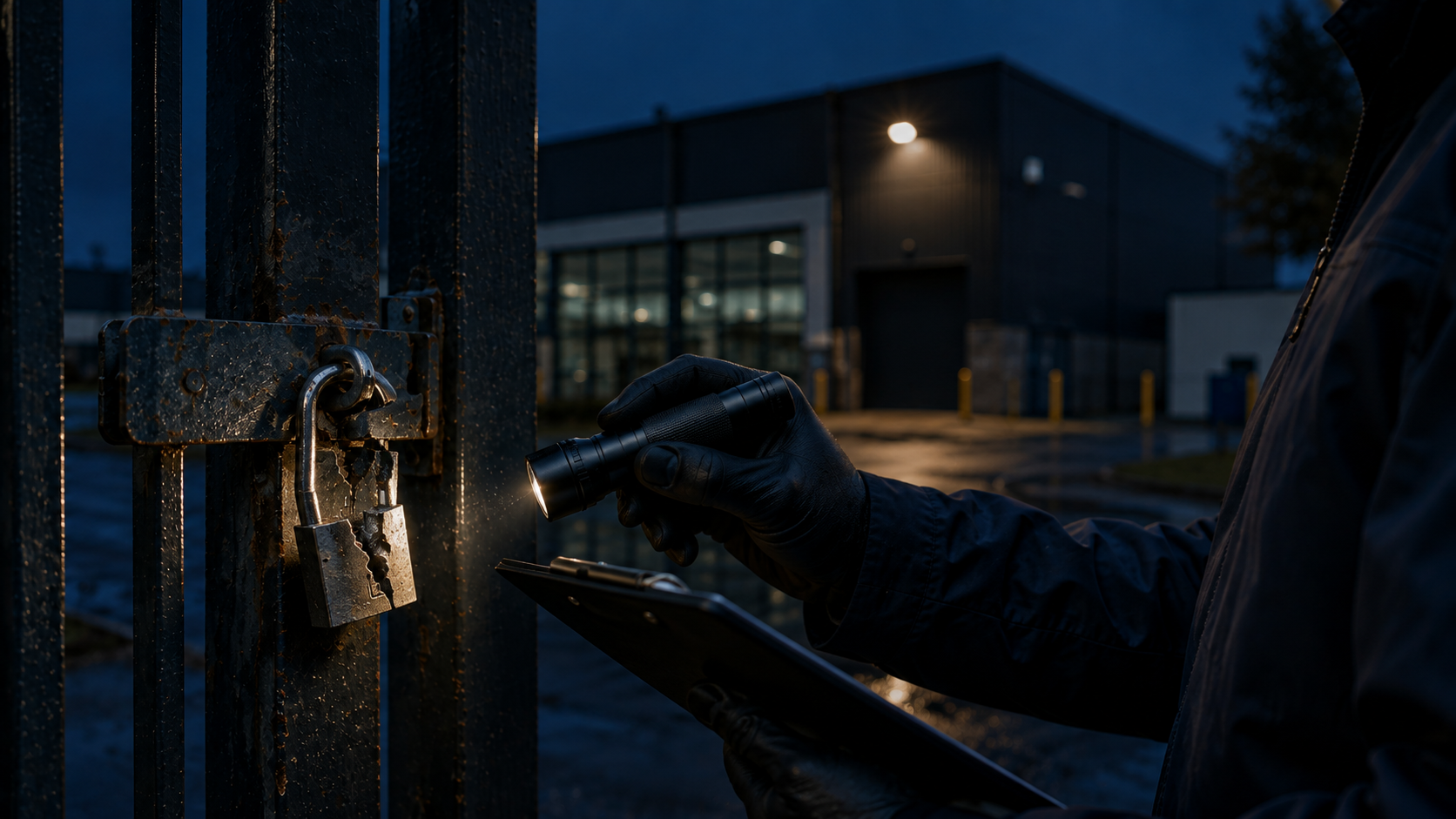
Evening risk looks different. Loitering increases. Alcohol-linked behaviour appears near late-opening stores. Vandalism becomes more likely once footfall drops. These risks are easier to notice but not always easier to manage.
The mistake is assuming night guarding solves most problems. For many retailers, the highest losses happen during normal trading hours. A guard present during the day can interrupt behaviour early, support staff decisions, and prevent escalation. This is why risk reviews based only on closing hours often miss the real exposure.
Seasonal Pressure on Retail Security
Seasonality shapes retail risk across South West England. Summer brings tourists, temporary staff, and unfamiliar customers. Footfall rises fast, then falls just as quickly.
When nearby areas such as Cornwall experience visitor surges, Devon retailers often see spillover traffic. Stores become busier without changing layouts or staffing levels. This creates gaps that experienced offenders notice.
Short-term staffing adjustments help with service but rarely address security risk. Guards provide continuity when retail teams change week to week. Longer-term planning avoids reactive decisions after losses occur. Retailers in counties such as Gloucestershire have already seen the benefit of aligning guarding levels to seasonal patterns rather than treating security as a fixed cost.
Sector-Specific Retail Vulnerabilities in Devon
High Street Retail
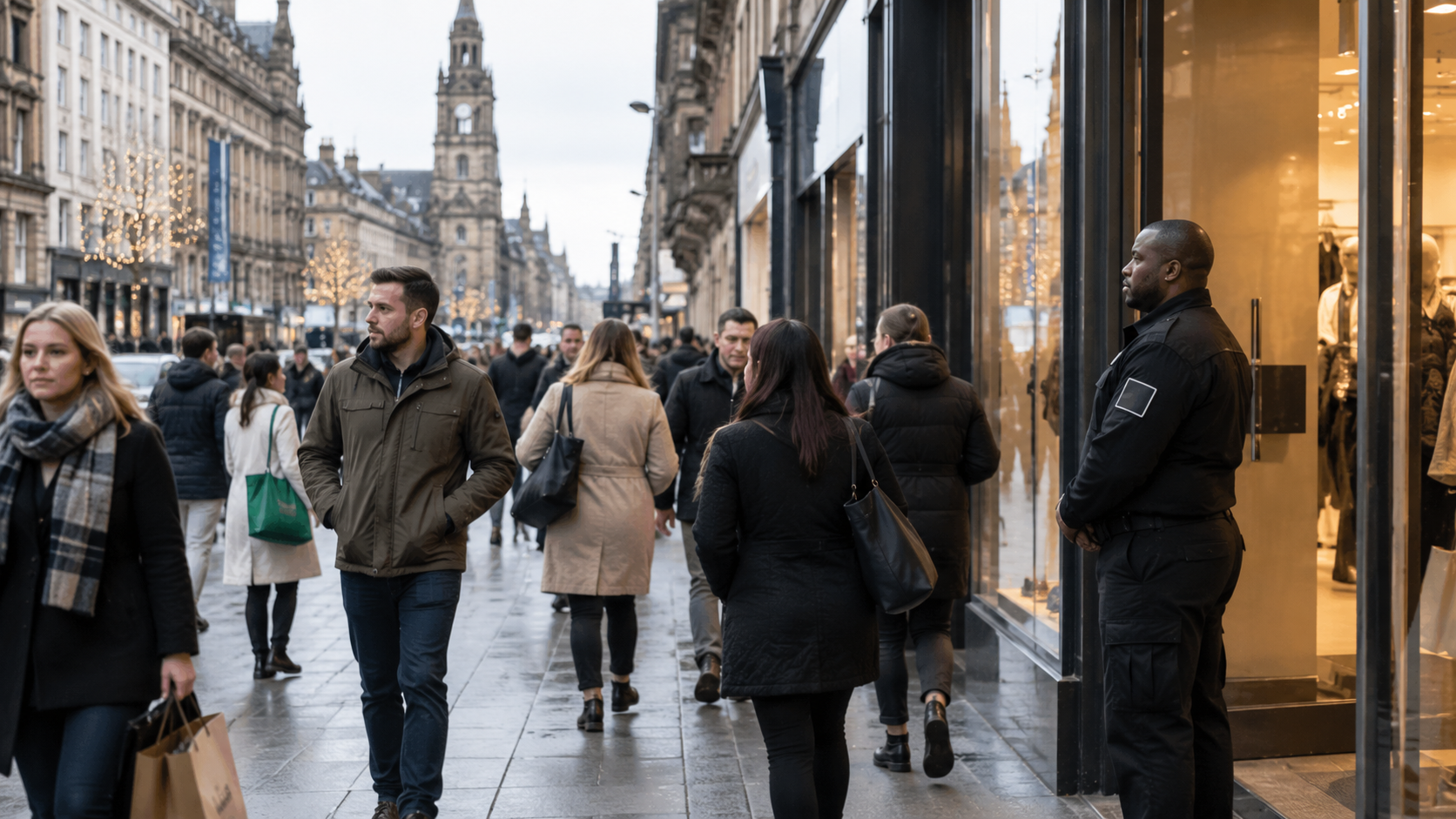
High street retail across Devon often operates with small teams and tight margins. Many stores rely on one or two staff members covering sales, stock, and customer service at the same time. This creates pressure. When footfall increases, attention splits, and that is when problems surface.
Confrontation risk is higher in these settings. Shoplifting attempts can turn verbal when challenged. Refund fraud often targets newer or temporary staff. In these moments, visible guarding changes behaviour before it escalates. The presence of a guard signals oversight. It discourages repeated attempts and reduces the chance that staff are left to manage difficult situations alone.
Retailers who track retail shrinkage patterns often find that losses on the high street are not constant. They cluster around busy periods and events. A guard does not need to intervene often to be effective. The value comes from prevention, not response.
Retail Parks and Out-of-Town Centres
Out-of-town retail sites in Devon behave less like shopping spaces and more like transit zones. Customers arrive with purpose, park close, enter briefly, and leave. That rhythm matters. It creates short windows where activity spikes and long gaps where very little happens.
The risk does not come from crowds. It comes from predictability. When store layouts, parking flow, and delivery access follow the same pattern every day, they become easy to read. Loss incidents in these locations often rely on speed rather than force. Items are taken quickly, movement looks ordinary, and staff notice only after the moment has passed.
This is where on-site judgement makes a difference. Cameras record what happened. A person notices what is about to happen. Guards in retail parks are not there to stand still. Their value comes from being seen moving, changing position, and disrupting routines that offenders expect.
Retailers operating sites with similar access patterns to those found near Bristol have already seen how route proximity shapes behaviour. Comparable layouts also appear along commercial stretches connected to Gloucestershire, where ease of entry and exit changes how incidents unfold. In these settings, guarding works best when it introduces uncertainty rather than control.
Convenience, Late-Opening, and Mixed-Use Retail
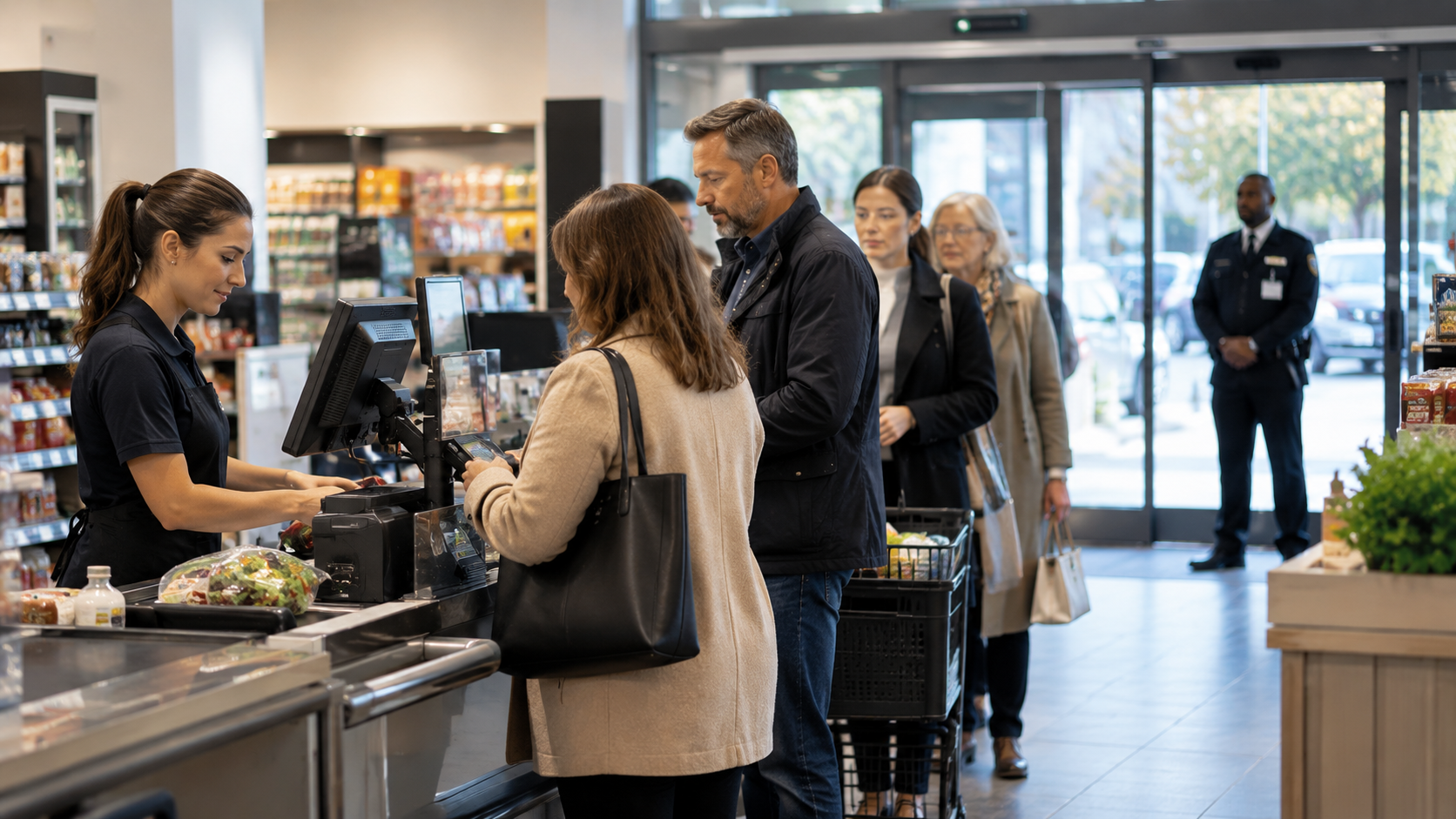
Convenience and late-opening retail bring overlapping risks. Alcohol sales increase the chance of challenging behaviour. Cash handling raises exposure at predictable times. Mixed-use locations combine shoppers, residents, and pass-through footfall, which makes behaviour harder to read.
Lone-worker overlap is common. A single staff member may manage the floor while also handling deliveries or closing tasks. This is where risk concentrates. A guard’s role here is not enforcement. It is presence and support. That presence reduces the likelihood of confrontation and improves decision-making when incidents do occur.
Retailers in historic centres such as Bath have long balanced customer experience with control. Similar lessons apply across Devon. Guarding that fits the environment helps stores stay open, compliant, and confident without changing how they trade.
Legal and Compliance Requirements for Retail Security
SIA Licensing and Retail Guard Compliance
Any guard working in a retail environment in Devon must hold a valid licence from the Security Industry Authority. This is not optional. It applies whether the guard is positioned at an entrance, on the shop floor, or supporting late-opening trade.
Using unlicensed guards exposes retailers to real consequences. Fines are one risk. A larger one is the insurer’s refusal. If an incident occurs and licensing cannot be proven, claims may be delayed or declined altogether. For businesses focused on continuity, this creates avoidable exposure.
Retailers operating across South West England often work with multiple sites and seasonal coverage. Licensing checks should be part of routine due diligence, not something reviewed only after an incident. From a compliance perspective, licensed guarding supports accountability and strengthens retail loss prevention strategies without increasing operational complexity.
Vetting, DBS, and Trust in Retail Environments
Retail is a trust-heavy environment. Guards interact with staff, customers, and sometimes cash or controlled stock. This is why BS 7858 vetting carries more weight here than in many other sectors. It confirms identity, work history, and suitability over time.
DBS checks also play a role, but they should be understood in proportion. A DBS does not assess competence. It provides background assurance. For retailers, the value lies in knowing that people placed on site have been properly screened before access is granted.
Businesses trading in historic retail centres such as Bath often balance customer experience with safeguarding. Clear vetting standards help maintain that balance. They protect staff confidence while supporting compliance expectations without overcomplicating procurement decisions.
CCTV, Data Protection, and Retail Guard Interaction
CCTV and manned guarding work best together when roles are clear. Guards may observe live footage or respond to alerts, but the responsibility for data handling remains with the retailer. This distinction matters.
Under GDPR, retailers control how footage is collected, stored, and accessed. Guards operate within that framework. They do not decide retention periods or disclosure. Clear instructions reduce risk and prevent accidental breaches during incidents or follow-up reviews.
Retailers with sites closer to urban centres like Bristol often manage higher camera density and shared spaces. The same principles apply across Devon. When responsibilities are defined early, CCTV supports security without creating compliance friction.
Insurance, Liability, and Loss Prevention
Insurers view manned retail guarding as a risk-control measure rather than a guarantee. Its value lies in deterrence, early intervention, and evidence quality after incidents occur. This directly affects how claims are assessed.
After an incident, insurers typically expect incident reports, guard logs, and confirmation of licensing and vetting. Missing documentation raises questions. Clear records shorten investigations and reduce disputes.
Retailers operating multi-site portfolios across counties such as Gloucestershire often standardise documentation for this reason. Consistency supports insurance conversations and helps businesses justify guarding decisions with confidence.
Event-Driven Retail Security and Martyn’s Law
Retail risk increases during town-centre events, late-night shopping, and seasonal markets. Footfall rises quickly, and behaviour becomes harder to predict. During these periods, effective security planning focuses less on crime types and more on how people move through shared spaces.
Martyn’s Law will shape how some venues approach preparedness in the future. For retailers, this is not about heavy-handed control. It is about understanding the duty of care, clear communication, and proportionate response planning when sites become temporarily crowded.
Seasonal markets across areas linked to Cornwall already show how temporary layouts and unfamiliar routes change risk. For Devon retailers, the lesson is practical. Event-led retail security, delivered with support from a security company in Devon, works best when planned early, reviewed calmly, and aligned with local expectations rather than driven by fear.
Costs, Contracts, and Retail Guard Deployment in Devon
Retail Guard Cost Drivers in Devon
The cost of retail guarding in Devon is shaped less by headline rates and more by how a store actually operates. Size matters, but it is not the starting point. A small store with long opening hours can face higher exposure than a larger unit that closes early.
Opening hours influence both coverage length and risk profile. Daytime presence focuses on theft prevention and staff support. Late-night coverage shifts toward behaviour management and site protection. Seasonal uplift also plays a role. During peak trading months, footfall rises faster than staffing levels, which changes the balance between deterrence and response.
Retailers trading across the South West often see sharper seasonal swings than those in dense urban centres. Daytime guarding during busy periods can reduce loss without extending hours unnecessarily. In contrast, late-night presence is usually targeted and shorter. Understanding these drivers helps businesses control costs while still supporting shrinkage control.
Contract Structures Retailers Actually Use
Most retailers do not rely on one-size contracts. Fixed-term arrangements provide stability for core hours, especially where loss patterns are consistent. Flexible coverage is used to manage peak periods, refurbishments, or extended trading.
Seasonal scaling is common in the South West. Retailers increase coverage during high footfall months, then step back once patterns normalise. This avoids paying for unused hours while still responding to real risk. Mobilisation timelines matter here. Short lead times allow stores to react to changes without disruption.
Notice periods are another practical factor. Shorter notice offers flexibility but can carry a premium. Longer notice supports cost certainty. Retailers with experience operating near commercial hubs such as Bristol often blend both approaches, keeping fixed coverage where risk is stable and flexible cover where conditions change quickly.
Cost Justification and Insurance Alignment
Retail guarding should be viewed as a cost-control tool rather than a fixed expense. Its value lies in reducing volatility. Fewer incidents mean fewer spikes in loss, fewer staff disruptions, and clearer insurance conversations.
In some cases, guarding costs less than unmanaged shrinkage. This is especially true when losses are frequent but low-level. Guards reduce repeat behaviour and improve reporting, which helps retailers understand where problems begin.
Insurers look for evidence. Consistent logs, clear incident records, and proof of licensed coverage all support claims. Retailers operating across counties such as Gloucestershire often standardise these processes to align cost, coverage, and insurance expectations. When guarding decisions are documented and reviewed, spending becomes easier to justify and easier to adjust over time.
Training, Daily Operations, and Retail Guard Duties
Retail-Specific Guard Training Standards
Retail guard training matters most when something starts to go wrong. The goal is not authority. It is control without escalation. In Devon retail settings, guards often deal with situations that begin quietly. A suspected theft, a tense exchange at a till. A customer who refuses to leave.
Conflict management training supports calm decision-making in these moments. Guards learn how to slow situations down rather than force an outcome. Clear boundaries for customer interaction also matter. Retail guards are present to support staff, not replace them or disrupt normal trade.
Theft deterrence works best when it is subtle. Visible awareness, measured movement, and early engagement reduce risk without drawing attention. Retailers across Devon benefit most when training supports incident prevention rather than response after loss has already occurred.
Start-of-Shift and Handover Impact
Many retail incidents repeat in small ways. The same individual returns. The same time window creates pressure. Without proper handovers, these patterns are easy to miss.
Effective shift handovers focus on what changed, not what stayed the same. Guards pass on details about behaviour, timing, and unresolved concerns. This continuity matters in retail environments where staff rotate, and footfall fluctuates.
Retailers operating in busy centres such as Bath often rely on this continuity to manage mixed-use spaces. The same principle applies in Devon towns. When information flows between shifts, guards can act earlier, staff feel supported, and small issues are less likely to grow into reportable incidents.
Patrols, Presence, and Reporting
In retail security, visibility matters more than how often a patrol happens. A guard who is seen, acknowledged, and clearly engaged changes behaviour. Frequent but unnoticed patrols do not have the same effect.
Presence works when it feels deliberate. Moving through different areas at varied times prevents predictability. This approach is particularly effective in retail layouts similar to those found near Bristol, where shared spaces and open access can blur responsibility.
Reporting supports decisions beyond the shop floor. Good reports explain what was seen, when it happened, and why it mattered. They are not paperwork for its own sake. They become evidence for insurers, trend reviews, and planning discussions. Retail groups managing sites across counties such as Gloucestershire often use these records to align security spend with real-world risk rather than assumptions.
Performance, Risks, and Operational Challenges
Measuring Retail Security Effectiveness
Retail security performance is not measured by how often a guard intervenes. It is measured by what stops happening. Incident reduction trends matter most over time. Fewer repeat thefts, fewer confrontations, and fewer staff escalations show whether guarding is working.
Staff confidence is another indicator. When employees feel supported, reporting improves, and small issues surface earlier. This feedback loop strengthens risk mitigation without increasing hours or coverage. Loss patterns also provide clarity. Stable or falling losses during busy periods often say more than raw incident counts.
Retailers with sites across Devon often review these signals together rather than in isolation. The goal is not perfect security. It is consistency and control.
Environmental and Operational Risks
Environment shapes performance in ways that are easy to overlook. Coastal and exposed retail areas feel the effects of weather first. Wind, rain, and poor visibility change how people move and how long they stay. These conditions affect both customer behaviour and guard effectiveness.
Seasonal daylight changes also alter risk. Shorter days concentrate activity into fewer hours. Longer evenings during summer extend exposure. Retailers operating in towns with shared outdoor spaces, similar to those seen in parts of Cornwall, often notice these shifts earlier than inland sites.
Operational planning works best when it accounts for these patterns rather than reacting to isolated incidents. Adjustments made ahead of seasonal change reduce pressure on staff and avoid last-minute decisions.
Service Continuity and Operational Reliability
Retail security breaks down most often when coverage becomes uneven. This is not always visible at first. Gaps appear quietly. A shift starts late. Familiar routines change. Small issues go unnoticed until loss patterns begin to rise.
For retailers, the risk is not who is on site, but whether security delivery stays consistent. Guards who remain familiar with a location understand flow, timing, and pressure points. When that familiarity is lost, response slows, and early warning signs are missed. This creates exposure during busy periods, not because of intent, but because the rhythm has changed.
Retailers operating in mixed commercial environments, similar to those found near Bristol, often plan for reliability rather than the lowest cost. They structure coverage to avoid frequent change and reduce disruption. A similar approach is seen across parts of Gloucestershire, where predictable service supports predictable outcomes.
In areas affected by seasonal trade, including towns with shared outdoor retail spaces like those seen in Cornwall, continuity matters even more. Planning for steady delivery helps retailers manage risk without constant adjustment. The focus stays on control, clarity, and dependable performance rather than internal operational mechanics.
Technology and Future Trends in Retail Security
CCTV and Manned Retail Guard Integration
CCTV works best in retail when it supports decisions already being made on the ground. Guards notice behaviour first. Cameras then help confirm, track, and record what matters. This order is important. When technology leads without a human context, alerts increase, but clarity drops.
In Devon, many retail sites mix open layouts with shared spaces. Live footage allows guards to extend their awareness beyond line of sight. It also improves post-incident review, which supports insurance and internal learning. Responsibility remains with the retailer for how footage is handled. Guards operate within that framework, using cameras to strengthen situational awareness rather than replace it.
AI and Remote Monitoring as Support
AI tools in retail security are most useful when they look for patterns over time. Analytics can highlight repeat visits, unusual dwell times, or changes in traffic flow. These signals help retailers understand where pressure is building.
Human response remains central. Algorithms do not judge intent or de-escalate tension. Guards do. Remote monitoring adds value when it feeds insight back to people on site, not when it attempts to manage incidents alone.
Retailers with mixed portfolios, including sites closer to Bristol, often use analytics to compare trends across locations. The lesson applies across the South West. Technology should inform planning, not dictate action.
Drones, Predictive Analytics, and Retail Parks
Some technologies fit specific environments. Drones, for example, have a place in large retail parks with defined perimeters and clear operating windows. They are not suited to busy high streets or enclosed centres. Used carefully, they support oversight rather than patrol.
Predictive analytics also has limits. It works best when fed with consistent data and reviewed by people who understand the site. Retail parks with access patterns similar to those found near Gloucestershire can benefit from this approach, especially when vehicle movement is a factor. The key is restraint. Overselling capability creates false confidence.
Sustainability and Green Security Practices
Sustainability is becoming part of retail security planning. Fewer vehicle patrols reduce emissions and costs. Static and foot patrols supported by cameras often achieve the same outcome with less disruption.
Energy-efficient monitoring systems also matter. Modern equipment consumes less power and produces clearer data. For retailers managing outdoor or coastal sites, including those with similarities to locations seen in Cornwall, these choices support resilience as well as responsibility.
Martyn’s Law and Retail Implications
Martyn’s Law will influence how some retail environments approach preparedness. The focus is on awareness, communication, and proportionate planning. Retailers should understand how shared spaces, events, and late trading affect duty of care.
What not to do is overreact. This is not about turning shops into controlled venues. It is about clarity. Retailers in historic centres such as Bath already balance openness with safety. The same calm approach applies elsewhere. Prepare thoughtfully. Avoid assumptions. Review plans as guidance develops.
Conclusion
Retail security decisions in Devon are rarely simple. Risk changes with footfall, timing, and season. Legal duties remain constant. Costs rise when decisions are delayed or based on assumptions rather than evidence.
This is why Devon businesses need Retail Security deserves careful thought. Effective guarding is not about visible presence alone. It is about reducing uncertainty for staff, meeting compliance expectations, and keeping losses predictable rather than disruptive. When retail risk is understood properly, security becomes part of normal operations instead of a reaction to problems.
Legal requirements set the baseline. Insurance expectations reinforce it. Cost realism sits between the two. Businesses that align these factors early avoid sudden spending, rushed contracts, and avoidable exposure.
Across the South West, retailers who plan calmly tend to manage risk better than those who wait for incidents to force decisions. The aim is not to eliminate every threat. It is to trade confidently, protect people, and make security choices that support the business long after the immediate pressure has passed.
Frequently Asked Questions
Do small retail shops in Devon really need manned security?
Some do, some do not. It depends on footfall, opening hours, and past incidents. Small shops often face higher pressure during busy periods because staffing is limited. In those cases, visible guarding can reduce risk without changing how the shop trades.
Is daytime retail security more important than night guarding?
For many retailers, yes. Most theft and confrontation happen during trading hours, not after closing. Daytime presence supports staff and reduces repeat behaviour. Night guarding is more relevant where sites remain open late or are exposed when closed.
How does seasonal tourism affect shoplifting risk?
Tourism changes behaviour patterns. Footfall increases quickly, staff change, and routines break down. This creates opportunity. Retailers often see more low-level theft during peak seasons, which is why planning ahead matters.
What legal checks must retail guards have in place?
Guards must hold a valid SIA licence. Proper vetting under recognised standards is also expected. Without this, retailers risk fines and insurance complications.
Will manned security reduce retail insurance premiums?
Sometimes. Insurers look at guarding as a risk-control measure. Clear records, licensed coverage, and incident reporting can support premium discussions, but reductions are never automatic.
How quickly can a retail guard be deployed?
This depends on availability and checks. Planned coverage is faster than reactive coverage. Retailers who review risk early avoid rushed decisions later.
Can retail guards work alongside CCTV legally?
Yes. Guards can use CCTV as part of their role, but the retailer remains responsible for data protection. Clear rules prevent compliance issues.
How will Martyn’s Law affect retail businesses?
It will increase focus on preparedness in certain settings. Most retailers will not need major changes. Understanding responsibilities early helps avoid overreaction. This context matters when considering why Devon businesses need Retail Security in the long term.