Introduction:
Retail businesses across Wales operate within a diverse risk environment shaped by a mix of city centres, coastal towns, rural high streets, and major retail parks. Locations such as Cardiff, Swansea, Newport, Wrexham, and tourist-driven areas experience fluctuating footfall throughout the day and across seasons. This variability creates predictable exposure to shoplifting, antisocial behaviour, and staff confrontation, particularly during busy trading periods and peak visitor months.
Recent crime data consistently shows that retail theft and shoplifting offences across Wales have increased compared to pre-pandemic levels, with town centres and high-footfall retail areas accounting for a significant proportion of recorded incidents.
For Welsh retailers, retail security is therefore less about reacting to serious incidents and more about managing everyday operational risk. Businesses must protect staff, control access, reduce stock loss, and demonstrate that reasonable preventative measures are in place for insurers, landlords, and local authorities. This is especially relevant for stores trading extended hours, handling high-value goods, or operating in open layouts where customer flow is difficult to manage.
Unlike technology-only solutions, on-site retail security provides real-time judgement. A visible, trained presence allows early intervention, supports staff confidence, and helps prevent minor issues from escalating into wider disruption. In many Welsh retail settings, this practical, human layer of security plays a key role in maintaining safe, stable trading conditions rather than simply responding after loss has occurred.

Understanding Retail Security Basics in Wales
Retail security in Wales, including Cardiff and Swansea, centres on managing everyday risk in open, customer-facing environments rather than responding to isolated serious incidents. Most retail locations rely on a combination of physical presence, clear procedures, and supporting technology to control access, reduce theft, and protect staff during trading hours. The need for on-site retail security is shaped by footfall patterns, store layout, and local behaviour rather than headline crime alone.
Retail Security vs Static and Remote-Only Measures
Static security measures such as CCTV, alarms, and remote monitoring play an important supporting role in Welsh retail environments, particularly for evidence gathering and out-of-hours protection. However, these systems are reactive by nature. They record incidents but do not prevent them at the moment. On-site retail security provides real-time judgement, allowing early intervention when behaviour escalates and visible reassurance for staff working on the shop floor. For busy high streets, shopping centres, and retail parks, this distinction often determines whether an incident is contained or becomes operationally disruptive.
Crime Patterns Shaping Retail Security Demand in Wales
Retail crime across Wales is predominantly opportunistic. Shoplifting, distraction theft, verbal abuse, and low-level antisocial behaviour account for the majority of incidents affecting retailers. These risks are closely linked to footfall density rather than late-night trading alone. Urban centres such as Cardiff, Swansea, Newport, and Wrexham experience predictable daytime risk peaks, while tourist-heavy locations see seasonal pressure linked to visitor numbers. Retail security planning in Wales therefore tends to focus on when stores are busiest rather than applying uniform coverage at all times.
Peak Risk Periods for Welsh Retail Environments
The highest retail security exposure in Wales typically occurs during late mornings through early evenings, weekends, and seasonal trading peaks. School holidays, summer tourism, and Christmas trading create conditions where staff are stretched, temporary workers are introduced, and offenders can blend into crowded environments. Unlike some large metropolitan areas, overnight retail crime is a secondary concern for many Welsh retailers compared to losses incurred during trading hours.
High-Risk Retail Locations and Formats in Wales
Retail security demand is strongest in locations with open access and shared public space. Shopping centres, supermarkets, convenience stores, and fashion retailers face consistent exposure due to predictable layouts and high customer turnover. Retail parks and mixed-use developments introduce additional challenges, including shared car parks, loitering, and limited natural surveillance between units. These environments often require coordinated on-site security to manage behaviour across multiple stores rather than isolated protection for individual tenants.
Managing Antisocial Behaviour in Welsh Retail Parks
Retail parks across Wales combine large open areas with limited staff visibility beyond store entrances. This creates vulnerability to loitering, intimidation, and low-level disorder, particularly during evenings and weekends. On-site retail security provides a visible authority presence, enabling early engagement before behaviour impacts customers or escalates into confrontation. For site managers and landlords, this approach helps maintain a consistent trading environment across all units rather than relying on individual stores to manage issues independently.
Daytime Retail Theft and the Shift in Security Focus
Retail theft in Wales increasingly occurs during busy daytime periods rather than through forced entry after hours. Offenders rely on distraction, speed, and reduced staff availability. As a result, many retailers now prioritise security coverage during peak trading windows instead of overnight-only protection. On-site retail security supports staff by monitoring entrances, identifying repeat offenders, and reducing the expectation that employees should challenge suspicious behaviour themselves.
Differences Between Daytime and Evening Retail Risk
Daytime retail risks in Wales are primarily linked to theft, abuse of returns processes, and verbal aggression toward staff. Evening risks, while less frequent, are more often associated with antisocial behaviour linked to nearby hospitality venues or transport hubs. Effective retail security strategies recognise these differences and adjust coverage by time of day rather than applying a single approach across all operating hours.
Seasonal and Event-Driven Pressures on Welsh Retail Security
Seasonal tourism, summer events, and major retail periods significantly affect security demand across Wales. Coastal towns, city centres, and festival-adjacent retail areas experience sharp increases in footfall that temporarily change risk profiles. Retailers often respond with short-term or flexible security deployment during these periods to stabilise operations, protect temporary staff, and manage unfamiliar customer flows.
Transport Connectivity and Retail Security Exposure
Retail locations close to major rail stations, bus hubs, and commuter routes experience short but intense surges in footfall. In Wales, this is particularly relevant in city centres and towns with strong regional transport links. These spikes increase theft risk while reducing staff visibility across shop floors. On-site retail security helps manage these pressure points by maintaining oversight during peak arrival and departure periods.
Economic Conditions and Retail Security Decision-Making in Wales
Welsh retailers operate within a cost-conscious environment where security spend must be clearly justified. Decisions are often driven by loss trends, insurance expectations, and staff wellbeing rather than headline crime statistics. Retail security is therefore commonly deployed in a targeted, risk-led manner, focusing on locations, hours, and seasons where it provides measurable operational value rather than blanket coverage.
Legal and Compliance Requirements for Retail Security in Wales
Retail security in Wales operates within a UK-wide regulatory framework, with additional expectations shaped by local authorities, insurers, and policing partnerships. For retailers, compliance is not simply a contractual issue. It affects insurance validity, liability exposure, and the ability to demonstrate that reasonable preventative measures are in place should an incident occur.
SIA Licensing Requirements for Retail Security Personnel
Any individual performing licensable retail security activities in Wales must hold a valid Security Industry Authority (SIA) licence. This applies to roles involving guarding, access control, and incident management within retail environments. Employing unlicensed security personnel exposes retailers to legal penalties and undermines insurance cover, particularly where incidents involve injury, loss, or customer complaints.
Legal Consequences of Using Unlicensed Security Guards
Using unlicensed security staff is a criminal offence under UK law. Retailers may face financial penalties, enforcement action, and reputational damage if found non-compliant. More critically, insurers may decline claims following incidents where unlicensed personnel were deployed, leaving businesses exposed to direct financial loss and legal challenge.
Vetting Standards and DBS Expectations in Retail Settings
While SIA licensing includes baseline vetting, many Welsh retailers and insurers expect additional screening aligned with BS 7858 standards. This covers employment history, identity verification, and criminal record checks. Enhanced DBS checks are commonly required for retail environments involving vulnerable individuals, late-night trading, or high-value stock. The level of vetting expected often reflects the risk profile of the site rather than a blanket legal requirement.
Insurance Requirements for Retail Security Services
Retailers hiring on-site security must ensure that providers carry appropriate public liability, employer’s liability, and professional indemnity insurance. Insurers increasingly scrutinise security arrangements following theft, assault, or serious incidents. Demonstrating that licensed, vetted personnel were deployed in line with risk assessments can materially affect claim outcomes and premium negotiations.
Data Protection and CCTV Integration in Retail Environments
Where retail security operates alongside CCTV systems, UK data protection laws apply. This includes lawful use of surveillance, clear signage, controlled access to footage, and secure data handling. Retailers remain responsible for GDPR compliance even when systems are managed by third-party providers. On-site security must operate within defined protocols to ensure privacy rights are respected while maintaining effective incident response.
VAT Treatment of Retail Security Services
Wales security services are subject to VAT at the standard rate. This has cost implications for retailers, particularly those unable to reclaim VAT fully. Understanding how VAT applies to security contracts is important when comparing providers and assessing long-term operating costs rather than focusing solely on headline hourly rates.
Local Authority Expectations and Site-Specific Compliance
While there are no Wales-only security licensing regimes, local councils may impose conditions through planning permissions, late-night trading approvals, or retail park management agreements. These conditions can include requirements for on-site security presence, incident reporting, or coordination with local enforcement teams. Retailers operating in shared or managed spaces should ensure security arrangements align with site-wide compliance expectations.
Evidence of Security Provider Compliance
Retailers should expect security providers to supply documentation demonstrating regulatory compliance. This typically includes SIA licence verification, insurance certificates, vetting records, and operational policies. Maintaining this documentation supports internal governance, insurer audits, and due diligence processes, particularly for multi-site retail operations.
Licensing of Security Companies and Client Implications
While individual licensing is mandatory, wider regulation of security companies continues to evolve. Retailers should be aware that future changes may introduce additional obligations for service providers. Choosing compliant, well-established security partners reduces the risk of service disruption or contractual changes driven by regulatory reform.
Labour Law Considerations Relevant to Retail Security
UK labour laws govern working hours, rest periods, and overtime. For retailers, this matters primarily in terms of service continuity and cost predictability. Security arrangements that fail to comply with employment law can lead to sudden staffing gaps or cost increases, affecting retail operations during peak trading periods.
Post-Brexit Workforce Rules and Retail Security Stability
Post-Brexit changes to right-to-work requirements apply across Wales. Retailers are not responsible for managing security staff immigration status directly, but should ensure providers have robust compliance processes in place. Workforce instability can affect service reliability, particularly during seasonal retail peaks.
Event Licensing and Public Safety Obligations
Retailers operating in or near event-driven locations, such as city centres or seasonal attractions, may face additional public safety expectations. On-site security can support compliance with event licensing conditions by managing crowd behaviour, access control, and incident escalation during high-footfall periods.
Martyn’s Law and Future Retail Security Obligations
Proposed changes under Martyn’s Law will introduce clearer duties around public safety and terrorism risk for publicly accessible venues. While many smaller retail units may fall outside the highest tiers, larger stores, shopping centres, and retail complexes in Wales are likely to face increased planning and documentation requirements. Retail security will play a practical role in demonstrating preparedness and proportional risk management rather than acting as a standalone solution.
Costs, Contracts, and Deployment of Retail Security in Wales
Retail security costs in Wales vary significantly depending on location, trading patterns, and the level of risk a site presents. For most retailers, the objective is not to minimise headline hourly rates, but to deploy security in a way that reduces loss, protects staff, and satisfies insurer and landlord expectations without unnecessary overcoverage.
Key Cost Drivers for Retail Security in Wales
The primary cost drivers for retail security across Wales include location, operating hours, footfall volume, and site complexity. City-centre locations such as Cardiff, Swansea, and Newport typically attract higher rates due to increased footfall, extended trading hours, and higher incident exposure. Suburban retail parks, local parades, and standalone stores often operate at lower cost, particularly where security coverage is limited to peak trading periods rather than full-day deployment.
Costs also increase where retailers handle high-value goods, operate late into the evening, or trade in mixed-use developments where public access is difficult to control.
City-Centre Versus Suburban Deployment Considerations
Retailers in Welsh city centres face more variable risk driven by commuter flows, nightlife overlap, and event-related surges in footfall. Security deployment in these areas is often concentrated around peak hours rather than continuous coverage. In contrast, suburban and out-of-town retail parks tend to prioritise visible deterrence, car park oversight, and coordinated coverage across multiple units, which can reduce per-unit costs when managed collectively.
Mobilisation Timelines and Deployment Speed
Retail security deployment in Wales is typically faster than in highly constrained metropolitan areas, but mobilisation timelines still depend on licensing checks, site induction, and risk assessment. For planned deployments, retailers should expect mobilisation to take days rather than weeks. Short-notice coverage is possible, but often comes at a premium and may limit continuity, which can reduce overall effectiveness.
Contract Lengths and Commercial Flexibility
Retail security contracts in Wales commonly range from short-term agreements covering seasonal peaks to rolling or fixed-term contracts of 6 to 24 months. Shorter contracts provide flexibility for retailers managing fluctuating footfall, while longer agreements can offer cost stability and service consistency. From a risk perspective, insurers often favour structured, documented arrangements over ad-hoc coverage, regardless of contract length.
Notice Periods and Termination Terms
Standard notice periods typically range from 30 to 90 days, depending on contract structure and deployment scale. Retailers should ensure notice terms align with lease obligations, trading patterns, and seasonal demand. Poorly aligned notice periods can lead to unnecessary cost exposure during quieter trading months or leave gaps during peak periods.
Wage Pressures and Cost Movement in 2025
Retail security costs in Wales continue to reflect broader UK wage pressures and statutory increases. While retailers are not responsible for guard pay structures, these pressures influence contract pricing and annual reviews. Underpriced contracts often struggle to maintain consistent service delivery, which can undermine loss prevention and increase operational disruption.
Inflation and Long-Term Pricing Stability
Inflation affects not only labour costs but also training, insurance, and compliance expenses carried by security providers. Retailers entering longer-term contracts should expect index-linked pricing mechanisms rather than fixed rates that become unsustainable over time. Transparent pricing structures help avoid sudden increases or service degradation mid-contract.
Insurance Considerations and Risk Reduction Value
Well-documented retail security arrangements can support insurance discussions, particularly following theft, assault, or liability claims. Insurers assess whether reasonable preventative measures were in place at the time of an incident. Targeted security deployment during known risk windows can demonstrate proactive risk management, which may influence claim outcomes and future premium negotiations, even if it does not guarantee direct reductions.
Public Sector and Procurement Act Considerations
For publicly owned or council-linked retail assets in Wales, procurement decisions must align with the Procurement Act 2023. This places greater emphasis on transparency, value, and proportionality rather than lowest cost alone. Retail operators within public-sector-managed estates should ensure security contracts meet procurement and governance expectations to avoid compliance challenges.
Training, Operations, and Daily Duties for Retail Security in Wales
Effective retail security in Wales depends less on visible presence alone and more on how well personnel are trained, briefed, and integrated into day-to-day store operations. For business owners and managers, the value lies in consistency, judgement, and reliable reporting rather than complex procedures.
Training Standards for Retail Security Personnel
Retail security personnel operating in Wales must hold the appropriate SIA licence for their role and be vetted in line with BS 7858 screening standards. Beyond licensing, retail-focused training typically covers conflict management, theft prevention, customer interaction, and incident reporting. This ensures guards can manage shoplifting and antisocial behaviour without escalating situations or exposing the business to liability.
For retailers, the practical benefit of proper training is reduced confrontation risk, better staff support, and more consistent handling of incidents across shifts and locations.
Shift Commencement and Site Familiarisation
At the start of each shift, retail security personnel focus on understanding the trading environment for that day. This includes reviewing handover notes, checking for known offenders or previous incidents, and confirming store layouts, access points, and any temporary risks such as deliveries, promotions, or staff shortages. This early situational awareness helps security coverage align with real operational pressures rather than following a fixed routine.
Handover Procedures and Continuity
Clear shift handovers are critical in retail environments where incidents often repeat over time. Incoming personnel are briefed on theft patterns, problem areas within the store, previous interventions, and any unresolved issues. For retailers, this continuity reduces repeated loss and avoids gaps where offenders exploit changes in personnel.
Patrol Patterns and Floor Coverage
Retail security patrols in Wales are typically dynamic rather than time-based. Coverage is adjusted according to footfall, staffing levels, and known risk periods such as lunchtime peaks, late afternoons, or weekend trading. Rather than constant movement, effective patrols balance visibility at entrances, observation of high-risk aisles, and presence near fitting rooms or self-checkout areas.
Perimeter and Access Control
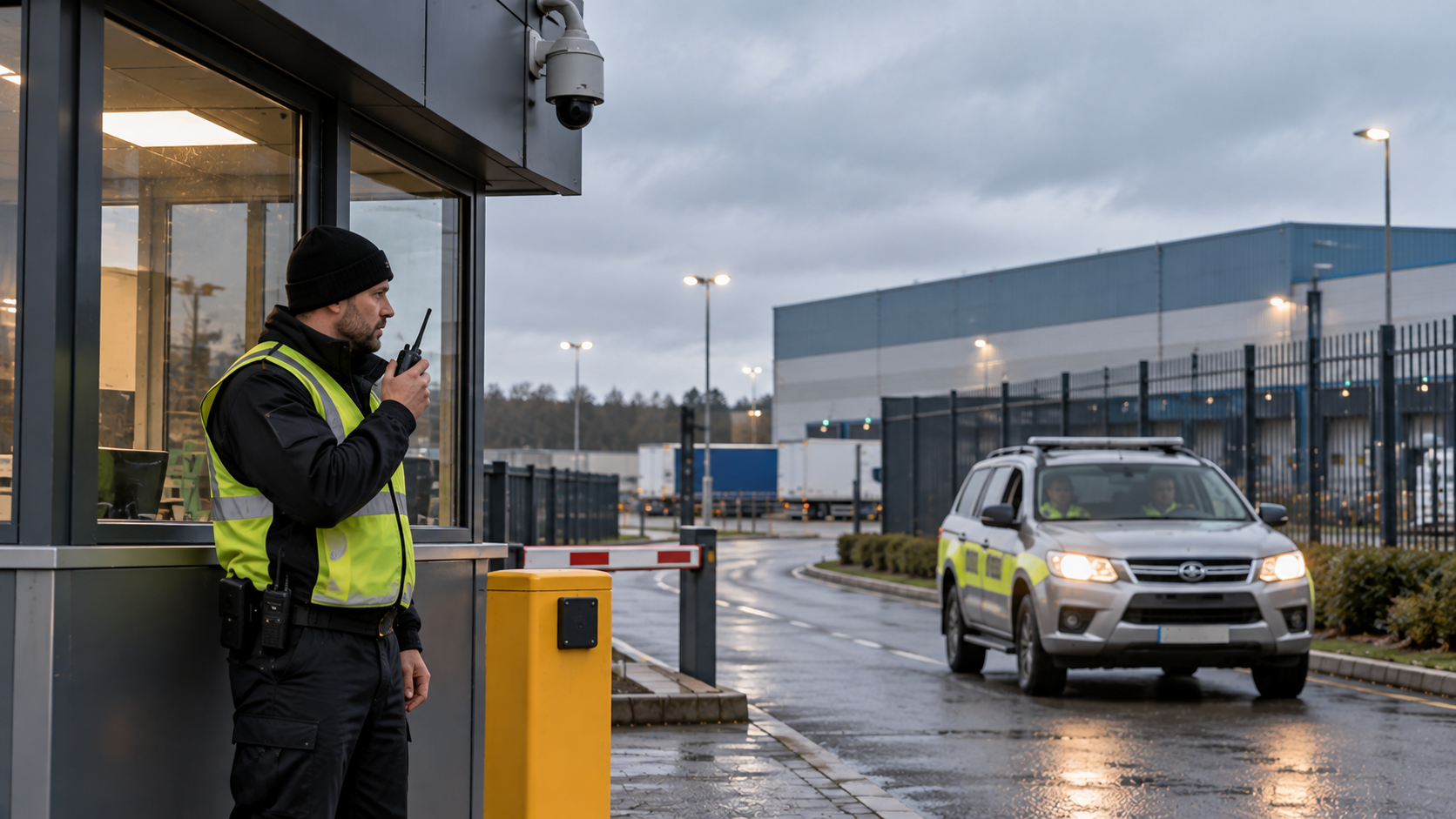
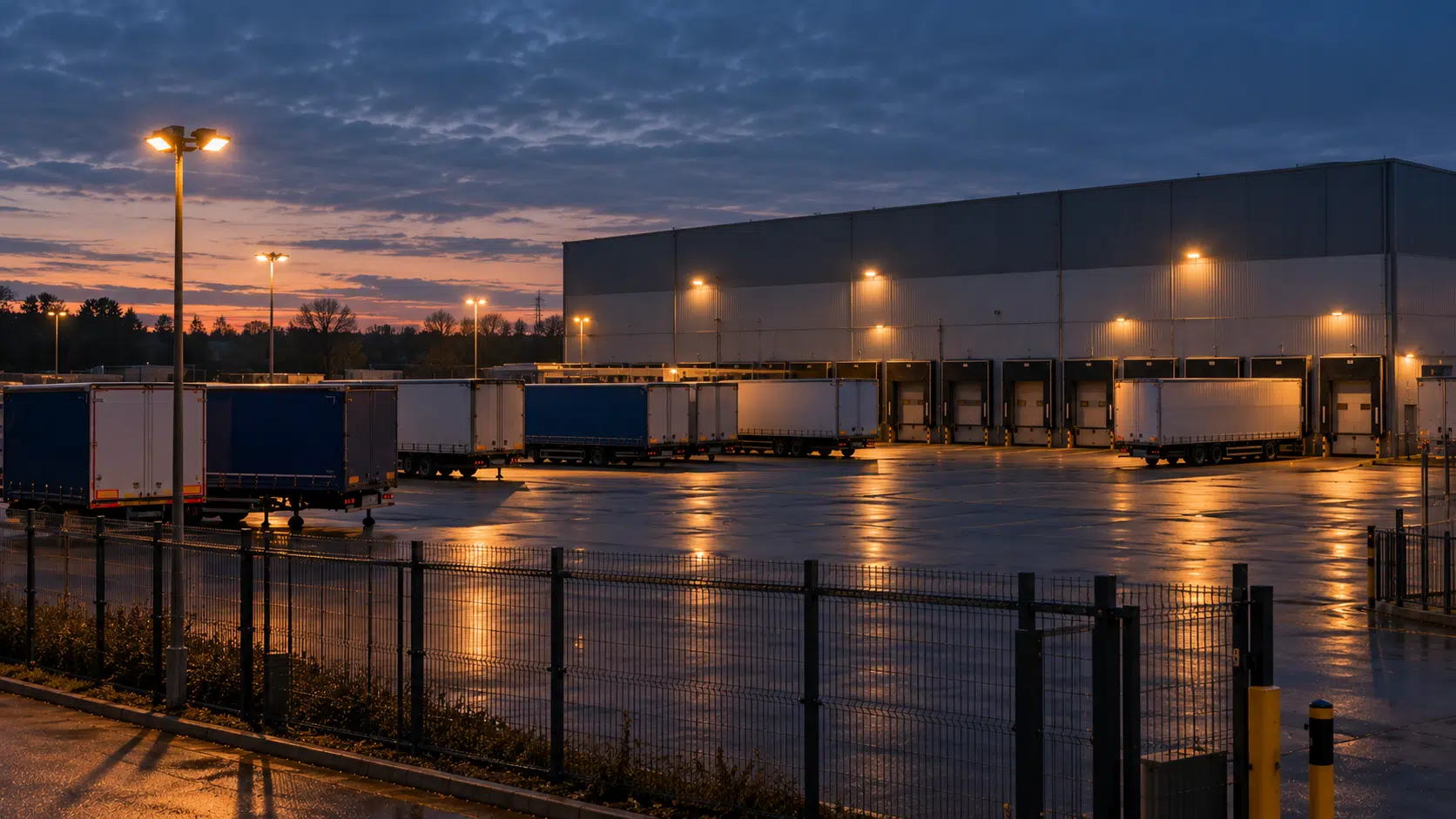
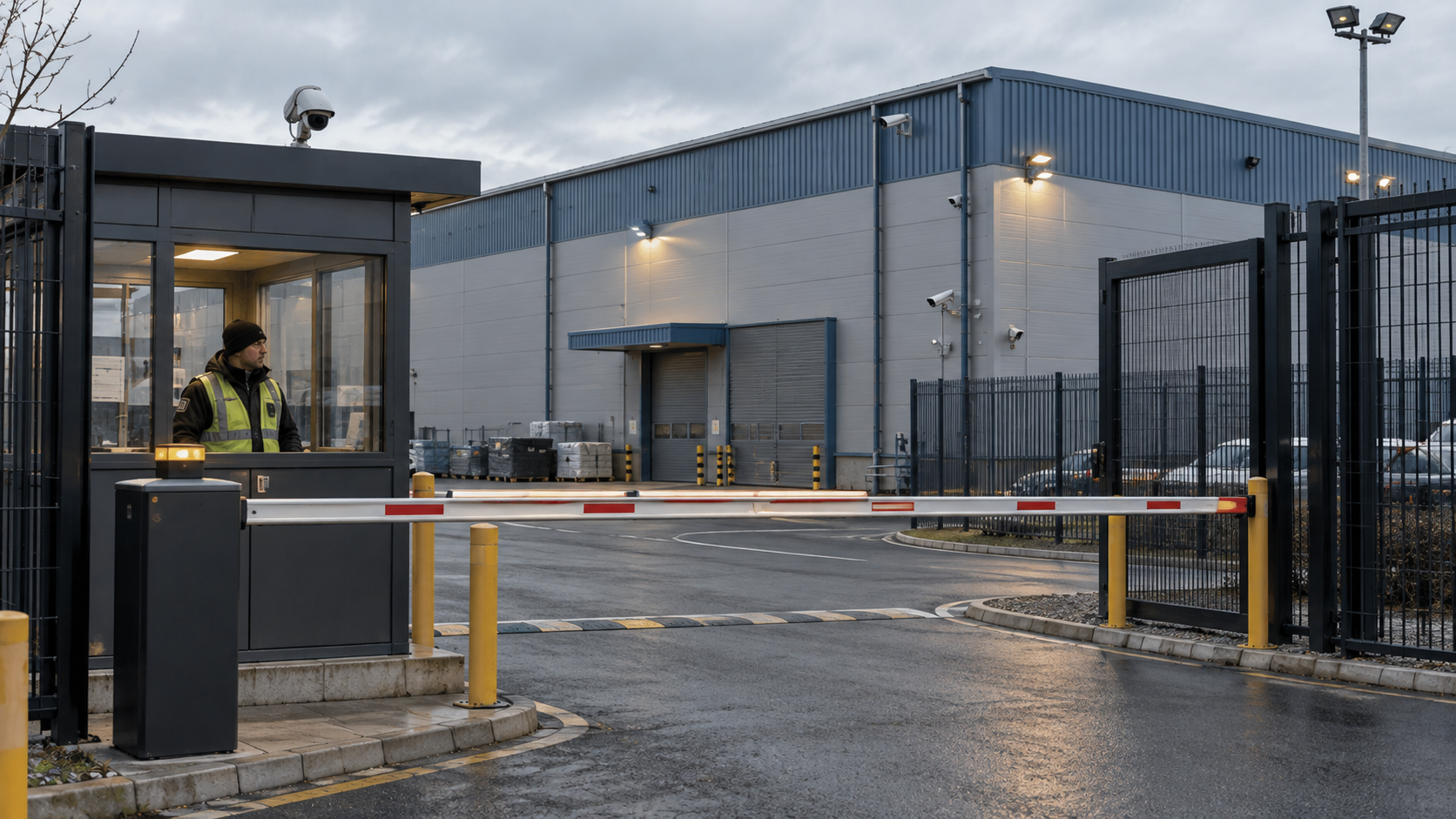
In larger retail parks and mixed-use sites, security duties extend beyond the shop floor to include car parks, service areas, and shared access routes. Early checks focus on unauthorised access points, lighting conditions, and any signs of tampering that could affect customer or staff safety. This broader oversight is particularly important in Welsh retail parks where multiple units share open public space.
Incident Logging and Daily Reporting
Accurate, consistent reporting underpins the operational value of retail security. Daily logs typically record theft attempts, antisocial behaviour, refusals of service, accidents, and interactions with emergency services. For business owners, these records support internal reviews, insurance discussions, and evidence-based decisions about adjusting security coverage.
Equipment and System Checks
Where retail security operates alongside CCTV, alarms, or access control systems, basic functionality checks are carried out at shift start. Guards are not technicians, but confirming that systems are operational allows issues to be escalated early, reducing reliance on systems that may not be functioning as expected during an incident.
Alarm Response and Early-Shift Incidents
In retail environments, alarms often relate to stock movement, emergency exits, or early opening procedures rather than forced entry. Trained personnel assess these situations calmly, verify the cause, and coordinate with store management where needed. This avoids unnecessary disruption to trading or escalation with customers.
Fire Safety and Safety Compliance Checks
Retail security personnel play a supporting role in fire and safety awareness by monitoring escape routes, emergency exits, and visible hazards during trading hours. This is particularly relevant during busy periods when displays, deliveries, or customer behaviour can unintentionally block exits or create risk.
Lighting and Visibility Management
Poor lighting increases theft risk and customer safety concerns. In Welsh retail parks and evening trading locations, routine checks of lighting conditions help identify areas where visibility is reduced, allowing temporary mitigation until permanent fixes are made.
Communication and Supervisor Oversight
Retail security operations rely on regular communication rather than constant supervision. Guards typically report incidents, concerns, or emerging patterns at agreed intervals, allowing adjustments to coverage if risk levels change during the day.
End-of-Shift Secure-Down Procedures
At shift end, security personnel support closing routines by confirming doors, access points, and restricted areas are secure. Clear end-of-shift reporting ensures that unresolved issues are documented and carried forward, maintaining continuity across trading days.
Shift Patterns and 24/7 Coverage Considerations
While most retail security in Wales is concentrated during trading hours, some locations require extended or overnight coverage due to stock value, location, or shared-site risks. In these cases, shift patterns are structured to maintain alertness and consistency rather than continuous presence without purpose.
Emergency Response Expectations
Retail security personnel are trained to act as first responders in line with site procedures, prioritising safety, communication, and coordination with emergency services. Response effectiveness is measured less by speed alone and more by how well incidents are contained and managed until support arrives.
Performance, Risks, and Operational Challenges for Retail Security in Wales
Retail security performance in Wales is best assessed through practical, outcome-focused measures rather than abstract activity levels. For business owners and facilities managers, the priority is whether security reduces loss, supports staff, and maintains stable trading conditions without introducing new operational risk.
Key Performance Indicators for Retail Security Effectiveness
Meaningful retail security KPIs focus on outcomes rather than presence alone. Common indicators include reduction in repeat theft incidents, fewer staff confrontations, improved incident resolution times, and consistency of reporting. Trends over time are often more valuable than isolated figures, particularly in locations where theft patterns fluctuate by season or footfall.
Retailers also benefit from monitoring how often security interventions prevent escalation, rather than simply recording incidents after loss has occurred.
Incident Reporting Quality and Risk Visibility
Accurate, consistent reporting is central to security performance. Clear incident logs allow retailers to identify repeat offenders, high-risk time windows, and vulnerable store layouts. In Wales, where retail crime is often opportunistic and footfall-driven, this visibility supports targeted deployment rather than blanket coverage.
Poor reporting creates blind spots that can undermine insurance discussions and make it difficult to justify security spending internally.
Weather and Environmental Impact on Retail Security
Weather conditions in Wales can directly affect retail security effectiveness, particularly in coastal towns, retail parks, and open high streets. Heavy rain, high winds, or reduced visibility can alter customer behaviour, reduce natural surveillance, and increase slip, trip, or conflict risks.
Security personnel adjust positioning and patrol emphasis during adverse weather, focusing on entrances, covered walkways, and car parks where incidents are more likely to occur.
Health and Shift-Length Considerations
Extended trading hours, seasonal peaks, and late-night opening periods can place strain on alertness and decision-making if coverage is poorly structured. For retailers, the risk is not staff fatigue as an employment issue, but reduced effectiveness during critical trading windows.
Well-planned shift structures support consistent observation and judgement, which directly affects theft prevention and staff safety.
Night-Time and Low-Footfall Risk Exposure
While most retail security in Wales is concentrated during daytime trading, some locations face increased risk during evenings due to reduced staffing, nearby hospitality venues, or transport links. Night-time coverage introduces different challenges, including lower natural surveillance and higher likelihood of antisocial behaviour rather than theft.
Retailers should assess whether evening coverage is justified by risk patterns rather than applying daytime models after hours.
Environmental and Regulatory Considerations
Outdoor retail security operations must account for environmental regulations and health and safety expectations, particularly where patrols include car parks, service roads, or shared public areas. Retailers benefit when security activity is proportionate and compliant, avoiding practices that could create liability or reputational risk.
Continuity and Service Stability Risks
Inconsistent security coverage can undermine performance even when individual personnel are competent. From a retail perspective, continuity matters because offenders quickly identify gaps or changes in coverage. Stable deployment supports pattern recognition, faster intervention, and reduced repeat incidents.
Retailers should view continuity as a risk management factor rather than a staffing concern.
Balancing Visibility With Customer Experience
One of the ongoing challenges in retail security is maintaining visible control without negatively affecting customer experience. In Wales, where many retail locations rely on tourism and local footfall, security must deter theft while remaining approachable and non-confrontational.
Performance is therefore measured not only by incidents prevented, but by whether the retail environment remains welcoming and commercially viable.
Technology and Future Trends in Retail Security Across Wales
Technology is increasingly shaping how retail security operates across Wales, but its role remains supportive rather than standalone. For retailers, the objective is to use technology to improve visibility, consistency, and decision-making while retaining human judgement where it matters most.
Integration of On-Site Security With CCTV Systems
CCTV remains a core component of retail security in Wales, particularly in city centres, shopping centres, and retail parks. When integrated with on-site security personnel, CCTV supports real-time monitoring rather than passive recording. Security staff can respond immediately to suspicious behaviour, reducing reliance on retrospective footage and improving incident outcomes.
Post-Pandemic Shifts in Retail Security Practices
Since the pandemic, retail security has placed greater emphasis on staff safety, customer interaction, and de-escalation. On-site personnel now play a broader role in managing confrontational behaviour linked to theft, refusals of service, and antisocial activity. Technology supports this shift by providing clearer visibility and faster escalation routes without removing the need for human intervention.
AI-Assisted Surveillance as a Support Tool
AI-driven analytics are increasingly used to flag unusual movement patterns, loitering, or repeated behaviour across retail spaces. In Wales, these tools help security teams focus attention during busy periods rather than continuously monitoring screens. AI assists observation but does not replace the judgement required to assess intent or manage customer interaction.
Remote Monitoring and Centralised Oversight
Remote monitoring centres complement on-site retail security by providing additional oversight during peak periods or lower-risk hours. For retailers, this layered approach allows security coverage to be scaled without maintaining constant physical presence at all times. Remote monitoring is most effective when it supports, rather than substitutes, on-site decision-making.
Limited and Contextual Use of Drone Technology
Drone technology remains limited in retail environments across Wales due to regulatory constraints, privacy considerations, and practicality. Where used, it is more relevant to large retail parks or distribution-linked sites rather than high-street locations. Drones are viewed as situational tools rather than routine security measures.
Predictive Analytics and Risk-Led Deployment
Predictive analytics increasingly inform when and where retail security is deployed. By analysing incident history, footfall patterns, and seasonal trends, retailers can target security coverage more precisely. In Wales, this supports cost-effective deployment during known risk windows such as weekends, tourist seasons, and major events.
Evolving Skill Expectations for Retail Security Personnel
While technology adoption increases, the most valuable skills for retail security personnel remain judgement, communication, and situational awareness. Familiarity with integrated systems such as CCTV platforms and digital reporting tools supports efficiency, but these tools are secondary to the ability to manage incidents calmly and lawfully.
Sustainability and Green Security Practices
Environmental considerations are becoming more relevant, particularly for outdoor retail parks and mixed-use developments. Practices such as energy-efficient lighting, reduced vehicle patrols, and smarter deployment planning support sustainability without compromising security outcomes. Retailers increasingly expect security strategies to align with broader environmental commitments.
Martyn’s Law and Future Retail Security Expectations
The introduction of Martyn’s Law will shape future retail security planning, particularly for larger stores, shopping centres, and venues with high public footfall. While not all retail sites will fall directly under its scope, the legislation reinforces expectations around preparedness, visible security measures, and proportionate risk management. For Welsh retailers, this will further emphasise the role of on-site security as part of a wider safety framework rather than a reactive service.
Conclusion
Retail security across Wales is ultimately about control, continuity, and proportionate risk management rather than reacting to isolated incidents. With varied trading environments ranging from busy city centres to coastal towns and retail parks, Welsh retailers face predictable exposure driven by footfall patterns, seasonality, and open public access. The most effective security decisions recognise these patterns and deploy protection where and when it delivers practical value.
Well-planned retail security supports staff confidence, reduces repeat loss, and demonstrates that reasonable preventative measures are in place for insurers, landlords, and regulators. It also allows businesses to adapt to changing risk conditions without overcommitting to unnecessary coverage. As expectations around public safety, documentation, and preparedness continue to evolve, retail security should be viewed as an operational safeguard rather than a discretionary expense.
For Welsh retailers, the question is rarely whether security is needed, but how it can be deployed intelligently to support stable, uninterrupted trading while balancing cost, compliance, and customer experience.
Frequently Asked Questions
Do all retail businesses in Wales need on-site security?
Not all retailers require permanent on-site security. The need depends on footfall levels, trading hours, stock value, location, and previous incident history. Many Welsh retailers use targeted security during peak risk periods rather than full-time coverage.
Is retail security mainly for preventing shoplifting?
Shoplifting is a major driver, but retail security also supports staff safety, manages antisocial behaviour, controls access, and helps prevent incidents from escalating into operational disruption or liability issues.
How do insurers view retail security arrangements?
Insurers assess whether reasonable preventative measures were in place at the time of an incident. Documented, risk-led security deployment can support claims discussions and demonstrate proactive risk management, even if it does not guarantee premium reductions.
Are CCTV systems enough on their own?
CCTV is valuable for monitoring and evidence, but it is reactive by nature. On-site retail security provides real-time judgement and intervention, which is often critical in preventing loss or managing confrontations as they occur.
Does retail security need to be in place all day?
Not necessarily. Many Welsh retailers focus coverage around peak trading hours, weekends, seasonal sales, or known risk windows. Targeted deployment is often more effective and cost-efficient than blanket coverage.
What legal requirements apply to retail security in Wales?
Retail security personnel must hold the appropriate SIA licence and be vetted in line with UK standards. Businesses also need to ensure compliance with data protection laws when security operates alongside CCTV or other monitoring systems.
How does retail security affect customer experience?
When deployed correctly, retail security supports a safe and welcoming environment. The goal is visible control without intimidation, ensuring customers feel comfortable while staff feel supported.
Is retail security relevant for smaller stores and local parades?
Yes. Smaller stores often face higher relative risk due to limited staffing and open layouts. Even part-time or shared security coverage can significantly reduce repeat theft and staff stress.
How should retailers review whether their security is working?
Effectiveness is best measured through trends rather than single incidents. Reduced repeat theft, improved incident handling, consistent reporting, and staff confidence are stronger indicators than raw incident counts alone.