Introduction
Retail businesses in Cardiff operate within a concentrated urban environment shaped by a busy city centre, major shopping destinations such as St David’s, strong evening economy activity, and regular event-driven footfall from sport, music, and tourism. This mix creates consistent exposure to shoplifting, antisocial behaviour, and staff confrontations, particularly during peak trading hours and late evenings. For many retailers, the challenge is not isolated serious incidents, but the cumulative impact of repeat low-level crime and disruption on day-to-day operations.
Recent statistics for Cardiff consistently shows that theft from shops and retail premises accounts for a significant proportion of reported offences within the city centre, reinforcing the ongoing risk faced by high-footfall retail locations. These patterns are especially pronounced around transport links, large retail complexes, and mixed-use areas where retail, hospitality, and nightlife overlap.
Retail security in Cardiff is therefore about maintaining operational control rather than relying on deterrence alone. Businesses must protect staff, safeguard stock, and ensure a safe trading environment in open, publicly accessible settings. On-site retail security provides the judgement and presence needed to manage behaviour in real time, adapt to local trading patterns, and prevent minor incidents from escalating into wider operational or reputational issues.

Retail Security Basics in Cardiff
What Retail Security Means in a Cardiff Context
Retail security in Cardiff and Newport involves trained, licensed personnel providing on-site oversight within shops, shopping centres, and retail parks. Their role extends beyond deterrence to managing customer behaviour, supporting staff, and maintaining safe trading conditions. In compact city centres where retail, transport, and leisure activity overlap, on-site security helps retailers retain control in environments with constant public access.
Retail Security vs Static and Remote-Only Measures
CCTV, alarms, and remote monitoring remain valuable tools for Cardiff retailers, particularly for evidence and after-hours protection. However, these systems are reactive by nature. On-site retail security operates preventatively, allowing immediate judgement and intervention. In busy locations such as St David’s, Queen Street, and retail areas near Cardiff Central, this visible presence often prevents low-level issues from escalating into staff confrontations or repeat loss.
Cardiff Retail Crime Patterns and Exposure
Retail crime in Cardiff is predominantly opportunistic and linked to footfall density rather than isolated serious incidents. Shoplifting, distraction theft, refund abuse, and antisocial behaviour occur most frequently during peak trading hours. Areas with high tourist movement, student populations, and transport connectivity experience sharper fluctuations in risk, requiring security measures that adapt to time and location rather than relying on static coverage.
High-Risk Retail Environments in Cardiff
City-centre stores, shopping centres, supermarkets, and fashion outlets face the highest exposure due to open layouts and predictable trading patterns. Retailers operating late hours or handling high-value, easily concealable goods experience additional pressure. Retail parks and mixed-use developments, where customers move freely between units, also require coordinated on-site oversight to manage shared risks.
Daytime and Evening Retail Security Risks
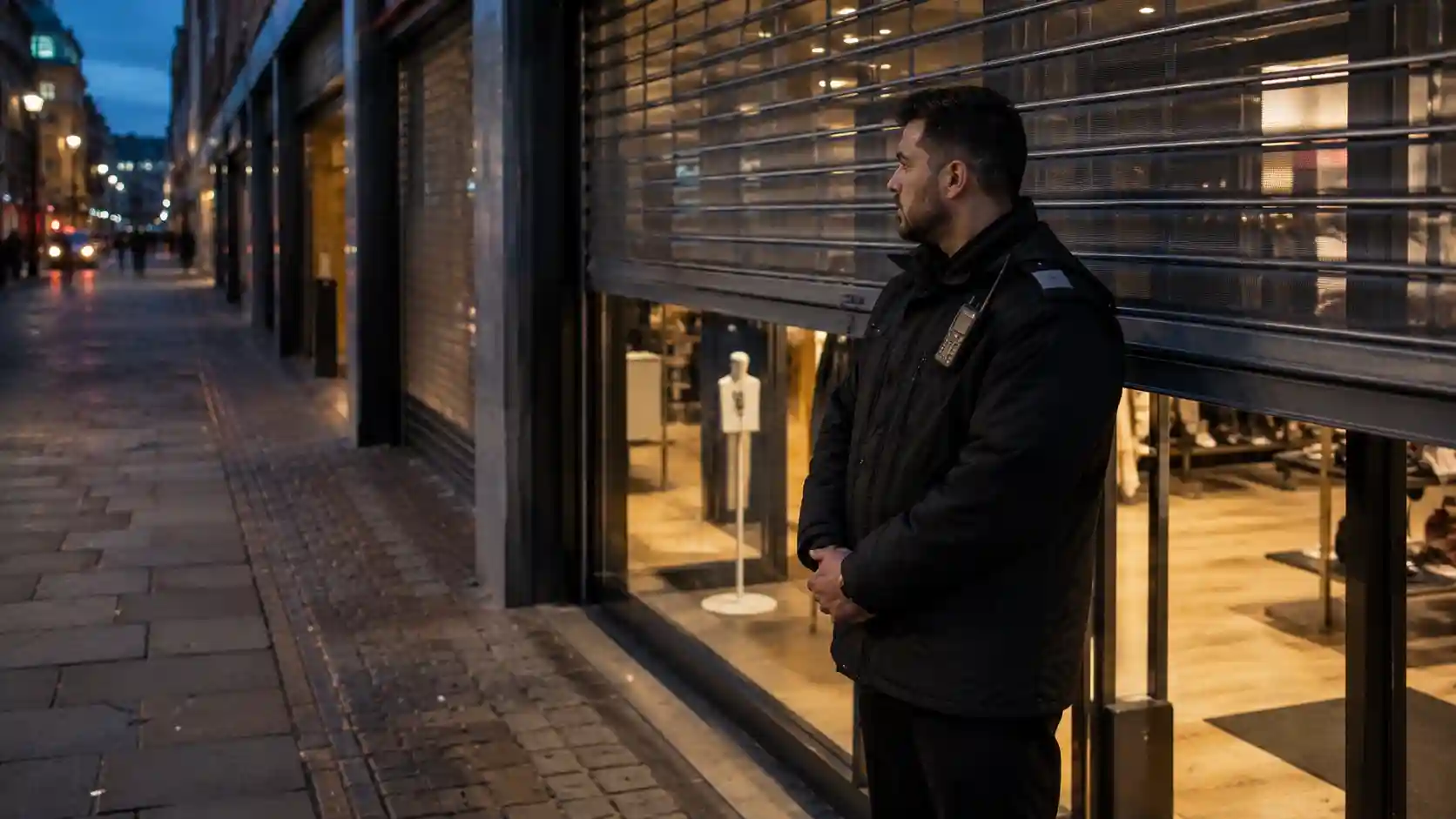
For most Cardiff retailers, risk peaks during daytime and early evening trading rather than overnight. Daytime exposure centres on theft and staff intimidation, while evening risks increasingly overlap with the city’s hospitality and event economy. Effective retail security strategies reflect these differences, adjusting coverage to match when and where incidents are most likely to occur.
Impact of Events and Seasonal Trading
Cardiff’s calendar of sporting events, concerts, and seasonal shopping periods creates sharp increases in footfall. These surges raise the likelihood of loss and disorder while stretching store staffing levels. Retail security is often strengthened temporarily during these periods to stabilise operations and protect staff, rather than applied uniformly throughout the year.
Economic Activity and Retail Security Demand
As Wales’ primary retail and commercial hub, Cardiff attracts consistent consumer traffic but also sustained pressure on shrinkage control. Retailers must justify security spend carefully, aligning it to measurable risk reduction. Targeted retail security focused on peak hours, high-risk locations, and seasonal pressure points tends to deliver the greatest operational and insurance value.
Legal and Compliance Requirements for Retail Security in Cardiff
SIA Licensing Requirements for Retail Security Staff
All individuals carrying out licensable retail security activities in Cardiff must hold a valid Security Industry Authority (SIA) licence. This applies to roles involving guarding premises, preventing theft, managing access, or responding to incidents. Retailers using unlicensed security personnel expose themselves to criminal liability, regardless of whether the guard is supplied by a contractor or engaged directly.
Legal Consequences of Using Unlicensed Security Personnel
Using unlicensed security staff is a criminal offence under UK law. Retailers in Cardiff can face substantial fines, reputational damage, and potential complications with insurers following an incident. Enforcement responsibility sits with the SIA, and liability rests with both the individual and the business benefiting from the security service.
Vetting Standards and DBS Expectations
Retail security providers are expected to comply with BS 7858 vetting standards, which cover identity verification, employment history, and background checks. While a DBS check is not legally mandatory for all retail security roles, enhanced vetting is often expected for staff working in high-value retail environments, late-night trading, or locations with frequent public interaction. Insurers and landlords increasingly view proper vetting as a baseline requirement.
Insurance Requirements for Retail Security Deployment
Retailers should ensure that any contracted security provider carries appropriate public liability and employer’s liability insurance. These policies protect the retailer if an incident involves a customer, staff member, or third party. Inadequate insurance coverage can invalidate claims and shift liability back to the business.
Data Protection and CCTV Compliance
Retail security operations in Cardiff must comply with UK GDPR and Data Protection Act 2018 requirements when interacting with CCTV systems or handling incident records. This includes lawful use of footage, appropriate data retention, and clear accountability for how security-related data is accessed and shared. Retailers remain responsible for compliance, even when CCTV monitoring or reporting is managed by a third party.
VAT Treatment of Retail Security Services
Retail security services are subject to standard-rate VAT. For Cardiff retailers, this affects total security spend and procurement planning, particularly for long-term contracts or multi-site operations. VAT treatment should be clearly defined within contracts to avoid disputes or unexpected cost increases.
Local Authority and Licensing Considerations in Cardiff
While Cardiff Council does not impose retail-specific security licensing beyond national regulation, security arrangements can form part of licensing conditions for stores operating extended hours or located near late-night economy areas. Retailers trading close to entertainment venues or transport hubs may face higher expectations around visible security presence.
Documentation and Compliance Assurance
Retailers should expect security providers to supply clear evidence of compliance, including SIA licence validation, insurance certificates, vetting records, and incident reporting procedures. This documentation is often required during audits, lease reviews, or following insurance claims.
Impact of Company Licensing and Regulatory Oversight
The UK’s move toward tighter regulation of security providers places greater responsibility on retailers to conduct due diligence. Working with non-compliant providers may reduce short-term costs but increases exposure to legal, operational, and insurance risk over time.
Employment Law and Working Time Compliance
Retail security deployment must comply with UK employment and working time regulations, particularly around shift length and rest periods. While these obligations sit primarily with the security provider, retailers can be affected operationally if non-compliance leads to staffing disruption or service failure.
Retail Security and Event-Driven Trading in Cardiff
Retailers operating during major events such as stadium fixtures or city-centre festivals often face heightened scrutiny around crowd control and safety. While retail security is not directly licensed under event regulations, visible and compliant security arrangements support safer trading and reduce the likelihood of enforcement or post-incident investigation.
Coordination with Local Policing and Business Partnerships
Retail security in Cardiff commonly operates alongside local policing initiatives and business groups, particularly in the city centre. While private security does not replace police responsibility, effective information sharing and incident escalation protocols improve response outcomes and support wider crime reduction efforts.
Costs, Contracts, and Deployment for Retail Security in Cardiff
Typical Cost Drivers for Retail Security in Cardiff
Retail security costs in Cardiff and across Wales are shaped by location, trading hours, and risk exposure rather than a single city-wide rate. City-centre locations particularly around St David’s, Queen Street, and areas close to transport hubs tend to command higher rates due to increased footfall, higher incident frequency, and longer trading hours. Suburban retail parks and neighbourhood parades usually see lower costs, reflecting more predictable activity patterns and reduced public interaction.
Cost is influenced less by the presence of security alone and more by when and where coverage is needed, such as peak shopping hours, evenings, weekends, and seasonal surges.
Deployment Timelines and Mobilisation
Retail security deployment in Cardiff is typically faster than in industrial or construction environments. Once requirements are defined, a compliant provider can usually mobilise within days rather than weeks, particularly for single-store coverage or short-term peak trading periods. More complex deployments such as shopping centres or multi-unit retail parks require additional planning around access protocols, reporting structures, and coordination with centre management.
Contract Lengths and Flexibility
Retail security contracts in Cardiff commonly range from short-term seasonal agreements to 12-36 month arrangements for high-risk or high-footfall locations. Many retailers favour flexible contracts that allow adjustments during sales periods, major events, or changes in trading hours. Longer contracts can offer cost stability but require careful scoping to avoid paying for unnecessary coverage outside peak risk periods.
Notice Periods and Contract Exit Considerations
Standard notice periods for retail security contracts typically fall between 30 and 90 days, depending on contract length and scale. Retailers should ensure notice terms align with lease reviews, store closures, or seasonal trading cycles to avoid being locked into unsuitable coverage as operational needs change.
Impact of Wage Pressures and Inflation on Pricing
Retail security costs have been affected by rising wage expectations and inflation, particularly where coverage involves long shifts or extended opening hours. In 2025, these pressures are reflected more in hourly rate adjustments than sudden price jumps. Underpriced contracts often result in inconsistent service delivery, which can undermine loss prevention and create operational risk for retailers.
Insurance Implications and Risk Reduction
Effective retail security can contribute to lower insurance risk profiles, particularly where it demonstrably reduces theft, staff incidents, or claims history. While security does not automatically reduce premiums, insurers often view visible, professional security arrangements as evidence of reasonable preventative measures especially for stores handling high-value stock or operating late hours.
Public Sector and Regulated Retail Environments
For publicly owned or council-linked retail spaces in Cardiff, procurement may be influenced by the Procurement Act 2023, which places greater emphasis on transparency, value for money, and supplier compliance. Retailers operating within these environments must ensure their security arrangements align with approved frameworks and documented procurement processes.
Training, Operations, and Daily Duties for Retail Security in Cardiff
Training Standards for Retail Security Environments
Retail security personnel operating in Cardiff are required to hold a valid SIA licence, supported by role-appropriate training that reflects the realities of public-facing retail environments. This includes conflict management, theft prevention, customer interaction, and incident reporting. For retailers, the value of training lies not in technical detail but in the guard’s ability to manage situations calmly, lawfully, and proportionately in busy trading conditions.
Shift Commencement and Site Familiarisation
At the start of each shift, retail security staff are expected to confirm site-specific instructions, trading hours, and any known risk factors for the day. This typically includes reviewing recent incidents, identifying high-risk product areas, and understanding expected footfall patterns. In Cardiff city centre stores, this preparation is particularly important during weekends, late trading nights, or periods of increased tourist activity.
Handover and Continuity of Coverage
Effective shift handovers ensure continuity and reduce operational gaps. Incoming security staff are briefed on theft trends, repeat offenders, staff concerns, or unresolved incidents from the previous shift. For retailers, this continuity reduces reliance on store staff to repeat information and ensures that security presence remains consistent and informed throughout trading hours.
Patrols, Presence, and Observation
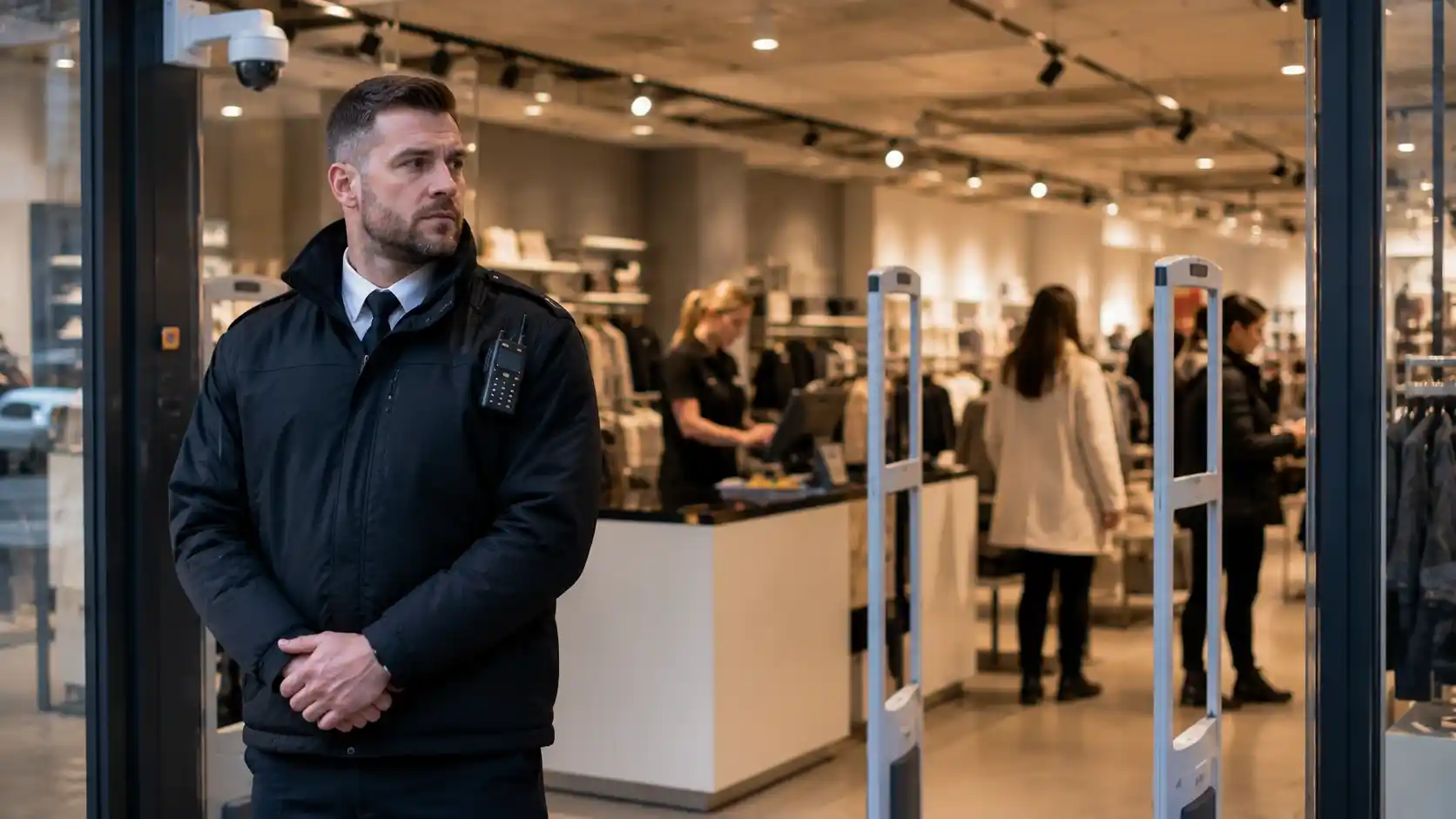
Retail security duties prioritise visibility and observation rather than rigid patrol schedules. In Cardiff retail settings, guards adjust their movement based on footfall, queue build-up, and known pressure points such as entrances, fitting rooms, and high-value displays. This flexible presence helps deter opportunistic theft and reassures staff without disrupting the customer experience.
Equipment and System Awareness
Security staff are expected to verify that essential systems such as radios, body-worn cameras (where used), and access points are functioning at the start of duty. Where CCTV is in place, guards operate as observers and responders rather than technicians, escalating faults or concerns through agreed channels. This approach ensures accountability without blurring operational responsibilities.
Incident Response and Alarm Handling
Security company Cardiff focuses on early intervention and controlled response. When alarms, confrontations, or suspected theft incidents occur, guards are trained to prioritise staff safety, lawful engagement, and clear communication. This reduces escalation risk and supports accurate incident documentation should follow-up action be required.
Access Control and Visitor Management
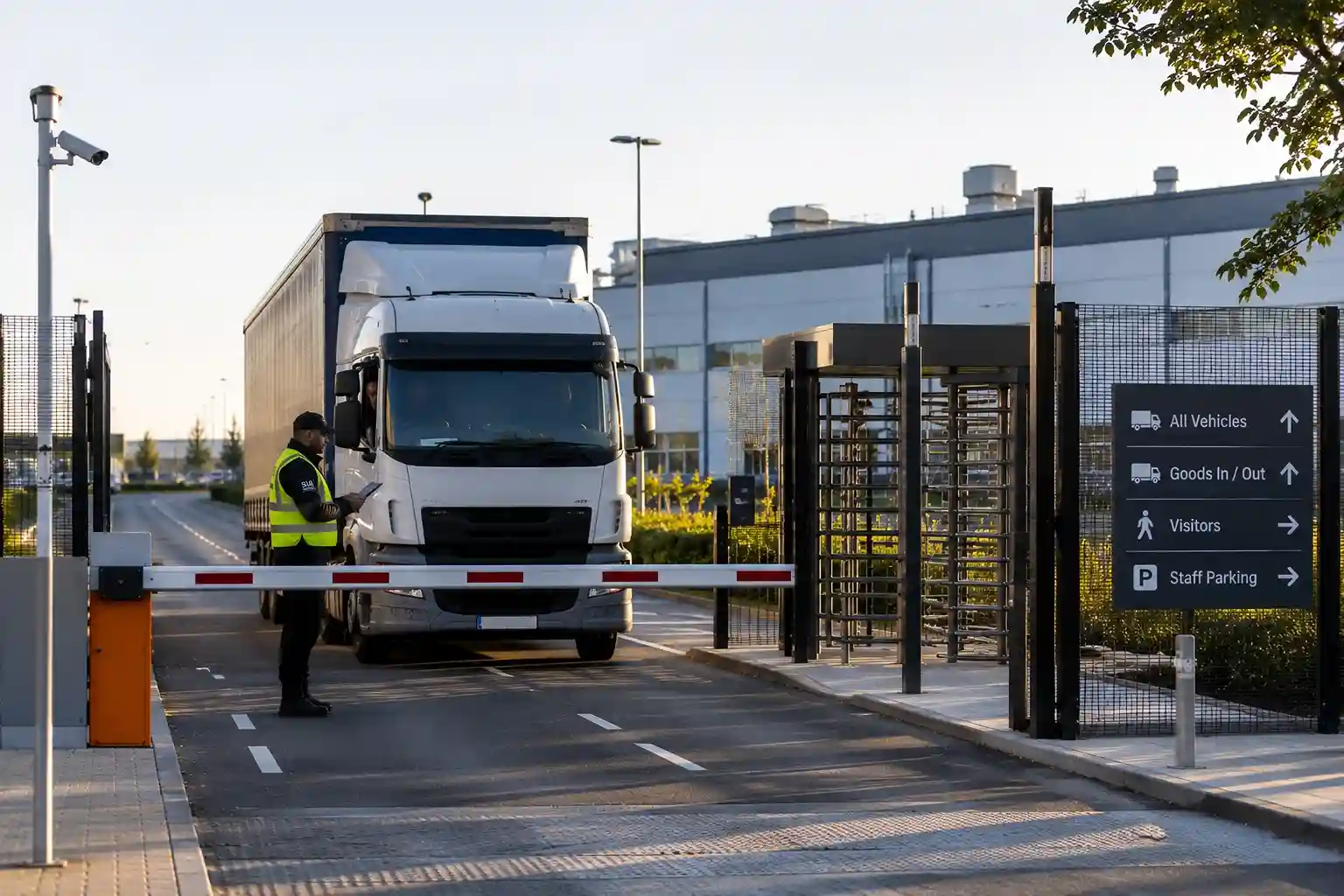
While most retail environments are open access, security staff often play a role in managing deliveries, contractors, or restricted back-of-house areas. Clear logging and verification processes help retailers maintain accountability and reduce unauthorised access, particularly in mixed-use developments or shopping centres.
Fire Safety and Environmental Awareness
Retail security personnel maintain awareness of fire exits, alarm points, and evacuation procedures. Routine visual checks help identify blocked exits, faulty lighting, or hazards that could impact customer safety. For retailers, this supports compliance and reduces the likelihood of enforcement or insurance issues following an incident.
Reporting, Documentation, and Oversight
Accurate reporting underpins effective retail security. Guards maintain clear incident logs covering theft attempts, aggressive behaviour, refusals of service, and safety concerns. These records support management decisions, insurance claims, and ongoing risk assessment without placing additional reporting burdens on store teams.
Shift Patterns and Coverage Models
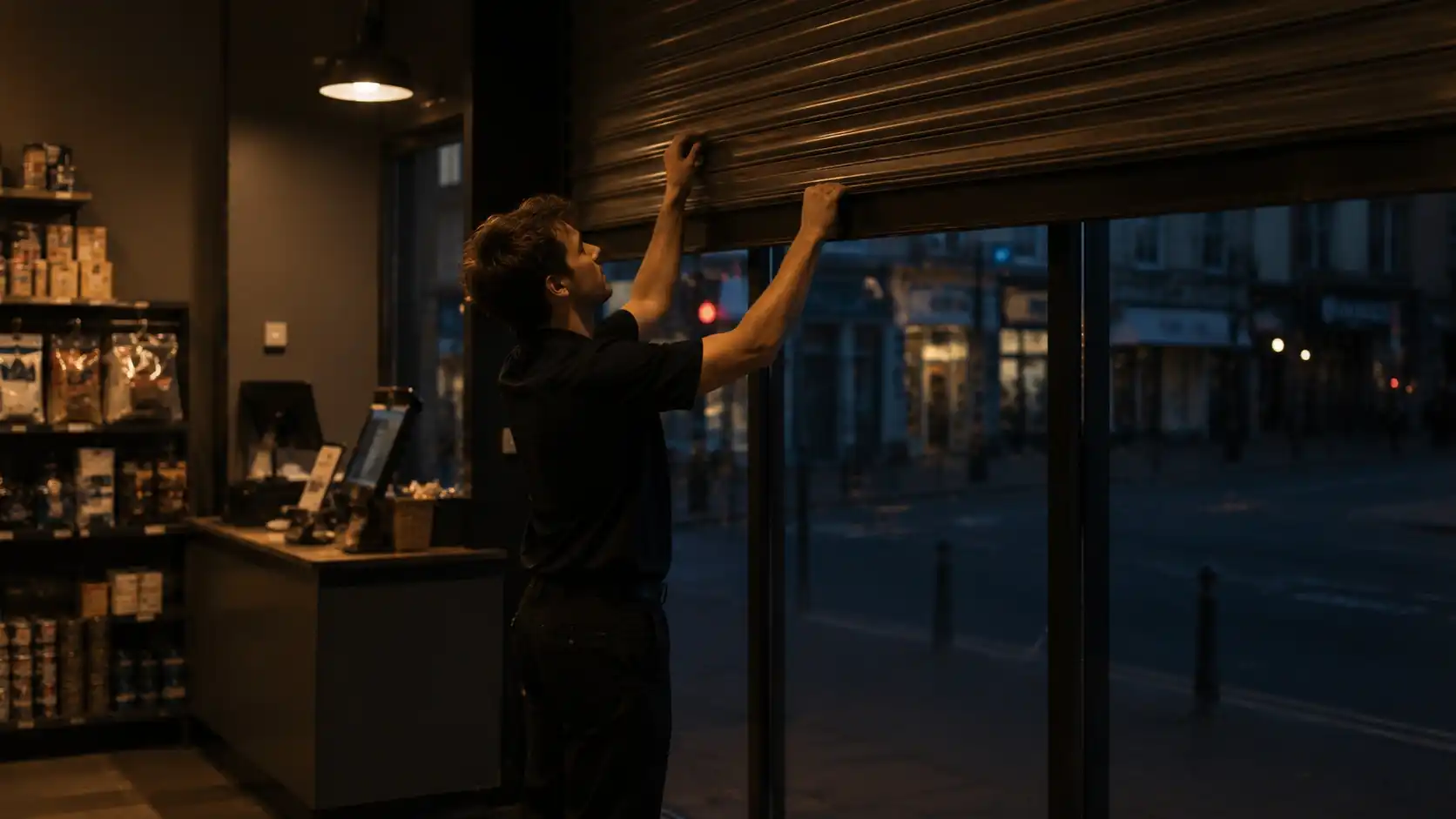
Retail security coverage in Cardiff commonly aligns with trading hours rather than 24/7 deployment. Peak-time coverage late afternoons, evenings, weekends, and seasonal surges is prioritised over overnight guarding for most retail environments. This targeted approach balances cost control with meaningful risk reduction.
Performance, Risks, and Operational Challenges in Retail Security Cardiff
Measuring Retail Security Performance Effectively
For Cardiff retailers, security performance is best assessed through outcome-based indicators rather than activity volume. Useful measures include reductions in known theft incidents, improved staff reporting confidence, response quality during confrontations, and consistency of incident documentation. These indicators help businesses understand whether guarding is actively reducing risk rather than simply providing presence.
Visibility Versus Intervention Balance
One of the key operational challenges in retail environments is balancing deterrence with customer experience. In Cardiff’s busy shopping streets and centres, overly passive security can reduce effectiveness, while overly assertive intervention can create complaints or reputational risk. High-performing retail security focuses on situational judgement knowing when presence alone is sufficient and when discreet intervention is necessary.
Environmental and Weather-Related Risks
Weather plays a subtle but important role in retail security effectiveness. Poor weather conditions in Cardiff such as heavy rain or strong coastal winds can drive higher footfall into enclosed retail spaces, increasing congestion, reduced visibility, and opportunistic theft. Security operations must account for these shifts in behaviour rather than treating weather as a background factor.
Documentation and Incident Accuracy
Clear, factual incident reporting is critical for retail environments where disputes, theft accusations, or exclusions may later be challenged. Guards are expected to document events accurately and consistently, including timings, actions taken, and outcomes. For retailers, high-quality reporting supports internal reviews, insurance claims, and lawful decision-making without escalating minor incidents unnecessarily.
Managing Fatigue and Long Trading Hours
Extended trading hours particularly during weekends, sales periods, or seasonal peaks can impact alertness and decision-making if not managed carefully. While staffing models sit outside the retailer’s direct control, understanding how fatigue affects vigilance helps businesses specify appropriate coverage windows and avoid false economies created by excessive shift lengths.
Mental Load in Public-Facing Retail Security
Retail security roles involve frequent low-level conflict, verbal abuse, and confrontation. While this does not typically escalate to serious incidents, cumulative exposure can affect judgement and response quality. Effective retail security provision recognises this operational pressure and prioritises calm, consistent engagement over reactive enforcement, reducing risk to staff and customers alike.
Regulatory and Environmental Constraints
Retail security operations must remain compliant with environmental and safety regulations, particularly where outdoor patrols or car park monitoring are involved. This includes awareness of lighting standards, access routes, and public safety obligations. Poor environmental conditions increase slip, trip, and liability risks, which directly affect retailers rather than security providers.
Risk of Under-Specification and False Economy
A common challenge for Cardiff retailers is under-specifying security requirements to control costs. In practice, this often leads to inconsistent coverage, reduced deterrence, and increased loss. Performance issues in these cases are rarely due to guarding itself but to misalignment between site risk, trading patterns, and coverage design.
Operational Consistency Across Multiple Sites
For retailers operating multiple Cardiff locations or stores within shopping centres, maintaining consistent security standards can be challenging. Differences in footfall, layout, and local risk profiles require adaptation without losing oversight. Clear reporting structures and defined performance expectations help businesses maintain control without micromanaging security delivery.
Technology and Future Trends in Retail Security (Cardiff)
The Changing Role of Technology in Retail Guarding
Technology has reshaped how retail security operates in urban centres like Cardiff, but it has not removed the need for on-site guards. Instead, tools such as digital reporting, live incident tracking, and integrated CCTV systems allow guards to act with better context and faster escalation. For retailers, this means improved visibility of risk without losing the human judgement that retail environments depend on.
Post-COVID Shifts in Retail Security Expectations
Since COVID, retail security has become more focused on crowd flow, conflict management, and situational awareness rather than purely loss prevention. Cardiff retailers now expect guards to manage queue pressures, respond calmly to customer disputes, and adapt to fluctuating footfall patterns driven by hybrid working and tourism. Technology supports this shift by providing real-time insight rather than rigid patrol routines.
AI Surveillance as a Support Tool, Not a Replacement
AI-enabled surveillance is increasingly used in Cardiff retail settings to highlight unusual behaviour patterns, repeated dwell time, or out-of-hours movement. These systems do not replace guards but help prioritise attention in busy environments. For decision-makers, the value lies in reducing missed incidents while avoiding excessive monitoring that could create privacy or reputational concerns.
Remote Monitoring and Retail Risk Coverage
Remote monitoring now commonly complements on-site retail security, particularly outside peak trading hours. In Cardiff, this approach is useful for early mornings, late evenings, or back-of-house areas where constant physical presence may not be cost-effective. When integrated properly, remote systems support guards with verification and escalation rather than operating as a disconnected layer.
Drones and Their Limited Retail Application
While drone patrols are gaining attention in large industrial or infrastructure settings, their application in retail remains limited. In Cardiff, drones are more relevant to large retail parks or peripheral car parks rather than high-street environments. Retailers should view drones as situational tools rather than a core security strategy.
Predictive Analytics and Risk Forecasting
Predictive analytics is increasingly used to assess retail risk based on footfall patterns, trading hours, seasonal events, and historical incident data. For Cardiff retailers, this supports better decisions around when security presence is most needed rather than defaulting to uniform coverage. The benefit is improved cost control without increasing exposure.
Evolving Skills and Competency Expectations
While certification requirements remain stable, the skill profile expected of retail guards is evolving. Greater emphasis is now placed on digital incident reporting, evidence handling, and interaction with technology platforms. For retailers, this matters less as a training issue and more as a quality benchmark when assessing providers.
Green and Sustainable Security Practices
Environmental considerations are becoming more relevant in retail security planning. Cardiff retailers increasingly expect low-energy equipment, reduced vehicle patrols, and smarter scheduling to minimise environmental impact. These practices also align with public-facing sustainability commitments without compromising security outcomes.
Martyn’s Law and Its Implications for Retail Venues
Martyn’s Law will influence how publicly accessible retail spaces assess and document security risk. While not all Cardiff retail premises will fall under the highest tiers, shopping centres and larger stores will face greater expectations around preparedness, escalation planning, and guard awareness. Technology will support compliance, but on-site human presence will remain central to effective implementation.
Conclusion: Making Informed Retail Security Decisions in Cardiff
Retail security in Cardiff is shaped by a combination of dense city-centre trading, strong tourism, seasonal events, and varied retail formats ranging from independent stores to national chains. Areas such as St David’s Shopping Centre, Queen Street, Cardiff Bay, and transport-linked retail zones experience predictable fluctuations in footfall and risk that cannot be addressed by technology alone.
Manned retail security remains relevant not because crime is exceptional, but because retail environments are open, dynamic, and people-led. Guards provide immediate judgement, visible reassurance, and real-time response in situations where delays or misjudgement can quickly affect staff safety, customer experience, or trading continuity. For many Cardiff retailers, this role is less about reacting to serious incidents and more about preventing routine issues from escalating.
Effective retail security decisions depend on understanding local risk patterns, legal responsibilities, and operational realities rather than default assumptions. When planned properly, manned guarding supports insurance expectations, protects staff, and helps businesses trade with confidence during both peak and quieter periods. The goal is not maximum coverage, but proportionate, well-structured protection aligned to how and where the business actually operates.
Frequently Asked Questions: Retail Security in Cardiff
Do all Cardiff retailers need manned security?
Not necessarily. Manned security is most appropriate for retailers with high footfall, late trading hours, high-value stock, or repeated incidents. Smaller or lower-risk stores may rely on alternative measures unless local conditions change.
How does retail security differ between Cardiff city centre and suburban areas?
City-centre retailers typically face higher footfall volatility, tourist-related incidents, and late-night risks. Suburban stores often experience lower frequency incidents but may face increased vulnerability during quieter trading periods.
Is CCTV alone enough for retail security?
CCTV supports investigation and deterrence but cannot intervene in real time. In busy retail environments, on-site security provides immediate judgement and presence that cameras alone cannot replicate.
What legal checks should Cardiff retailers expect from a security provider?
Retailers should expect SIA-licensed guards, BS 7858 vetting, appropriate insurance cover, and clear GDPR-compliant processes when CCTV or incident data is involved.
How quickly can retail security be deployed in Cardiff?
Deployment times depend on site complexity and risk level. Planned coverage can usually be mobilised within days, while urgent short-term cover may be arranged more quickly where compliance requirements are already met.
Can retail security help reduce insurance risk?
Yes. Insurers often view visible security, structured patrols, and documented incident response as risk-reducing measures, particularly for high-value or late-trading retailers.
How does manned security support staff wellbeing?
A visible security presence reduces confrontation risk for retail staff, provides reassurance during difficult interactions, and allows employees to focus on trading rather than conflict management.
Will Martyn’s Law affect small retail businesses in Cardiff?
Most small retailers will not face the highest obligations, but larger stores and shopping centres will need clearer risk assessments, escalation procedures, and staff awareness including security coordination.
Is retail security only needed during evenings?
No. While evening hours carry higher risk, daytime security is increasingly used to manage shoplifting, antisocial behaviour, and staff safety during peak footfall periods.
How should retailers review whether their current security setup is adequate?
Retailers should periodically review incident patterns, footfall changes, trading hours, and insurer feedback. Security should evolve with the business, not remain fixed by historical decisions.