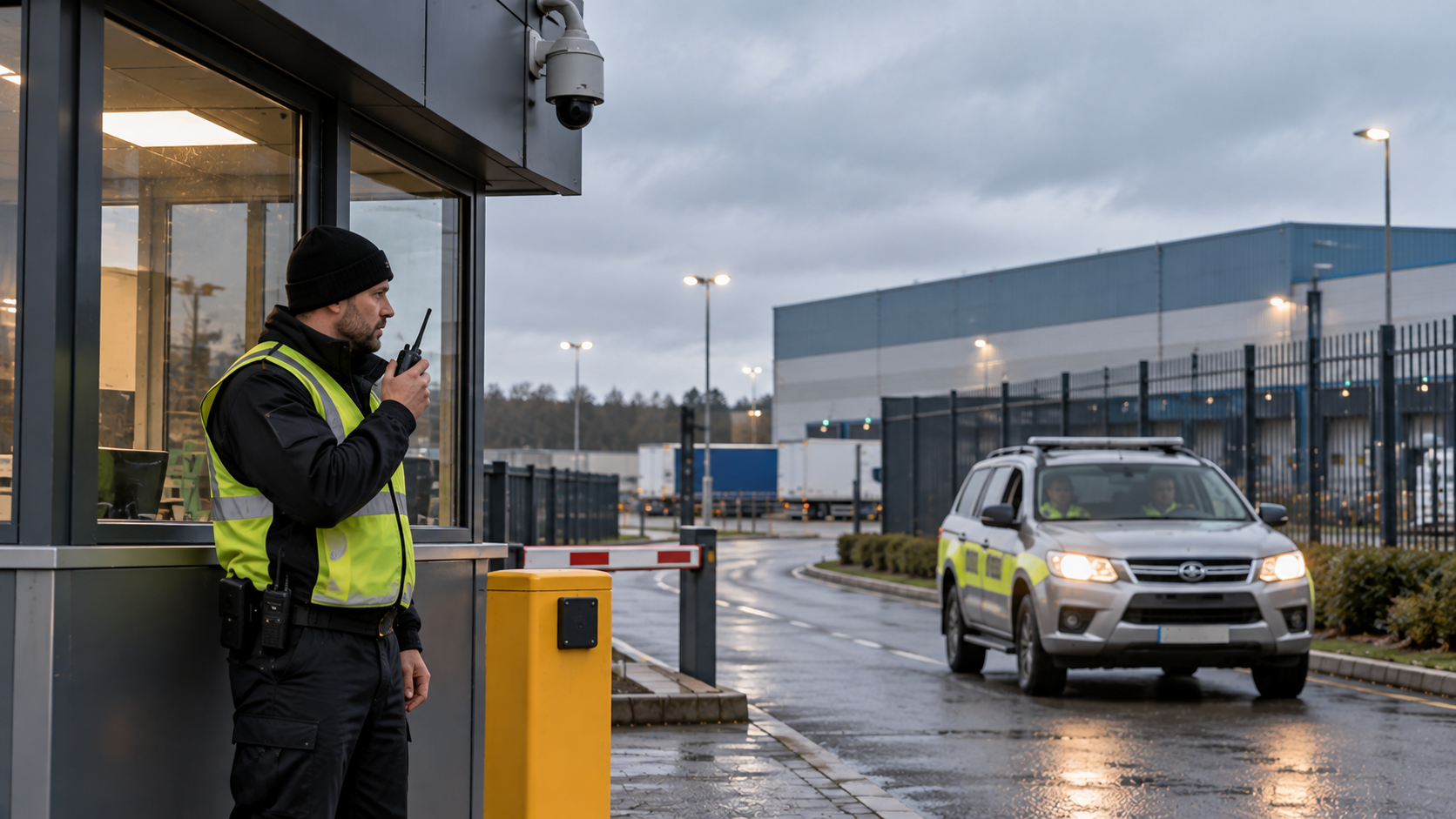
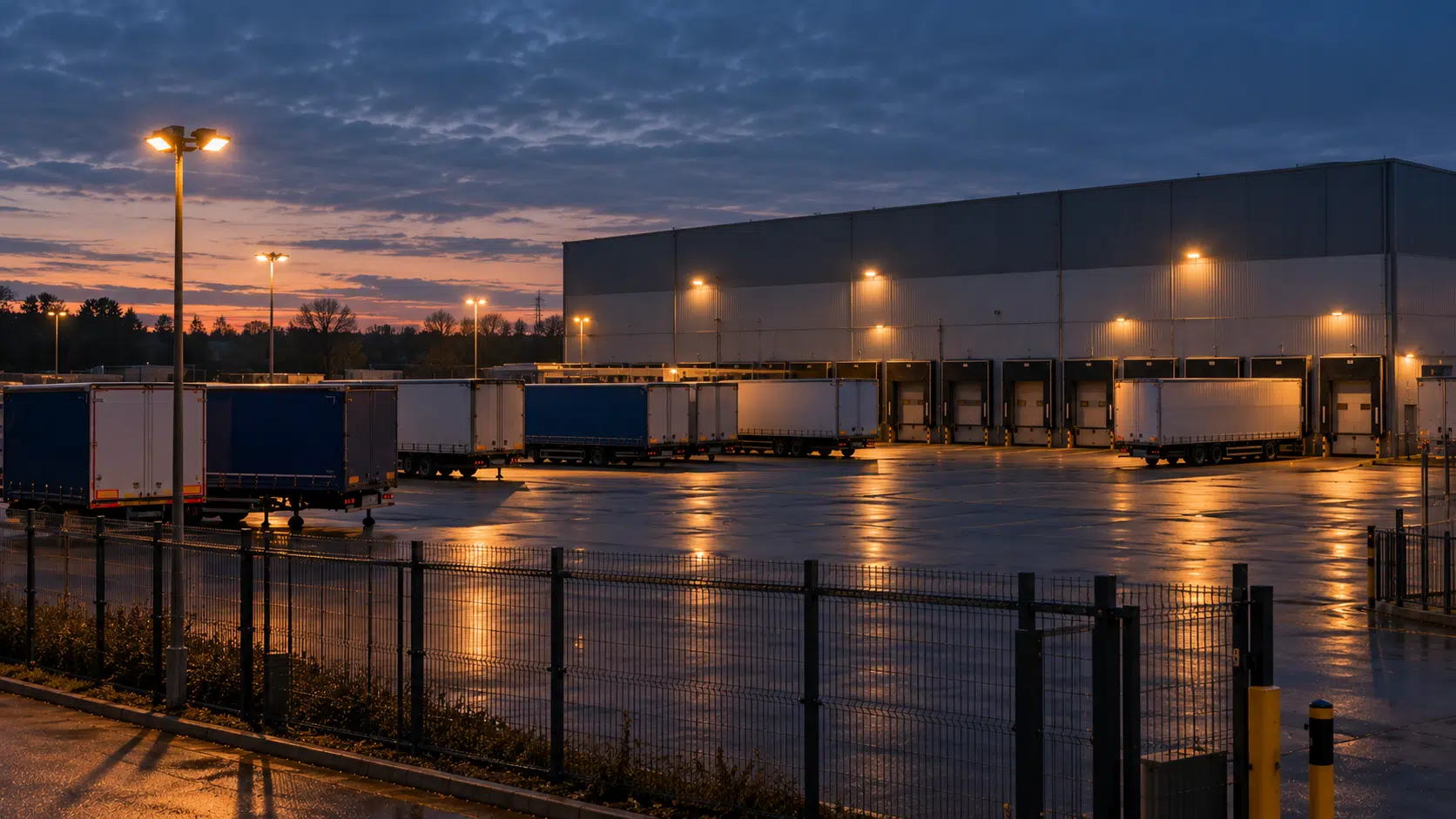
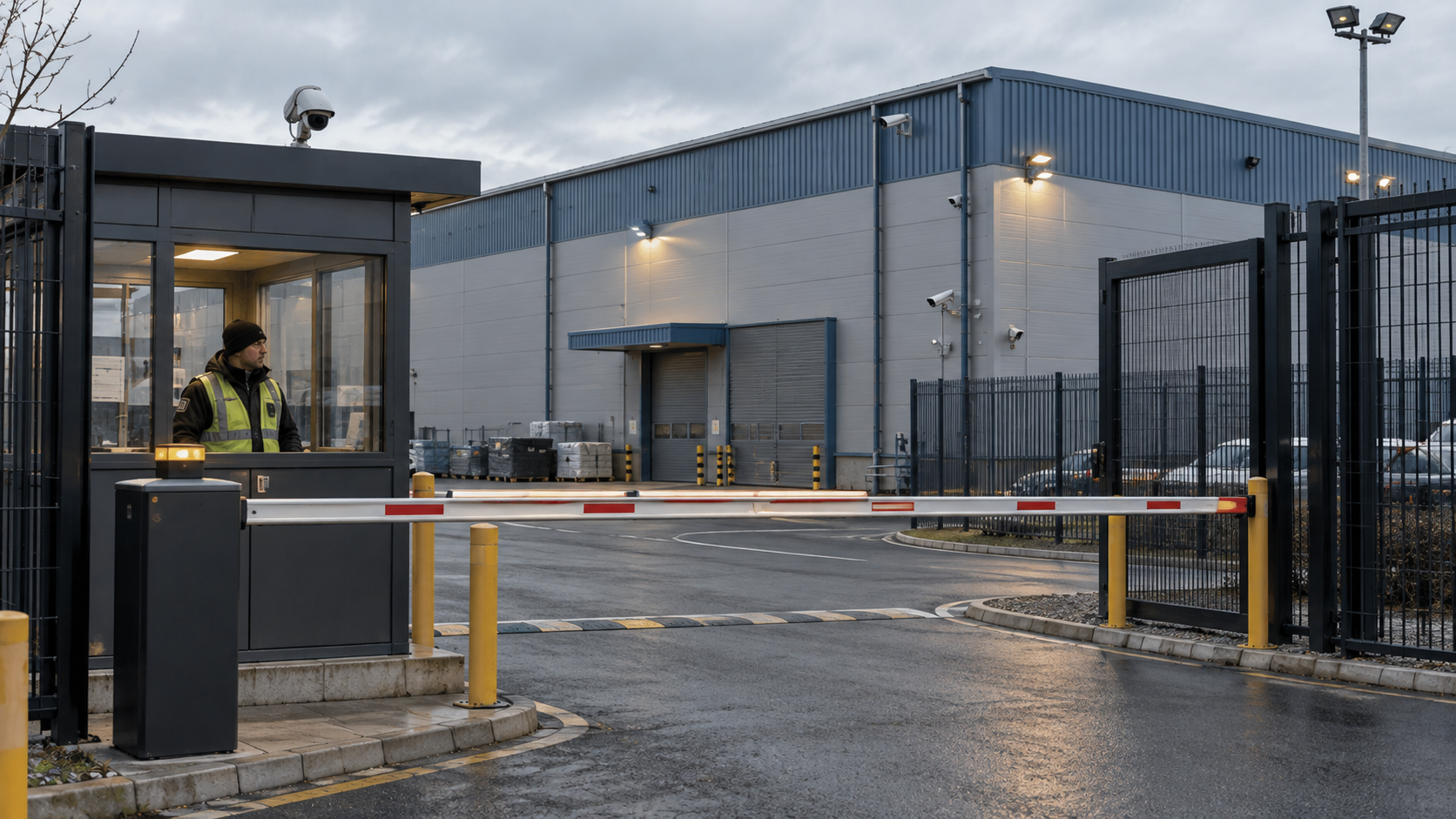
Factories across Sandwell don’t look the same as they did a few years ago. Supply chains move faster. Stock turns over quicker. And criminals? They’ve adapted just as fast. That shift is exactly why Sandwell businesses need factory security that reflects how industrial sites actually operate today, not how they worked a decade ago.
In areas like Smethwick and West Bromwich, theft isn’t always loud or chaotic. It’s organised. Timed. Sometimes invisible until a vehicle, pallet, or machine simply doesn’t arrive where it should. That’s forced many local manufacturers to rethink access points, out-of-hours cover, and how much responsibility really sits on their shoulders.
There’s also the legal side, which often catches owners off guard. New safety duties, stronger expectations from insurers, and closer alignment with local policing priorities mean security is no longer optional or reactive.
Understanding Factory Security Basics in Sandwell
Factory security in Sandwell isn’t just a bigger version of static guarding. It’s broader, messier, and far more exposed to real-world pressure. That difference is exactly why Sandwell businesses need factory security designed for working industrial sites, not quiet offices or empty retail units.
What Factory Security Really Means
Other security usually focuses on one thing, and it is presence. A guard at a desk, a door being watched and a log signed.
But Factory security is different from that. It has to move with the site. Vehicles may arrive early, contractors drift in late, and deliveries don’t always follow the schedule. But they manage it right to prevent any issues on site.
Factory security covers:
- vehicle movements and loading bays
- perimeter breaches, not just doors
- staff behaviour, visitors, and third-party drivers
- incidents that start small and escalate fast
That complexity is where other security models struggle.
How Sandwell’s Crime Patterns Raise The Stakes
Sandwell’s industrial estates sit close to residential zones and arterial routes. That combination matters when thinking about security.
Opportunistic theft blends with organised activity, especially around high-value goods and vehicle access. Crime here isn’t random; it’s observant.
Factories feel it first through:
- Unexplained stock loss
- Unauthorised vehicle access
- Repeated “testing” of gates and fences
This is why factory security can’t be passive.
Peak Risk Hours For Sandwell Factories
Contrary to expectation, risk isn’t limited to midnight shifts. Some of the most common incidents happen during transition periods:
- Early mornings before supervisors arrive
- Late afternoons when shifts overlap
- Weekends when skeleton crews are present
These gaps are predictable. Criminals know them.
Sandwell-Specific Vulnerabilities on Industrial Sites
Local factories face a few recurring weak points:
- Shared access roads between multiple units
- Poorly controlled visitor parking
- Ageing fencing and blind perimeter corners
- Mixed-use estates with foot traffic cutting through
Security plans that ignore these realities don’t last long.
Tackling Anti-Social Behaviour on Factory And Industrial Sites
Anti-social behaviour isn’t just a public issue. It spills into factory environments through trespassing, vandalism, intimidation of staff, and nuisance gatherings after hours. Factory security addresses this by being visible, mobile, and consistent. A calm challenge at the right moment often prevents escalation later.
Why Rising Retail Theft Affects Factory Security
As retail theft rises across Sandwell, displacement follows. Activity shifts toward distribution points, storage units, and factories with visible goods. That’s driven demand for daytime factory security patrols, not just night cover.
Guards are now expected to:
- Monitor loading areas during business hours
- Deter theft before goods leave the site
- Support staff rather than react after losses occur
Day Risks vs Night Risks: Not the Same Problem
Daytime risks often involve people, while the night-time risks involve more of the access.
- Day: distraction theft, unauthorised visitors, internal issues
- Night: perimeter breaches, vehicle theft, vandalism
Factory security has to flex between both without becoming bloated or expensive.
How Sandwell’s Economy Shapes Security Demand
Sandwell’s push for regeneration, logistics growth, and light manufacturing brings opportunity. It also brings footfall, contractors, and unfamiliar faces. More movement means more variables.
As industrial activity grows, so does the need for factory security that understands local pressures, not just generic risk models. Growth without protection creates gaps. And gaps, sooner or later, get noticed.
Legal and Compliance Requirements in Sandwell
Legal compliance is one of the quiet reasons why Sandwell businesses need factory security that’s properly set up. When something goes wrong in the factory work. Paperwork is usually the first thing inspectors, insurers, or solicitors ask for. And in Sandwell, the rules are enforced more tightly than many operators expect.
SIA Regulations For Security Guards in the West Midlands
Any guard carrying out manned guarding duties must hold a valid licence. And this license should be from the Security Industry Authority. This applies across the West Midlands, including all Sandwell industrial estates. The licence confirms that training, identity checks, and criminal record screening have been completed.
Using unlicensed guards isn’t a grey area. It’s illegal and faces hefty penalties. This includes:
- High Fines
- Criminal prosecution
- Invalidated insurance cover
- Contract termination by clients or landlords
Once that happens, recovery is expensive and slow.
DBS Checks And Suitability of Factory Security Staff
Not every role legally requires an enhanced DBS check. But many Sandwell factories insist on it anyway. Sites handling controlled goods or high-value materials often make DBS clearance vital. They do it even where the law doesn’t strictly mandate it. From a risk perspective, that’s sensible.
Insurance Requirements For Factories Using Security Services
Factories hiring security must ensure the provider carries appropriate cover. Insurance is vital in this line of work. At a minimum, this usually includes:
- Public liability insurance
- Employer’s liability insurance
- Professional indemnity (where advisory services are involved)
If a guard causes damage or mishandles an incident, the factory can still be dragged into claims if insurance is missing or inadequate.
CCTV, Data Protection, And Factory Security
Factory security increasingly integrates CCTV, access logs, and body-worn cameras. That brings UK data protection law into play. Guards must operate within GDPR rules: lawful use, clear signage, controlled access to footage, and proper retention periods. Poor handling of data can trigger fines that outweigh the original security budget.
VAT and Financial Compliance for Manned Guarding
Manned security services in the UK are subject to VAT. If a provider tries to avoid VAT or offers suspiciously low rates by misclassifying services, the liability doesn’t just sit with them. HMRC can investigate both sides of the contract.
Local Authority And Construction-Site Obligations
Sandwell Council places additional expectations on construction and redevelopment sites. They do particularly where public access or shared boundaries exist. Temporary factory security often plays a role in meeting planning and safety conditions. It often does during build phases.
Proving a Security Company’s Compliance History
Reputable providers should be able to evidence compliance quickly. If these documents aren’t readily available, that’s a warning sign. This usually includes:
- Active SIA licences for all guards
- Company accreditation, such as the SIA Business Approval Scheme (BAS)
- Insurance certificates
- Incident reporting procedures
- Training and audit records
Licensing, Labour Law, and Post-Brexit Realities
Recent SIA licensing changed and made tighter labour enforcement. It has influenced how guards are recruited and paid in the West Midlands. Overtime must comply with UK employment law without any issues. It should include rest periods and holiday pay calculations.
Post-Brexit, EU nationals working in factory security must also hold the right-to-work status. Factories relying on non-compliant labour can face penalties, even if the guards are outsourced.
Collaboration With Policing And Local Partnerships
Private factory security doesn’t operate in isolation. Many deployments are shaped by intelligence shared with West Midlands Police. It includes crime pattern data and hotspot activity. Some Sandwell sites also align with local business crime partnerships. Such as the Sandwell BCRP, to standardise reporting and response.
Done properly, compliance isn’t a burden. It’s what keeps factory security credible, defensible, and fit for purpose in Sandwell’s regulatory environment.
Costs, Contracts, and Deployment in Sandwell
Money always comes up early in the conversation. But when factories ask why Sandwell businesses need factory security, cost is rarely the real concern. Uncertainty is what really matters in here. Pricing, timelines, contracts, these are the areas where assumptions quietly go wrong.
Typical Factory Security Costs Across Sandwell
Costs vary noticeably depending on location and site profile. A factory near Sandwell town centres or shared industrial estates usually carries a higher risk profile than a fenced, single-occupancy unit on the outskirts. That shows up in pricing.
City-adjacent and high-footfall areas tend to cost more because they involve:
- Increased interaction with the public
- Higher incident reporting expectations
- Greater demand for mobile patrols
Suburban and edge-of-estate sites are often simpler to secure, which helps control spending.
How Fast Factory Security Can Be Deployed
In most cases, deployment isn’t a drawn-out process. Once site risks are mapped and shifts agreed, a factory security team can often be placed within days, not weeks. Delays usually come from internal approvals, not security firms.
Emergency cover, for post-incident protection or short-notice shutdowns, will be notified. And they can be arranged within 24 hours. Long-term planning just makes it cheaper and smoother.
Contract Lengths in the West Midlands
Most factory security contracts in the West Midlands sit somewhere between flexibility and stability.
Common arrangements include:
- rolling monthly contracts for uncertain operations
- 6–12 month terms for established factories
- multi-year agreements for regulated or high-risk sites
Longer contracts usually reduce hourly costs, but only if staffing levels remain realistic.
Ending or Changing Security Contracts
Notice periods are often overlooked. Standard terms typically range from 30 to 90 days. Shorter notice gives flexibility but increases cost. Longer notice reduces rates but locks you in. There’s no universal right answer, just trade-offs.
Factories that negotiate change clauses early are better. As it lets them avoid disputes later when production patterns shift.
Wage Pressure and 2026 Cost Reality
Security wages have risen steadily, and 2026 hasn’t reversed that trend. Higher minimum pay, tighter labour supply, and licensing requirements all feed into hourly rates. Cutting corners here doesn’t lower risk; it usually increases it.
Inflation also affects uniforms, vehicles, training, and insurance. Fixed-price contracts without review clauses tend to strain service quality over time.
Security and Insurance Premiums
Well-structured factory security can directly support lower insurance premiums. Insurers look for:
- documented patrol routines
- incident logs
- access control procedures
- professional oversight
Security that’s visible on paper as well as on-site often strengthens renewal negotiations.
Public Sector Contracts and The Procurement Act 2023
For public or semi-public factories in Sandwell, the Procurement Act 2023 has reshaped how contracts are awarded. There’s more emphasis on transparency, performance history, and value. It is not just about the lowest bid.
That means security providers are being judged on compliance, reporting, and delivery consistency. For clients, it raises standards but also reduces risk.
Deployment Is About Fit, Not Force
The most expensive mistake factories make isn’t overpaying. It’s deploying the wrong level of cover for too long. When costs, contracts, and deployment align into one. The Sandwell factory operation and security do not feel like overhead. And they start to behave as protection for the site.
Training, Operations, and Daily Duties in Sandwell
Good factory security in Sandwell doesn’t start at the gate. It starts with training that matches the environment. Industrial sites are noisy, busy, and sometimes chaotic. Guards aren’t there to just “stand watch”. They’re there to notice when something feels off and act before it turns into a problem.
Training Standards For Factory and Industrial Security
Factory security guards must hold valid SIA licences, but that’s the baseline, not the finish line. In Sandwell, most industrial clients expect site-specific training layered on top.
That usually covers:
- Industrial health and safety awareness
- Vehicle and HGV movement control
- Fire safety and evacuation procedures
- Conflict management without escalation
- Incident reporting that stands up to scrutiny
Without this grounding, guards struggle the moment real pressure appears.
What Happens The Moment a Shift Starts
A factory security shift doesn’t ease in gently. The first few minutes matter. On arrival, guards check the handover log, review overnight incidents, and confirm nothing critical has been missed. That handover sets the tone.
The very first physical check is simple, but knowing the safety. Gates, barriers, doors, and alarms are visually confirmed before anything else.
Shift handovers and continuity
In the West Midlands, clean handovers are taken seriously. It is also known to be one of the vital processes in security rules. Guards brief incoming staff on:
- Unresolved incidents
- Equipment faults
- Suspicious activity patterns
- Deliveries or visitors expected
Rushed handovers cause blind spots. Experienced teams avoid that.
Patrol Frequency And Perimeter Focus
Patrols aren’t timed by the clock alone; they are done with site risk information. During a typical Sandwell shift, patrols increase around known pressure points. Such as shift changes or delivery windows.
Early patrols prioritise:
- Perimeter fencing and gates
- Loading bays and shutter doors
- Car parks and poorly lit corners
Small signs of tampering often appear here first.
Daily Records and Equipment Checks
Factory security lives on documentation. Guards maintain detailed logbooks, recording patrol times, observations, and interactions. Equipment checks are logged to ensure not to miss anything. Radios, body-worn cameras, alarms, and access systems must be operational from minute one.
CCTV is inspected early in the shift, not later. If footage isn’t recording or cameras are obscured, the risk window opens immediately.
Alarms, Visitors, and Access Control
Early-shift alarms are treated cautiously. Most false alarms happen at awkward hours, but complacency isn’t an option. Guards verify before resetting anything.
Visitor logging follows clear steps:
- Identity confirmation
- Purpose of visit
- Escort arrangements
- Departure logging
Internal access points are rechecked once the site becomes active. That’s when shortcuts tend to appear.
Fire safety, Lighting, and Utilities
Fire exits, extinguishers, and alarm panels are priority checks. In Sandwell car parks, lighting inspections matter more than people realise. Poor lighting invites trouble and causes hefty damage.
Utilities are also monitored. Signs of tampering around power, water, or gas aren’t ignored. They’re escalated fast.
Reporting, Supervision, and Shift Patterns
Night guards typically report in at set intervals, especially on 24/7 factory security coverage. Hourly patrol reports keep supervisors informed and accountable.
End-of-shift secure-down procedures reverse the process: final checks, locked access points, alarm setting, and a clear written handover.
Emergency Response Expectations
Response times vary by site, but trained guards across the region, including nearby Walsall or Coventry, are expected to act immediately. They do not wait for backup as factory security isn’t about heroics. It’s about calm, practised responses, done the same way every time.
Performance, Risks, and Challenges in Sandwell
Once factory security is in place, the real work begins. In Sandwell, performance isn’t judged by how quiet a site feels, but by how well risks are managed before they turn into incidents. This is another reason why Sandwell businesses need factory security that’s monitored properly, not just staffed.
KPIs That Actually Matter for Factory Security Performance
Not every metric is useful. Counting patrols alone doesn’t tell the full story. The most effective Sandwell factories track indicators that reflect real-world control.
Common KPIs include:
- Incident response times
- Number of unauthorised access attempts
- Patrol completion rates against plan
- Accuracy and consistency of log entries
- Equipment uptime (CCTV, alarms, radios)
When these slip, problems usually follow.
Weather And Its Impact on Sandwell Factory Security
Weather is an underrated risk factor. Heavy rain, fog, frost, and heatwaves all change how a site behaves. Poor visibility affects patrols. Ice increases slip risks. High winds expose weak fencing.
Experienced guards adapt patrol routes and timings. Less experienced teams push on regardless, and that’s when mistakes happen.
Recording Weather-Related Patrol Risks
Guards don’t just note incidents; they document conditions. Patrol logs often include weather observations. They explain why checks took longer, why certain areas were avoided, or why lighting mattered more than usual on that shift. That detail protects both the guard and the client if questions come later.
Long Shifts and Physical Performance Limits
Factory security often involves extended shifts, especially on 24/7 sites. Over time, fatigue becomes a genuine risk. Reaction times slow, and observation drops. This leads to minor issues getting missed.
Health impacts can include:
- Reduced concentration
- Joint and back strain from constant movement
- Increased error rates late in shifts
Well-managed contracts rotate duties and avoid pushing guards beyond safe limits.
Mental Health Pressures on Night-Shift Guards
Night work carries its own strain. Isolation, disrupted sleep, and repeated exposure to tense situations can take a toll. While legal requirements vary, many Sandwell clients now expect security providers to offer mental health awareness training and access to support.
Environmental Regulations and Outdoor Patrols
Outdoor factory security patrols must still comply with environmental and health regulations. Noise limits, light pollution concerns, and safe use of vehicles all come into play, particularly near residential zones.
Ignoring these factors creates complaints, and complaints attract scrutiny.
Labour Shortages and Operational Pressure
Sandwell firms are feeling the pinch from labour shortages across the security sector. Fewer licensed guards means:
- Higher wage pressure
- Increased competition for experienced staff
- Greater reliance on overtime
When shortages hit, the temptation is to stretch coverage thinner. That’s risky. Understaffed sites don’t just lose deterrence; they lose control.
Risk Doesn’t Always Look Dramatic
One of the hardest challenges in factory security is perception. When nothing happens, it’s easy to assume performance is fine. In reality, risk builds quietly as missed patrols here, a tired guard there and a broken light left unfixed. Performance management is what stops those small cracks from lining up.
For Sandwell factories, the goal isn’t perfect security. It’s resilient security teams that perform consistently, adapt to pressure, and stay effective even when conditions, weather, or staffing aren’t ideal.
Technology and Future Trends in Sandwell
Factory security in Sandwell doesn’t stand still. It can’t. Urban pressure, tighter regulation, and smarter crime have pushed sites to rethink how people and technology work together. The future here isn’t about replacing guards. It’s about giving them better tools and clearer signals.
How Technology has Reshaped Factory Security in Urban Sandwell
Urban industrial estates behave differently from rural sites. Foot traffic cuts through. Roads are shared as sightlines are messy. Technology has stepped in to reduce guesswork.
Key shifts include:
- smarter access control replacing manual sign-ins
- cameras that flag behaviour, not just movement
- digital patrol verification instead of paper-only logs
The result is fewer blind spots and faster decisions.
Post-COVID Changes to Factory Security Protocols
COVID didn’t just alter hygiene rules; it changed how factories manage people. Security teams now play a more visible role during working hours. Health checks, controlled visitor flow, and clearer zoning became normal, and they stuck. Guards are expected to manage space as much as risk. That’s a subtle but permanent shift.
AI Surveillance Alongside On-Site Factory Security
AI doesn’t watch everything it filters. On Sandwell sites, AI-powered systems highlight unusual behaviour, repeated loitering, vehicles circling, and doors opening at odd times. Guards then investigate what matters.
This is where AI-Powered Predictive Asset Protection earns its place. It doesn’t replace judgement as it sharpens it.
Remote Monitoring And its Role in Sandwell Factories
Remote monitoring has become a quiet force multiplier. Overnight, smaller sites can now share monitoring hubs without staffing every corner.
Remote systems support guards by:
- Verifying alarms before escalation
- Watching secondary perimeters
- Backing up lone night-shift officers
Used well, it reduces fatigue rather than increasing it.
Drones And Aerial Patrols: Useful, But Limited
Drone patrols are appearing on large Sandwell industrial estates, mainly for perimeter sweeps and roof inspections. They’re effective for:
- Checking wide boundaries quickly
- Inspecting inaccessible areas
- Responding to triggered alerts
But they don’t replace boots on the ground. Drones see, and guards decide.
Predictive Analytics and Smarter Deployment
Factories now use data from incidents, near misses, and access logs to adjust coverage. Predictive tools help identify patterns. When theft attempts rise, which gates are tested, and where lighting fails. They know it well and handle things without any issues. That intelligence shapes patrol timing and staffing levels instead of relying on habit.
Upskilling That’s Becoming Essential
Modern factory security demands more than presence. Training expectations are rising. Increasingly valued certifications include:
- CCTV and data protection awareness
- emergency response and terrorism awareness
- conflict management in industrial settings
- technology-assisted patrol systems
Upskilled guards adapt faster when conditions change.
Green Security Practices on Outdoor Patrols
Sustainability is entering security planning. Sandwell and Wolverhampton factories are exploring:
- low-energy lighting for car parks
- electric patrol vehicles
- reduced-idling policies
- smarter routing to cut unnecessary movement
These changes lower costs and complaints without weakening cover.
The Impact of Martyn’s Law on Sandwell Factories
Martyn’s Law will reshape expectations for sites hosting large numbers of people, even occasionally. For Sandwell factories with training days, open days, or shared facilities, security planning will need documented risk assessments and response procedures. That pushes factory security into a more formal, accountable role.
The Direction of Travel
The future of factory security in Sandwell isn’t flashy. It’s layered. Human awareness backed by intelligent systems. Fewer assumptions. More evidence.
Factories that adapt early don’t just improve safety. They gain clarity, and clarity is what keeps operations moving when pressure rises.
Conclusion
Factory security in Sandwell isn’t about ticking a box or reacting after something goes wrong. It’s about staying ahead of risks that are already familiar to local businesses. That’s exactly why Sandwell businesses need factory security built around real sites, real people, and real pressure.
Costs matter, but so does consistency. Compliance matters, but so does judgement. The factories that get this right don’t overbuild security or cut corners. They adapt quietly over time.
In Sandwell, strong factory security doesn’t shout. It works in the background, keeping operations moving, staff safe, and problems small enough to handle before they grow.
Frequently Asked Questions
1. Why do Sandwell businesses need factory security rather than standard guarding?
Factory sites have vehicles, contractors and stock movement. They have pressure points that standard guarding doesn’t cover. That’s why Sandwell businesses need factory security built around how industrial sites actually function, not how offices work on paper.
2. Is factory security in Sandwell mainly needed at night?
Not anymore. We are seeing more issues during the day, unauthorised access, vehicle interference, and internal loss. Night cover matters, but daytime factory security is now just as important.
3. How quickly can factory security be deployed in Sandwell?
If the site details are clear, we can usually arrange deployment within a few days. Emergency cover can be faster. Delays normally come from internal approvals, not the security process itself.
4. Will proper factory security reduce my insurance premiums?
In many cases, yes. We have seen insurers respond positively when patrol logs, access controls, and incident records are in place. It doesn’t guarantee a reduction, but it strengthens your position.
5. Do small factories in Sandwell really need factory security?
We do say smaller sites often need it more. They are easier to test, easier to access, and quicker to exploit. Factory security scales; it doesn’t have to be heavy to be effective.
6. Is technology replacing factory security guards in Sandwell?
No. We see technology supporting guards, not replacing them. Cameras and analytics flag issues. Guards deal with them. Without people on site, small problems get missed.
7. What’s the biggest mistake Sandwell factories make with security?
Assuming nothing is happening means everything’s fine. From experience, risk usually builds quietly, missed patrols, tired staff, broken lighting left unresolved.
8. How do I know if my current factory security setup is working?
We look for consistency with clear logs and calm responses. When factory security feels boring, predictable, and steady, it’s usually doing its job properly.