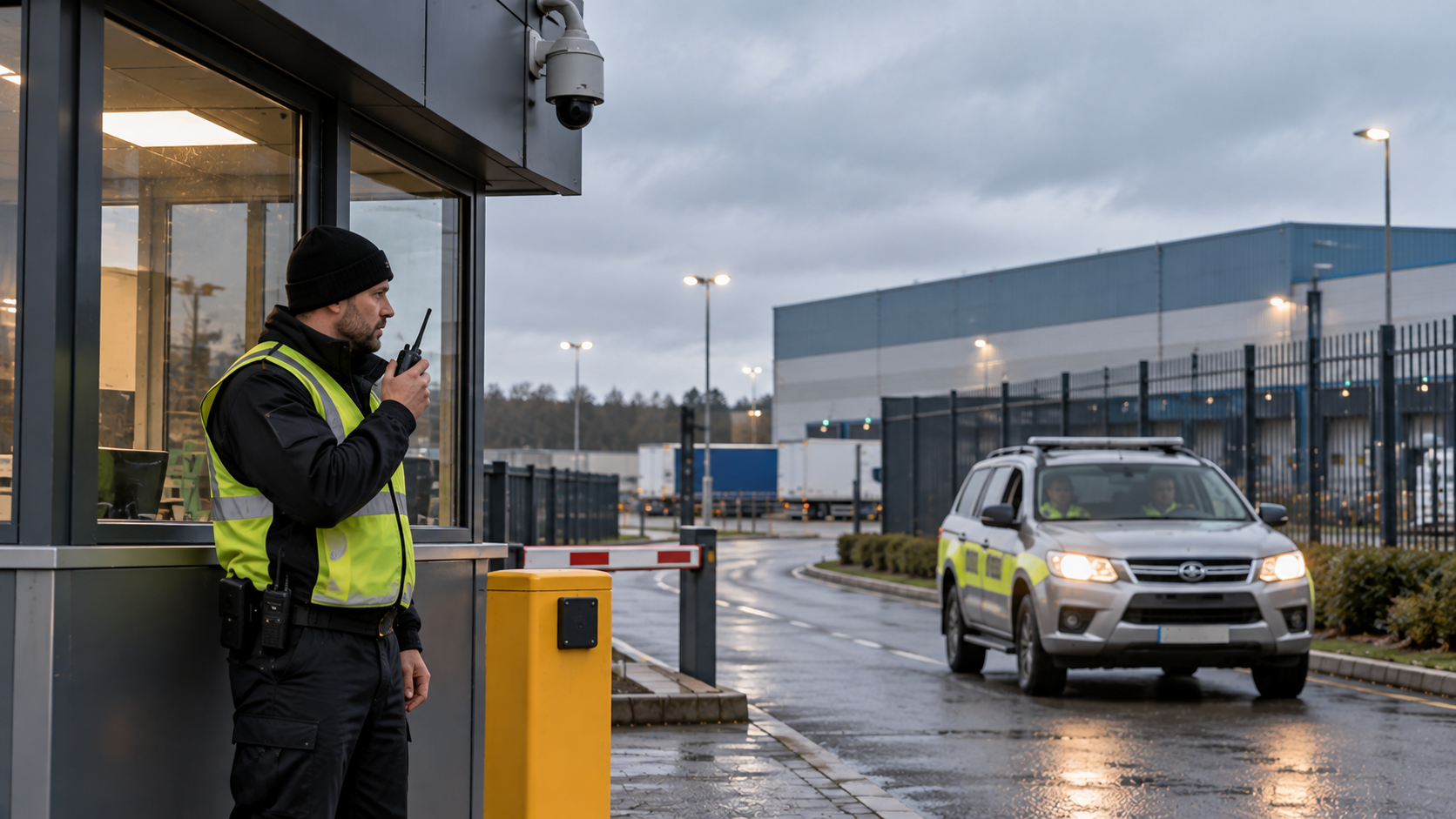
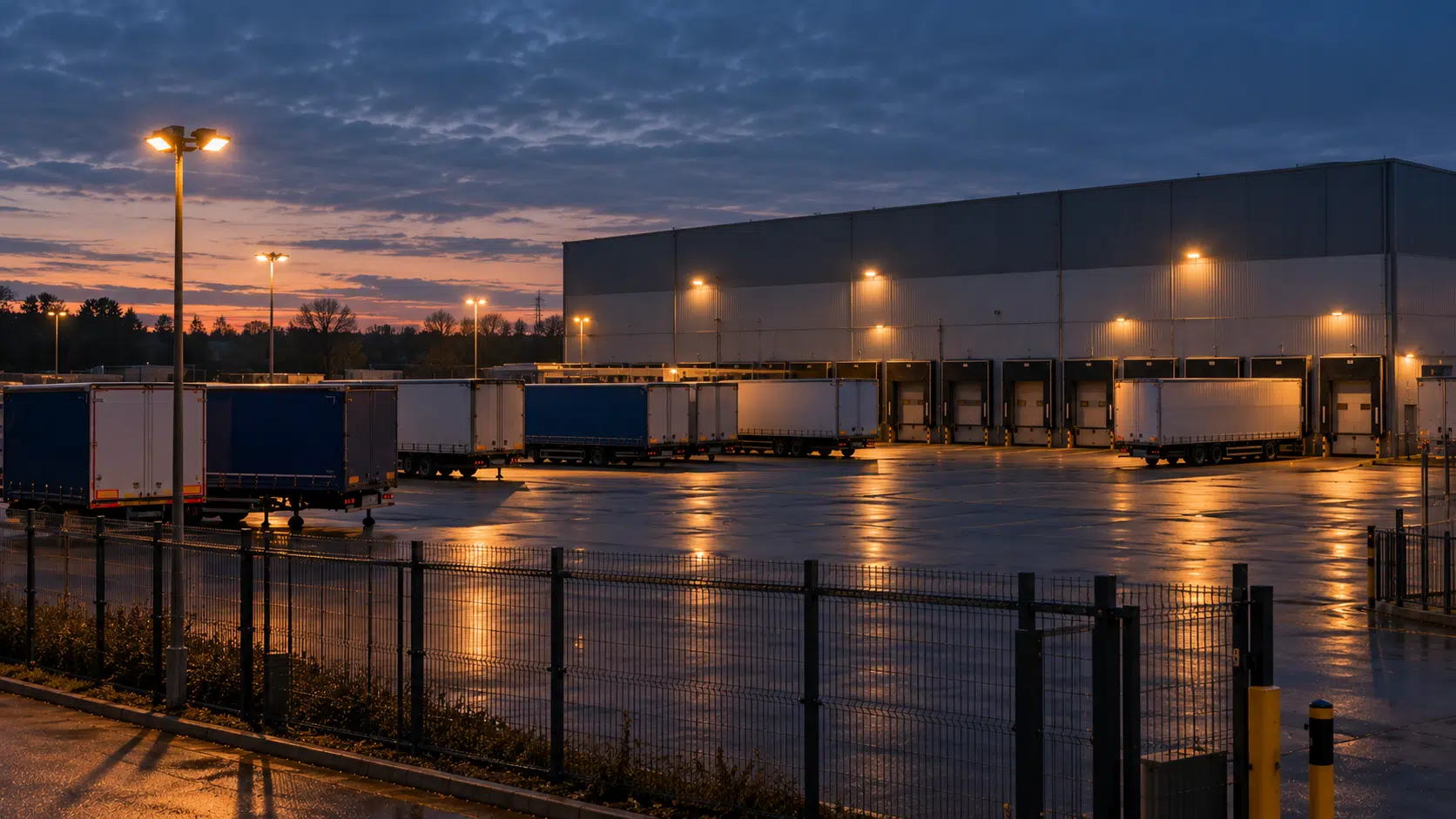
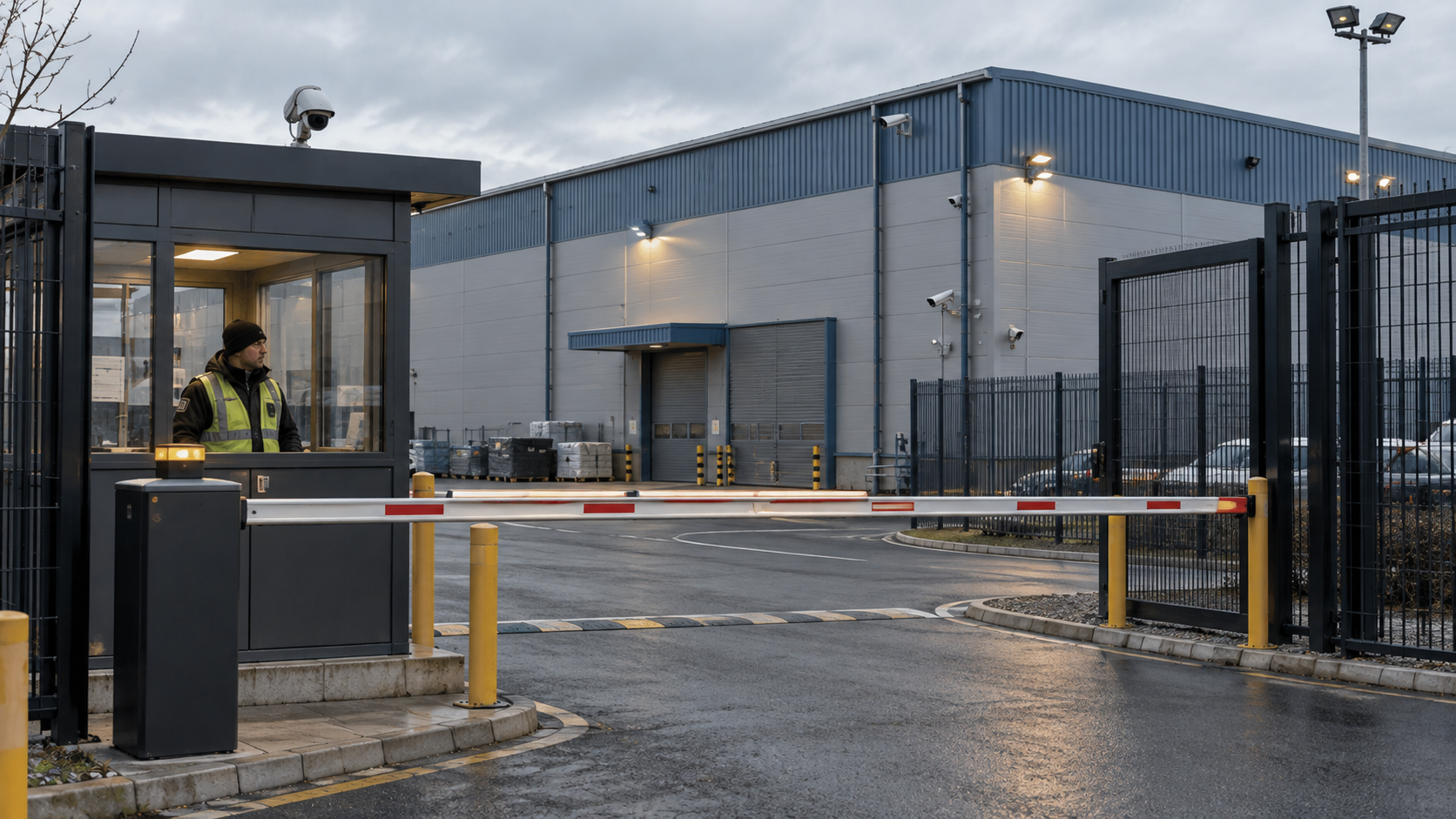
Factories across the East Midlands run on movement. Lorries arrive before dawn. Gates stay open late. Shared yards and busy routes keep sites connected, but also exposed. That reality explains why East Midlands businesses need factory security. Risk grows in quiet gaps.
Today’s factories hold more than stock. They hold specialist machines, production data, and tight schedules. One small incident can stop a line. Basic locks or ageing cameras rarely match how problems start. Manufacturing site security in the East Midlands looks at time, access, and layout together. Industrial site protection in the East Midlands is about reducing disruption before it turns into loss.
This guide explores how factory security works in practice across the East Midlands. It covers real costs, legal duties, and clear planning choices that help local businesses protect operations without adding friction to daily work.
Table of Contents
Understanding Factory Security Basics in the East Midlands
Factory security in the East Midlands is shaped by movement and timing. Factories are not static spaces. People clock in at different hours. Vehicles arrive outside normal office times. Materials move between yards, lines, and storage areas. That mix creates exposure that offices and standard warehouses rarely face.
Factory sites also carry layered risk. Stock is only one part of the picture. Machinery, tooling, and unfinished goods often matter more. Losing one small item can delay an entire process. That is why factory security focuses on continuity, not just loss.
How Factory Security Differs From Warehouse or Office Security
Warehouses are built for flow. Offices are built for people. Factories sit between the two.
Key differences that matter in practice:
- Machinery cannot be locked away at night
- Production areas stay active while other zones go quiet.
- Access points change with shifts and deliveries
- Yards and perimeters often stay open longer than planned
In cities like Leicester and Nottingham, many factories sit on mixed-use estates. Shared roads and fences blur boundaries. That makes it harder to spot when access crosses from normal to risky.
Local Crime Patterns and Why They Matter
Industrial crime in the region follows opportunity. One recurring issue is metal theft. Copper cabling, tool steel, and machine parts are taken because they are portable and valuable.
Police reports across the East Midlands consistently flag metal theft as one of the most common crimes affecting industrial estates, with incidents most likely to occur overnight when sites appear quiet.
This matters because:
- Loss often goes unnoticed until production stops.
- Damage during removal can cost more than the item taken.
- Insurance claims are harder to defend without clear controls.
This is where industrial theft prevention in the East Midlands becomes practical rather than theoretical.
High-Risk Times Most Factories Underestimate
Risk is not evenly spread across the day. It clusters around change.
The most exposed periods tend to be:
- Late nights when supervision less
- Early mornings before full staffing
- Shift handovers where responsibility overlaps
- Weekends with reduced activity
- Planned shutdowns and holidays
Security that stays the same across all these periods often misses the point.
Factory Types With Higher Exposure
Not all factories face the same pressure.
Higher-risk profiles often include:
- Engineering sites with small, high-value tools
- Food production sites with contamination concerns
- Assembly plants are reliant on just-in-time delivery
- Older factories with layered extensions and blind spots
Each type needs a different balance of visibility, access control, and oversight.
How Shift-Based Work Changes Security Needs
Shift patterns reshape risk. A factory running three shifts has three different security environments. Day shifts bring noise and presence. Night shifts rely on routine. Fatigue and familiarity can lower alertness. Effective planning adjusts coverage with the shift, not against it.
This is also where factory security legal requirements UK expectations come into play. Insurers look for evidence that risks linked to operating hours were considered, not ignored.
Deliveries, Shutdowns, and Hidden Access Risks
Deliveries are necessary, but they open doors. Temporary access is often granted quickly and reviewed slowly. Over time, that creates gaps. Shutdowns create a different problem. Assets stay put while people leave.
Important points decision-makers often miss:
- Access permissions should expire, not linger.
- Reduced staffing needs a clear security plan.
- Quiet sites attract attention, not safety.
Questions around the cost of factory security in the East Midlands often surface here. The real cost is not the service itself, but downtime when planning falls short.
People and Systems Working Together
Where on-site coverage is used, SIA-licensed factory security guards in the East Midlands are expected to work within defined routines. Their value lies in consistency and awareness, not confrontation.
Technology supports this role. Factory CCTV and access control East Midlands systems help track patterns and support investigation, but they do not replace judgement.
Factory security works best when it reflects how the site actually operates. In the East Midlands, where production, logistics, and shared estates overlap, understanding these basics helps businesses reduce disruption before it becomes a loss.
Legal and Compliance Requirements of Factory Security in East Midlands
Legal compliance is not a side issue for factories in the East Midlands. It shapes insurance terms, contract validity, and how incidents are judged after the fact. Many problems only surface once something has gone wrong. By then, gaps are harder to defend.
SIA Licensing and What It Really Covers
Any factory using on-site guarding must ensure security staff hold the correct SIA licence for their role. This is not optional. Licensing confirms that guards are trained, vetted, and legally allowed to operate.
It also signals to insurers that the site has taken reasonable steps to manage risk. Licensed industrial security East Midlands arrangements are often checked first after a claim.
The Risk of Using Unlicensed Security
Using unlicensed guards carries more than financial penalties. It can invalidate insurance conditions and expose site owners to shared liability. If an incident involves injury, trespass, or loss, responsibility does not stop with the contractor. Regulators look at who allowed the activity to take place. Fines, contract disputes, and reputational damage tend to follow.
Key consequences often include:
- Voided insurance cover
- Difficulty defending liability claims
- Increased scrutiny from insurers at renewal
DBS Checks in Factory Environments
DBS checks are not required for every factory role. They become relevant when guards access sensitive areas, controlled goods, or staff-only zones. Factories handling regulated materials or high-value components are more likely to fall into this category.
The decision should be documented. Insurers expect to see why checks were applied or why they were not.
Insurance Conditions Factories Often Overlook
Most insurers do not prescribe exact security models. Instead, they set conditions. These may relate to hours of coverage, access control, or incident reporting. Failure to meet them can weaken a claim.
Manufacturing risk compliance in the East Midlands often reveals that security arrangements drifted away from what insurers originally approved.
Common expectations include:
- Clear access logs
- Evidence of active monitoring
- Defined escalation procedures
GDPR and Data Handling on Industrial Sites
Factories increasingly rely on cameras and access systems. That brings data responsibility. GDPR applies to CCTV footage, ANPR records, and access logs. Compliance is not about removing cameras. It is about purpose, storage, and control.
Factories must be clear on:
- Why data is collected
- Who can access it
- How long it is retained
Poor handling creates risk even when security itself works. Factory surveillance compliance in the East Midlands is now as much a governance issue as a technical one.
VAT and Security Services
VAT treatment often surprises finance teams. Factory security services are generally subject to standard VAT. This affects budgeting and contract comparisons. It also matters for long-term planning, especially where security is part of a wider facilities contract. Misunderstanding VAT does not excuse underpayment.
Local Authority and Planning Considerations
While there is no single regional rulebook, local authorities across the East Midlands may attach conditions to industrial developments. These can include lighting, access design, or traffic management that affect security layout.
Planning conditions often interact with security decisions. Ignoring them can create compliance gaps later.
Documents That Demonstrate Compliance
Compliance is judged on evidence, not intention. Factories should be able to produce clear records when asked. These documents often decide how quickly issues are resolved.
Typical examples include:
- Guard licence records
- Vetting confirmations
- Site risk assessments
- Incident and access logs
- Data protection policies
Having these ready supports industrial site governance East Midlands reviews and reduces friction during audits.
Costs, Contracts, and Deployment Across East Midlands Factory Sites
Cost questions surface early for factories in the East Midlands. Not because businesses want the cheapest option, but because they need clarity. Security sits alongside energy, labour, and maintenance. It must earn its place without distorting budgets.
What Factory Security Costs Really Reflect
There is no single rate that fits every site. Typical spending is shaped by layout, hours, and exposure. A compact plant with one gate looks very different from a spread-out site with yards, loading bays, and multiple shifts. Manufacturing security budgeting in the East Midlands works best when cost is tied to risk, not headcount.
Key factors that influence cost:
- Perimeter length and fencing quality
- Number of access points in daily use
- Operating hours and night activity
- Separation between production and storage areas
Sites that adjust coverage to these realities tend to avoid overpaying while still meeting insurer expectations.
Deployment Timelines for New or Changing Sites
Speed matters during change. New factories, expansions, and refits create temporary gaps. Deployment can be quick when planning is clear. Delays usually come from uncertainty rather than availability. Access rules, reporting lines, and escalation thresholds need to be set before coverage begins.
For many projects, factory guarding deployment in the East Midlands can be mobilised within days. Faster starts are possible when risks are short-term and clearly defined. Longer lead times are common for complex sites with mixed use or shared access.
Contract Lengths and Why They Vary
Short contracts offer flexibility. Longer ones offer stability. Both have a place. Many East Midlands factories opt for contracts that align with production cycles or lease terms. This keeps security aligned with operational reality rather than locked into outdated assumptions.
Common approaches include:
- Rolling agreements with review points
- Fixed terms tied to insurance renewal cycles
- Short-term cover during refits or shutdowns
The right length depends on how often the site changes.
Notice Periods and Operational Risk
Notice periods are often overlooked. They matter when budgets shift or operations pause. Short notice gives flexibility, but can increase risk if coverage ends abruptly.
Longer notice supports continuity but needs planning. Clear terms reduce disputes and help both sides manage the transition without gaps.
Inflation and Long-Term Planning
Inflation affects wages, fuel, and equipment. Security contracts feel this pressure over time. Fixed pricing can look attractive, but may strain service delivery if costs rise sharply. Flexible models allow adjustment while keeping coverage intact.
Industrial security planning in the East Midlands increasingly includes review clauses to manage this balance.
Important considerations:
- How price changes are handled
- When reviews occur
- What happens if costs rise faster than expected
Ignoring inflation does not make it disappear. Planning for it reduces disruption.
Security as Leverage in Insurance Discussions
Security is not just a cost. It is evidence. Insurers look for proof that risks are understood and managed. Clear coverage plans, access control, and incident reporting strengthen negotiation positions. Factories that can explain their approach often secure better terms or avoid exclusions.
Security supports insurance by:
- Demonstrating active risk management
- Reducing uncertainty after incidents
- Supporting claims with clear records
This is where factory risk management East Midlands thinking pays off.
The Procurement Act 2023 and Factory Contracts
The Procurement Act 2023 changes how public and semi-public bodies approach contracts. While many factories operate privately, those supplying public contracts or operating on public land may feel its effects. Transparency, fairness, and documented decision-making now matter more.
Security contracts may need:
- Clear evaluation criteria
- Documented supplier selection
- Ongoing performance evidence
Planning with these expectations in mind avoids rework later.
Deployment During Change and Disruption
Factories rarely stand still. Mergers, seasonal peaks, and shutdowns all alter risk. Deployment needs to match those shifts. Temporary cover during holidays or major maintenance can prevent losses that outweigh months of routine spend. Industrial site protection in the East Midlands works best when it adapts to change rather than resists it.
Costs, contracts, and deployment are linked decisions. Each affects the others. For East Midlands manufacturers, clarity here supports continuity, insurance confidence, and steady operations without unnecessary complexity.
Training, Operations, and Daily Duties Across East Midlands Factory Sites
Factory security in the East Midlands depends on consistency. It is shaped by what happens every day, at each shift change, and in the quieter hours when work continues but supervision is lighter.
Training Standards That Fit Factory Work
Training in factory environments has to match the site, not a generic checklist. Guards must understand how production flows, where hazards sit, and which areas change risk by the hour. This is why factory security services in the East Midlands are often assessed by insurers on-site knowledge as much as certification.
Training usually focuses on:
- Safe movement near machinery
- Vehicle and pedestrian separation
- Access rules for staff, contractors, and drivers
- Awareness of high-value or sensitive zones
The aim is simple. Reduce mistakes that interrupt work or create liability.
What Starts a Factory Security Shift
The first minutes of a shift matter. Guards do not walk in blind. They review what changed since the last handover. A site that runs smoothly leaves a clear trail of information.
At shift start, attention often goes to:
- Gate status and access points
- Active permits or works
- Areas under repair or isolation
This structure supports industrial site protection in the East Midlands by removing guesswork early.
Managing Handovers on 24/7 Sites
Handover is where many failures begin. Factories that operate around the clock rely on clean transitions. Verbal updates help, but written records matter more. They survive fatigue and distraction.
Strong handovers usually include:
- Incidents, even minor ones
- Access issues are still unresolved
- Equipment or system faults
This keeps coverage stable across long hours and supports SIA-licensed factory security guards in the East Midlands, without adding friction.
Checks That Protect Production Areas
Factories differ from warehouses because machinery cannot be ignored. Checks focus on where damage causes delay, not just loss. Yards and loading bays also deserve attention. They act as bridges between public and private spaces.
Priorities often include:
- Unauthorised access near machinery
- Vehicles parked outside agreed zones
- Open or damaged fencing
- Lighting failures after dark
These checks support industrial theft prevention in the East Midlands by reducing opportunity rather than reacting after the fact.
Daily Reporting That Adds Value
Reporting should help make decisions. Not bury them. Short, clear records work best. They show patterns over time and support insurance reviews. Daily logs also matter when questions arise weeks later.
Useful reports usually cover:
- Access anomalies
- Delays or refusals
- Environmental risks
- Follow-up actions
This level of clarity often supports factory security legal requirements in the UK without overloading teams.
Handling Incidents Without Stopping Work
Incidents happen. The key is proportion. Most issues do not need alarms or shutdowns. Security teams are expected to manage events quietly and escalate only when needed. This keeps lines running and avoids unnecessary disruption.
Effective handling focuses on:
- Containment before confrontation
- Clear escalation thresholds
- Coordination with supervisors
This approach protects output while meeting the cost of factory security East Midlands expectations tied to value, not drama.
Secure-Down Procedures During Shutdowns
Shutdowns change the rules. Secure-down procedures plan for that shift. Access is tightened. Routines change. Visibility increases where movement drops.
Key elements often include:
- Reduced access lists
- Focused patrol routes
- Clear re-entry controls
These steps also support factory CCTV and access control East Midlands systems by aligning people and technology.
Training, operations, and daily duties are not about complexity. They are about fit. In the East Midlands, where factories often share space with logistics and mixed estates, security works best when routines match reality. Quiet control beats loud reactions every time.
Performance, Risks, and Challenges Across East Midlands Factory Operations
Performance in factory security across the East Midlands is rarely judged by dramatic events. It is judged by what does not happen. Lines keep running. Access stays controlled. Small issues do not grow into stoppages. That outcome depends on how risk is tracked and how challenges are handled day to day.
KPIs That Matter to Factory Managers
Not all measures are useful. Factory managers tend to focus on indicators that connect security to operations. Numbers should explain impact, not just activity. The goal is to see whether security reduces disruption.
KPIs that usually matter include:
- Frequency of access breaches
- Repeated perimeter faults
- Delays linked to security checks
- Incidents that interrupt production
These measures help explain value when discussing the cost of factory security in the East Midlands without turning reports into spreadsheets no one reads.
Weather and the Perimeter Problem
Weather plays a bigger role than many sites expect. Wind damages fencing. Heavy rain affects lighting and visibility. Frost and snow slow response and change vehicle movement. In exposed areas around Derby and rural edges of Lincolnshire, perimeter issues often start with weather, not people.
Common weather-linked risks include:
- Fencing pushed loose by wind
- Flooded access routes
- Cameras obscured by rain or fog
- Reduced visibility during long winter nights
Tracking these patterns helps teams plan repairs before faults turn into gaps. It also supports factory CCTV and access control East Midlands planning by showing where systems struggle.
Fatigue During Overnight Coverage
Overnight work brings its own challenge. Fatigue does not arrive suddenly; it builds. Long shifts, quiet periods, and familiar routines can lower alertness. This matters because many incidents happen when attention drops.
Factories that manage this well rely on structure:
- Clear patrol routines
- Defined rest points
- Regular communication between shifts
This approach supports SIA-licensed factory security guards in the East Midlands expectations without turning coverage into a checklist exercise.
Health and Safety Overlaps
Factory security intersects with health and safety every day. Guards operate near vehicles, machinery, and active lines. One misjudged step can cause injury. Security planning must reflect these risks.
Key overlap areas include:
- Vehicle movements in yards
- Contractor access during maintenance
- Emergency routes kept clear
- Lone working during quiet periods
Failing to manage these risks increases scrutiny after incidents. Insurers often review whether factory security legal requirements in the UK were considered alongside safety duties.
Liability and Poor Planning
Liability rarely comes from one mistake. It comes from patterns. Poor planning shows up as unclear access rules, weak reporting, or gaps during change. When incidents occur, those gaps become visible.
Poorly planned security often leads to:
- Disputed insurance claims
- Shared liability with contractors
- Questions from regulators
- Loss of confidence from partners
This is why industrial theft prevention in the East Midlands is not just about stopping crime. It is about showing that reasonable steps were taken.
Measuring Effectiveness Without Disruption
Factories cannot afford constant audits. Measurement needs to fit around production. Short reviews work better than long ones. Trend tracking matters more than daily totals.
Effective reviews often ask:
- Are incidents reducing over time?
- Do the same issues repeat?
- Are responses proportionate?
These questions keep focus on the outcome rather than the process.
Environmental and Seasonal Pressure
Seasonal change affects risk. Darker evenings extend exposure. Holiday periods reduce staffing. Harvest traffic in surrounding areas can increase movement near rural sites. Factories that adapt security during these periods reduce surprises later.
This planning supports factory security services in the East Midlands by aligning coverage with reality, not habit.
Why Do Challenges Cluster in Certain Sites
Sites near transport routes or shared estates face more pressure. Mixed access brings confusion. Vacant units attract attention. Poor lighting hides movement. Recognising these patterns early allows managers to adjust coverage before problems escalate.
Performance, risk, and challenge management is not about perfection. It is about awareness. In the East Midlands, where factories operate across urban and rural settings, understanding these pressures helps businesses protect operations and limit liability without slowing work.
Technology and Future Trends Shaping Factory Security in the East Midlands
Technology has changed how factory security works across the East Midlands, but not in the way many expect. It has not removed the need for people. It has changed how risk is seen, measured, and managed. The focus has shifted from reaction to awareness.
Many businesses look for a trusted security service in the East Midlands because systems alone cannot judge context. Trust grows from consistency, understanding, and clear use of data.
How Technology Fits Urban-Industrial Factory Sites
Factories in built-up industrial zones face layered pressure. Technology helps make sense of that movement. Systems now track patterns rather than single events. This matters in areas where normal activity and risk look similar at first glance.
Tools such as factory CCTV and access control in the East Midlands are used less for watching and more for understanding. When systems show when and where movement usually happens, unusual behaviour stands out faster.
The Role of AI in Factory Security
AI does not replace judgement. It supports it. Modern systems flag behaviour that falls outside normal patterns. A gate opening at the wrong time. Movement in a quiet yard. Repeated access attempts after hours.
Used well, AI:
- Reduces false alarms
- Highlights risk early
- Supports faster decisions
This helps security teams focus attention where it matters without adding pressure.
Remote Monitoring as a Support Layer
Remote monitoring has become common, especially on larger sites. It adds a second set of eyes. It does not remove local presence. When alerts are verified remotely, on-site teams respond with better information.
This layered approach supports factory security services in the East Midlands by improving coverage during nights, weekends, and shutdowns. It also helps sites that cannot justify constant patrols across every zone.
Drones and Large Industrial Estates
Drones are not everywhere, but they are useful in the right setting. Large estates with open yards, rail sidings, or uneven ground benefit most. Short flights can check fencing, lighting, or remote corners without delay.
Drones work best when:
- Sites cover wide areas.
- Access on foot is slow.
- Visibility is poor after dark.
They support oversight rather than replacing routine checks.
Predictive Tools and Planning
Predictive tools look at history. When incidents happen. Where faults repeat. Which times cause problems? This information shapes planning for shutdowns, peak periods, and seasonal change.
For many factories, this supports industrial theft prevention in the East Midlands by reducing guesswork. Planning becomes proactive instead of reactive. That shift often matters more than any single device.
Technology and Insurance Confidence
Insurers pay attention to how technology is used, not just whether it exists. Clear records, alert histories, and access logs support claims and renewals. They show intent and control.
This often strengthens discussions around the cost of factory security in the East Midlands by showing value rather than volume.
Martyn’s Law and Future Expectations
Martyn’s Law will increase focus on preparedness, especially for large sites with many people on shift. Technology will support this by improving monitoring, communication, and response planning. The emphasis will be on coordination, not complexity. Factories that plan early will adapt more easily.
Conclusion: Making the Right Security Decisions for East Midlands Factories
Factories across the East Midlands work under steady pressure. Goods move fast. Shifts change often. Sites sit close to roads, yards, and shared estates. Those conditions explain why East Midlands businesses need factory security that matches reality, not assumptions.
Good planning is rarely loud. It reduces gaps and limits access at the right times. It also keeps work moving when small issues appear. Legal duties, insurance terms, and daily routines all connect here. When one part is ignored, the rest starts to strain.
Factory security works best when it fits the site. Not every risk needs the same response. Not every hour needs the same coverage. Clear thinking, steady routines, and proportionate systems protect output without slowing production.
Region Security Guarding supports factories with structured planning that reflects real operations. If you want to review your site or discuss next steps, contact us for a practical conversation.
Frequently Asked Questions
1. Do all factories need on-site security staff?
Not always. The need depends on hours, layout, and exposure. Some sites rely on layered systems instead.
2. How does factory security help with insurance?
Clear controls and records reduce uncertainty. Insurers look for evidence of active risk management.
3. Is CCTV alone enough for factory sites?
Cameras help, but they work best alongside access control and routine oversight.
4. When is factory security most at risk?
Nights, weekends, shift changes, and shutdowns carry higher exposure.
5. Are legal checks different for factory security?
Yes. Licensing, vetting, and data handling must match the site’s risk and access levels.
6. Can security disrupt production?
Poor planning can. Well-designed security supports work without getting in the way.
7. How often should factory security be reviewed?
Any time operations change. Expansions, new shifts, or layout changes all affect risk.
8. Is factory security a long-term commitment?
It should evolve. Coverage works best when reviewed and adjusted over time.