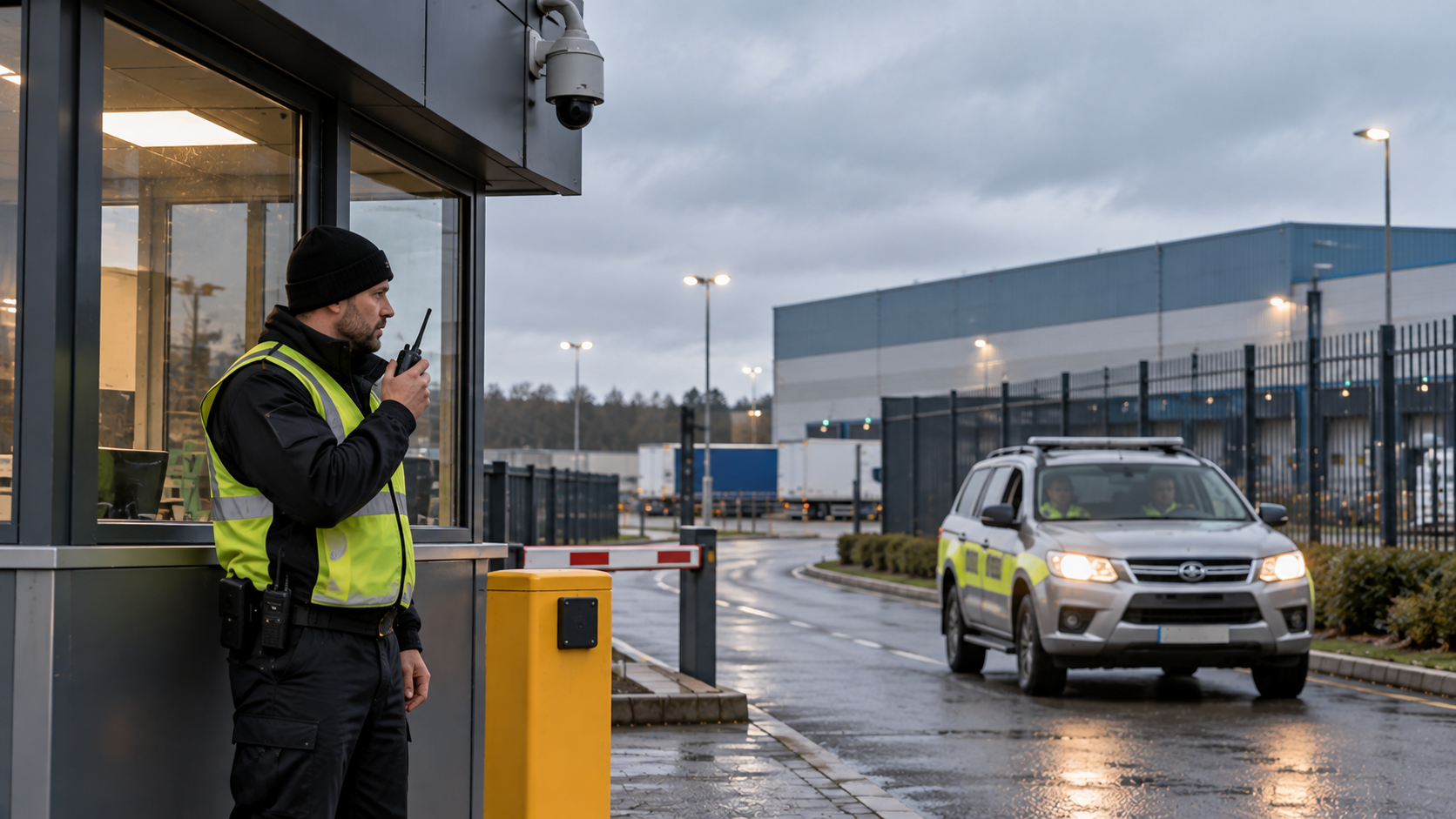
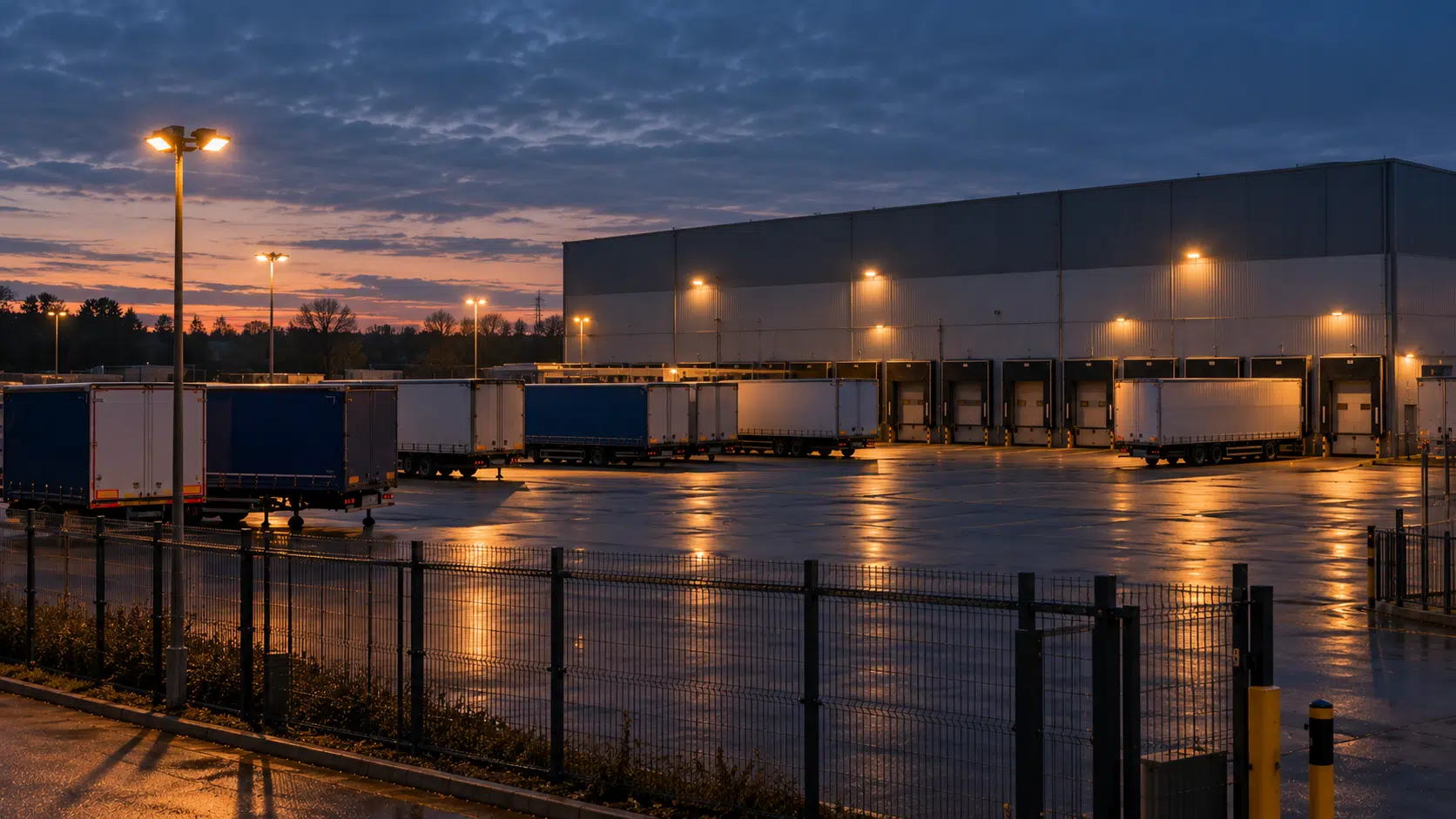
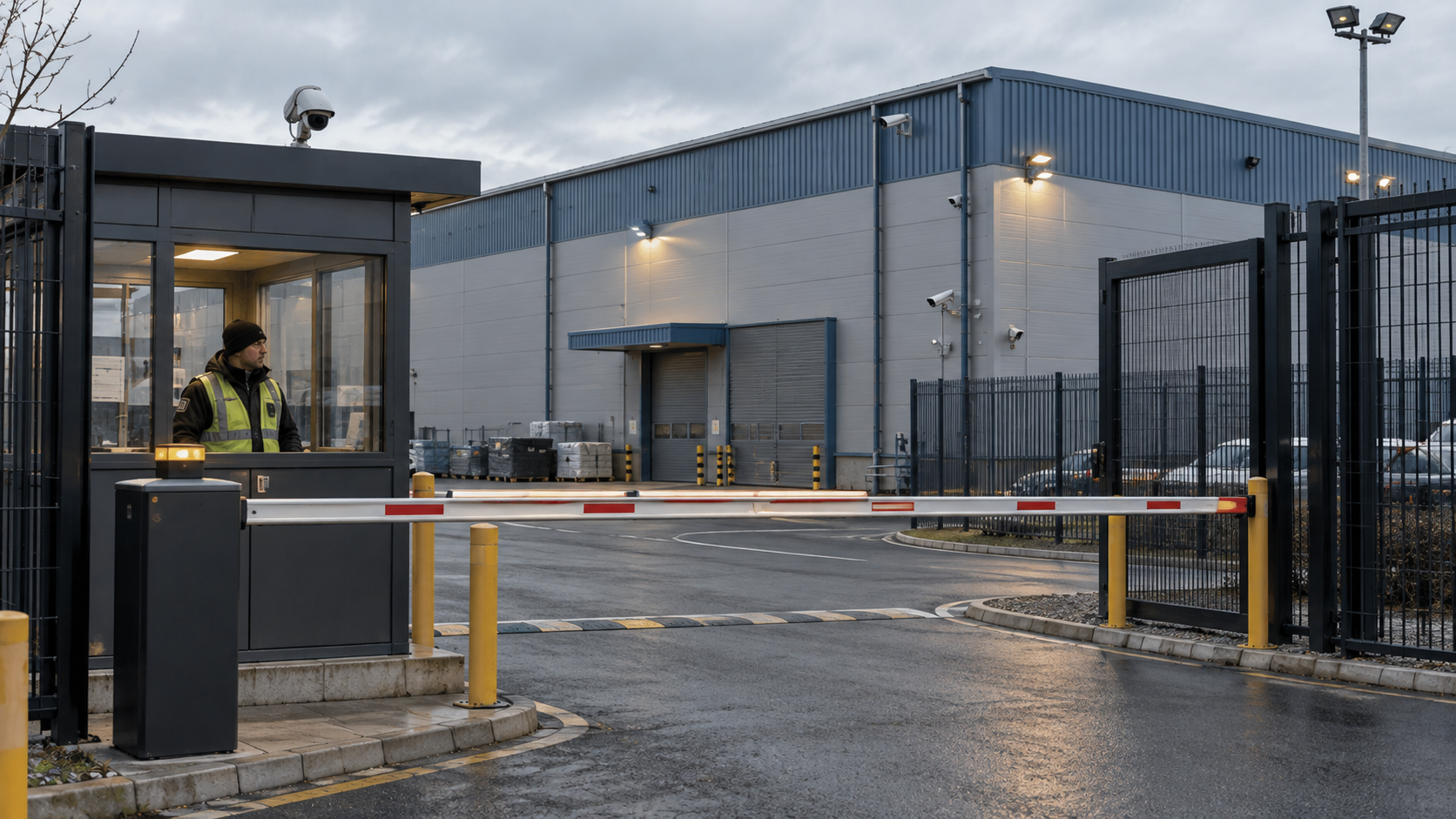
Southport factories rarely look high-risk at first glance. Many sit on quiet industrial estates or shared yards. Activity drops fast after hours. That calm can be misleading.
Machinery, tools, stock, and fuel are often kept in one place. Access points are few. Lighting is patchy. Weekend shutdowns are common. When a site is quiet, small weaknesses matter more. A single breach can halt production, delay orders, or trigger insurance issues that cost more than the loss itself.
This is why Southport businesses need factory security. It is a practical question, not a dramatic one. Good security is not about alarms alone. It is about control. Knowing who is on site, when access changes, and how risks shift across shifts, seasons, and shutdowns. For many local factories, the real risk is not crime headlines, but assuming yesterday’s setup still works today.
Understanding Factory Security Basics
What factory security mean in Southport
Factory security in Southport is shaped by how local sites really work. Many are small to mid-sized operations. Light manufacturing units. Food processing spaces. Engineering workshops. Often based on shared industrial estates rather than fenced compounds.
That context matters.
Unlike offices, factories rely on physical assets. Machines do not move. Materials sit in open work areas. Production depends on everything working every day. A single break-in can stop output, delay contracts, and raise insurance questions that linger long after repairs are done. This is why factory security services Southport businesses rely on tend to focus on control, not just detection.
How factory security differs from warehouses and offices
Factory environments create risks that other sites do not.
Compared to offices:
- Fewer people on site outside core hours
- Less reception-based access control
- Higher value in equipment rather than data
Compared to warehouses:
- Machinery is harder to replace than stock
- Production downtime has wider knock-on effects
- Layouts are more complex and harder to monitor
Manufacturing site security Southport operators use must reflect these differences. Applying office-style access rules or warehouse-style patrol patterns often leaves gaps.
Local industrial movement and regional exposure
Southport does not sit in isolation. Movement between Liverpool, Bootle, and St Helens connects local factories to wider supply chains. That flow brings efficiency, but it also creates opportunity for organised and opportunistic theft.
Sites close to main routes or shared estates face:
- Increased after-hours vehicle movement
- Higher contractor and visitor turnover
- Greater exposure to unauthorised access
Industrial security Southport planning works best when it reflects this wider movement, not just the postcode.
Highest-risk times for Southport factories
Risk is rarely constant. It spikes at predictable moments. Common high-risk periods include:
- Late nights and early mornings
- Weekends with low staff presence
- Bank holidays and planned shutdowns
- Shift changeovers
- Early delivery windows
During these times, small issues matter more. A gate was left open. Poor lighting. A missing check. Perimeter security for factories becomes less about barriers and more about awareness and presence.
Which factory types face greater exposure
Not all factories face the same risks. Higher exposure is often seen in:
- Food and drink production with frequent deliveries
- Engineering sites holding portable tools and parts
- Small batch manufacturers storing finished goods on site
- Sites with outdoor yards or shared loading areas
Each of these increases pressure on industrial theft prevention efforts. A generic approach rarely fits all.
The impact of shift-based manufacturing
Shift work changes behaviour. People rush. Assumptions creep in. Responsibility blurs. Common pressure points include:
- Open access during handovers
- Early arrivals waiting on site
- Contractors mixing with staff
- Reduced supervision outside core hours
This is where factory manned guarding Southport businesses choose often proves its value. Not through constant patrols, but through steady control at access points. Visibility. Routine. Predictability.
Shift-based security coverage works when it supports staff, not when it complicates their work.
Delivery schedules and access risk
Deliveries are essential, but they also widen exposure. Typical access risks linked to deliveries:
- Vehicles arriving before the staff
- Gates opened for convenience
- Drivers moving unescorted
- Temporary access is becoming a permanent habit
Manufacturing site risk management improves when delivery windows are planned and monitored, rather than treated as exceptions.
Shutdowns, holidays, and quiet sites
Planned downtime often creates the longest risk windows. During shutdowns:
- Equipment remains in place
- Stock may be left unattended
- Alarm systems face delayed response
- Weather increases wear and false alerts
Coastal conditions around Southport can reduce visibility and damage fencing or lighting. When sites are quiet, weaknesses stand out. This is where factory security services Southport operators use must shift from routine coverage to focused protection.
Why basics matter more than complexity
Good factory security is not complex by default. It is grounded. It asks simple questions:
- Who should be on site right now?
- What access points matter most today?
- When does risk rise, and why?
When those answers guide planning, security supports production instead of interrupting it. For Southport factories, that practical approach is what turns security from a cost into a control.
Legal and Compliance Requirements
What licensing rules apply to factory security in Southport
Factory security in Southport falls under UK-wide regulation, even though the town itself does not have the scale of a major industrial city. Any individual carrying out guarding duties on a factory site must hold a valid Security Industry Authority licence. This applies whether the role involves access control, perimeter checks, or incident response.
Licensing is about authority, not appearance. A licensed officer can lawfully challenge unauthorised access and act during incidents. An unlicensed presence cannot. On Southport’s quieter industrial estates, that distinction matters. Sites often rely on lone coverage or limited hours. When something goes wrong, there is little margin for error.
This is where industrial theft prevention begins in practice. Legal standing gives security measures weight when they are tested.
The consequences of using unlicensed security staff
Some factories assume that enforcement is unlikely in smaller towns. That assumption is risky. If unlicensed security is used on an industrial site:
- The business can face financial penalties
- Contracts may be deemed invalid
- Insurers may dispute claims
- Liability may shift to the site operator
The damage often appears later. After a break-in. During an audit. When a claim is reviewed. At that point, fixing the issue is no longer simple.
Manufacturing site risk management relies on decisions that hold up after scrutiny, not just on quiet days.
When DBS checks become necessary on factory sites
DBS checks are not a universal requirement for factory security, but they become relevant based on access and activity. In Southport, this often depends on what the factory handles rather than its size.
Additional checks are commonly expected where security staff:
- Access staff-only welfare areas
- Work near controlled or regulated materials
- Operate within food production or sensitive manufacturing
- Have unsupervised access to high-value goods
Problems arise when checks are assumed unnecessary without assessment. Equally, excessive checks can slow deployment without adding value. Insurers and auditors tend to look for clear reasoning rather than blanket rules. Documented decisions matter more than rigid policies.
Insurance expectations for Southport factories
Insurance plays a central role in shaping factory security, even when it is not obvious at first. Many requirements sit within policy wording rather than headlines.
Factories are often expected to demonstrate:
- Active supervision outside normal hours
- Controlled access during shutdowns
- Evidence of perimeter security for factories
- Clear incident and response records
Southport sites connected to regional transport routes face closer attention. Movement between Liverpool, Bootle, and St Helens increases exposure, even if local crime feels low. Insurers focus on access and opportunity rather than location labels.
When security planning is clear, insurance discussions are simpler. When it is informal, questions multiply.
GDPR compliance for CCTV and access systems
CCTV is common on Southport factory sites, but compliance is often uneven. GDPR applies fully to industrial environments, not just public-facing spaces.
Factories must be able to show:
- A clear reason for monitoring
- Proportionate camera placement
- Secure storage of footage
- Controlled access to recordings
- Defined retention periods
Risk often builds over time. Cameras are added to cover yards or loading areas. Coverage expands without review. Eventually, monitoring reaches staff spaces or neighbouring land. That drift creates legal exposure.
Clear signage, written policies, and regular review protect both the business and its workforce. Good manufacturing site risk management treats data with the same care as physical assets.
VAT treatment of factory security services
VAT is a frequent source of confusion, especially when security is added during periods of heightened risk. In most cases, factory security services are charged at the standard rate.
Issues tend to arise when:
- Security is bundled with other site services
- Temporary cover becomes long-term
- Contracts change without financial review
The challenge is rarely the rate itself. It is uncertainty. Clear contracts allow finance teams to plan properly and avoid disputes during audits.
Local authority and planning considerations affecting Southport factories
Southport does not operate under Manchester council frameworks, but local planning conditions still influence factory security. These typically arise during new developments, site expansions, or changes in use.
Common areas of oversight include:
- External lighting levels
- Night-time activity and noise
- Traffic flow and access routes
- Boundary treatment near residential areas
Factories close to housing or mixed-use zones face closer scrutiny. Extended hours and delivery traffic increase attention. In these cases, shift-based security coverage supports both compliance and neighbour relations.
Security becomes part of how the site is allowed to operate, not just how it is protected.
Documents that demonstrate compliance
Strong factory security is often invisible until it is questioned. Documentation is what proves it existed. Southport factories are commonly expected to maintain:
- Licence records for security personnel
- Site risk assessments
- Incident and access logs
- CCTV policies and retention schedules
- Induction and training records
These documents support insurance claims, audits, and internal reviews. They also protect decision-makers. When choices are written down, they are easier to defend. Industrial theft prevention relies on this paper trail more than many businesses expect.
Martyn’s Law and future implications for factories
Martyn’s Law is still developing, but its direction is clear. Larger sites with higher occupancy or regular visitors will face stronger expectations around preparedness and response.
For Southport, this may affect:
- Larger manufacturing sites
- Logistics-linked facilities
- Factories hosting training or third-party visits
The focus is on proportionate planning. Understanding access. Managing response. Assigning responsibility. It is not about turning factories into public venues. Sites that already control access and document decisions will adapt with less disruption.
Why compliance shapes real outcomes
Legal and compliance requirements are not separate from daily operations. They shape how factory security performs when pressure rises.
When compliance is clear:
- Insurance response is smoother
- Liability is easier to manage
- Incidents are resolved faster
- Decisions withstand review
For Southport businesses, factory security works best when law, insurance, and operations align. It includes simple rules, clear records, and practical control. That is what holds when assumptions are tested.
Costs, Contracts, and Deployment
How factory security costs shape up in Southport
Factory security costs in Southport tend to sit below those in major cities, but that does not mean they are simple. Pricing follows risk more than size. A quiet site with long shutdowns can cost more to protect than a busy one with constant activity.
Cost is usually shaped by:
- Site layout and boundaries
- Number of access points
- Outdoor yards or storage
- Hours of operation
- Level of supervision needed
Many Southport factories operate on smaller industrial estates. Some share access roads or loading areas. That shared space increases exposure. It also affects cost, because coverage must account for what happens beyond a single unit. This is where industrial theft prevention becomes a planning issue, not just a line item.
How fast factory security can be deployed locally
Deployment speed matters when risk changes. New equipment arrives, and a site expands. A neighbour closes. In Southport, security can often be mobilised quickly if expectations are clear.
Delays usually come from:
- Unclear access rules
- Missing site plans
- Uncertain coverage hours
- Insurance conditions not confirmed
Factories linked to wider transport routes tend to move faster when plans are ready. This mirrors patterns seen around Liverpool, Bootle, Birkenhead, and St Helens, where preparation matters more than location. Clear scope shortens lead times. Vague requests slow everything down.
Contract lengths that suit Southport factories
Most factory security contracts fall into two broad groups. Short-term cover is common during change. Long-term agreements follow once operations settle.
Short contracts are often used for:
- New sites
- Refits or expansions
- Temporary shutdowns
- Seasonal production changes
Longer contracts suit stable production and fixed hours. They bring predictability, but only when the scope fits how the site actually runs. Locking in coverage that no longer matches reality creates waste. Manufacturing site risk management works best when contracts reflect operations, not habit.
Notice periods and why they matter
Notice periods rarely get attention until they block a change. Most security contracts include them. Some are short, others are not. Long notice periods can cause problems when:
- Shift patterns change
- Parts of the site are closed
- Risk drops after a project ends
Shorter notice offers flexibility, but it can increase cost. The balance matters. For Southport factories, the goal is not constant change. It is the ability to adjust without disruption. Clarity here avoids rushed decisions later.
Inflation and planning beyond the next year
Inflation affects factory security quietly. Costs rise through wages, compliance, and insurance pressure. The change is slow, but steady.
The risk is not inflation itself. It is ignoring it. Budgets set years ago often no longer match current needs. That gap shows up as reduced coverage or stretched oversight.
Good planning builds in review points. It accepts that costs move. This protects shift-based security coverage from sudden cuts that increase exposure.
Security and insurance discussions
Security choices shape insurance outcomes more than many factories expect. Insurers look for evidence of control, not promises.
Security supports negotiations by showing:
- Planned coverage during low activity
- Clear access rules
- Documented response steps
- Consistent supervision
When these are in place, discussions move faster. Claims are easier to defend. Premium increases are easier to question. This matters for Southport sites with outdoor storage or shared access. Perimeter security for factories often sits at the centre of these conversations.
The Procurement Act 2023 and factory security
The Procurement Act 2023 mainly affects public bodies, but its influence reaches further. Standards set through public contracts often shape wider expectations. The Act places weight on:
- Transparency
- Clear evaluation
- Documented compliance
- Value over headline cost
For private factories, this shows up indirectly. Audits become stricter. Documentation matters more. Informal arrangements attract questions. Factories that already treat security as a managed service adapt easily.
Balancing cost with real control
The key question is not how little security can cost. It is whether spending matches risk. When coverage aligns with how a site runs:
- Costs become predictable
- Risk becomes manageable
- Insurance discussions improve
- Disruption falls
For Southport factories, the best outcomes come from simple planning. Clear scope. Honest review. Decisions that still make sense when conditions change.
Training, Operations, and Daily Duties
Factory security in Southport works best when it fits the rhythm of the site. Training and daily routines matter, but not in the way many people expect. This is not about complex drills or constant movement. It is about judgement, awareness, and calm control.
Training standards in a factory setting
Security staff working on factory sites need more than basic guarding skills. They must understand how industrial spaces function. That knowledge shapes every decision they make.
Training often focuses on:
- Safe movement around machinery
- Awareness of vehicle routes
- Understanding site rules and permits
- Recognising unusual behaviour
- Clear communication with supervisors
Factories differ from offices. Noise levels are higher. Visibility can change fast. A mistake near a plant or forklift carries real risk. Good training reduces interference with production while supporting industrial theft prevention through awareness rather than force.
What happens at the start of a shift
The start of a security shift sets the tone for the hours that follow. In Southport factories, this moment often matters more than patrol patterns.
A typical shift start involves:
- Reviewing site status and activity levels
- Checking access points and lighting
- Confirming who should be on site
- Noting deliveries or contractors due
This brief pause prevents assumptions. It aligns security with operations. On quieter sites, it also highlights gaps early, before they turn into problems.
Managing handovers on 24/7 sites
Shift handovers are a weak point on many factory sites. Information gets lost. Small issues are forgotten. Access changes without notice.
Effective handovers focus on:
- Current site conditions
- Outstanding issues
- Access changes
- Recent incidents or near misses
Written logs matter here. So does consistency. Shift-based security coverage works when each team understands what has already happened, not when they start from scratch.
Priority checks around machinery and yards
Factory security is not about checking everything. It is about checking the right things. On Southport sites, priority areas often include:
- Outdoor yards and storage
- Loading bays
- Fuel or materials areas
- Secondary access points
Machinery itself is rarely moved, but it is often targeted for parts or tools. Open yards create opportunity. Perimeter security for factories focuses on these edges, where control tends to fade.
Daily reporting and why it matters
Daily reporting is not paperwork for its own sake. It creates continuity. Security teams are usually expected to record:
- Access events
- Unusual activity
- Incidents or near misses
- Changes in site condition
These records support Manufacturing Site Risk Management by showing patterns over time. They also protect the business. When questions arise, there is a clear trail of what was seen and done.
Handling incidents without stopping production
Factories cannot stop every time something goes wrong. Security must respond without adding disruption.
This often means:
- Isolating issues quietly
- Escalating only when needed
- Coordinating with supervisors
- Keeping access clear for staff
Calm response matters. Overreaction creates risk of its own. Well-trained teams manage incidents with minimal noise, allowing production to continue safely.
Secure-down during shutdowns and holidays
Shutdowns change everything. Sites go quiet. Risk rises. During these periods, security focus shifts to:
- Restricting access fully
- Monitoring key areas
- Responding to alarms
- Maintaining visible presence
Clear secure-down procedures help avoid confusion. Everyone knows when access stops. Who holds keys? Who responds to alerts? This is where planning protects assets and supports industrial theft prevention.
Working within a wider regional network
Southport factories do not operate in isolation. Movement between Liverpool, Bootle, and St Helens brings shared contractors, drivers, and suppliers.
Security teams must understand:
- Who is expected on site
- When regional activity affects access
- How shared estates change risk
Awareness of this wider picture reduces mistakes. It also helps security support operations rather than slow them down.
Why routine matters more than activity
Good factory security is not loud. It is steady.
When training is relevant, and routines are clear:
- Risks are spotted early
- Incidents stay small
- Production stays on track
For Southport factories, the goal is simple. Security that fits the site. People who understand the environment. Daily duties that reduce risk without getting in the way.
Performance, Risks, and Challenges
Measuring factory security in Southport is not about how busy guards look. It is about whether problems stay small. Or never happen at all. Performance here is quiet by design, especially when a security company in Southport is working properly in the background. When things run smoothly, security is easy to overlook.
What factory managers should actually track
The most useful indicators are simple. They focus on outcomes, not activity. Factory managers in Southport tend to track:
- Frequency of incidents or near misses
- Unauthorised access attempts
- Downtime linked to security issues
- Repeated faults at the same access points
These indicators show whether controls are working. They also highlight weak spots before losses occur. This is where factory security services Southport businesses rely on add value. Not by reacting, but by reducing patterns of risk over time.
Weather and its effect on industrial sites
Southport’s coastal weather shapes security more than many expect. Wind, rain, and salt air take a steady toll. Common impacts include:
- Reduced visibility at night
- Faster wear on fencing and gates
- Lighting faults during storms
- Sensor errors in poor conditions
Perimeter checks matter more after bad weather. Small failures create gaps. This challenge is familiar across coastal and semi-coastal areas, including routes feeding into Liverpool and Bootle. Sites that plan for weather see fewer surprises.
Fatigue during overnight coverage
Overnight security brings its own risks. Quiet hours test focus. Long periods without activity can reduce alertness.
Fatigue increases when:
- Shifts are extended
- Sites are poorly lit
- Duties lack structure
This does not mean overnight cover fails. It means routines matter. Clear expectations. Defined checks. Regular reporting. Factory manned guarding Southport sites works best when officers know what to look for and when to act.
Health and safety overlap on factory sites
Factory security and health and safety often intersect. Ignoring that link creates exposure. Common overlap areas include:
- Vehicle movements in yards
- Working near machinery
- Lone working during low activity
- Managing contractors on site
Security staff are often the first to spot unsafe behaviour. A vehicle was parked badly. A gate was left open. A contractor in the wrong area. Industrial security Southport planning works best when these observations feed back into site controls, not just incident logs.
Why poor planning increases liability
Poorly planned security does more than fail to prevent loss. It increases liability. Problems often appear when:
- Coverage does not match operating hours
- Access rules change without notice
- Responsibilities are unclear
- Records are incomplete
After an incident, questions follow. Who was responsible? What checks were in place? Why access was allowed? Manufacturing site security Southport businesses rely on must stand up to that review. Informal setups rarely do.
Shared estates and wider movement
Many Southport factories operate on shared estates. Risk does not stop at unit boundaries. Issues often arise from:
- Vacant neighbouring units
- Poor lighting beyond site lines
- Shared access roads
- Uncontrolled pedestrian routes
Movement between Southport and industrial zones around St Helens adds another layer. Drivers, contractors, and suppliers move across sites daily. Clear controls reduce mistakes that lead to breaches.
When performance slips
Security performance usually slips quietly. A missed check. A delayed report. A gate was left open. Warning signs include:
- Repeated minor incidents
- Gaps in reporting
- Increased false alarms
- Staff confusion during changeovers
Catching these early prevents bigger issues. It also protects the business. Liability grows when warning signs are ignored.
The real challenge
The hardest part of factory security is not the threat itself. It is complacency. When performance is reviewed honestly:
- Risk becomes visible
- Weak points are addressed
- Insurance exposure drops
For Southport factories, good security performance is steady, measured, and practical. It reduces risk without disrupting work. That is the challenge, and the goal.
Technology and Future Trends
Factory security in Southport is changing, but not in dramatic leaps. The shift is quiet. Practical. Focused on better decisions rather than more equipment. Technology now supports people on-site instead of trying to replace them.
How technology has reshaped local factory security
Urban-industrial areas have driven much of this change, and the effect reaches towns like Southport. As sites connect into wider supply chains, tools once used only in large cities now appear on smaller estates.
Factories linked to routes serving Liverpool, Bootle, and St Helens see this first. Movement increases. Access patterns change. Security planning has to keep up.
Technology now helps teams understand what is normal on a site and what is not. That shift supports industrial security Southport operations without adding noise or disruption.
The role of AI in factory environments
AI does not run factory security. It filters information. Modern systems flag unusual movement. After-hours activity. Repeated patterns near boundaries. The value lies in focus. Guards and managers spend less time watching empty screens and more time responding to real issues.
This supports factory security services Southport businesses rely on by reducing missed signs. AI works best as a second set of eyes. It highlights risk. People decide what to do next.
Remote monitoring as a support layer
Remote monitoring has grown because it fits how factories operate. Many Southport sites are quiet overnight. Some shut fully at weekends. Watching those spaces locally makes little sense.
Remote teams:
- Monitor alarms and cameras
- Verify incidents before escalation
- Support lone on-site staff
- Reduce false call-outs
This approach strengthens the manufacturing site security Southport that operators use without removing human presence. On-site teams still control access and response. Remote support fills the gaps.
Are drones useful on industrial estates?
Drones attract attention, but their use remains limited. They work best on large, open estates with long boundaries. Most Southport sites are smaller and shared.
Where drones add value:
- Checking wide perimeters after alarms
- Inspecting hard-to-reach areas
- Supporting incident response
They are not a daily solution. Weather, noise, and regulation limit use. For most factories, fixed systems and people remain more effective.
Predictive tools and planning ahead
Predictive tools help sites plan rather than react. These systems analyse patterns. When incidents happen. Where access fails. How risk changes during shutdowns.
This supports Manufacturing Site Risk Management by answering simple questions:
- When does risk rise?
- Which areas fail most often?
- What changes reduce repeat issues?
Planning becomes clearer. Coverage matches reality. Waste drops.
Green security practices on factory sites
Sustainability now reaches security planning. Not through slogans, but through efficiency.
Common changes include:
- Energy-efficient lighting
- Smarter camera activation
- Reduced vehicle patrols
- Better use of fixed systems
These steps lower energy use and improve visibility. They also support perimeter security for factories by keeping boundaries clear without constant movement.
Preparing for Martyn’s Law
Martyn’s Law will shape future planning for larger sites. The focus is preparedness, not fear.
Factories that host visitors, training, or third-party access may face new expectations. Clear access control. Defined response plans. Assigned responsibility.
Sites already using factory manned guarding Southport that businesses choose will find adaptation easier. Systems are in place. Decisions are documented. Response is understood.
What this means for Southport factories
Technology is not changing the goal of factory security. It is refining how it is delivered. The future looks like this:
- Fewer blind spots
- Better information
- Quieter control
- Stronger planning
For Southport factories, progress will come from choosing tools that fit the site. Not trends. Not promises. Just technology that supports people, reduces risk, and keeps operations steady.
Conclusion
Factory security in Southport is not about matching what larger cities do. It is about matching how local sites actually run. Smaller estates, shared access, quiet nights, and planned shutdowns all shape risk in ways that are easy to miss until something goes wrong.
This is why Southport businesses need factory security. Good planning reduces disruption before it reaches production. It supports insurance confidence. It protects equipment, materials, and people without slowing work down.
Strong security decisions are grounded in understanding. When access changes. Where boundaries weaken. How risk shifts across seasons and operating hours. Industrial theft prevention, clear perimeter control, and sensible shift-based coverage work best when they reflect real conditions on site.
For Southport businesses, the aim is simple. Know your exposure. Document your approach. Review it when operations change. Factory security done well does not draw attention to itself. It keeps work moving, questions answered, and risk where it belongs.
Frequently Asked Questions
Why do Southport factories need a different security approach?
Many sites sit on quiet estates with shared access. Risk comes from timing, not volume. Security needs to match how the site actually runs.
What is the cost of factory security in Southport?
Costs depend on size, hours, access points, and shutdown periods. Quiet sites with long closures often need more planning, not less spending.
What legal requirements for factory security in the UK apply locally?
Licensed guards, clear access rules, GDPR compliance, and proper records all apply. Smaller towns are not exempt from national standards.
Do factories need manned guarding in Southport?
Some do, especially where access changes often or assets stay on site overnight. Others rely on mixed coverage based on risk.
How can a factory reduce theft without disrupting work?
Control access. Track who is on site. Secure yards. Plan for nights and weekends. Simple steps reduce most losses.
How does insurance affect factory security decisions?
Insurers look for evidence of planning. Clear controls and records support claims and reduce disputes after incidents.
How to secure a manufacturing facility effectively during shutdowns?
Lock down access fully. Monitor key areas. Confirm response plans. Shutdowns create the longest risk windows.
Why Southport businesses need factory security even with no past incidents?
Low history does not mean low risk. Conditions change. Good security plans for what could happen, not just what has.