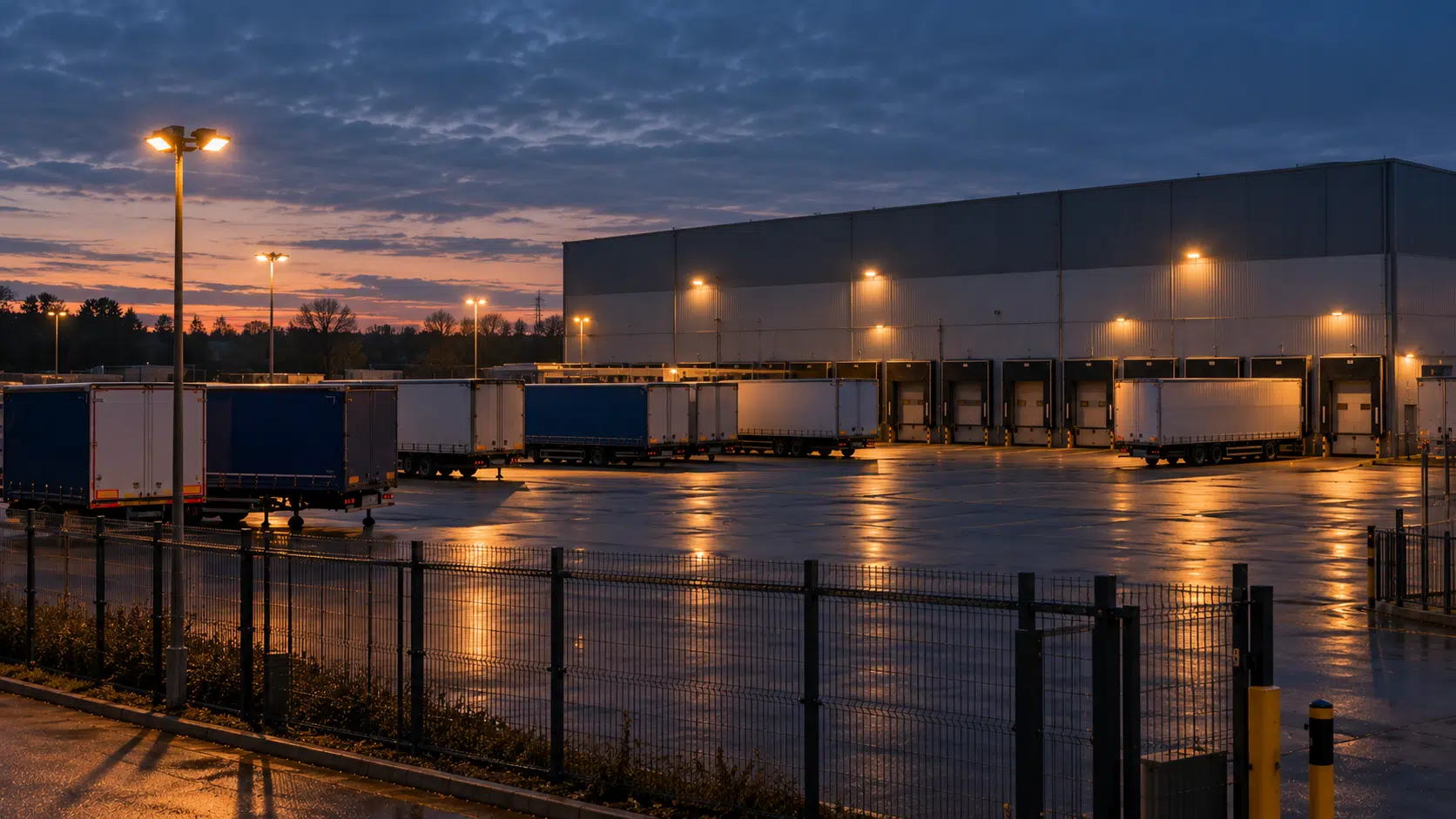
Chester’s industrial areas are busy and diverse. From Sealand Industrial Estate to sites near the M53 and A55, many factories sit close to main roads, homes, and open land. This makes access easy. It also brings risk. Expensive machines, raw materials, fuel, and finished goods are often kept on site. Some factories run day and night. Others close in the evening or during holidays.
So, why Chester businesses need factory security is not about fear. It is about control. Theft and trespass happen when chances appear. Sites with shared yards, poor lighting, or many entry points face more pressure than offices in the city centre.
Factory security helps protect equipment and stock. It manages who comes in and out. It keeps production steady. It also supports insurance and legal duties. When planned well, it lowers risk before problems start.

Understanding Factory Security Basics
Factories in Chester operate within an active industrial corridor. Links to Warrington, Crewe, Macclesfield, and the wider North West support the movement of goods every day. That same connectivity increases exposure.
Industrial estates across Cheshire vary in layout. Some are tightly managed. Others remain open with shared access roads. Security planning must reflect that reality.
Factory protection is structured control over people, vehicles, materials, and production space. It is not limited to theft prevention. It safeguards machinery, supports health and safety, and protects operational continuity.
How Factory Protection Differs from Warehouses and Offices
Warehouses focus on storage and dispatch. Offices prioritise staff access and data protection. Manufacturing sites are different because they transform materials into a product. That process introduces added risk.
Factories often contain:
- Fixed plant machinery
- Bulk raw materials
- Fuel or chemical storage
- Engineering contractors
- Specialist tooling
A breach in an office may expose information. A breach in a warehouse may affect stock levels. A breach in a factory can halt production entirely.
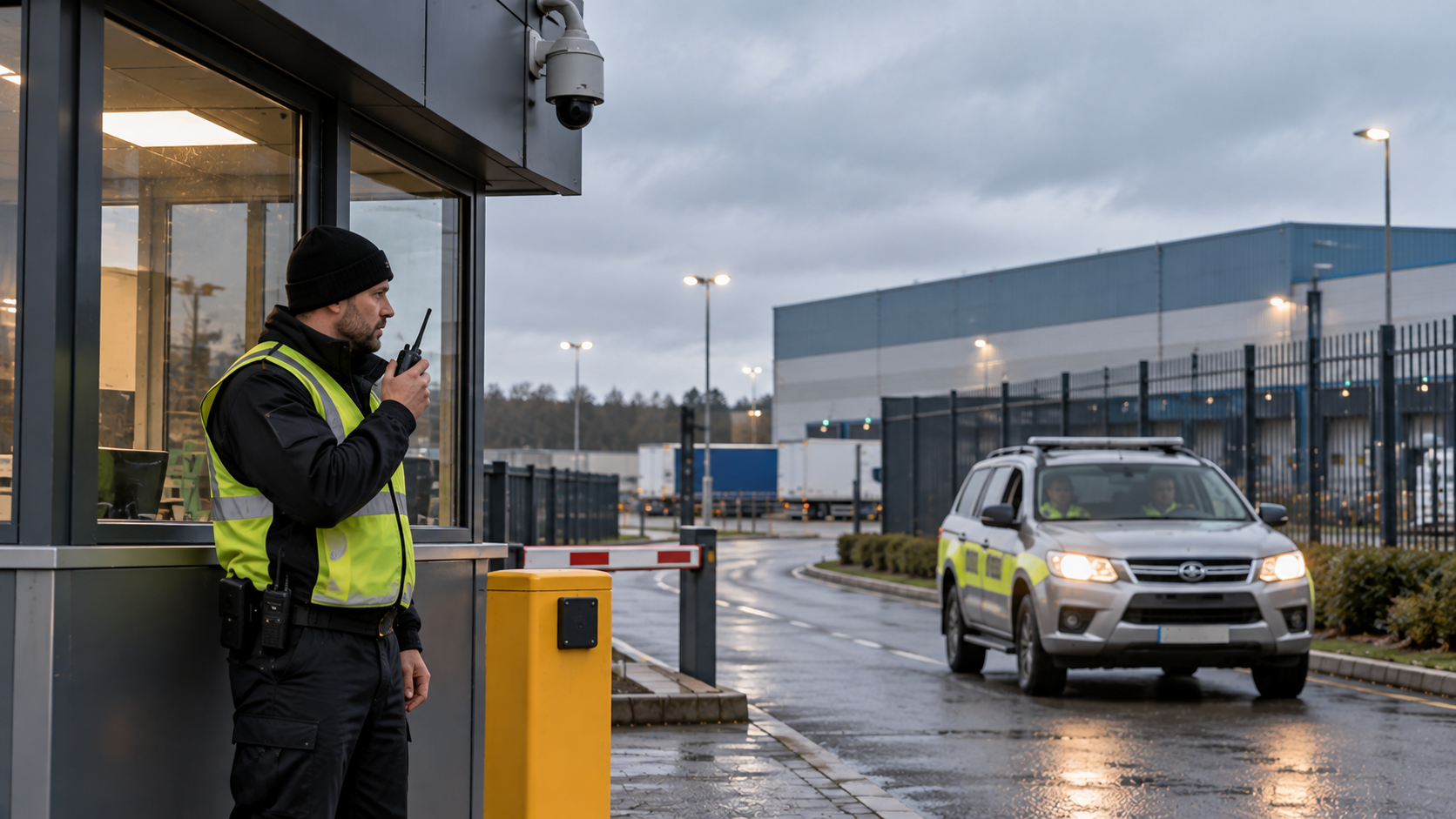
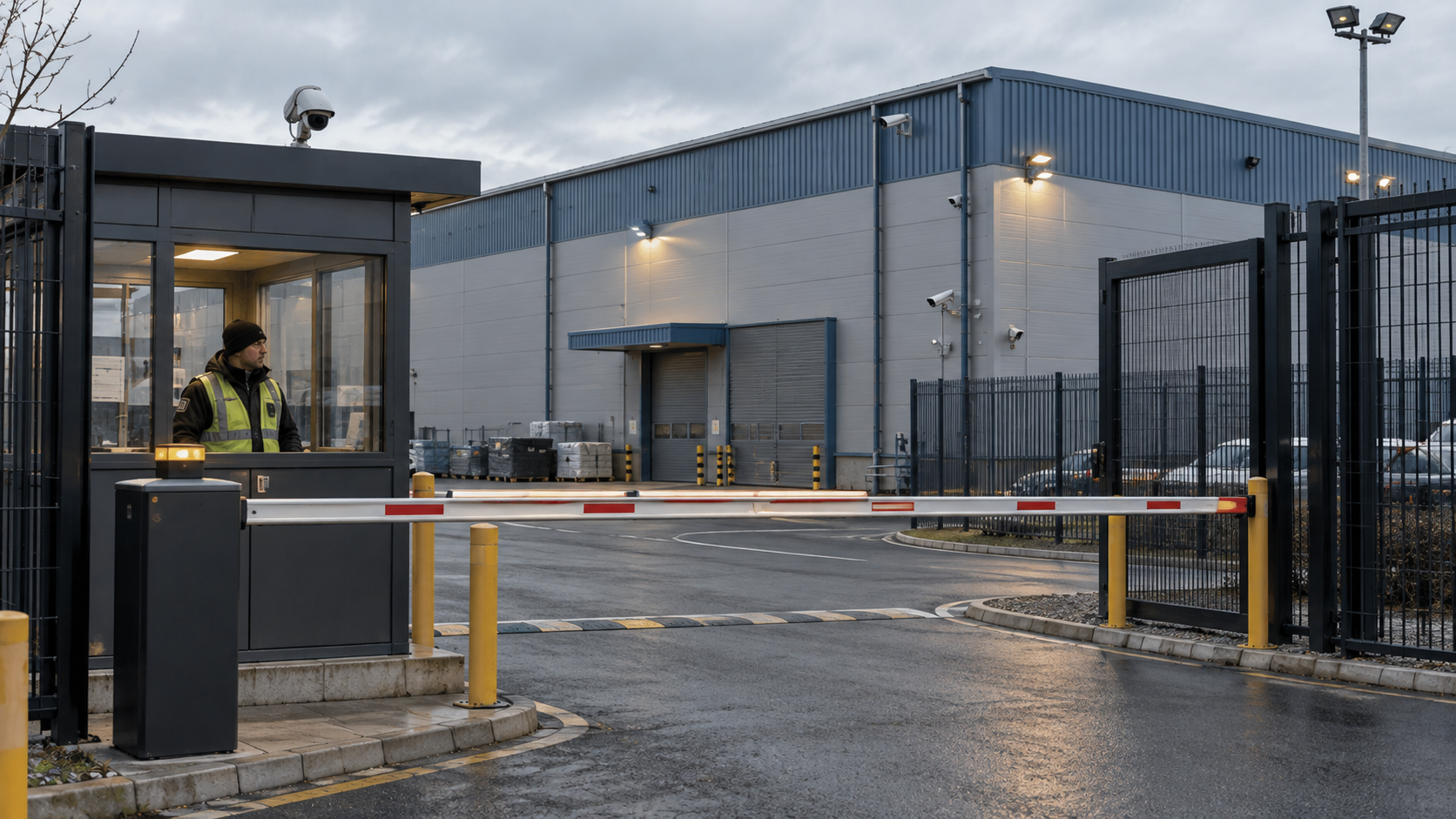
Security at a manufacturing site in Chester focuses first on strong boundaries. Fences, gates, and entry points must be secure. Access inside the site should be controlled. Vehicle movement must be checked and logged.
It also needs close watch around the plant and machinery. These areas carry both safety and security risks. Clear oversight reduces harm and limits disruption.
The Influence of Chester’s Industrial Profile
Chester sits within a connected regional network. Sites near the M53 and A55 benefit from fast logistics routes. That efficiency can also support rapid exit following theft. Estates positioned close to major transport links face different pressure than those set deeper within business parks.
Risk increases where there is:
- Direct motorway access
- Mixed-use yards with multiple tenants
- Poor lighting along the rear fencing
- Vacant neighbouring units
- Limited overnight presence
Industrial security in Chester must account for these environmental factors. Geography shapes vulnerability.
Factories located on the edge of Cheshire, particularly those close to cross-border routes, may also face organised movement patterns. Planning should consider how quickly stolen goods could leave the area.
Timing and Exposure Patterns
Risk changes with activity levels. A busy production floor provides natural oversight. Quiet periods reduce informal visibility.
Higher-risk windows often include:
- Late evenings after staff reduction
- Weekend closures
- Bank holidays
- Seasonal shutdowns
- Early-morning delivery windows
- Shift changeovers
Factories operating 24/7 have a constant presence, yet reduced staffing during night shifts can create pockets of vulnerability. Sites that close overnight rely more heavily on perimeter and monitoring systems.
Factory security services in Chester often adjust coverage during predictable low-occupancy periods. Structured adaptation reduces opportunity.
Factory Types with Greater Exposure
Not all facilities carry the same risk profile. Asset type and visibility influence targeting. Higher exposure commonly applies to:
- Metal fabrication and engineering plants
- Electronics assembly units
- Food production facilities
- Fuel-handling operations
- Sites storing high-value components
Materials such as copper, specialist tools, and fuel are portable and valuable. Equipment damage may create a greater financial impact than direct theft.
Factories in Cheshire located within shared estates may also face indirect exposure from nearby units. A poorly secured neighbour can increase attention across the entire yard.
The Impact of Shift-Based Operations
Manufacturing schedules often operate in waves. Workers arrive and leave together. Deliveries align with production cycles. During these moments, access points become busy.
Without structure, movement creates gaps. Manned guarding for factories in Chester supports controlled entry during peak transition times. Verification of identification, monitoring of vehicle flow, and clear logging reduce ambiguity. Routine matters. Consistency discourages opportunistic behaviour.
Night operations introduce different challenges. Reduced footfall means suspicious activity stands out more clearly, yet fewer personnel are present to observe it informally. Structured patrols and layered monitoring reduce reliance on chance detection.
Delivery Schedules and Access Control
Factories depend on tight logistics. Delays disrupt production. However, urgency can weaken checks if processes are unclear.
Common pressure points include:
- Drivers arriving outside allocated slots
- Subcontracted hauliers unfamiliar with site rules
- Temporary contractor access
- Multiple vehicles are waiting simultaneously
Effective industrial security in Chester balances speed with verification. Clear procedures ensure that production flow does not compromise access control.
Shutdowns and Seasonal Changes
Extended closures alter risk patterns. Machinery remains in place. Materials stay stored. Yet staff presence drops sharply. During these periods, sites may require:
- Enhanced perimeter patrol routines
- Secured storage of portable assets
- Remote monitoring support
- Reduced access permissions
Factories across the North West that close for maintenance or seasonal breaks should reassess exposure before the shutdown begins. Risk does not pause when operations do.
The Operational Core
At its foundation, factory protection supports continuity. It ensures production lines remain active. It reduces liability. It strengthens insurance defensibility.
Industrial estates in Chester differ in layout, scale, and occupancy. A structured approach adapts to those differences. When oversight, process, and controlled access align, uncertainty narrows.
That alignment forms the baseline for informed security planning across Cheshire and surrounding industrial towns.
Legal and Compliance Requirements
Security in Chester is not just about gates and guards. It is about the law. It is about proof. A factory must show that its protection meets UK rules and insurer terms. If it cannot, risk shifts back to the business.
Across Cheshire and the wider North West, problems often come to light after an incident. By then, gaps are hard to fix.
SIA Licensing and Legal Authority
Any contracted guarding role must be delivered by SIA licensed security guards UK. This is a legal requirement, not a preference. Licences confirm that individuals have completed recognised training and background screening.
For factory environments, this matters because guards may:
- Control entry to restricted plant areas
- Oversee vehicle movement
- Challenge trespassers
- Manage conflict situations
Using unlicensed staff at a factory can lead to fines or court action. It can also harm your reputation. Insurance may refuse to pay if the licences are not valid. If something goes wrong and you cannot show proof, your claim could fail.
Factories in Chester that hire outside security should always ask for a valid licence. Check expiry dates. Keep copies on file. Review them often. This simple step can prevent serious problems later.
BS 7858 Vetting and Background Screening
Beyond licensing, many insurers expect compliance with BS 7858 vetting standards. This involves structured background checks before deployment. For manufacturing site risk management, this layer protects against insider threats.
Factories often contain:
- High-value components
- Sensitive production processes
- Controlled goods
- Intellectual property
Robust vetting reduces internal exposure. It also demonstrates due diligence if a breach occurs.
DBS Checks in Factory Settings
DBS checks are not needed for every factory role. They are used when staff can enter:
- Areas with sensitive stock
- Staff rest spaces
- Chemical storage rooms
- High-security production zones
Some sites that supply defence or specialist engineering, including those linked to Warrington or Crewe routes, may need stronger screening.
The level of checks should fit the level of risk. Too many checks waste money. Too few checks create danger. Balance is key.
Insurance Conditions and Evidence Requirements
Industrial estate crime in Chester has shaped insurer expectations. Underwriters frequently request evidence of:
- Active guarding hours
- Patrol records
- Incident logs
- Risk assessments
- CCTV maintenance reports
Failure to provide clear documentation can weaken a claim. Insurance terms may also specify:
- Minimum overnight coverage
- Alarm response times
- Perimeter integrity standards
- Access control protocols
Factories near major transport routes linking Macclesfield or the North West logistics network often face stricter scrutiny due to increased movement patterns. Security arrangements must align with policy wording. A mismatch creates exposure.
GDPR and Data Protection Obligations
CCTV and access systems collect personal data. That brings responsibility. Factories must ensure:
- Clear signage informing individuals of the monitoring
- Defined data retention periods
- Secure storage of recorded footage
- Controlled access to recordings
- Lawful basis for data collection
ANPR systems used for vehicle control fall under similar obligations. Logs must be protected. Access must be restricted. Retention should not exceed necessity.
Incident reports that include identifiable information require secure handling. Data breaches create legal liability separate from physical security incidents.
For sites across Cheshire industrial estates, especially multi-tenant yards, clarity over data ownership is essential. Shared systems can create confusion.
VAT and Contractual Considerations
Security services are typically subject to VAT. Finance teams must account for this when budgeting. Long-term contracts should clearly outline:
- Scope of coverage
- Hours of service
- Escalation procedures
- Liability allocation
- Termination clauses
Publicly funded facilities in the North West may also fall under procurement regulations requiring competitive tender processes. Clarity prevents disputes.
Planning Conditions and Local Authority Expectations
While there are no blanket council rules specific to guarding, planning permissions may include conditions around:
- Perimeter fencing
- Lighting design
- Traffic management
- Access gate positioning
Sites expanding operations in Chester or the surrounding Cheshire districts should review planning documentation to confirm compliance.
Poorly positioned lighting can create blind spots. Excessive lighting can cause glare. Both affect perimeter security and access control.
Health and Safety Intersection
Security roles intersect with safety obligations. Guards operating near plant equipment must understand:
- Vehicle movement patterns
- Restricted zones
- Emergency procedures
- Lone working protocols
Factories near logistics routes linking Warrington and Crewe often experience high vehicle turnover. Oversight must align with safety systems.
An incident involving unauthorised access near machinery may trigger both security and health investigations.
Martyn’s Law and Future Impact
The Terrorism (Protection of Premises) law, known as Martyn’s Law, introduces new safety duties for some sites. Final details are still being set. Large factories with many staff or regular visitors may need:
- Written risk reviews
- Clear evacuation plans
- Staff awareness training
- Defined response steps
Preparation should begin with review, not panic. Early planning reduces later pressure.
Documentation and Proven Compliance
Effective compliance relies on recordkeeping. Factories should maintain:
- Licence copies
- Vetting confirmation
- Patrol logs
- Incident reports
- Training records
- System maintenance certificates
- Risk assessment updates
These documents support audit processes and insurance reviews. They also strengthen defensibility in the event of legal scrutiny.
The Broader Compliance Landscape
Security connects to employment law, data rules, safety duty, and contract terms. It does not sit alone. Factories in Chester operate within a network that spans Cheshire and the wider North West. Standards do not stop at city limits.
Clear compliance protects more than stock. It protects reputation. It protects uptime. It protects financial stability. A strong legal footing gives strength to every other part of a security plan.
Costs, Contracts and Deployment in Chester
Security planning in Chester is not only about risk. It is also about budget control and contract clarity. Finance teams want predictability. Operations teams want stability. Insurers want assurance. All three must align before coverage begins.
Factories across Cheshire vary widely in size and layout. A compact unit near the city centre carries different requirements from a large facility positioned close to routes linking Warrington or Crewe. Cost structure reflects that difference.
What Drives Security Costs in Chester?
Several factors influence pricing. None exists in isolation. Key drivers include:
- Total site footprint
- Length and condition of perimeter fencing
- Number of vehicle and pedestrian access points
- Shift patterns and operating hours
- Yard size and lighting coverage
- Storage of high-value or regulated materials
A 24-hour manufacturing plant requires consistent oversight. A daytime-only facility may only need extended evening coverage. Multi-tenant estates introduce complexity where boundaries overlap.
Industrial security Chester providers typically assess exposure before proposing hours. Under-specifying coverage can reduce short-term cost but increase long-term risk.
How Do Operating Hours Affect Budget?
Continuous production sites demand a stable presence. Night coverage often increases cost because of unsociable hours. Weekend or bank holiday monitoring adds further layers.
Factories that shut down overnight may rely on:
- Reduced on-site presence
- Remote monitoring support
- Scheduled patrol attendance
During planned shutdowns, temporary uplift may be required. Seasonal closures across Macclesfield and surrounding Cheshire towns often increase exposure due to reduced natural oversight.
Factory security services in Chester frequently adjust deployment models during these periods. Temporary scaling must be planned in advance to avoid rushed decisions.
Contract Length and Stability
Most industrial contracts run between 12 and 36 months. Shorter terms provide flexibility. Longer terms offer price stability and operational consistency.
Typical agreements outline:
- Service scope
- Minimum hours
- Escalation procedures
- Notice periods
- Performance review cycles
Inflation and wage pressure across the North West have affected guarding rates in recent years. Stability comes from clear contractual terms rather than last-minute adjustments.
Under-resourced agreements create service gaps. Overextended agreements create budget strain. Balance matters.
How Quickly Can Security Be Deployed in Chester?
Mobilisation timelines depend on complexity. A small site with defined access points may require only:
- Risk assessment
- Assignment of licensed personnel
- Site briefing
- Handover documentation
Larger factories near Warrington logistics corridors may require:
- Perimeter mapping
- Coordination with facilities management
- Access system integration
- Shift pattern planning
- Communication structure development
New site openings or expansion projects in Crewe or Cheshire industrial estates often involve phased deployment. Early planning prevents disruption during operational launch.
Emergency deployment is possible, but structured rollout produces stronger long-term control.
Insurance and Financial Planning
Security affects insurance. It is not separate from it. Underwriters often ask for clear proof before they agree to terms. They may request:
- Set coverage hours
- Evidence of active guarding
- CCTV service records
- A clear incident reporting system
If records are strong, renewal talks are smoother. If records are weak, premiums may rise. Good documentation shows control. It shows that risks are managed, not ignored. Budget planning should look beyond the monthly invoice. It should include:
- Service cost
- VAT
- Possible insurance savings
- The risk of losses not covered
Security spend is often judged by visible events. That view is narrow. The real value also sits in what did not happen. Stopped intrusion. Avoided downtime. Protected contracts. Financial planning works best when risk and cost are reviewed together.
Procurement Considerations
Publicly funded facilities in Cheshire must follow regulated procurement processes. Tender documentation should clearly define:
- Coverage expectations
- Performance indicators
- Reporting standards
- Compliance requirements
Ambiguity leads to underperformance. A clear specification supports accountability. Industrial estates spanning multiple tenants may also share certain access points. In such cases, cost allocation between occupiers should be defined contractually.
Balancing Cost and Coverage
Manned guarding for factories in Chester provides real-time oversight and deterrence. Remote monitoring reduces physical presence costs but may increase response dependency. A blended model often provides balance.
Cost decisions should consider:
- Asset concentration
- Exposure history
- Neighbouring unit activity
- Proximity to major transport links
- Operational downtime impact
A short-term saving that results in production stoppage carries greater financial consequences than consistent coverage.
Regional Context
Factories across the North West operate within interconnected supply chains. A delay in Chester can affect dispatch schedules in Macclesfield or distribution centres in Warrington. Security planning should therefore reflect supply chain value, not just physical footprint.
Deployment is not static. It adapts to operational change. Expansion, new equipment installation, or revised delivery routes all influence exposure.
Factory security services in Chester function best when aligned with operational planning cycles. Early involvement in expansion discussions reduces later adjustment costs.
The Core Principle
Cost, contract structure, and deployment planning must work together. A clear specification prevents misunderstanding. Defined hours reduce disputes. Accurate documentation supports insurance defence.
Security budgeting should be realistic, proportionate, and responsive to site-specific risk across Cheshire. That clarity provides stability, financially and operationally.
Training, Operations, and Daily Duties in a Factory Context
Factories in Chester operate within live production environments. Security presence must support operations, not interrupt them. That balance depends on training, structure, and clarity.
Training Standards in Industrial Settings
Personnel deployed to manufacturing facilities require more than a licence. While all guarding roles must be delivered by SIA licensed security guards UK, factory environments demand added awareness.
Training should cover:
- Site-specific induction
- Vehicle movement safety
- Hazard recognition near plant machinery
- Emergency evacuation procedures
- Contractor verification protocols
- Data protection awareness
Manufacturing site risk management relies on consistency. A guard who understands how a loading bay functions is less likely to obstruct workflow. A guard who understands machinery zones is less likely to create safety conflicts.
Factories across Cheshire often manage high vehicle turnover. Awareness of blind spots and yard flow patterns reduces collision risk.
Start-of-Shift Structure
A structured start reduces error. At the beginning of a shift, security teams typically:
- Review incident logs from the previous period
- Confirm active access permissions
- Check communication systems
- Inspect perimeter integrity
- Verify CCTV and alarm functionality
This routine keeps things steady. On sites in Crewe that run all day and night, early checks stop small problems from growing. Unstructured starts create gaps. Gaps create exposure.
Managing Shift Handovers on 24/7 Sites
Factories in the North West that run around the clock require precise handovers. Information must transfer clearly.
Effective handovers include:
- Summary of incidents or unusual activity
- Updates on visitor or contractor schedules
- Confirmation of restricted areas
- Review of equipment faults
- Escalation notes
Documentation supports accountability. It also strengthens defensibility if industrial estate crime in Chester leads to an investigation. Where shifts overlap briefly, verbal briefing should be reinforced by written records. Assumptions weaken oversight.
Priority Checks Around Machinery and Yards
Industrial sites contain high-value equipment. They also contain safety hazards. Security presence must respect both.
Common priority areas include:
- Loading bays and dispatch zones
- External storage areas
- Fuel tanks and plant rooms
- Tool storage units
- Restricted engineering spaces
Factory perimeter security and access control must extend beyond gates. Internal zoning prevents unauthorised movement between departments.
Yard checks often focus on:
- Unfamiliar vehicles
- Damaged fencing
- Poor lighting coverage
- Open access points
Factories positioned near open estates in Cheshire may experience spillover activity from neighbouring units. Regular observation discourages testing behaviour.
Daily Reporting and Documentation
Routine reporting supports insurance and compliance review. It also informs operational planning.
Daily reports may include:
- Patrol times and findings
- Visitor logs
- Delivery verification records
- Incident summaries
- Maintenance observations
Clarity matters more than volume. Overly detailed notes obscure key events. Sparse records create doubt.
Factories supplying distribution hubs in Warrington or Crewe often require documented evidence of access control. Clear logs strengthen trust across supply chains.
Incident Handling Without Disrupting Production
Security intervention must be proportionate. Overreaction can interrupt workflow. Underreaction can escalate risk. When issues arise, an effective response follows defined steps:
- Immediate risk assessment
- Controlled engagement
- Escalation to management where required
- Preservation of evidence
- Clear reporting
The objective is stability. If trespass occurs, it must be contained quickly. If a delivery discrepancy appears, it must be clarified without halting operations unnecessarily.
Structured response prevents confusion on busy sites across Macclesfield or wider Cheshire estates.
Secure-Down Procedures During Shutdowns
Planned closures change risk. Machines stop. Staff leave. Yards fall quiet. Attention shifts to gates, fences, and stored goods. Before shutdown, sites should follow a clear checklist.
This may include:
- Locking all doors and gates
- Limiting key access to named staff
- Sealing off sensitive rooms
- Increasing patrol checks
- Activating remote monitoring
- Testing alarm systems
Factories across the North West often close during holidays. These periods are known in advance. That makes planning easier. It also makes sites predictable.
A secure-down is not one task. It is a series of steps. Each step should be checked off. Each action should be logged. Records matter. If something happens, proof of preparation helps. Quiet sites can attract attention. Strong preparation lowers that risk.
The Operational Impact
Training lowers risk. Routine builds control. Clear handovers stop details from being lost. Regular checks protect machines and yard areas. Written records prove what was done.
Factories in Chester work within a linked regional network. A problem at one site can affect work in Warrington, Crewe, and other nearby towns. Good security practice protects more than stock. It keeps production steady. It starts with training. It lasts through daily habits.
Performance, Risks, and Challenges
Security at a factory should be checked, not guessed. It needs proof. In Chester, many sites sit on busy industrial estates across Cheshire and the wider North West. Protection must support daily work. If security fails, production suffers. Performance should link to uptime, safety, and clear records.
What Should Factory Managers Measure?
Clear indicators help determine whether coverage is working. Useful KPIs include:
- Number of access breaches
- Incident frequency over time
- Response times to alarms or alerts
- Patrol completion rates
- Downtime linked to security-related events
- Accuracy of visitor and vehicle logs
These measures show patterns. A single incident may not signal failure. Repeated perimeter breaches suggest structural weakness. Consistent reporting gaps indicate oversight problems.
Factory security services in Chester should provide measurable data, not vague assurance. Decision-makers in Warrington or Crewe-linked supply chains often request evidence of stability before awarding contracts.
The Impact of Weather on Industrial Sites
Weather affects performance more than many expect. Cheshire winters bring heavy rain and strong winds. Poor visibility weakens natural oversight. Waterlogged ground near fencing can reduce barrier stability.
Common weather-related issues include:
- Damaged fencing panels
- Lighting failure during storms
- Slippery yard surfaces
- Reduced patrol frequency due to conditions
Industrial security Chester planning must account for seasonal variation. What works in summer may not hold in January. Perimeter resilience should be reviewed after extreme weather events.
Sites in open estates near Macclesfield or exposed areas of the North West face additional wind pressure. Routine inspection reduces unnoticed deterioration.
Fatigue and Overnight Coverage
Continuous manufacturing across Cheshire often involves night shifts. Reduced staff presence changes site dynamics. Security personnel operating overnight face different demands.
Fatigue can affect:
- Observation accuracy
- Reaction speed
- Decision clarity
Structured shift rotation and clear handover protocols reduce these risks. Monitoring patterns should remain consistent during low-occupancy periods. Quiet yards may appear calm, but vulnerability increases when activity drops.
Manned guarding for factories in Chester during overnight hours must remain alert without disrupting essential operations. Calm visibility discourages intrusion without escalating tension.
Health and Safety Overlap
Security responsibilities intersect with safety obligations. Guards operate near heavy plant, forklifts, and loading vehicles. Clear coordination with site supervisors is essential.
Key overlap areas include:
- Traffic management in shared yards
- Contractor escort procedures
- Restricted access to hazardous zones
- Emergency evacuation support
Failure to integrate security with safety planning increases liability. An unauthorised visitor injured on site creates legal and financial consequences beyond asset loss.
Chester manufacturing site security must therefore align with internal safety systems. Documentation of risk assessments and patrol records strengthens defensibility.
Liability and Poor Planning
Under-specified coverage often leads to preventable exposure. Gaps in patrol scheduling, unclear escalation routes, or inconsistent reporting create blind spots.
Poor planning can result in:
- Insurance disputes
- Production delays
- Reputational damage
- Increased premiums
- Contract instability
Factories connected to distribution networks in Warrington or Crewe depend on reliable uptime. Even a short disruption can affect wider supply chains.
Industrial estates across the North West vary in layout. Some share boundaries. Others have complex entry routes. A generic approach rarely works.
Performance monitoring should therefore remain continuous. Risk evolves with expansion, equipment upgrades, or changes in neighbouring occupancy.
The Operational Reality
Security effectiveness is not measured by visible presence alone. It is measured by reduced incident frequency, stable production, and clear documentation.
Factories in Chester operate within a competitive regional economy. Oversight must be proportionate, structured, and adaptable.
When performance indicators are tracked carefully, risk narrows. When challenges are ignored, exposure grows quietly.
Consistent review protects more than assets. It protects operational continuity across Cheshire and the wider North West.
Technology and Future Trends
Factories in Chester are changing. Industrial estates across Cheshire now mix classic production with modern logistics and smart systems. Sites move faster than they did before. Risk moves with them.
Security must adapt. Old methods alone are not enough. Technology does not replace people. It helps them see more. It helps them act faster. It supports better choices when pressure rises.
How Technology Has Changed Industrial Protection
In the past, coverage relied heavily on physical patrols and static gate positions. Today, layered systems support broader oversight.
Modern setups often include:
- Integrated CCTV networks
- Access card systems linked to staff databases
- Automated vehicle entry points
- Real-time incident reporting platforms
This approach supports manufacturing site risk management by connecting physical protection with digital records. Factories near Warrington or Crewe distribution routes often operate across large footprints. Technology helps monitor those spaces without increasing physical presence unnecessarily.
Urban-industrial zones in the North West have seen rising sophistication in intrusion methods. As a result, systems must detect early movement, not simply record it.
The Role of AI in Factory Security
Artificial intelligence now supports pattern recognition within camera systems. AI-driven analytics can identify:
- Perimeter breaches
- Unusual after-hours movement
- Loitering near loading bays
- Vehicles entering restricted zones
These systems reduce reliance on constant human observation of screens. They flag anomalies based on behaviour patterns.
AI should not act alone. It provides alerts. Human oversight determines response. Combining analytics with trained personnel improves detection speed while maintaining judgement.
For sites managing industrial estate crime in Chester, early detection limits escalation. A fence climb identified quickly is easier to manage than a theft discovered hours later.
Remote Monitoring as a Support Layer
Remote monitoring provides off-site oversight of alarms and cameras. It supports on-site teams rather than replacing them.
Benefits include:
- Out-of-hours observation
- Immediate alarm verification
- Evidence preservation
- Escalation to emergency services if required
Factories in Macclesfield or wider Cheshire that close overnight often use remote systems to maintain continuity. When integrated properly, monitoring enhances factory perimeter security and access control.
However, remote support must align with clear response protocols. Without defined escalation, alerts lose value.
Drone Patrols and Large Industrial Estates
Drone use remains limited but growing. Large estates with expansive yards may deploy drones for periodic aerial inspection.
Potential uses include:
- Inspecting perimeter fencing
- Monitoring roof access
- Assessing blind spots
- Reviewing storm damage
Drone deployment must comply with aviation regulations and privacy law. It is not suitable for every site. Yet for extensive facilities across the North West, aerial visibility can complement ground patrols.
Technology should remain proportionate. Excess complexity can create cost without meaningful risk reduction.
Predictive Tools and Risk Planning
Data-driven systems now support forecasting. Historical incident logs, delivery schedules, and occupancy patterns can highlight higher-risk periods. Predictive planning may consider:
- Seasonal shutdown periods
- High-value shipment days
- Staffing fluctuations
- Local crime trends
By reviewing patterns, factories in Cheshire can adjust coverage before incidents occur. This strengthens manufacturing site risk management without reactive spending. Data analysis does not eliminate risk. It reduces surprise.
Martyn’s Law and Preparedness
The new Terrorism (Protection of Premises) law will affect larger sites with public access or many staff. The rules are still being finalised. However, sites should begin to review their risks now.
Factories in Chester that welcome contractors, visitors, or large teams may need to show:
- Written threat assessments
- Clear evacuation plans
- Basic staff safety training
- Simple communication steps in an emergency
Security systems can help by keeping entry records and tracking incidents. This does not mean a full rebuild of your setup. It means checking what you have and making sure it works.
The Balanced View
Technology is a force multiplier. It enhances awareness. It strengthens documentation. It improves detection speed.
Yet systems must remain integrated with trained personnel. All guarding roles must still be delivered by SIA licensed security guards UK where physical presence is required. Oversight cannot be automated entirely.
Factories across Cheshire and the wider North West operate within interconnected supply chains. Disruption in one site can ripple outward.
Modern tools support stability when deployed thoughtfully. Overreliance creates false confidence.
Future planning should focus on clarity, integration, and proportionality. That approach keeps industrial sites resilient without unnecessary complexity.
Conclusion
Factories in Chester sit within a busy trade network. Roads link to Cheshire, Warrington, Crewe, and Macclesfield. Goods move in and out each day. Fast access supports growth. It also brings risk.
That is why Chester businesses need factory security. It protects output, not just buildings. It supports legal duty and insurer trust. Strong perimeter control and clear access rules reduce intrusion before loss begins. Good site risk planning limits disruption when pressure rises.
Industrial estate crime in Chester often depends on timing and location. Quiet hours create a chance. Poor lighting adds cover. A layered approach closes gaps. Trained staff, clear records, and joined-up systems give control.
Security should not wait for trouble. It should prevent it. When protection supports daily work, risk feels steady, not sudden. Careful planning guards more than stock. It protects continuity and long-term strength across the region.
Frequently Asked Questions
1. How much does factory security cost in Chester?
There is no flat rate. A small unit on a quiet estate in Cheshire will cost less than a large plant near major Warrington routes. Price depends on hours, access points, risk level, and site size.
2. Do manufacturing businesses in Chester need 24-hour security?
Some do. Sites with high-value machinery or night shifts often need constant cover. Others close at set times and use patrols or monitored alarms instead. Risk level should guide the choice.
3. What are the legal requirements for factory security in the UK?
Guards must hold valid licences. CCTV must follow data protection rules. Insurance terms may set extra conditions. Written records matter.
4. What type of security do industrial sites in Chester require?
It depends on the layout and activity. Busy estates near Crewe links may need controlled gates and yard checks. Smaller sites in rural Cheshire may focus on perimeter strength and alarm response.
5. Does factory location in the North West affect risk?
Yes. Fast road access can increase exposure. Shared yards also raise uncertainty. Planning should reflect the surroundings.
6. How does security help with insurance renewal?
Clear logs and risk reviews show control. Insurers prefer evidence, not claims.
7. What happens during long shutdown periods?
Quiet sites attract attention. Extra checks or remote monitoring often reduce that risk.
8. Why Chester businesses need factory security today?
Because production depends on stability. Protection limits disruption, supports compliance, and keeps operations steady across the region.