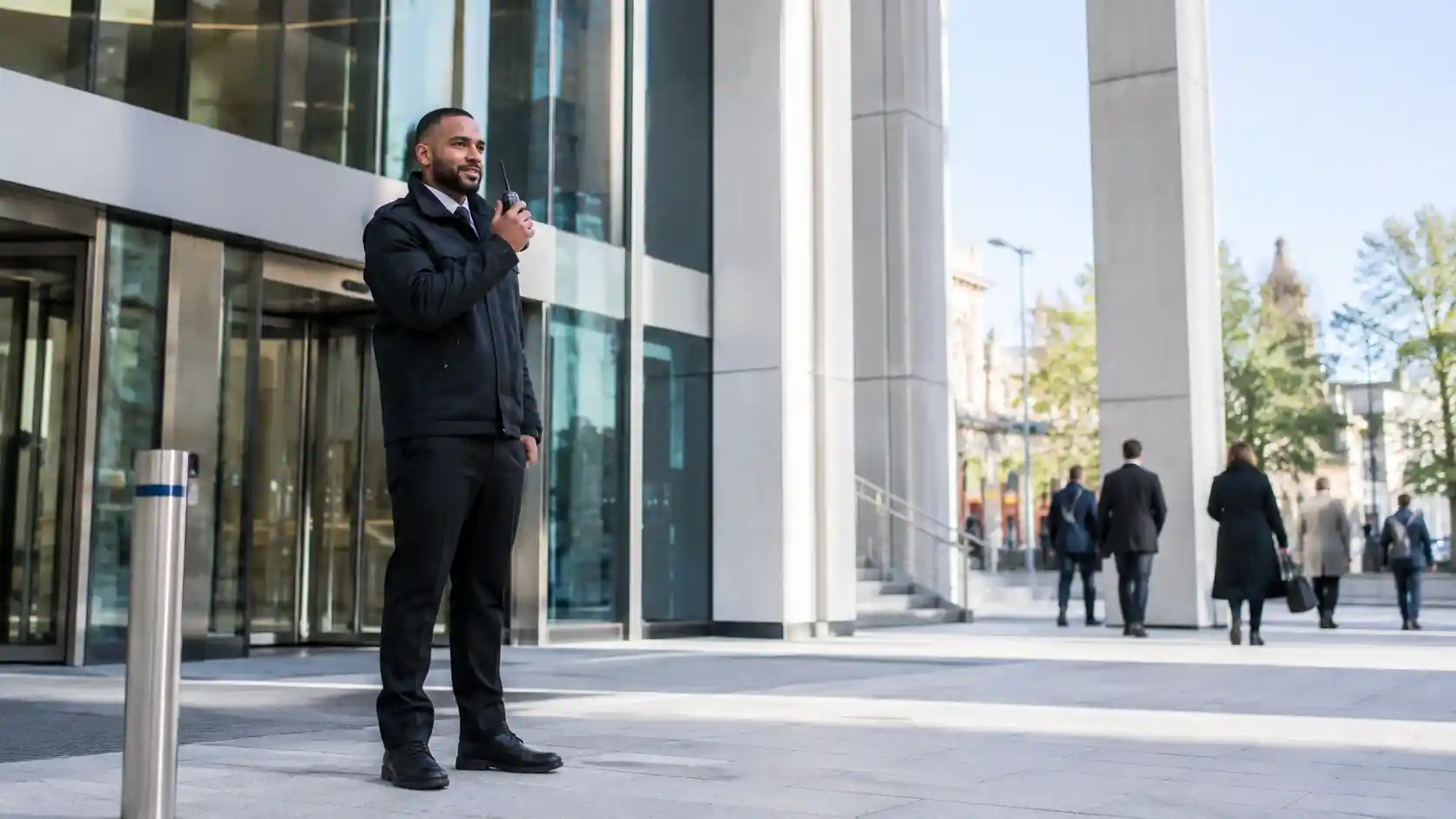
Retail work in many shops is not the same as before. Staff once felt they should question people who looked linked to theft, but many now step back from this action. Retail workers avoid confrontation as safety risks, fear of abuse, legal concerns, clear workplace rules, and ongoing emotional stress continue to grow during daily duties. These real pressures shape how safe staff feel while doing their role on the shop floor. Looking at these conditions helps explain why retail staff stop confronting shoplifters and shows why staff safety is now a key part of modern retail security.
The shift in retail staff behaviour around shoplifting
Change in retail staff behaviour has grown slowly across many stores and public shopping spaces. It has not come from one single event. It has formed over time through daily experience, new workplace rules, and a stronger focus on retail staff safety concerns. Frontline employees meet many unknown people each day, often in busy and crowded areas where reactions can be hard to predict. Because of this constant exposure, workers begin to think first about personal safety and emotional calm. This careful thinking is linked to frontline retail worker safety and the rising awareness of customer aggression in shops, not to a lack of care about loss or policy.
To understand why retail staff stop confronting shoplifters, it is important to look at the wider setting around the worker. Store culture, public behaviour, shared responsibility, and the ongoing weight of stress all shape daily decisions. Repeated tension can affect retail security staff’s well-being and increase the feeling of risk during uncertain moments. Over time, staff notice that stepping back lowers danger and protects both people and the store space. This pattern connects closely with employee safety culture in retail and the growing concern about verbal abuse in retail stores.
This gradual shift also shows a wider change in retail security awareness. Many workplaces now separate service duties from situations linked to conflict or control. Staff are guided to focus on helping customers, keeping calm spaces, and supporting safe store flow. Risk handling is treated as a different responsibility. Within this structure, stepping away from confrontation is often seen as careful judgement that supports shoplifting’s impact on employees, non-confrontation retail policy, and long-term emotional safety rather than simple avoidance.
Why retail workers avoid confrontation today in stores
Rising risk of verbal and physical abuse
Retail spaces are open and public, and even small misunderstandings can grow quickly when emotions rise. A simple question about unpaid goods may feel like a direct accusation to the person involved. When embarrassment or frustration appears, voices can rise, tension can spread, and the situation may become unsafe within moments.
Staff who have seen escalation before often carry that memory into future encounters. Even one hostile event can change how safe confrontation feels in daily work. Over time, repeated exposure builds caution, and this lived experience begins to shape overall retail staff safety behaviour.
Personal safety concerns for frontline workers
Frontline retail workers spend long hours in open shops. Anyone can come in and act out. They do not wear safety gear. They are not trained to handle violent situations. Their main job is to help customers and keep the shop calm. When someone shouts or makes threats, staff can feel real fear. The heart may race, and clear thinking can fade. After the event, workers may worry about being hurt or followed. The memory of the moment can stay for days. For many staff, stepping back is a simple way to stay safe and keep the store calm.
Fear of legal or disciplinary consequences
Risk of wrongful accusation
Retail staff must make quick decisions in busy spaces. Mistakes are possible. A person may appear suspicious but remain innocent. If confrontation happens in error, the emotional and legal consequences can be serious. Complaints, investigations, or reputational damage may follow.
This uncertainty creates hesitation. Employees often feel that stepping back avoids greater harm. Concern about wrongful accusation in retail, therefore, becomes a quiet but powerful influence on behaviour.
Employer policies restricting intervention
Many organisations guide staff toward observation and reporting rather than direct challenge. These policies aim to reduce conflict and protect well-being. While designed for safety, they also reshape expectations. Employees learn what actions are supported and what actions carry risk. Gradually, policy becomes culture. Culture becomes habit. Habit becomes normal behaviour across the shop floor.
Limited training and role expectations
Retail roles focused on service, not enforcement
Most retail job descriptions centre on helping customers, managing stock, and keeping spaces welcoming. Confrontation sits outside this purpose. When duties feel unclear, employees return to the safest interpretation of their role: provide service and avoid conflict.
This gap between expectation and authority explains much of the staff’s reluctance to challenge shoplifting. Workers rarely feel empowered to act beyond their defined responsibilities.
Emotional pressure on unprepared staff
Conflict is hard for any person. It is even harder when someone is not ready for it. Many retail workers do not receive deep training for tense moments. They learn to smile, help, and stay polite. They do not learn how to face anger or strong blame. When a sudden problem begins, the mind and body react very fast. The heart beats hard. Hands may shake. Breathing can feel tight. Clear words become difficult to find.
In that short time, the worker must think about many things at once. They think about safety. They think about rules at work. They think about how the other person may react next. This heavy feeling creates strong emotional pressure. It can feel scary, even if no harm happens. The fear of making the wrong move or saying the wrong word grows inside the moment.
Because this pressure feels so real, stepping away can feel like the safest choice. Moving back lowers tension and helps the worker stay calm. It also protects their feelings after the event ends. These quiet choices show how important emotional safety is in retail work and how deeply it shapes everyday staff behaviour.
Mental health strain and repeated incident fatigue
Anxiety, stress, and burnout in retail settings
Retail already involves long hours, public interaction, and performance pressure. When tension or aggression is added, emotional load grows heavier. Continuous low-level stress can slowly affect confidence, mood, and sense of security. This connection between shoplifting exposure and staff wellbeing is often overlooked. Yet emotional fatigue plays a major role in behavioural change.
Behaviour change after repeated exposure
People adapt to protect themselves. After repeated difficult encounters, the mind seeks safer patterns. Disengagement becomes one of those patterns. It reduces immediate stress, even if it does not solve the wider issue. This gradual adjustment explains why the shift feels widespread rather than isolated.
Changing responsibility within modern retail environments
Separation between sales duties and safety duties
Modern retail increasingly separates service roles from risk-focused responsibilities. This structure clarifies who handles conflict and who maintains customer experience. For frontline staff, the message is simple: focus on service, not confrontation. Such separation reshapes daily behaviour and strengthens a non-confrontation culture in retail.
Organisational encouragement to disengage
Encouragement does not always appear as direct instruction. Sometimes it is subtle. Calm behaviour is praised. Conflict is discouraged. Safety language appears in training. Over time, employees understand that stepping back aligns with organisational values. This understanding reinforces the broader shift in retail workplace safety practice.
Conclusion
Many retail workers now step back instead of facing conflict. Retail workers avoid confrontation not because they lack care or responsibility, but because safety risks, fear of abuse, legal concerns, strong stress, and clear workplace rules influence daily decisions. These pressures shape how staff react when theft is seen. Stepping back is often a practical way to stay safe while continuing in a service role. Understanding why retail staff stop confronting shoplifters helps explain modern retail security, human response to risk, and the real experiences of frontline workers in today’s stores.
For organisations that want to strengthen staff safety and create calmer store spaces, speaking with a professional retail security team can offer clear guidance and support for safer working environments.
Frequently asked questions
Why are retail staff told not to confront shoplifters?
Staff safety comes first. Shops want workers to stay safe. They ask staff to watch and report. This helps stop fights. It also helps avoid trouble.
Is confronting shoplifters dangerous for employees?
Yes. People can shout, push, or act out. That can hurt or scare staff.
Do company policies stop staff from intervening?
Some do. Many stores tell staff to avoid direct challenge. They want incidents reported to managers or security.
How does shoplifting affect staff wellbeing?
It can make staff feel tired and worried. Repeated incidents cause stress and low mood. Work can feel harder after such events.
Has staff safety in retail changed in recent years?
Yes. Shops now focus more on keeping staff safe. Rules and training have moved to reduce frontline confrontation.