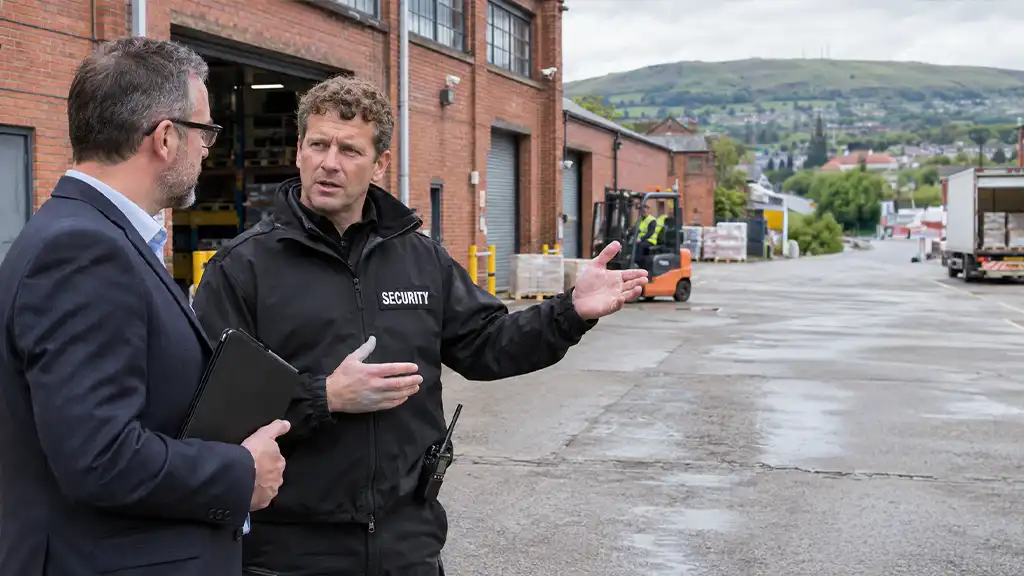
Security decisions can affect how smoothly a business runs each day. For organisations across Oldham, a well-planned approach should protect commercial premises while supporting staff, visitors and normal business activity. This makes choosing the right manned guarding service an important part of responsible business security.
What Security Risks Should Businesses In Oldham Examine First?
Start with the site. Look at each area, not the whole site as one space. This gives a better view of the security risks in Oldham.
Where Is The Risk Located?
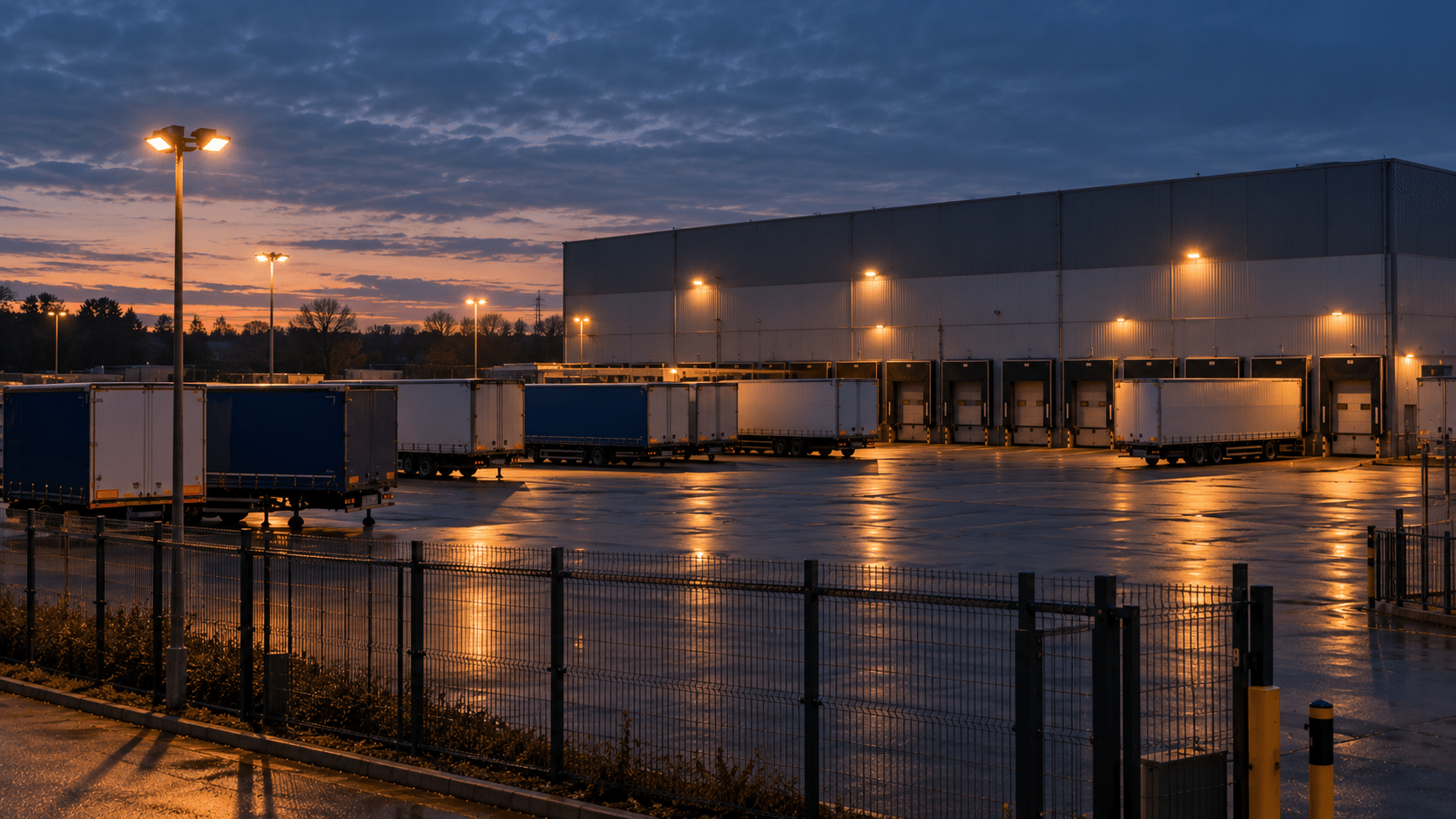
Check doors, gates, loading bays, car parks, stores and private areas. Check outer paths and yards too. One gate may need close checks, while another may have little risk.
When Does The Risk Occur?
Busy times may bring more staff, guests, drivers and contractors. Risk may look different in the evening, at weekends or at night.
What Is At Risk?
Think about people, stock, tools, vehicles and buildings. Think about who can enter each area. A security risk assessment should link each risk to a real place on the site.
When Does Plan Fit On Manned Guarding in Oldham for Commercial Sites?
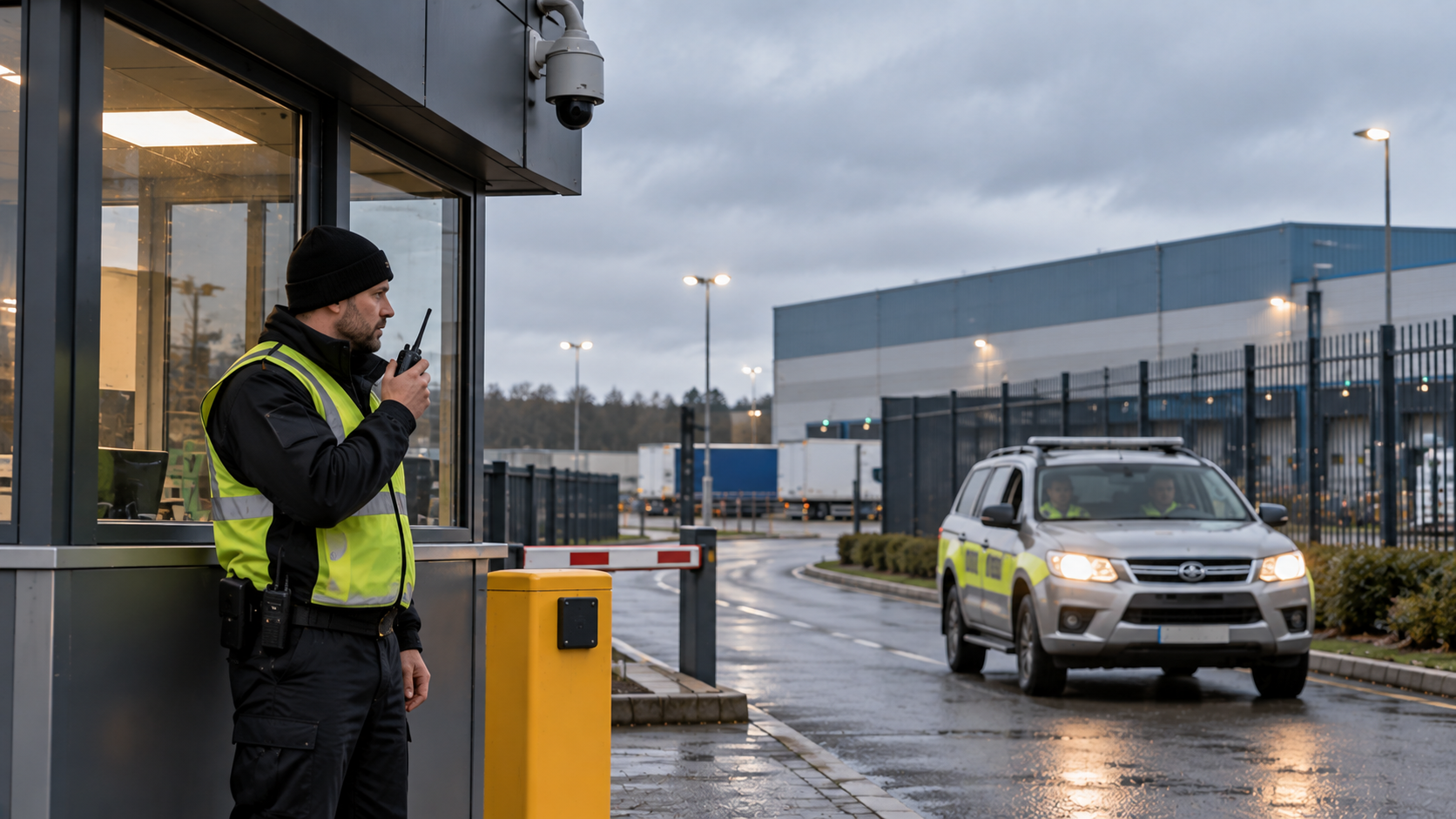
Manned guarding may fit when a risk needs a person on site. A camera can show an event. An alarm can send a signal. A guard can see what is taking place and follow set steps. That gives on-site security a clear role.
Look For Risks That Need Human Attention
A guard may watch a key area. They may check access or assess an event in person. The guard can then follow the site’s rules for action and escalation.
Match The Level Of Presence To The Risk
The right level can vary by site size, access points and use. High-risk areas may need more focus. A small site with one main gate is not the same as a large site. Many buildings create a wider task.
The aim is to match the guard to the risk. Security guards in Oldham are not a fixed plan. The role should fit the site and the time of day.
How Do Site Layout And Access Points Affect Manned Guarding?
Site layout can shape a guarding plan. Think of a simple chain: layout, exposure, access, guard position. Each step can change what a guard needs to watch.
Single-Point Access
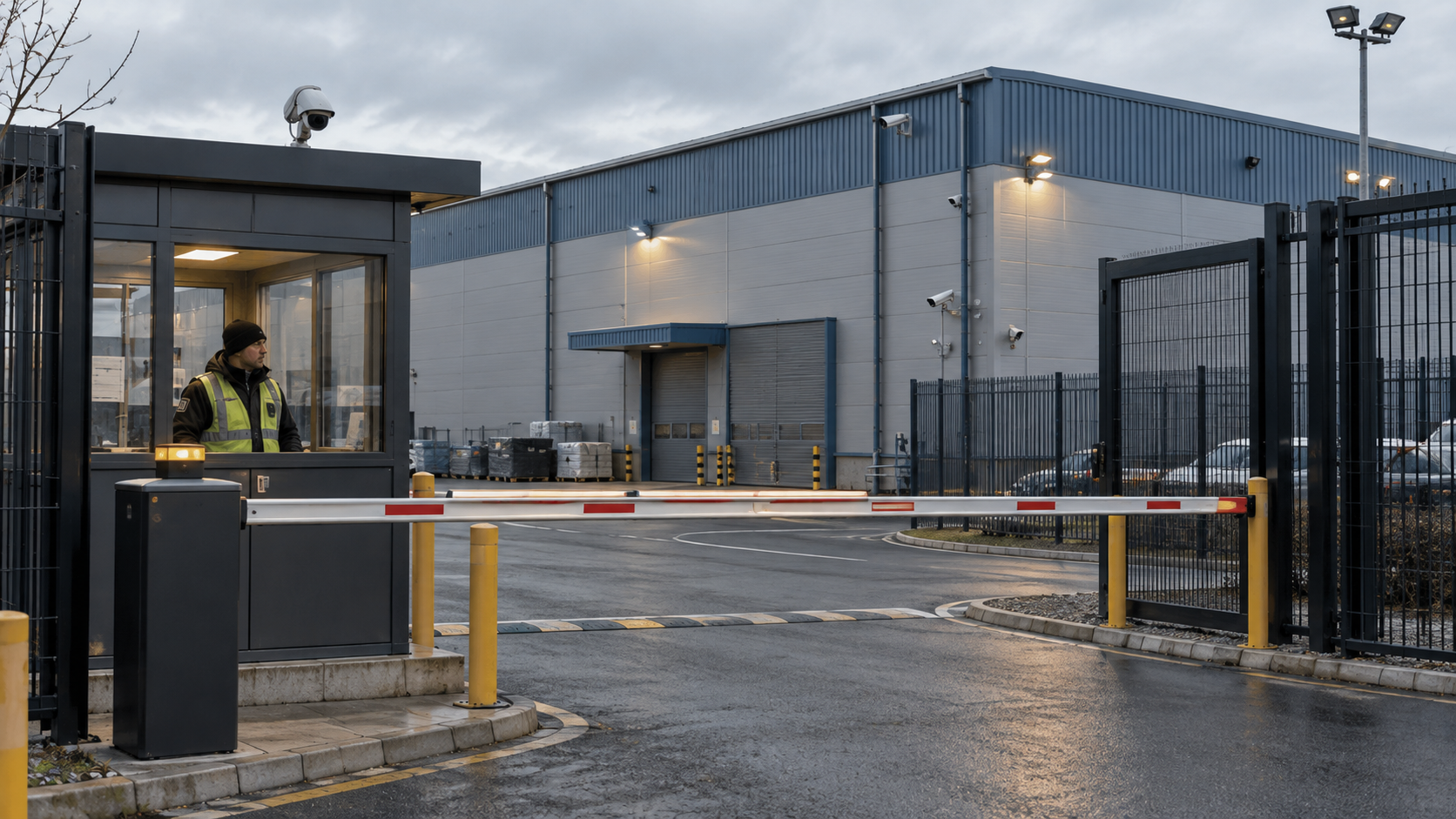
A site with one main gate may have a clear point for checks. The guard can focus on that point and follow the site’s entry rules.
Large Or Split Sites
A large site may have more than one building, yard or outside area. The guard may need clear rules on which places need checks. This is part of commercial site security.
How Can Operating Hours Change Guarding Requirements?
The same site can have different needs at different times. A busy day may be unlike a quiet night.
Busy Periods
More people and vehicles can mean more movement at key points. This may change the focus of on-site security.
Quiet Periods
When fewer staff are around, there may be less normal movement. That can change which areas need more attention.
Out-Of-Hours Periods
An empty or quiet site may have a new risk pattern. The business should look at gates, buildings and outside areas. Some may need checks during these hours.
How Should Manned Guarding Duties Match Identified Risks?
Identified Risk | Possible Guarding Focus |
Unauthorised access | Access checks |
Weak perimeter | Physical observation |
Delivery movement | Entry and vehicle checks |
Restricted areas | Controlled access |
Repeated incidents | More focus on the affected area |
Out-of-hours exposure | Physical presence at higher-risk times |
Start With The Risk
First, name the weak point in plain words. For example, a delivery gate may be hard to control at set times. That gives the guard a clear focus.
Define The Guarding Response
Next, set clear rules. State where the guard should focus. Say what needs to be checked. Set the times for checks. State which events must be passed on.
Review The Match
The plan should change when the site changes. New gates, new work hours or new site use may need new rules. Good manned guarding in Oldham for commercial sites should match what it is now. Each guarding task needs a reason.
When Can Manned Guarding Work With CCTV And Alarms?
Security tools can work side by side when each has a clear role. CCTV can watch and record events. Alarms can send an alert when a set event occurs. Manned guarding adds a person on site. The guard can see the event, check what is happening and follow the agreed next step.
The mix should depend on the risk. First ask what each tool must do. This helps avoid gaps. For CCTV, the business should also check the privacy rules that apply. The ICO has CCTV guidance and covers why CCTV is used, privacy, records and how long footage is kept.
When Should A Security Risk And Guarding Plan Be Reviewed?
Security needs change. A review may follow an incident. It may also follow building work, a new gate, longer hours, more deliveries or a change in site use.
Review a security risk assessment when the number of people on site changes. Review it when a new area becomes active. Keep the plan matched to current needs.
Conclusion
Good protection starts with a trusted security company in Oldham. Look at where it happens, when it happens and what is exposed. Then decide where a human presence may help. Review the plan when the site changes. For businesses considering manned guarding in Oldham for commercial sites, this approach keeps the plan tied to real conditions. Each guarding task should have a reason.