A clear review can help you find gaps and set the right duties for your guards. It can also help you decide how many guards you may need and what skills they should have. This guide looks at the key points to check before choosing security guards and shows how businesses can improve their site security with a plan that fits their needs.
What Should Businesses Consider When Choosing Security Guards?
The first step is to understand what your site needs. Before choosing security guards, look at the size and type of your premises, entry points, opening hours, staff numbers and visitor flow. Think about areas that need close watch, as well as any stock, tools, equipment or other assets that need protection. Internal spaces, yards, car parks and other outside areas may need different levels of cover.
Understand The Site's Security Requirements
A small office may have very different needs from a warehouse or busy site. Check where people enter and leave, when the site is busiest and which areas may face greater risk. This will help you set clear security needs.
Consider The Duties Security Guards Need To Perform
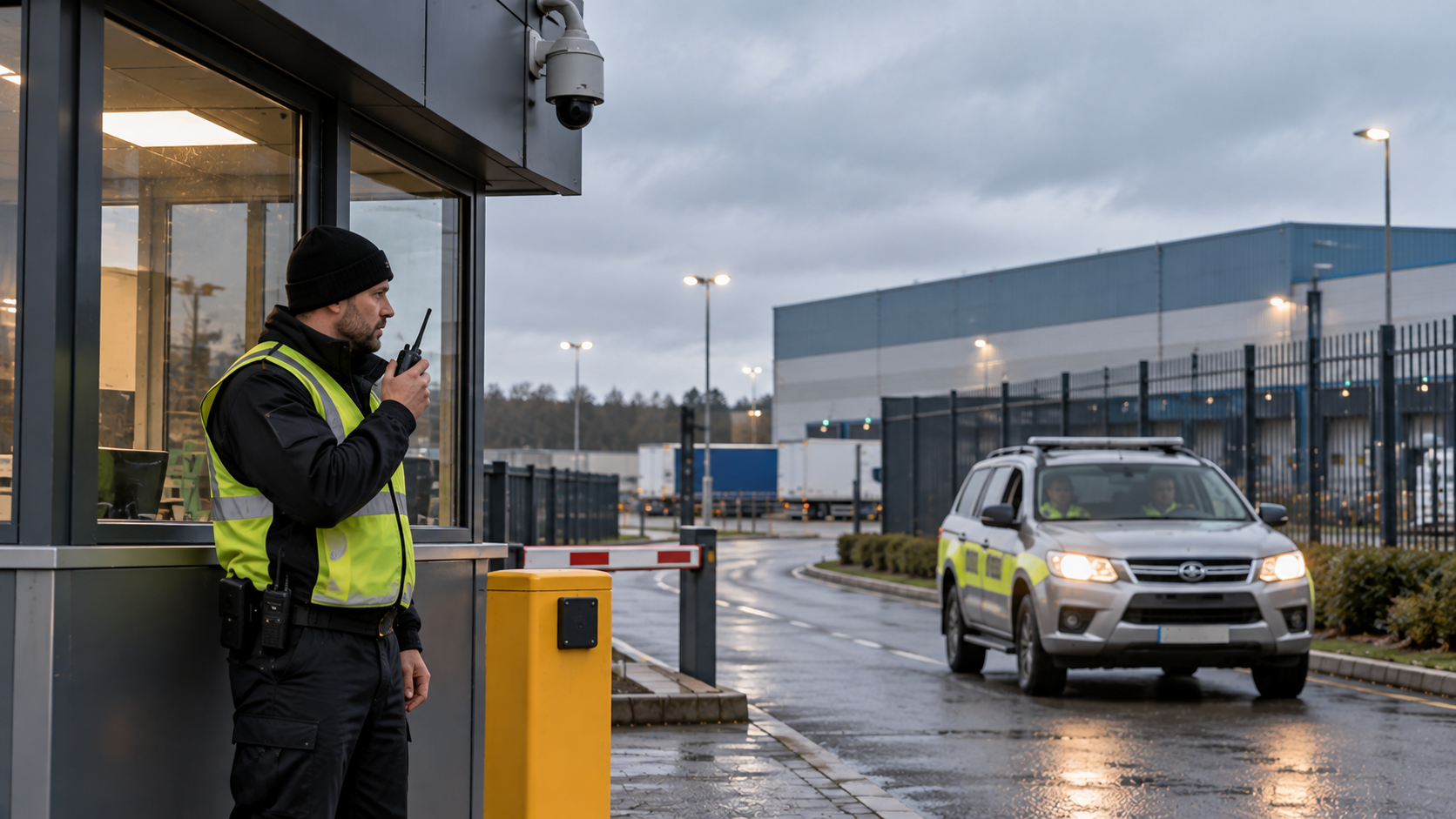
Think about what the guards will do during each shift and what to consider when choosing security guards. Duties may include access control, visitor management, entrance checks and site patrols. Guards may also record incidents and support emergency steps when needed. Clear duties help make sure you choose security guards who fit the site and its daily needs.
|
What To Check |
Why It Matters |
|
Site size and layout |
Shows how much area needs cover |
|
Entry and exit points |
Helps plan access control |
|
Opening hours |
Helps set the right cover times |
|
Visitor numbers |
Helps manage busy periods |
|
Valuable assets |
Shows what needs protection |
|
Site risks |
Helps set security duties |
|
Guard qualifications |
Helps check skills and licensing |
How To Assess Security Needs For A Business
Every business has different security needs, so the first step is to understand how the site is used each day. Look at what needs protection, who uses the site and when security gaps may occur.
When reviewing your security needs, consider:
What needs protecting: People, stock, tools, equipment and other key assets.
Who needs access: Staff, visitors, contractors, delivery teams and other site users.
Site layout: Check buildings, entrances, yards, car parks and other areas.
Working hours: Note busy periods, opening times and times when the site is empty.
Known concerns: Review past incidents or problems that happen more than once.
Guarding needs: Decide where a security guard may help, such as an entrance, patrol route or key time period.
How To Assess Security Risks At A Commercial Property
A risk check looks more closely at what could go wrong, where it could happen and how serious the result may be. This can help businesses deal with the highest risks first.
Look at these areas:
Unauthorised access: Check for doors, gates or other points that may be easy to enter.
Theft or loss: Note where stock, tools, equipment or other assets are stored.
Vandalism: Check areas that may be easier to damage without being seen.
Unmonitored entrances: Look for entry points with little or no oversight.
Perimeter gaps: Check fences, yards, side paths and other outside areas.
Vehicles and deliveries: Review busy gates, loading areas and vehicle routes.
Out-of-hours activity: Look at risks when few people are on site.
High-traffic areas: Check places where large numbers of people may make access control harder.
Empty areas: Give extra thought to vacant or rarely used parts of the property.
How Many Security Guards Does a Business Need?
There is no set answer to how many security guards a business needs. It depends on the size of the site, number of entry points, working hours, patrol needs and risks found during a site review.
A small site with one main entrance may need less cover than a large property with several access points. Think about whether guards are needed all day or only at set times. A 24/7 site may also need a clear shift plan to keep cover in place.
Patrol needs are another key factor. A site may need guards to check more than one building, yard or car park. Busy times may also call for extra staff, while a quiet site may need less cover.
Some businesses may also need a guard at a reception or entrance for most of the shift. The right security company Leamington Spa match the site’s layout, daily use and risks rather than following a fixed ratio.
What To Consider When Choosing Security Guards
Security guards should have the right SIA licence, suitable training and skills that match the work they will do. Businesses should check that the guard is licensed for the role they are expected to carry out. This helps ensure the guard can work within the rules set for their role.
SIA licensing
The SIA licence is an important check when choosing security guards. Businesses should make sure the licence is suitable for the type of security work required on their site.
Training and relevant experience
Good training should cover the needs of the site. Guards should understand site rules, access checks and what to do if an issue occurs. Clear communication is also important, as guards may need to speak with staff, visitors or emergency teams.
Guards should know how to report incidents and follow set procedures. Professional conduct also matters, as they represent the business while on duty. Experience in a similar type of property can also help them understand the needs of the site.
How Can Businesses Improve Security in Nuneaton, Rugby and Leamington Spa?
Businesses can improve site security by first looking at how people, vehicles and visitors move around their premises. The right steps will depend on the site, its layout and when it is in use. A simple review can help find weak points and show where more control is needed.
Nuneaton
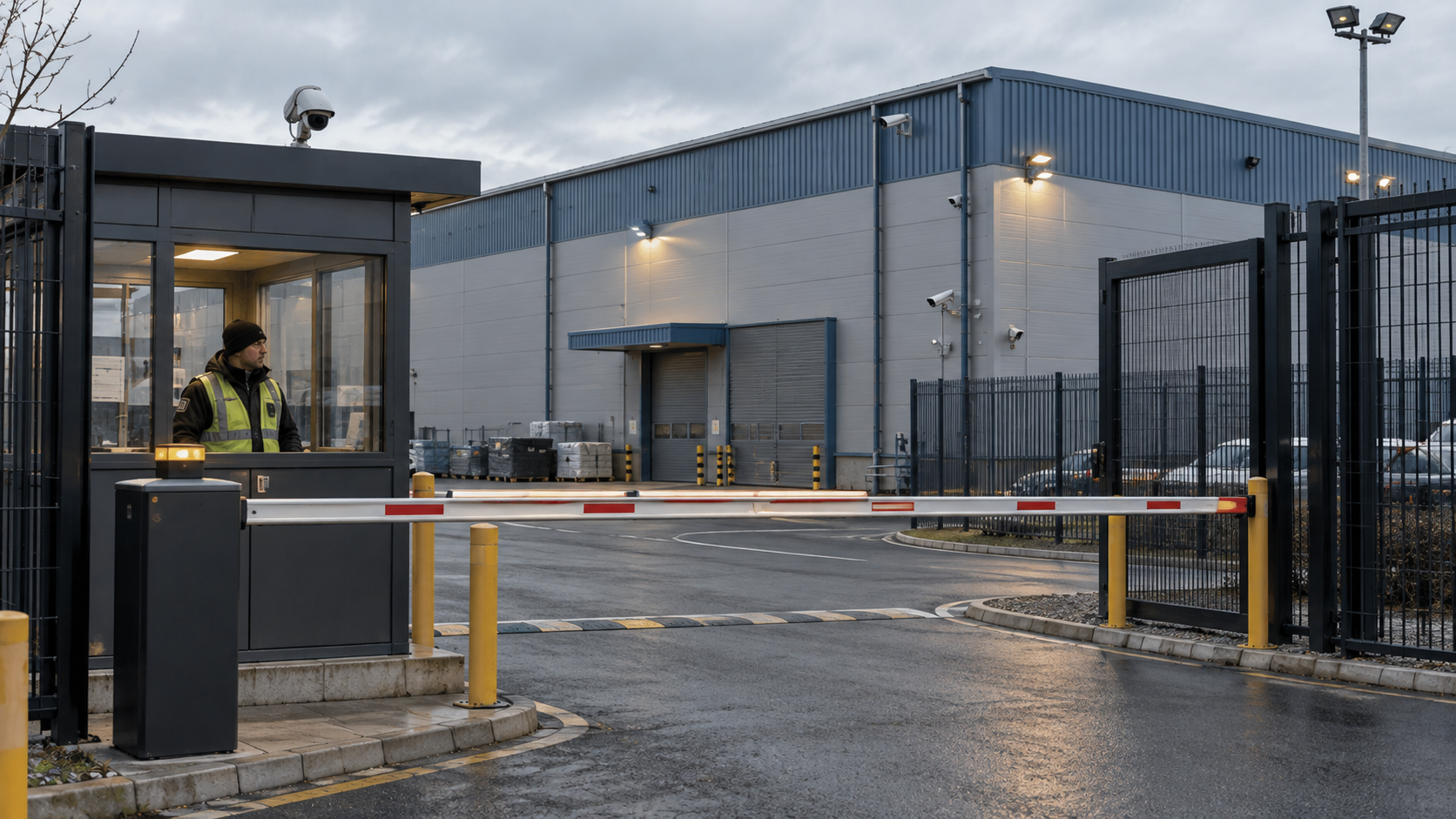
To understand how businesses can improve security in Nuneaton, start by checking all entry and exit points. Look at how visitors move through the site and whether doors, gates or other access points are checked. Out-of-hours periods should also be reviewed, as quieter times may leave some areas less watched. A manned guarding presence can be useful around places that are harder to monitor.
Rugby
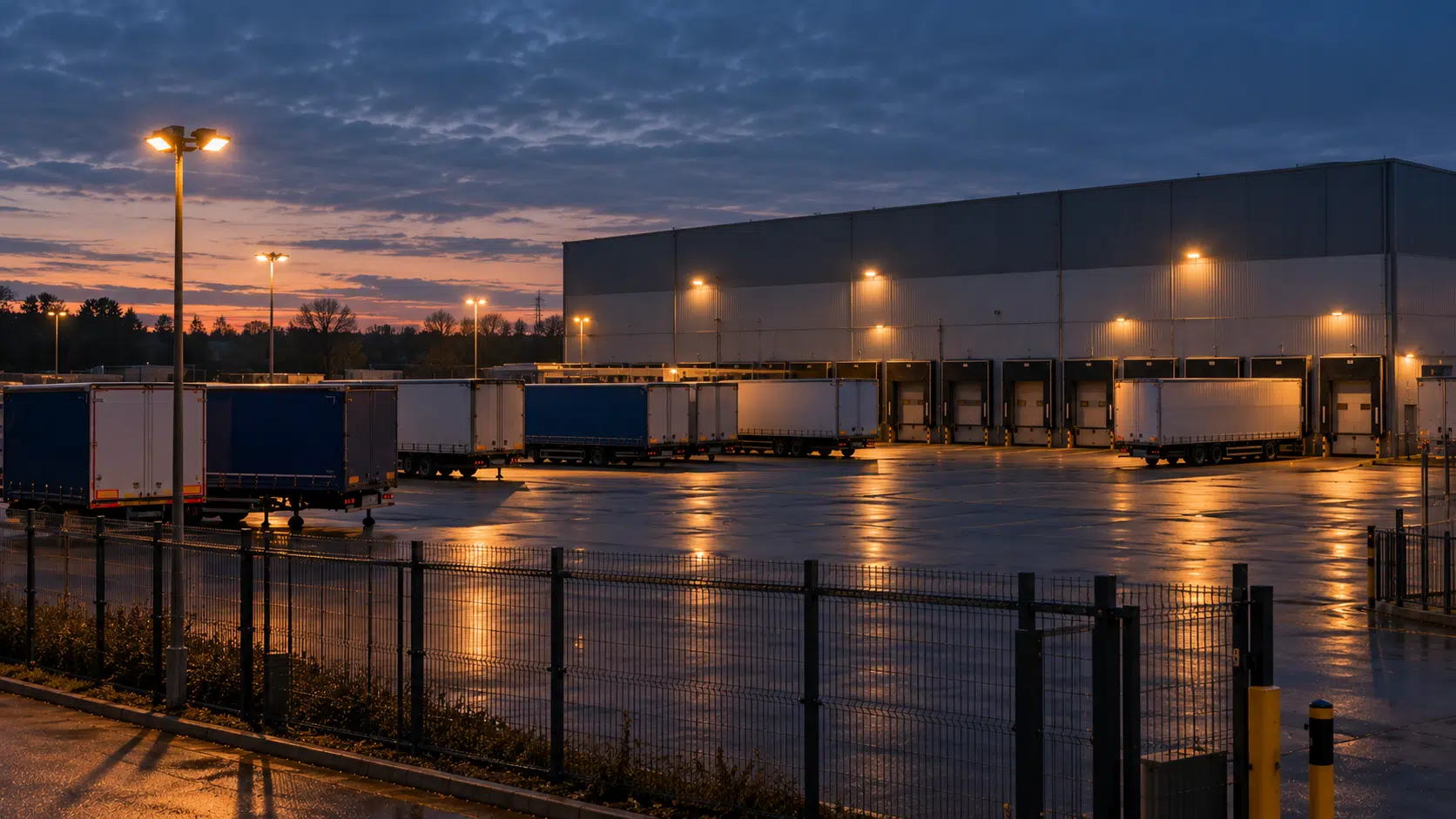
When looking at how businesses can improve security in Rugby, consider the needs of commercial and industrial sites. Check vehicle movements, delivery access and areas along the site perimeter. It is also important to see how staff and visitors enter the premises and whether access is well controlled. Clear checks can help reduce gaps in site security.
Leamington Spa
For businesses asking how to improve security in Leamington Spa, focus on offices and other commercial premises. Review visitor access, public-facing entrances and busy periods. Keeping entry points controlled can help staff manage visitors while limiting unwanted access. Regular checks can also help spot changes in risk.
When Should A Business Review Its Security Arrangements?
A business should review its security arrangements when there is a change to the site, staff, assets or daily work. Moving to new premises or expanding an existing site may create new risks. Changes to opening hours can also leave gaps in security cover.
A review is also useful when staff or visitor numbers grow, new valuable assets are added, or a security incident takes place. Changes to doors, gates or other access points should also be checked. Empty premises may need a new review too, as risks can change when a site is left vacant.
Regular checks help businesses spot new risks and keep their security plan suited to the way the site is used.
Final Considerations When Choosing Security Guards
Choosing the right security guards starts with knowing the risks on your site. Check your security needs, decide how much cover is needed and make sure guards have the right licence and skills. Set clear duties for each shift and check that the work is done as planned. Review the setup when your site or risks change.
Understand what to consider when choosing a security company Nuneaton. You can use this simple process to keep your security needs clear and up to date. A clear plan can help you decide what security support fits your premises.