Look around the North West today. It’s a genuine, pulsating economic core, Manchester’s corporate glitter, Liverpool’s foundational manufacturing might, the logistical arteries pumping commerce through Warrington. This isn’t small-fry territory. We’re talking about a kinetic economic zone that demands high-level protection. But here is the critical problem, the thing that keeps me up at night: as the economy here expands, the security threat doesn’t just grow; it morphs. It becomes smarter, more sophisticated.
We are seeing outright assaults on stability: calculated industrial cargo theft, pervasive retail crime that has become an organised business model, and disruptions that can flat-out stop a site for days. Frankly, these incidents aren’t minor inconveniences. They are direct, financial torpedoes aimed at your compliance record, your reputation, and your cash flow. Recent industry reports show that businesses in the North West lose over £120 million annually to organised retail and industrial crime, highlighting the urgent need for proactive manned guarding.
And for far too long decades, in some cases, businesses have treated security as a disposable, dreary budget item. The bare minimum: a static alarm, a few dusty CCTV lenses pointed vaguely at a fence. That purely reactive methodology? It’s completely, utterly obsolete. The threats are dynamic; your defense must be, too. It must be human-led, strategically adaptive, and deeply integrated with technology.
This analysis is definitive: manned guarding is not some weary organisational overhead. It is, unequivocally, the single most critical, strategic investment any North West business must make right now to guarantee its future viability and operational continuity in this challenging environment.
Table of Contents
Understanding Manned Guarding Basics in the North West
In the North West of England, manned guarding is an integral part of commercial security. The area includes a wide variety of commercial businesses from busy retail towns such as Manchester and Liverpool to industrial estates in Warrington and Trafford Park that have their own unique security needs. Companies within this geographic area must consider other options available to them for protection from threats that are likely to occur rather than depending only on static forms of protection like burglar alarms and/or closed-circuit television (CCTV) cameras. The organisations will reap the advantages of using the security services provided by security professionals, including; preventative protection coverage; immediate response to potential physical harm, or property damage or theft; and the ongoing assessment of potential violence or criminal activities.
The Role of Manned Guards versus Static Security
Guards proactively protect an area through ongoing interaction with its surrounding environment, rather than simply assessing what has happened in the past and reporting that information later. As a result, officers will view each incident, or potential incident as if they were an eyewitness, and take action based on their assessment, rather than wait for something to actually happen. In contrast to traditional video recording, where an officer simply captures events that occurred after the fact, officers will use their training and intuition to determine what is potentially not normal within that environment and take whatever necessary steps to prevent an incident from occurring.
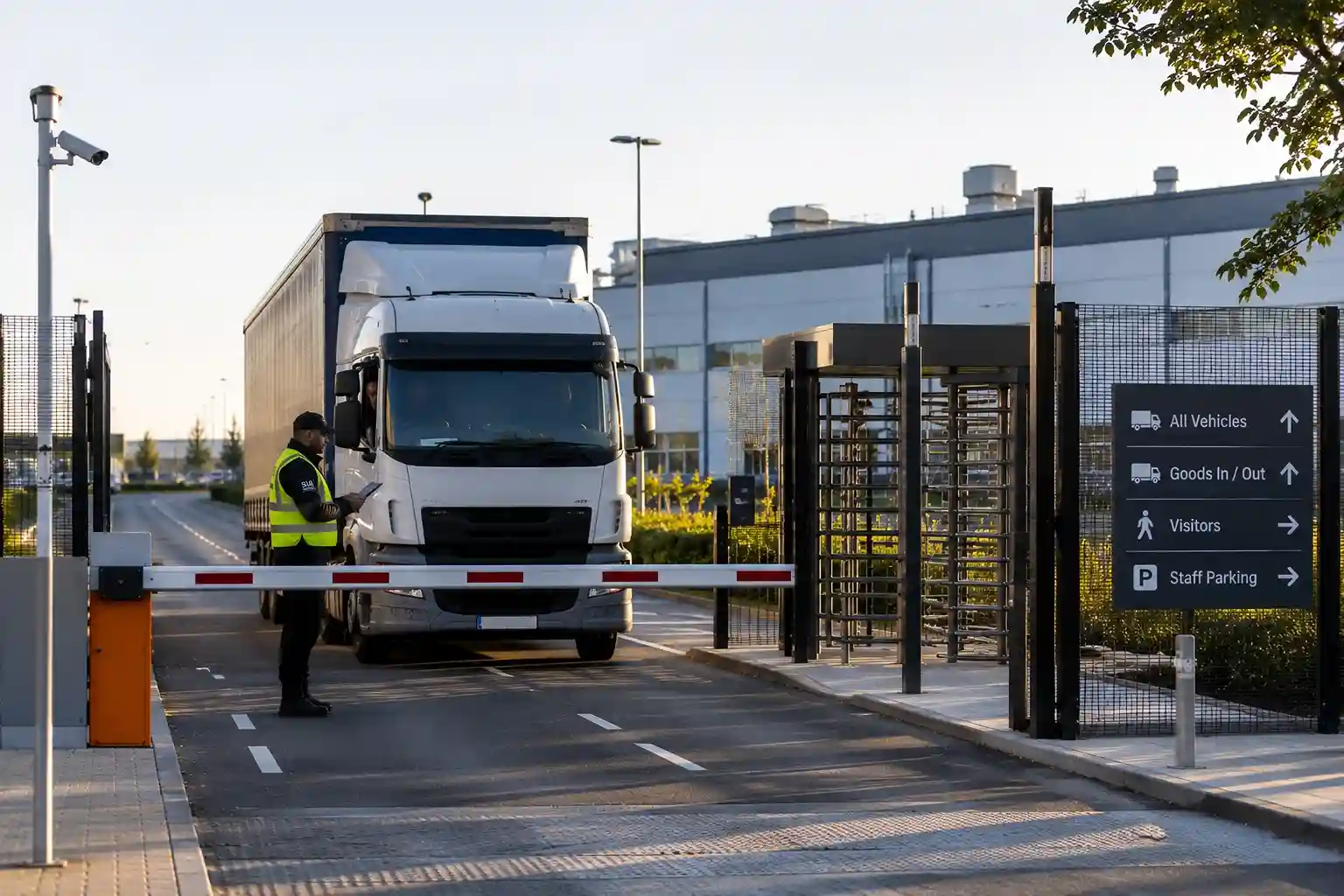
Using the above example, suppose the officer was patrolling a large warehouse and noticed a suspicious vehicle parked in front of the warehouse door; the police officer can take action to investigate who was driving around the warehouse and possibly prevent theft or damage from happening to the warehouse. This proactive approach is particularly critical in locations like Trafford Park, which is home to many sizable shipments of industrial supplies and frequent, continuing shipments of secure or sensitive freight.
Crime Patterns and Regional Vulnerabilities
Different types of crimes are occurring in the North West depending on the particular socioeconomic sector and geographic area where those crimes are committed. Retail locations generally see a higher volume of individuals in certain hours (especially late afternoon, evening, and weekends), and therefore are more likely to see an increase in opportunistic theft and other similar behaviour. During the night, as for example, warehouses and distribution hubs, staffing levels are usually lower than during business hours, which makes them a prime target for organised graffiti or vandalism activity.
The construction industry, especially when the site is closed for an extended period of time, is subject to theft of either materials or equipment, which makes the proper mechanical and digital security necessary to protect the perimeter and monitor sites on a continuous basis. Knowing when and where these crime patterns occur helps the provider of manned guards to more effectively schedule their patrolling and allocate resources strategically.
Managing Anti-Social Behaviour and Retail Theft
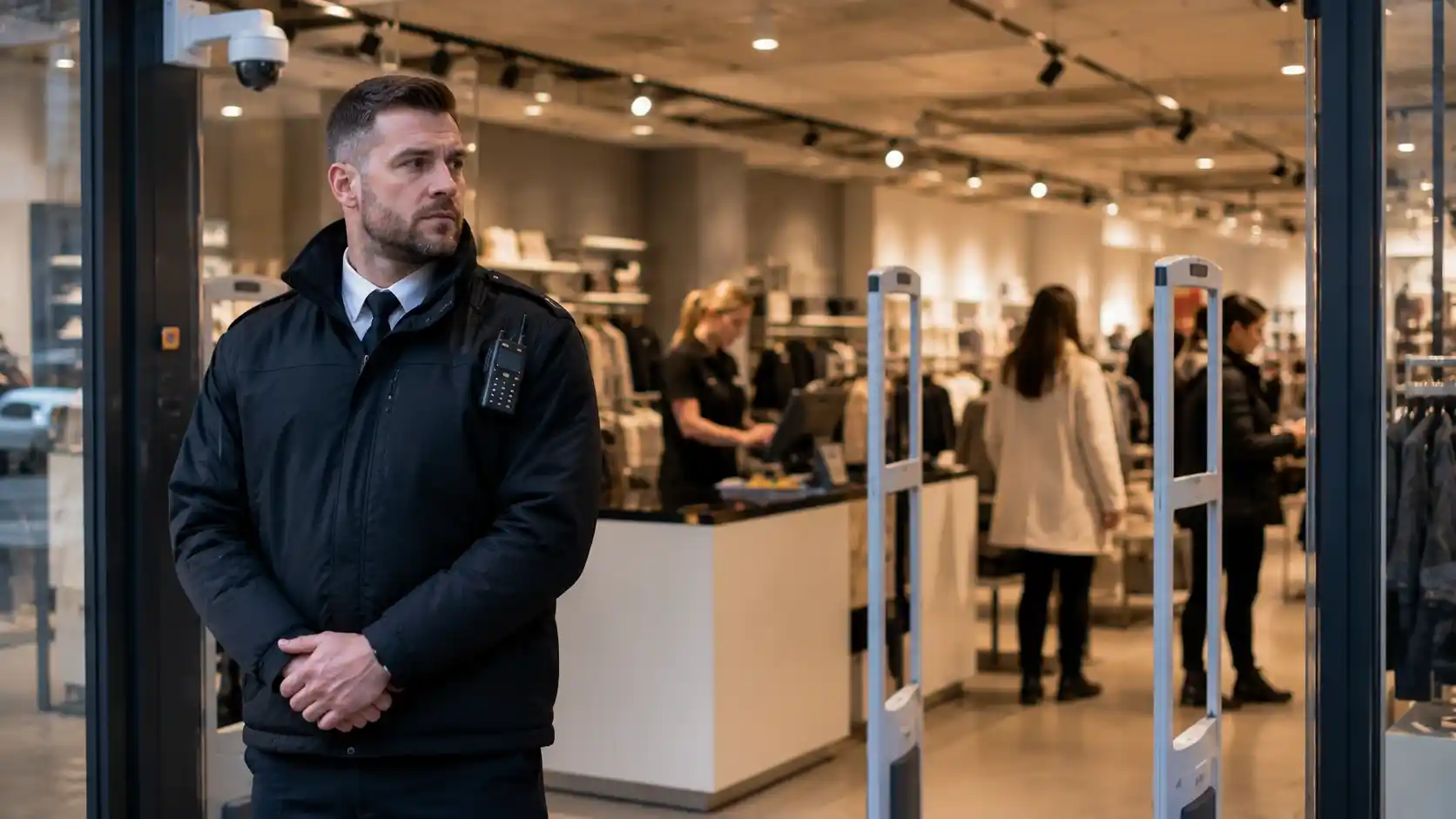
Many shopping centers and retail parks located in urban areas of northern England have a professional security officer stationed at the entrances to deter theft, vandalism, etc., and assist customers with any problems. With the rise of retail theft during the day and a greater emphasis placed on security at the location of business, security officers stationed in the area during the day can not only patrol businesses for suspicious activity, but also offer assistance to salespeople and protect customers from injury. This strategy helps decrease retail theft and increases consumer certainty in feeling secure while shopping at a commercial business in and around the location of the establishment.
Daytime versus Nighttime Guarding
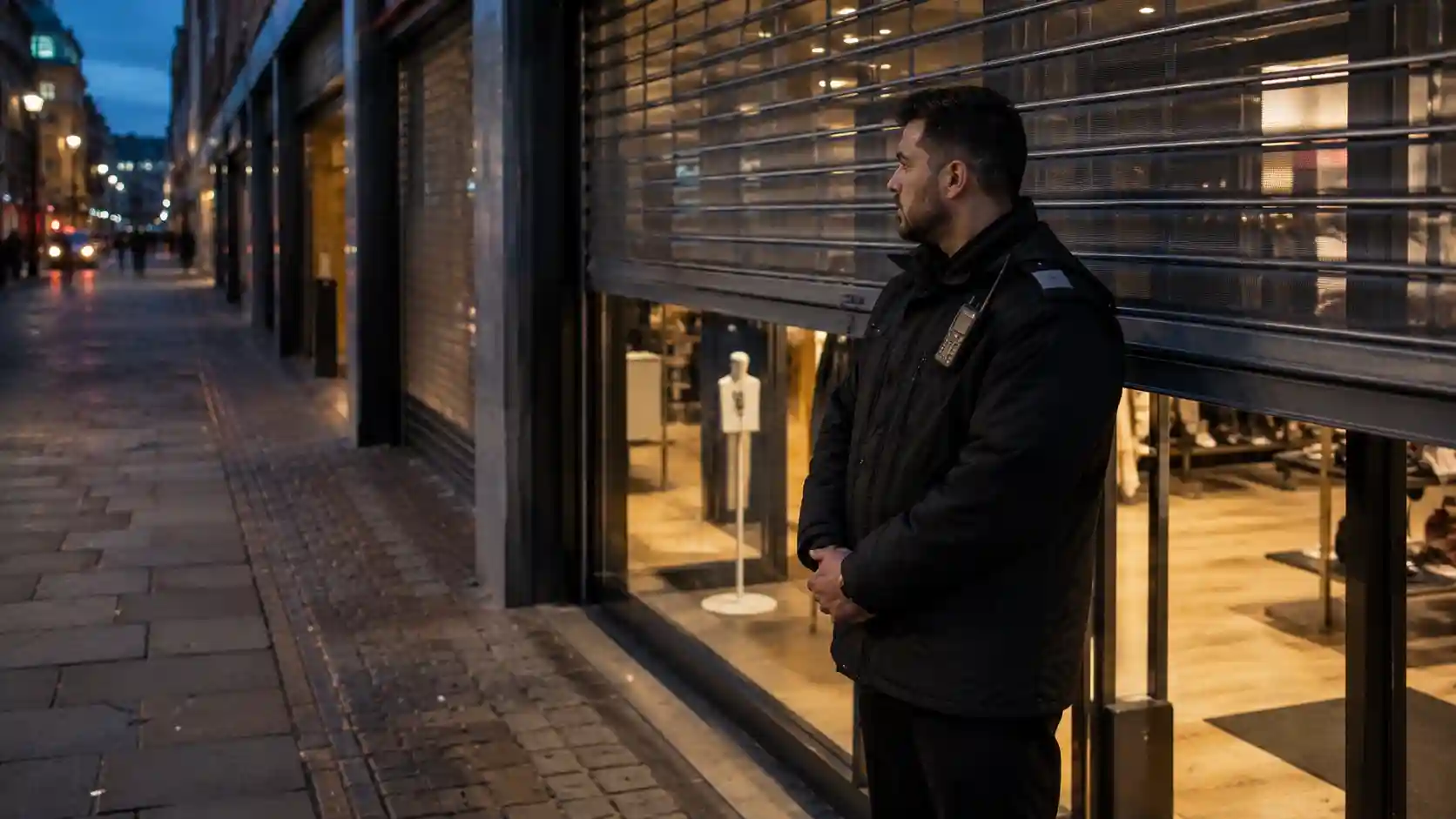
Security during the day is concentrated on managing large numbers of visitors or foot traffic, preventing criminal activity such as shoplifting, and mitigating confrontational situations with customers or visitors by using non-violent intervention methods and engaging in positive customer service practices. Night security focuses more heavily on the risks associated with the industrial and logistical aspects of your operation, including but not limited to unauthorized access to facilities; theft of cargo; and damage to property through vandalism. Security personnel working during the evening and overnight hours typically need to maintain a higher level of vigilance than Day Security, enhanced patrolling frequency, and follow strict protocols to ensure security of your facility(s).
Event Security and Seasonal Considerations
High-density events like Manchester Pride, sporting events, and city festivals require higher levels of security than most other events. In these cases, manned guards are tasked with overseeing the crowd and managing the event’s public safety functions (e.g., crowd control, emergency response). Local authorities rely on businesses to provide secure services to keep their community safe. This enables local governments to enforce compliance with health and safety standards and to ensure orderly behaviour in public settings.
Transport Hubs and Urban Infrastructure
The North West’s public transport network comprises multiple transit systems and seaports, which all require targeted and sophisticated security measures. Manned guards provide safety for commuters, look for the presence of theft and vandalism, and cooperate with local officials to keep things operating smoothly. While electronic security systems provide an additional level of security, the presence of manned guards offers a service that can be adjusted to fit each specific urban area.
Economic Growth and Industrial Security Demand
Increasingly, the demand for industrial security in this region is being created by the expanding economy. The upward trend in the development of new warehouses, logistics centres and Commercial Development has created a need for highly trained security personnel who are capable of protecting high-value products, enforcing access control and reducing operational risks. Manned Guardian Services are an essential part of a company’s strategic investment in the North West and assist in protecting their assets, staff, and image while providing continuity during the fast-changing commercial environment.
Legal and Compliance Requirements for Manned Guarding in the North West
Ensuring compliance with legal and regulatory standards is a cornerstone of effective manned guarding in the North West. The employment of security personnel will require a business to comply with a multitude of statutory and regulatory laws, which regulate the issuance of licences and the actions of the local authority in regards to business operations that could create a risk for the safety of the business. Failure to comply will expose the business to criminal liability, civil liability and disputes with insurers.
SIA Licensing: The Legal Foundation for Security Guards
It is essential that all security personnel operating within the North West hold a valid Security Industry Authority (SIA) licence. This licence ensures that guards:
- Have completed an approved training course
- Understand their responsibilities and duties
- Have been properly vetted to operate safely and professionally
Hiring unlicensed personnel is a serious offence under the Private Security Industry Act 2001. Companies found in violation may face:
- Fines exceeding £10,000 per unlicensed guard
- Potential criminal prosecution in severe cases
Adhering to SIA regulations not only protects the company legally but also provides assurance to clients, insurers, and employees that the security operation is professional, compliant, and trustworthy.
Enhanced Vetting and DBS Checks
All employees performing security duties at a business must have an SIA licence, and the vetting process for all security personnel employed by a business in the North West of England is essential to ensure that all employees are trustworthy and reliable individuals. In addition, there are specific statutory requirements for employees in the North West of England that require all employees in these roles to undergo a Disclosure and Barring Service (DBS) check. These checks are as follows:
- Validate an individual’s criminal background
- Ensure eligibility to work in positions involving vulnerable people, high-value assets, or sensitive information
Many companies also follow the BS 7858:2019 standard, which provides a rigorous screening process. Implementing these vetting procedures helps mitigate risks associated with insider theft, fraud, or conspiracies, giving businesses and clients confidence in the professionalism and integrity of their security team. This includes:
- Employment history verification
- Assessment of financial integrity
- Checking personal references
Insurance and Liability Coverage
When hiring security guards, businesses must consider several insurance requirements associated with this type of employment. Public Liability Insurance protects a business against claims arising from injury or damage caused by employees while providing guard services. Similarly, Employer’s Liability Insurance covers guards themselves in the event they experience an incident while on duty. For services that integrate CCTV systems, compliance with data protection laws is essential. This means:
- Personal data must be securely stored
- Only designated “authorised personnel” can access or review the data
Proper adherence ensures that the business remains legally compliant, protects employees, and maintains trust with clients and stakeholders. Failing to comply with these insurance and data protection requirements can result in:
- Denied insurance claims
- Regulatory fines and potential legal action
VAT and Financial Compliance
In the UK, if your business employs a guard service then the services of that guard service will be VAT regulated. Any business wishing to employ a guard service needs to be aware of how the VAT regulations apply to them; for instance, the difference between using the standard commercial contract for guard services vs. using a public sector procurement contract. Correctly applying the VAT regulations will allow you to remain compliant with HMRC regulations, thereby preventing any financial penalties.
Council-Specific Regulations and Construction Site Security
Some industries have local regulations to adhere to. For example, The Manchester City Council has strict requirements for construction sites; they require sites to have sufficient guard-operated access control systems along with biometric monitoring and environmental compliance checks such as noise and dust control. Guards working at these sites are responsible not only for enforcing such Council-mandated Safety Procedures, but also for continually safeguarding the site’s perimeter.
Documentation and Compliance Verification
To verify a security company’s compliance, companies should request documentation, such as the SIA ACS Certification, ISO 9001 Certification and ISO 45001 Certification, as well as current Public and Employer Liability Insurance. Documentation can provide evidence that the security supplier meets national standards and regional standards, operates in compliance with the law, and has undergone independent auditing.
Impact of SIA Licensing Changes and Labour Regulations
Increased complexity and cost of hiring lawful employees due to modifications to employment procedures under the SIA have led to an increased requirement for employers to employ law compliant and highly trained staff. Labour legislation requires employers to ensure that staff do not exceed maximum shift lengths, particularly during night-time hours, or that they are not excessively working; as well as during peak demand periods. In addition to the complexities of Current Employing Laws, Post Brexit Immigration Regulations have limited recruitment ability by placing additional limitations on hiring EU Nationals into the SIA sector. All above issues demonstrate an urgency of strategies to employ local personnel.
Event Security and Collaboration with Law Enforcement
The function of manned guarding in safeguarding public interest at public events cannot be overstated due to its responsibilities regarding compliance with licensing regulations and management of crowds safely. Security companies based in the North Western area often work together with the Greater Manchester Police (GMP), as well as other regional organisations such as the Business Crime Reduction Partnership (BCRP).
The information provided by the GMP regarding known offenders, locations where crimes are likely to occur, intelligence regarding organised crime, etc., help security companies create their strategies for deploying their personnel to secure events. Furthermore, various procedures allow private security providers, private guards, and police to communicate in “real-time”, allowing for coordinated crime prevention and rapid response to incidents.
Costs, Contracts, and Deployment of Manned Guarding in the North West
Typical Costs for Manned Guarding in City Centre vs Suburbs
North West security services can vary greatly in value based on where you are located, the type of your business, and how risky it is. A lot of security services in city centres (Manchester, Liverpool, Warrington) cost more than those in suburbia because of the larger amount of commercial traffic, higher expectations for wages (especially during non-business hours) and the added difficulty of providing services at these locations.
In general, residential areas and industrial estates typically have lower baseline security prices, however high-risk warehouses and factories usually should expect to pay more for security due to the additional security necessitated by the high risk of those facilities.
Hiring and Deployment Times
Deploying a manned security team requires careful planning and vetting. Emergency coverage (1–2 guards) can often be arranged within 12–48 hours using relief pools. Standard contracts involving multiple guards and site-specific duties usually take 1–3 weeks. This timeframe allows for:
- Comprehensive site risk assessments.
- Verification of SIA licenses and BS 7858 vetting compliance.
- Mandatory on-site training tailored to the business environment.
Common Contract Lengths
The duration of Manned Guarding Contracts within the North West are usually between a minimum of six months and a maximum of several years. The longer duration usually allows both client and provider to have some consistency regarding the planning of staff, training and the ability to provide coverage. The notice period to terminate a contract usually varies from one month to three months as standard.
Impact of Wage Increases on Guarding Costs in 2025
Labour accounts for 75–85% of manned guarding costs. Further to this any increase in the UK National Living Wage or the Real Living Wage will also have an effect on the price of contracts. As a result of this, it will require security companies to adjust the pay rates of both Security Guards and Supervisors to ensure they remain competitive enough to retain SIA Licensed individuals.
Economic Inflation and Long-Term Contract Pricing
In addition to wage increases due to inflation, security companies’ operational expenses such as Uniforms, Equipment, Insurance, and Technology are also impacted by inflation. Many Security Providers have developed a clause within their Contract that allows for an Annual Adjustment due to Economic Inflation to ensure fairness between both parties and ensure that the quality of Service is maintained.
Manned Guarding and Business Insurance Premiums
Having Professional and Licensed Guards reduces the chances of Incidents involving Theft, Vandalism and Liability. This Documented Risk Mitigation can provide businesses with the ability to negotiate Lower Insurance Premiums and demonstrates a Proactive Approach to Risk and Compliance in relation to Security.
Procurement Act 2023 and Public Sector Contracts
As part of the Procurement Act 2023, security firms that want to contract with public sector organisations in the North West must prove they provide social value. This is a requirement and is designed to ensure a high standard of manned guarding and promote support for the regional economy. The following are ways in which security firms can demonstrate social value in the North West:
- Hire local residents
- Provide ethical wages and develop skills through a learning or personal development programme
- Have sustainable and socially responsible business practices
Training, Operations, and Daily Duties for Manned Guards in the North West
Effective manned guarding in retail and industrial environments requires specialised training tailored to the site’s operational needs and high footfall. Guards must be SIA-licensed as a minimum, and their training often includes conflict management, verbal de-escalation, observation skills, fire safety, first aid, emergency response, customer service, and site-specific inductions covering layouts, high-value stock, and CCTV systems. This comprehensive preparation enables guards to respond efficiently to both routine and high-risk situations.
Immediate Duties Upon Starting a Shift
At the start of a shift, guards verify their presence digitally via GPS systems and perform initial site checks. This includes inspecting equipment such as radios, body cameras, keys, and first aid kits, reviewing the handover log from the previous shift, and conducting a walk-around to identify immediate safety or security concerns. CCTV systems, alarms, fire panels, access control equipment, and perimeters including fencing, gates, and lighting are checked to ensure full operational functionality.
Shift Handover and Patrols
Proper handover procedures are critical to maintaining continuity. Incoming guards review logs from outgoing personnel to understand incidents, suspicious behavior, or equipment issues, and confirm the transfer of responsibility with digital signatures. Patrols are typically conducted hourly, with extra attention to high-risk areas such as entrances, loading docks, and industrial perimeters. Both internal and external zones are covered to eliminate blind spots.
Logbooks and Documentation
Guards maintain detailed digital records throughout their shifts, including:
- Visitor logs and access authorisations
- Incident reports, with photos if necessary
- Hazard reports for damaged equipment or safety risks
- Weather or environmental conditions affecting patrols
- Verification of patrol completion via checkpoint systems
This documentation ensures accountability and enables supervisors to monitor operations effectively.
Equipment, Alarm, and CCTV Checks
All security equipment is verified at the start of the shift. Alarms are promptly assessed, and critical alerts trigger immediate responses and supervisor notifications. Guards inspect CCTV systems to confirm coverage and functionality, and check internal access points such as server rooms or restricted areas for proper locking and signs of tampering.
Fire, Safety, and Lighting Inspections
Regular checks include fire exits, extinguishers, and alarm systems, with any faults reported immediately. Outdoor areas, including car parks and high-risk locations, are inspected to ensure lighting is sufficient to deter theft, vandalism, and accidents.
Reporting, Emergency Preparedness, and Utility Checks
Guards report to supervisors at regular intervals, generally every 30–60 minutes, to maintain situational awareness and provide welfare updates. Emergency procedures, including evacuation routes and lockdown protocols, are rehearsed through drills and refresher training. Utility systems such as gas, electricity, and water are inspected for tampering or hazards, and corrective actions are taken if necessary.
End-of-Shift and Shift Patterns
At shift end, guards perform a final patrol to secure all access points, return equipment, and update handover logs. Rotating shift patterns, often 4-on/4-off or 12-hour schedules, provide 24/7 coverage, with extra supervision and welfare checks for night and weekend shifts to manage fatigue.
Emergency Response
Standard response times for incidents in Blackpool and surrounding areas are generally 3–5 minutes. For higher-priority events, guards coordinate closely with control centres and local emergency services to ensure rapid intervention.
Performance, Risks, and Challenges in Manned Guarding for North West Businesses
Key Performance Indicators for Manned Security
To ensure manned guarding is effective, North West businesses should track the following KPIs:
- Patrol Compliance Rate: Measures whether guards complete all scheduled patrols. Target is typically 100%.
- Incident Response Time: Average time to respond to alarms or security breaches. Fast response can prevent escalation and reduce losses.
- Incident Resolution Rate: Percentage of minor incidents resolved on-site without police intervention.
- Shift Fulfilment Rate: Tracks whether all scheduled guards are present and performing their duties.
- Reporting Accuracy: Ensures all logs, incident reports, and documentation are complete and timestamped.
Impact of Weather on Manned Guarding
North West weather, particularly in Manchester, Liverpool, and surrounding areas, can significantly affect security operations:
- Heavy rainfall or snow can reduce visibility during patrols.
- High winds can damage lighting, CCTV cameras, or perimeter fencing.
- Icy or wet surfaces increase the risk of slips or injuries to guards.
- Flooding can make some areas temporarily inaccessible, requiring dynamic patrol adjustments.
Documenting Weather Conditions
- All adverse weather events are recorded in digital patrol logs.
- Guards note the time, location, and impact on patrols or access points.
- Any deviation from standard procedures due to weather is explained and remedial actions are documented.
- These records serve as both operational data and evidence for insurance or legal purposes.
Health Impacts of Long Shifts
Long hours of manned guarding, including night shifts and shift changes, may cause adverse health effects due to the following factors:
Fatigue: The body becomes fatigued from long hours of service, causing decreased alertness and slower reaction times, thereby increasing the likelihood of missing incidents.
Disruption of sleep cycles: Working night shifts may disrupt the circadian rhythm, leading to longer-term health issues.
Musculoskeletal injuries: Standing for long periods while monitoring or patrolling can lead to joint and low back problems.
Mental Health Support for Night-Shift Guards
Mental health is at risk from isolation, stress, and feelings of high responsibility associated with working night shifts. Here are a few effective ways to support employees during this time:
- Regular welfare checks by phone or through digital systems.
- Employee Assistance Program (EAP) services offer confidential counseling for employees dealing with mental health and personal issues.
- Stress management workshops for employees to learn how to cope with confrontational situations.
- Encouraging team communication and collaboration between peers to minimize feelings of isolation.
Environmental Regulations Affecting Outdoor Patrols
Outdoor Guard duties will comply with the below-mentioned Regulations,
Health and Safely (at Work) Act (1974): Duty of Care to both employees and the Public.
Environmental impact (Protocol) – (e.g. when patrolling sensitive areas/countryside) Patrolling – Sensitive Locations – (i.e. Patrolling). Locations – (e.g. When Patrols – Sensitive Locations).
Local Authority Guidelines – (Lighting, Noise and Hours) – (e.g. Construction Sites/Industrial Sites).
Technology and Future Trends in North West Manned Guarding
The Evolution of Technology in Manned Guarding
Technology has completely changed how manned security operations are performed throughout North West England, particularly within metropolitan areas such as Manchester, Liverpool and Warrington. Historically, manned security relied solely on human observation and observation points which were fixed. Modern security personnel are utilising a hybrid approach to security operations using both digital technology and human skill.
Integration of Camera Systems: In today’s day and age, guards monitor several locations with the assistance from high-definition camera systems and receive instantaneous video feed data in real-time. Camera systems come equipped with advanced features, including motion detection, night vision capabilities and licence plate recognition which allows for a quicker response to incidents by guards.
Digital and Mobile Patrols Tracking: Security personnel can log the times of their patrol visits using GPS-enabled devices. Mobile devices allow for an instant report of incidents by security personnel and the delivery of accurate timestamps of reports to supervisors and that allows for accountability and an ongoing record of site monitoring.
Post-COVID Protocol Changes
Due to Covid-19, many aspects of security have evolved in Northwest, and added elements to traditional manned guarding roles include:
- Temperature checks and verification of vaccine or test results at each entry point (some locations will implement only temperature check). When some locations allow entry only after a member of staff completes a thermal camera reading before allowing anyone to enter their facility; it has created additional responsibilities of a guard to manage these requirements.
- All businesses now use contact-less verification systems (i.e., QR codes, biometrics, remote entry systems) to help support their COVID-19 response plans.
- Guard companies are ensuring compliance with health regulations in public spaces and within the workplace through regular patrols.
AI Surveillance and Remote Monitoring
Artificial Intelligence (AI) has become an essential partner for human security personnel in the urban areas of North West. AI systems are able to analyse CCTV footage evaluating for abnormal physical behaviours which reduces the amount of false positive alarms generated by up to 90%.
- Remote Monitoring Centres allow security personnel to monitor multiple locations at once, enabling pro-active action when Al alerts are generated.
- The human guards provide critical expertise by using A1 generated data to determine prioritised response and make context-specific decisions that can be made by AI systems alone.
Drone Patrols and Ground-Level Integration
Drone technology is being integrated into manned guarding strategies, particularly for large industrial estates, construction sites, and coastal logistics hubs.
- Drones provide aerial surveillance, spotting perimeter breaches or hazards that might be missed during ground patrols.
- Ground-level guards coordinate with drone operators to verify alerts, engage in immediate response, and manage crowd or vehicle interactions.
- The combination of aerial and ground patrols enhances coverage efficiency, especially in sites with complex layouts.
Predictive Analytics for Security Deployment
North West businesses are increasingly using predictive analytics tools to optimise security:
- Crime data, footfall patterns, and historical incident reports are analysed to determine peak risk periods.
- Guards are deployed dynamically based on anticipated threats, whether retail theft surges, industrial cargo movements, or seasonal events.
- Predictive models also help allocate resources for temporary events, ensuring coverage without overstaffing.
Upskilling and Certification Requirements
Modern-day guarding and the requirements for a Guarding have progressed way beyond basic SIA licensing. The staff in the North West will now be required to possess: Advanced CCTV & Observation Training – this enables guards to accurately interpret complex video feeds, should they require to do so.
Emergency Medical Response Certification(s): First Aid at Work or Equivalent to provide on-site safety by increasing safety standards.
Fire Safety & Risk Assessment Training: Key when working in an industrial or high-rise construction site.
Counter Terrorism Awareness – Essential for venues that host large public gatherings eg Manchester Pride / Liverpool Festival.
Green Security Practices
Sustainability in the environment is affecting the manned security service:
- Solar Lighting and CCTV for Patrolling reduce Energy Consumption.
- Electric Vehicles or Bicycles are becoming more popular to Patrol Sites resulting in a Reduction of Carbon Footprint.
- Guards are now required to report Environmental Hazards to ensure compliance with Local Green Policy and Corporate Social Responsibility Initiatives.
Impact of Martyn’s Law
Martyn’s Law in the UK will also affect security practices within the North West, by increasing the level and type of protective security for all types of public venues.
- Venues should implement risk based levels of security including physical presence or screening processes.
- Manned guards will play an essential role in monitoring threats through access control and managing crowds as these venues often have a large number of patrons.
- As part of compliance with Martyn’s Law, the security staff will require additional training to raise their awareness of the possibilities of terrorism and how to respond to emergencies.
Conclusion
For businesses across the North West, manned guarding is no longer just an optional security measure, it is a critical investment in safety, continuity, and peace of mind. The region’s diverse commercial landscape, from bustling retail centres to high-value industrial hubs, faces complex and evolving risks, including theft, vandalism, and operational disruptions. Manned guards provide a unique advantage: human judgment in real time, proactive threat assessment, and immediate intervention when incidents arise.
Beyond preventing crime, professionally trained guards ensure compliance with SIA regulations, BS 7858 vetting, and local council or event-specific requirements, shielding businesses from legal exposure and financial liabilities. Coupled with carefully structured contracts, rigorous training, and integration with modern technology, manned guarding delivers measurable value.
Investing in skilled, licensed personnel protects assets, staff, and reputation while enhancing operational efficiency. For North West businesses navigating a high-risk, rapidly changing environment, manned guarding is not merely a service, it is a strategic safeguard for sustainable growth and resilience.