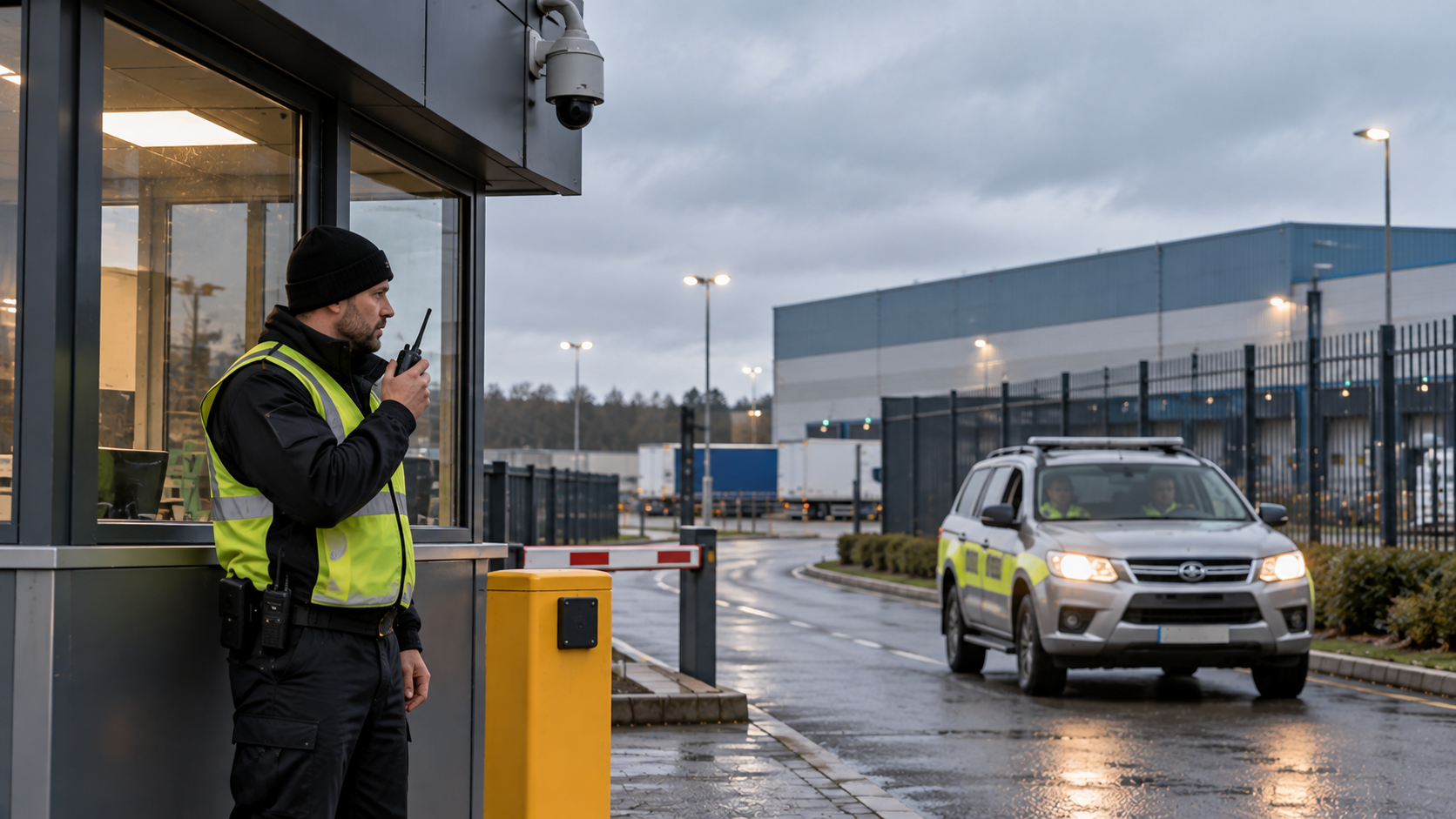
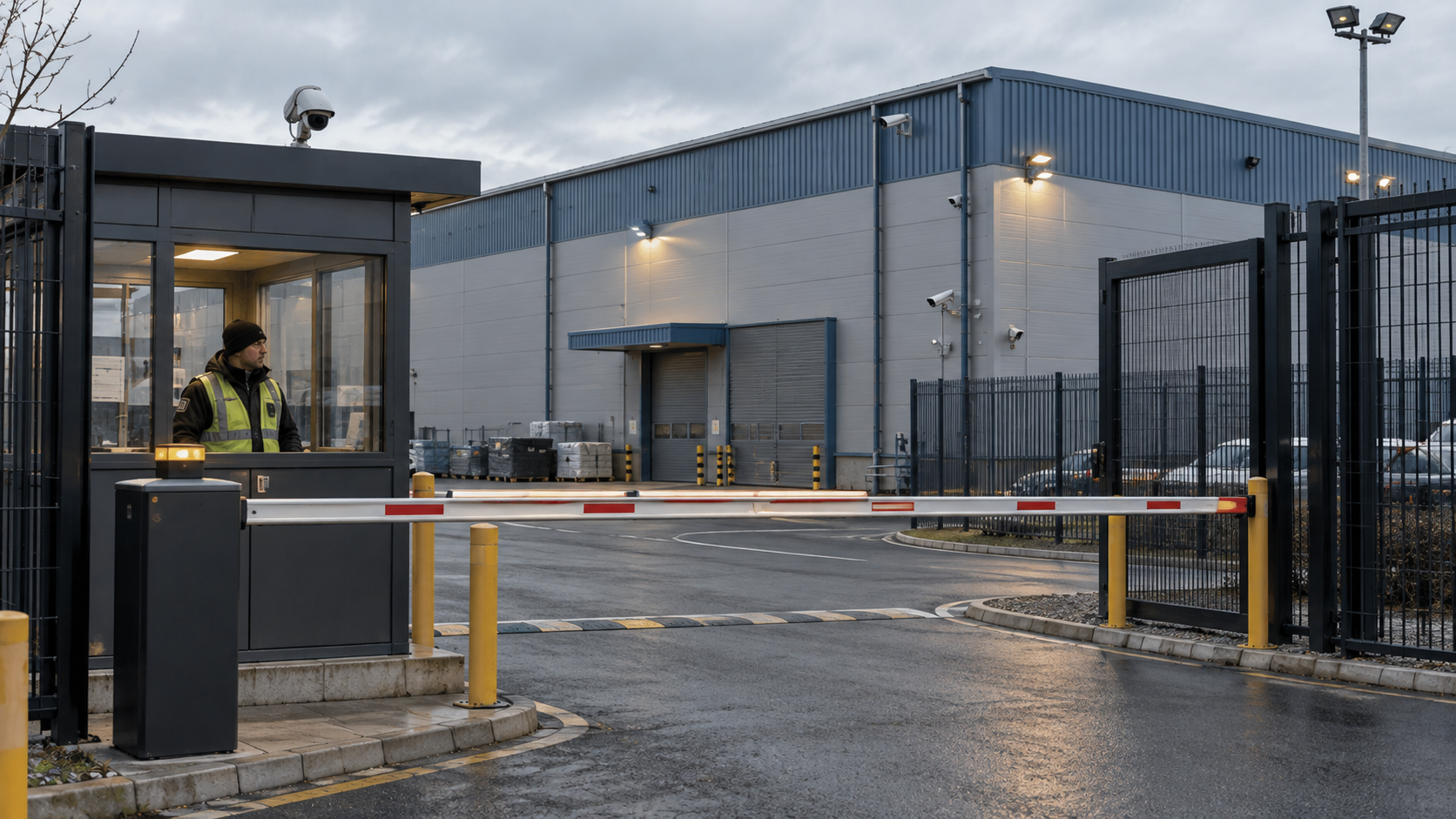
Asking for a security quotation is easier when you have a clear picture of your premises, the hours you need help and the concerns you want to address. You do not need to arrive with a complete security plan. A useful enquiry gives the company enough information to ask the right questions and explain the next steps.
For Coventry businesses considering on-site security officers, that information might include access arrangements, opening hours, delivery activity and periods when the premises is unattended. An office needing evening cover will have different requirements from a construction project preparing for a weekend closure.
This guide explains what to prepare for a security quote, what a company may ask during the enquiry and what you should expect to receive before making a booking.
What Information Do You Need to Request a Security Quote?
Start with the site address, type of premises, reason for the enquiry, preferred start date and proposed coverage hours. If you already know which responsibilities you want officers to carry out, include those too.
It is fine to say that you are unsure about staffing levels or the most suitable arrangement. Explain the outcome you need and identify any questions you would like the company to assess.
The following details will help make your first conversation more productive.
1. Explain What Has Prompted the Enquiry
Begin with the situation that has led you to seek support. You may be preparing for a temporary closure, opening new premises, changing working hours or responding to a recent incident.
Describe the concern in practical terms. For example:
-
The main entrance needs to remain attended during evening deliveries.
-
The premises will be empty during a planned shutdown.
-
Visitors and contractors need a clearer arrival process.
-
Repeated unauthorised access has been reported.
-
Existing arrangements need to change as a project develops.
If there has been an incident, provide a factual summary of what happened and when. Explain any action already taken, such as repairing a door or changing access permissions.
You do not need to diagnose every risk yourself. Clear observations give the company a starting point for further questions.
2. Describe the Premises and How It Is Used
Provide the full Coventry site address and explain the type of premises. Mention whether it is occupied, partly occupied, under construction or temporarily closed.
Useful details include:
-
Approximate site size and number of buildings.
-
Main pedestrian and vehicle entrances.
-
Reception areas, loading points and external yards.
-
Shared entrances or access roads.
-
Normal staff, visitor and delivery activity.
-
Areas with restricted access or special entry requirements.
A site plan can help explain the layout, particularly where several buildings or gates are involved. Send detailed plans and sensitive security information through an agreed channel to the person handling the enquiry.
Be clear about the areas your organisation controls. Where access is shared with neighbouring occupiers or managed by a landlord, explain who can authorise changes.
3. Set Out the Dates and Hours You Have in Mind
State the preferred start date, expected duration and times when you believe cover is needed. Exact times are more useful than a general request for “night security” or “weekend cover”.
For example, explain whether the requirement is for an officer to attend between 6 pm and 6 am each night, or for continuous attendance from Friday evening until Monday morning.
Include any variations, such as:
-
Different weekday and weekend hours.
-
Bank holiday or shutdown arrangements.
-
Early deliveries or late collections.
-
A temporary increase in activity.
-
A project end date that may change.
If the hours have not been decided, say so. Describe when the site is occupied and when concerns arise, and ask what further information is needed to plan suitable cover.
For urgent enquiries, explain the required start time at the outset. Availability, personnel checks, induction and site arrangements will affect what can be organised, so ask the company to confirm what is achievable.
4. Describe the Responsibilities You Need Help With
Explain what you expect an officer to do during the assignment. The company can then discuss whether the proposed responsibilities are practical and what staffing they may require.
You might need an entrance attended, visitors recorded, specified areas checked or concerns passed to a named manager. Identify any task that must continue without interruption.
For instance, if the entrance must remain attended while checks take place elsewhere, mention both requirements. This helps the company identify any conflict before preparing the proposal.
Also explain which responsibilities remain with your employees, facilities team or existing contractor. Clear boundaries help avoid assumptions about who will unlock buildings, authorise deliveries or respond to maintenance faults.
The initial enquiry does not need to contain a full set of assignment instructions. Those can be developed once the requirements are understood.
5. Mention Existing Systems and Site Arrangements
Tell the company about the security measures already in place and how they are used. These might include access-control systems, alarms, CCTV, gates, barriers or an existing monitoring arrangement.
Explain whether the proposed officers would need to use any of those systems and whether a site briefing is available. Mention known faults or planned changes that could affect the assignment.
Other useful information includes:
-
How officers would gain authorised access to the premises.
-
Who can issue keys or passes.
-
Any required induction or site-specific training.
-
Relevant safety instructions and equipment requirements.
-
Available welfare facilities and any arrangements still to be agreed.
-
The person authorised to answer operational questions.
You should not need to send passwords, alarm codes or other access credentials in an initial enquiry. Agree a secure handover process when arrangements are confirmed.
6. Share Your Priorities and Any Budget Parameters
If you have a planned budget, it can help to explain the period it covers and the requirements that matter most. Also identify anything that remains undecided, such as the duration of a project or a change to opening hours.
The company can use this information to discuss a workable scope and explain where more detail is needed. If the requested arrangement cannot be delivered within the proposed budget, ask it to explain the constraints and any changes that would need further assessment.
Avoid setting an officer number solely from the budget before the duties and coverage have been considered. The proposal should explain how the agreed responsibilities would be carried out.
A Simple Brief for Your First Enquiry
You can prepare a short note using the following structure:
| Detail | What to provide |
|---|---|
| Site | Full address, type of premises and main contact |
| Reason for the request | The concern, operational change or temporary requirement |
| Timing | Preferred start date, expected duration and proposed hours |
| Layout | Relevant entrances, buildings, yards and shared areas |
| Responsibilities | Tasks you need help with and any continuous-attendance requirement |
| Existing arrangements | Relevant systems, current cover and access procedures |
| Practical requirements | Induction, equipment, facilities and site restrictions |
| Open questions | Details you need the company to assess or explain |
If some information is unavailable, mark it as something to confirm. An honest gap is easier to resolve than an assumption that becomes part of the quotation.
What Happens After You Send the Enquiry?
The company may first clarify the information supplied by phone or email. It may ask about the busiest periods, delivery schedules, previous incidents or the areas that need continuous attention.
You may also be asked who can approve the proposal, when a decision is needed and whether other people should be involved in discussing the site.
Keep a brief record of agreed changes to the requirement. If the proposed hours or start date change during the conversation, ask for the quotation to reflect the latest information.
Will the Company Need to Visit the Site?
A site visit may be useful where the layout, access arrangements or responsibilities are difficult to establish remotely. The company might need to understand the distance between areas, observe how an entrance is used or discuss practical arrangements with the site team.
Ask whether a visit is recommended, what it will cover and whether there is a charge. Clarify whether the visit is for preparing a quotation or includes a separately defined assessment.
If you receive an initial estimate before a visit, ask which assumptions still need to be confirmed and what could change the final price.
What Should You Expect in the Written Quotation?
The quotation should give you a clear account of the proposed arrangement and the amount payable for it. Ask for clarification where important details are missing.
Look for:
-
The premises and areas covered.
-
Proposed dates, attendance times and staffing.
-
The responsibilities included in the price.
-
The rate or fixed charge and its billing basis.
-
Any separate setup, induction or equipment charges.
-
Whether VAT applies and whether figures include it.
-
Important assumptions, exclusions and outstanding questions.
-
The period for which the quotation remains valid.
-
The next steps required to confirm the booking.
Some management and operational details may appear in a service agreement or accompanying proposal. Ask where supervision, absence cover, reporting and escalation arrangements are documented.
Your enquiry should lead to something you can understand and act on, with a clear route for resolving anything still uncertain.
Why Does the Company Need These Details Before Confirming a Price?
The charge depends on the work being arranged. Hours, simultaneous staffing requirements, site responsibilities, equipment and mobilisation can all affect the proposal.
For example, changing an enquiry from weekday attendance to seven-day cover changes the hours that must be staffed. Adding a task in another building may also require the company to reconsider how the assignment would operate.
Once a quotation has been issued, tell the company about any change to the brief before work begins. Ask for written confirmation of the effect on the arrangements and price.
What Personnel Checks Can You Ask About?
For an assignment involving security officers, ask how the company confirms the relevant licences, screening and site-specific preparation.
The SIA’s licensing guidance explains that people carrying out licensable security activities under a contract for services generally need the appropriate licence. The duties matter, so the company should understand the proposed role before confirming its personnel requirements.
Ask how licence status is checked, how replacement personnel are briefed and what screening standard the company follows. You can check individual licence status through the official SIA register.
These questions help establish how the proposed arrangement will be delivered. Request suitable confirmation without collecting unnecessary personal information about individual officers.
What Happens When You Are Ready to Book?
Ask the company to explain how acceptance is recorded and what needs to happen before the first shift. Confirm the final scope, payment terms, contract period, notice requirements and procedure for requesting changes.
Preparation may include agreeing assignment instructions, arranging induction, confirming emergency contacts and providing authorised access to the site. Both sides should understand who is responsible for each step.
Make sure the start date is confirmed once those arrangements have been agreed. An initial enquiry or provisional availability discussion should not be treated as a completed booking.
Before the first shift, establish who you should contact about day-to-day questions and how urgent concerns will be handled.
Preparing Your Coventry Security Enquiry
A useful quote request does not have to be lengthy. Clear site details, proposed hours and a practical explanation of your concerns will give the company a sound starting point.
Keep questions visible, confirm changes in writing and make sure you understand the proposed arrangement before proceeding.
If your enquiry concerns on-site officers, our manned guarding services in Coventry page provides further service information. For broader requirements, explore our Coventry security services and share the details of your premises with the team.
Frequently Asked Questions
Can I request a security quote if I do not know how many officers I need?
Yes. Describe the premises, proposed hours and responsibilities you need covered. Identify any areas that must remain continuously attended, and ask the company to assess the staffing needed for the assignment.
What should I include in my first security enquiry?
Provide the site address, premises type, reason for requesting support, preferred start date and coverage hours. Mention relevant access arrangements and any details you would like the company to help establish.
Will I always need a site visit before receiving a quotation?
The company may be able to provide an initial estimate from the information supplied. A visit may be needed to confirm the layout or practical requirements. Ask whether the price is provisional and which details remain outstanding.
How long will it take to receive a security quotation?
This depends on the information available, the complexity of the requirement and whether a site visit or further checks are needed. Tell the company your decision deadline and ask when it expects to provide the proposal.
Can I change the hours after receiving a quote?
You can ask for the proposal to be revised. Explain the new hours and effective date, then obtain confirmation of availability and any changes to the charge or contract before relying on the revised cover.
What should I do after accepting a quotation?
Confirm the booking process and complete the agreed pre-start arrangements. These may include signing the service agreement, approving assignment instructions, arranging induction and providing authorised site access and contact details.