Durham is a working city with industrial zones, retail parks, and construction sites. Each area faces different security pressures. Some risks appear after dark. Others happen in full daylight. Many are linked to routine rather than organised crime.
This is why manned guarding still plays a role for local organisations. Cameras and alarms are useful. But they do not question behaviour or interrupt opportunity. A trained person on site can do both.
Understanding why Durham businesses need manned guarding starts with how crime actually happens. It is usually quick. Often opportunistic. And frequently timed around staffing gaps, deliveries, or closing periods. For business owners and operational leaders, guarding is more about control.
This article explains when manned guarding makes sense in Durham. It explains what legal and financial rules apply, and how to plan it properly. It is written to support internal decisions, and not to promote services.

Manned guarding basics in Durham
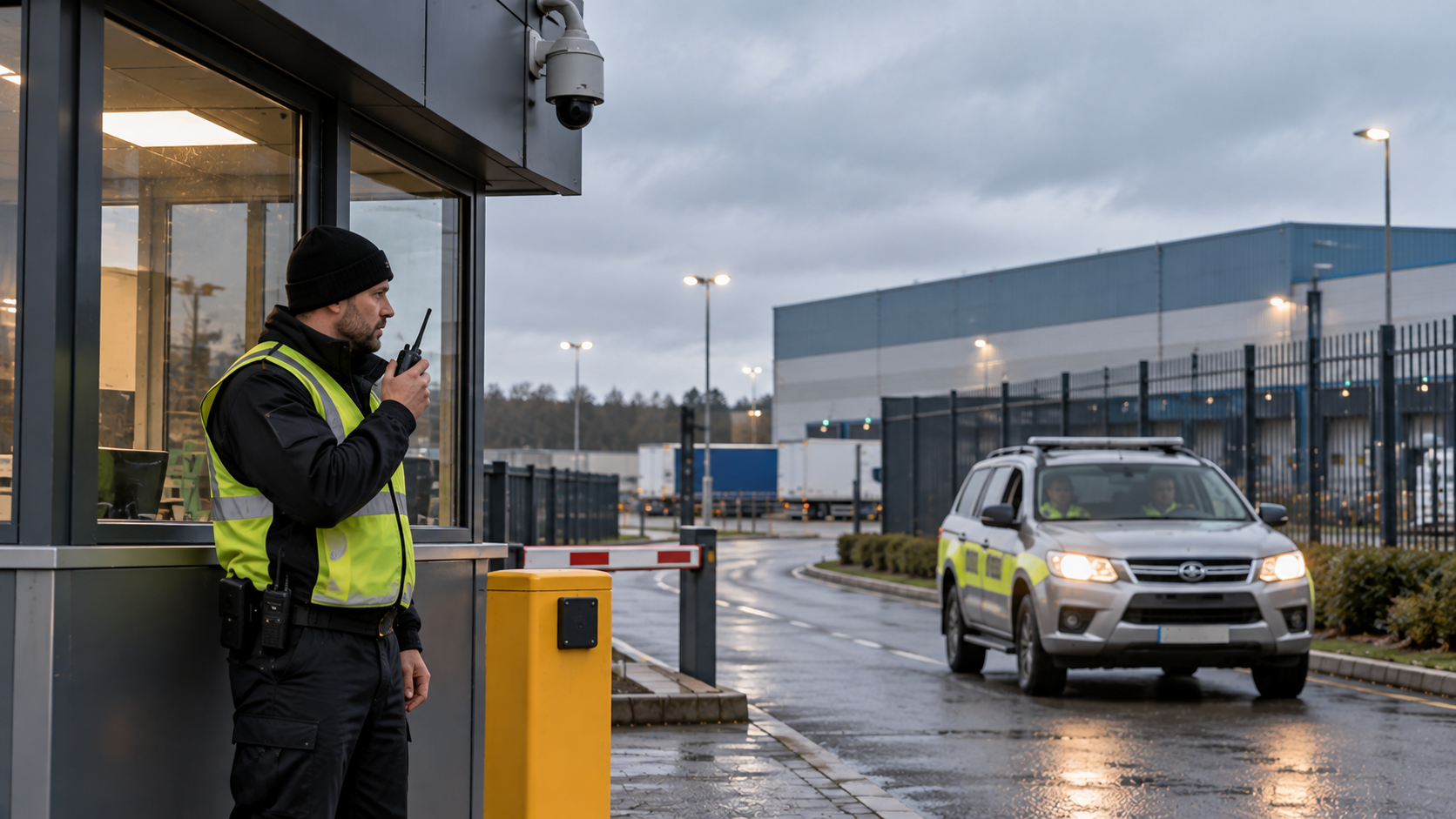
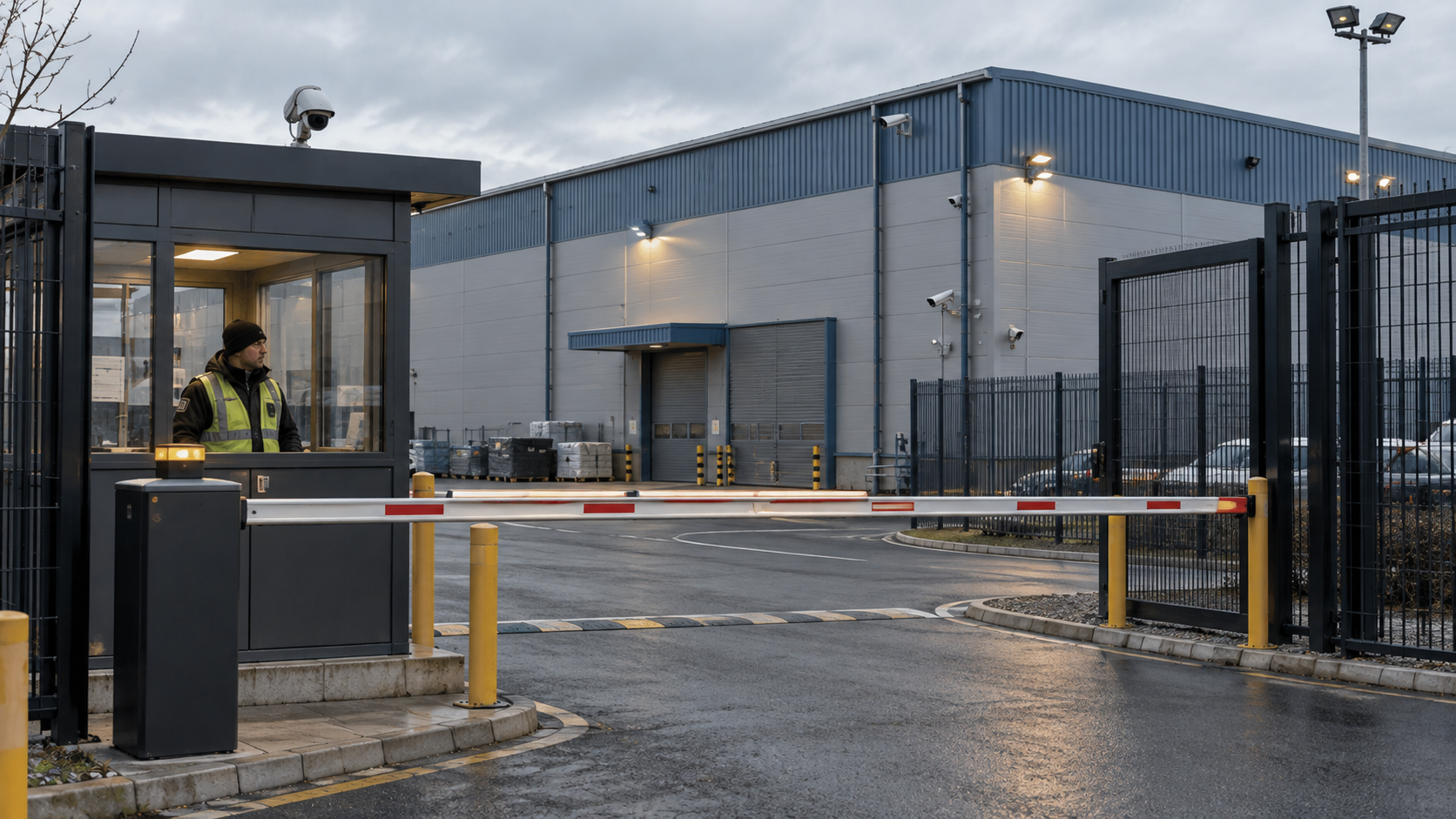
Manned guarding means having trained security personnel physically present at a site. Their role is to observe, deter, challenge, record, and escalate when needed. This is different from remote monitoring, which relies on alerts and delayed responses.
In Durham, this difference matters. Many incidents do not trigger alarms. Shoplifting, unauthorised access, and internal theft often happen in plain sight. These risks increase when staff are stretched or working alone.
Retail units near Durham businesses deal with daytime theft and antisocial behaviour. Construction sites on the outskirts face overnight material loss. Warehouses near transport routes experience perimeter breaches rather than forced entry. Night-time venues deal with crowd control and access issues. These risks explain why commercial security guarding in Durham prioritises sector and time.
Another reason why Durham businesses need manned guarding is the layout. Many local business sites were not designed with modern security in mind. Older retail units have blind spots. Converted industrial buildings often share access routes. Mixed-use developments combine offices, shops, and residential spaces in ways that complicate control.
Guards help manage these overlaps. A camera records movement. A guard interprets it. Human oversight reduces mistakes and misuse. It includes drivers, contractors, or temporary staff moving through shared areas. Many access breaches are not criminal. They are procedural. Manned presence reduces both.
There is also a visibility factor that businesses often underestimate. A uniformed guard changes how people behave, even when no interaction occurs. That effect is hard to measure but easy to observe. It lowers risk without confrontation.
Another factor often overlooked is familiarity. Guards who work the same Durham sites learn patterns quickly. They notice when routines change. A door used at odd times. A vehicle that does not belong. A delivery that arrives too early or too late.
These small details matter. Many incidents start with something minor. A guard who knows the site can question it early. This prevents escalation without disruption.
For businesses, this local awareness reduces false alarms and unnecessary callouts. It also improves response quality when something real happens.
What are the peak crime hours for businesses needing manned guards in Durham?
For most commercial sites, risk is not spread across the clock. Early evenings are a common pressure point. Between 5 pm and 9 pm, staffing levels change, managers leave, and footfall rises.
Retail theft often increases during these hours. For construction and storage sites, risk rises later. Insurer data across the UK shows commercial break-ins. This happens at midnight and in the morning. Durham follows this pattern, especially in low-traffic industrial areas.
Knowing these time windows helps businesses deploy guards only where they add value.
It is also worth noting how seasonal patterns affect timing. During the winter months, darkness falls earlier. This shifts risk forward into the early evening. Businesses that close at 6 pm may still face exposure.
In summer, extended daylight changes behaviour. More people remain active later. This can increase antisocial behaviour around retail and hospitality sites. Guards during these periods focus less on perimeter checks and more on observation. Understanding these seasonal shifts helps avoid fixed assumptions about risk windows.
How has rising retail theft in Durham increased demand for daytime manned patrols?
Retail crime is no longer a nighttime issue. Many losses now happen during trading hours. Small stores and supermarkets are affected most. Staff focus on customers, not on monitoring behaviour.
Daytime manned patrols reduce repeat theft. A visible guard changes behaviour. It also gives staff support when incidents happen. This lowers confrontation risk and reduces stress. Foretailers see on-site security guards Durham as part of daily operations.
Another driver is staff safety. Retail workers are now more likely to face verbal abuse during theft attempts. Many businesses are unwilling to ask staff to intervene.
A trained guard changes this dynamic. They act as a buffer. This reduces the chance of injury or complaints. It limits situations where staff make decisions under pressure that could be questioned. For operations managers, this is about lowering disruption, not chasing offenders.
What are the differences between day and night manned guarding risks?
Day guarding deals with people. Theft, access control, conflict, and safety checks are the main concerns. Guards must be alert and calm. Poor judgment during the day can create liability issues.
Night guarding is different. Sites are quieter. Risks include burglary, vandalism, and fire. Guards focus more on patrols, access points, and unusual activity. Lighting, weather, and isolation all affect performance.
Treating day and night guarding as the same role often leads to gaps. There is also a difference in accountability. During the day, managers are usually reachable. Decisions can be shared. At night, guards often operate alone. Clear rules matter more.
This is why cities similar to Durham, like Middlesbrough, need manned guarding. It relies heavily on written procedures. Guards need clarity on when to act, when to wait, and when to escalate. Businesses that define this well see fewer mistakes. Ambiguity increases risk.
How does economic factors in Durham influence manned guarding demand?
Local economic pressure matters. When costs rise, theft often follows. Construction growth increases exposure to fuel and material loss. Stock levels also rise during supply delays, raising asset value on site.
For many organisations, Durham business security solutions are now reviewed. It is assessed along with insurance and risk planning.
Legal and compliance requirements
UK manned guarding is tightly regulated. Businesses are responsible for ensuring compliance, even when services are outsourced.
All guards must hold valid SIA licences. This confirms training and suitability. Security providers should also follow BS 7858 security vetting. It must check identity, work history, and criminal records. DBS checks are part of this process, but do not replace it. Insurance providers expect these standards. If they are missing, claims may be challenged.
Public venues in Durham should also be aware of Martyn’s Law. It will increase expectations around protective security for publicly accessible locations. Planning ahead matters. Compliance is not static. Rules change. Guidance updates. What was acceptable five years ago may now fall short.
Businesses should review security arrangements regularly. This includes checking licence renewals and insurance limits. It also includes reviewing how incidents are logged and stored. Data handling matters. Reports often include personal details. Poor handling can create new risks under data protection rules.
Compliance also affects contract enforceability. If an incident leads to a claim or dispute, documentation becomes critical. Businesses that cannot show due diligence may face challenges from insurers or regulators.
This includes proof that guards were licensed, vetted, and properly briefed. It also includes evidence that guarding levels matched assessed risk. A mismatch can raise questions after an incident. For finance directors, this is about protecting the organisation, not the site.
How do VAT rules apply to manned security services in the UK?
Manned guarding is usually charged at standard VAT rates. This affects total cost, especially for organisations that cannot reclaim VAT.
When comparing quotes, finance teams should always check whether VAT is included. A lower hourly rate can still cost more.
What documentation proves a security firm’s compliance history?
Businesses should ask for clear proof. This includes SIA licensing records, insurance certificates, vetting confirmation, and incident reporting procedures.
Keeping these documents helps with audits and insurer reviews. It also shows that reasonable steps were taken if an incident occurs.
Beyond formal certificates, businesses should look at consistency. Are licences current? Are insurance policies renewed on time? Are incident reports structured and clear?
Good documentation tells a story. It shows how risks were identified and managed. This narrative matters when external scrutiny occurs. Poor records often do more damage than the incident itself.
How do labour laws affect manned guard overtime payments?
Working time rules affect how shifts are structured. Overtime may apply when coverage is extended unexpectedly.
Clear contracts should explain how this is handled. This avoids disputes and ensures coverage is not withdrawn when it is most needed.
How do Greater Manchester Police collaborate with private manned guarding firms?
Manned guarding in Durham businesses deal with Durham Constabulary, but collaboration principles are similar nationwide. Guards observe and report. Police enforce.
Clear reporting helps police respond faster. It also improves incident records, which supports insurance claims.
Costs, contracts, and deployment in Durham
Durham security guarding costs depend on risk, location, and hours. City-centre sites often cost more due to footfall and complexity. Industrial areas may be cheaper but need night coverage. Wage increases and inflation have affected pricing. But, cost should be weighed against losses prevented and insurance benefits.
Contracts usually range from short-term cover to multi-year agreements. Mobilisation time depends on vetting and site size. Cost planning should also consider indirect savings. These are rarely listed on invoices. Reduced theft, callouts, staff turnover, and improved insurer confidence affect the bottom line.
Businesses sometimes remove guards to save costs. This is done to reintroduce it later at higher rates after losses occur. Short-term savings often lead to long-term expenses. A steady, proportionate approach usually works better.
Budget planning should include review points. Risk is not fixed. A new tenant, a change in opening hours, or a site expansion can alter exposure. Contracts that allow change help businesses stay aligned with reality. Fixed arrangements with no flexibility often fail over time. Security should follow the business, not hold it back.
How long does it take to hire and deploy a manned security team in Durham?
Smaller deployments can start within two to three weeks. Larger sites like Durham and Newcastle upon Tyne take longer due to risk planning. Early planning avoids rushed decisions. Delays often come from an unclear scope rather than staffing. When businesses cannot define what they need, deployment slows. Clear risk assessments speed things up.
This is why early conversations matter. They allow guarding to align with operations rather than disrupt them.
What are common contract lengths for manned guarding in Durham?
Most contracts run between 12 and 36 months. Short contracts offer flexibility. Longer ones offer stability and clearer budgeting.
Break clauses matter. They should match business risk.
Why Durham businesses need manned guarding to support insurance premium reductions?
Insurers look at prevention. Manned guarding reduces claims by deterring incidents and limiting damage. While discounts are not guaranteed, guarding strengthens a business’s risk profile.
Insurers also look at response. How quickly was the issue identified? Was the damage limited? Were procedures followed?
Manned guarding improves these answers. Early action often reduces claim size, even when incidents occur. This matters more than total prevention.
How does the Procurement Act 2023 affect public sector manned guarding contracts in Durham?
Public sector buyers must now focus more on transparency and outcomes. Security contracts are assessed on compliance, value, and performance. Clear KPIs are becoming standard.
Training, daily operations, and guard duties
Guard effectiveness comes from routine, not reaction. Training focuses on awareness, communication, and accurate reporting. Other sites near Durham vary widely. Good inductions matter. Training is not about response. It is about awareness. Guards are trained to notice small changes. A door is left open, and a vehicle is parked out of place, which can be those small patterns that feel wrong.
These small observations often prevent larger incidents. They also create a written trail. This supports investigations and claims. The value lies in consistency. Communication is a core skill. Guards interact with staff, visitors, and contractors. Clear communication prevents conflict.
Poor communication creates friction. It also increases the risk of complaints. Guards trained to explain rules calmly reduce tension. This supports business reputation as much as security.
What does a manned guard do immediately upon starting a shift in Durham?
The guard reviews site logs and recent incidents. This ensures continuity.
What is the first thing a security guard checks when arriving at a Durham site?
Access points and perimeter conditions. Early checks reduce risk.
What fire safety checks are a priority for manned guards on duty?
Clear exits, alarm status, and visible hazards. These checks support compliance. Fire risk is often overlooked in security planning. Many serious losses come from fires rather than theft. Guards play a quiet role here. They notice blocked exits. Faulty lighting. Unsafe storage. These issues are logged before they escalate. This supports both safety compliance and insurance conditions.
How frequently do guards report to supervisors during Durham night shifts?
Usually hourly or after incidents. This maintains oversight.
What post-patrol documentation do manned guards complete hourly?
Patrol logs note time, route, and findings. These records matter during claims. Reports are not paperwork for their own sake. They create continuity. The next shift knows what happened. Managers know what to review.
Clear writing matters. Short notes. Facts only. No assumptions. Good records stand up to scrutiny.
How do shift patterns work for 24/7 manned guarding coverage?
Rotating shifts maintains coverage while respecting working time rules.
Performance, risks, and staffing challenges
Performance should be measured by outcomes, not activity volume. From a client perspective, staffing challenges matter only when they affect service. Missed patrols, inconsistent reporting, or unfamiliar guards reduce effectiveness.
This is why performance monitoring should focus on outcomes. Are incidents reduced? Are reports clear? Is communication reliable? If those answers are yes, the system is working.
Another risk is overreliance. Guards should support operations, not replace internal responsibility. When staff stop reporting issues because “security will handle it,” gaps appear.
The best outcomes happen when staff and guards share awareness. Simple communication keeps everyone aligned. Security works best as part of a daily routine.
What KPIs should businesses track for manned security performance?
Incident reduction, response times, report quality, and compliance. It can also help to track near misses. Events that did not become incidents still show where risk exists. Guards are often the first to identify these patterns. This information supports better planning over time.
How does weather in Durham affect manned guarding effectiveness?
Poor weather reduces visibility and mobility. Adjustments are needed.
What health impacts of long shifts on manned guards’ performance?
Fatigue affects judgement. Structured shifts help reduce risk.
What strategies are Durham firms using to retain manned guards amid labour shortages?
From a client’s view, stable coverage matters most. Continuity supports better outcomes.
Technology and future trends in Durham manned guarding
Technology supports guards rather than replaces them. CCTV and manned guarding integration allows quicker response and better decisions. Remote monitoring expands coverage. AI helps flag unusual activity. Drones assist with large sites.
Predictive tools help plan coverage based on real risk. Technology adoption should be gradual. Adding tools without a process often creates noise. The best systems support guards rather than distract them.
For example, analytics that highlight unusual movement save time. They allow guards to focus attention where it matters. The goal is clarity, not complexity. Future changes will likely focus on efficiency rather than replacement. Tools that save time will be adopted first.
For example, systems that reduce paperwork or improve reporting accuracy. These help guards focus on the site rather than screens. Progress should feel practical, not disruptive.
How do remote monitoring systems complement traditional manned guarding in urban Durham?
They extend awareness beyond line of sight. Remote systems also create resilience. If a guard needs help, support is already watching. This improves response and reduces isolation, especially on night shifts.
How are drone patrols integrating with ground-level manned guarding in Durham?
They allow fast checks of large areas.
What predictive analytics tools help Durham businesses assess manned guarding needs?
Historical data and trend analysis guide planning. Predictive tools are most useful when reviewed regularly. Risk changes. Business activity changes. Static plans become outdated. Regular review keeps guarding proportional and effective.
What impact will Martyn’s Law have on manned guarding requirements for Durham venues?
Public venues will need clearer security plans. Manned guarding will likely form part of compliance.
Conclusion
Durham businesses operate in varied environments with shifting risks. Manned guarding provides judgment and presence where technology alone falls short.
Understanding why Durham businesses need manned guarding involves looking at timing and responsibility. When planned, guarding supports safer operations, stronger insurance positions, and better decision-making.
The goal is not the highest level of security. It is appropriate security. For Durham businesses, security decisions sit at the intersection of responsibility and cost. Manned guarding remains relevant because it adapts. It responds to real behaviour, not assumptions.
When businesses take time to assess exposure, guarding becomes a support function. That distinction matters. Long-term security decisions work best when reviewed. Durham businesses that revisit risk regularly stay ahead of problems.
Manned guarding remains one option among many. Its value comes from timing, judgement, and presence. When used properly, it supports calm, steady operations.
Frequently Asked Questions
1. When does a business in Durham usually need manned guarding? When people, stock, or access points create daily risk. This often happens during both busy and quiet periods.
2. Is manned guarding only for large sites? No. Small sites face risk too. Limited staff often increases exposure.
3. Can a guard help during normal working hours? Yes. Many incidents happen in daylight. Guards reduce theft and support staff.
4. Do guards replace CCTV systems? No. They work together. Cameras watch, guards act.
5. How does guarding help with insurance matters? It shows risk control in practice. This can support claims and reviews.
6. Are manned guards trained for emergencies? Yes. They follow clear response plans. This helps limit damage and confusion.
7. Is guarding flexible if business needs change? Yes. Coverage can scale up or down. Planning early makes this easier.
8. What should businesses review before renewing guarding? Recent incidents and site changes. Risk rarely stays the same.