Middlesbrough is no longer split into neat zones. Industrial sites sit next to retail parks. Ports share roads with offices and housing. Different businesses now operate closer together, and that closeness brings new risks. People move through these spaces all day, often for different reasons, and that creates pressure points that did not exist before.
In this kind of environment, security is not just about what happens after an incident. It is about spotting small problems early. Cameras and alarms still have a role, but they only watch and record. They cannot read body language, slow a situation down, or step in when something feels wrong. That judgement still comes from trained people on site.
This is where the question of Why Middlesbrough businesses need manned guarding starts to surface. Not as a default solution, and not as a sales decision, but as a practical one. The aim of this article is to help local decision-makers understand when an on-site presence is justified, how risk changes across Middlesbrough’s business landscape, and what thoughtful, compliant guarding actually looks like in practice.
Manned Guarding Basics in Middlesbrough
What on-site guarding looks like in day-to-day Middlesbrough operations
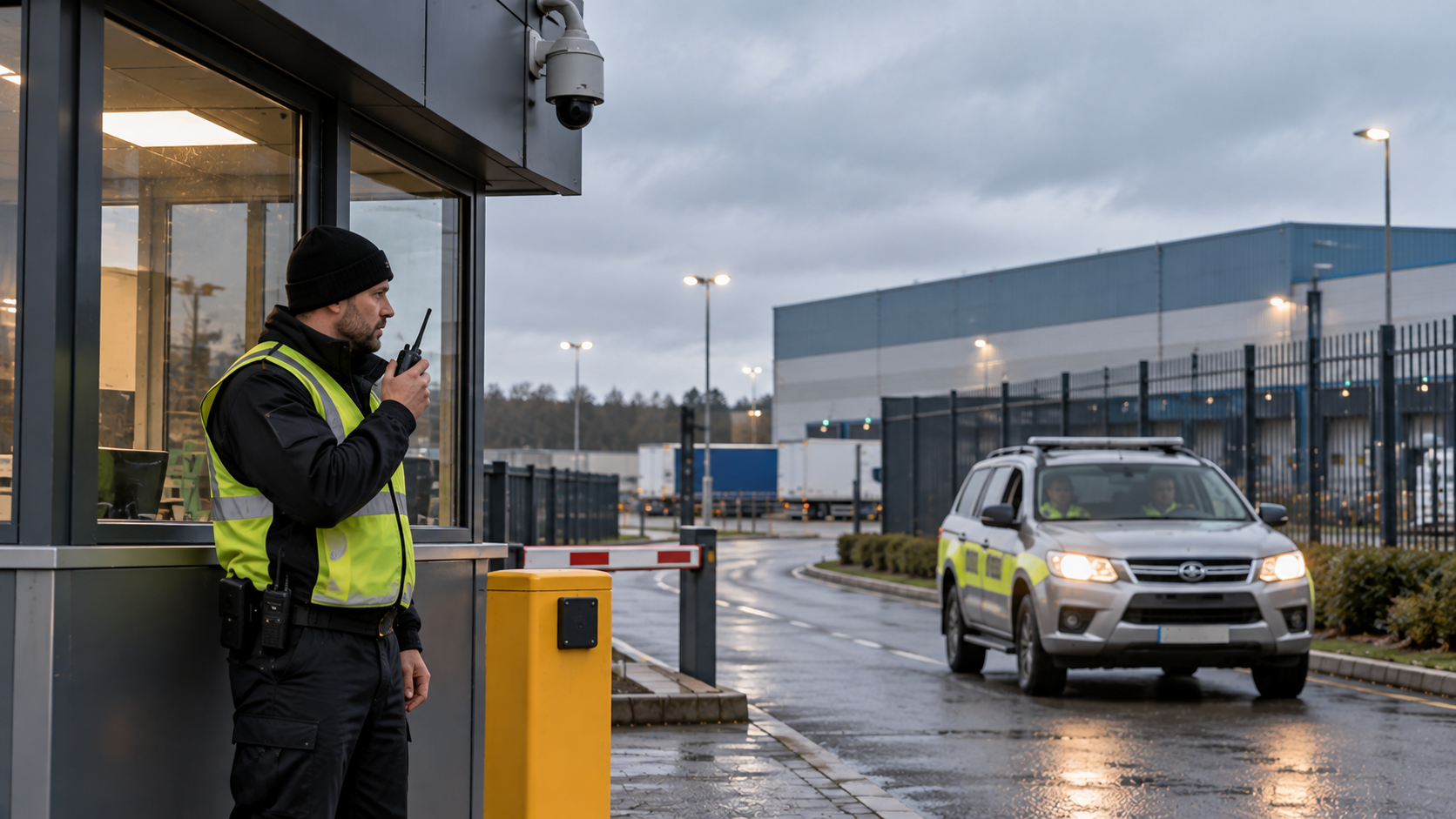
At its core, manned guarding is about trained people being physically present where risk actually unfolds. On a Middlesbrough site, that might mean monitoring how people move through shared access points, noticing when behaviour doesn’t match the environment, or stepping in early when something feels out of place. Much of this work never shows up in incident logs because it prevents escalation before it starts.
Guards operate within the flow of the site rather than outside it. They learn routines, understand peak pressure points, and adapt as conditions change across the day. That familiarity allows them to spot anomalies quickly, whether it’s a vehicle arriving at the wrong time, unauthorised access through informal routes, or tension building in public-facing areas. The value lies less in constant intervention and more in informed presence.
Middlesbrough’s local crime patterns and business exposure
Risk in Middlesbrough isn’t defined by one headline figure. It’s shaped by opportunity. Retail theft remains a steady pressure, particularly where stores sit close together with shared car parks and access roads. Industrial trespass and metal or tool theft affect estates on the edges of town, especially after hours. Anti-social behaviour tends to cluster around mixed-use zones, where businesses operate alongside leisure and late-night venues.
Timing plays a bigger role than many expect. Incidents rise when supervision drops or routines become predictable. That pattern echoes across nearby areas, though each has its own rhythm. Stockton-on-Tees sees similar retail-park challenges. Redcar’s coastal activity brings seasonal shifts. Hartlepool’s port-linked trade creates different vulnerabilities. Darlington’s transport links shape movement-based risk. Sunderland’s larger urban footprint changes scale rather than nature. Newcastle upon Tyne experiences density-driven pressure, while Durham’s quieter profile hides sharp peaks at certain hours.
Understanding these differences helps Middlesbrough businesses avoid copying security models that don’t fit their own exposure.
Peak risk windows and why timing matters more than totals
Most incidents don’t happen at random. They happen when conditions line up. In retail environments, daytime brings high footfall, distraction, and opportunity. Shoplifting and low-level disorder often occur when staff are stretched thin and visibility drops, even briefly.
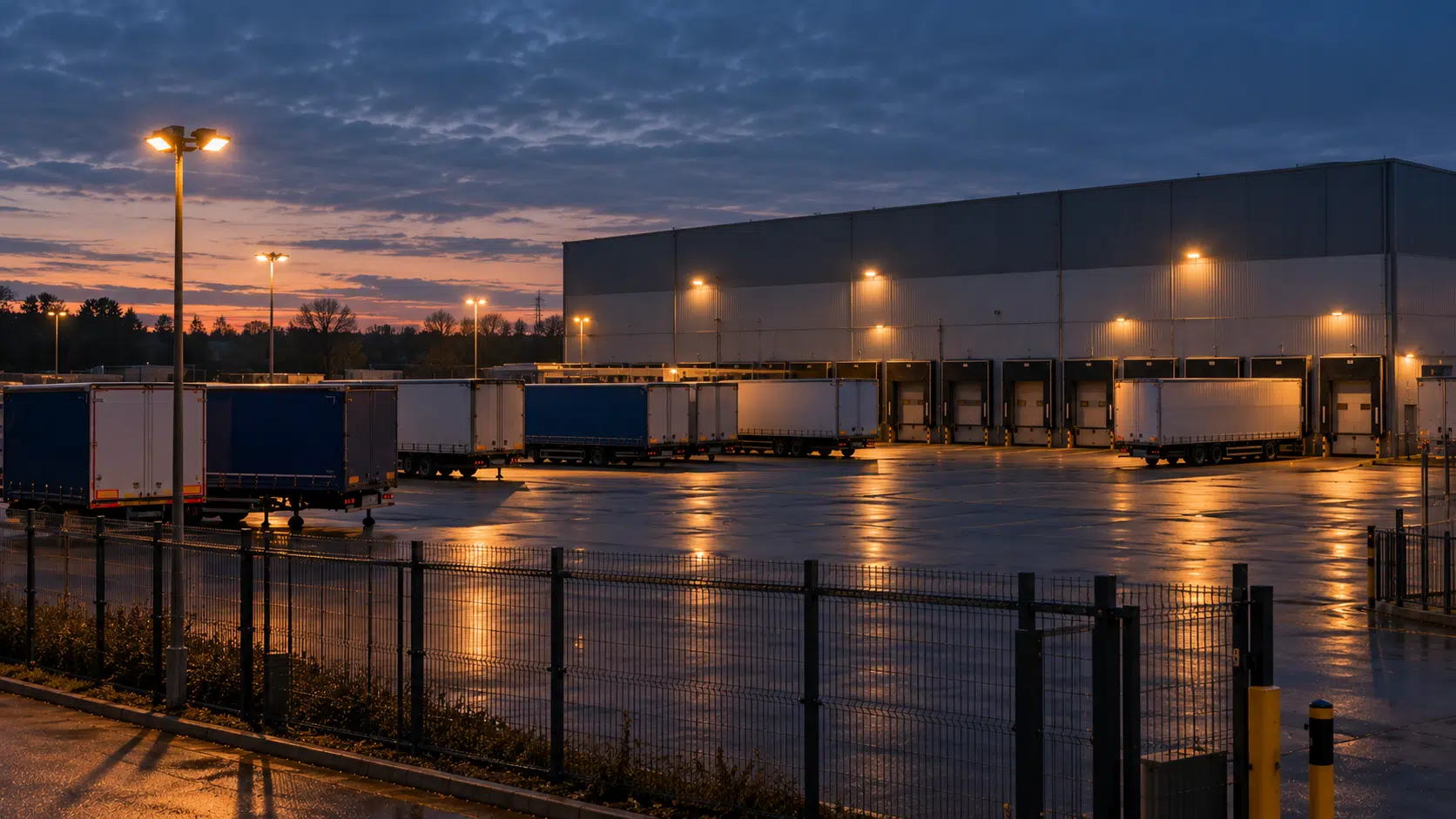
Night-time shifts the picture. Warehouses, yards, and industrial units face perimeter testing, vehicle interference, and unauthorised access. Construction sites are especially exposed once legitimate activity stops and natural surveillance disappears. The overall crime rate matters less than when supervision is weakest.
This is why staffing decisions in Middlesbrough increasingly follow hourly risk rather than daily averages. Businesses adjust cover around deliveries, shift changes, and closing times, recognising that presence at the right moment matters more than blanket coverage.
Sector-specific vulnerabilities in Middlesbrough
Warehousing and logistics sites near arterial routes face fast-moving risk. Easy access in and out is good for business, but it also reduces the time offenders need to act. Construction sites deal with a different problem: tools, materials, and plant that are valuable, portable, and often left unattended overnight.
Retail parks sit somewhere in between. Shared spaces mean shared responsibility gaps. One unit’s problem quickly becomes everyone’s. Disorder, vehicle-related incidents, and theft often spill across boundaries that no single tenant controls.
The night-time economy adds another layer. Seasonal peaks, events, and weekends change footfall patterns quickly. Guards in these environments aren’t just deterrents; they’re stabilisers, maintaining order when conditions shift faster than policies can.
Transport corridors, ports, and movement-based risk
Middlesbrough’s proximity to ports, trunk roads, and public transport corridors shapes its security needs in subtle ways. Movement hubs attract legitimate activity, but they also attract loitering, opportunistic crime, and boundary confusion. Where public and private space meet, responsibility isn’t always clear. In nearby cities like Sunderland, similar transport-linked risks appear, particularly around major junctions and industrial estates
On-site guards help manage these grey areas. They provide a visible point of authority, guide behaviour before it becomes disruptive, and act as the link between businesses, transport operators, and, when needed, local police. In environments defined by movement rather than fixed walls, that human presence often becomes the anchor that technology alone cannot provide.
Legal and Compliance Requirements for Manned Guarding in Middlesbrough
SIA licensing – the non-negotiable baseline
Every discussion about manned guarding in Middlesbrough starts with one fixed point: SIA licensing. Any individual carrying out licensable security activities must hold a valid licence issued by the Security Industry Authority. This includes guarding premises, controlling access, patrolling sites, and protecting people or property.
Using unlicensed guards is not a technical slip, it is a criminal offence.For Middlesbrough employers, the risk runs deeper than enforcement alone. Insurers may refuse to honour claims if guarding arrangements were unlawful at the time of an incident. Contracts can be voided. Reputational damage often follows quickly, particularly in regulated sectors or public-facing environments.
Licensing is not just a box to tick. It is the baseline that underpins trust, accountability, and lawful operation across Teesside sites.
BS 7858 vetting and why buyers should care
BS 7858 sets the standard for screening individuals working in security roles. It covers identity verification, employment history, right-to-work checks, and character references over a defined period.
For businesses commissioning manned guarding in Middlesbrough, this matters more than many realise. Insurers increasingly expect guards to be vetted to this standard, especially where access to high-value goods, sensitive areas, or out-of-hours premises is involved. If an incident occurs and vetting is found to be incomplete or informal, questions will be asked about negligence and duty of care.
Buyers are not expected to conduct vetting themselves. However, they should expect written confirmation that BS 7858 processes are in place and routinely audited. It is one of the quiet indicators of a professional operation.
DBS checks – what clients can and cannot see
DBS checks are often misunderstood. While many security roles require background checks, clients are not entitled to view detailed DBS records. Doing so would breach data protection law.
In practice, Middlesbrough businesses should focus on process rather than personal data. Confirmation that appropriate DBS checks have been completed, are current, and align with the role being performed is sufficient. Reputable providers will supply compliance statements or anonymised verification without disclosing sensitive information.
This approach protects both parties. It ensures guards are appropriately screened while keeping clients on the right side of GDPR obligations.
Licensing of security companies and compliance history
Beyond individual licences, security companies themselves must be properly licensed and regulated. This includes meeting Security Industry Authority (SIA) approved Contractor Scheme (ACS) standards where applicable.
Procurement teams in Middlesbrough should ask for evidence of company licensing, audit outcomes, and compliance history. Useful documentation includes ACS status reports, insurance certificates, training matrices, and incident reporting frameworks.
A transparent compliance record is often a better indicator of reliability than marketing claims. It shows how a provider behaves when things are routine, not just when they are being sold.
Insurance expectations for Teesside businesses
Insurance is where legal compliance meets financial reality. Businesses hiring manned guarding should expect providers to carry adequate public liability and employer’s liability cover, with limits appropriate to the site’s risk profile.
From the client’s perspective, properly deployed guarding can strengthen claims defensibility. Clear logs, lawful detention procedures, and documented patrols help demonstrate that reasonable steps were taken to prevent loss or harm. In some cases, insurers recognise this by offering more favourable terms or reduced excesses.
Poorly structured guarding, on the other hand, can complicate claims rather than support them.
CCTV, GDPR, and manned guarding integration
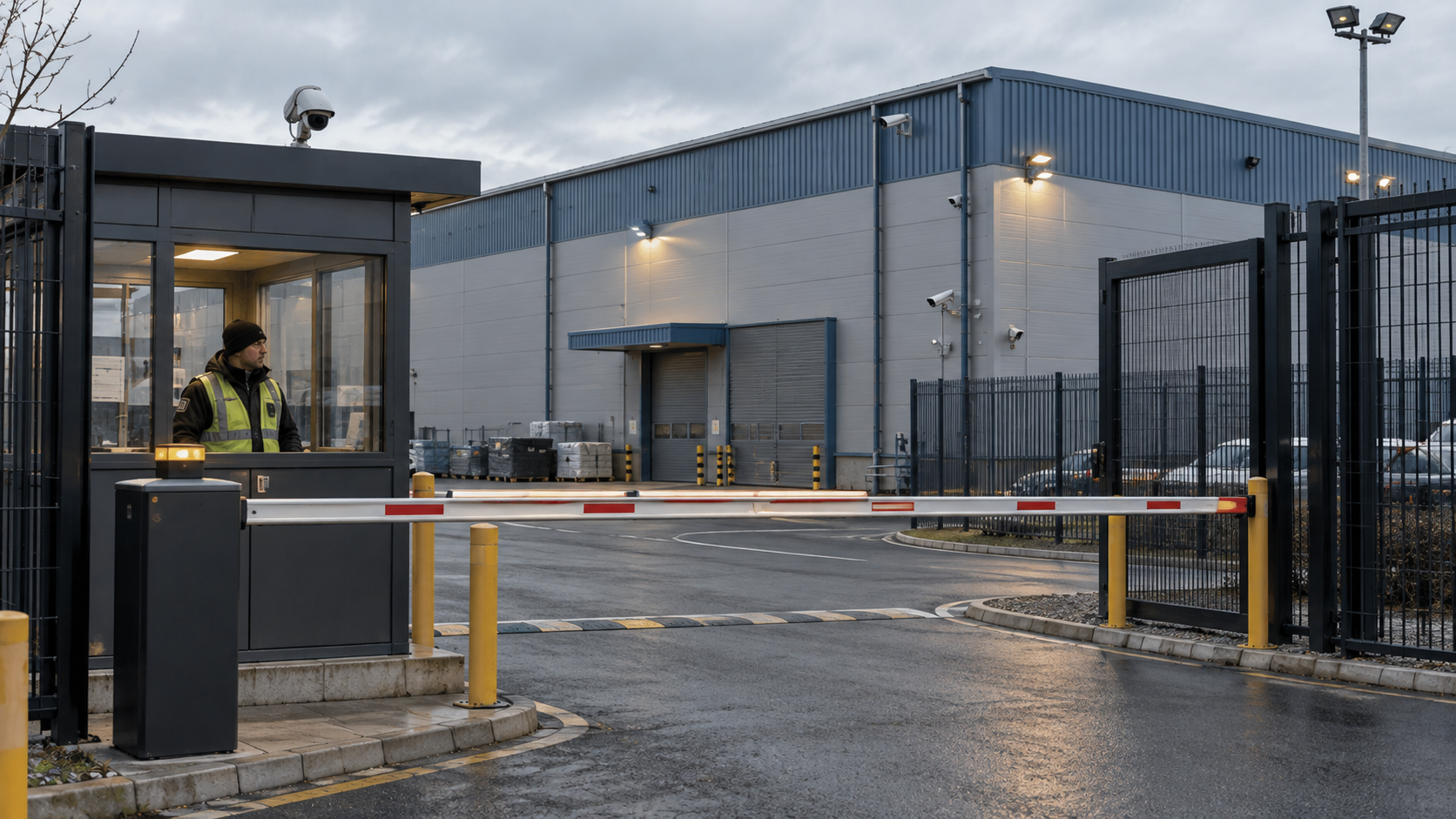
Many Middlesbrough sites operate CCTV alongside on-site guards. This combination is lawful, but only when managed correctly. Data protection law requires clear purposes, signage, controlled access to footage, and secure handling of evidence.
Guards may interact with CCTV systems, but they must be trained in what they can view, record, and disclose. Footage should only be accessed for legitimate reasons and shared through defined processes.
When done properly, this integration strengthens incident response and evidence quality. When done casually, it creates compliance risk.
VAT and tax treatment of manned security services
Manned guarding services are standard-rated for VAT in the UK. This has practical implications for budgeting, particularly for smaller Middlesbrough businesses or long-term contracts.
VAT should be factored into cost planning from the outset rather than treated as an afterthought. Clear invoicing and transparent rate structures help avoid disputes and support accurate financial forecasting.
Council conditions, construction sites, and local permissions
Middlesbrough Council may impose specific security-related conditions on construction sites, developments, or high-impact operations. These can include requirements for overnight guarding, access control, or incident reporting during certain project phases.
Event-based sites and temporary works often carry additional obligations. Ignoring these conditions can delay approvals or trigger enforcement action. Aligning guarding arrangements with planning and licensing conditions reduces friction and keeps projects moving.
Events, Martyn’s Law, and venue security
Martyn’s Law is set to change how venues approach security planning across the UK. While implementation is still evolving, its direction is clear: increased responsibility on venues to assess and mitigate terrorism-related risks.
For Middlesbrough venues and mixed-use sites, this means manned guarding will play a more structured role in risk assessment, crowd management, and emergency response. Planning early allows businesses to adapt without last-minute disruption.
Police collaboration and data-led deployment
Manned guarding works best when it does not stand alone. In Middlesbrough, links with Cleveland Police and local business groups help guards understand what is really happening nearby. Shared reports, past incidents, and clear call-out steps guide when patrols should change and when extra cover is needed. This keeps security focused and fair, not spread thin. When businesses, guards, and police see the same risks, guarding becomes about stopping problems early, not just being present.
Costs, Contracts, and Deployment in Middlesbrough
Cost discussions around manned guarding often start in the wrong place. Buyers ask for hourly rates before they understand what is being protected, when exposure actually occurs, or how failure would land if something went wrong.
In Middlesbrough, that misunderstanding matters. The town’s commercial layout creates uneven risk. Some sites sit under constant public movement. Others fall silent for long stretches, then spike without warning. Guarding costs reflect those realities, not arbitrary pricing.
This section breaks down what genuinely drives cost, how contracts behave in practice, and why deployment speed and documentation often matter more than headline figures.
What drives guarding costs locally
There is no single rate for guarding in Middlesbrough. Costs shift based on where the site is, how it is used, and what is expected from the guard. Town-centre sites deal with steady footfall and more interaction, so guards spend time watching people, stepping in early, and staying visible. Out-of-town estates feel quieter, but wide perimeters, vehicle routes, and lone shifts change how cover is planned and risk also plays a role.
A calm office with set hours costs less to protect than a busy yard running through the night, even if they sit close together. Skill level matters too. Basic presence is cheaper, while trained judgement costs more because errors in these roles carry real consequences. Technology adds another layer. When guards handle cameras, access systems, or digital logs, higher ability is needed, and that quietly affects the price.
City-centre vs suburban vs industrial pricing realities
Rates differ across Middlesbrough for reasons that aren’t always obvious from a map. City-centre locations carry interaction density. Guards are visible, approached frequently, and expected to intervene early. The work is continuous, even when incidents are minor. Fatigue and judgement become pricing factors.
Suburban retail parks sit in a middle space. Busy at predictable times, quiet at others. Costs reflect coverage patterns rather than raw hours, especially where guarding overlaps with opening and closing routines.Similar patterns are seen in nearby towns like Gateshead, where mixed-use sites demand flexible guarding strategies.
Industrial zones operate differently. Risk concentrates around isolation, asset value, and access routes rather than public behaviour. Fewer interactions, but higher consequences when something goes wrong.
Nearby areas such as Stockton-on-Tees, Redcar, and Hartlepool show similar patterns, though port-linked activity and transport corridors can push industrial rates higher despite lower footfall.
Inflation, wage pressure, and cost forecasting to 2030
Guarding costs don’t jump suddenly. They drift. Wage pressure, licensing requirements, training standards, and compliance overheads rise gradually, then lock in. Most contracts now include CPI-linked reviews, not as an aggressive tactic, but as a way to avoid sudden renegotiation.
From a buyer’s perspective, predictability matters more than marginal savings.
A slightly higher, transparent rate with planned increases is easier to justify internally than a low starting figure followed by sharp adjustments.
Looking toward 2030, labour-driven services like manned guarding are unlikely to see cost reductions. Technology may optimise deployment, but it hasn’t removed the need for licensed personnel making decisions on site.
Contract models and notice periods
Contract structure shapes operational stability as much as price.
Short-term arrangements: Suit temporary risk. Construction phases. Event cover. Emergency backfill. They offer flexibility but carry higher per-hour costs and less continuity.
Medium-term contracts: Blance control and commitment. Often used where risk fluctuates seasonally or operational models are evolving. Notice periods tend to sit around one to three months.
Long-term agreements: Favour sites with stable exposure. They deliver continuity, deeper site knowledge, and smoother audits. Exit terms are usually longer, but performance management becomes more structured.
In Middlesbrough, long-term contracts often outperform short-term savings because guards learn the site, the patterns, and the people. Familiarity reduces mistakes.
Mobilisation timelines and deployment speed
Speed matters, but it shouldn’t replace planning. Emergency coverage can sometimes be deployed within hours, depending on regional availability. This is useful after incidents, staff shortages, or sudden risk escalation. It is rarely optimised.
Planned deployment takes longer. Site assessments, risk profiles, assignment matching, and compliance checks add time. That delay is intentional. It reduces mismatch between guard capability and site reality.
Availability across Teesside is generally strong, but specialist roles take longer to fill. High-risk industrial sites, lone-worker posts, and technology-integrated roles require narrower selection.
Insurance premium impact and risk reduction
Manned guarding supports claims defensibility when three things are in place:
- Audit trails that show patrols occurred, issues were noted, and responses were timely.
- Proof-of-presence, increasingly digital, confirming guards were where they should have been.
- Claims support, where incident reports are clear, factual, and contemporaneous.
Poor documentation weakens even valid claims. Consistent guarding strengthens negotiation positions long before an incident occurs.
Procurement Act 2023 and public-sector buyers
Under the Procurement Act 2023, councils, NHS trusts, and education bodies face higher expectations around transparency, value, and supplier compliance. Security contracts are no exception.
For Middlesbrough public-sector sites, this means:
- Clear evaluation criteria beyond price
- Demonstrable training and vetting standards
- Documented performance monitoring
- Alignment with wider safety and duty-of-care obligations
Guarding that cannot evidence compliance struggles to compete, regardless of cost.
Training, Daily Operations, and Guard Duties (Buyer-Focused)
This is the part of guarding most buyers don’t see, and often undervalue, until something goes wrong.
Training, routines, and daily decisions are not about ticking boxes or filling hours. They shape outcomes. They decide whether an incident becomes a near-miss, a claim, or a board-level problem. In Middlesbrough, where sites often sit at the edge of retail, industry, and public movement, those details carry weight.
What follows is not a breakdown of tasks. It is an explanation of why operational standards matter, and how they affect risk, cost, and accountability from a buyer’s perspective.
Training standards relevant to Middlesbrough sites
Training is never the same in real life, even when certificates look alike. Retail sites need guards who read people quickly, calm small issues, and protect staff as much as stock. Poor training creates tension, while good training keeps things steady.
Industrial sites need a different approach, as guards often work alone around heavy assets and limited access points, so awareness and sound judgement matter more than force. Construction sites change daily, with moving fences, rotating workers, and short theft windows, which means guards must understand shifting risk, not fixed routines.
Events add crowd pressure and time limits, where clear speech, control, and calm response matter most. Buyers should care because the wrong training does not just fail, it increases risk and liability.
Day vs night guarding priorities
The work changes when the lights go down.
Daytime guarding: It is about visibility and interaction. Guards are seen, approached, questioned. Much of their value lies in presence alone, being a point of control in a busy environment.
Night-time guarding: Shifts toward perimeter integrity and detection. Fewer people, more silence, longer gaps between incidents. The risk isn’t confrontation. It’s delayed discovery.
This is why staffing patterns matter by hour, not by average crime rates. A site that feels calm at 2 p.m. can be exposed at 2 a.m. Training and deployment must reflect that reality.
Shift handovers and information continuity
Many repeat incidents aren’t new problems. They are forgotten ones. Effective handovers ensure small issues don’t reset every eight or twelve hours. A gate that didn’t latch properly. A delivery that arrived early. A person who tested boundaries without crossing them.
When that knowledge transfers cleanly between shifts, guards build on each other’s awareness. When it doesn’t, sites relive the same problems again and again. From a buyer’s standpoint, good handovers reduce noise in incident reporting and increase confidence that risks are being tracked, not just observed.
Patrol logic and presence strategy
Patrols are not about distance walked. They are about expectation management. Predictable patrols invite timing. Completely random ones leave gaps. The key is planned variation. Routes change. Timing shifts slightly. Attention stays on areas where patterns start to form.
Coverage matters, but so does intent. A visible patrol reassures staff. A discreet one observes behaviour. Effective guarding blends both, adjusting presence without advertising routine. This strategic thinking rarely shows in marketing brochures, but it shows up quickly in outcomes.
Reporting, logs, and insurer-grade documentation
Documentation is where guarding proves its value, or fails to. Insurers, investigators, and legal teams care less about how many patrols occurred and more about what was noticed, recorded, and acted upon. Clear, factual logs establish timelines. They show diligence. They protect decision-makers.
Weak reporting undermines even strong on-site performance. Strong reporting often mitigates incidents that cannot be prevented.
For Middlesbrough businesses, this paperwork is not administrative overhead. It is part of risk control.
Performance, Risks, and Operational Challenges
Performance in manned guarding is not measured by how calm a site feels on a good day. It is tested during poor weather, staff shortages, long shifts, and moments when judgement matters more than procedure. Middlesbrough businesses operate in environments where those pressures are routine, not exceptional.
Understanding performance means understanding where guarding can drift, where risk quietly accumulates, and why some failures never make headlines but still cost money.
KPIs Middlesbrough businesses should monitor
Not all metrics carry equal weight. Some look reassuring on reports while telling very little about actual risk.
Response times matter most when they are contextual. How quickly did a guard react once an issue was identified, not when an alarm happened to trigger? Delays here often point to fatigue, poor handovers, or unclear authority.
Patrol completion should be read with caution. A completed patrol that misses patterns is less valuable than a shorter one that identifies emerging issues. Buyers should look for evidence of observation, not just movement.
Reporting quality is the most overlooked indicator. Clear, factual, time-stamped reports show whether guards are thinking critically. Vague or repetitive logs usually signal disengagement long before incidents escalate.
Weather, environment, and site conditions
Middlesbrough’s location shapes guarding performance in subtle ways. Coastal weather brings strong wind, steady rain, and salt in the air. Visibility drops. Equipment wears faster. Outdoor patrols take more effort, and focus fades sooner. These are not faults. They are real risk factors.
Winter adds early nights, icy ground, and quieter streets. Fewer people around can make unwanted activity harder to spot. Guards on long night shifts carry more pressure during these months.
Outdoor patrol strain builds over time. Sites that depend heavily on external rounds, without adjusting shifts or rotation, often see standards slip slowly rather than break all at once. Good guarding accounts for environment instead of assuming uniform conditions year-round.
Health, fatigue, and decision-making risk
Fatigue does not announce itself. It shows up in hesitation, missed details, and poor judgement.
Tired guards are slower to assess intent and more likely to either overreact or disengage. Both outcomes increase liability. For Middlesbrough businesses operating 24/7 sites, this is a material risk, not a welfare footnote.
Decision-making quality declines long before physical performance does. Buyers who focus only on attendance or patrol frequency often miss this entirely, until an incident exposes it.
Technology and Future Trends in Middlesbrough Manned Guarding
Technology has changed how guarding works in Middlesbrough, but it has not changed why it exists. The direction of travel is not about replacing people. It is about sharpening judgement, reducing blind spots, and making on-site decisions more defensible when scrutiny follows.
For buyers, the real question is not what technology is available, but how it alters risk outcomes on local sites.
CCTV and on-site guarding as a single system
Cameras are most effective when they confirm what a guard already suspects.
On their own, CCTV systems collect footage. Combined with an on-site presence, they provide context. A guard can assess behaviour in real time, decide whether movement is routine or unusual, and act before an incident crosses a reporting threshold.
In Middlesbrough’s mixed-use environments, this pairing matters. Retail parks, industrial estates, and shared access zones often generate constant motion. Human judgement filters noise. Technology backs that judgement with evidence.
AI analytics as attention-direction tools
AI does not make choices but It highlights areas to watch. Modern tools spot patterns that can be missed during long shifts, like repeated approaches to the perimeter, unusual pauses, or movement outside normal hours. When used well, AI guides a guard’s focus without telling them what to do.
The real benefit is early action. A quiet check at the right moment stops problems before they grow. AI helps guards stay alert, but it does not take away responsibility.
Remote monitoring and hybrid models
Hybrid guarding is becoming more common in Middlesbrough. It suits large sites and places where people are spread out rather than clustered together.
Remote monitoring adds support without adding bodies on the ground. It helps lone guards check alerts, confirm what is really happening, and avoid rushed decisions. Knowing someone else is watching makes judgement calmer and more confident.
In these setups, accuracy matters more than speed. False alarms drop. Call-outs are fewer. When an issue is escalated, it is done with evidence, clear records, and a level response.
Drones and perimeter support
Drones are not for every site. In many cases, they are unnecessary. But on large industrial estates or wide logistics yards, they can be useful.
Their real value shows outside normal hours. After an alarm, a drone can quickly check what is happening without sending someone into a dark or exposed area. That saves time and reduces risk.
Used in small doses, drones support perimeter awareness. They help teams see the full picture early.They support perimeter awareness. They do not replace boots on the ground.
Predictive analytics and risk forecasting
The next change in guarding is about timing. Not location. Knowing when a site is most at risk matters more than simply placing a guard on duty.
Predictive tools look at past incidents, delivery patterns, and daily activity. They help identify the hours when problems are more likely to happen. For many Middlesbrough businesses, this means focusing coverage around late deliveries, quiet trading periods, or seasonal spikes.
The result is simpler and more practical. Guards are present when risk is highest, not when it is assumed. That avoids overstaffing and keeps human presence tied to real exposure, not guesswork.
Green and sustainable security practices
Sustainability is quietly shaping how guarding works. Fewer miles on patrols, smarter routes, and energy-saving tech reduce environmental impact and keep coverage steady. For businesses with ESG goals, these steps also make audits and reports stronger. Green security is not just for show. It is about working efficiently in ways that can be checked and trusted.
Martyn’s Law and future expectations for Middlesbrough venues
Martyn’s Law will reshape expectations for venue security across the UK, including Middlesbrough.
The shift is towards documented risk assessment, proportionate measures, and demonstrable preparedness. Venues that plan early will find compliance easier and less disruptive than those reacting later.
Manned guarding will be central to this change. Not just to be seen, but to support safety through clear plans and real evidence.
Conclusion
The question of why Middlesbrough businesses need manned guarding is not answered by crime figures alone. It comes down to how a site works day to day, what risks sit around it, and what responsibility the business carries if something goes wrong. In a town shaped by ports, retail areas, industrial estates, and shared routes, risk is not spread evenly. It shifts by location, time, and activity. What protects one site may add little value to another.
That is why guarding should be a planned choice, not a routine add-on. When done right, manned guarding helps meet rules, supports insurance, and covers what technology misses.Cameras observe. Alarms react. People make decisions. They calm situations, challenge behaviour early, and prevent small issues from turning into costly ones.
For decision-makers, the aim is not to add more security. It is to place it where it changes outcomes. Look at how the site is used. Consider peak hours, surroundings, and legal duty. When guards are used where they truly matter, manned guarding fits the way Middlesbrough really works.
Frequently Asked Questions
Do all security guards in Middlesbrough need SIA licences?
Yes. Any guard doing licensable work must hold a valid SIA licence. While the licence belongs to the guard, the responsibility falls on the business. If an incident happens, checks and records will be reviewed, not verbal assurances.
When does CCTV stop being enough on its own?
Usually when people become the main risk. Cameras can watch and record, but they cannot judge intent or step in early. Sites with public access, shared use, or changing footfall reach this point faster.
How does manned guarding affect business insurance?
Insurers look for evidence, not just presence. Patrol logs, reports, and proof of cover matter. When these are in place, claims are easier to support and challenge.
Is 24/7 guarding always needed for Teesside sites?
No. Many sites only need cover at certain times. The right level depends on activity, not routine. Too much cover wastes money. Too little creates gaps.
What documents should procurement request before contracting?
Ask for valid SIA licences, insurance details, vetting standards like BS 7858, and sample reports. Slow or unclear paperwork is often a warning sign.
How quickly can guards be deployed in Middlesbrough?
Urgent cover may be arranged in a short time. Planned cover takes longer and should include site induction, familiarisation, and reporting setup.
Are there extra requirements for construction and event sites?
Often yes. Planning rules, licence terms, or insurance conditions may set clear security duties. Missing them can stop work or affect cover.
How will Martyn’s Law affect local venues?
It is expected to raise standards around planning, training, and records. For Middlesbrough venues, early preparation will be far easier than last-minute changes.