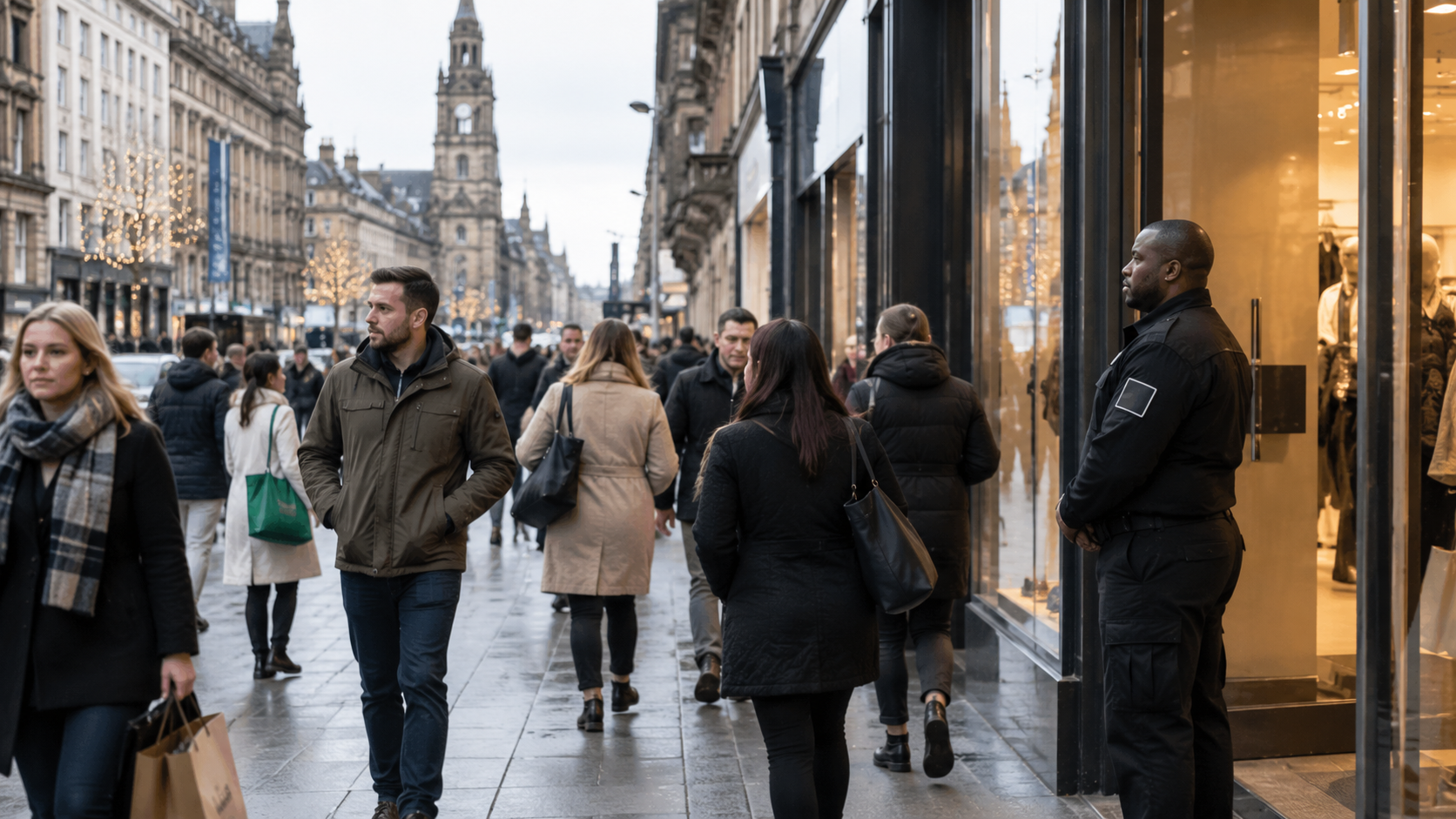
Retail security in Bolton isn’t about overreacting. It’s about reading the room. The town has a mixed retail landscape, with polished destinations like Middlebrook sitting minutes away from older high streets where pressure shows first. When crime shifts, it rarely moves uphill. It drifts to places that look easier.
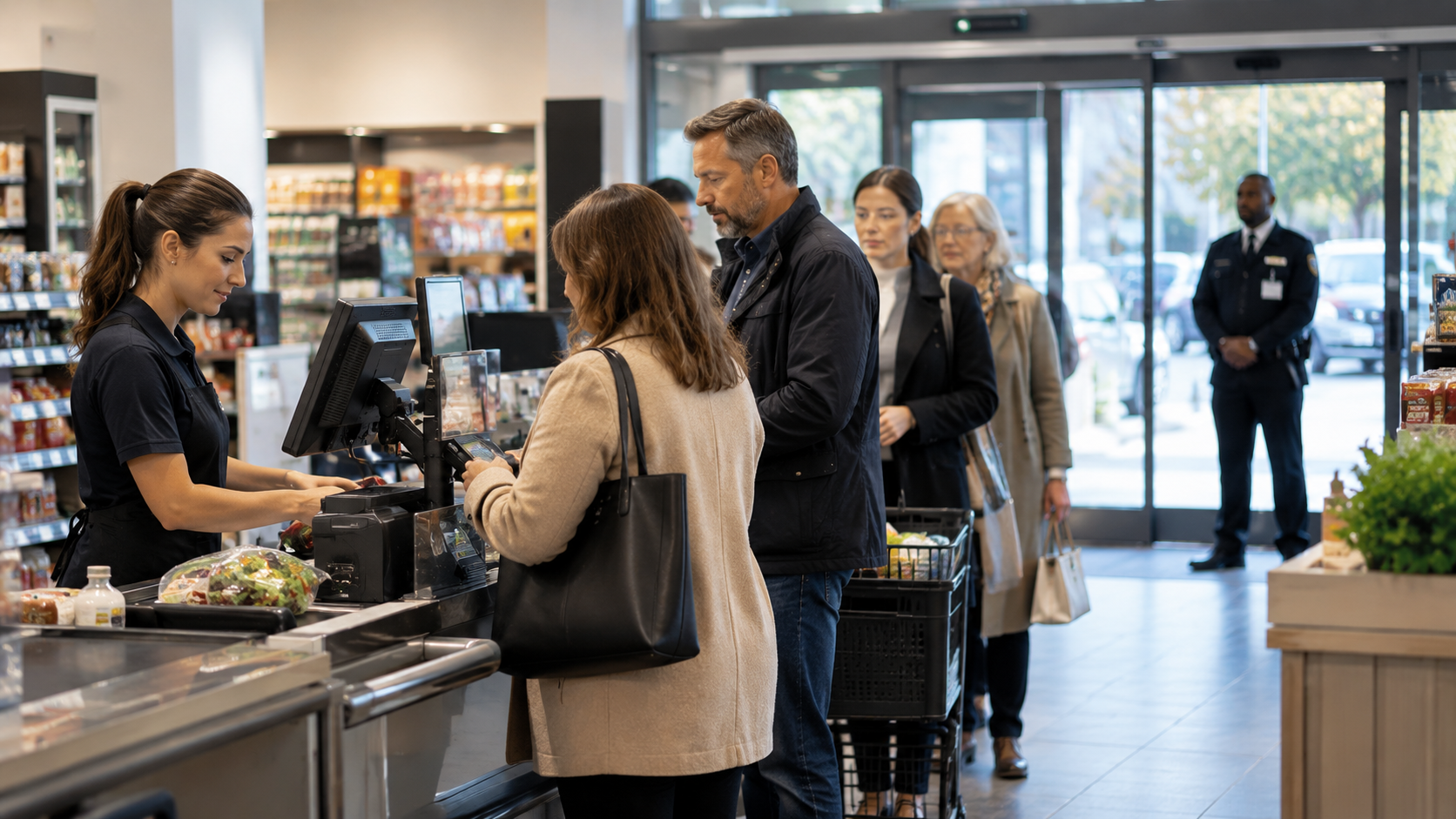
This is why Bolton businesses need Retail Security that’s visible, calm, and human. Public order incidents, theft groups, and aggressive behaviour don’t just hit stock. They hit staff confidence. Manned guarding changes that balance. It resets boundaries, lowers risk, and stops everyday retail work from turning into conflict management.
Understanding Retail Security Basics in Bolton
Retail security in Bolton has its own rules. It is a mix of town-centre retail, edge-of-town parks, and tightly packed local parades. This creates risks that don’t behave the same way as office or industrial sites. This is exactly why Bolton businesses need Retail Security that’s built for retail pressure, not generic guarding.
What retail security really means in Bolton
Retail security is focused on people movement, behaviour, and prevention, not just locked doors. Unlike other security guards in warehouses, retail guards work differently. It’s in open environments where conflict starts fast and spreads quickly.
They deal with:
- Public Order Crime inside trading hours
- Theft that escalates into abuse
- Repeat offenders are known across multiple stores
- Staff safety during busy trading periods
How Bolton’s crime profile changes the equation
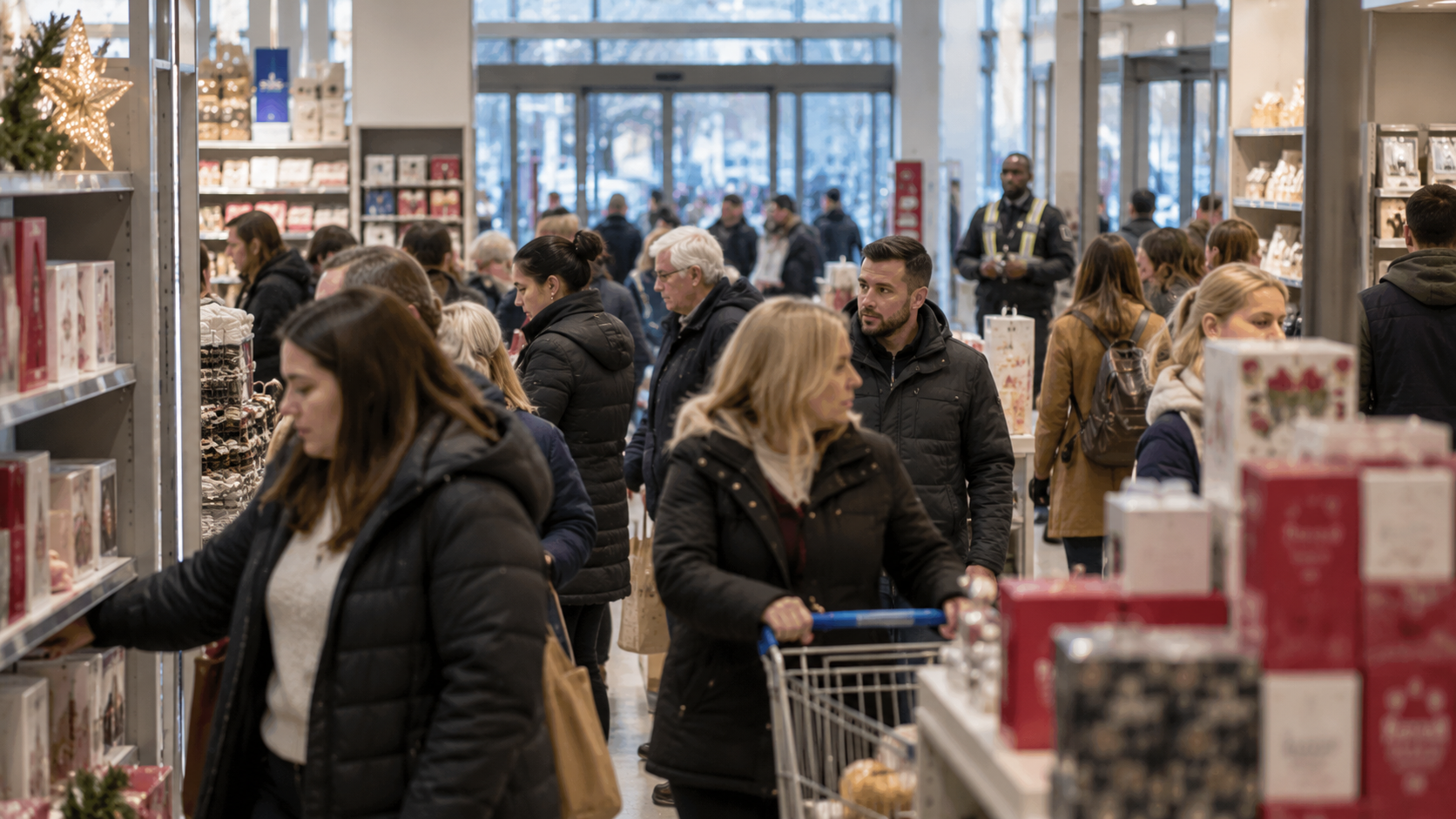
Bolton has seen sustained pressure from anti-social behaviour and shop theft. It is especially in mixed-use areas where retail sits close to housing and transport routes. This increases the need for visible deterrence during normal business hours, not just overnight cover.
Peak risk hours for Bolton retailers
Retail crime in Bolton doesn’t stick to the dark. Patterns show higher incident rates during:
- Late morning to mid-afternoon
- After-school hours
- Early evening, especially on Fridays
These are trading hours, which means staff are exposed.
Bolton-specific retail vulnerabilities
In Bolton, shops face certain factors that raise risk locally:
- Small independent shops near bus routes
- Stores without clear sightlines
- Areas just outside the main town centre footprint
- Locations not covered by shared exclusion enforcement
Without manned guarding, these shops become soft targets.
Managing anti-social behaviour in retail parks
Retail parks around Bolton attract footfall and friction. Guards play a quiet but critical role:
- Early engagement before behaviour escalates
- Clear authority to challenge loitering
- Coordinated response across neighbouring units
This is where retail security prevents problems rather than reacting to them.
Why daytime patrols are now essential
Rising retail theft in Bolton has shifted demand sharply toward daytime guarding. Theft is faster, bolder, and often organised.
Day patrols help:
- Break theft patterns
- Identify repeat offenders early
- Support Civil Recovery for Retail Loss
Night cover alone no longer works.
Day vs night: different risks, different tactics
Daytime risks are about people; on the other hand, nighttime risks are about property.
Day guarding focuses on:
- De-escalation
- Visibility
- Staff support
Night guarding shifts to:
- Intrusion detection
- Asset protection
- Alarm response
They are not interchangeable.
Seasonal pressure and local events
Events like Bolton Pride increase footfall, alcohol consumption, and crowd density. Retailers near event routes feel it first. Temporary guarding boosts aren’t optional; they are preventative.
Economic and growth pressures
As Bolton continues to attract new retail and regeneration activity, crime follows opportunity. Growth brings customers. It also brings organised theft and displacement from better-protected areas.
This is the reality behind why Bolton businesses need Retail Security today and ensure the safety of stores.
Legal and Compliance Requirements in Bolton
Retail security in Bolton isn’t just an operational choice; it’s a legal one. Many businesses only realise this after something goes wrong. By then, it’s usually too late.
SIA licensing is not optional
Every retail security guard working in Bolton must hold a valid licence. And this license is issued officially by the Security Industry Authority. This applies to manned guarding, retail patrols, and any role involving public interaction.
Using an unlicensed guard can result in:
- Unlimited fines
- Invalidated insurance
- Criminal liability for directors
- Enforcement action against the business, not just the guard
This alone explains why Bolton businesses need Retail Security providers. Having guards with clean licensing records holds more weight in their duty.
DBS checks and suitability
Common SIA licensing includes background vetting. And many Bolton retailers also require enhanced DBS checks, especially where guards:
- Work near vulnerable people
- Handle incident evidence
- Support exclusion enforcement schemes
It’s about risk control, not box-ticking.
Insurance requirements businesses often miss
Any company hiring retail security must ensure the provider carries:
- Public Liability Insurance
- Employers’ Liability Insurance
- Professional Indemnity (in some retail environments)
If a guard intervenes during a public order incident, liability travels fast. Without proper cover, it lands on the retailer.
Data protection and CCTV compliance
Retail security often integrates with CCTV. They monitor to ensure no theft or vandalism happens inside or around the shop. Also, this monitoring and recording brings UK GDPR obligations.
Compliance includes:
- Clear signage
- Lawful basis for recording
- Secure data storage
- Controlled access to footage
Professional guards are trained to handle evidence properly, while staff are not. That difference matters when footage is requested by police or insurers.
VAT and contract transparency
Security company Bolton in the UK are VAT-rated. Reputable firms invoice clearly, declare correctly, and structure contracts to avoid hidden liabilities. If pricing looks unusually low, something is usually missing: compliance, insurance, or both.
Proving a security firm’s compliance history
Bolton businesses should expect documentation, not just word promises. This includes the active SIA Approved Contractor status, Licence validation records, and Insurance certificates. Following it, they also hold Incident reporting procedures and Training logs. A refusal to provide these is a warning sign as the first step.
Why mandatory licensing protects Bolton clients
Security company licensing exists to protect the client as much as the public. It sets standards for conduct, training, and accountability. When something escalates in retail, documented compliance is often your legal shield.
Changing SIA rules and labour pressure
Recent SIA updates and tighter labour controls have reduced the pool of qualified guards. This has influenced availability and pricing in Bolton. Cutting corners now carries more risk than ever.
Labour law also affects:
- Overtime payments
- Rest breaks
- Working hour limits
Non-compliance here can expose retailers to employment claims.
Post-Brexit staffing realities
EU nationals working in retail security must now meet UK right-to-work rules. Reputable firms manage this centrally. Businesses should never assume compliance; they should verify it.
Working with local authorities
Retail security doesn’t operate in isolation. Firms around Greater Manchester will coordinate with the Police. They share intelligence and incident patterns to shape patrol deployment.
Local data informs:
- Peak risk hours
- Repeat offender activity
- Public Order Crime Trends
There’s also structured collaboration through the Bolton Business Crime Reduction Partnership. It’s where exclusion schemes rely on trained guards to enforce bans safely and lawfully.
This legal framework is another reason why Bolton businesses need Retail Security. They hold the compliant, professional, and locally connected.
Costs, Contracts, and Deployment in Bolton
Understanding the cost of retail security in Bolton starts with context. Then you will know that pricing isn’t random. It reflects location risk, staffing pressure, and how quickly a business needs boots on the ground.
Typical costs: town centre vs suburbs
City-centre retail usually carries higher rates than suburban sites. The reasons are simple: footfall, confrontation risk, and longer exposure hours.
In Bolton town centre, costs are shaped by:
- Higher public order incidents
- Greater interaction with exclusion schemes
- Longer trading hours
Suburban areas like Horwich or Farnworth often sit slightly lower. But risk spikes near transport links or dense retail clusters. Cheap rates often signal reduced coverage, inexperienced staff, or weak compliance.
How fast can security be deployed?
For urgent needs, a compliant provider can deploy within days. Sometimes sooner. That assumes licences, insurance, and local familiarity are already in place.
Typical timelines:
- Short-term cover: 48–72 hours
- Planned deployments: 1–2 weeks
- Multi-site rollouts: phased over several weeks
Rushing without checks is where problems start.
Contract lengths across the North West
Most Bolton retailers choose stability over flexibility. Standard contracts usually fall into:
- 6-month terms for seasonal or trial coverage
- 12-month contracts for steady trading environments
- Multi-year agreements for shopping centres or chains
Longer terms often secure better rates, but only when service quality is consistent.
Notice periods and exit clauses
Standard notice periods range from 30 to 90 days. The key detail isn’t length, it’s clarity. Contracts should allow adjustment if trading hours change or risk increases. One-sided agreements rarely end well.
Wage pressure and 2026 cost impact
Security wages are rising, and that is unavoidable. Licensing costs, training requirements, and labour shortages are all pushing rates upward in 2026.
What this affects:
- Hourly guard rates
- Overtime pricing
- Availability during peak hours
Retailers cutting spend here often pay later through incidents, claims, or staff turnover.
Inflation and long-term pricing
Inflation doesn’t just hit wages. Uniforms, transport, insurance, and compliance all cost more. Long-term contracts in Bolton now include review clauses to manage this. Fixed pricing with no adjustment sounds attractive until service quality drops.
Insurance savings through visible guarding
Retail security can reduce insurance premiums when risk is demonstrably lowered. Insurers look for:
- Incident logs
- Trained manned guarding
- Reduced theft frequency
It won’t erase premiums overnight, but it supports stronger terms over time.
Public sector contracts and procurement rules
Public-facing retail environments linked to councils or transport hubs. It must now align with the Procurement Act 2023. This changes how security contracts are awarded, reviewed, and audited in Bolton.
The focus is on:
- Transparency
- Social value
- Compliance history
- Non-compliant providers simply won’t qualify.
Cost versus exposure
Retailers often ask what the security costs are. Fewer ask what not having it costs. Reducing the priority cost can impact staff injuries, claims, lost trade and reputation damage.
When weighed properly, the numbers explain themselves. This is why Bolton Retail Security is priced realistically and contracted sensibly. It will be beneficial to deploy with local understanding.
Training, Operations, and Daily Duties in Bolton
Retail security in Bolton lives in the detail. Good guarding isn’t dramatic. It’s methodical, quiet and repetitive in the right places. That’s exactly why Bolton businesses need Retail Security that’s trained for retail reality, not generic site work.
Training standards for retail environments
Retail guards must meet SIA requirements, but retail-specific training goes further. It focuses on behaviour, not barriers.
That includes:
- Conflict management and de-escalation
- Public Order Crime Awareness
- Evidence handling and statements
- Lawful detention boundaries
- Customer-facing conduct
A guard who can’t talk calmly under pressure is a risk, not a solution.
What happens the moment a shift starts
The first minutes matter. Guards don’t just clock in and wander.
On arrival, they:
- Review handover notes
- Confirm patrol priorities
- Check incident flags or exclusions
- Verify store trading hours and staffing
This sets the tone for the entire shift.
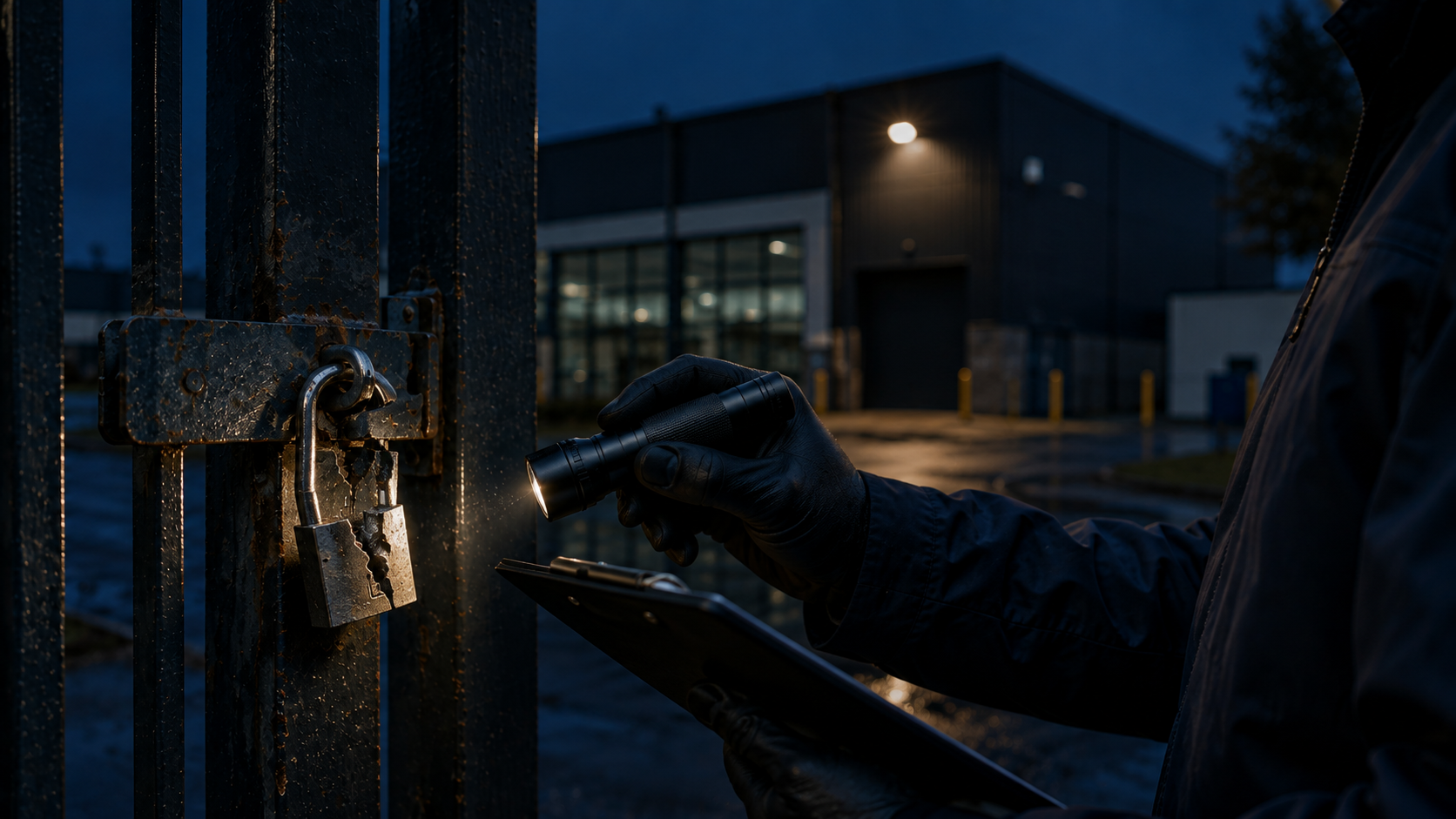
First physical checks on arrival
Before walking the floor, guards always check the basics. That usually means:
- Entry and exit points
- Emergency routes
- Fire exits
- Obvious signs of tampering
If something feels off early, it usually is.
Shift handovers: where mistakes are avoided
Retail security relies on clean handovers. Verbal updates matter, but written logs matter more.
Guards brief on:
- Repeat offenders
- Earlier incidents
- Equipment faults
- Areas needing extra attention
Nothing should rely on memory alone.
Patrol frequency during a Bolton shift
Patrols are timed, not random. In Bolton retail areas, guards typically patrol:
- Every 30–60 minutes during peak hours
- More frequently after incidents
- Continuously in high-risk zones
Predictable patrols invite testing. Smart patrols don’t.
Perimeter and access checks
Early patrols focus outward before inward. Guards prioritise the checks on:
- Rear service doors
- Delivery bays
- Fire exits
- Car park access points
These are where problems start quietly.
Daily logbooks and reporting
Every hour leaves a trace. Logbooks record patrol times, observations, interventions and equipment status.
These records protect the business when claims, disputes, or police requests appear.
Equipment and CCTV checks
At shift start, guards confirm radios, body-worn cameras, and alarms work. CCTV isn’t watched passively. Cameras are checked for:
- Coverage gaps
- Image clarity
- Recording status
Broken systems get reported immediately. Silence creates liability.
Alarm response and early hours
Early shifts catch alarms triggered by cleaning teams or late deliveries. Guards respond calmly, verify the cause, and log outcomes. Overreaction causes chaos, underreaction causes loss.
Fire safety and utilities
Fire safety checks are non-negotiable. Guards inspect:
- Alarm panels
- Clear escape routes
- Emergency lighting
Utilities are checked for signs of interference. Tampering is rare until it isn’t.
Reporting lines and supervision
During night shifts, guards check in with supervisors at set intervals. This keeps lone working safe and decisions accountable.
Secure-down and shift end
End-of-shift isn’t the end of responsibility. Guards need to look after:
- Lock down access points
- Confirm alarms are set
- Complete final logs
- Brief incoming staff
Coverage doesn’t stop. It hands over.
Shift patterns and regional response
24/7 retail security uses rotating shifts to avoid fatigue. Response benchmarks across North West, including Salford and Wigan, shape expectations. Bolton retailers benefit from the same standards.
This disciplined routine is why Bolton businesses need Retail Security that’s trained, structured, and present, not improvised.
Performance, Risks, and Challenges in Bolton
Retail security performance in Bolton isn’t judged by presence alone. It’s measured by outcomes. Quiet shifts. Fewer incidents. Staff who feel backed, not exposed. This is where many retailers realise Retail Security and how they monitor properly, not just deployed.
KPIs that actually matter in retail security
Not all metrics are useful. Retail environments need indicators tied to behaviour and prevention, not just hours covered.
The most reliable KPIs include:
- Incident frequency and type
- Repeat offender encounters
- Staff intervention requests
- Patrol completion rates
- Response times to alerts
- Quality of incident reports
If reporting improves but incidents don’t drop, something’s wrong.
Weather and its impact on guarding effectiveness
Bolton’s weather plays a bigger role than most expect. Rain, cold, and early darkness affect footfall, visibility, and patrol stamina.
Poor conditions can:
- Push anti-social behaviour indoors
- Reduce natural surveillance
- Increase slip and trip risks
- Slow external patrols
Security planning has to flex with the forecast.
Documenting weather-related risk
Professional guards log weather conditions when they affect patrols or incidents. This isn’t filler; it explains why certain areas were prioritised or routes adjusted.
Weather notes often support:
- Incident timelines
- Liability protection
- Insurance discussions
Context matters when something escalates.
Health impact of long shifts
Long shifts wear people down. Fatigue dulls awareness, and reaction times are slow. In retail security, that’s dangerous.
Physical impacts include:
- Reduced concentration
- Slower response to confrontation
- Higher injury risk
Mental strain builds quietly, especially on repeated night shifts.
Mental health and night-shift reality
Bolton night guards face isolation, disrupted sleep, and higher confrontation risk. Employers now carry clearer responsibilities around welfare.
Good providers support guards with:
- Reasonable shift rotation
- Regular supervisory check-ins
- Access to mental health support
- Clear escalation routes
Burnt-out guards don’t de-escalate well.
Environmental regulations and outdoor patrols
Outdoor retail patrols must comply with environmental and health rules. This includes lighting standards, noise considerations, and safe use of equipment in public spaces.
In Bolton, this affects:
- Car park patrols
- Retail park perimeters
- Event-related coverage
Compliance here protects both guard and business.
Labour shortages and retention pressure
Security labour shortages are real. Bolton firms are competing for qualified, licensed guards. Retention has become a performance issue, not an HR footnote.
Strategies now used locally include:
- Consistent site assignments
- Predictable shift patterns
- Paid training and upskilling
- Clear progression routes
High turnover kills site knowledge. And site knowledge prevents incidents.
Performance risk when guarding becomes reactive
Retailers sometimes increase security only after incidents spike. By then, damage is done to staff confidence, reputation, and insurance terms.
Reactive guarding leads to:
- Higher stress on guards
- Poor morale
- Inconsistent enforcement
- More complaints
Preventive deployment works better for the retail stores.
Measuring the unseen wins
The hardest performance wins to measure are the incidents that never happen. The argument that never starts. The offender who walks away. The staff member who finishes a shift without fear.
Those outcomes don’t show on sales reports. But they’re exactly why Bolton businesses need Retail Security that’s managed, supported, and held to real standards, not just present on paper.
Technology and Future Trends in Bolton
Retail security in Bolton is no longer just about a guard at the door. Technology has reshaped how risks are spotted, managed, and reduced. What hasn’t changed is the need for human judgment. The future is layered, not automated.
How technology has reshaped urban retail security
Urban retail environments like Bolton now rely on visibility and speed. Technology shortens the gap between an incident starting and it being controlled.
Key changes include:
- Smarter CCTV with behavioural alerts
- Real-time incident reporting from guards
- Integrated radios and body-worn cameras
- Faster information sharing between sites
Security is no longer reactive. It’s anticipatory.
Post-COVID shifts in retail security protocols
COVID changed how guards operate around people. Distance, flow, and crowd awareness became core skills.
In Bolton, this led to:
- More active queue and entrance management
- Greater focus on calm communication
- Earlier intervention before crowd tension builds
These practices help reduce conflict even outside health-related concerns.
AI surveillance as a support layer
AI surveillance is now common in larger Bolton retail sites. It flags unusual movement, repeated loitering, or sudden crowd changes. What it doesn’t do is make decisions.
AI supports guards by:
- Highlighting risks early
- Reducing camera fatigue
- Directing patrol focus
It works best alongside experienced manned guarding, not instead of it.
Remote monitoring and on-site security
Remote monitoring centres now watch multiple Bolton sites at once. This doesn’t remove the guard. It backs them up.
Remote systems:
- Verify alarms quickly
- Escalate confirmed incidents
- Provide evidence trails
A lone guard with remote support is safer and more effective.
Drone patrols and their limits
Drone use around retail parks is emerging, mainly for perimeter checks after hours. In Bolton, usage remains controlled due to airspace and privacy rules.
Drones help with:
- Large car park visibility
- Roof and service yard checks
- Rapid assessment after alarms
They don’t replace ground presence. They extend it.
Predictive analytics and risk planning
Retailers are increasingly using data to predict when and where incidents are likely.
These tools analyse:
- Historical theft patterns
- Time-of-day incidents
- Seasonal footfall spikes
- Event-related risk
This data informs guard scheduling, not guesswork.
Upskilling the modern retail guard
Technology has raised expectations. Guards now need more than a licence.
Essential upskilling includes:
- Advanced conflict management
- Terror threat awareness
- Evidence handling
- Mental health first aid
- Technology system competence
Training depth now separates average providers from trusted ones.
Green security practices on the rise
Sustainability is creeping into security operations. Bolton retailers are adopting:
- Low-energy lighting for patrol routes
- Electric patrol vehicles
- Reduced paper reporting through digital logs
Green practices reduce costs and improve public perception.
Martyn’s Law and future compliance
The proposed Martyn’s Law will directly affect retail venues with public access. It places legal duties around preparedness, risk assessment, and staff training.
For Bolton businesses, this means:
- Formal threat planning
- Documented procedures
- Trained on-site security presence
Technology will support compliance. But people will deliver it.
The direction of travel
Retail security in Bolton is becoming smarter, more accountable, and more visible. AI, analytics, and monitoring tools will grow. So will expectations.
What won’t disappear is the need for a trained human presence. That’s why Bolton Retail Security evolves with technology without losing its human edge.
Conclusion
For retailers in Bolton, security is no longer a background decision. It sits right at the front of day-to-day risk. Rising public order issues, organised theft, and staff exposure have changed the calculation. This is why Bolton businesses need Retail Security that’s visible, trained, and locally aware.
Done properly, manned guarding isn’t about control. It’s about confidence. Staff feel supported. Incidents stop early. Insurance conversations improve. Most importantly, shops stay open, calm, and welcoming even when pressure builds outside the door.
Frequently Asked Questions
1. Why do small Bolton shops need retail security as much as larger stores?
We see this mistake a lot. Smaller shops are often targeted because they look easier. When security is visible, it changes behaviour fast. Most offenders don’t want a challenge. They want speed and anonymity.
2. Is retail security only needed at night in Bolton?
No. It is outdated thinking. Most problems we deal with happen during trading hours. Abuse, theft, and public order issues usually hit when staff are busiest and most exposed.
3. Will having a security guard actually reduce theft?
Yes, but not just theft. I’ve seen guards stop incidents before they start. A calm presence, early engagement, and local knowledge do more than CCTV ever will on its own.
4. Can retail security help protect my staff, not just my stock?
Absolutely. That’s the main reason many Bolton businesses bring us in. I don’t want staff acting like bouncers or police. That’s unsafe and unfair to them.
5. Do guards work with other Bolton businesses or is it store by store?
When done properly, it’s joined-up. Guards share intelligence, recognise repeat offenders, and support local exclusion schemes. One store acting alone is weaker than a group acting together.
6. Is retail security expensive for independent businesses?
It’s not cheap, but neither are injuries, claims, or staff walking out. We always say this: security costs are predictable. Incident costs aren’t.
7. Will security make my shop feel unwelcoming to customers?
Not if it’s done right. Good retail guards are approachable and service-minded. Most customers feel safer, not uncomfortable, when security is present.
8. When is the right time to add retail security in Bolton?
Before something serious happens. Once incidents start repeating, you’re already reacting. We would much rather help a business prevent a problem than clean one up afterwards.