Introduction
Retail businesses across Yorkshire & The Humber operate in a varied and often challenging environment. The region includes major cities such as Leeds, Sheffield, Bradford, Hull, and York, alongside market towns and retail parks serving large rural catchments. This mix creates uneven footfall patterns, varied crime exposure, and different operational pressures depending on location and trading hours.
According to the National Statistics data, shoplifting offences across Yorkshire & The Humber have risen year-on-year, reflecting wider increases in retail theft across England and Wales. Retail security in Yorkshire & The Humber is rarely about dramatic incidents. More often, it is about managing everyday risks: persistent shop theft, organised retail crime, antisocial behaviour, staff safety concerns, and loss linked to distraction or low staffing levels. For many businesses, the question is not whether security is useful, but when it becomes proportionate, defensible, and financially justified.
This article explains why retail security matters in a regional context, how local risk patterns influence guarding decisions, what the legal and compliance framework requires, and how businesses can plan retail security in a way that supports operations rather than disrupts them.
Understanding Retail Security Basics in Yorkshire & The Humber
Retail security in Yorkshire & The Humber is shaped by a mix of large city centres, suburban retail parks, coastal towns, and rural market hubs. From Leeds, Sheffield, and Hull to smaller high streets across North Yorkshire and the Humber, retailers face different risk profiles, but similar pressures: protecting staff, controlling loss, and maintaining a safe customer environment without harming footfall.
Retail security here is not about constant intervention. It is about visible control, deterrence, and timely response in locations where opportunity, crowd flow, and repeat behaviour create predictable risks.
What Is Retail Security and How Does It Differ from Static or Remote Security?
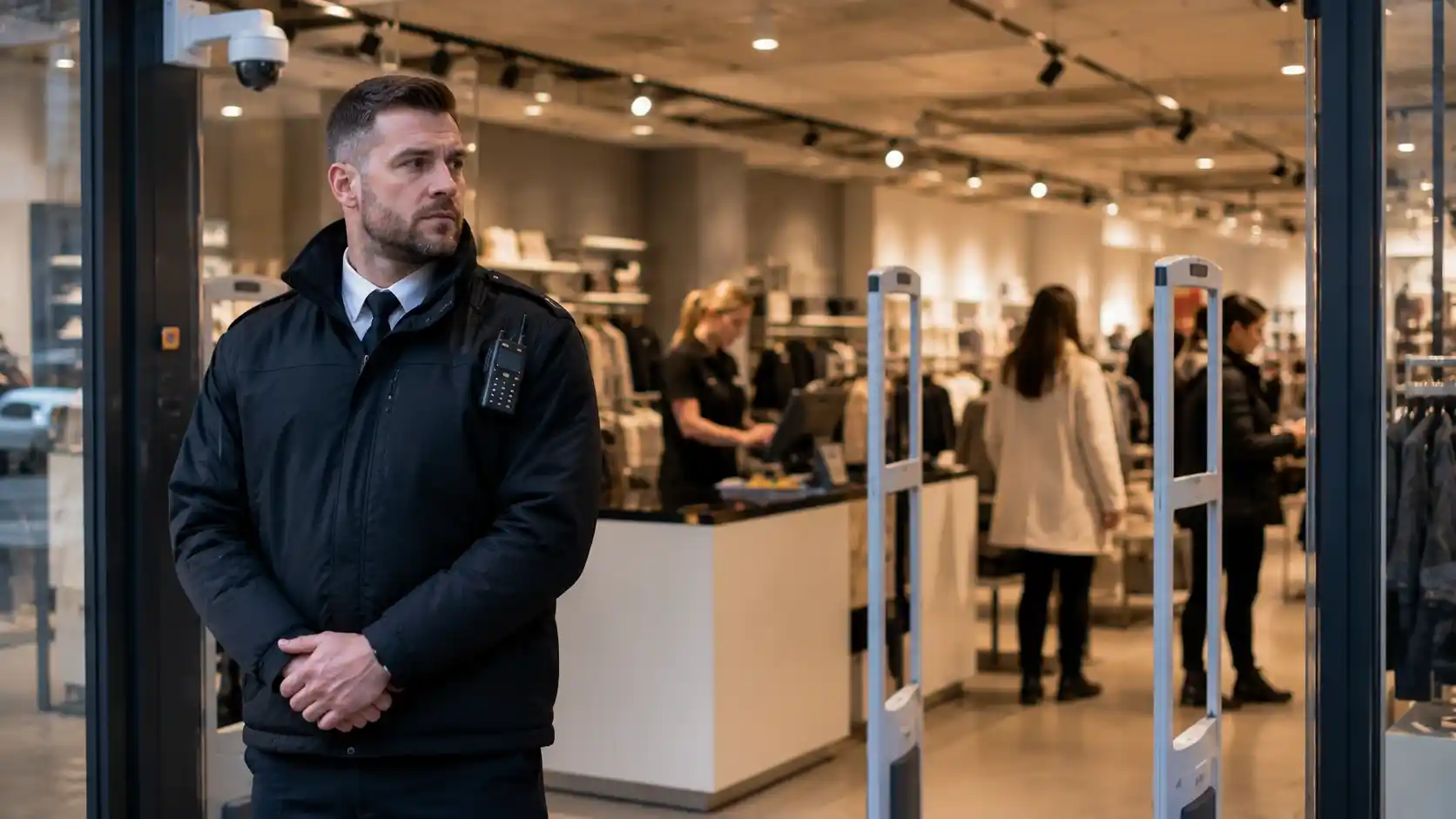
Retail security refers to trained, licensed security officers deployed on-site to manage risk in real time. Unlike static measures such as CCTV alone or remote monitoring services, retail guards provide human judgement. They can assess behaviour, intervene early, and adapt to changing conditions throughout the trading day.
For Yorkshire & The Humber security services, this distinction matters. Many incidents do not escalate enough to trigger alarms or justify police response, yet still disrupt trade, affect staff confidence, or lead to cumulative losses. A physical presence helps manage these low-level but persistent risks before they become operational problems.
Local Crime Patterns Affecting Retailers in Yorkshire & The Humber
Retail crime across the region tends to follow timing and location patterns rather than random spikes. City centres experience higher levels of shoplifting and antisocial behaviour during afternoon and early evening trading hours, while retail parks often see vehicle-linked theft and organised shoplifting during quieter periods.
In coastal and tourist-heavy areas, seasonal footfall increases exposure to opportunistic theft. Smaller towns and independent retailers are often more vulnerable because offenders know staff numbers are limited and repeat visits are less likely to be challenged.
Understanding these patterns helps retailers decide when security is proportionate, rather than defaulting to constant coverage.
Peak Risk Hours for Retail Businesses
Across Yorkshire & The Humber, retail risk tends to rise during:
- Late afternoon to early evening trading
- Weekends, particularly Saturdays
- School holidays and regional event periods
- Darker winter months when visibility and staffing pressures increase
Retail security during these windows is often more effective than blanket coverage, especially for businesses balancing cost control with loss prevention.
Sector-Specific Retail Vulnerabilities
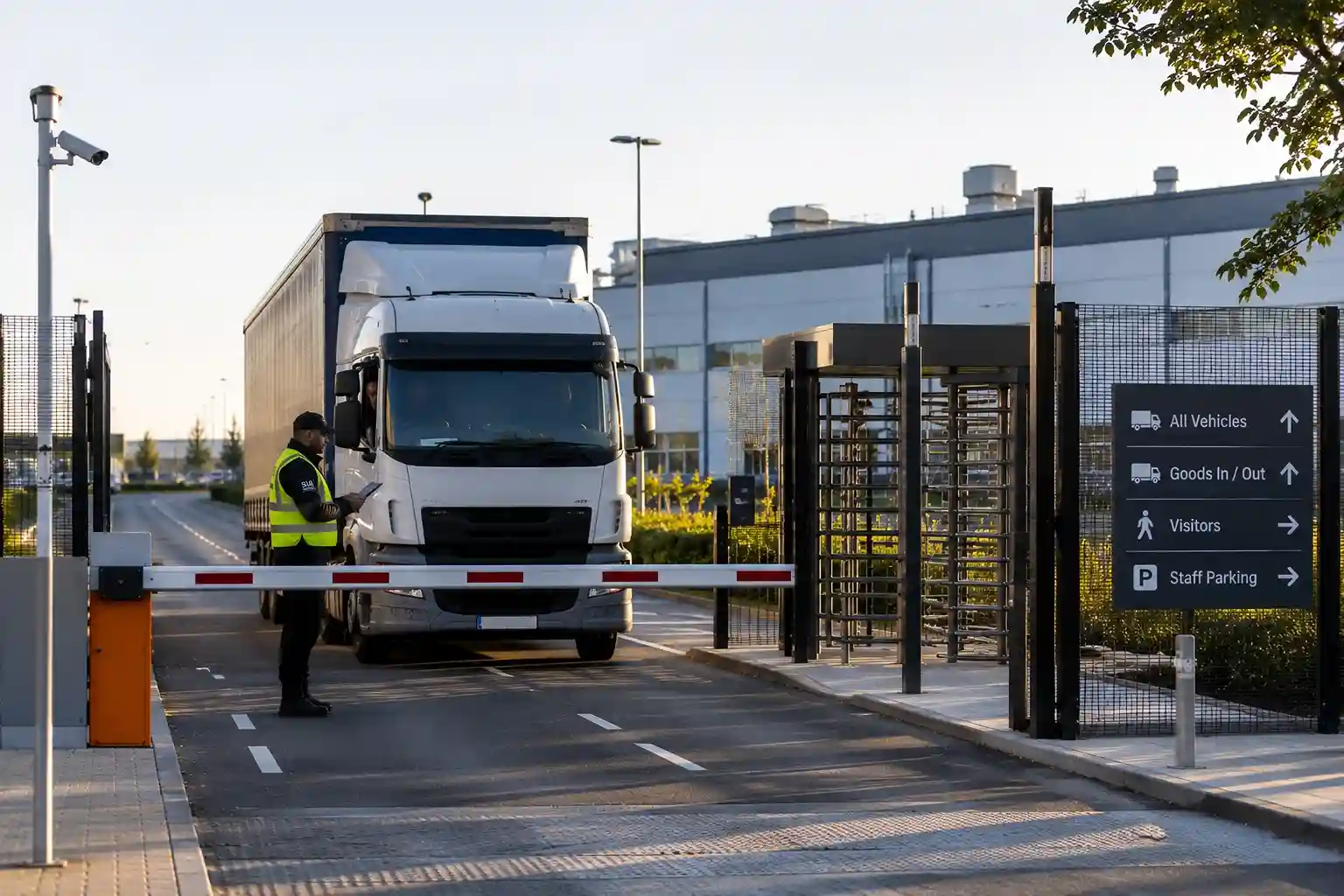
Retail risk varies by format. High-street stores face walk-in theft and antisocial behaviour. Retail parks deal with coordinated theft, distraction tactics, and vehicle access issues. Convenience stores and smaller independents often face staff safety concerns, particularly during single-staffed shifts.
In Yorkshire & The Humber, mixed-use developments combining retail, food outlets, and transport access can also create overlapping risks, especially during evenings.
Retail security supports these environments by managing access, observing behaviour patterns, and providing reassurance to both staff and customers.
Daytime vs Evening Retail Security Risks
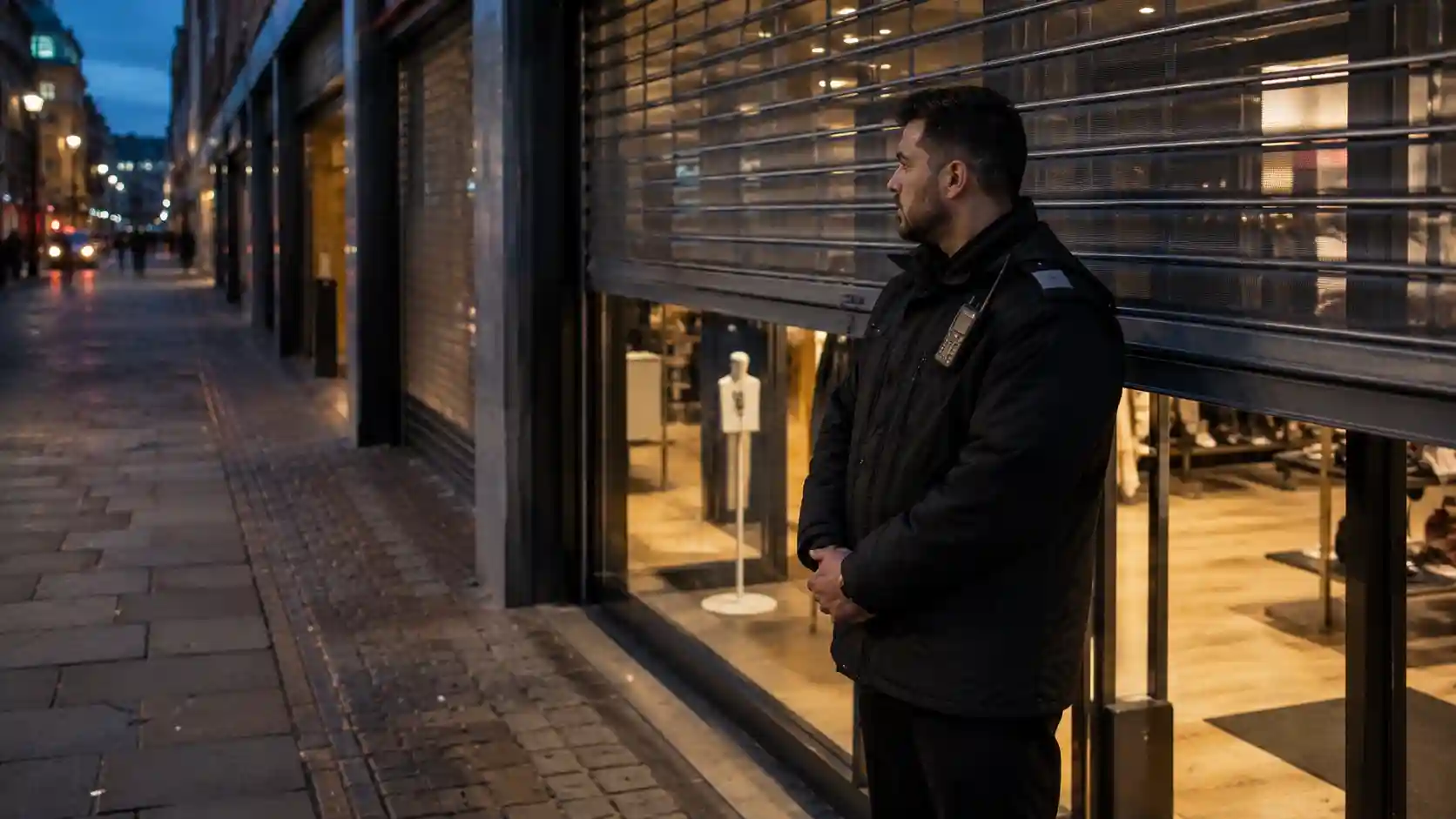
Daytime risks are typically linked to theft, distraction, and repeat offenders. Evening risks shift toward alcohol-related disorder, aggressive behaviour, and safety concerns for closing staff.
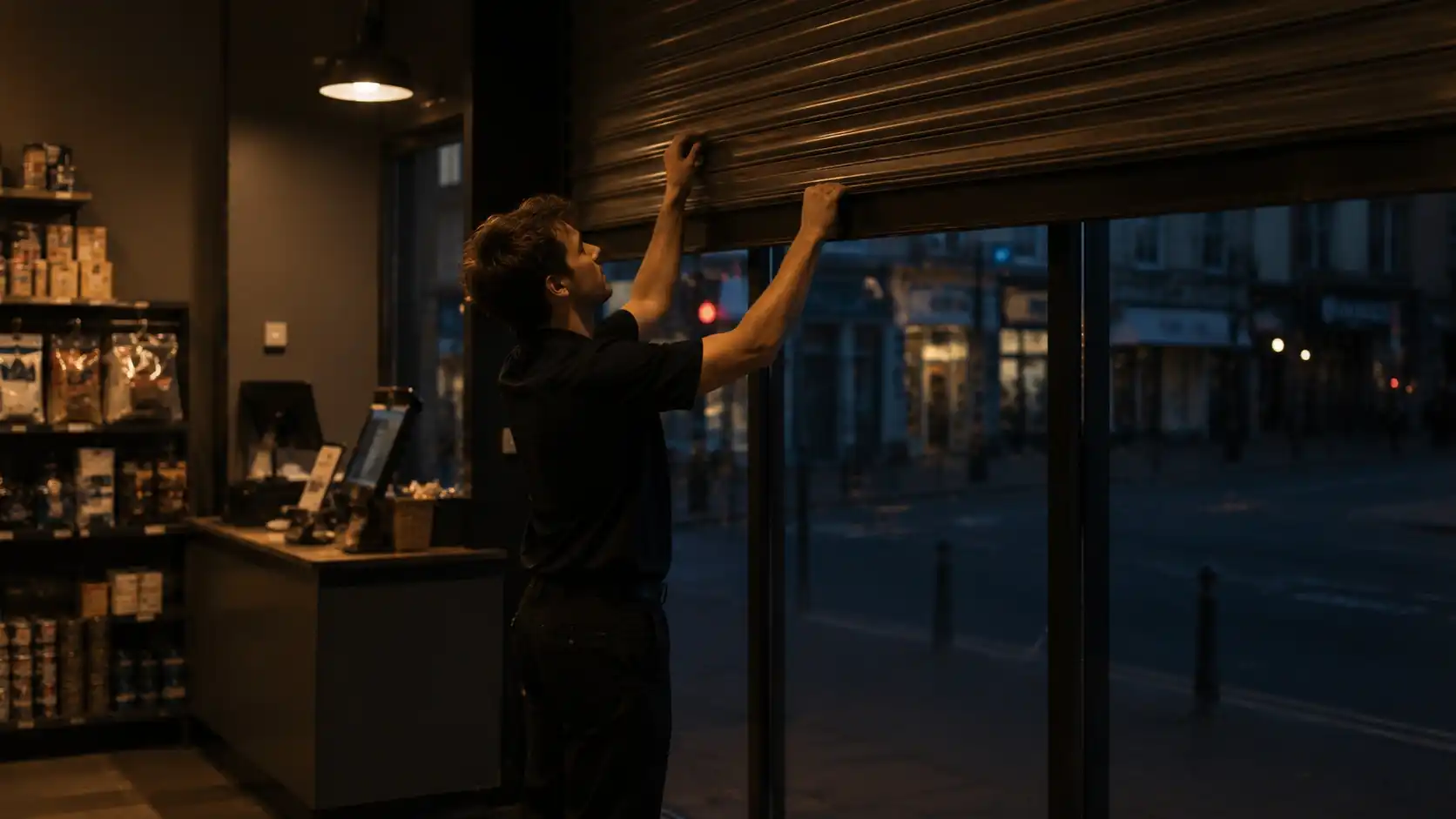
Retail security adapts to these changes. During the day, presence and observation reduce loss. In the evening, conflict management and safe close-down procedures become more important.
Seasonal and Economic Influences on Retail Security Demand
Seasonal sales periods, Christmas trading, and regional events increase footfall and pressure on retail staff. Economic conditions also influence behaviour, with cost-of-living pressures often linked to higher levels of low-value but frequent theft.
Retail security helps businesses manage these pressures without overreacting, offering visible control that supports normal trading rather than disrupting it.
Legal and Compliance Requirements for Retail Security in Yorkshire & The Humber
For retail businesses across Yorkshire & The Humber, legal compliance is not an administrative afterthought. It directly affects insurance cover, liability exposure, and how incidents are viewed by regulators, insurers, and the police. Whether a business operates in Leeds, Sheffield, Hull, York, or smaller market towns, the same national framework applies, but local enforcement and expectations shape how it is applied in practice.
SIA Licensing and Guard Legality
All frontline retail security guards must hold a valid Security Industry Authority (SIA) licence appropriate to their role. This is a legal requirement across England and Wales. Employing an unlicensed guard, even unintentionally, can expose a business to criminal penalties, including fines and reputational damage. For retailers, this risk is not theoretical. During incidents involving violence, theft, or staff injury, insurers and police will routinely check whether licensed personnel were in place at the time.
In Yorkshire & The Humber, where retail environments range from large city centres to retail parks and high streets, enforcement is consistent. If a guard is controlling access, deterring theft, or responding to incidents, they must be licensed. There are no local exemptions.
Vetting, DBS Checks, and Due Diligence
While a DBS check is not legally mandatory for every guarding role, it is widely expected in retail environments. Businesses that handle cash, operate late hours, or experience repeat offending often face insurer pressure to demonstrate enhanced vetting. Most compliant providers follow BS 7858 screening standards, which include identity verification, employment history checks, and criminal record screening where appropriate.
From a business perspective, this is less about regulation and more about defensibility. If a serious incident occurs, being able to show that guards were properly vetted forms part of demonstrating reasonable care.
Insurance and Liability Considerations
Retailers hiring manned guarding services must ensure that their provider carries adequate public liability and employer’s liability insurance. This is not just a supplier issue. If a guard acts improperly, insurers will examine whether the business exercised due diligence when appointing the contractor. Inadequate insurance or unclear contractual responsibility can leave retailers exposed to claims arising from injury, wrongful detention, or property damage.
Data Protection and CCTV Integration
Many retail sites across Yorkshire & The Humber combine manned guarding with CCTV systems. When guards monitor, access, or act on CCTV footage, UK GDPR and the Data Protection Act apply. This includes clear signage, controlled access to footage, and appropriate handling of personal data. Retailers remain data controllers in most cases, meaning compliance responsibility cannot be fully outsourced to a security provider.
Poor data handling can result in regulatory complaints, fines, and loss of trust, particularly in city-centre environments with high footfall.
VAT and Contractual Clarity
Manned guarding services are generally subject to VAT at the standard rate. Retail businesses should ensure contracts clearly define what services are being supplied and how VAT is applied. Ambiguity can complicate budgeting and, in some cases, lead to disputes during audits or procurement reviews.
Local Authority and Event-Related Requirements
While security licensing is national, local authorities across Yorkshire & The Humber may impose conditions for retail events, late-night openings, or temporary trading periods. Seasonal markets, extended Christmas trading hours, or promotional events can trigger additional security expectations tied to local licensing arrangements. Manned guarding often forms part of demonstrating adequate risk management to councils and insurers during these periods.
Police Coordination and Information Sharing
Retail security does not operate in isolation. Local police forces across the region regularly engage with businesses through crime reduction partnerships and intelligence sharing initiatives. While guards do not replace police authority, compliant manned guarding supports quicker escalation, clearer incident reporting, and more effective use of police resources. For retailers facing repeat theft or antisocial behaviour, this coordination is often a practical benefit rather than a formal requirement.
Why Compliance Matters in Practice
For retail businesses in Yorkshire & The Humber, legal compliance is about more than avoiding penalties. It underpins insurance validity, supports staff safety, and ensures that security measures stand up to scrutiny after incidents. Properly licensed, vetted, and insured manned guarding allows businesses to manage risk confidently, rather than reacting defensively when something goes wrong.
Costs, Contracts, and Deployment for Retail Security in Yorkshire & The Humber
For retail businesses across Yorkshire & The Humber, decisions around security are often shaped as much by cost certainty and deployment practicality as by risk itself. Understanding how pricing works, what contracts typically look like, and how quickly security can be put in place helps businesses plan realistically and avoid reactive decisions after an incident has already occurred.
Typical Costs: City Centres vs Out-of-Town Retail
Retail security costs vary across the region depending on location, operating hours, and risk profile. City centres such as Leeds, Sheffield, and Hull generally attract higher rates than suburban or out-of-town retail parks. This reflects higher footfall, longer opening hours, greater exposure to theft and antisocial behaviour, and increased evening or weekend cover.
In contrast, suburban high streets and smaller market towns often see more stable daytime requirements, which can reduce overall costs. However, lower pricing does not always mean lower risk. Smaller stores with limited staffing can be more vulnerable, even if headline crime levels appear lower.
Deployment Timelines and Responsiveness
In most cases, a retail security presence can be deployed within a short timeframe once requirements are agreed. For standard daytime cover, businesses can often expect guards to be in place within days rather than weeks. More complex deployments, such as multi-site retail chains or locations with extended hours, may take longer due to vetting, site familiarisation, and coordination with store operations.
From a planning perspective, early engagement matters. Retailers that wait until incidents escalate often face tighter timelines and fewer options.
Contract Lengths and Flexibility
Retail security contracts across Yorkshire & The Humber typically range from short-term arrangements for seasonal peaks to longer rolling agreements for consistent cover. Three-, six-, and twelve-month terms are common, with flexibility often built in to scale coverage up or down during busier trading periods.
Shorter contracts can offer flexibility but may come at a higher hourly rate. Longer agreements tend to provide pricing stability, which can be important for budgeting and internal approvals.
Notice Periods and Exit Clauses
Most retail security contracts include notice periods ranging from two to twelve weeks. Clear exit terms are important, particularly for independent retailers and regional chains that may need to adapt quickly to changing trading conditions. Businesses should ensure notice periods align with their operational reality, not just supplier preferences.
Wage Pressures and Cost Trends
Rising wages within the security sector continue to influence retail security costs across the region. Increases in minimum pay, alongside broader labour market pressures, feed directly into hourly rates. For retailers, this reinforces the importance of realistic budgeting and understanding that unusually low quotes often indicate corners being cut elsewhere, such as training or continuity.
Inflation and Long-Term Pricing
Economic inflation affects not only wages but also uniform costs, training, compliance, and management overheads. Longer-term retail security contracts increasingly include review clauses to account for these pressures. While this introduces variability, it also reduces the risk of service disruption caused by unsustainable pricing.
Insurance Considerations and Cost Offsets
While manned retail security represents a visible operational cost, it can support insurance discussions. Insurers often view consistent security cover, incident reporting, and deterrence measures as positive risk controls. In some cases, this can contribute to more favourable premiums or fewer coverage disputes following a claim, particularly for stores with a history of theft or staff incidents.
Public Sector and Regulated Retail Environments
Making Cost Decisions That Hold Up
For retail businesses in Yorkshire & The Humber, security costs should be viewed in context. The cheapest option is rarely the most defensible when incidents occur, insurers review claims, or staff safety is questioned. Clear contracts, realistic pricing, and planned deployment allow retailers to control risk proactively, rather than paying a higher price after something goes wrong.
Training, Operations, and Daily Duties for Retail Security in Yorkshire & The Humber
Effective retail security is not defined by visibility alone. It depends on how well guards are trained, how consistently routines are followed, and how clearly responsibilities are structured. For retailers across Yorkshire & The Humber, these operational details directly affect loss prevention, staff confidence, and how incidents are handled when they occur.
Training Standards for Retail Security Environments
Retail security guards operating in the region are expected to hold valid SIA licences, supported by role-specific training relevant to customer-facing environments. This typically includes conflict management, theft prevention, emergency response, and awareness of equality and reasonable force principles. For retail settings, training focuses less on enforcement and more on deterrence, observation, and proportionate intervention that does not disrupt legitimate customers.
Well-trained guards also understand how retail crime differs from other sectors. Shoplifting, repeat offenders, internal theft risks, and customer aggression require judgement and communication skills rather than purely physical presence.
Start-of-Shift Procedures and Site Familiarisation
At the start of each shift, guards follow a structured arrival process. This includes reviewing handover notes, understanding any incidents from previous shifts, and confirming trading hours, staffing levels, and known risks for the day. In busy retail locations, this preparation helps guards anticipate pressure points such as delivery windows, promotions, or peak footfall periods.
Initial checks also ensure the site is secure as trading begins. This reduces the likelihood of inherited issues being missed and provides a clear baseline for accountability.
Patrol Routines and Visibility
Retail patrols are designed around deterrence rather than repetition. Guards move through shop floors, entrances, stock areas, and car parks at irregular intervals to avoid predictability. In city centres like Leeds, Sheffield, or York, this visible presence helps discourage opportunistic theft and reassures staff during busy trading hours.
Patrol frequency varies depending on store size, layout, and risk profile. The focus is on covering vulnerable areas without creating a confrontational atmosphere for customers.
Monitoring Access Points and Internal Controls
Retail security involves constant awareness of access points, including staff entrances, loading bays, fire exits, and changing rooms. Guards monitor these areas discreetly, ensuring they are used appropriately and not exploited for theft or unauthorised access.
Internal access checks are particularly important in multi-tenant retail environments and shopping centres, where shared spaces can create blind spots if not actively managed.
Incident Awareness and Response
When alarms activate or suspicious behaviour is identified, guards follow predefined response procedures. In retail settings, this often involves observation, communication with store staff, and escalation only when necessary. Early intervention helps prevent incidents from escalating into confrontations that could affect customers or staff.
Guards are also trained to manage incidents calmly during early mornings, late evenings, or quieter trading periods when staffing levels are lower.
Documentation and Reporting
Accurate documentation underpins retail security effectiveness. Guards maintain daily logs covering patrols, incidents, refusals of service, safety concerns, and any unusual behaviour. This reporting supports internal reviews, insurance requirements, and, if needed, police involvement.
Clear records also allow retailers to identify repeat patterns, such as frequent theft attempts at specific times or locations, enabling more informed adjustments to security coverage.
Fire Safety and Environmental Checks
While retail security is not a substitute for specialist safety roles, guards play an important supporting role. Routine checks include ensuring fire exits are clear, alarms are unobstructed, and lighting is adequate in car parks and external walkways. These checks reduce liability and contribute to a safer environment for customers and staff.
In winter months, weather-related risks such as poor visibility or slippery access routes become part of the guard’s situational awareness.
Communication and Supervision
Regular communication with supervisors and site contacts ensures consistency across shifts. This is particularly important for larger retail sites or 24/7 operations, where information gaps can undermine security effectiveness. Guards report concerns, confirm patrol completion, and escalate issues promptly rather than allowing risks to persist.
Secure-Down and End-of-Shift Procedures
At the end of a shift, guards follow secure-down routines aligned with store closing procedures. This includes confirming doors and access points are secured, alarms are set where applicable, and any unresolved issues are clearly recorded for the next shift. Proper handover ensures continuity and reduces the risk of incidents occurring during transition periods.
Why These Operations Matter for Retailers
For retail businesses across Yorkshire & The Humber, these training standards and daily routines are not operational detail for its own sake. They directly influence loss prevention outcomes, staff confidence, and how defensible security arrangements appear to insurers and stakeholders. Consistent, well-structured operations reduce uncertainty and help retailers manage risk in a way that supports trading rather than interrupting it.
Performance, Risks, and Operational Challenges for Retail Security in Yorkshire & The Humber
Retail security performance is not measured by the absence of incidents alone. For businesses across Yorkshire & The Humber, effectiveness is judged by how consistently risks are managed, how clearly activity is documented, and how well security arrangements stand up to scrutiny from insurers, auditors, and internal stakeholders.
Key Performance Indicators That Matter to Retailers
The most useful KPIs for retail security focus on outcomes rather than activity volume. Businesses typically track incident frequency and type, response times, adherence to patrol schedules, and the quality of reporting. Trends are often more valuable than single events. A reduction in repeat theft attempts, improved staff confidence, or fewer escalations to police can indicate that security presence is acting as a deterrent rather than merely reacting to problems.
Retailers also look at softer indicators, such as whether staff feel supported during peak trading periods or whether security presence helps de-escalate situations before they affect customers.
Environmental and Weather-Related Risks
Weather has a practical impact on retail security across the region. Heavy rain, ice, or early winter darkness can affect visibility in car parks, loading bays, and external walkways. These conditions increase slip risks, reduce natural surveillance, and can create opportunities for opportunistic theft or antisocial behaviour.
Security teams factor these conditions into patrol planning, adjusting focus to entrances, sheltered areas, and poorly lit spaces during adverse weather. For retailers, this adaptability reduces liability risks and supports safer customer movement during challenging conditions.
Recording Conditions and Context
Accurate documentation is essential when environmental factors influence security operations. Guards record weather conditions when they materially affect patrols, visibility, or incident response. This context helps businesses explain why certain areas received additional attention or why response times may have varied, particularly when reports are reviewed by insurers or management.
Clear records also support future planning, allowing retailers to anticipate seasonal vulnerabilities rather than reacting to them repeatedly.
Fatigue and Shift-Length Risks
Long or poorly structured shifts can affect alertness and decision-making. From a business perspective, this is not an HR issue but a risk-management concern. Reduced vigilance increases the chance of missed incidents, inconsistent enforcement, or delayed responses.
Retailers mitigate this by ensuring shift patterns align with trading hours and risk peaks, rather than relying on extended coverage that delivers diminishing returns. The focus is on maintaining consistent performance throughout operating hours, not simply maximising on-site time.
Night-Time and Low-Footfall Challenges
Evening and late-night trading introduces different pressures. Lower footfall, reduced staffing, and higher likelihood of alcohol-related disorder in some town and city centres change the risk profile. Guards working these periods must balance visibility with discretion, ensuring staff feel supported without creating an unwelcoming atmosphere for customers.
Retailers benefit when night-time security is planned around known local patterns rather than generic assumptions.
Regulatory and Environmental Considerations
Outdoor patrols, particularly in retail parks and mixed-use developments, must account for environmental regulations and site-specific rules. This includes respecting noise restrictions, lighting requirements, and public access rights. Poorly managed patrols can create complaints or compliance issues, undermining the very purpose of security presence.
Understanding these constraints helps businesses deploy security in a way that supports both safety and regulatory compliance.
The Real Operational Challenge for Retailers
The core challenge is not whether security exists, but whether it performs reliably under real-world conditions. Retailers in Yorkshire & The Humber need security arrangements that adapt to changing risks, document decisions clearly, and maintain consistent standards across all trading periods. When performance is measured thoughtfully and risks are understood in context, retail security becomes a controllable operational asset rather than a reactive cost.
Technology and Future Trends Shaping Retail Security in Yorkshire & The Humber
Technology is changing how retail security is planned and delivered across Yorkshire & The Humber, but it has not replaced the need for on-site guarding. Instead, it has altered expectations. Businesses now look for security arrangements that combine human judgement with technology that improves visibility, consistency, and accountability.
Technology as a Support, Not a Replacement
Modern retail security increasingly relies on integration rather than standalone solutions. CCTV systems linked with on-site guards allow incidents to be assessed in real time, rather than reviewed after the fact. Guards can respond with better context, while managers gain clearer records for internal reviews and insurance discussions. The guard remains central, but technology sharpens decision-making and reduces blind spots.
Post-COVID Shifts in Retail Security Expectations
Since COVID, retail environments have become more sensitive to customer flow, space management, and staff safety. Security roles have expanded beyond theft prevention to include managing queues, monitoring occupancy during peak periods, and handling conflict arising from frustration or stress. Technology now supports these tasks through people-counting systems, access controls, and improved communication tools, allowing guards to intervene earlier and more calmly.
The Role of AI Surveillance in Retail Settings
AI-powered video analytics are increasingly used to support retail security, particularly in larger stores and retail parks. These systems can flag unusual behaviour, repeated loitering, or movement patterns associated with theft. For businesses, the value lies in prioritisation. AI helps guards focus attention where it matters most, rather than replacing human judgement or interaction.
Crucially, responsible use is essential. AI surveillance must align with GDPR requirements, with clear signage and appropriate data handling, ensuring customer trust is not compromised.
Remote Monitoring and Central Oversight
Remote monitoring centres now play a larger role in supporting retail security across dispersed sites. Cameras, alarms, and access systems can be monitored centrally, allowing on-site guards to be backed up by off-site teams. This layered approach improves response times and reduces reliance on a single individual being present everywhere at once.
For multi-site retailers across the region, this model offers greater consistency without escalating on-site staffing unnecessarily.
Drones and Perimeter Oversight
In retail parks and large mixed-use developments, drone technology is emerging as a supplementary tool for perimeter checks and out-of-hours monitoring. Its use remains limited and regulated, but where appropriate, it can provide rapid visual confirmation of alarms or disturbances across large areas. Drones are not a substitute for guards, but they can reduce uncertainty and speed up decision-making during incidents.
Predictive Analytics and Risk Planning
Retailers are increasingly using data to plan security rather than reacting to incidents. Predictive analytics combine historical incident data, trading patterns, and seasonal trends to identify higher-risk periods. This allows businesses to adjust coverage during sales, holidays, or known local events, aligning security spend with actual exposure rather than fixed assumptions.
Skills and Upskilling Expectations
As technology becomes more embedded, guards are expected to operate confidently alongside digital systems. This does not mean technical specialisation, but it does require familiarity with CCTV interfaces, reporting platforms, and data awareness. For retailers, this improves reporting quality and ensures incidents are handled consistently across shifts and sites.
Sustainability and Green Security Practices
Environmental considerations are beginning to influence retail security planning. Energy-efficient lighting, low-emission patrol vehicles, and smarter scheduling that reduces unnecessary movement all contribute to greener operations. These practices support wider corporate responsibility goals without undermining security effectiveness.
Martyn’s Law and Future Compliance Pressures
Martyn’s Law will introduce new responsibilities for publicly accessible venues, including retail environments, particularly larger stores and shopping centres. While requirements will scale with size and risk, the direction is clear: greater emphasis on preparedness, training, and documented procedures. Retailers who already integrate technology with on-site security will find it easier to adapt to these expectations.
Looking Ahead
For retailers in Yorkshire & The Humber, the future of security lies in balanced integration. Technology enhances awareness, consistency, and planning, but human presence remains essential for judgement, reassurance, and response. Businesses that view technology as a force multiplier rather than a shortcut are better positioned to manage risk responsibly as expectations and regulations evolve.
Conclusion
Retail security in Yorkshire & The Humber is ultimately about proportion, planning, and local awareness. The region’s mix of major city centres, market towns, and out-of-town retail parks means risk is uneven and often shaped by timing, footfall patterns, and site layout rather than headline crime figures alone. For most businesses, security decisions are not driven by single incidents, but by repeated exposure to low-level loss, staff safety concerns, and the operational disruption that follows unresolved issues.
Effective retail security helps businesses demonstrate due diligence, protect staff, and maintain a safe environment without undermining customer experience. When aligned with local risk patterns, legal obligations, and operational realities, security becomes a practical tool for risk management rather than a reactive expense. For Yorkshire & The Humber retailers, the key is not whether to invest in security, but how to structure it so it remains defensible, proportionate, and adaptable as trading conditions and compliance expectations evolve.
Frequently Asked Questions
When should a retailer in Yorkshire & The Humber consider on-site security?
Security is typically justified when theft becomes persistent, staff safety incidents increase, or trading patterns create predictable risk periods. This is often linked to peak footfall, late trading hours, or repeat targeting rather than isolated events.
Is retail security only necessary for large stores or city-centre locations?
No. Smaller stores and retail parks can be equally exposed, particularly where staffing levels are low, layouts limit visibility, or sites serve as regional destinations attracting transient footfall.
Do all retail security guards need to be SIA licensed?
Yes. Any guard performing licensable activities, such as guarding premises or preventing unauthorised access, must hold a valid SIA licence. Using unlicensed personnel exposes businesses to legal and insurance risk.
How does retail security support staff safety?
A visible, trained security presence helps deter aggressive behaviour, supports staff during confrontations, and provides clear escalation routes when incidents occur, reducing pressure on frontline employees.
Can retail security help with organised retail crime?
Security can disrupt repeat targeting by identifying patterns, increasing visibility at key times, and improving incident reporting. While it does not eliminate organised theft, it reduces opportunity and improves response consistency.
Is CCTV alone enough for retail security?
CCTV provides evidence and visibility, but it is most effective when supported by on-site security who can respond in real time. Cameras alone do not deter all behaviour or manage incidents as they unfold.
How does retail security affect insurance considerations?
Insurers often view appropriate security measures as part of risk mitigation. Clear documentation, licensed guards, and incident reporting can support more favourable insurance discussions and claims handling.
Will Martyn’s Law affect retail businesses in the region?
Larger retail environments and shopping centres are likely to face additional preparedness and training expectations. Retailers already integrating security planning and documented procedures will be better positioned to adapt.
How can retailers avoid over-investing in security?
By aligning coverage with actual risk periods, site-specific vulnerabilities, and trading patterns rather than fixed assumptions. Security should scale with exposure, not operate as a blanket solution.
Is retail security a long-term commitment or a flexible arrangement?
For many businesses, security needs change over time. Seasonal trading, refurbishments, or local developments can all affect risk levels, making flexible, review-based security planning more effective than static contracts.