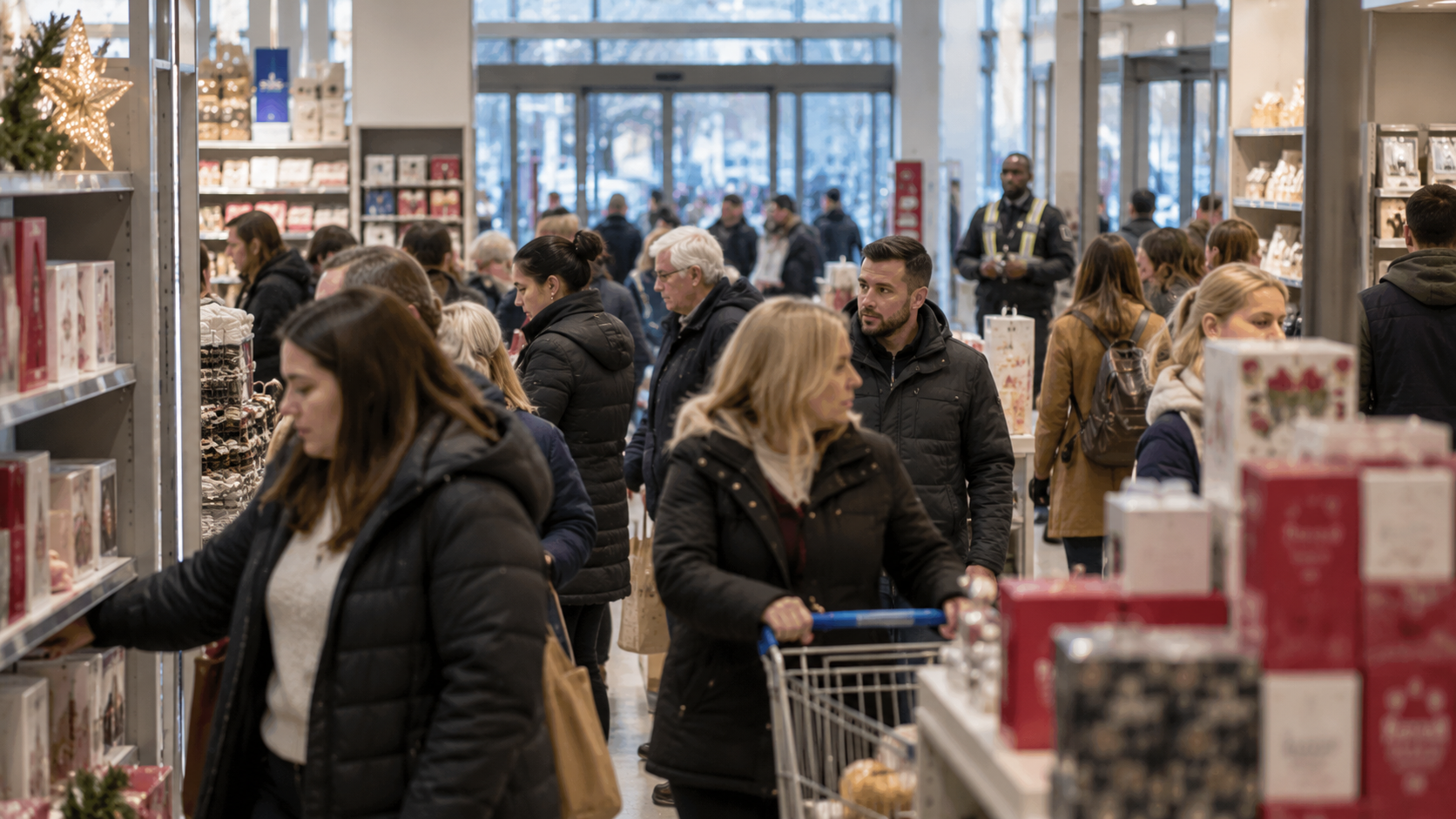
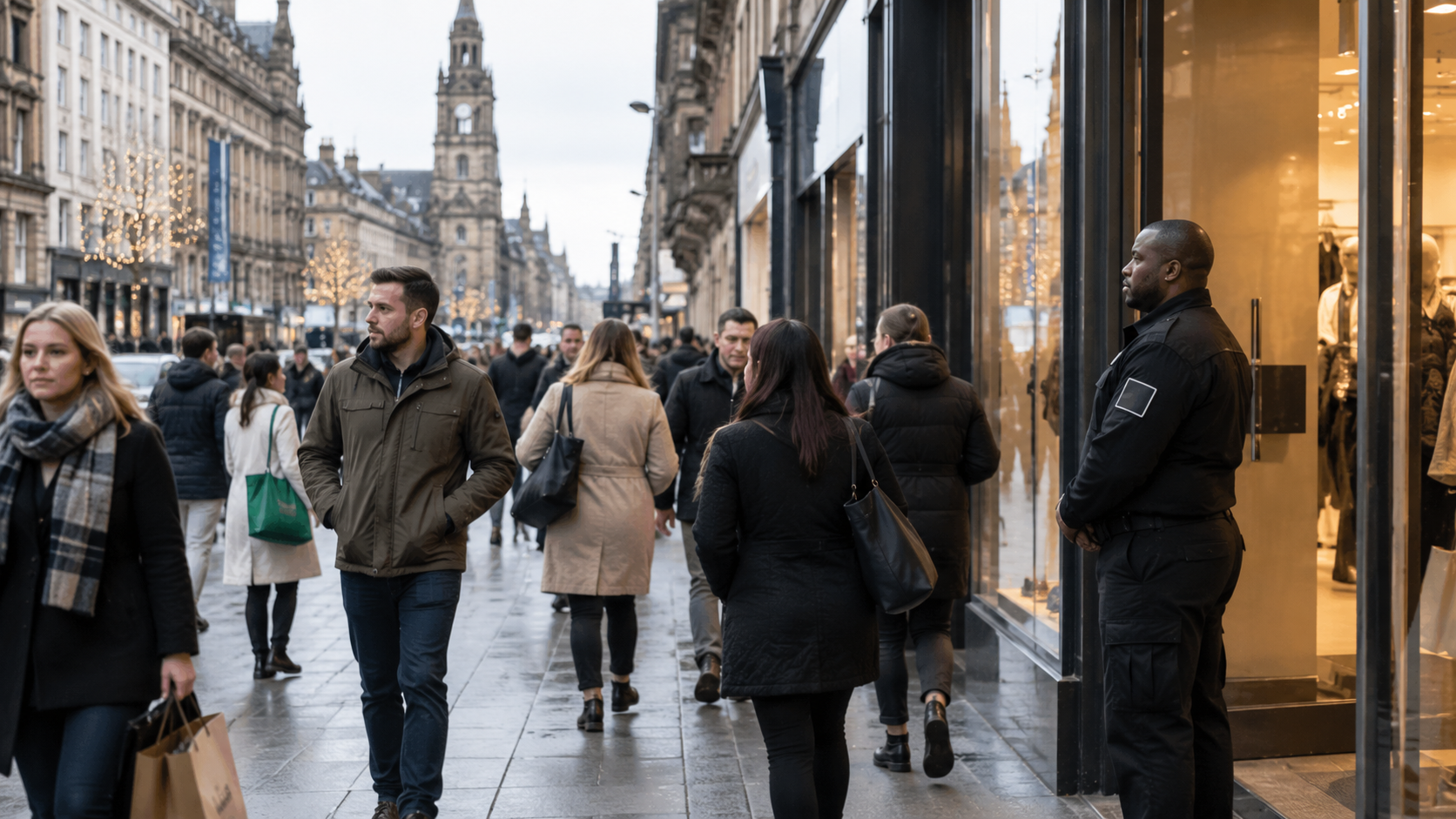
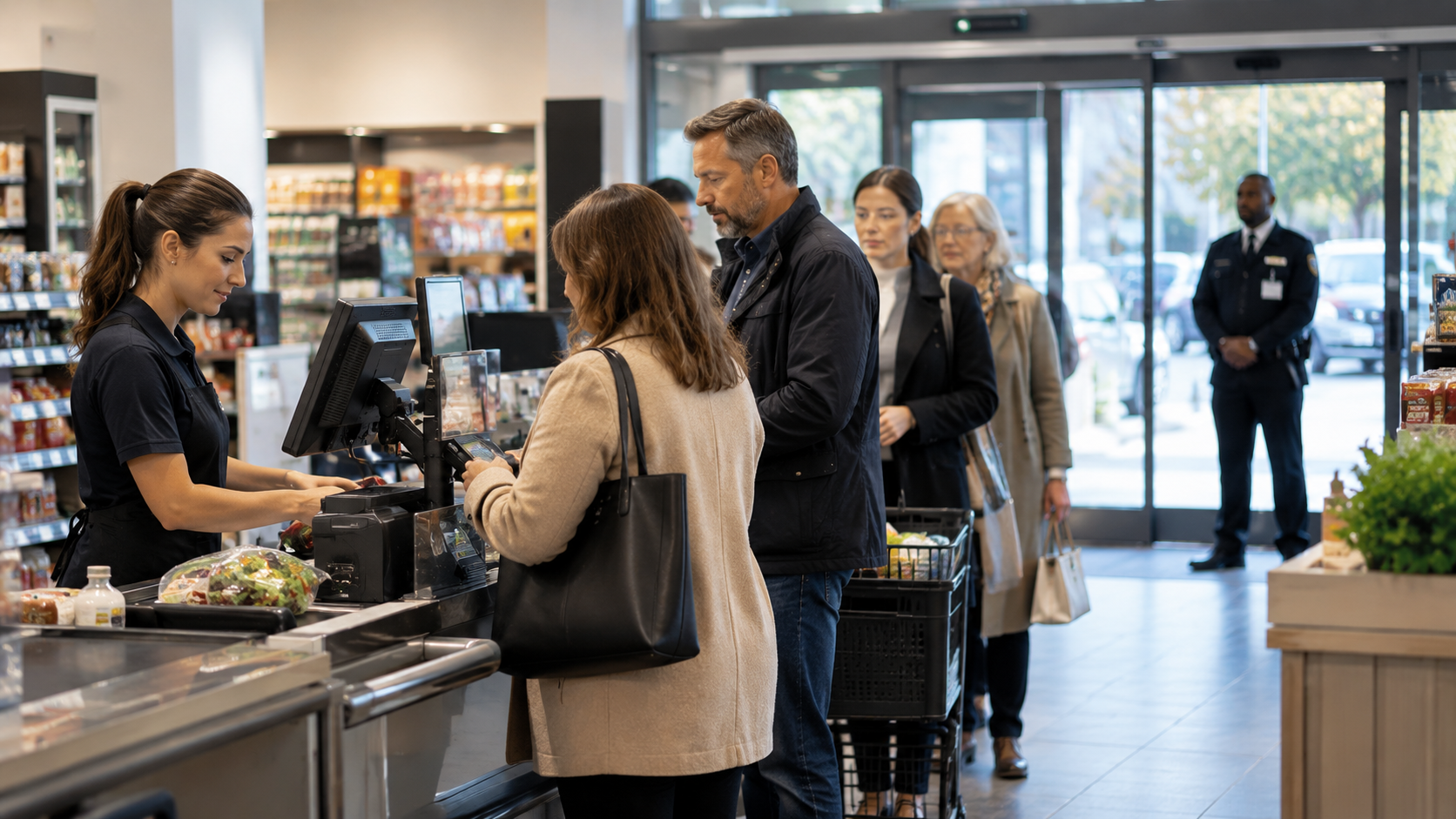
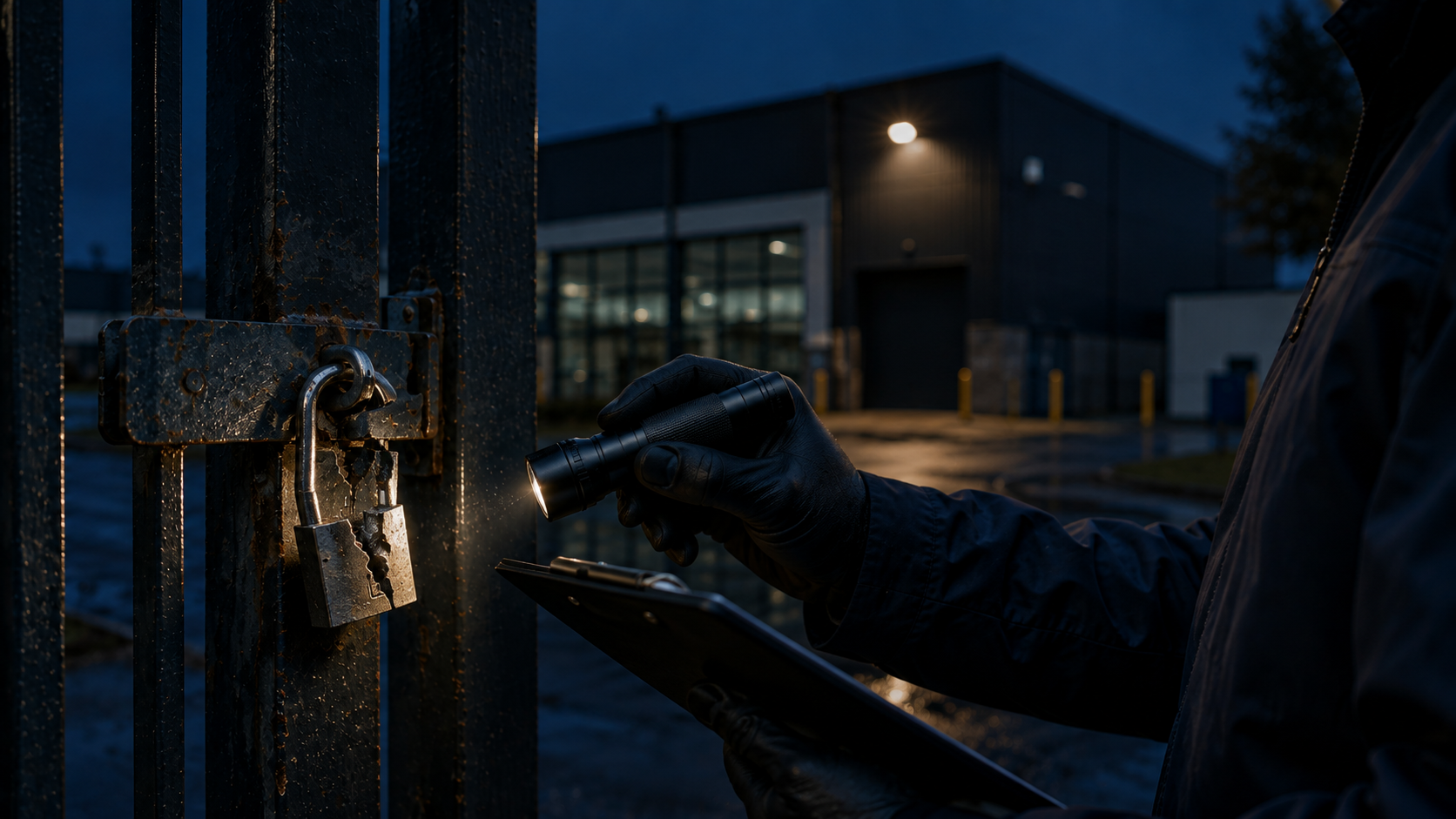
People picture Bristol as a laid-back, imaginative city. Side-street murals, bustling market food stalls, and steady footfall from Cabot Circus to Harbourside prove it. For retailers, though, the trading picture is a bit sharper. Busy weekends can feel chaotic. Quiet weekdays can feel exposed. And the same neighbourhoods that attract visitors also draw the sort of people who scan for opportunity rather than products.
This is the backdrop that explains why Bristol businesses need Retail Security today. Not as a defensive posture, not as a last resort. But as a working piece of day-to-day retail operations. Risks don’t always walk in wearing a hoodie or carrying a crowbar. Sometimes they look like confusion, distraction, pressure, or unpredictability.
When one shop struggles with repeat theft, neighbouring stores feel it next. When a member of staff is targeted, confidence drops across the rota. And when tensions spill outside, it can shape how safe customers feel shopping there at all. Security isn’t there to stiffen the mood; it’s there to keep stores running predictably, calmly, and without surprises.
Table of Contents
Retail Security Basics in Bristol
What Retail Security Means in Practice
Retail security, in its current form, is not a fixed guard at a doorway waiting for something obvious to happen. It is a moving, thinking presence inside the environment that needs protecting. Bristol’s retail environment rewards that flexibility. A shop on Park Street may need eyes across two floors. A kiosk in Broadmead needs help managing crowd flow. A supermarket closer to the suburbs may need steady patrols in open car parks after dusk.
A camera sees movement; a person understands intent. That distinction drives the modern retail model: people supported by technology, rather than technology replacing people. Good guards constantly scan and interpret what’s happening. They spot raised voices, a crowd forming by the doors, or a distraction meant to pull staff in two directions. Retail security makes sure those moments get managed before they tip into losses or conflict.
This is also where Why Bristol businesses need Retail Security becomes practical rather than theoretical. Day-to-day awareness replaces reactive crisis response. Pressures are spreading beyond Bristol into nearby South West commuter towns.
How Bristol’s Crime Profile Affects Risk
Central Bristol retailers are well aware of recurring high-risk zones. The link between The Galleries and Broadmead is routinely identified. Additional concern sits with the fountain steps and the surrounding streets near Temple Meads, where footfall fluctuates unpredictably. The concentration of shops, bars, restaurants, and transport hubs feeds activity and anonymity.
Anti-social behaviour isn’t a side issue. It’s often the gateway to theft, threats, or staff intimidation. Shoplifters are rarely one-off opportunists these days. They drift between stores, testing how visible staff presence is and whether security looks confident or detached.
And Bristol is no different from national trends: people who abuse staff are often those who believe nothing will interrupt them. Retail security exists to interrupt them.
Bristol’s situation aligns with broader national developments. According to BRC data, shop theft is increasing across the UK, particularly during operational hours.
Peak Risk Hours for Bristol Retailers
Most retailers discover that trouble doesn’t appear at the times they once assumed. Mornings tend to be fine. Lunchtime through early evening is where patterns change.
- 12–3 pm: high footfall, stretched staff
- School-leaving time: unpredictable youth groups, distraction theft
- Early evening: shift changes, tired staff, fewer supervisors
- Weekend late afternoons: alcohol bleed-over from nightlife districts
At each phase, exposure increases for different reasons. Peak hours are no longer a neat spike. They are a shifting band of mild vulnerability running across the middle of the day and creeping into the evening.
Bristol-Specific Retail Vulnerabilities
Every city has quirks; Bristol has several.
- Independent retailers in Clifton Village and Gloucester Road often work without spare hands. One member of staff steps away, and the whole store is open.
- Retail parks like Cribbs Causeway and Longwell Green see risk shift outdoors after closing. Darker evenings and large car parks create blind spots.
- Student population zones around Stokes Croft bring peaks and troughs driven by term time, events, and nightlife.
- Waterfront areas can feel exposed when footfall drops sharply after service ends.
Security planning responds to emerging patterns. It recognises that different doors experience different challenges. People travel in from Bath and other nearby cities. That boosts numbers and makes patterns harder to predict on busy weekends and during term time.
How Retail Security Addresses Anti-Social Behaviour
Anti-social behaviour can feel low-level until it isn’t. A loud argument spreads tension. A person refusing to leave blocks the service. Groups loitering deter customers without lifting anything from the shelves.
Security teams do not wait for a crime to manifest. They step in early:
- A polite conversation
- A calm boundary
- A visible presence close enough to be noticed
This is the moment that keeps a store operational rather than reactive. De-escalation is not a buzzword here; it’s the skill that gets used most often.
Why Daytime Retail Security Has Increased
Retailers often call for support after a spike in incidents, yet the shift is already underway. Theft is increasingly a daytime activity. Busy aisles mask movement. Staff are handling stock, tills, deliveries, or customers. Someone watching behaviours and patterns is necessary.
And Bristol mirrors the wider UK picture: small stores hit again and again by the same offenders. Retail security doesn’t just respond; it disrupts the pattern.
Day Vs Night
Daytime security:
- Assesses behaviour
- Deters theft
- Supports staff
- Keeps the atmosphere controlled
Night-time security:
- Secures property
- Guards lone workers
- Handles alarm activations
- Walks through large external spaces
Risk alters shape after closing. Security alters with it.
Seasonal and Event-Driven Demand
Retailers often say the same thing in July and December: “It got busy fast.” Bristol Harbour Festival drives footfall from morning into night. The Balloon Fiesta draws visitors into areas not designed for heavy flow. University arrivals shift entire neighbourhoods in a weekend. Temporary staff join without deep training. It’s easy to see why predictable security cover becomes valuable.
Transport-Linked Pressures
Temple Meads is a blessing for retailers and a challenge. Easy access becomes easy exits. Offenders move fast and disappear quickly. Retail security creates friction in that movement, which is often enough to stop the attempt.
Economic Factors
When the economy tightens, shoplifting rises. When the economy grows, stores extend hours and open new sites, which also increases exposure. Either way, retail risks expand, not shrink. The pressure doesn’t stop at Bristol’s edge. It follows trade routes into Gloucestershire as people move and risk moves with them.
Retail Supply Chain Overlap
Avonmouth and Severnside are logistic arteries, and goods flow into Bristol stores daily. Those goods need protection not only on shelves but at the rear door, where fewer eyes watch.
Legal & Compliance Requirements For Bristol Retail Security
SIA licensing
Every guard on a Bristol retail site must hold a valid SIA badge. That is the legal minimum. The shop, not just the provider, carries risk if this slips. Most established retailers now verify licences directly rather than accepting reassurance.
Penalties for Non-Compliance
Breaches are not technicalities. They are criminal offences. Consequences can include:
- Contract termination
- Insurance denial
- Fines
- Reputational damage that outweighs the incident itself
Vetting & Suitability
Good retail guards are selected with intention. BS 7858 checks confirm:
- Identity
- Right to work
- Employment history
- Criminal record screening via DBS
For data protection purposes, retailers are not permitted to inspect DBS certificates. Instead, they must be supplied with written assurance that vetting has taken place.
Insurance Expectations
Insurance providers are far more forensic than most people realise. They will ask:
- Who was on duty?
- What training did they have?
- Were patrols verifiable?
- Were reports completed?
Patrol logs serve as evidence, not admin.
Data Protection & CCTV
Retail security and CCTV now function as a single ecosystem. But it carries obligations:
- Recorded for a defined purpose
- Access controlled
- Retention time limited
- Staff trained to handle footage requests
Shared environments like shopping centres introduce extra complexity. Private policies have to work alongside public obligations.
VAT
Security is standard-rated for VAT nationwide. No carve-outs exist for Bristol or retail. Budget planning needs to include it from day one.
Local Authority Conditions
On redevelopment sites, security rarely appears outright. It hides in planning paperwork, access rules, and build timelines.
Proof of Provider Legitimacy
Retailers should expect:
- SIA licence lists
- Insurance details
- Vetting procedures
- Incident reporting process
- Supervisory structure
Hesitation here is often a red flag.
Licensing of Companies
Regulators are moving toward licensing entire firms, not just individuals. That raises the standard across the board.
Labour Law & Working Hours
Working Time Regulations matter because guards are operating in public-facing spaces. Tired guards make mistakes. Fatigue drives risk.
Right-to-Work
Post-Brexit rules require evidence. Retailers have to make sure their security partner does things properly. The legal risk doesn’t sit with the supplier alone.
Events & Public Protection
City-wide events pull retail into the orbit of crowd management. Stores become temporary shelters, landmarks, and meeting points. Security helps manage that shift.
Police Collaboration
Bristol, like other cities, benefits when retailer networks share intelligence. Repeat offenders rarely confine themselves to one store. Security sits in that loop.
Data-driven Deployment
Patterns matter more than instinct. Bristol’s deployment logic follows:
- Incident clusters
- Footfall spikes
- Time-of-day variation
Retail security becomes a working input, not a faded budget line.
Costs, Contracts & Deployment in Bristol
Costs range across the city
Conversations about retail security costs in Bristol often begin with the wrong question: “How much does a guard cost per hour?” A more accurate question is: “What problem are we protecting against, in what environment, and for how long?”
Retail sites linked to coastal roads and Devon supply chains see greater exposure. The problem worsens when lorries and stock levels rise at once.
A corner shop on Gloucester Road may only need one guard at predictable times, evenings, weekends, or school rush hours. A Cabot Circus fashion shop sees crowds all day. Theft groups come and go, and the long frontage hides what staff can’t see. A warehouse store at Cribbs Causeway can’t use the same plan. Big car parks and no nearby homes shift the security needs.
Costs float with exposure, not postcode. City-centre units tend to sit at the higher end of the range because:
- Offenders blend into crowds
- Store layouts are often multi-floor and harder to supervise
- Foot traffic becomes unpredictable near closing time
- Weekends blur into nightlife disruption
Move out towards Horfield, Emersons Green, Stockwood, or Hengrove, and the problem shifts. Fewer bodies inside a shop sounds safer, yet it introduces space for a thief to take their time. With no queues and less noise, suspicious behaviour is easier to hide. A quiet aisle can be more tempting than a packed one.
Retail parks and roadside units, Cribbs, Longwell Green, Avonmeads, sit in a grey zone. During trading hours, you see steady patterns. After closing, risk moves outside. Dark parking rows, shuttered stores, small teams locking up, and long sightlines that no single camera covers well all come into play.
Security pricing follows risk, staffing, opening hours, and the shape of the site. It isn’t one fixed fee for every postcode.
Deployment Speed
Many retailers don’t focus on security until things start changing. A cluster of thefts, rising aggression, or gut-feel reports from staff push it up the agenda. They often expect a guard within hours. Sometimes that is possible. More often, a retailer is better served by structured mobilisation rather than instant placement.
A well-managed rollout looks like this:
- 24–72 hours for emergency cover
- 5–10 working days for a planned, single-store deployment
- 2–4 weeks for multi-site rollouts or shopping-centre coverage
Those timeframes absorb:
- Licence verification
- Site surveys
- Creating escalation pathways
- Briefing store managers
- Setting up incident reporting systems
- Identifying pinch points on the shop floor
A rushed placement is like throwing someone into the deep end without telling them how to swim. They arrive with no briefing, no context, and no rapport with staff. Security gets better when guards know the site and the people in it. That’s when they notice the odd corridor, the faulty exit door, or the customer who behaves strangely near closing time.
Contract Types
Retail businesses use three broad types of contracts. Each serves a purpose depending on stability and seasonality.
1. Short-term / Temporary Cover
Often triggered by:
- A spike in theft
- Staff shortages
- Store refurbishments
- Major events nearby
- Trading during student return weekends
Short bursts of retail security are like fire breaks; they give retailers breathing room.
2. Medium-Term Agreements (6–12 months)
These suit supermarkets, clothing chains, and high-turnover units. They allow:
- Familiarity between guards and floor staff
- Pattern recognition
- Clear escalation pathways
- Improved customer experience
Security becomes a thread in the daily routine rather than a disruption.
3. Multi-Year Partnerships
This is where shopping centres, large retail complexes, and multi-site landlords end up. Consistency is worth more than any hourly discount.
A guard who knows the location, the regulars, and the risk rhythms is more effective than a rotating cast of unfamiliar faces. Retail environments reward memory.
Notice Periods
The typical breakdown looks like:
- 7–14 days for rolling cover
- 30 days for standard single-site agreements
- 60–90 days for centre-wide or networked retail contracts
Notice terms aren’t handcuffs. They prevent service gaps because retail criminals notice absence faster than staff realise they are exposed. Stores that cut security abruptly often spend more reintroducing it later.
Wage and Inflation Pressures
Costs never rise randomly. Retail decision-makers know the same pressures from their own payrolls:
- Fuel for travel
- Public transport increases
- Training and compliance overheads
- National Living Wage adjustments
- Cost of living rises inside Bristol’s commuter belt
Security roles compete with warehousing, logistics, and delivery, especially in Avonmouth and Severnside. Reliable, trained guards are in demand, and that filters into pricing. What retailers receive, in exchange, is reduced churn and fewer days spent retraining someone new.
Inflation and Contract Protections
Instead of absorbing big jumps, many agreements now tie review clauses to government inflation indicators such as CPI. Predictability matters more than haggling over pennies. Retail budgets work best with costs that shift gradually and transparently.
Retail Security and Insurance
Insurance companies look backwards to assess risk. They measure decisions by the quality of records kept. A guard standing on the shop floor is one layer of protection. A guard who logs:
- Patrol times
- Customer conflicts
- Repeated sightings of the same group
- Damaged locks
- Lighting failures
- Access attempts are providing insurance and insulation.
If a theft escalates into a claim, those notes become proof. Shops usually understand how important records are only when someone disputes a claim. The log can protect them or hurt them.
Procurement Act Influence
Public sector rules are getting tougher across the board, particularly around Temple Meads and council-run retail areas. Those expectations are now filtering through to private retailers too.
Retailers now face questions that used to be reserved for large public contracts:
- Can your provider demonstrate vetting?
- How do they monitor performance?
- Do supervisors audit logs?
- Is there a clear complaint pathway?
This is where the strength of a security company in Bristol becomes visible. Not at the door, but in process, preparation, governance, and accountability.
Training, Daily Operations & Guard Duties
Baseline Training and Capability
A licence proves legality, not suitability. Retail environments demand subtlety. Bristol guards move between roles: deterrent, guide, mediator, observer and sometimes all within one hour.
Effective retail guards share traits that rarely appear on paper:
- Calm posture under tension
- Ability to spot social patterns
- Confidence to speak without escalating
- Familiarity with multi-cultural communities
- Soft skills are used more than physical presence
They are the ones who step forward early, while a situation is still manageable.
First Actions on Shift
Security shifts often turn on the quietest moments. A guard arrives, checks in, and scans:
- Entrances: Is anything already out of place?
- Surroundings: Are groups lingering before opening?
- Lighting: Does anything feel darker or exposed?
- Staff mood: Tired? Short-handed?
Before any patrol, they read handover notes: names of repeat visitors, known risk periods, and issues from yesterday. That is the moment a shift begins. It is housekeeping for risk.
Patrol Rhythms
Patrols are not long strolls. They are interruptions designed to let offenders know they are watched. They do this without disrupting the flow of customers.
In the heart of Bristol, guards will drift through shared mall space inside Cabot Circus or Broadmead, linger by exits, and loop upstairs. Cribbs Causeway looks simple because you can see a long way. But danger sits between the units, by delivery bays, and anywhere two blind spots meet.
At small independent stores, guards might rotate between floor-watching and managing a single entrance. It’s less glamorous than many imagine and far more critical.
Perimeter and Access Checks
Retail crime isn’t always lifted off a shelf. Stock disappears through back doors, loading bays, and waste corridors. A guard pays attention to the edges, not just the centre.
Common pinch points include:
- Delivery hours, when distractions are plentiful
- Shared service corridors between multiple retailers
- Fire exits propped open for convenience
- Loading areas are dimly lit at night
Security closes easy escape paths long before offenders choose them.
Reporting Systems
Retail is busy. Details slip through the cracks during peak trading hours. Security picks them up and writes them down.
Logs show:
- What happened
- Who was involved
- When things occurred
- Whether staff felt unsafe
- Patterns emerging across shifts
QR checkpoints, digital logs, and incident tools make things easier to follow. They really help when managers are pulled in every direction.
Alarm and Emergency Response
Alarm activations can trigger on their own schedule. Most are harmless: weather rattling shutters, sensors reacting to stock or cleaning equipment. But a guard attends with the same composure every time.
The steps stay constant:
- Verify location
- Identify cause
- Check access points
- Make sure there is no secondary risk
- Record every detail
One false alarm means nothing; three false alarms in a week mean investigating the cause.
Fire Safety and Emergency Readiness
Most retail incidents have nothing to do with theft. A fire exit blocked by restocking can be as dangerous as a broken shutter. Security notices these practical hazards because they are free from customer pressure. Their eyes are on the environment.
Evacuation routes must stay clear even when stock deliveries stack up. Security reminds, assists, and reports when safety shortcuts show up.
Shift Patterns
Coverage varies across Bristol:
- 24-hour stores need round-the-clock presence
- City-centre outlets maintain support until late
- Retail parks often need heavier security after closing
- Lone-store coverage requires frequent supervisor contact
The shape of risk decides how shifts are built, not the other way around.
End-of-Shift Secure-Down
The best work often happens at the end of the day. The doors close, the money is counted, and the store goes still. A guard:
- Checks doors and windows
- Walks the perimeter
- Confirms alarms are set
- Files the final log
- Passes the story of the shift to whoever comes next
Security isn’t about being present. It is about preserving continuity from open to close and beyond.
Performance, Risk & Operational Realities
KPIs that Matter
Retailers measure performance quietly. Not by door counts or banners but by:
- How many patrols were completed
- Whether observations led to real decisions
- If patterns were spotted early
- How confident do staff feel with support close by
A guard’s value often hides in the problem that never happened.
Weather Impacts
Rain, fog, salt air and wind roll through Bristol like uninvited guests. Conditions hit retail parks and waterfront units hardest. Guards adjust without ceremony:
- Slower external patrols
- More attention on slipping hazards
- Longer presence near exits
- Protective positioning near lone staff
Bad weather distorts risk. It clears crowds in seconds, stretches response time, and invites opportunists.
Logs and Context
Logs without context read like dead numbers. A proper log doesn’t just record what, it explains why. “Delayed patrol while assisting a lone cashier removing an aggressive customer.”
That is the kind of note that justifies decisions six months later, when someone wants answers.
Human Performance and Shift Fatigue
Fatigue doesn’t show up as yawning. It reveals itself through:
- Slower reactions on patrol
- Reduced eye movement
- Narrow focus instead of wide scanning
- Hesitation when decisive action is needed
Well-structured rota planning prevents overuse and protects outcomes. Retail security depends on clarity, not just muscle.
Environmental and Safety Checks
Guards spot issues because they move slowly and watch everything. Most other people are already heading to whatever comes next.
They spot:
- Faulty lights
- Water pooling near entrances
- Fire doors were wedged open
- People were waiting where no one usually waits
- Exit corridors blocked by deliveries
These findings may seem small, but each fixes a gap that otherwise widens.
Technology & Future Trends in Bristol Retail Security
Hybrid Models: People + Systems
A decade ago, the split between “manned guarding” and “CCTV monitoring” was hard. You either had a guard on site or a bank of cameras watched miles away. Modern retail security melts that distinction.
Guards now work in tandem with:
- Remote monitoring teams
- CCTV operators with instant playback tools
- Silent alarms linked to control rooms
- Lone-worker check systems
- Real-time communication apps
A hybrid setup widens what retailers can see beyond one person’s limits. And it keeps the human judgment that tech can’t replace. A human decides whether someone is lost, confused, suspicious, or actively threatening. Systems help them see more, sooner.
Post-COVID Shifts in Retail Protection
COVID didn’t just change how people shop. It altered how people behave in shops. Some effects feel permanent:
- Footfall swings wildly between quiet mornings and busy afternoons
- Staffing levels stay thin
- Click-and-collect creates more back-door traffic
- Lone workers open and close more stores
- Customers stay longer on phones, shorter in conversation
Security became a safety net for uncertainty. Retail has learned that a consistent presence matters. It stops theft and steadies a crowd when the mood suddenly turns.
AI as a Support Tool
AI video analytics is appearing in more shopping centres and urban hubs, often without shoppers realising it exists. Its strength lies in pattern recognition:
- Unusual lingering in low-traffic aisles
- Repeated footfall near exits
- Groups forming where none usually gather
- Movement after closing
AI doesn’t decide what happens next. It nudges the humans who do. A camera spots anomalies, while a guard walks over and reads the moment.
Retailers benefit most when AI is framed as a “second set of eyes,” not a replacement for presence.
Remote Monitoring as Reassurance
Remote monitoring teams act as an extension of the store, not a detached control room. They:
- Confirm alarms before escalation
- Guide a guard to the exact doorway or blind spot
- Watch multiple cameras while a guard walks the floor
- Act as a silent backup on lone-worker shifts
Small stores may only pay for one guard. But the setup lets them see as much as if they had three.
Drone Feasibility
Drone patrols still sound futuristic, yet some large retail parks across the UK are trialling them. Bristol is a likely candidate for limited adoption on:
- Out-of-hours checks at big-box retail parks
- Rapid sweeps of large car parks
- Alarm confirmation without risking staff
- Monitoring shared service lanes
Drones do not replace boots on the ground. They compress response time, and response time is often the difference between an inconvenience and a claim.
Predictive Analytics
Bristol retailers familiar with repeat crime already sense patterns. Predictive analytics turns instinct into data by correlating:
- Time of day
- Seasonality
- Delivery schedules
- Weather
- Travel links
- Local events
A clothing store near Harbourside may need heavier daytime coverage on festival weekends. A chain chemist in Broadmead may need more eyes at school-leaving times. Predictive deployment stops waste and waste matters when margins are thin.
Upskilling Expectations
Retail guards are no longer just a presence. They are:
- First responders to staff tension
- Hands-on in emergency scenarios
- Documenters for insurers
- Eyes and ears for nearby stores
- Contributors to retail crime networks
Training trends point toward:
- ACT (Anti-Terror) modules
- Basic first aid refreshers
- Cultural awareness
- Digital literacy for reporting systems
- CCTV observation competence
A guard equipped with knowledge adds stability far beyond a visible deterrent.
Green Practices Emerging In Bristol
Retail security now overlaps with environmental commitments. Decisions that once felt irrelevant: car type, lighting schedules, paper vs digital carry weight. Common eco-measures include:
- Electric patrol vehicles at large retail estates
- Solar-powered CCTV masts for temporary sites
- Motion-activated lighting in service corridors
- Paperless reporting systems to cut waste
Retailers now want to know how security supports their sustainability aims. It’s not just about stopping incidents anymore.
Martyn’s Law and Retail Readiness
Martyn’s Law, the upcoming Protect Duty, will reshape risk thinking across public-facing venues. While it is framed through the lens of terrorism prevention, its effects are wider:
- Behavioural awareness
- Controlled access
- Documented plans
- Staff briefings
- Scenario-based rehearsals
Large shopping centres and high-footfall sites are first in line. Small retailers near event spaces may feel it indirectly. Retail security sits at the heart of practical compliance. They see crowds at their most relaxed and at their most tense.
Conclusion
Retail in Bristol has always been a diverse part, an independent culture, part city-centre draw, part regional destination. What has shifted is the level of unpredictability woven through the trading day. Patterns feel looser. Crowds form faster. Incidents ripple from one street to the next.
For retailers who want to plan rather than react, security has become one of the few levers they can control. A guard does more than deter theft. They steady the atmosphere, reassure staff, reduce insurance arguments, and keep shops open and calm when pressure rises.
The clarity is this: Why Bristol businesses need Retail Security is not a question rooted in fear. It is grounded in the reality that retail is more exposed, more fluid, and more demanding than ever. Stores that prepare early avoid rushing later. Businesses that plan ahead instead of waiting for trouble are the ones that stay ready. They can handle busy days, frayed tempers, and surprises on the shop floor.
Reach out to us for further clarification.
Frequently Asked Questions
1. Do Bristol retailers need licensed guards on-site at all times?
Not always. But any guard you use must be SIA licensed, even for short shifts or temporary cover.
2. Can retail security reduce theft during busy daytime hours?
Yes. Most shoplifting now happens during trading hours, so visible security makes a real impact.
3. What areas of Bristol experience the most retail crime?
Broadmead, Cabot Circus, Harbourside routes, and Temple Meads corridors see the highest activity.
4. Is CCTV enough without on-site retail security?
No. CCTV records incidents but can’t intervene, calm a situation, or protect staff.
5. How fast can a Bristol store add temporary retail security?
Emergency cover can be arranged in days; planned deployments take roughly one working week.
6. Can retail security help reduce insurance claims?
Yes. Insurers respond better when there are logs, photos, and witness records already in place.
7. Are small independent shops at greater risk than larger chains?
Often they are, because fewer staff means fewer eyes and slower reaction time.
8. Does every store need nighttime security?
No. Night cover matters most for large units, isolated sites, or businesses with higher-value stock.