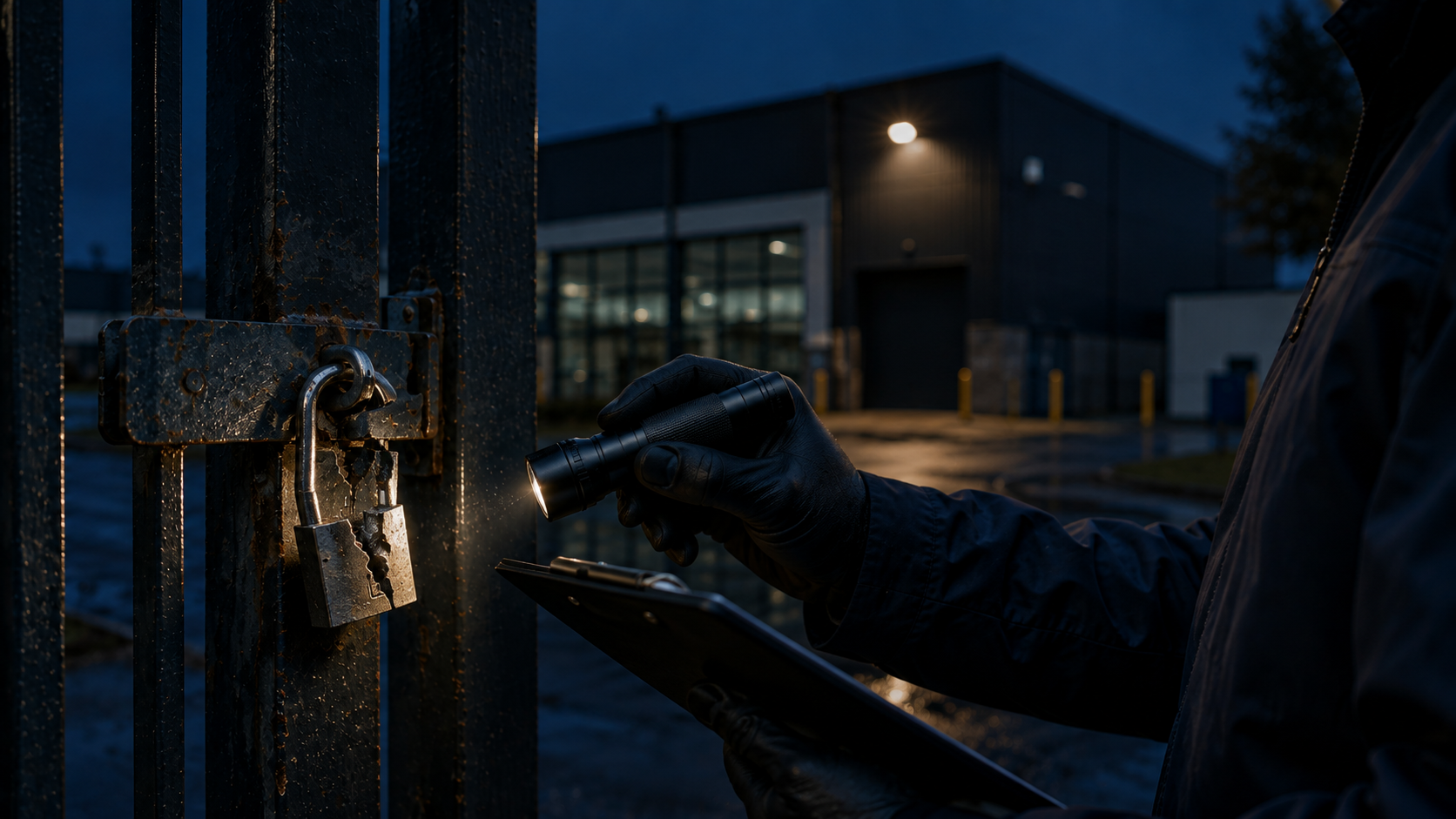
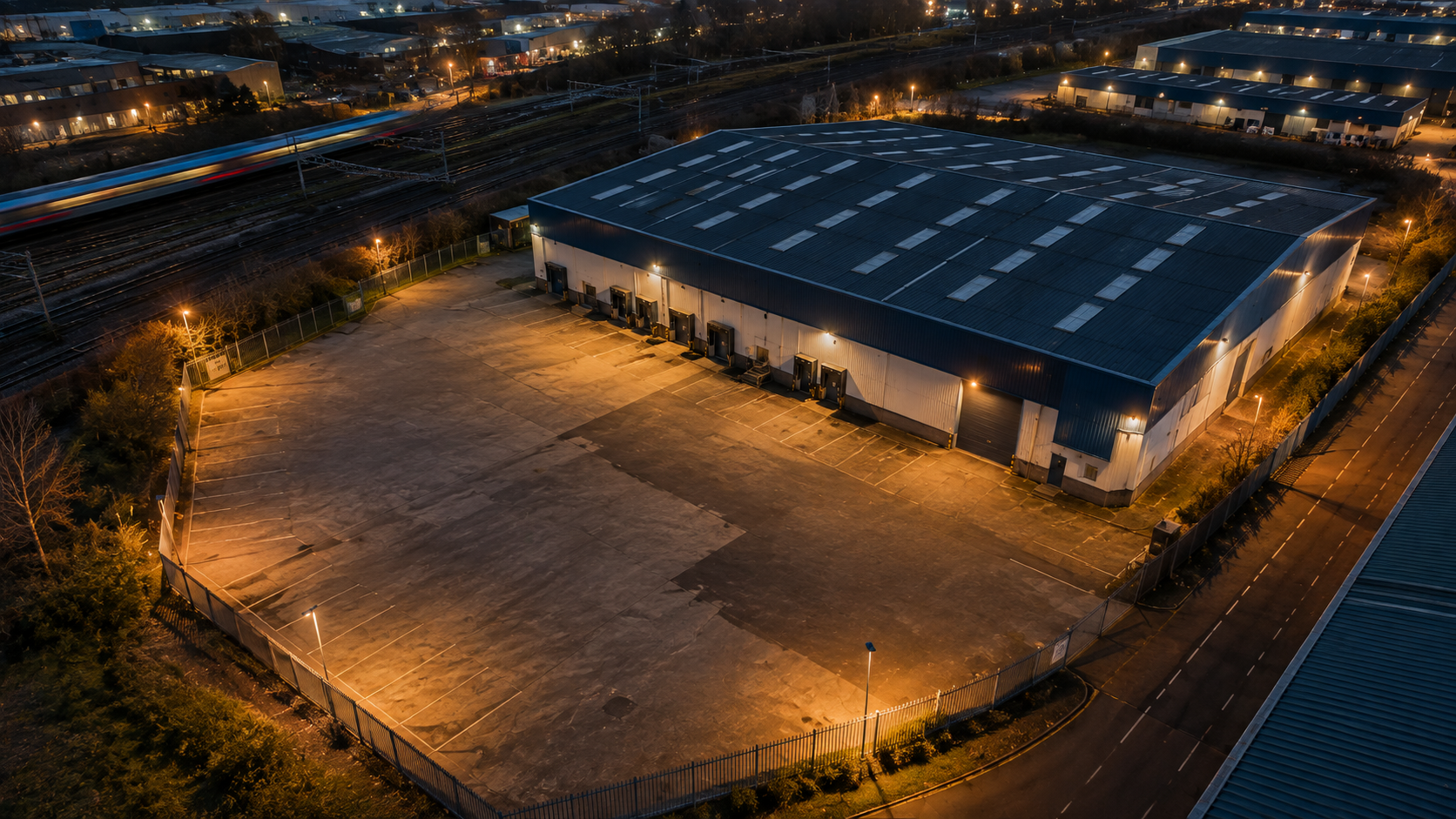
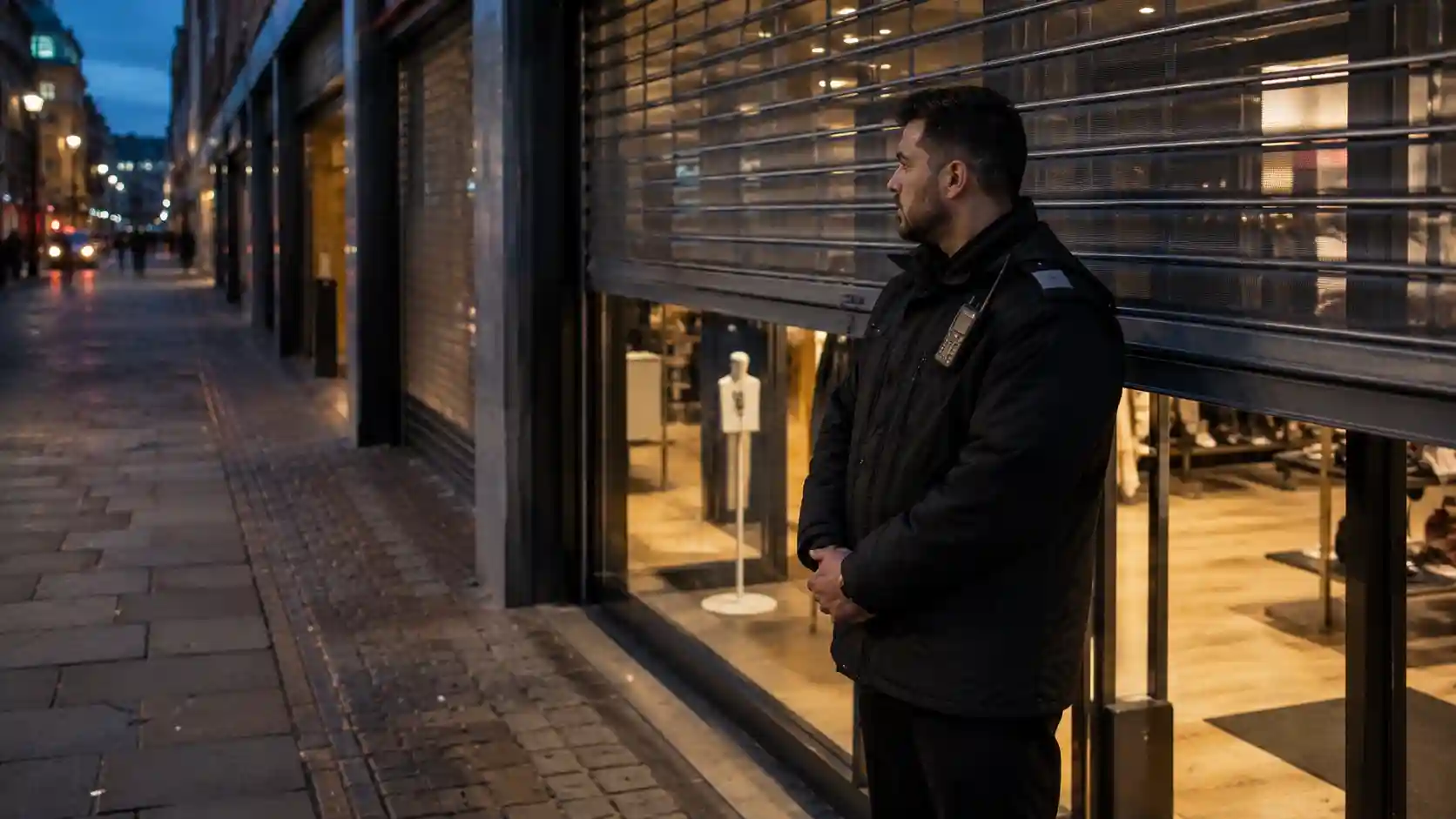
Oldham’s factories sit close to homes, roads, and shared industrial yards. That closeness keeps business moving fast. It also increases exposure. Materials arrive early. Deliveries leave late. Sites are rarely empty, yet often lightly staffed.
A single access failure can stop production or trigger an insurance issue. This is why Oldham businesses need factory security.
Factory security services in Oldham now focus on control, not force. Industrial site security helps manage who enters, when vehicles move, and how quiet hours are protected. Manufacturing facility security also supports records, compliance, and clear routines.
For many operators, factory guarding solutions in Oldham reduce uncertainty. The aim is to protect assets, maintain flow, and keep the site safe.
Understanding Factory Security Basics Across Oldham’s Industrial Areas
Factory security in Oldham is shaped by how close industry sits to housing, roads, and shared estates. Sites are active for long hours. That mix creates gaps. Security planning here starts with understanding how factories actually operate, not with alarms or cameras alone.
What Factory Security Means for Oldham Businesses
Factory security is a layered approach. It combines people, routines, and systems to keep sites controlled during busy periods and protected when activity slows.
Unlike offices, factories deal with heavy equipment and open yards. Unlike warehouses, they often run machines late into the night. Oldham’s industrial areas include older units, mixed-use estates, and standalone sites. Each layout affects exposure in different ways.
Key aims usually include:
- Controlling who enters working areas
- Protecting machinery and materials
- Keeping vehicle movement predictable
- Reducing disruption during quiet hours
This is where factory security legal requirements in the UK begin to matter, as access failures often become compliance issues, not just losses.
How Factory Security Differs From Warehouses and Offices
Offices focus on people and data. Warehouses focus on stock flow. Factories must manage machines, movement, and safety at the same time.
Important differences include:
- Machinery that cannot be easily replaced
- Outdoor storage that attracts attention
- Shared yards used by several firms
- Higher health and safety risk if intrusions occur
Industrial site security in Oldham often fails when it borrows office or warehouse models without adapting them to production environments.
Local Risk Patterns That Shape Planning
Oldham’s position near major routes makes access easy. It also makes exit quick. Theft here is often opportunity-led, not complex.
Risk tends to rise when:
- Sites are partially staffed.
- Lighting is poor around the yards.
- Vacant units sit nearby.
- Perimeters rely on trust rather than control.
UK business crime data supports this concern. Around 15% of UK businesses reported theft in the past year, with burglary and attempted burglary remaining common causes of loss and downtime. For factories, even a failed attempt can stop work for hours.
High-Risk Times for Factory Sites in Oldham
Risk is rarely constant. It peaks during change.
The most exposed periods are often:
- Night shifts, when fewer supervisors are present
- Weekends, when routines break
- Shift changeovers, when gates open repeatedly
- Early delivery windows, before teams fully arrive
This is why the cost of factory security in Oldham often reflects timing, not just size. Coverage must match these windows, or gaps remain.
Which Factory Types Face Greater Exposure
Not all factories face the same threats. In Oldham, higher exposure is common at:
- Engineering and metalworking sites
- Units with outdoor storage
- Multi-tenant industrial estates
- Older factories with legacy layouts
These environments need stronger control around entry points and yards. This is where industrial theft prevention in Oldham becomes a planning issue rather than a reaction after loss.
The Impact of Shift-Based Manufacturing
Shift work creates rhythm. Rhythm creates predictability. Predictability creates risk.
Between shifts:
- Supervision drops
- Doors stay open longer
- Vehicles move without checks
Good security planning fills these gaps quietly. It does not slow production. It supports it.
How Deliveries Increase Access Risk
Deliveries are necessary. They are also one of the easiest ways for unauthorised access to occur.
Common issues include:
- Unverified drivers following authorised vehicles
- Gates left open to avoid delays
- Paperwork checked without site awareness
Manufacturing facility security works best when delivery processes are part of the security plan, not separate from it.
Shutdowns, Holidays, and Silent Risk
Planned shutdowns feel safe. They often are not.
During holidays:
- Sites look inactive
- Patterns disappear
- Response times lengthen
Security during these periods protects insurance positions as much as physical assets. Records, logs, and controlled access matter when claims arise later.
Legal and Compliance Requirements for Factory Security in Oldham
Legal compliance is often part of a factory operator’s review. In Oldham, that delay can create risk. Security failures here tend to become insurance issues, liability problems, or contract disputes, not just crime incidents. Understanding the rules early helps businesses avoid cost and disruption later.
What SIA Rules Apply to Factory Security in Oldham?
Any person carrying out manned guarding at a factory must hold a valid licence issued by the Security Industry Authority. This applies whether the site is large or small, permanent or temporary. The licence confirms that the individual has met training and vetting standards expected across industrial environments.
For local operators, SIA-licensed factory security in Oldham is not optional. Insurers and auditors often check this first after an incident. If guards are unlicensed, liability can shift quickly back to the site owner or managing agent.
What Happens if Unlicensed Security Is Used?
Using unlicensed guards at industrial sites can lead to fines and enforcement action. More importantly, it can weaken a company’s position during insurance claims. If an incident occurs and the guarding arrangement is non-compliant, insurers may challenge whether “reasonable protection” was in place.
In Oldham, where many factories sit on shared estates, one weak link can affect neighbouring businesses as well.
When Are DBS Checks Required in Factory Settings?
DBS checks are not required for every factory guard. They become relevant when security staff have access to:
- Staff-only areas
- Sensitive materials
- Controlled goods
- Sites linked to regulated supply chains
Factories handling specialist components or operating close to public access often need a higher level of vetting. This is where factory security legal requirements in the UK intersect with real site activity, not theory.
What Insurance Conditions Usually Apply to Factories?
Most insurers expect evidence that security matches the risk profile of the site. Common conditions include:
- Proof of licensed guarding
- Clear incident reporting procedures
- Working CCTV and access controls
- Defined coverage during nights and shutdowns
For factories comparing the cost of factory security in Oldham, insurance expectations often explain price differences. Lower-cost coverage that does not meet policy terms can increase long-term exposure.
Managing GDPR for CCTV and Access Systems
Factories using CCTV, ANPR, or access logs must comply with data protection law. This includes:
- Clear signage
- Defined retention periods
- Restricted access to footage
- Secure storage of records
Compliance is not about paperwork alone. If footage is mishandled after an incident, the factory may face scrutiny beyond the original event. Many manufacturing sites overlook this until a claim or complaint arises.
How VAT Applies to Factory Security Services
Security services are subject to VAT. This affects budgeting, especially for long-term contracts or multi-site coverage. Finance teams should factor VAT into comparisons rather than focusing only on base rates. For procurement leads, VAT treatment often becomes clearer during audits than at the contract stage.
Do Local Planning or Council Factors Matter?
While security regulation is national, local planning decisions can shape how sites operate. Industrial estates around Oldham and nearby areas like Rochdale often have conditions linked to lighting, access routes, or shared boundaries.
These can influence where cameras sit, how gates operate, and how vehicles move at night. Ignoring local context can leave gaps between compliance on paper and practice on site.
What Documents Show Factory Security Compliance?
Factories are often asked to provide:
- Proof of SIA licences
- Vetting records
- Incident logs
- CCTV policies
- Risk assessments
These documents support claims and inspections. They also help demonstrate industrial theft prevention in Oldham in action, rather than intent.
How Martyn’s Law May Affect Large Factory Sites
Martyn’s Law is still developing, but its direction is clear. Larger sites with public access or high occupancy may face stronger duties around preparedness and risk planning. For logistics hubs and factories handling regular visitors, this could mean clearer access control and response planning.
For Oldham businesses, this is not a reason to rush changes. It is a reason to plan. Factories that already treat security as part of compliance will adapt more easily than those starting from scratch.
Costs, Contracts, and Deployment for Factory Security in Oldham
Security costs raise questions long before a contract is signed. In Oldham, those questions tend to focus less on price alone and more on timing, reliability, and exposure. Factory operators want to know what they are paying for, how fast coverage can start, and whether the arrangement will hold up under pressure.
What Shapes Factory Security Costs in Oldham?
There is no flat rate for factory protection. Costs are shaped by how a site works, not by its postcode alone.
Key cost drivers often include:
- Size of the site and length of the perimeter
- Number of access points and shared yards
- Operating hours and shift patterns
- Level of supervision needed during quiet periods
For many operators, the cost of factory security in Oldham rises when coverage must stretch across nights, weekends, or shutdowns. That increase reflects risk, not excess. Quiet hours are when losses usually happen.
Sites with complex layouts or multiple tenants also require more coordination. Security must manage movement without slowing production.
How Quickly Can Factory Security Be Deployed?
Deployment speed matters when:
- A new factory opens
- A site expands
- Risk increases due to theft or vandalism
In most cases, coverage can begin within days if planning is clear. Delays usually come from missing details, such as unclear access rules or incomplete risk information. A proper factory security risk assessment in Oldham helps avoid that. It allows providers to match coverage to real conditions instead of guessing.
Temporary coverage is also common. Factories may need short-term support during refits, stock builds, or seasonal changes. These deployments still require the same care as long-term contracts.
What Contract Lengths Are Common for Oldham Factories?
Most factory security contracts run between one and three years. Shorter terms offer flexibility. Longer terms offer stability.
The right length depends on:
- How settled the site layout is
- Whether operations are still changing
- Insurance requirements tied to continuity
Factories on industrial estates in Oldham often align contract lengths across multiple sites. This creates consistency and reduces gaps when coverage shifts between locations.
What Notice Periods Usually Apply?
Notice periods protect both sides. For factories, they reduce the risk of sudden loss of coverage. Typical notice terms range from four weeks to three months.
Short notice may sound appealing, but it can increase risk. Sudden changes often leave sites exposed during handovers. Planned exits support safer transitions.
How Inflation Affects Long-Term Planning
Inflation has changed how security budgets are reviewed. Wages, fuel, and equipment costs affect long-term contracts even when service levels stay the same.
For Oldham factories, the key is predictability. Clear pricing structures help finance teams forecast spend. They also explain why underpriced contracts often fail. When costs rise, but contracts do not reflect it, coverage quality can suffer.
This is where industrial theft prevention in Oldham links to budgeting. Stable coverage reduces loss, which offsets long-term cost pressure.
How Factory Security Supports Insurance Discussions
Insurers look for evidence that protection matches risk. Security arrangements often influence:
- Premium levels
- Excess terms
- Claim outcomes
Factories that document coverage clearly find it easier to defend claims. Logs, reports, and access records show that reasonable steps were taken. This matters after incidents involving theft or damage.
Security planning also supports business interruption cover. Reduced downtime can limit losses even when incidents occur.
What Role Does the Procurement Act 2023 Play?
The Procurement Act 2023 affects how public bodies buy services. While many factories are private, those linked to public supply chains may feel indirect effects.
The Act places more focus on transparency, value, and performance. For factory security contracts, this means clearer scopes, defined outcomes, and stronger documentation. Even private operators benefit from this approach, as it reduces ambiguity.
Why Local Context Still Matters
Oldham’s industrial mix includes older units and shared estates. These sites often operate alongside businesses in nearby areas such as Bolton. Aligning security planning across locations helps maintain consistent standards and avoids weak points between sites.
Costs, contracts, and deployment decisions shape more than budgets. They influence continuity, insurance confidence, and daily operations. When factories in Oldham plan these elements early, security becomes a support system rather than a last-minute fix.
Training, Operations, and Daily Duties in Oldham’s Factory Environments
Factory security in Oldham depends less on visible force and more on steady routines. Training and daily operations shape how well a site stays calm, controlled, and predictable. When these basics are weak, risk rises quietly.
What Training Standards Matter on Oldham Factory Sites?
Training for factory environments focuses on awareness, not aggression. Guards must understand how industrial sites work before they try to protect them.
Key areas usually include:
- Safe movement around machinery
- Understanding vehicle routes and blind spots
- Managing access without slowing production
- Clear communication with supervisors
Training standards are shaped by the site, not the uniform. A guard trained only for retail or offices may miss risks around yards or plant areas. This is why factory security services in Oldham work best when training matches the site layout and work pattern.
What Happens at the Start of a Factory Security Shift?
The start of a shift sets the tone. A rushed handover creates gaps.
Early actions often include:
- Checking access points
- Reviewing site status
- Confirming expected deliveries
- Noting unusual activity from the previous shift
This is not about paperwork. It is about awareness. On busy estates, small changes matter. A gate left open overnight or a vehicle parked out of place can signal a problem before it grows.
How Are Handovers Managed on 24/7 Sites?
Factories that run day and night rely on clean transitions. Handovers must be brief but clear.
Effective handovers focus on:
- Active risks
- Temporary changes to access
- Maintenance or shutdown areas
- Known issues with lighting or fencing
Consistency matters. When handovers drift or rely on memory alone, sites lose visibility. Over time, this weakens industrial site security and raises exposure during quiet hours.
What Checks Matter Most Around Machinery and Yards?
Factories are not static spaces. Security checks usually prioritise:
- Yard boundaries and fencing
- Loading bays during delivery windows
- Outdoor equipment left overnight
- Areas where lighting is poor
These checks reduce opportunity. They do not stop working. In many cases, they support safety by spotting hazards early.
This approach is common across manufacturing facility security, especially on older estates where layouts have changed over time.
What Daily Reporting Is Expected on Factory Sites?
Daily reports are not written for volume. They are written for clarity.
Useful reports often cover:
- Access issues
- Delivery delays or irregular arrivals
- Equipment left unsecured
- Minor incidents before they escalate
For managers, these reports support planning. For insurers, they show control. Over time, reporting builds a record that protects the business during disputes or claims.
How Are Incidents Handled Without Stopping Production?
Most incidents are small. A trespass attempt. A delivery dispute. A safety concern.
Good factory security responds without panic:
- Contain the issue
- Inform the right person
- Record facts, not opinions
- Avoid disrupting production unless needed
This balance is key. Overreaction causes delays. Underreaction invites repeat problems. Calm handling protects both output and people.
This is where factory guarding solutions Oldham add value. They manage risk quietly, without drawing attention or halting work.
How Secure-Down Works During Shutdowns
Shutdowns change everything. Normal routines stop. Patterns disappear.
Secure-down planning often includes:
- Reduced access points
- Clear authority for entry approval
- Increased checks of perimeter areas
- Stronger logging of visits
Factories that prepare for shutdowns reduce risk. This applies whether the closure lasts a weekend or several weeks.
Sites operating across Greater Manchester often align shutdown planning with nearby locations, including those around Bolton. Shared standards help reduce weak points between sites.
Why Daily Operations Matter More Than Promises
Security plans often look strong on paper. Daily operations show whether they work.
In Oldham, factories face:
- Shared estates
- Mixed-use neighbours
- Constant movement
Training and routines turn plans into action. When they are clear, security supports production. When they are vague, risk fills the gaps.
Strong daily operations do not draw attention. They create stability. For factory operators, that quiet reliability is often the real measure of effective security.
Performance, Risks, and Daily Challenges on Oldham Factory Sites
Factory security performance in Oldham is not judged by how busy guards look. It is judged by what does not happen. To reach that point, managers need to understand which risks matter most and how performance is measured without slowing work.
What Should Factory Managers Track Day to Day?
The most useful indicators are simple. They focus on control, not activity.
Common KPIs on Oldham factory sites include:
- Frequency of security incidents
- Unauthorised access attempts
- Delays linked to access issues
- Security-related downtime
These indicators show whether factory security services in Oldham support operations or disrupt them.
How Weather Changes Perimeter Risk
Oldham’s weather is not extreme, but it is persistent. Rain, fog, and early darkness change how sites look and feel.
Weather affects:
- Visibility around fencing and yards
- Surface conditions for patrols
- Lighting effectiveness in wet conditions
Poor weather can hide movement and weaken deterrence. Industrial site security plans often adjust checks during darker months to reflect this shift. Without those adjustments, risk increases quietly.
Fatigue During Overnight Coverage
Overnight coverage is necessary on many factory sites. It also brings risk if not planned carefully.
Fatigue affects:
- Awareness
- Response speed
- Decision quality
On long or quiet shifts, routines matter. A clear structure helps maintain alertness. This is not a staffing issue. It is an operational one. Manufacturing facility security relies on predictability to reduce mistakes.
Health and Safety Where Security Meets Production
Factories are full of hazards. Moving vehicles. Heavy equipment. Restricted zones.
Security intersects with health and safety when:
- Responding to incidents near machinery
- Managing vehicle access
- Monitoring unauthorised entry into dangerous areas
Poor coordination increases risk for everyone. Good planning ensures that security actions do not create new hazards. This balance supports safe working environments without slowing output.
Why Weak Planning Raises Liability Exposure
Liability often follows patterns. The same gaps keep appearing.
Poorly planned factory guarding solutions in Oldham increase exposure when:
- Coverage does not match operating hours.
- Access rules are unclear.
- Reporting is inconsistent.
- Risks during shutdowns are ignored.
After an incident, these gaps become evidence. Insurers and investigators look for planning failures, not excuses.
Measuring Effectiveness Without Disruption
Factories cannot afford constant audits or intrusive checks. Performance review must fit around production.
Effective review methods include:
- Periodic trend analysis
- Incident review meetings
- Cross-checks with operations teams
This approach keeps oversight light but meaningful. It allows managers to adjust coverage without rewriting plans each month.
External Pressures and Wider Context
Many Oldham factories operate across regions. Sites linked with industrial hubs such as Trafford often share security standards and reporting structures. Consistency across locations reduces confusion and prevents weak points between sites.
Security challenges change over time. New equipment arrives. Layouts shift. Weather patterns vary. Performance monitoring keeps factory security relevant without constant overhaul.
When Challenges Are Ignored
Ignored risks rarely stay small. They surface during:
- Insurance claims
- Audits
- Serious incidents
At that point, change is forced and costly. Factories that review performance regularly stay ahead of these moments.
In Oldham, factory security works best when it is measured, adjusted, and aligned with real conditions. Strong performance reduces risk quietly. That quiet outcome is often the clearest sign that security is doing its job.
Technology and Future Trends Shaping Factory Security in Oldham
Technology has changed how factories in Oldham think about protection. Not by removing people, but by supporting better decisions. Urban-industrial areas evolve fast. Sites expand, layouts shift, and risks move with them. Modern factory security now blends presence with insight.
How Technology Reshaped Factory Security Locally
Oldham’s factories sit close to roads, housing, and shared estates. That closeness increases movement. Technology helps teams see patterns they could not see before.
Key changes include:
- Wider camera coverage across yards
- Better lighting control after dark
- Faster alerts when access rules break
These tools support industrial site security by adding visibility during quiet hours. They also reduce blind spots created by older layouts and mixed-use neighbours.
The Role of AI in Modern Factory Protection
AI does not replace guards. It filters noise.
In factory settings, AI tools are used to:
- Flag unusual movement
- Detect after-hours activity
- Highlight repeated access attempts
This matters in Oldham, where routine traffic can mask risk. AI helps teams focus on what changed, not everything that moved. For manufacturing facility security, this reduces false alarms and speeds response.
How Remote Monitoring Supports On-Site Presence
Remote monitoring works best as a second set of eyes. It supports people on the ground.
Benefits often include:
- Real-time alerts during nights
- Support during lone coverage
- Clear records after incidents
For factories with large perimeters, remote monitoring adds depth without adding disruption. It also helps during shutdowns, when sites look inactive but still hold value.
This model is common across Greater Manchester, including sites linked with Stockport, where similar estate layouts face the same challenges.
Predictive Tools and Forward Planning
Predictive tools look at patterns over time. They help managers plan, not react.
These tools can support:
- Risk planning for holidays
- Adjustments during weather changes
- Coverage planning for delivery peaks
By reviewing trends, factories can align coverage with real exposure. This approach strengthens factory security services in Oldham by making decisions evidence-based, not instinct-led.
Integrating Access Control and ANPR
Access systems now link gates, doors, and vehicle entry. ANPR helps manage traffic flow without slowing work.
In practice, this means:
- Fewer unauthorised entries
- Clear logs of vehicle movement
- Faster checks during busy windows
For older sites, integration often happens in stages. Each step reduces uncertainty without major disruption.
Sustainability and Green Security Practices
Future security planning also considers energy use. Efficient lighting, reduced patrol mileage, and smarter systems lower the impact.
Green practices include:
- Motion-led lighting
- Remote checks instead of vehicle patrols
- Optimised camera use
These changes support cost control while improving coverage.
Preparing for Future Expectations
Regulation and insurance expectations continue to evolve. Technology helps factories stay ready without constant overhaul.
Sites that already combine people and systems adapt faster. They add tools without changing core routines. This keeps operations steady.
How Oldham Factories Can Plan Ahead
Technology adds clarity. It does not add pressure.
For Oldham operators, the goal is balance:
- Use systems to support people.
- Use data to guide planning.
- Keep production moving.
Factory guarding solutions work best when technology is quiet, reliable, and aligned with how the site runs. As tools improve, factories that plan early will face fewer surprises later.
In urban-industrial areas, future security will not look dramatic. It will look controlled, predictable, and ready for change. For many operators, technology only works when it supports a trusted security service in Oldham that understands local layouts, routines, and industrial risk rather than relying on systems alone.
Conclusion: Planning Security That Fits Oldham’s Reality
Factories in Oldham work under pressure. Security decisions sit quietly in the background until something goes wrong. That is why Oldham businesses need factory security.
Strong factory security supports daily work. It protects machines, controls access, and keeps routines steady during nights, weekends, and shutdowns. It also supports insurance positions and reduces disruption when incidents occur. The most effective setups are calm, consistent, and shaped around how the site actually runs.
There is no single model that fits every factory. Each site carries its own risks. What matters is understanding exposure early and matching protection to reality, not assumptions.
If you are reviewing coverage, risk, or compliance, Region Security Guarding can help you assess options clearly and without pressure. If you need guidance or want to review your current setup, contact us to start a practical conversation about factory security planning in Oldham.
Frequently Asked Questions
1. When is factory security most important in Oldham?
Risk often rises at night, during weekends, shift changes, and planned shutdowns when supervision drops.
2. Do small factories really need on-site security?
Smaller sites can still hold high-value equipment. Risk depends on layout, access, and timing, not size alone.
3. How does factory security support insurance claims?
Clear coverage, reports, and records help show reasonable protection and support claim decisions.
4. Is CCTV alone enough for factory sites?
CCTV helps visibility, but without monitoring or control, it may not prevent access or loss.
5. What changes during holiday shutdowns?
Normal routines stop. Access becomes irregular. Security plans often need adjustment during these periods.
6. How quickly can factory security be reviewed or updated?
Reviews can start quickly once site details and risks are clear.
7. Does factory security slow production?
Well-planned security supports flow by reducing disruption rather than creating it.
8. What is the first step in improving factory security?
Understanding how the site operates day to day and where exposure appears most often.