Sunderland still depends on factories. They make parts, store goods, and keep local jobs. These sites hold tools, raw materials and heavy kit. When something goes wrong the cost is more than the item lost. It can be due to a theft, a break-in, or a fire. Production can stop, so insurance claims take time.
That is why Sunderland businesses need factory security. Not because of fear, but because good security reduces risk. It keeps factories running and helps to meet insurer rules. It makes daily life steadier for managers and owners.
This article will help readers decide on budgets and plans. It covers owners, operations managers, facilities leads, finance directors, and site managers. It explains the basics and outlines the law and the costs. Thus, it covers operations and technology. It provides practical advice one can use or share.

Factory Security Basics in Sunderland
Factory security in Sunderland means planning for who, what and when. It is about controlling access, watching key areas, and having clear actions. This is especially helpful when something happens. It mixes people, procedures and tech.
Sunderland has a mix of sites. Some are large yards near ports or main roads. Others sit inside business parks. That variety shapes risk. A factory on a busy nexus faces different threats to a small, tucked-away plant.
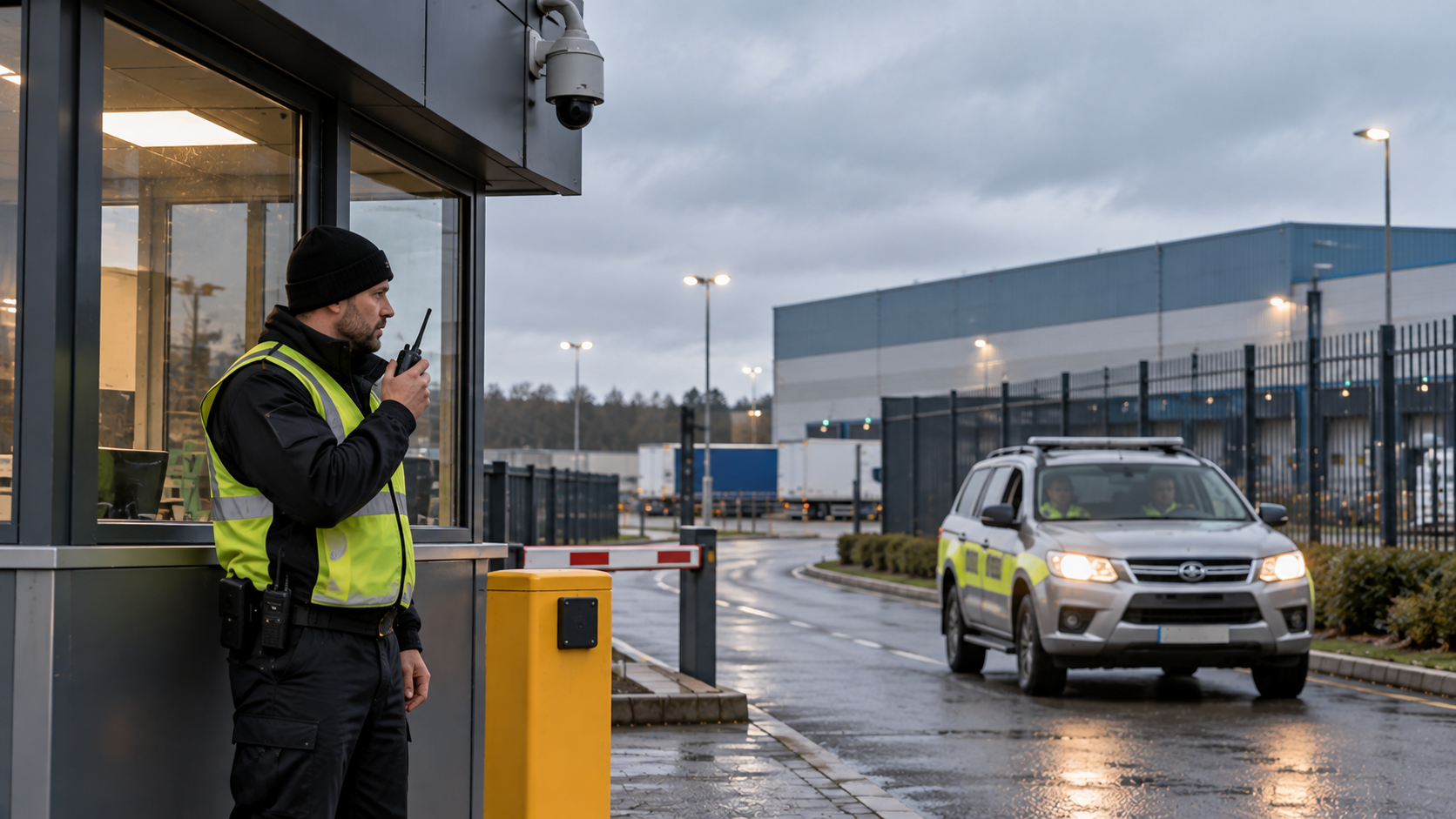
Security differs from store or office security in scale and in mission. Factories often have wide perimeters, outside storage, and heavy vehicles. They also have long periods when few people are on site. Those factors make a purely remote setup risky. Cameras and alarms help, but human judgement often matters. Someone on the ground can spot damaged fencing or a false alarm that needs urgent attention.
What are the peak crime hours for businesses needing factory security in Sunderland?
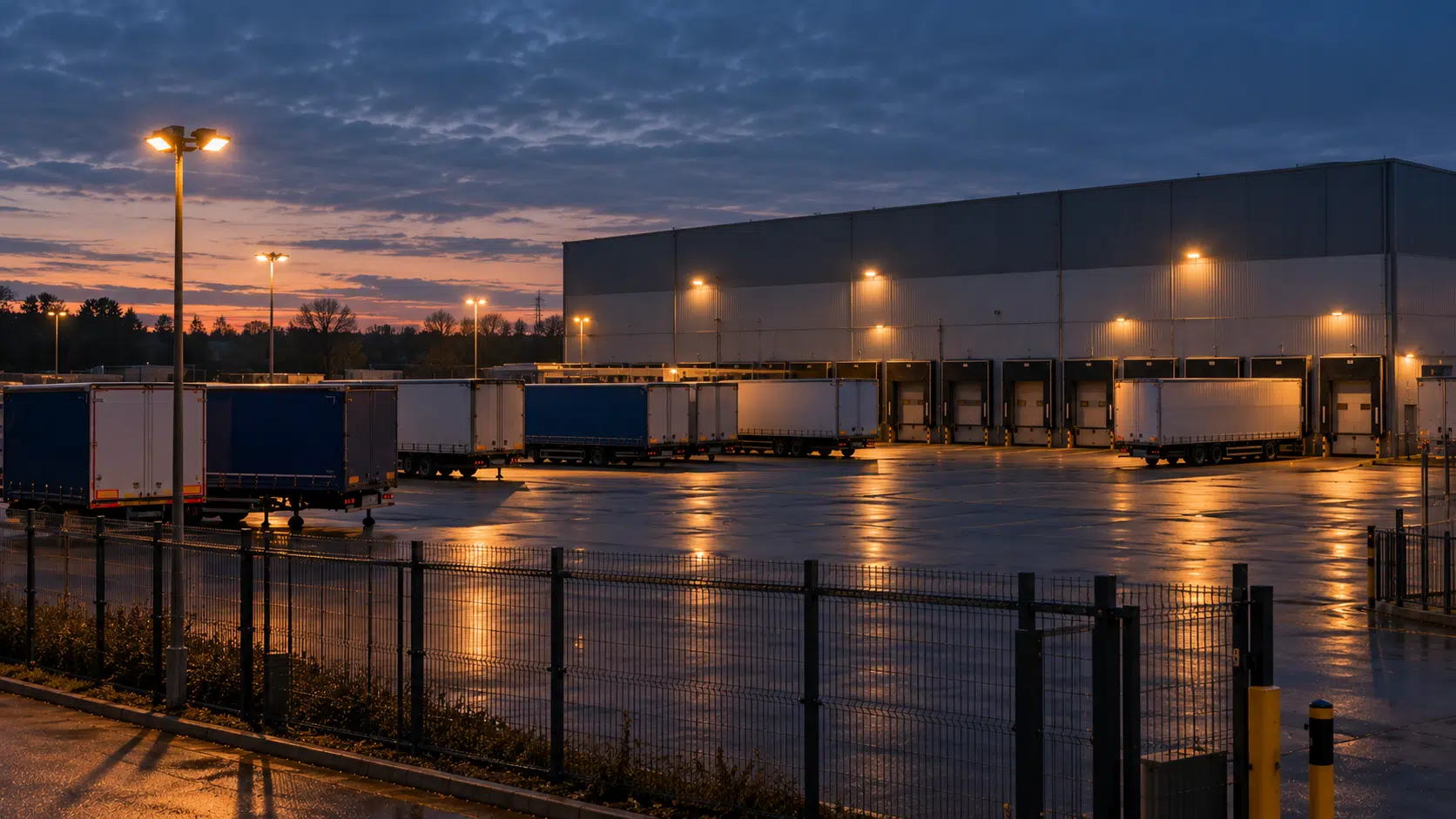
Patterns are clear. The quiet hours, late evening to early morning, are risky. That is when gates stand open, lights are dimmed, and yards sit empty. Most thefts, tampering and vandalism happen then.
But daytime is not risk-free. Deliveries, contractors, and shift changes create windows of opportunity. A busy gate can let the wrong vehicle slip through. A temporary worker may not know the rules. Good security plans match coverage to the site’s real rhythm. Look at when the gates open and close. Track delivery peaks. Match protection to those times.
How has rising retail theft in Sunderland increased demand for daytime factory security?
Retail theft affects more than shops. When thieves target retail parks, they use nearby industrial security services in Sunderland to move goods. Deliveries and traffic make it easy to blend in.
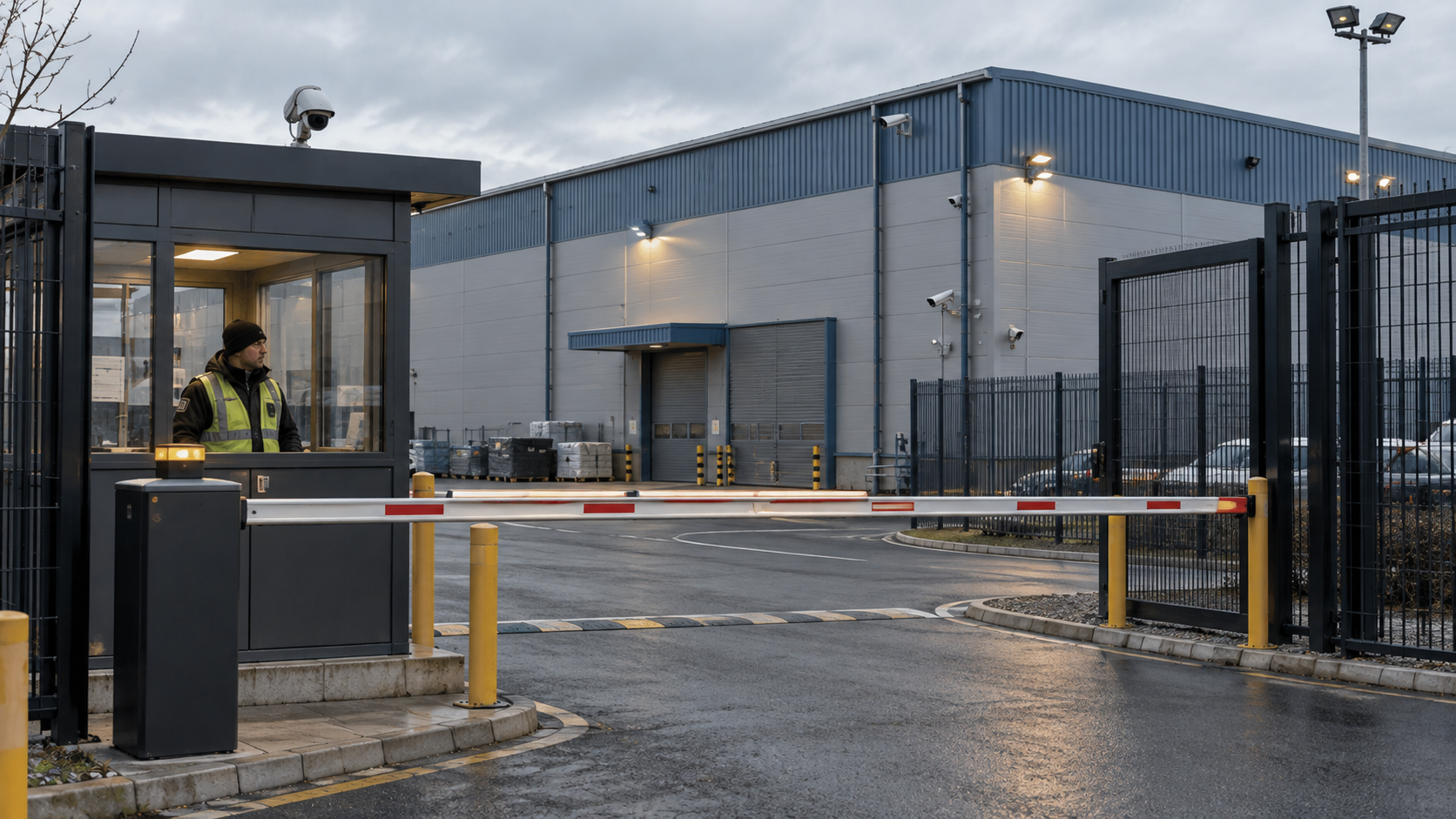
Factories near retail zones or transport hubs have seen more daytime incidents. That has led managers to ask for daytime checks, visitor logging, and control of loading bays. A plain camera is not enough. Someone needs to check the paperwork and verify vehicles.
What are the differences between day and night factory security risks?
Day: High movement. Lots of authorised people. Risks come from mistakes and gaps in the process. A driver without ID. A contractor is left alone with the tools. Daytime security is about controls and checks. Risks come from situations like Night, Low visibility, and Low staff. Break-ins, theft of stored materials, and sabotage.
Night security is about detection and quick response. Good plans treat these as separate problems. They use different tools for different hours.
How does economic factors in Sunderland influence factory security demand?
When the economy tightens, theft of scrap metal, fuel and parts becomes more common. When margins shrink, time lost to theft hurts more. That pushes businesses to spend on prevention.
Conversely, when a security company in Sunderland grows, it buys more kit and hires more contractors. That raises exposure. Both trends demand clear security choices. Security should be a calculated cost, not a last-minute expense.
Legal and compliance requirements
Security must meet rules. It also needs to fit insurer expectations. If your provider is not compliant, you risk insurance problems and legal headaches.
Three practical areas matter most: licensing, vetting, and data handling.
SIA licensing, BS 7858 vetting, DBS expectations, licensing of companies
When guards perform licensable tasks, they must hold an SIA licence. It covers things like controlling access or searching. That is the basic legal rule. A reputable supplier will show you licences on request.
BS 7858 covers personnel screening for guarding roles. It helps ensure staff are suitable. DBS checks may be needed, depending on the role you assign guards. These checks are part of the vetting picture. Ask for documents and keep them on file.
Company licences and insurance matter too. The security firm should have employer and public liability cover. Insurers and auditors will ask for proof.
Event licensing and Martyn’s Law impact for venues in Sunderland
Martyn’s Law has shifted how businesses view protective measures. It targets places that host the public. Many factories do not open to the public. But if your site runs open days, tours, or events, you must act. That means risk assessments and proportionate measures. Even if you do not hold events, insurers may still ask about your planning and risk controls.
How do VAT rules apply to factory security in the UK?
Most manned guarding is subject to standard-rate VAT. That affects budgets. When you compare quotes, check whether the price includes VAT. Hidden VAT can change a seemingly cheap option into a costly one. Tell procurement teams to build VAT into the total cost.
What documentation proves a security firm’s compliance history?
Ask for:
- Copies of SIA licences for guards who will work on your site.
- Evidence of BS 7858 vetting or equivalent checks.
- Public liability and employer liability insurance certificates.
- Sample incident reports and patrol logs.
- References from similar industrial crime prevention.
Keep those documents in procurement files. They matter during claims and audits.
How do labour laws affect factory security overtime payments?
Guards are workers. Labour law covers working hours, rest breaks and overtime. If your site needs cover at short notice or long shifts, that affects the price. A low-cost quote that ignores overtime rules is a red flag. The right provider budgets for legal pay and rest.
How do Northumbria Police collaborate with private factory security firms?
Private factory security in Sunderland and police work together. In Sunderland, Northumbria Police expect proper incident reporting and clear escalation routes. A good provider will have a direct line to local policing teams. They will preserve evidence and work with police on investigations. That collaboration reduces time lost and improves outcomes when serious incidents occur.
Costs, Contracts, and Deployment in Sunderland
Cost questions are common. Finance teams want clear answers. Here are the practical factors that shape price and delivery.
Typical cost drivers
- Hours: Night cover costs more than day. Weekends add a premium.
- Complexity: Many buildings, yards and gates increase price.
- Response terms: If guards must detain suspects or preserve evidence, expect higher cost.
- Vetting: Strong vetting is time-consuming and adds to cost.
- Local market: Labour availability influences rates.
Think about which factors are critical for you. Ask for itemised quotes. That helps you compare like with like.
City-centre vs suburban rates
Sites in busier zones may cost more. Travel time, parking and exposure all drive price. But a suburban site might need extra travel payments. The key is to look at the total cost, not the hourly rate.
Inflation and wage pressures
Security pay has risen. That pressure shows in renewals. Contracts should have clear terms on wage rises and how they affect price. That avoids surprise increases.
Contract lengths, notice, mobilisation times, and how this links to insurance and risk reductions
Contracts commonly run from 12 to 36 months. Longer deals give stability. Shorter deals give flexibility. Mobilisation, getting staff trained, briefed and on-site, can take a few weeks. Emergency cover is possible, but it is a stopgap.
Insurers like records. They want proof that security is active. Patrol logs, incident reports and CCTV logs all help. A well-documented security plan can reduce insurer questions after a loss.
How long does it take to hire and deploy a factory security team in Sunderland?
Planned deployment: 2–6 weeks. That covers vetting, site induction and trial shifts. Emergency deployment usually with temporary staff until proper checks are complete. Always aim for planned mobilisation where possible.
What are common contract lengths for factory security in Sunderland?
12, 24 or 36 months are typical. Match contract length to your business cycle. If you expect site changes, a shorter term can help. If you want stability, choose a longer term and tie in performance KPIs.
How does factory security support business insurance premium reductions?
Security shows insurers you take risk seriously. Documented, consistent protection can reduce perceived risk. That may lead to better terms or fewer exclusions. It is not guaranteed. But the effort often pays off during renewals and claims.
How does the Procurement Act 2023 affect public sector factory security contracts in Sunderland?
When public money pays for security, the Procurement Act adds requirements. Buyers must be transparent, document decisions, and consider social value. Suppliers need to show robust governance. If your site gets public funds or works with public bodies, expect procurement rules.
Training, Daily Operations, and Guard Duties
Operations are where security meets the day-to-day. The aim here is to shape routines that reduce risk. It must also support operations without overloading staff.
Industrial security services in Sunderland benefit from structured and flexible security routines. Daily operations should focus on outcomes, not strict templates. Guards should check critical assets, track access points, and maintain logs. Those features must be concise and actionable. Training should emphasise situational awareness and emergency response. It must also show correct use of CCTV and manned guarding integration.
Out-of-hours site protection around Sunderland is important for factories with irregular operating hours. Night shifts need vigilance around perimeters, storage areas, and less frequently used entrances. Simple measures can prevent incidents that would otherwise disrupt operations. It includes verifying delivery paperwork, ensuring gates are locked, and logging anomalies. Over time, these routines also reduce false alarms. It helps insurers see that risks are actively managed.
Guard training standards, day/night patterns, handovers, patrol routines, reporting
Training matters. Guards need basic SIA competencies. They also need site induction: what is a hazard, who to call, and where to store evidence. Handovers should be short and clear. Patrols are not theatre. They are about checking key points, verifying locks, and logging anomalies.
Reporting must be crisp. A few well-written notes beat long, vague entries. Time-stamped logs make a difference in claims and police work.
What does a factory security do immediately upon starting a shift in Sunderland?
On arrival, a guard checks the perimeter, gates, and main access points. They look for obvious breaches: cut fencing, open sheds, or unusual tyre marks. Then they check the logbook for overnight notes and any pending tasks. This initial sweep focuses on fast, visible checks.
What is the first thing a security guard checks when arriving at a Sunderland site?
Perimeter integrity is first. Gates locked? Cameras working? Lights on? A small problem here prevents bigger ones later.
What fire safety checks are priority for retail security on duty?
While factories are not shops, fire checks overlap. Guards should ensure exits are clear and fire doors are closed. They must also ensure the alarm panels show a normal status. Report faults immediately. Fire issues can cause major downtime and safety risks.
How frequently do guards report to supervisors during Sunderland night shifts?
Reporting frequency varies by contract. Some sites in and around Sunderland need hourly logs. Others use event-driven reporting: call in only if something unusual happens. Hourly checks create a steady trail. Event-driven reporting reduces radio use but still needs clear escalation rules.
What post-patrol documentation do factory security complete hourly?
Good practice: note time, location checked, anomalies observed, and any actions taken. Keep entries short and factual. Add photos if needed. These notes form the timeline for investigations.
How do shift patterns work for 24/7 factory security coverage?
24/7 coverage uses rotating shifts. Common patterns balance continuity and rest. Avoid very long, monotonous shifts. Proper rest reduces errors and keeps judgement sharp.
Performance, Risks, and Staffing Challenges
You want security that works. That means tracking performance and recognising practical risks.
KPIs, reporting, health/shift impacts, retention strategies
KPIs should measure what matters: response times, patrol completion, and report quality. Track trends, not one-off numbers. If incident numbers rise, dig into root causes.
Health matters. Long shifts raise fatigue risk. Choose providers that manage rotas sensibly.
Staff retention ties directly to site stability. A team that knows your operation keeps false alarms low and response sharp. Procurement should ask for retention rates and local references.
What KPIs should businesses track for factory security performance?
- Response time to incidents.
- Percentage of required patrols completed.
- Quality score of incident reports.
- Number of unauthorised entries.
- Time to resolve access-control problems.
These figures help make renewal and budget decisions clear.
How does weather in Sunderland affect factory security effectiveness?
Weather in cities near Sunderland influences visibility and access. Strong winds can damage fences. Heavy rain can hide tracks. Cold nights affect electronics. Plan for seasonality. Adjust sensor settings and patrol routines when needed.
What health impacts of long shifts on factory security performance?
Fatigue reduces vigilance. Decision-making slows. Mistakes increase. Rota design and enforced rest periods limit these effects. It is a cost, but a necessary one.
What strategies are Sunderland firms using to retain factory security amid labour shortages?
Good employers invest in clear briefings, fair pay, and steady hours. They choose local suppliers who offer consistent staffing for sites. Clients watch outcomes: steady teams, fewer false alarms, and smoother collaboration with operations.
Technology and Future Trends in Sunderland factory security
Tech does more than record images. It helps make better choices. But it does not replace on-site people. Looking ahead, Sunderland businesses are exploring technology to support security teams. Predictive analytics can identify when and where incidents are happening. It can be based on historical patterns.
Drones are increasingly used for yard inspections. It is particularly used across large sites where foot patrols would be slow or limited. AI-assisted CCTV helps filter false alarms, allowing guards to focus on genuine threats.
Yet, technology is a complement, not a replacement, for trained personnel. AI cannot decide whether a suspicious vehicle poses an immediate risk. It cannot determine when drones intervene when a gate is forced open. Using SIA-licensed security guards with technologies ensures both human judgment and technical coverage. For manufacturing site security UK, this combined approach represents the best operations.
Integration with CCTV, AI analytics, remote monitoring, drones, green/security practices
CCTV with analytics filters routine movement and highlights anomalies. Remote monitoring lets a control room verify alerts before dispatch. Drones can survey large perimeters during shutdowns. Green choices, energy-efficient lighting, and electric patrol vehicles cut operating costs. It also helps to meet the corporate goals.
How do remote monitoring systems complement traditional factory security in urban Sunderland?
Remote monitoring in urban Sunderland checks cameras and sensors. It filters false alarms and escalates real incidents. It reduces unnecessary patrols and saves costs. But it works best with an on-site backup who can act when needed.
How are drone patrols integrating with ground-level factory security in Sunderland?
Drones offer rapid views of hard-to-reach areas. They help with after-hours inspections and post-incident surveys. They need clear rules on flight, privacy and safety. Use them for targeted tasks, not as a main security tool.
What predictive analytics tools help Sunderland businesses assess factory security needs?
Tools that track incidents, access logs and sensor data can highlight patterns. They show where thefts happen, when and how. That intel helps you place guards, adjust lighting, or change access times. Data makes budgets smarter.
What impact will Martyn’s Law have on factory security requirements for Sunderland venues?
Martyn’s Law raises expectations for sites that host the public. If your factory invites visitors, you will need risk assessments and proportionate measures. Even without public access, insurers may ask how you would respond to a serious event.
Conclusion
Factory guarding cost UK is practical. It limits losses, supports insurance and keeps production moving. It blends people, process and tech. It fits the local pattern of Sunderland, its sites, transport links and businesses. For owners and managers, security is a business decision. It is part of how you protect value and keep the site working day after day.
Why Sunderland businesses need Factory Security? Because it turns uncertainty into control and risk into a managed cost.
Frequently Asked Questions
Do I need SIA-licensed guards?
Yes, any guard performing licensable tasks must hold a valid SIA licence. Always verify licenses before hiring. Confirm that the security company also holds a valid SIA-approved contractor licence.
Will CCTV alone protect my yard?
CCTV helps detect incidents but cannot act on them. Combine cameras with on-site staff for effective protection. Ensure cameras are maintained and regularly tested. This helps to avoid blind spots and system failures.
How long to mobilise security for a new site?
Planned mobilisation usually takes 2–6 weeks. Emergency cover is faster but only temporary. Factor in site-specific training and risk assessments to ensure guards are fully prepared.
Can good security cut my insurance bills?
Security shows insurers you manage risk, which may improve terms. It doesn’t guarantee lower premiums. Documented security procedures and incident logs often strengthen your position during policy renewals.
What should a guard log each hour?
Record time, area checked, issues, and actions taken. Keep notes clear, short, and factual. Include any irregularities or unusual activity, even if minor, for audit and insurance purposes.
Does Martyn’s Law apply to factories?
Primarily for public-facing venues, but factories with visitors must comply. Risk assessments are essential. Even if your factory is closed to the public, reviewing emergency and evacuation plans is recommended.
Are drones a good fit for factories?
Drones help inspect large or hard-to-reach areas. They are best used with clear safety and privacy rules. Integrate drone data with CCTV and patrol reports for a complete security overview.
How should I measure security performance?
Track response times, patrol completion, report quality, and unauthorised entry incidents. Use trends, not single events. Regularly review KPIs with site managers to adjust routines and address emerging risks.
What paperwork should I keep on my security supplier?
Keep SIA licenses, vetting records, insurance certificates, sample reports, and references. These help with audits and claims. Maintain a training records schedule and equipment maintenance logs. This ensures full operational transparency.
What is the fastest way to lower theft risk?
Fix perimeter weaknesses, light the yard, control gates, and check deliveries. Strong processes prevent most losses. Conduct periodic risk assessments to update security measures.