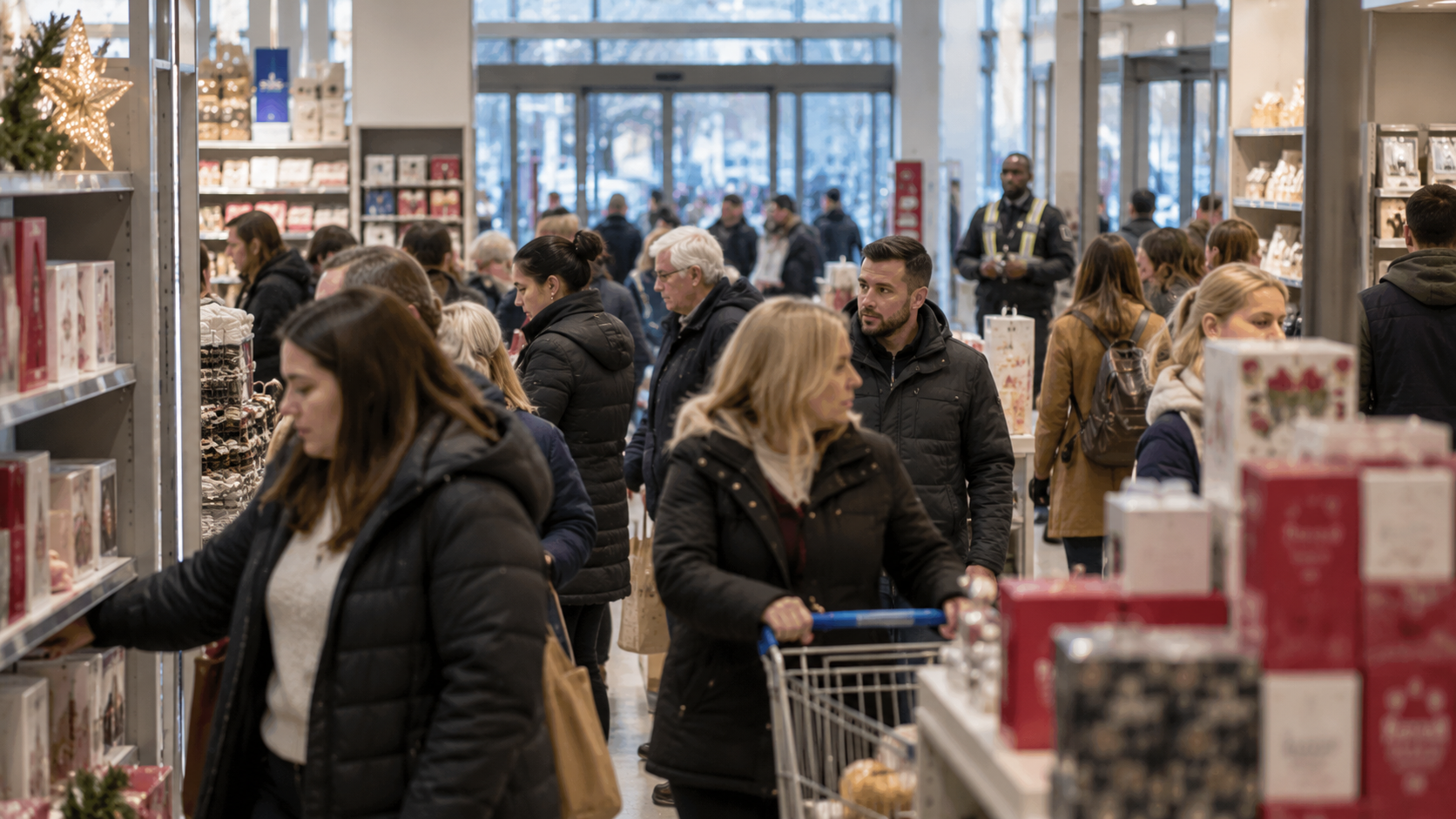
Retail theft is putting real pressure on stores. Losses add up. Staff feel stressed. Owners worry about what might happen next.
Organised groups make the problem tougher. They plan carefully, work together, and move with purpose. Nothing feels random. Every step looks deliberate.
This leads many retailers to ask: how can retail guards prevent organised theft when criminals keep changing their approach?
Retail guards are not just there to be seen. They observe, read situations, and notice small details others might miss. Often, their actions prevent trouble from spreading.
Understanding this can help store owners protect profits, reduce staff stress, and create a safer, more comfortable space for customers.
Understanding the Reality of Organised Retail Theft
What Makes Organised Theft Different from Casual Shoplifting
This type of theft is deliberate. It rarely happens by chance. Groups often arrive with a clear plan and shared roles. One person is distracted. Another gathers items. A third keeps watch. The movement is quick and controlled.
Targets are not chosen randomly. High-demand products, easy exits, and weak spots inside the store all matter. Some teams return multiple times. They learn from each visit.
Professional shoplifting gangs operate with structure. Stolen goods move fast into resale channels. What looks like a small incident may represent a wider pattern. Losses can grow quietly, week after week.
Why Retailers Are Increasingly Vulnerable
Retail spaces are busy and noisy. Staff balance many duties at once. Constant attention is difficult. Routine creates risk. Break schedules, shift changes, and quieter hours can be predicted. Offenders watch closely and act at the right moment.
Fewer staff on the floor adds pressure. Subtle warning signs may pass unnoticed. Missing stock may not raise alarms straight away.
Over time, the damage spreads. Margins tighten. Inventory becomes less reliable. Teams feel uneasy. What begins as an occasional loss can slowly become a serious business problem.
How Retail Guards Prevent Organised Theft
Identifying Suspicious Behaviour Early
Retail guards do more than watch people. They watch behaviour. Small signs can reveal a lot. Someone is scanning the store too often. Avoiding eye contact. Paying unusual attention to exits or security tags.
With experience, guards spot patterns. A group is splitting up. Quiet signals between people. Repeated handling of costly items without buying. These actions rarely go unnoticed when someone is paying close attention.
Early detection matters. A guard can stay alert, shift position, or inform staff before anything is taken.
Disrupting Theft Before It Happens
Prevention is often simple. A friendly approach. A polite offer to help. Standing near sensitive areas. These small moves can break a thief’s plan without creating tension.
Presence plays a key role. People think twice when they feel observed. A strong, visible security presence in retail reduces easy chances for theft.
Visible guards stay calm and professional. The aim is not conflict. It is stopping problems early.
Breaking Repeat Offender Patterns
Many organised theft attempts involve repeat visits. Guards begin to recognise faces, habits, and tactics.
Sharing information helps. Notes between shifts, clear reports, and regular updates to management. Over time, this builds awareness.
The results are fewer repeat incidents and stronger retail loss prevention. Not by reacting, but by staying prepared.
How Retail Guards Disrupt Organised Theft Tactics
Neutralising Common Theft Strategies
Organised theft often uses distraction. One person talks to the staff. Another causes confusion. At the same time, someone moves toward valuable items. Retail guards are trained to spot this. They stay aware and shift attention when needed.
Some groups rely on concealment. Items are passed between people. Goods are hidden in bags or clothing. Guards watch movements closely. Small details can reveal a lot.
Grab-and-run attempts are also common, especially with professional shoplifting gangs. These incidents happen fast. Guards reduce the risk by staying near high-value areas and reacting quickly.
Preventing Coordinated Store Attacks
Prevention often starts at the entrance. Guards observe how people enter. Groups arriving together. Unusual behaviour. Sudden crowding near doors.
Positioning matters. Guards choose locations carefully. They protect key areas and keep important spaces in view.
If something happens, speed is critical. A fast response limits loss. Calm action keeps situations under control.
Reducing Opportunistic Crime Through Visibility
Visibility changes behaviour. People think twice when they see security nearby. A clear presence creates hesitation.
This supports wider retail theft prevention strategies. Risks fall, and opportunities shrink. A strong, visible security presence in retail helps prevent problems before they even start.
The Financial Impact – Why Guards Are a Smart Investment
Guards vs Losses: The Real Comparison
Retailers often focus on the cost of hiring guards. The more useful question is different. What is the true cost of repeated theft?
Organised incidents rarely involve a single item. Losses can be large and frequent. Recovery is uncertain. Insurance does not always cover everything.
A trained guard directly supports retail loss prevention. Fewer successful thefts. Faster response. Better control of risk areas. When losses fall, the financial balance shifts. Prevention begins to outweigh expense.
Long-Term Profit Protection
The benefits build over time. Fewer incidents, less disruption, and more stable stock levels. Profit protection becomes predictable rather than reactive. Risks are managed earlier. Losses stay controlled. This is exactly how retail guards prevent organised theft while protecting margins.
Choosing the Right Retail Security Solution
What to Look for in Retail Guards
Not all guards offer the same level of protection. Training is key. A trained guard understands behaviour, risk signs, and how stores operate.
Experience also matters. Guards who have dealt with organised retail theft can spot problems sooner. They recognise tactics and respond with confidence.
Conflict management also matters. Retail spaces can become tense. Guards need to handle situations calmly and safely. Choosing retail security from Region Security Guarding means working with guards who are ready for real retail challenges.
Why Professional Guards Matter
There is a big difference between simply being present and actively preventing theft. A guard who only stands nearby may not reduce risk.
Professional guards stay alert. They observe closely and step in when needed. This is especially important when facing professional shoplifting gangs. A skilled guard notices early signs and disrupts the attempt before losses grow.
Tailored Security for Your Store
Every store is different in terms of layout, product types, and customer flow. Each factor affects risk.
Some stores see occasional theft. Others face frequent attempts. Security must match the environment. Strong retail theft prevention strategies work best when they are designed around your store’s specific needs.
Conclusion
Retail guards are not just a cost. They protect profit, reduce risk, and help stores stay stable and secure.
Retailers who understand how retail guards prevent organised theft gain a clear advantage. Retail loss prevention becomes stronger. The store feels safer for staff and customers.
Investing in a visible security presence in retail is often the simplest way to disrupt theft patterns and protect revenue. If your store is facing repeated theft or rising shrinkage, Region Security Guarding can help. Contact us to discuss the right protection for your business.
Frequently Asked Questions
1. What is organised retail theft?
Organised retail theft is planned stealing by groups. These are not careless acts. People work as a team. They choose products and move fast. Goods are often resold. Losses can be serious.
2. How do retail guards prevent organised theft better than CCTV alone?
CCTV mainly records what happens. Guards can act right away. They watch behaviour and approach when needed. They can stop theft before items leave the store. Cameras help with proof. Guards help with prevention.
3. Do retail guards really reduce store losses?
Yes. A trained guard discourages theft. They notice problems early. They help reduce repeat incidents. Over time, many stores see fewer losses.
4. Why is visible security important in retail?
People act differently when security is clearly present. The risk feels higher. Many choose not to attempt theft.
5. Are retail guards useful for small stores?
Yes. Small shops usually have fewer staff. A guard adds extra protection. They help improve safety and control losses.