Verbal abuse is now part of daily work for many people in shops. Staff meet customers first, so they often hear anger about price, time, stock, or store rules. This change has grown slowly, yet it has made many retail spaces feel tense and less safe than before. The rise in Retail staff verbal abuse is also linked with more theft and shrinkage, because workers must watch for risk while still giving calm and polite service. This creates a hard balance between care for people and protection of goods. When harsh moments repeat, confidence may fall, and clear thinking may weaken. Some staff may step back to stay safe, and this can allow losses to rise. Understanding this pattern helps retailers protect workers and keep stores steady, respectful, and secure for everyone.
The Scale of Abuse Facing Retail Workers Today
Across many shops in the area, staff hear rude or angry words more often than before. What used to be rare now happens during a normal shift. The change is often quiet, not loud, but it still affects the feel of the store and how safe staff feel when they help customers. Workers now see tension at the till, during returns, and when they explain store rules. Each moment may seem small on its own, but the moments add up over a day. When verbal attacks repeat, work becomes harder, confidence falls, and workers may grow more cautious when dealing with customers.
Everyday Incidents Becoming Normalised
Acts of anger can repeat many times in one day, including raised voices at the till, harsh words about prices, or blame placed on staff for decisions they did not make. When this pattern continues for long periods, workers may begin to expect conflict before any problem has even started, and this quiet feeling can slowly change confidence, tone of voice, and the sense of comfort within the shop environment.
Common Triggers for Customer Aggression
Frustration in customers often begins outside the store through money concerns, lack of time, or stress from daily life, and small problems inside the shop, such as waiting, refused sales, or missing goods, can add more pressure. Staff stand closest to the moment when feelings rise, even though they are not the cause, which is why abuse against shop workers is now viewed more as a matter of workplace safety than simple customer service.
Links Between Confrontation and Suspected Theft
Tension can grow further when staff notice actions linked to possible theft, because even calm watching or polite questions may be misunderstood and lead to angry language used to distract attention or avoid challenge. During these moments, the boundary between serving customers and staying personally safe becomes uncertain, showing how everyday verbal abuse is closely tied to wider issues of loss, risk, and protection within modern retail spaces.
How Theft and Shrinkage Increase Staff Vulnerability
Theft in shops does more than take goods. It also changes how safe workers feel each day. When loss happens often, staff must watch more and think more. This quiet pressure can grow over time and affect staff safety in retail sector spaces across the cities . Workers try to stay calm and kind, yet the risk around them slowly rises.
Frontline Employees and Loss-Prevention Pressure
Shop staff stand close to the problem. They see people enter, move, and leave. Because of this, they carry a legal duty of care under the Health and Safety at Work etc. Act 1974, which means their safety must be protected while they do their job. This duty matters, but the feeling of responsibility can still bring stress when help is not near.
Intimidation Linked to Shoplifting Behaviour
Some theft is silent, but some brings fear into the shop. Voices may grow loud. Faces may show anger. These moments connect to shoplifting confrontation risks, where strong words are used to stop staff from acting. Even when nothing worse happens, the feeling can stay with the worker for a long time.
Safety Risks When Challenging Theft
Speaking about theft is hard. A soft question can still lead to shouting or a threat. Staff must think about safety at the same time as store loss. This balance is not easy. When such moments repeat, confidence may drop and worry may grow, showing how theft, shrinkage, and daily safety are closely linked in modern retail life.
Wider Social and Operational Drivers Behind Rising Abuse
Economic Stress and Frustration in Customers
Many shoppers carry stress before they enter a store. Money worries, bills, and rising prices can sit heavy in the mind. When something small goes wrong, anger can spill out as customer aggression in retail stores, even when staff have done nothing wrong.
Reduced Staffing and Lone-Working Exposure
Shops often run with fewer people on the floor. One worker may cover many tasks at once. When problems arise, there may be no quick help nearby. This increases fear and pressure, especially during busy or late hours.
Changing Behaviour and Lower Tolerance in Stores
Many shoppers now look for fast and easy help from the moment they walk into a store, and when even a small delay happens, such as waiting at the till or not finding an item on the shelf, patience can slowly fade, and feelings of frustration may begin to rise. During these quiet but tense moments, store rules are more likely to be questioned, and the tone used toward staff can become sharp or distant. Over time, this steady shift can erode everyday respect and make routine customer service feel strained and personal for workers who are only trying to do their job with care and calm.
Business Impact Beyond Individual Incidents
Staff Wellbeing, Morale, and Retention
Harsh words heard often can slowly wear people down at work. Confidence can drop, and shifts may feel unsafe or heavy. Employers have a duty of care to protect staff, yet stress can still lead to absence or leaving.
Customer Confidence and Store Environment
When arguments happen in a store, other shoppers notice the mood change. The space can feel tense or uneasy. This feeling can affect trust, comfort, and the wish to return, even for people not involved.
Financial Loss Through Increased Shrinkage
When staff feel threatened, they may stay quiet to stay safe. This can allow theft to continue. Over time, abuse against shop workers is linked to higher losses, showing that safety and shrinkage move together in retail spaces.
Core Reasons Behind Retail Staff Verbal Abuse
The rise in Retail staff verbal abuse does not come from one single cause. It grows from many small pressures that meet inside the same shop space. Staff serve customers, watch for loss, follow rules, and try to stay calm at the same time. When these duties mix with stress in the wider world, tension can appear more easily, and kind speech can fade. This slow change explains why harsh language now feels more common in everyday retail life.
Converging Pressures Across the Retail Sector
Retail has changed in quiet but important ways. Prices move often, staffing levels shift, and customer needs feel more urgent than before. Workers must respond quickly while still giving care and respect. These combined demands create strain that is not always visible yet can shape behaviour in subtle ways. Over time, repeated strain can make conflict more likely during simple daily contact.
Connection Between Theft, Safety, and Operations
Loss in stores affects more than goods or money. It changes how people act and how safe they feel while working. Staff may need to watch closely, speak carefully, and protect themselves at the same time. This balance links daily safety to store control and connects strongly with shoplifting confrontation risks seen across modern retail settings. Employers must also consider their duty of care to protect workers from harm while they manage these pressures.
Long-Term Risk if Abuse Continues to Rise
If harsh behaviour becomes normal, the effect can spread beyond one shift or one store. Confidence may fall, trust may weaken, and experienced workers may choose to leave. New staff may feel unsure before they learn the role fully. When this pattern continues, the whole retail environment can change in tone, showing how ongoing abuse can shape the future of safety, service, and stability across the sector.
High-Level Approaches Retailers Use to Reduce Abuse
Retailers can take broad, strategic steps to lower abuse and keep staff safe. These steps set the tone for stores and shape daily choices. They are not detailed how-tos but steady tools that help protect people and cut losses.
Visible Safety and Security Presence
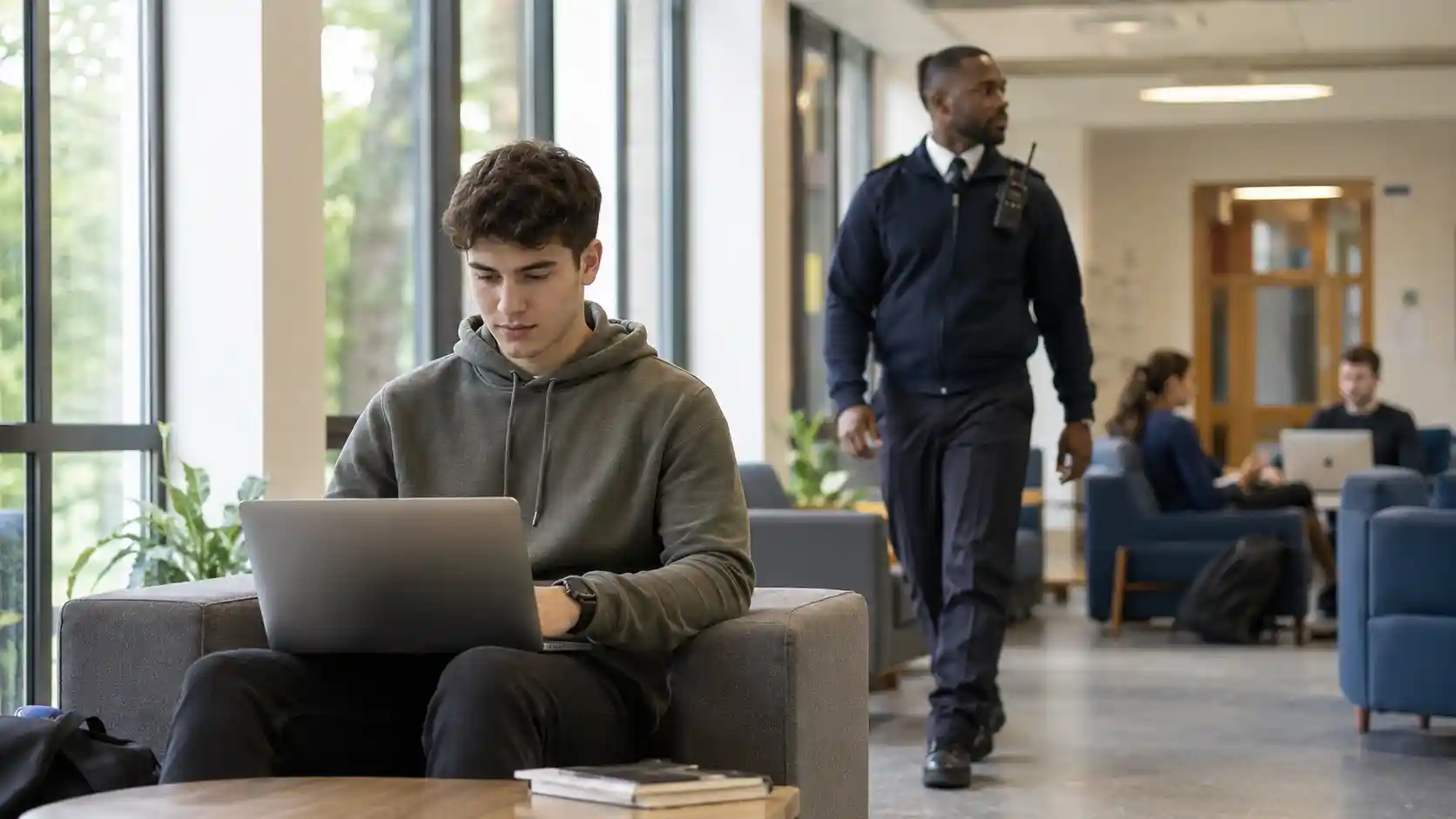
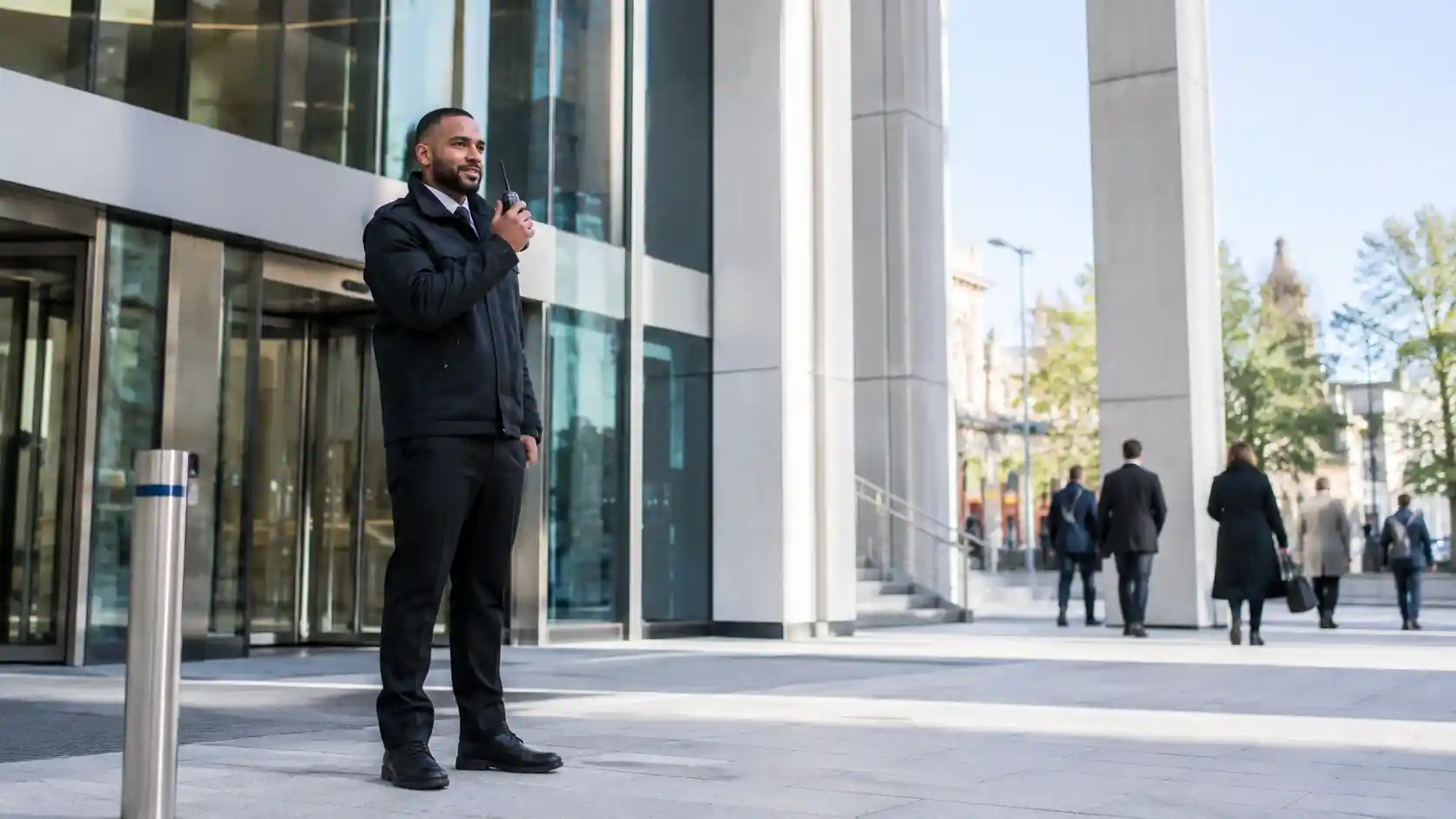
A calm, steady security presence helps staff feel supported and seen. It also signals to visitors that the store cares for its team and its customers. This approach supports staff safety in the retail sector efforts and helps keep the shop a safer place to work and shop.
Incident Awareness and Reporting Culture
Clear, simple ways to note problems make a real difference. When staff know their reports matter, leaders can spot patterns and act at the right time. Talking openly about customer aggression in retail stores moves the issue from private stress into shared problem-solving, without naming tactics or steps.
Leadership Responsibility for Staff Protection
Good leadership sets rules and shows care every day. Managers who back their teams reduce fear and boost confidence across shifts. This duty is rooted in law and good practice, including a firm duty of care under the Health and Safety at Work etc. The 1974 Act, which asks employers to protect people at work.
These high-level approaches create a safer culture. They make it clearer that staff safety matters and that loss control and wellbeing can work together, not against each other.
Conclusion
Protecting people who work in shops is now a key part of safe and steady retail. Many workers face stress, loss, and daily pressure in the store. Retail staff verbal abuse remains one of the most common challenges that affects confidence and well-being on the shop floor. When staff feel unsafe, they may step back, and this can let theft grow over time. Care for staff safety in retail spaces helps protect both people and property in a fair way. A calm and supported team can help customers with trust, handle problems with care, and keep the shop safe for all. If you want to improve safety and support for your team, you can contact us for the Region Security Guarding to learn how extra care and protection can help your retail space stay safe and stable.
Frequently Asked Questions
What is causing the rise in verbal abuse against retail staff?
Many people feel stress from money, time, and daily life. When small problems happen in a shop, this stress can turn into anger toward the staff.
How does shoplifting increase the risk of staff confrontation?
When staff notice possible theft, they may need to watch or speak to the person. This moment can create tension and lead to harsh words or fear.
What impact does verbal abuse have on retail businesses?
Abuse can lower staff confidence and morale. It can also harm the shop’s calm feeling and reduce trust for customers who see conflict.
Why is staff safety important for reducing shrinkage?
Staff who feel safe are more able to stay alert and follow rules. This helps prevent loss and keeps the store more secure over time.
Can visible security presence help prevent abuse in stores?
Yes. A clear security presence can discourage bad behaviour and help staff and customers feel more protected inside the shop.