Retail stores are meant to be steady places to work. People come in, greet customers, fill shelves, scan items, and close tills. The job should feel clear. Simple tasks. A normal day. But that mood does not always last. Raised voices. Sharp words. Sudden anger at the counter. Small moments like these build up. One bad shift becomes another. Staff start to brace themselves before walking in. The role feels heavier than it should.
When support is weak, the strain grows. Workers may stay polite and finish their duties, yet inside, they feel worn down. Safety stops feeling certain. Respect feels thin. Over time, this steady pressure becomes a key driver of staff turnover in retail. People do not always leave for more pay. Many leave to find calm, fairness, and a place where they can work without tension hanging over every shift.
Why are safety problems common in retail stores
Retail stores open early and close late. Many people come in and out all day. Staff answer questions, take returns, fix payment issues, and watch for theft. They do this while trying to stay calm and kind. When safety help is missing, small problems happen again and again. Over time, these problems start to feel normal, even though they should not be part of daily work. This slow change lowers morale and trust. Many workers then see risk as part of the job, which leads to staff leaving.
Verbal abuse and aggressive customer behaviour
Many workers hear angry words, loud voices, or threats during simple talks about prices or refunds. Even when no one gets hurt, hearing anger often leaves workers tired and stressed. Confidence drops. Burnout grows. After weeks or months, this pressure becomes a reason why many retail employees decide to leave, because daily work starts to feel heavy and hard to face.
Theft-related conflict and confrontation risk
Shoplifting and fraud bring danger close to staff. Workers may need to watch or respond without strong help nearby. These moments can turn tense very fast. Fear rises during normal shifts. When this stress keeps happening, some workers choose to quit, especially in stores where incidents repeat and help feels slow or unsure.
Working without visible security support
Some staff work alone, close the store at night, or handle busy hours without clear security support. When help is slow or unclear, workers feel exposed. Confidence fades. This lack of protection makes people less willing to stay, because no one wants to work where safety feels uncertain each day.
How unsafe environments affect retail workers
An unsafe store not only brings the chance of harm. It also changes how a worker feels each day. Stress can build slowly. Worry can stay for many hours. Energy dips over time. Ongoing strain wears people down, and the job can begin to feel like more than it should. Some retail employees eventually step away, searching for a setting that feels steady and secure.
Stress, fear, and anxiety during shifts
When conflict or harsh words happen often, worry may start before the shift begins and stay through the day. This makes it hard to relax, think clearly, or focus on simple tasks. After many days of tension, workers can feel burned out. Some take time away from work. Others decide to leave.
Loss of confidence at work
When staff feel unprotected, confidence slowly fades. Workers may avoid customers or hesitate during small problems. They may step back from normal duties. This drop in confidence lowers employee morale in retail and increases the chance that a worker will move to a safer and calmer workplace.
Staff turnover in retail and workplace safety
Safety at work shapes a simple choice for many retail workers, which is whether they feel calm enough to stay or uneasy enough to leave, and when a store feels tense, exposed, or unpredictable, the mind turns first toward protection rather than progress, so leaving begins to feel like relief instead of a planned step forward.
UK health and safety law requires employers to ensure workers’ safety, assess risks, provide training, and establish emergency procedures, showing that protection at work is not only practical but also a legal responsibility. After a while, this quiet feeling manifests as rising staff turnover in retail, not with sudden noise but with empty roles, new faces, and teams that never seem to settle.
Why does staff turnover in retail rise in unsafe stores
Fear rarely arrives all at once. It builds slowly through sharp words, minor conflicts, or moments that feel only slightly unsafe, and each recurrence adds weight that workers carry throughout the day. Over time, many begin to seek work that feels calmer and easier to face each morning, revealing how poor store security affects staff morale and is closely linked to long-term retention problems in retail businesses.
Shorter employment cycles and higher attrition
When safety is uncertain, new staff often leave before they fully settle, sometimes within the first few weeks or months, so teams change repeatedly without developing a shared rhythm or experience. High attrition here is more than a staffing concern; it points to deeper safety problems that remain unresolved in the workplace.
The cost of high staff turnover for retailers
High staff turnover changes more than a work schedule. It touches hiring cost, training time, daily shop flow, and the feeling customers notice when they walk inside. These small breaks in routine happen again and again, and they show that employee well-being in retail is closely tied to steady business performance. Many retailers see this link when they look at topics like the benefits of retail security guards or the impact of shoplifting on employees, where better safety often leads to calmer and more stable store life.
Recruitment and training disruption
When a worker leaves, the hiring process begins again. A new cost appears. Training must start from the beginning. Time is spent teaching the same tasks. At the same time, the skill and knowledge of the person who left slowly fade, and progress inside the store becomes slower than before.
Impact on customer service and store stability
Frequent staff change affects how the service feels to customers. Small delays can happen. Help may take longer. Trust in the store can weaken over time. This shows in a simple way that safety and stability are closely connected in daily retail work.
How safer stores improve employee retention
Creating a safe retail environment changes how workers feel about their role, their team, and their future, because protection, clear procedures, and visible support reduce stress while strengthening morale and cooperation, thereby lowering staff turnover in retail over time.
Further reading, such as retail risk assessment services or CCTV monitoring for shops, explains how structured safety planning supports retention.
Feeling protected at work
When staff see real action taken to manage conflict, prevent abuse, and respond quickly to incidents, confidence increases, and anxiety decreases, thereby improving well-being and daily performance.
Stable teams and better morale
Safer conditions allow teams to stay together longer, build trust, and develop stronger cooperation, supporting long-term employee retention strategies within retail organisations.
The role of retail security in reducing turnover
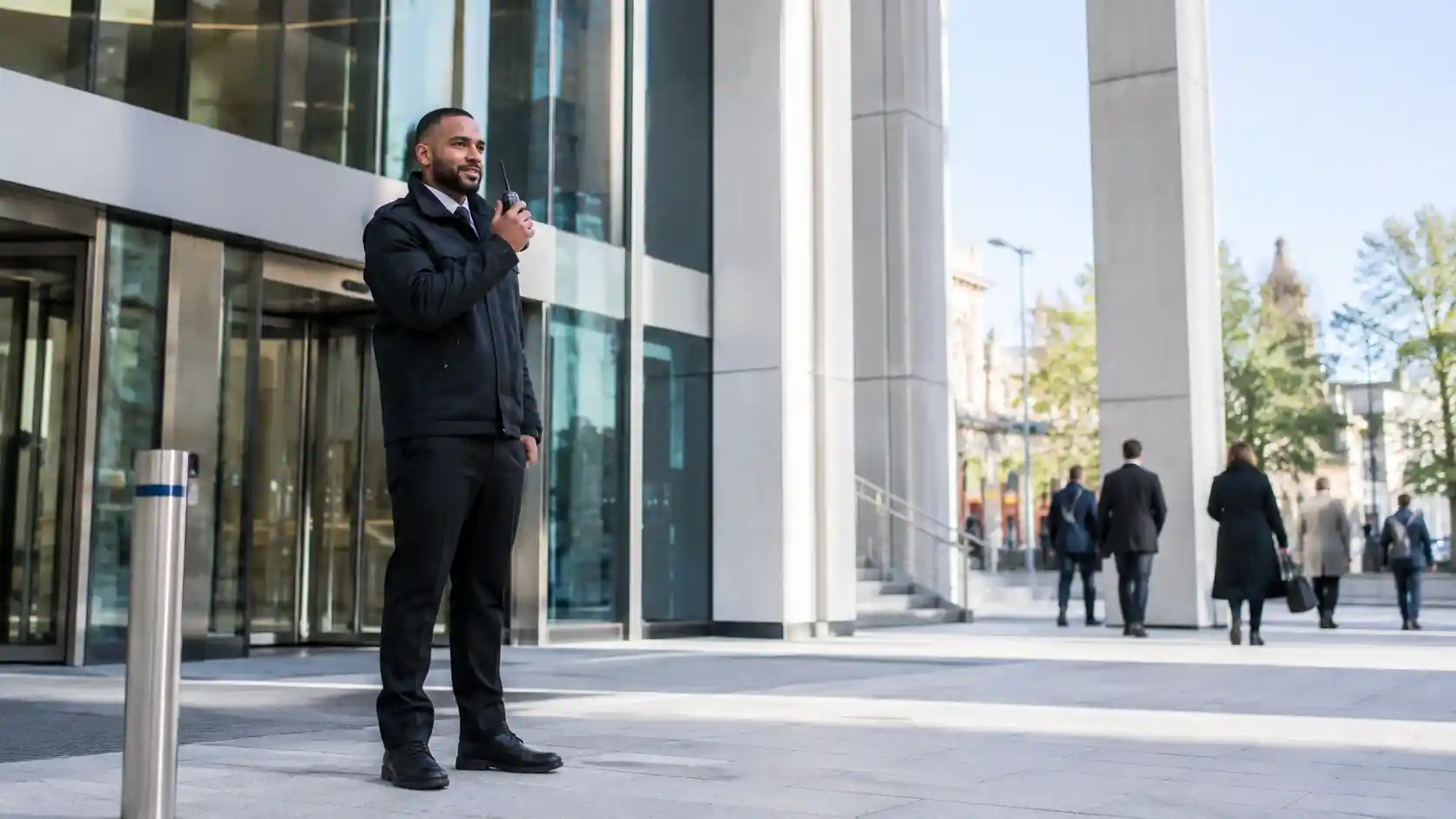
Retail security helps keep daily work calm and safe. Trained guards watch the store, step in during trouble, and guide situations in a careful way. This support lowers stress for staff and helps them feel more secure about staying in their job. Safety advice from trusted workplace bodies also shows that early action and steady prevention protect both people and the business.
Visible deterrence and staff reassurance
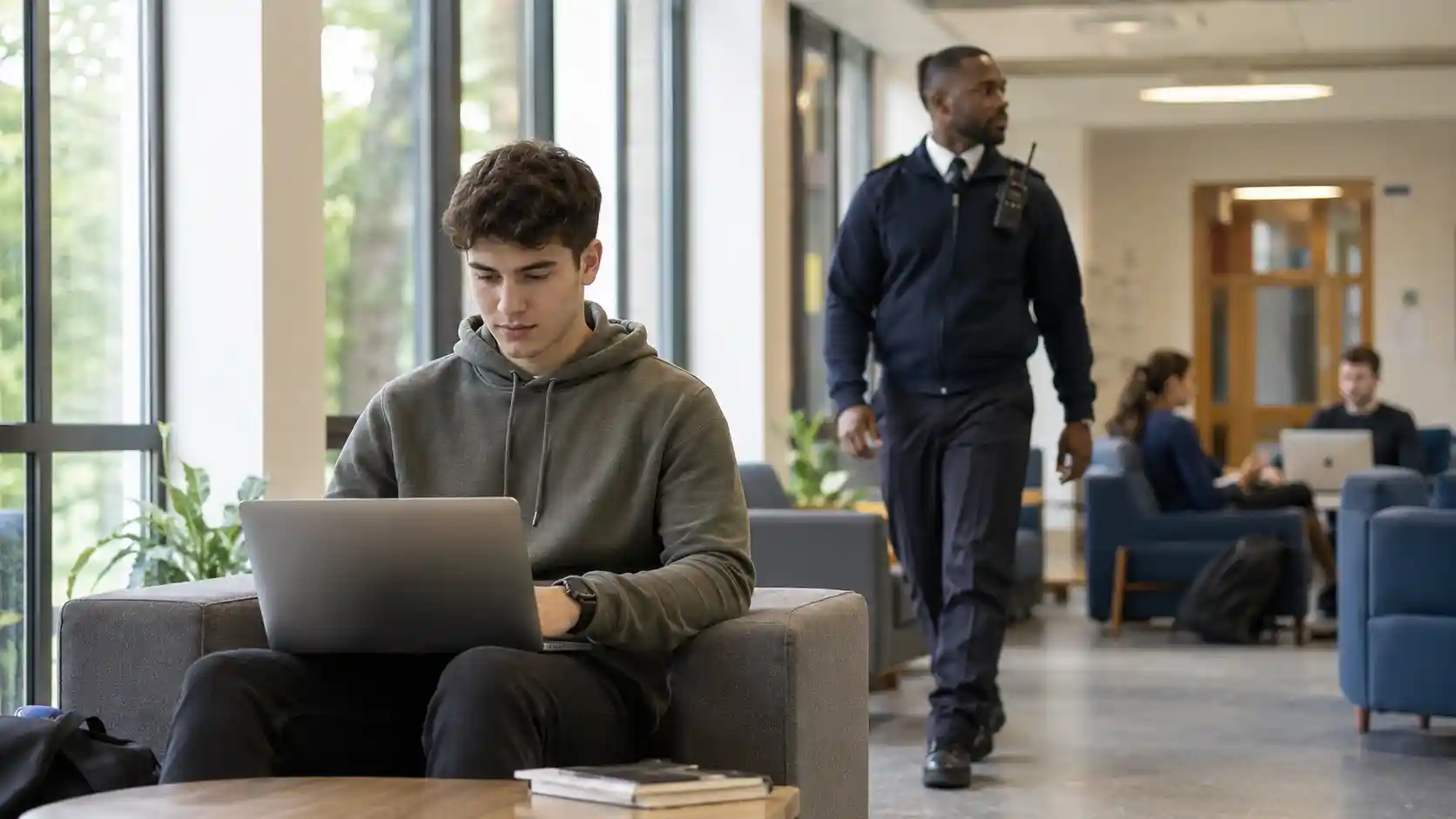
A guard who can be seen in the store often stops aggressive behaviour before it begins. Staff feel that someone is there to help if a problem arises. This simple presence brings calm and builds trust during the workday.
Faster response to incidents
When trouble starts, a quick and careful response keeps the situation from growing worse. Fear becomes lower. The workplace feels more settled. Over time, this calm support helps staff remain in their roles and protects their well-being.
Conclusion
Unsafe stores drive staff turnover in retail. People do not stay where they feel afraid. Loud words. Threats. Daily stress. These things add up. A worker may try to cope at first. They smile. They finish the shift. But the strain sits inside and grows. When fear becomes normal, leaving feels like the only safe choice. It is not always about pay. It is not always about hours. Many walk away because they want peace at work.
Safe spaces change this story. Clear rules help. Strong support helps more. When workers feel protected, they think better and serve better. They stay longer. They build skill. They care about the store. Low staff turnover in retail starts with safety. A calm shop keeps good people. It keeps trust. It keeps knowledge on the floor. When workers feel secure each day, the business stands firm and steady.
Frequently Asked Questions
Why do retail workers leave unsafe stores?
They often leave to escape ongoing stress, conflict, and lack of protection that harm their well-being and satisfaction.
Does poor security increase staff turnover?
Yes, weak safety measures and slow incident response are closely linked to higher resignation rates.
How does customer abuse affect retail employees?
Repeated abuse lowers confidence, increases anxiety, and contributes to burnout.
Can improving safety reduce resignations?
Safer environments and visible support help staff feel secure and more willing to stay.
What is the first step to improving retail staff safety?
Begin with a clear safety review and introduce practical protection and security support.