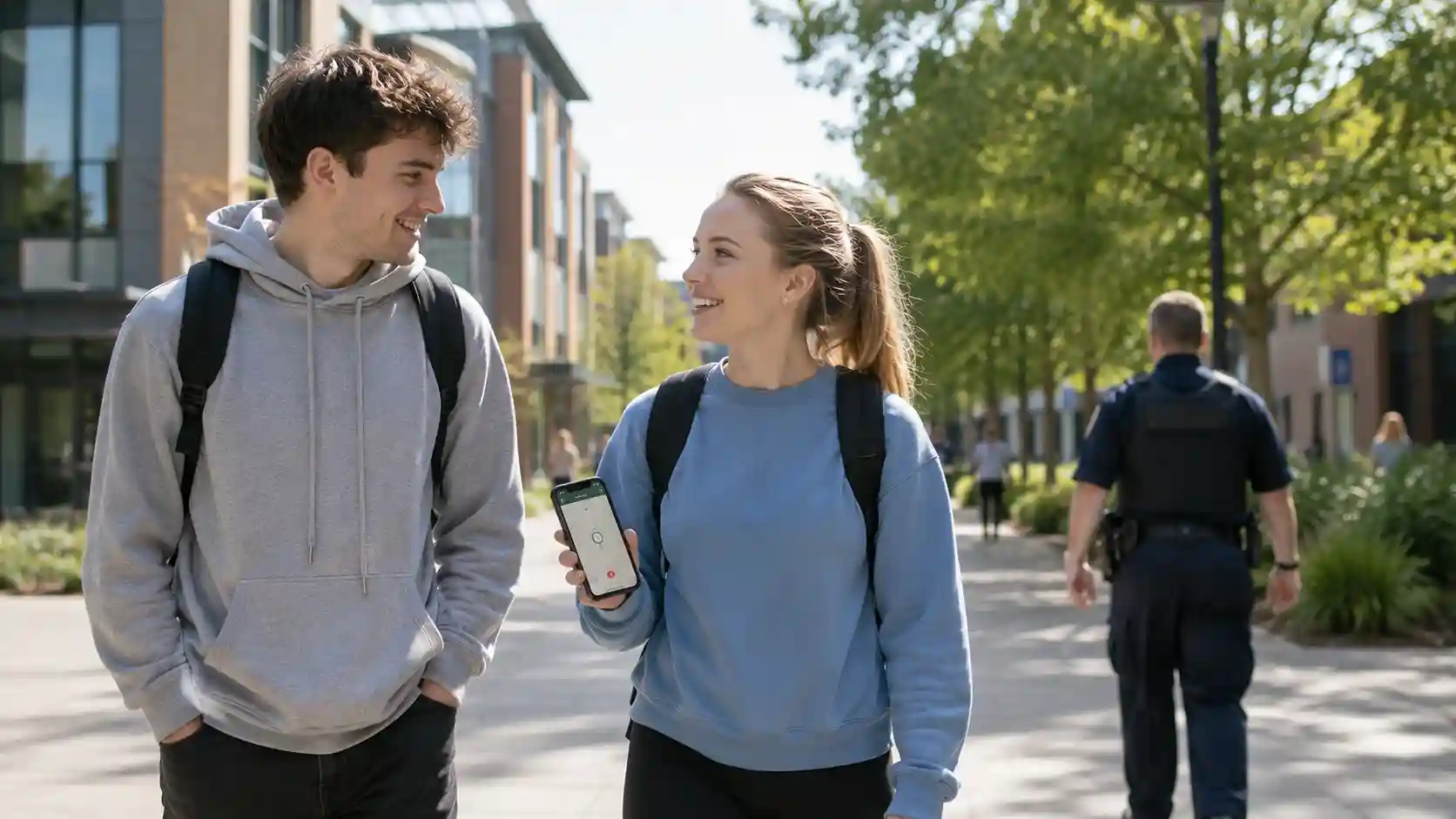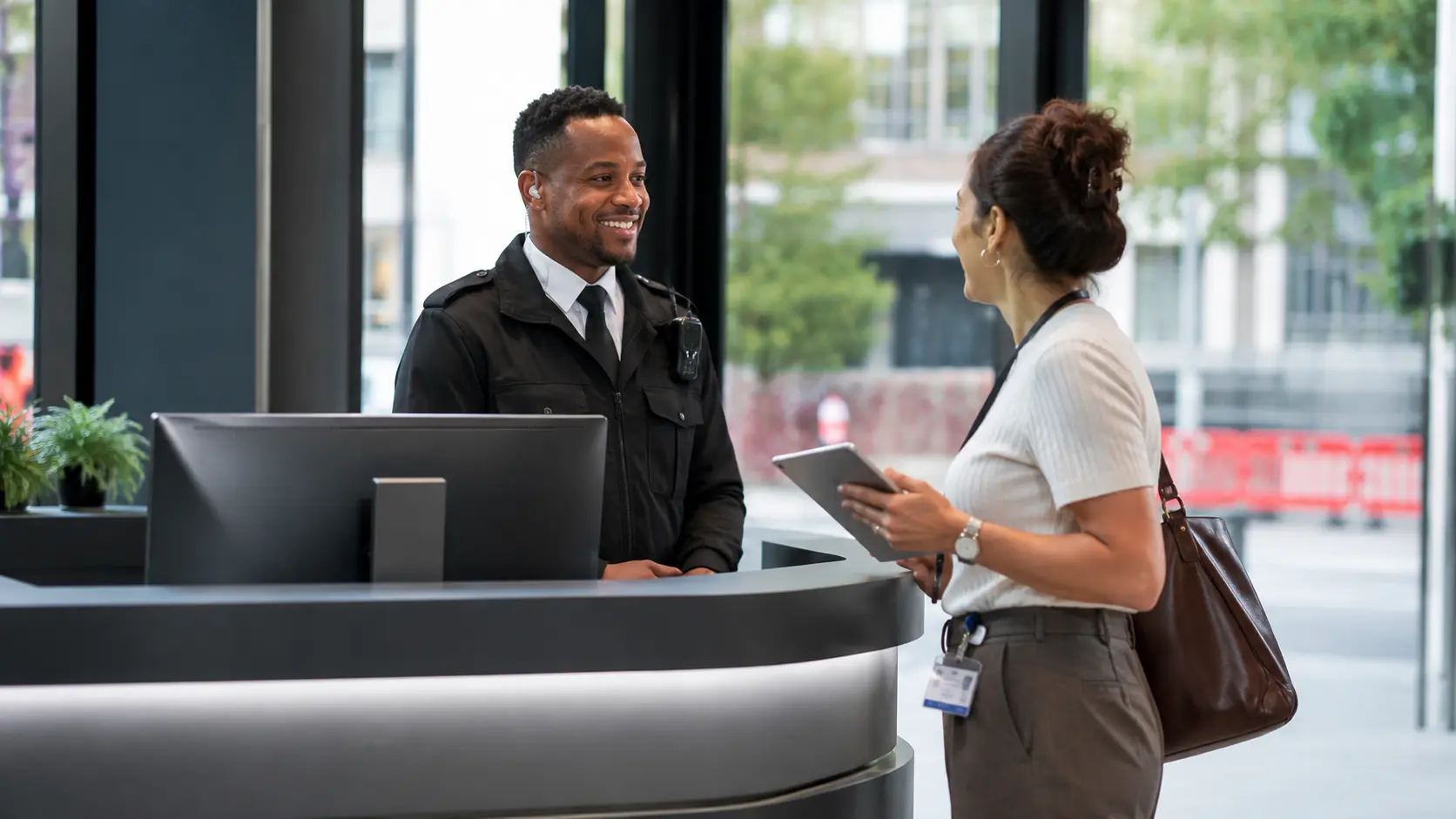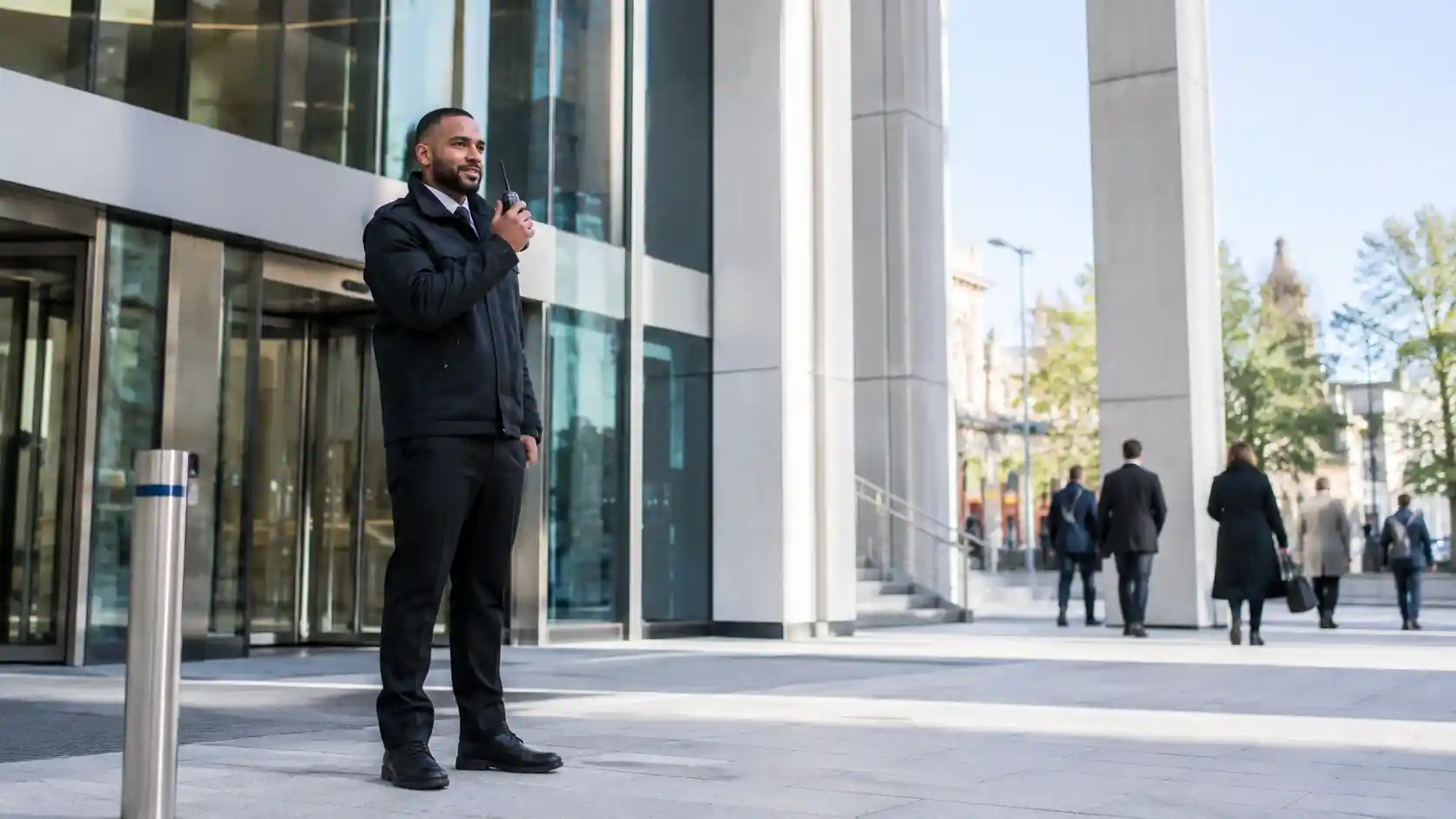
Aggressive behaviour in a shop often starts in a small and quiet way rather than all at once. A person may speak in a hard voice, feel upset about a long wait, or refuse to follow a simple rule. Shop staff usually see these signs first and sense that the mood is changing. If no support is close, this tension can grow into an open conflict that harms both workers and shoppers. A calm and steady guard can guide the moment toward safety before anger grows. Visible retail security helps people feel calm, shows that help is near, and keeps the store safe and respectful for everyone inside.
How visible retail security changes behaviour in stores
A guard stays near the door, so help is always close. When people see the guard, they often feel calm and act with more care. Staff feel safe and know they can ask for help at any time. Easy rules are followed with less trouble. The guard watches in a quiet and gentle way that does not disturb the space. The shop feels safe and looked after. Shoppers feel relaxed and move at their own pace. This form of visible retail security helps keep the whole store calm and protected.
The psychology behind visible deterrence
People act differently when help is near
People often change how they act when they know support is close. The place around them shapes their mood more than they realise. In spaces that feel unwatched or unclear, small upset moments can grow fast and turn into open conflict. A visible guard gently changes this feeling. The space begins to feel ordered, supported, and safe. Clear rules are easier to accept, help feels close at hand, and rising anger is less likely to grow. Because of this quiet shift, many tense moments settle early and end without harm, allowing calm to return and keeping everyday shop life safe for both staff and visitors.
Prevention is safer than reaction.
Reactive security begins after harm has already started. Prevention begins earlier—often in moments that seem too ordinary to matter.
Stopping escalation early avoids:
- physical injury to staff
- distress for nearby customers
- disruption to trading
- long incident investigations
From a duty-of-care perspective, prevention is not just preferable. It is responsible.
How visible guards protect retail staff
Confidence changes behaviour on both sides of the counter
Shop staff watch for risk all the time. When they feel alone, they may stay quiet and hope a hard moment will pass. This delay can let anger grow and make the situation harder to control. A visible guard changes this feeling. Staff know help is close, so they can speak clearly, set simple limits, and step away in a safe way when needed. This calm support does not create more conflict. Instead, it helps lower tension because customers can see that the order is present and that the space is being cared for in a steady and respectful way.
Lower stress improves everyday performance
Safety is not only about rare extreme incidents. It shapes daily working life. Employees who feel protected tend to show:
- steadier communication under pressure
- improved patience with difficult customers
- stronger cooperation with colleagues
- fewer stress-related absences
Over time, this stability influences retention, morale, and service quality. In other words, security presence supports operational health, not just emergency response.
Customer behaviour in protected retail environments
Calm surroundings encourage calm decisions.
Shoppers respond to atmosphere faster than signage. A store that feels tense invites impatience. A store that feels ordered encourages cooperation.
Visible guards contribute to that sense of order without saying a word. Their presence signals that the environment is managed, which quietly reduces the emotional temperature of the space. Most customers appreciate this more than they realise. They simply describe the store as “well run” or “comfortable.”
Safety perception builds commercial trust.
When people feel safe in a shop, they stay for more time and look around with ease. They are also more likely to come back again on another day. If a place feels uneasy, even in a small way, visits become short, and spending becomes careful. A calm and secure space can support:
- more time spent in the store
- return visits from the same customers
- buying with comfort and confidence
For business leaders, this makes it clear that staff safety and steady income are closely linked, even though this connection is sometimes missed in basic loss-prevention thinking.
Deterrence, reputation, and long-term cost control
Fewer incidents mean fewer hidden expenses.
Fewer incidents also mean fewer hidden costs for the shop. When aggressive behaviour happens, the loss is not only the moment itself but the time spent writing reports, helping upset staff, finding cover for missed shifts, and dealing with possible damage to trust and reputation. These effects grow slowly and can become expensive over time. Steady visible retail security helps reduce how often these problems appear and limits how serious they become. As months pass, the money saved through prevention can be greater than the cost of hiring trained guards, making early safety support a practical and careful financial choice for the business.
Professional presence shapes brand perception
Security that feels heavy-handed can harm customer experience. Security that feels calm and respectful does the opposite; it reassures without intimidating.
Well-trained retail guards balance:
- Authority with approachability
- vigilance with discretion
- Safety with customer service
That balance protects not only people in the store but also the brand identity the business has worked to build.
When visible retail security has the greatest impact
Not every store faces the same level of risk. However, certain environments benefit particularly strongly from visible guarding:
- high-footfall urban locations
- late-evening or night trading hours
- sites with previous aggression or theft
- seasonal peaks and promotional events
- stores with smaller or younger staff teams
In these contexts, visibility acts as an early stabiliser, preventing predictable pressure points from becoming incidents.
Choosing a professional approach to retail guarding
For commercial leaders, the key question is rarely whether safety matters. It is about how to implement it without harming customer experience or operational flow.
Effective visible retail security depends on:
- trained guards skilled in de-escalation
- clear positioning within the store layout
- coordination with store management procedures
- consistent professionalism in customer interaction
When these elements align, security becomes part of the retail environment rather than an external add-on. Customers accept it naturally. Staff rely on it confidently. Incidents are reducing quietly.
That quiet reduction is the real measure of success.
Conclusion
Many people think anger in retail cannot be stopped and see it as a normal part of public work. In truth, the space around people shapes how they act more than this belief. When a shop feels calm, clear, and cared for, behaviour often stays calm as well. Visible retail security helps create this safe feeling in a quiet but steady way. It lowers the chance of conflict, helps staff feel sure and supported, and lets customers relax while they shop. Most of the time, problems fade before they begin.
For retailers who want stable and safe daily trade, visible prevention is not only about safety but also about choosing a store environment where everyone can feel secure and respected. To learn how professional guarding can support your store, you can contact our retail security team for guidance tailored to your business needs.
Frequently Asked Questions
1. Why do visible guards reduce aggressive behaviour?
A guard makes people think twice. They see someone who keeps order. That can stop trouble before it starts.
2. Does visible security affect staff wellbeing?
Yes. Staff feel safer. They speak up sooner and stay calm. This cuts stress.
3. Will customers feel uncomfortable around security guards?
Not if guards are kind and polite. Trained guards help people feel safe. Most shoppers feel calm.
4. Is visible deterrence more effective than reacting to incidents?
Yes. Stopping trouble early keeps people safe and saves time and money. Reacting happens after harm.
5. When should retailers consider visible guarding?
Use guards in busy times, at night, or after past trouble. Small teams may need them too.