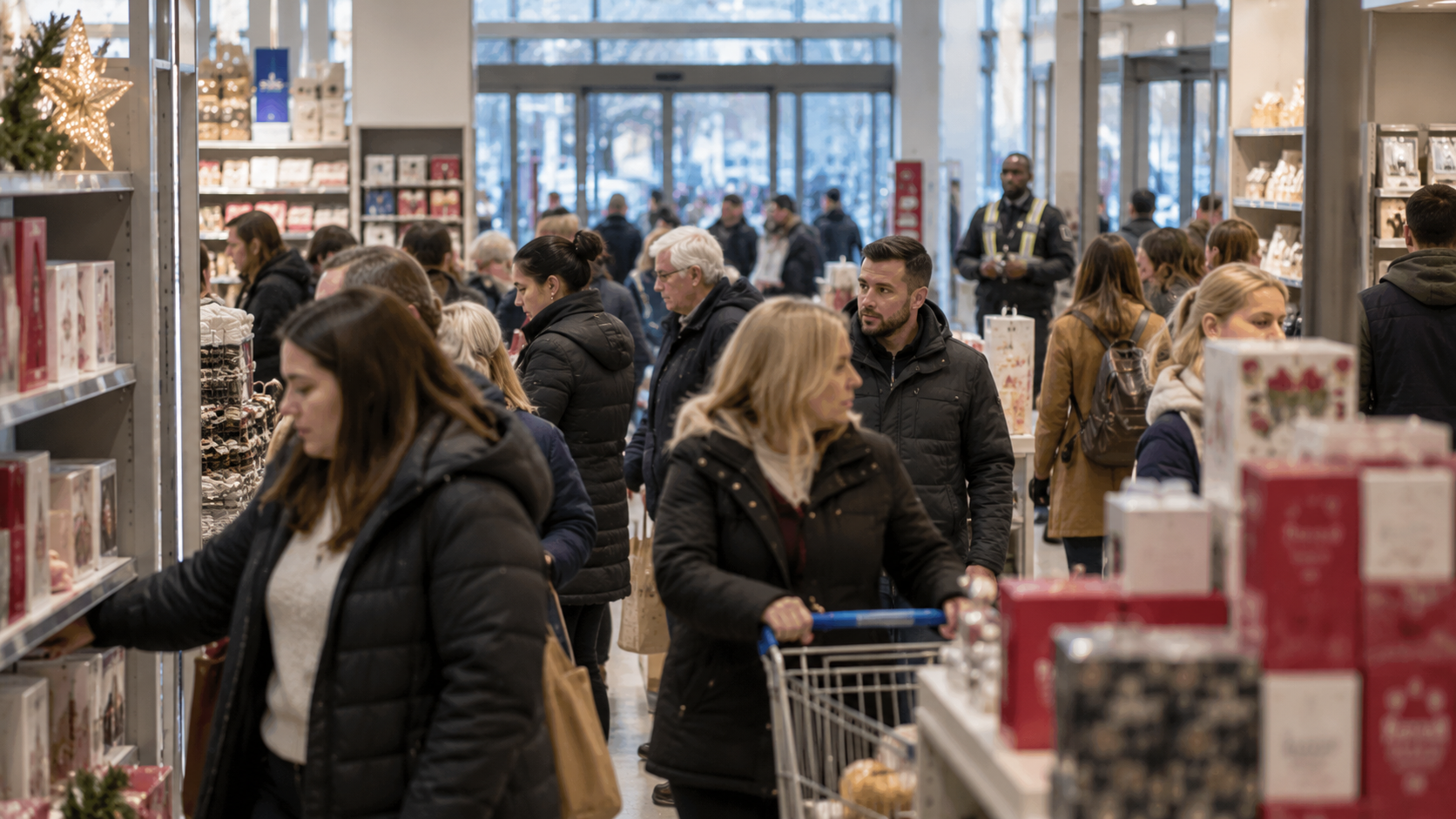
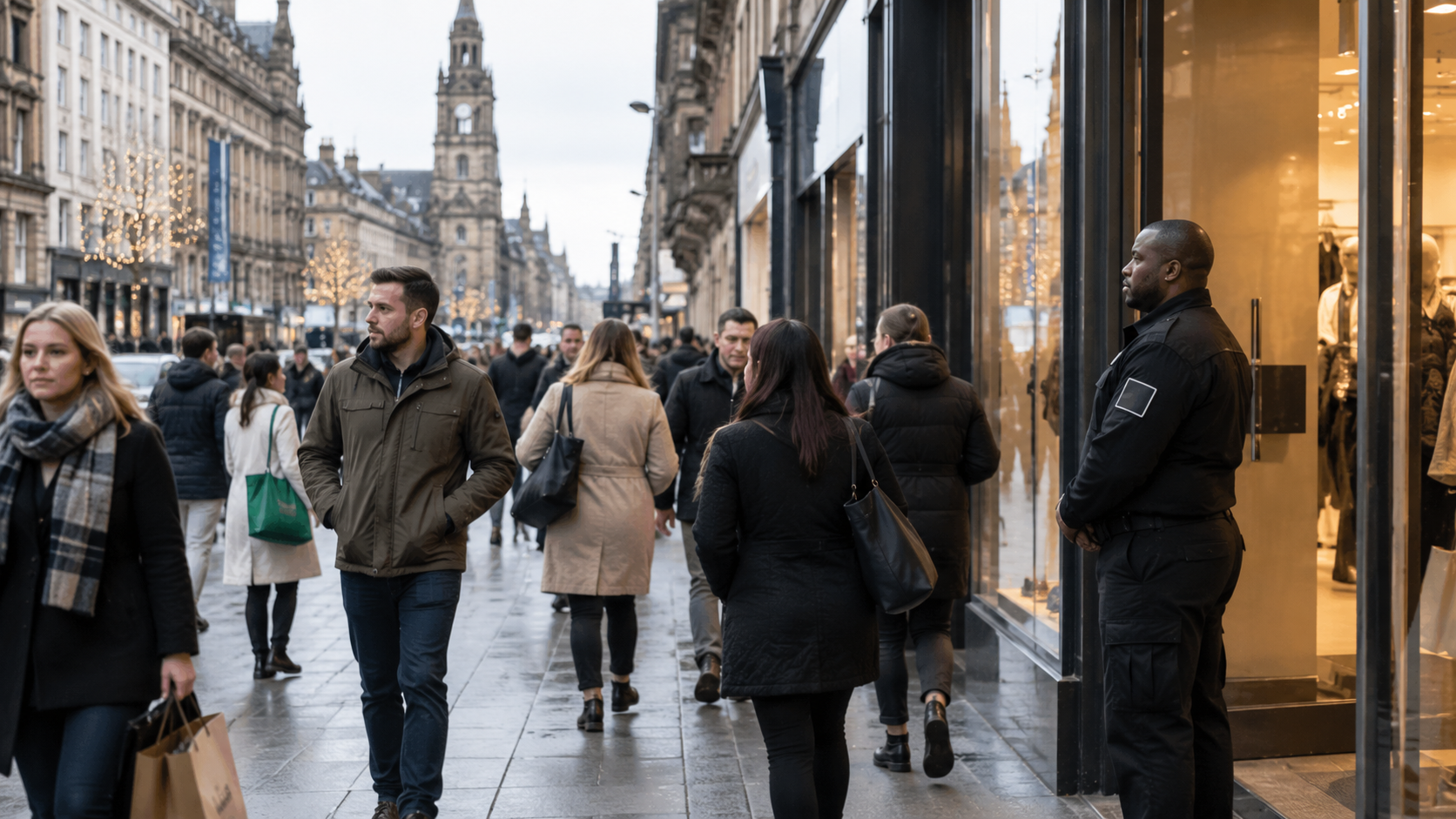
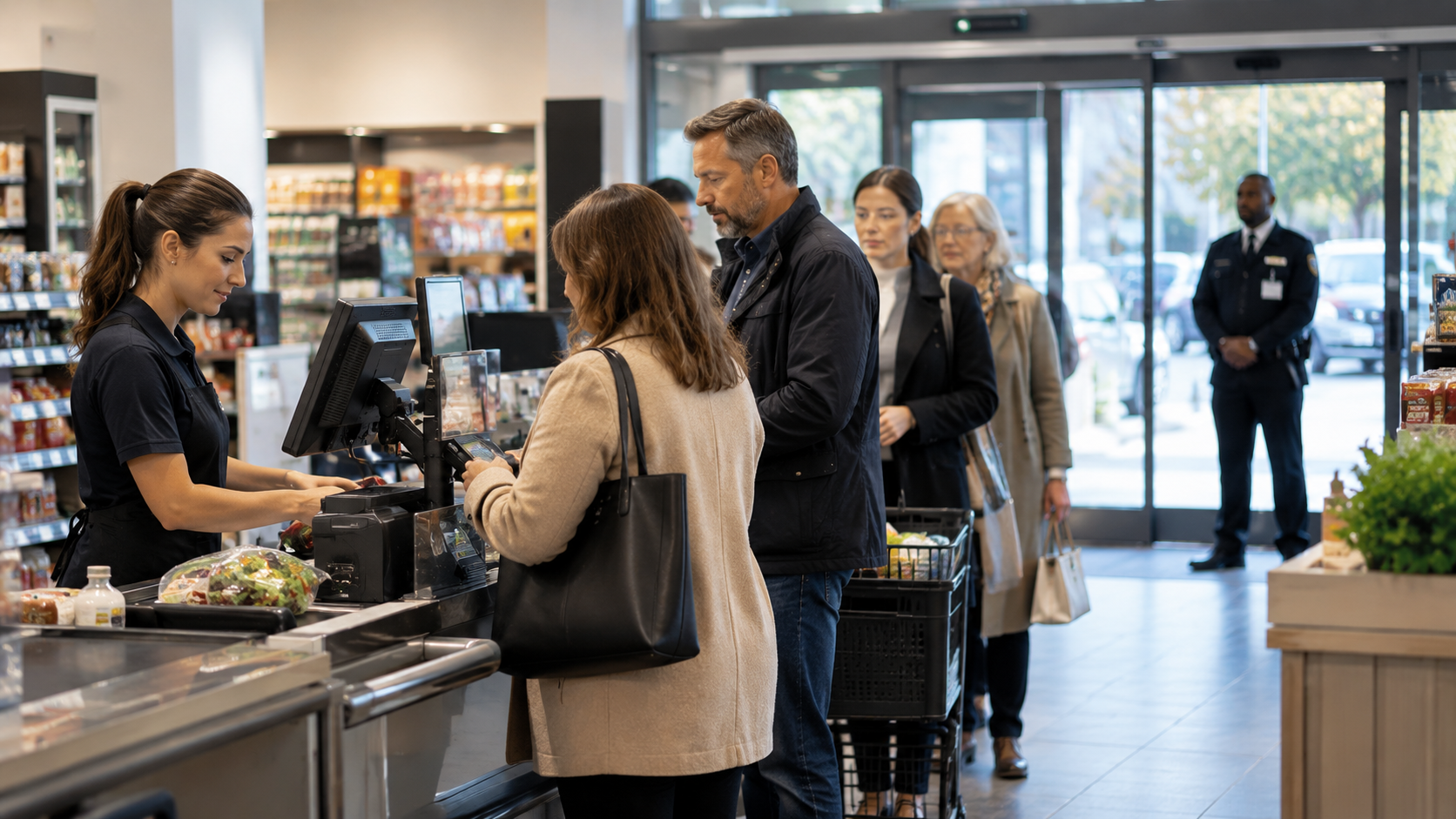
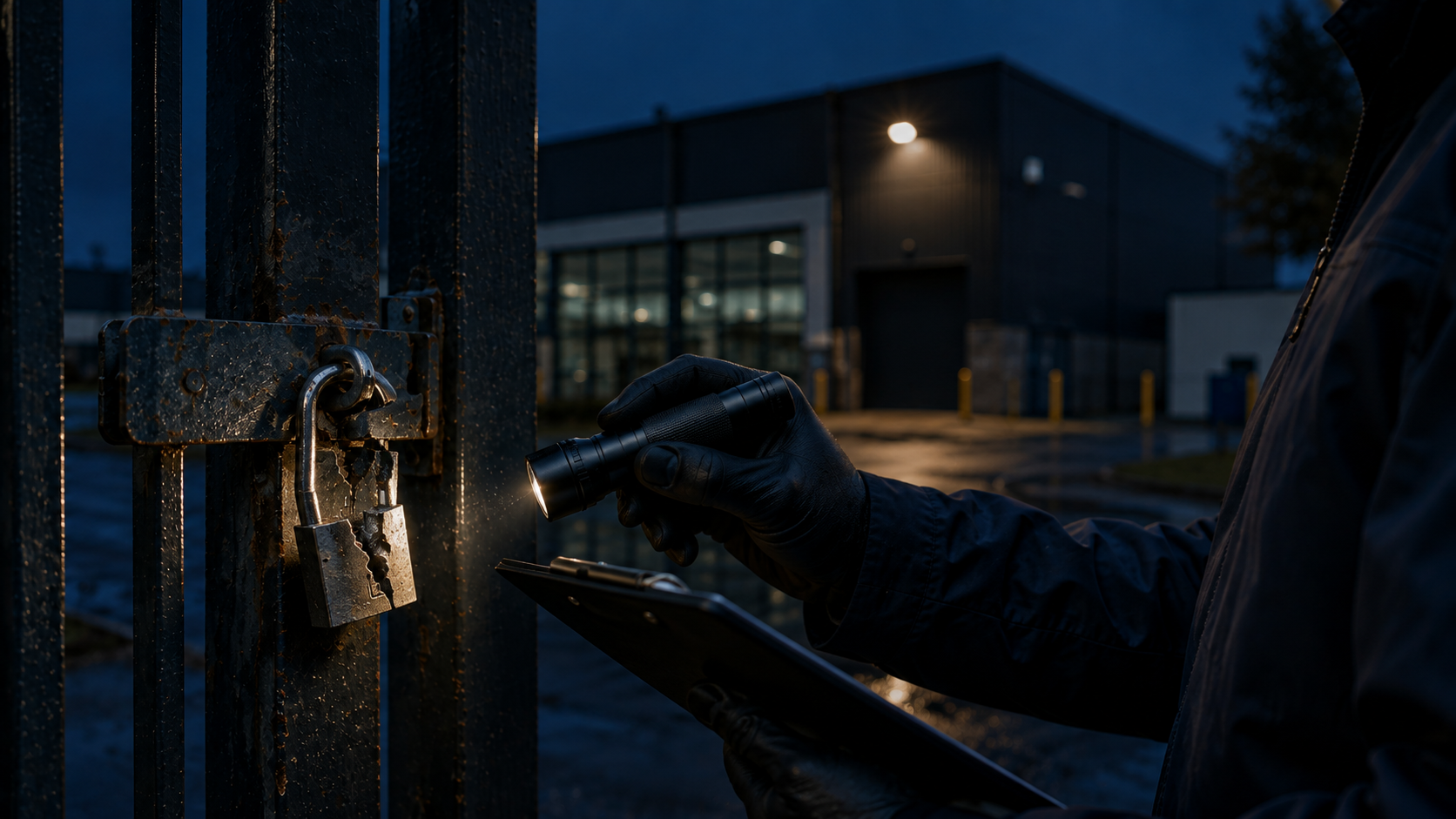
Retail in the UK is under pressure. Crime, shrinkage and fraud cost shops a lot. Industry figures put the annual burden on the high street close to £4.2 billion. That number changes the way insurers think about cover and premiums.
Retail crime is evolving, and so are the methods criminals use. Opportunistic theft now targets weak points that are easy to spot. Insurers respond by favouring stores that make visible retail security proactive. In 2026, what you show on the storefront often matters more than what is hidden inside.
The Shift from “Hidden Risk” to “Visual Deterrence”
Stores used to try to hide their vulnerabilities. Back rooms, weak locks, no signs. That approach is dying. Today, insurers want what they can see. They want clear signs of care. Visible lighting. Cameras in plain view. Shutters with a security rating. A store that looks protected is less likely to be attacked. That look alone changes how underwriters score risk.
Context: the UK’s current retail climate
Shoplifting and other losses have gone up in recent years. Retailers face rising costs, and many small businesses say they get little police help. This combination makes insurers stricter at renewal. They push retail security measures that cut how often claims happen. It is not the size of each claim.
The Concept: Security by design as an underwriting rule
“Security by design” used to be a best practice. Now it is often a clause in a policy. Insurers ask for certain features before they will quote. They want proof, like photos or survey reports. If you invest in security up front, you do two things: you cut claims, and you signal that you manage risk. That matters more to most insurers than one-off fixes after a crime.
Visible retail security is the first line of defence in underwriting. Underwriters use what they can see. It can be cameras, signs, alarms, shutters, as quick and reliable signals. These signals feed into pricing, excess levels and sometimes whether a shop can be covered at all.
Underwriting the “Hardened Target”: How Insurers View Your Storefront
Insurers sort shops into two rough buckets: soft targets and hardened targets. The soft target looks easy to break into. The hardened target looks costly and slow to attack. Which bucket you fall into shapes your premium and terms.
The Visual Risk Assessment Process
Insurers use a Visual Risk Assessment (VRA) to judge a shop. This can be a physical visit by a risk surveyor or a digital survey conducted using photos and plans. Surveyors tick boxes for entry, glazing, shutters, lighting, alarm type and staff training. Pictures matter, so do clear signs showing monitoring and rules.
Many insurers publish security guidance to help brokers and clients meet standards. Major UK providers provide checklists and guides outlining their expectations. It covers Aviva, AXA and NFU Mutual. If your store follows those guides, you stand a better chance of lower rates.
The Correlation Between Visibility and Claim Frequency
Insurers care about two numbers. It covers how often claims happen (frequency) and how big those claims are (severity). For retail, frequency is the main driver. Petty theft and opportunistic burglary cost much more than rare, high-value losses. Visible measures cut frequency.
It includes open cameras, visible alarms, staffed counters, and EAS pedestals. They do this by changing behaviour. People see the barrier and walk away. That simple change reduces the number of claims insurers must handle. Fewer claims keep prices lower. This is why underwriters pay more attention to what they can see.
Essential Store Security Requirements for UK Commercial Cover
Insurers list minimum store security requirements. They often make these conditions precedent to cover. That means, if you do not meet them, a claim can be refused. The list varies by insurer and by location, but some elements recur. This will be helpful for commercial and insurance security.
Physical Barriers: LPS 1175 and Security-Rated Shutters
LPS 1175 is a UK loss-prevention standard. It tests how long and how well doors, grills and shutters hold up to attack. For retailers on busy streets, insurers like to see LPS-rated shutters or barriers. The rating shows an independent test result. If your shutters carry an LPS 1175 rating, surveyors mark you as harder to breach. That often lets you pass a security hurdle that would otherwise raise your excess or premium.
The “Monitored” Mandate: Police Response (Type A) Alarms
Many policies need a monitored alarm. A monitored system links to an Alarm Receiving Centre (ARC). The ARC contacts the police when the alarm goes off. In the UK, the Type A police response path gives a unique reference. It also gives a direct channel to police operations.
Insurers often ask for proof of monitoring, the ARC’s credentials, and a URN for police response. They also like visible alarm boxes and signage. These act as a deterrent and show the insurer you have a plan to reduce loss.
Legislative Drivers: Martyn’s Law and Public Protection
Laws changed the baseline for risk in 2025 and 2026. Martyn’s Law, now the Terrorism Act, focuses on public safety at busy venues. It puts new duties on many premises. Venues exceeding the threshold must follow public protection rules. That includes plans, basic protective measures and reporting to a regulator. The law shifts expectations. Insurers now factor this legal duty into underwriting. It happens especially for stores that host events, demos, or draw crowds.
Semantic Integration: insurance, security and duty of care
When a law creates a legal duty, it changes the risk map. Shops with frequent crowds fall into more careful underwriting. Non-compliance can cost more than fines. It can lead to higher excesses, tighter cover or even refusal.
Some industries suggest that compliance with public protection can be convenient. If it does not go with the compliance, it results in a premium of 5–20%. Or at least make the negotiation more difficult at renewal. These are industry estimates and depend on insurer and loss history.
Advanced Loss Prevention Strategies That Lower Premiums
Beyond shutters and alarms, insurers now reward tech and process. The aim is the same: cut claim frequency and show active risk control.
CCTV Analytics and “Active” Signage
CCTV used to be passive. Now, many systems run analytics. They detect suspicious loitering or grouped behaviours. They can trigger lights or spoken warnings. Insurers like that because it stops incidents before they escalate. But tech brings rules. The ICO and UK GDPR need clear signage and lawful processing.
If your cameras use analytics, you must show why, how long footage is kept, and who to contact. Having compliant signs in the window is both a legal duty and an insurance plus.
Tagging Systems and Visible Electronic Article Surveillance (EAS)
EAS pedestals at exits do more than beep. They send a visual message: we tag and check items here. Insurers see that as honest risk control. Pedestals, visible anti-theft tags, and clear exit checks lower perceived internal shrinkage. That can affect the inventory element of a shop’s policy and reduce the chance of repeat claims.
The Financial Impact: Measuring the ROI of Security Investments
Security costs money. So do claims and higher premiums. The right balance can save you cash over time. Below is a simple, illustrative comparison. Numbers are examples to show how visible security can shift cost lines. Use them as a guide, not a quote.
The figures are illustrative. Actual premiums vary by insurer, claims history, location and other factors. Industry guides and security firms cite discounts or savings. It happens in the 5–20% range for well-protected premises.
Deductibles and Excess
Visible measures can also cut your mandatory theft excess. For example, an insurer might set a theft excess at £2,500 for a poorly secured shop. The same insurer could reduce that to £500. This happens where strong, visible controls exist and are maintained. That change reduces the owner’s out-of-pocket cost after a loss. It also reduces the likelihood that a minor claim will increase future premiums.
Conclusion: Making Visible Security Your Best Insurance Policy
Visible retail security is simple and powerful. It changes how a shop looks to thieves and how a shop looks to underwriters. It changes bills and policy terms. The takeaway is make security walk the surveyor around, keep proof, and update signs.
Act now and audit your curb appeal from the eyes of a claims inspector. Take photos and check your alarms have a URN. Confirm that any shutters meet LPS guidance. Put clear CCTV monitoring signs in your windows. Do that, and you cut claims. You also build negotiating power at renewal. The visual Risk Assessment (VRA) checklist shows proof to your insurer.
Frequently Asked Questions
1. What is visible retail security?
Visible retail security includes measures that customers and insurers can see, such as cameras, alarms, shutters, and warning signs. These features act as deterrents and signal active risk management.
2. Why do insurers prioritise visible security over hidden systems?
Insurers rely on what can be verified during inspections or surveys. Visible measures reduce theft attempts and lower the frequency of insurance claims.
3. Can visible retail security reduce insurance premiums?
Yes, many UK insurers offer lower premiums or excesses when clear security measures are in place. The savings reflect reduced risk and fewer repeat claims.
4. Are visible security measures required for UK commercial insurance?
In many cases, yes, especially for high-street or high-risk locations. Some measures may be listed as conditions precedent to be covered.
5. How can retailers check if their security meets insurer expectations?
Retailers should review insurer security guides or request a risk survey. A visual audit of the storefront often highlights gaps quickly.