In Wednesbury, local crime figures can help businesses understand the wider picture, but they cannot tell a shop exactly what it will face.
That comes from looking at the premises themselves, their surroundings and their day-to-day operation. A useful assessment should therefore consider the local crime picture alongside what has actually been happening at the store.
What Makes High-Risk Stores in Wednesbury More Vulnerable?
High-risk stores in Wednesbury are generally those where the premises, trading pattern or previous incidents create particular opportunities for crime. Two shops on the same street can have very different levels of exposure.
Location and Surrounding Activity
Where a shop sits can change the way people move around it and how easily activity can be seen. A busy town-centre location may bring a steady flow of customers, pedestrians and passing traffic.
That can be good for trade, but it also means there is more movement around entrances and exits. Shops near transport routes or public spaces may need to think carefully about how activity outside affects what happens inside.
The immediate surroundings matter as well. A car park, delivery yard or rear access route can create a different set of concerns from the main entrance. If one side of the building is rarely overlooked, for example, it may deserve closer attention when the premises are being assessed.
There is no useful rule that says every shop in a particular part of Wednesbury carries the same level of risk. The surrounding environment needs to be considered alongside the individual premises.
Stock, Cash and Opening Hours
What a shop sells can make certain types of theft more attractive. Small, valuable products can be easier to conceal, while goods displayed close to an exit may be more exposed to opportunistic theft.
Cash handling is another consideration. Businesses need to think about when cash is handled, who has access to it and what happens at closing time. Opening hours can change the picture too.
A shop trading late may have different risks from one that closes in the afternoon. Staffing levels often change during quieter periods, and delivery activity can temporarily leave doors open or create additional movement between public and staff-only areas.
These are ordinary parts of running a shop, but they are worth including in a risk assessment because vulnerabilities often appear during routine activities.
Previous Incidents and Repeat Patterns
A store’s own incident history can be more useful than a general assumption about the surrounding area.
If thefts keep occurring around the same product display, or incidents repeatedly happen at a particular time, that information gives the business something specific to investigate. The same applies to criminal damage, burglary attempts or aggressive behaviour.
Keeping a straightforward incident record makes these patterns easier to spot. Date, time, location and the circumstances of an incident can all help when deciding whether something about the premises or its procedures needs to change.
What Do Wednesbury's Crime Statistics Tell Us About Local Store Risks?
Official police figures provide useful context for businesses operating in Wednesbury. The current West Midlands Police and Police.uk data shows 334 reported crimes in Wednesbury Town in June 2026.
Of these, 64 were recorded as shoplifting, 35 as vehicle crime and 25 as public order offences. Violence and sexual offences accounted for 130 reported incidents. Those numbers describe the wider Wednesbury Town policing area. They should not be read as a prediction of what will happen at an individual shop.
Shoplifting Is a Significant Reported Crime Category
Shoplifting was the second most commonly reported crime category in Wednesbury Town in June 2026, with 64 incidents recorded. Police.uk lists shoplifting as 19.2% of the area’s reported crime for that month.
That makes theft from shops a relevant issue for local businesses to consider. The effect is not limited to the value of missing stock. An incident can also take employees away from their normal duties, disrupt trading and leave staff dealing with difficult behaviour.
There is an important distinction, though. The 64 incidents were recorded across the Wednesbury Town area. The figure does not show how many businesses were affected, whether incidents were concentrated in particular locations or whether an individual shop faces the same level of exposure.
Other Reported Crimes Can Affect Store Operations
Shoplifting is not the only category worth considering. For June 2026, Police.uk records 35 vehicle crimes, 25 public order offences, 20 criminal damage and arson offences, and 14 burglaries in Wednesbury Town.
Each category raises different questions for a business. Vehicle crime may be relevant where employees, customers or deliveries rely on nearby parking. Public order incidents can become a concern around entrances or during busy periods.
Criminal damage may affect doors, windows or other parts of a premises. Burglary brings a different concern because the incident can occur when the store is closed, and employees are not present.
The useful takeaway is not that every shop is exposed to every category. It is that businesses have several different risks worth considering when reviewing their premises.
Why Monthly Crime Data Needs Context
One month’s figures are not enough to describe a whole area. Police.uk’s figures for Wednesbury Town show 318 reported crimes in January 2026, rising to 344 in February, 369 in March and 373 in April. May recorded 320, followed by 334 in June.
The highest monthly total in the displayed 12-month period was 401 in October 2025. The figures move around, which is exactly why businesses should avoid drawing conclusions from a single headline number.
It is more useful to ask what type of incidents are being reported, whether similar incidents have occurred at the premises and whether there is a recurring pattern. Local statistics provide the background. The store’s own experience fills in the missing detail.
What Are the Main Store Security Risks in Wednesbury?
The main store security risks in Wednesbury can include shoplifting, aggressive behaviour, public disorder, burglary, criminal damage and unauthorised access. The importance of each one depends on how a particular shop operates.
Shoplifting and Stock Loss
Shoplifting can be opportunistic, but repeated incidents may point towards particular weaknesses in a store. Products that are easy to conceal can require more attention, especially where shelving or displays make them difficult for staff to see.
Self-service areas, where used, can also need careful observation. The location of stock matters. A display positioned close to an exit presents a different opportunity from one that is clearly visible from the till.
A business does not need to assume that every unusual customer is a potential offender. It is more useful to look at actual incidents and identify what happened before deciding whether a change is needed.
Aggressive Behaviour and Public Disorder
Not every difficult incident involves theft. Verbal abuse, threatening behaviour or disputes between customers can affect staff and other shoppers even when no property is taken. The period around closing deserves particular attention.
Employees may be preparing to leave while customer activity is winding down, creating a different situation from normal trading hours.
Staff should know how they are expected to respond. They should not be put under pressure to confront someone simply because a business wants to prevent a loss.
Burglary, Criminal Damage and Unauthorised Access
A store can have access points that are barely noticed during normal trading but become important after closing. Rear doors, windows, stockrooms and delivery areas should all be considered.
If a particular entrance is rarely used by customers, it may receive less attention during routine checks. Criminal damage can also expose weaknesses.
A damaged door, window or shutter should not be treated solely as a repair issue if the incident reveals a point through which someone could gain access.
How Can High-Risk Shops in Wednesbury Prevent Common Problems?
High-risk shops in Wednesbury can reduce avoidable problems by making the premises easier to observe, tightening routine checks and using existing measures properly.
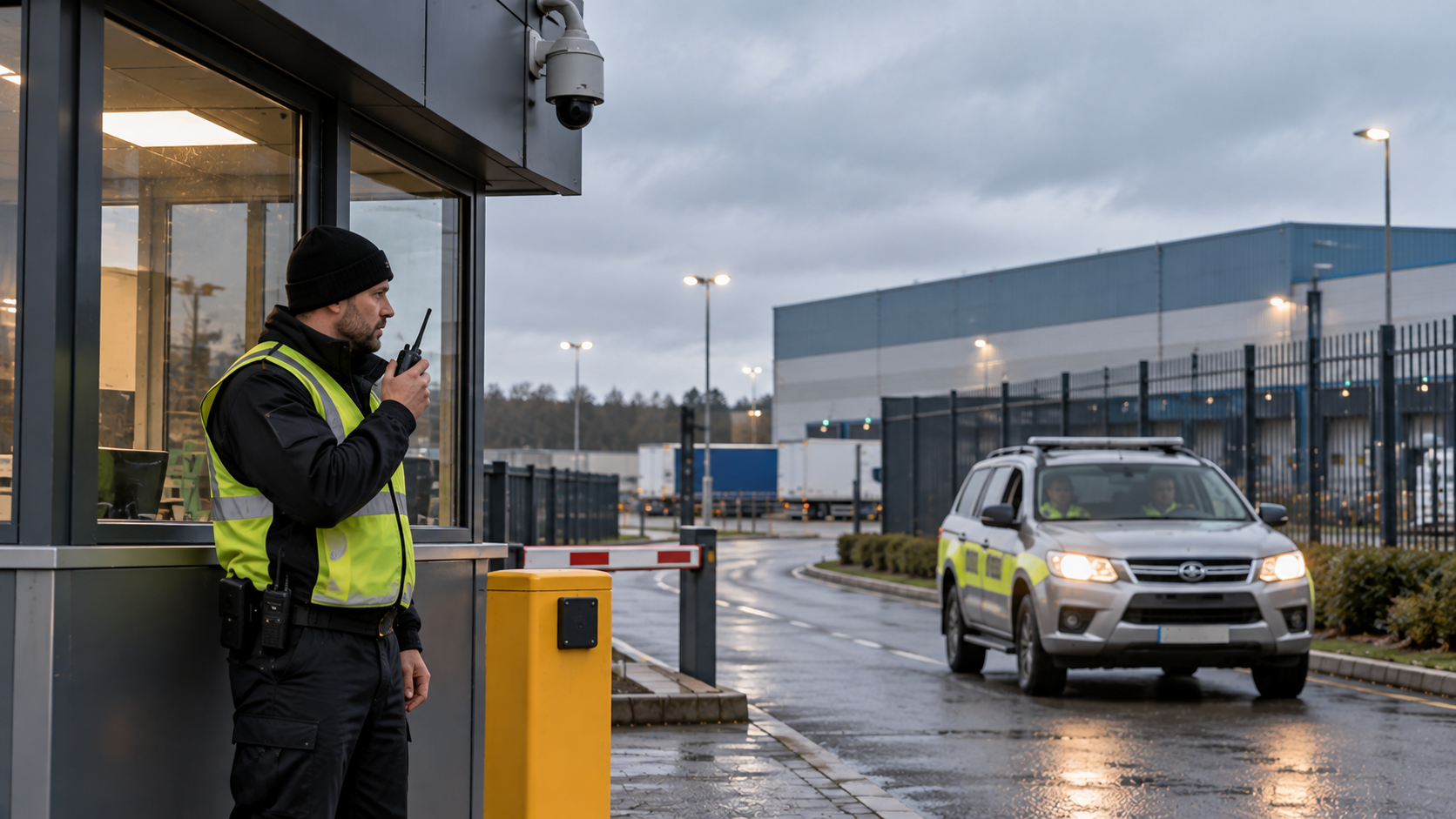
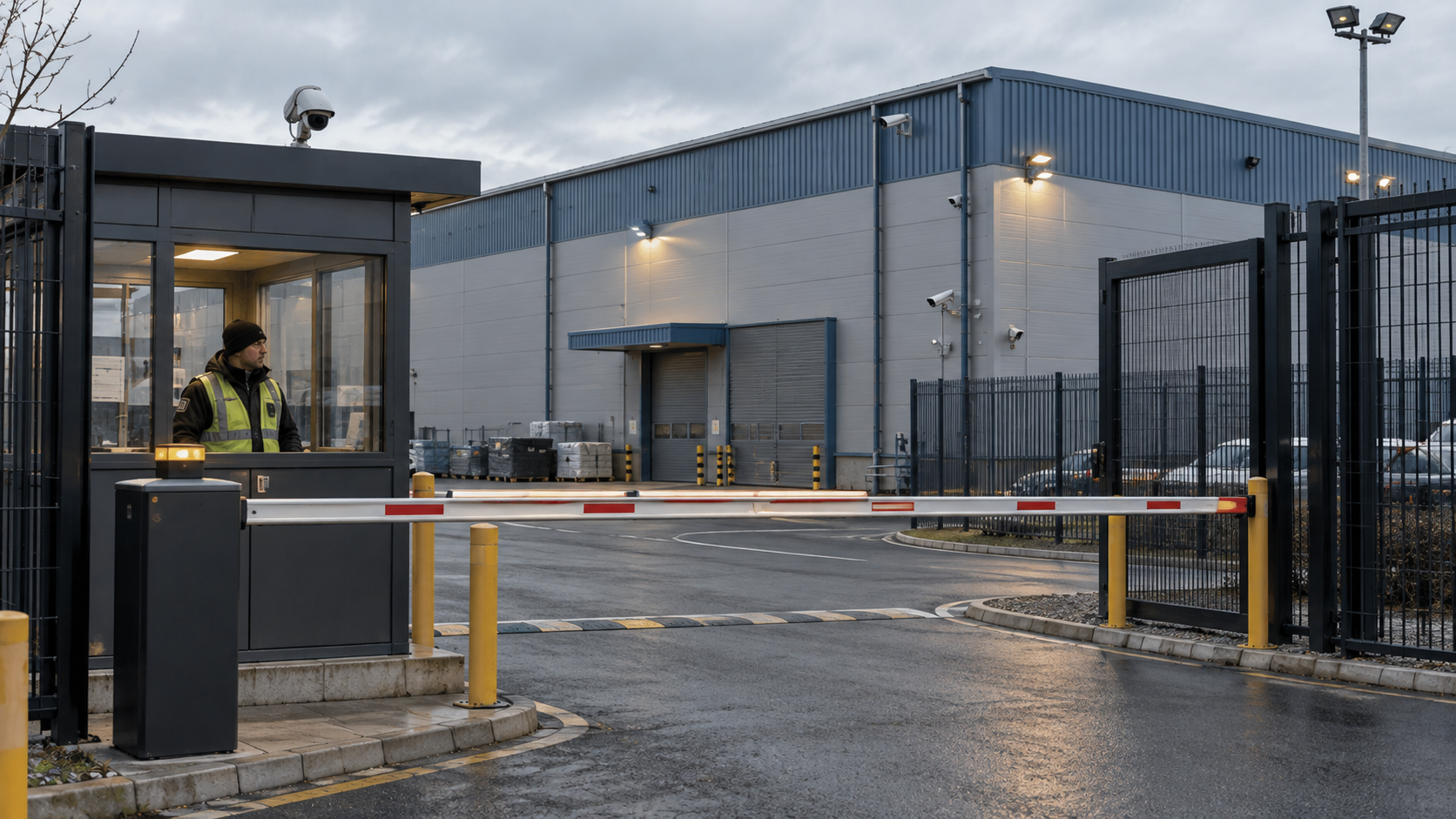
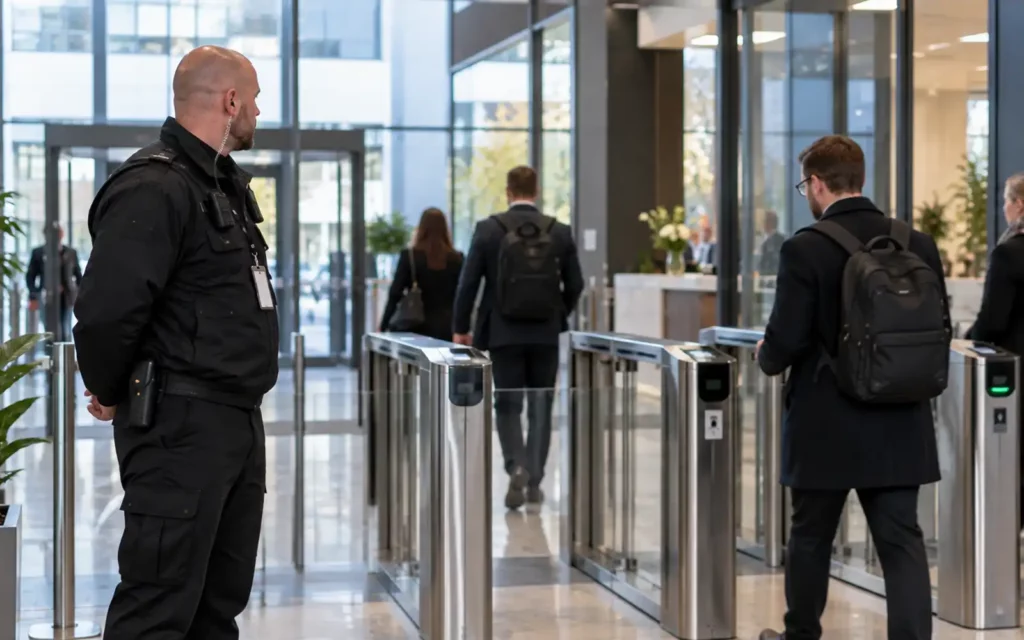
Where a business needs to review its wider protection arrangements, a local security company Wednesbury can also help identify practical gaps based on the premises and its day-to-day operation.
Improve Visibility and Store Layout
A simple change to the shop floor can sometimes make a difference. Shelving, promotional stands and displays should not create unnecessary blind spots. Staff need to be able to see important areas without having to leave their normal position every few minutes.
Products that are repeatedly targeted can also be reviewed. Moving a vulnerable item to a more visible position may be more practical than treating every theft as an isolated event.
The entrance deserves attention too. Good visibility around the doorway can help employees notice unusual activity without turning the store into an uncomfortable environment for ordinary customers.
Strengthen Opening and Closing Procedures
Opening and closing routines should cover more than switching lights on or locking the front door. Employees can check vulnerable doors and windows, confirm staff-only areas are secure and follow the agreed process for cash and other sensitive items.
Delivery periods deserve their own consideration. When a door is open for stock movement, there should be a clear understanding of who is responsible for monitoring access.
It sounds basic, but rushed closing checks are a common weak point. A written routine can help when the team is busy and everyone is keen to get home.
Use CCTV as Part of a Wider Prevention Approach
CCTV is most useful when it covers the places where an incident is most likely to matter. That can include entrances, exits, tills and areas where valuable or vulnerable stock is kept. The quality of the footage matters as much as the presence of a camera.
Footage that cannot clearly show what happened is of limited value. Cameras should be checked and maintained rather than assumed to be working because they are switched on.
West Midlands Police specifically notes that good-quality CCTV can improve the prospects of securing convictions in relation to shoplifting in Wednesbury. The local policing team has also identified retail crime as a priority and encourages businesses to report offences.
What Does Shop Crime Prevention in Wednesbury Involve?
Shop crime prevention in Wednesbury starts with recognising problems early and giving employees a clear, safe way to respond.
Train Employees to Recognise Warning Signs
Employees are often in the best position to notice changes in behaviour because they see the same premises every day.
Training can cover things such as repeated visits, attempts to distract employees, unusual activity around entrances and behaviour around products that have previously been targeted.
This should not become a lesson in profiling customers. Staff should focus on observable behaviour and follow the business’s procedures rather than making assumptions about someone based on appearance.
Establish Safe Incident-Response Procedures
Staff safety should come before protecting stock. Employees should know when to step back, who to contact and what information needs to be recorded. Unnecessary confrontation can turn a theft or disagreement into a more serious incident.
If there is a serious threat or violence, the appropriate emergency or police response should be followed. Employees should not be expected to put themselves in danger to recover merchandise.
The procedure should also cover what happens afterwards. A brief incident report can be valuable when the same issue happens again.
Record Incidents to Identify Patterns
A useful incident record does not need to be complicated.
Businesses can note:
- Date and time
- Type of incident
- Location within the store
- Items involved
- Behaviour observed
- Whether CCTV is available
- Any damage or threats
- Police reference, where applicable
After several incidents, these records can show whether there is a pattern. Perhaps the same area of the shop keeps appearing in reports, or incidents tend to happen during a particular part of the trading day. That is much more useful than simply knowing that “the shop has had thefts”.
How Should Businesses Assess Crime Prevention for Shops in Wednesbury?
Crime prevention for shops in Wednesbury should be based on the actual premises and the way it operates, rather than a generic checklist applied to every business.
Assess the Premises
Start with the physical environment. Look at entrances and exits, windows, lighting, blind spots, rear areas, delivery zones and car parks. Consider what an employee can realistically see from their normal position.
It can be useful to walk around the premises at different times of day. A location that appears well overlooked in daylight may feel very different after closing.
Assess People and Operations
The assessment should reflect how the store works. Staffing levels, lone working, opening hours and customer footfall can all affect exposure. So can stock value, cash handling and delivery schedules.
A shop with several employees on the floor may have different visibility from a small premises where one person is working alone.
There is no single checklist that makes every store equally secure. The controls need to match the way the business actually operates.
Review and Update the Assessment
A risk assessment should change when the circumstances change. A serious incident or a series of thefts may highlight a weakness that was previously overlooked. Moving shelving, changing opening hours or introducing different stock can have the same effect.
Local crime patterns can also provide a reason to take another look. A review is particularly useful when it leads to a specific change rather than simply another document being filed away.
Conclusion
High-risk stores in Wednesbury come from its particular circumstances, not simply from its postcode. Wednesbury’s official figures show that shoplifting, violence and sexual offences, vehicle crime, public order offences and other crime categories are being reported locally.
For businesses, the more useful step is to look at what those wider figures mean for their own premises. Previous incidents, vulnerable areas, trading patterns and staff arrangements can reveal risks that a general crime figure cannot.
Prevention should follow that assessment. If the circumstances change, the controls should be reviewed as well. For businesses looking at their wider protection needs, speaking to a local security company West Midlands can be one part of that process. The focus should remain on