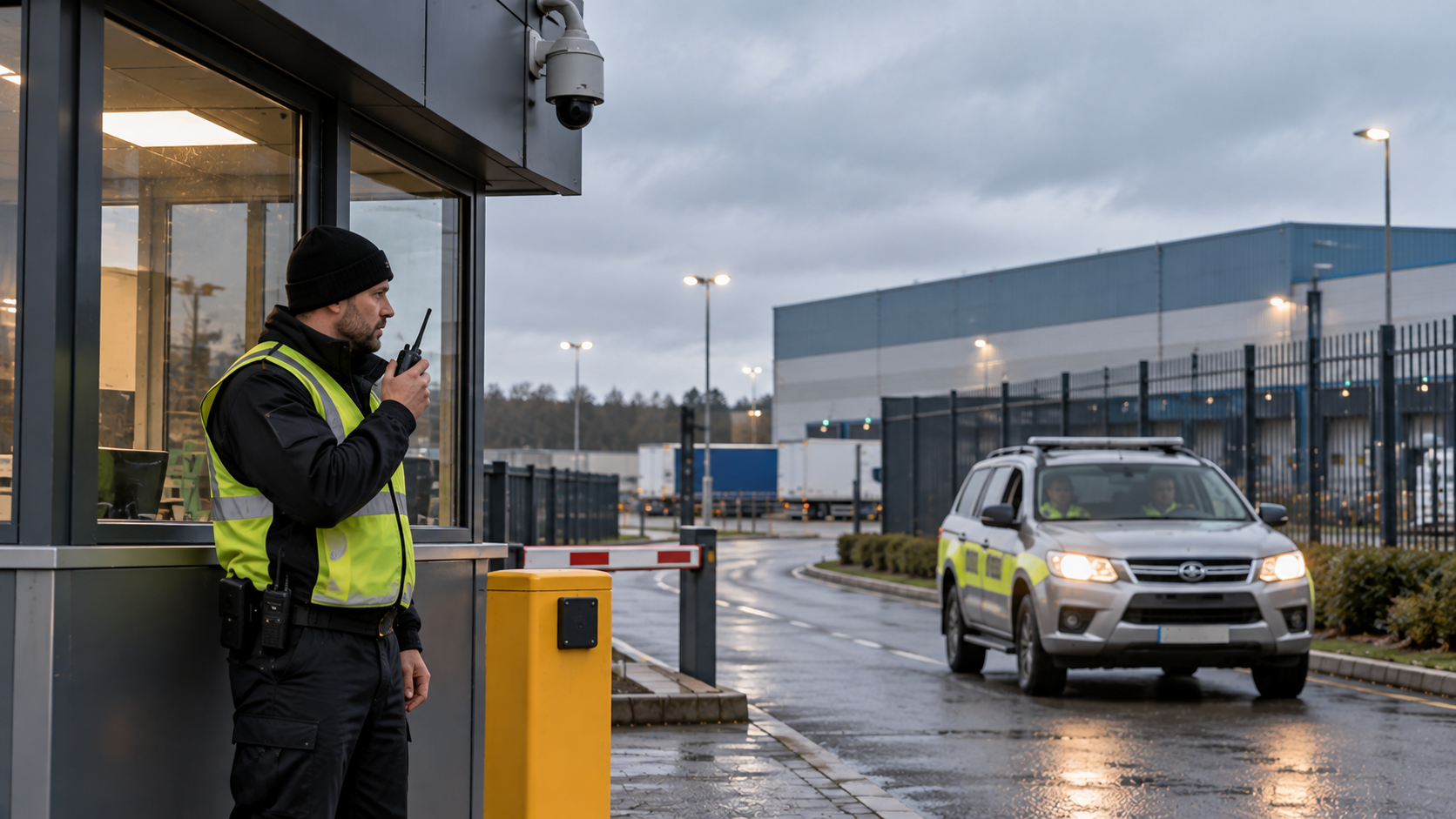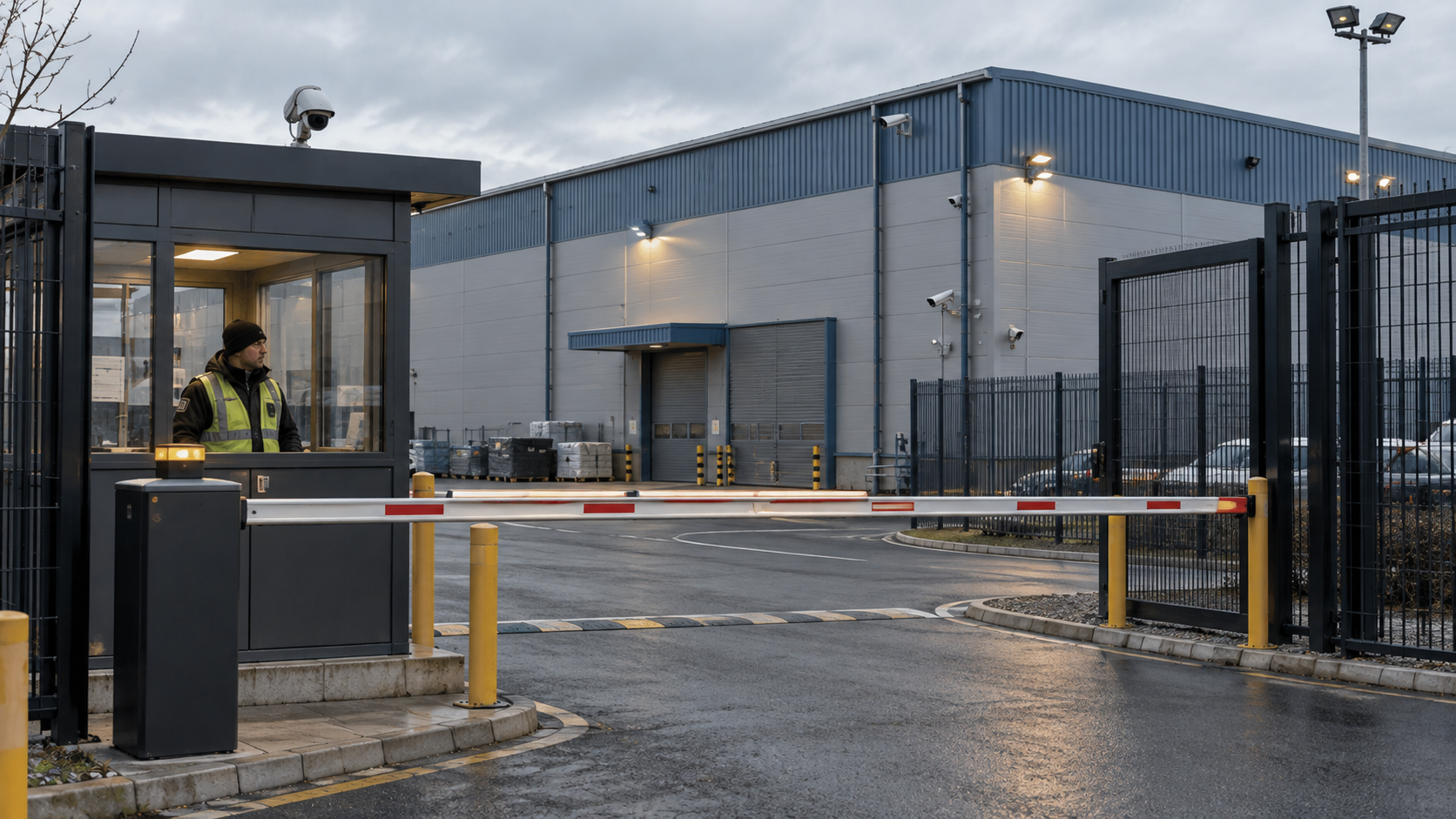
For a business in Oldbury, the first step is to look at how the workplace is used each day. A shop will have different needs from a warehouse. An office may have less stock but more people coming and going. A yard may have open gates, vehicles, tools, and equipment to protect.
So, how to create a safer workplace in Oldbury? Start with the facts on your own site. Find the weak points, look at when they matter most, and put simple controls in place.
From Brades Village to Portway Retail Park, the same basic rule applies: security works best when it fits the way a business actually operates.
Why Workplace Security Matters to Oldbury Businesses
Across the UK, crime can create more than a loss of property. It can stop work, use staff time, and leave a business with repair costs.
The Home Office’s 2023 Commercial Victimisation Survey found that 26% of business premises in England and Wales, around 409,000 premises, experienced at least one measured crime in the previous 12 months. Theft affected 14% of premises. Burglary and vandalism each affected 8%, while assaults or threats affected 7%.
The survey also found a higher rate in wholesale and retail. 41% of premises in that sector experienced at least one measured crime. Customer theft affected 26% of wholesale and retail premises.
In Oldbury, 480 crimes were reported in June 2026. This local figure shows why workplace safety and security in Oldbury should be part of regular business planning.
How to Create a Safer Workplace in Oldbury: Start With a Risk Review
The best place to start is the site itself. Walk through the workplace during normal working hours. Then look again when the site is quiet. This can show problems that are easy to miss during a busy day.
Check each way into the building. Look at the main entrance, rear doors, windows, gates, loading areas, and staff-only doors.
Ask a few direct questions:
- Who can enter?
- Which areas can they reach?
- Which keys, cards, or codes give access?
- Are old access details still active?
- Can staff see who is entering?
- Is there a weak point that is rarely checked?
Then check the outside areas. A rear gate or quiet storage area may need more attention than the main entrance.
This approach follows the same basic risk process advised by the Health and Safety Executive: identify hazards, assess the risk, control it, record the findings, and review the controls.
Give Staff Clear Security Rules
Security rules should be easy to remember. Staff should know which rooms they can enter, how they should handle keys and access cards, and who they should tell when they find a problem.
Do not make staff guess what to do. A lost access card should have a clear reporting route. A visitor should know where to sign in. A damaged lock should be reported, not ignored.
Control Access When Staff Leave
Review access when someone leaves the business. Remove old cards. Collect keys. Change codes where needed.
Also check access when someone moves to a different role. They may no longer need the same level of access.
These are useful workplace security measures for businesses because they deal with a common source of risk: access that stays open after the need for it has ended.
Pay Attention to Areas Around the Building
Security risks are not always inside the building. Look at car parks, side paths, rear gates, loading bays, waste areas, and storage points.
Check whether lighting is good enough to see entrances and paths after dark. Look for objects that block the view of doors or gates.
A simple change to the layout may remove a problem. Moving stored items away from a door, fixing a broken light, or repairing a gate may be more useful than adding another system.
This is one practical way to improve workplace security in Oldbury without making the workplace harder to use.
Use Security Technology for a Clear Purpose
Technology can help, but it should solve a known problem. CCTV may help when a business needs a record of activity in a particular area. Access control may help where only certain staff should enter. An alarm may provide an alert when a protected area is opened.
The first question should be:
- What risk does this system need to address?
The second should be:
- Does the system still work as intended?
A camera that misses the area of concern will not solve the problem. An access system with old user records can also create gaps.
Prepare Staff for Violence and Threats
Workplace security also covers people. HSE figures for 2024/25 estimate 689,000 incidents of violence at work, including 370,000 assaults and 319,000 threats. An estimated 329,000 adults experienced violence at work. The figures also show that 38% of assaults resulted in injury.
These are national figures, but they show why staff should know what to do when faced with threatening behaviour. A security company in the West Midlands may also help a business review how staff can respond safely to higher-risk situations.
Staff should not be expected to confront someone who may be dangerous. They need to know when to step away, who to contact, and when emergency help is needed.
The Home Office found that among premises that had experienced violence, 73% reported verbal abuse, while 68% reported threat or intimidation as a type of violence experienced.
That makes clear guidance important even when an incident does not become physical.
Have a Clear Plan for an Incident
A business should know what happens after an incident, not just how to prevent one.
Decide who should be told first. Keep key contact details up to date. Make sure staff know when an issue should be passed to a manager and when emergency services are needed.
After an incident, record the facts.
Write down:
- what happened
- when it happened
- where it happened
- who was involved
- what action was taken
Do not rely on memory several days later. The Home Office found that 55% of premises that experienced crime had reported at least one crime to the police in the previous 12 months. Good records can also help a business spot repeat problems.
Review the Plan When the Business Changes
A security plan can become out of date without anyone noticing. A new door may create a new access point. Longer opening hours may leave staff working later. More deliveries may change vehicle movements. A new storage area may contain items that need extra protection.
Review the plan after these changes. Also review it after an incident. Ask what failed, what worked, and what needs to change. The aim is not to blame someone. It is to close the gap that allowed the problem to happen.
That is a simple way to build a safer workplace for businesses in Oldbury over time.
Where Manned Guarding May Fit
Not every workplace needs a person on site for security. Some businesses may manage their main risks through access rules, staff procedures, lighting, alarms, or other controls.
Manned guarding may be considered where a business has a clear need for a trained person to remain on site for agreed duties.
A business may also speak with a security company in Oldbury when it needs help reviewing its options. The important point is to start with the risk. The type of support should follow the need, rather than the other way around.
Five Questions Every Business Can Ask
For businesses still asking how to create a safer workplace in Oldbury, a short review can begin with five questions.
- Who should have access?
List the people who need access and the areas they need to enter.
- What needs the most protection?
Think about staff, equipment, stock, vehicles, records, and areas that keep the business running.
- When is the site most exposed?
Check early mornings, closing time, nights, weekends, holidays, and other quiet periods.
- What should staff do when something goes wrong?
Set out who they should tell and when they should leave the area or call for help.
- When will the plan be checked again?
Set a review point and change the plan when the workplace changes.
These business workplace security tips Oldbury businesses can use do not need to be complex. They need to match the site.
Conclusion
A safer workplace comes from knowing what can go wrong and dealing with the biggest gaps first.
Check access. Look at quiet areas. Set clear staff rules. Prepare for incidents. Review the plan when the business changes.
For businesses from Brades Village to Portway Retail Park, there is no single security plan that will suit every site. A retail unit, office, warehouse, and yard all work in different ways.
The most useful answer to how to create a safer workplace in Oldbury is to build the plan around the real workplace. Use official data for context, use risk assessment to set priorities, and check the controls again when circumstances change.