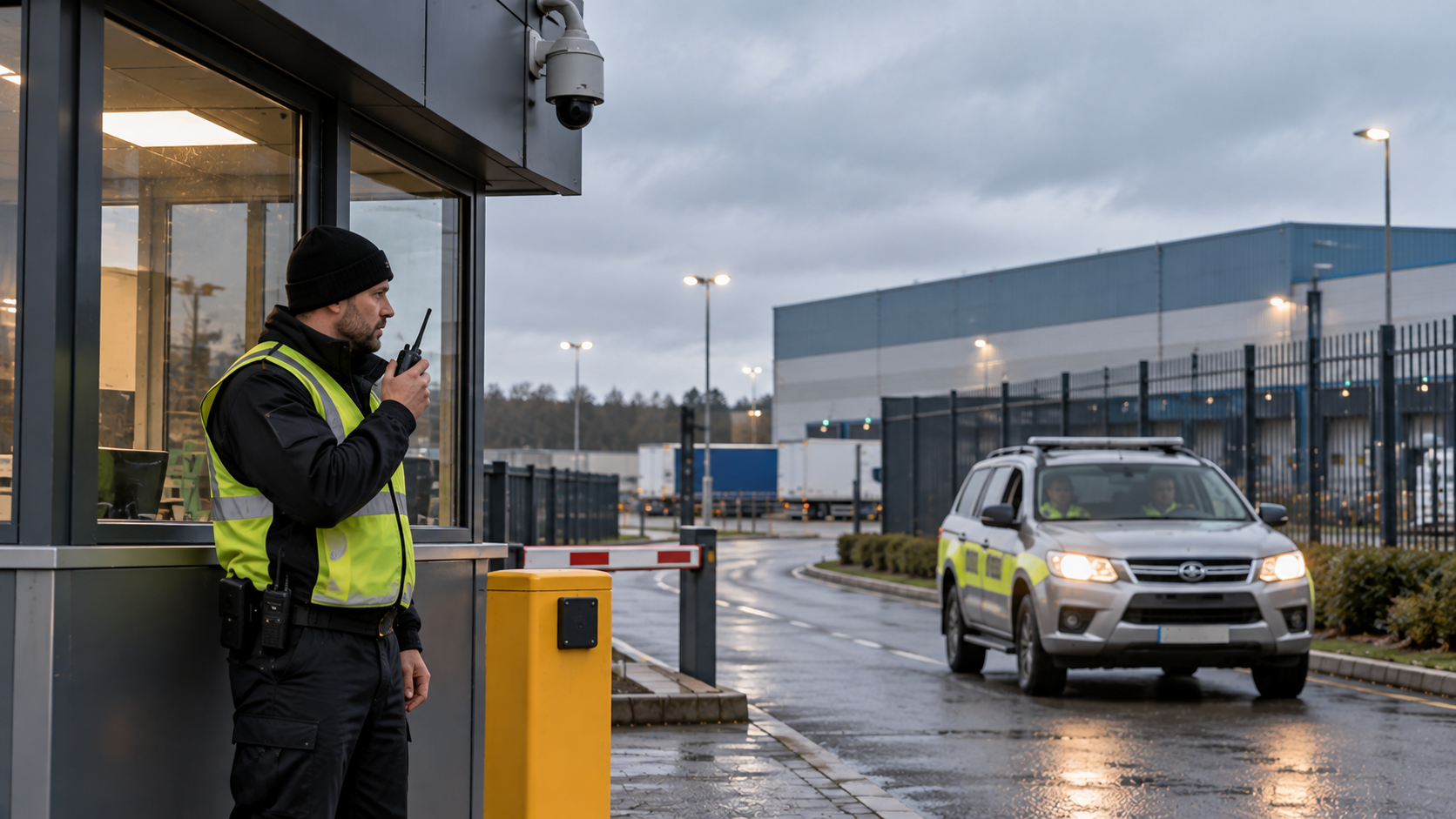
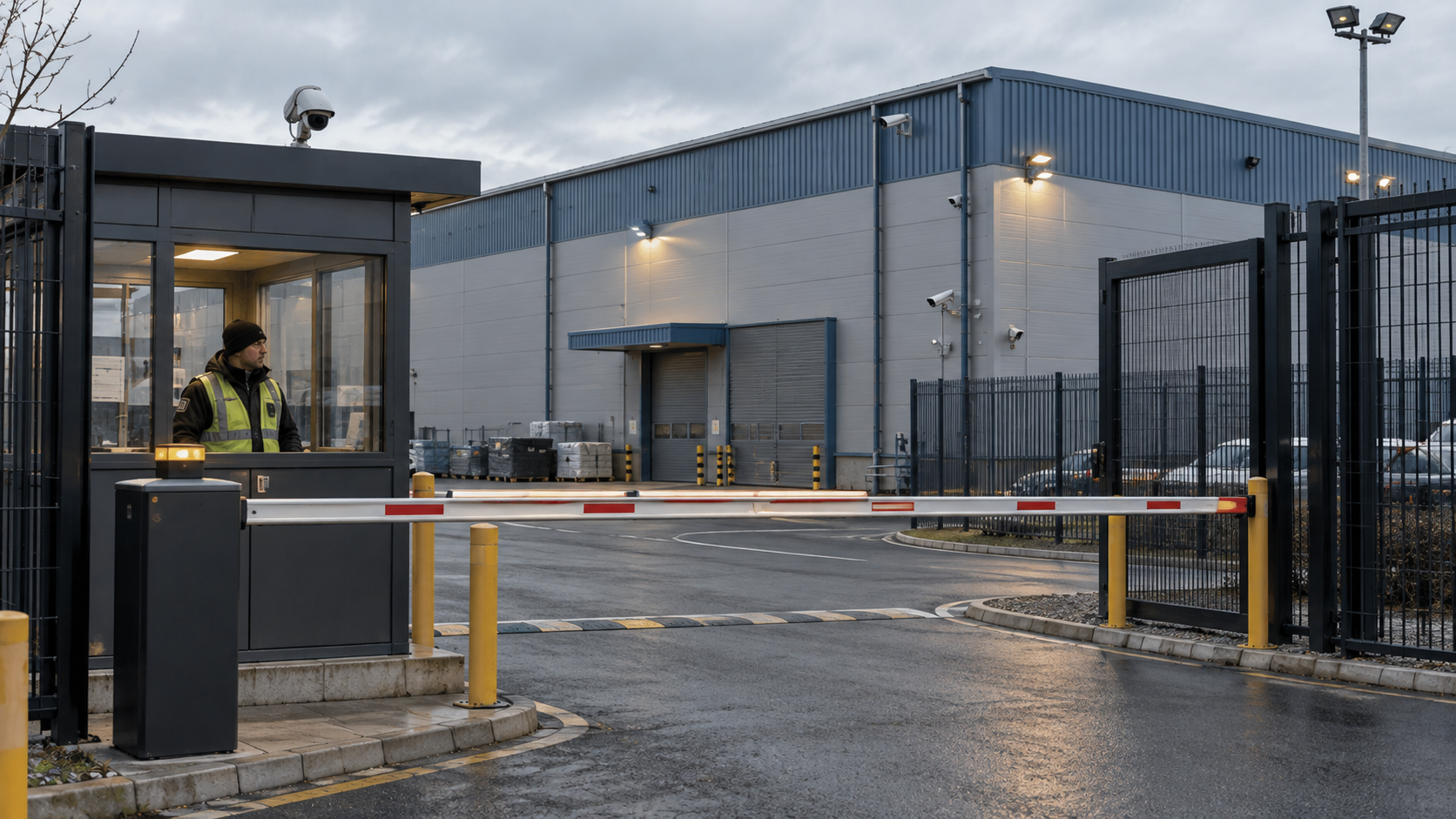
London is busy, layered, and rarely predictable. A single street can hold a corporate office, late-night retail, short-stay apartments, and a transport link. And they are all pulling in different risks at different hours. That mix is exactly why London businesses need manned guarding, not as a luxury, but as a practical control.
Crime in the capital is rarely dramatic and is quiet. Opportunistic theft, unauthorised access, and Internal shrinkage utilise this chance. Escalating anti-social behaviour that starts small and then sticks. Static security systems don’t notice patterns, but people do. Trained guards spot what doesn’t fit and act before it becomes a reportable incident. This is proactive threat detection in real terms.
London’s business landscape also brings pressure. High footfall areas supported by Business Improvement Districts demand visible reassurance. Retailers share intelligence through the London Business Crime Reduction Hub. But intelligence still needs boots on the ground to mean anything.
Manned guarding supports loss prevention & site security in a city where risk shifts by the hour. Cameras watch, and guards decide. That difference matters in London.

Understanding Manned Guarding Basics in London
London doesn’t behave like other cities. Risk shifts by postcode, by hour, sometimes by the weather. To understand why London businesses need manned guarding, you first need to understand how guarding actually works on the ground here and why static measures fall short.
What manned guarding really means in a London setting
Manned guarding is not just someone standing by a door. In London, it plays an active role. Guards assess behaviour, manage access, challenge anomalies, and react in real time. While static security like CCTV, alarms, and shutters just records events. It doesn’t prevent any threats from happening.
What separates manned guarding in London is judgment. A human judgement is different from CCTV and alarms around the site. Especially when environments change fast.
How London’s crime profile shapes guarding demand
London crime isn’t evenly spread. It clusters around transport corridors, retail density, and night-time economies. Intelligence shared through the London Business Crime Reduction Hub highlights repeat offenders. But information alone doesn’t stop incidents; what they need is trained guards.
Peak risk often aligns with:
- Early evenings when staff numbers drop
- Late trading hours in mixed-use zones
- Early mornings during delivery windows
This is where proactive threat detection becomes practical, not theoretical. A broader narrative on perceived crime increases in the capital offers a contextual background on public concern and security demand.
Peak crime hours and the day vs night risk split
Daytime risks are subtle, like theft disguised as browsing and tailgating into offices. Also, be careful of people who express aggressive behaviour towards staff.
On the other hand, nighttime risk is different to daytime risk. This holds forced access, vehicle crime, and perimeter breaches.
A professional guard can adapt to the environment. Day guards observe patterns, and night guards control space.
London-specific warehouse vulnerabilities
Warehouses near roads and rail spurs face targeted theft. These target marks are not random but organised. London’s scale makes it attractive.
Common weak points include:
- Long, poorly lit loading bays
- High-value goods moving on predictable schedules
- Minimal overnight staffing
Manned guarding fills the gap between logistics and loss prevention & site security.
Retail parks, anti-social behaviour, and visible authority
Retail parks on city edges attract groups loitering, not always criminal but often disruptive. Guards don’t escalate the situation but focus on stabilising it. A professional guard’s presence alone changes behaviour around the site. Especially in areas supported by Business Improvement Districts, where shared safety standards matter.
Retail theft and the rise of daytime patrols
Retail theft in London isn’t just a night issue anymore. It can happen on mid-afternoon or any busy weekend. Stores now rely on visible patrols to deter repeat offenders and protect staff confidence.
Events, transport, and economic pressure points
Seasonal events like London Pride stretch footfall far beyond normal patterns. Temporary risk becomes permanent for a few days, so guards scale accordingly.
Transport hubs add complexity to the site protection. London’s tram and rail networks are managed by Transport for London. As they create constant movement, it leads to movement. And this brings opportunity for other threats and risks to rise.
And control these situations in events and transports, assigning reliable guards becomes essential. Economic pressure tightens margins and growth pushes warehouses outward.
Legal and Compliance Requirements in London
Manned guarding in London sits inside a tight legal frame. The city’s scale, footfall, and risk profile leave little room for casual or informal security arrangements. If a business gets this wrong, the consequences are not theoretical. They show up as fines, invalid insurance, or failed licensing reviews.
SIA regulation and licensing obligations
Every frontline guard in London must hold a valid licence from the Security Industry Authority. That licence proves training, identity checks, and competence. Since the introduction of SIA Mandatory Top-Up Training, guards must also stay current. These SIA rules fit not just London but also Kent, Surrey and Berkshire. This isn’t optional. Lapsed training equals an invalid licence.
Using unlicensed guards is a criminal offence. Penalties can include:
- Unlimited fines
- Contract termination by landlords or councils
- Personal liability for directors in serious cases
DBS checks, insurance, and employer responsibility
The SIA licence covers background screening of guards. And many London clients like offices, schools, and healthcare-adjacent sites ensure to check. Some sites require enhanced DBS checks as an added safeguard. This background check is not just about professionalism and legality; it’s about trust.
On insurance, reputable firms carry:
- Public liability insurance
- Employer’s liability insurance
- Professional indemnity cover
Without these, claims fall back on the client. That’s a risk most London businesses can’t absorb.
Data protection and CCTV integration
Manned guarding often overlaps with CCTV monitoring. That pulls UK data protection law into play. Guards must follow lawful access rules, proper incident logging, and secure data handling. Poor practice here can breach GDPR, even if the security response itself was correct.
Compliance isn’t about watching screens. It’s about how information is used, stored, and shared.
VAT, labour law, and post-Brexit staffing realities
Manned guarding services are VAT-rated in the UK. Businesses budgeting security costs must account for this upfront. There are no exemptions just because the service feels operational.
Labour law also shapes deployment. Overtime rates, rest periods, and shift patterns must comply with UK employment rules. Post-Brexit, EU nationals working as guards must hold the correct right-to-work status. London clients increasingly ask for proof before contracts go live.
Construction sites, councils, and local authority oversight
Construction security in London often comes with extra council conditions. High-risk sites may need documented guarding plans, especially in dense residential areas. Councils don’t specify how many guards, but they expect risks to be demonstrably controlled.
Police coordination and crime intelligence
Private guarding doesn’t operate in isolation. Many deployments are informed by crime data from the Metropolitan Police. This information shapes patrol times and access control priorities. Collaboration also runs through the London Business Crime Reduction Hub. It’s where shared intelligence supports loss prevention & site security strategies.
Good manned guarding in London isn’t just compliant. It’s defensible, and that distinction matters when scrutiny arrives.
Costs, Contracts, and Deployment in London
Cost is often the first question London businesses ask about manned guarding. It shouldn’t be the only one, but it’s a fair place to start. Pricing here is shaped less by theory and more by geography, risk, and regulation.
Typical manned guarding costs across London
City centre guarding costs more than suburban coverage. That’s not a sales line but the reality. Central London sites deal with many threats and need professional guards. They handle higher footfall, longer operating hours, and tighter compliance oversight.
As a rough guide:
- City centre locations carry higher hourly rates due to complexity and wage expectations
- Outer London and suburban sites are usually lower, but risk-specific factors still apply
Staffing tied to loss prevention & site security or high-visibility patrols will always sit above baseline rates.
Deployment timelines
Once contracts are agreed, deployment is usually quick. For standard sites, guards can be operational within days. As for complex environments like logistics hubs, multi-tenant offices, assigning part take longer. It happens due to briefings and access protocols.
Urgent cover happens, but rushed setups cost more and leave gaps. Also, well-planned site protection can save money.
Contract lengths and notice periods
London businesses favour flexibility, but guarding contracts still follows patterns.
Common terms include:
- 12-month agreements for stability
- Rolling contracts after initial terms
- 30–90 day notice periods for termination
Shorter notice means higher risk for providers, which often reflects in pricing.
Wage pressure and inflation in 2025
Security wages are rising. That’s not speculation, it’s baked into forecasts. Increased training requirements, including SIA Mandatory Top-Up Training, have raised guard value and cost. Add inflation, and long-term contracts now include escalation clauses.
Fixed-price deals without review mechanisms rarely survive renewal.
Insurance benefits and cost offsets
Here’s the part many miss. Proper manned guarding can reduce business insurance premiums. Insurers look favourably on:
- Documented patrols
- Incident response logs
- Visible deterrence
Not every policy drops overnight, but risk-adjusted premiums improve over time. That offsets some guarding cost quietly, in the background.
Public sector contracts and the Procurement Act
Public bodies in London now operate under the Procurement Act 2023, overseen by the UK Government. The Act prioritises transparency, value, and performance history. Cheapest bids don’t win by default.
For manned guarding, this means:
- Proven compliance history matters
- Past performance carries weight
- Social value and workforce standards influence awards
Private firms working with councils feel the knock-on effect too.
Economics, growth, and long-term demand
In London, buildings hold spaces, warehousing expands outward, and mixed-use developments multiply. This places economic pressure as the risk increases. That’s why London businesses need manned guarding to remain a live conversation, not a settled one.
Costs rise as unmanaged risk costs more, and London businesses know it.
Training, Operations, and Daily Duties in London
Good manned guarding in London looks calm on the surface. Underneath, it’s structured, repetitive, and deliberate. Consistency is what keeps loss prevention & site security working when pressure rises. A reliable security company in London make sure that guards stay updated on evolving threats.
Training standards for London retail and commercial sites
All frontline guards must hold the Security Industry Authority license. For retail environments, that means guards are trained in it. They know conflict management, theft awareness, and lawful intervention.
Ongoing requirements like SIA Mandatory Top-Up Training keep guards current with evolving risks. This includes lone-worker safety and public-space threats.
Training isn’t a generic term to learn and becoming a guard. London retail needs guards who can read behaviour, not just react to alarms.
What happens at the start of a London shift
The first minutes matter in every critical situation. And guards don’t drift into the duty. On arrival, they typically:
- Sign in and review handover notes
- Check site instructions and incident alerts
- Walk key access points before settling
The first physical check is almost always the perimeter. Doors, gates and loading bays need to be checked if something feels off early.
Shift handovers and patrol frequency
Handover is verbal and written. Incidents, near misses, and unresolved concerns all passed forward. London sites move fast, so nothing relies on memory alone.
Patrol frequency depends on risk, but most London shifts include:
- Regular internal patrols during business hours
- More frequent perimeter checks overnight
- Targeted patrols around the known pressure points
This is where proactive threat detection becomes routine, not reactive.
Industrial sites, utilities, and fire safety
In London industrial zones, guards prioritise external vulnerabilities first. Early patrols focus on:
- Fencing and vehicle barriers
- Utility rooms and service intakes
- Signs of tampering or forced access
Fire safety checks are essential and constant. Also, ensure to have clear exits, accessible extinguishers and no blocked routes. Guards don’t wait for audits; they plan well to prevent failures.
Logbooks, reporting, and CCTV checks
Every shift generates records, not essays with them. They have to be clear and factual entries. Daily logbooks usually include:
- Patrol times and findings
- Visitor access records
- Alarm activations and responses
- Equipment faults or hazards
At shift start, guards verify CCTV feeds, camera angles, and recording status. If a system isn’t working, it’s reported immediately. Silence creates liability.
Alarms, visitors, and internal access control
Early-shift alarms are common in London. Deliveries, cleaners, system resets. Guards respond methodically to verify, assess, and escalate if needed.
Visitor logging follows arrival:
- Identity confirmation
- Purpose and host verification
- Time-stamped entry and exit
Internal access points are checked once the site is live. Tailgating is watched closely as offices don’t get breached by force; they get walked into.
Night shifts, reporting, and secure-down
During night shifts, guards report to supervisors at agreed intervals. Not to be monitored, but to stay connected, as isolation causes mistakes.
End-of-shift secure-down includes:
- Final perimeter sweep
- Internal lock checks
- System status confirmation
Coverage patterns and regional response
For 24/7 sites, shift patterns rotate to manage fatigue. Emergency response times vary by site. But coordination with local services, including the Metropolitan Police, ensures safety. This supports across London and the wider South East to ensure escalation routes are clear.
This is the daily reality behind why London businesses need manned guarding. It provides quiet, methodical and effective.
Performance, Risks, and Challenges in London
Manned guarding in London works when performance is measured honestly, and pressure points are acknowledged. On paper, everything looks neat, but on the ground, it’s different. Variables like weather, fatigue, and public behaviour affect most. Ignoring them is how standards slip.
Measuring performance: what actually matters
Good clients don’t track everything on the site; they do the right things. Common KPIs for manned guarding include:
- Incident response times and resolution quality
- Patrol completion and accuracy, not just frequency
- Quality of incident reports and handover notes
- Compliance with loss prevention & site security procedures
Numbers matter, but context matters more. A quiet logbook isn’t always a good sign.
Weather as a performance variable in London
London weather isn’t extreme, but it is relentless. Rain, wind, and cold snaps wear guards down over long shifts. Outdoor patrol effectiveness drops if sites don’t adapt.
During poor conditions, guards document:
- Reduced visibility or unsafe surfaces
- Shelter use and adjusted patrol routes
- Delays caused by weather-related hazards
This isn’t box-ticking to ensure the safety of the site. It protects both the guard and the client if incidents occur.
Health, fatigue, and long-shift risk
Long shifts are a reality in London guarding, but they also carry risk along with them. Physical fatigue slows reaction time. Mental fatigue affects judgment more dangerously.
Common impacts include:
- Reduced situational awareness late in the shift
- Slower response to alarms
- Increased reporting errors
That’s why structured breaks and sensible rotations aren’t perks; they are safeguards.
Mental health pressures on night-shift guards
Night shifts bring isolation, less interaction and more uncertainty. London sites don’t sleep, but they do quieten. Guards working alone need support structures, not just supervision.
Many firms now provide:
- Regular welfare check-ins
- Access to mental health support lines
- Clear escalation routes for stress-related concerns
- Environmental and regulatory pressures
Outdoor manned patrols must also respect environmental and health regulations. Extended exposure during heatwaves or cold spells triggers duty-of-care obligations.
Risk assessments aren’t static documents; they flex with conditions. Failing here creates liability quickly.
Labour shortages and retention challenges
London’s guarding market is tight, and competition for trained staff is real. Especially, this looks like rising training standards, like SIA Mandatory Top-Up Training. Firms that treat guards as disposable feel it first.
High turnover weakens proactive threat detection. Familiarity with a site builds intuition, and intuition prevents incidents.
Performance under pressure
Security performance isn’t just about what happens during incidents. It’s about what doesn’t happen because someone noticed something small and acted early. This is why London businesses need manned guarding remains relevant, even when challenges grow.
Good guarding is about adapting to the site and environment. Poor guarding endures until it fails. London businesses can’t afford the latter.
Technology and Future Trends in London
Manned guarding in London isn’t being replaced by technology but being reshaped by it. The guard is still central to protection. But the tools around them have changed how risk is spotted, logged, and acted on.
How technology has changed London manned guarding
Urban guarding used to rely on visibility and routine. Now it’s layered, guards work with systems that extend their awareness beyond line of sight.
Common shifts include:
- Mobile patrol apps replacing paper logbooks
- Real-time incident reporting instead of end-of-shift summaries
- GPS-verified patrols to support loss prevention & site security
- Technology hasn’t removed judgment but sharpened it.
Post-COVID operational changes
COVID permanently altered guarding protocols in London. As crowd behaviour changed and tolerance levels dropped. Guards now deal with well-being issues as much as access control.
Post-COVID adjustments include:
- Greater focus on conflict de-escalation
- Flexible patrol routes based on occupancy, not fixed schedules
- Increased coordination with facilities teams
This has strengthened proactive threat detection, especially during daytime operations.
AI surveillance and the human role
AI-powered CCTV is now common across London offices, retail, and transport-linked sites. These systems flag unusual movement or behaviour. They don’t decide what it means.
That decision still sits with the guard. AI supports manned guarding by:
- Highlighting anomalies faster
- Reducing screen fatigue
- Prioritising attention during busy periods
Without trained guards, AI produces noise. With guards, it produces clarity.
Remote monitoring and hybrid security models
Remote monitoring centres now cover many London sites. Guards on-site remain the response layer. Remote teams provide oversight, escalation, and evidence.
This hybrid model works because:
- Guards respond physically
- Remote teams track patterns across multiple sites
- Incidents are documented instantly
It’s efficient but only when roles are clear.
Drones and predictive tools: early-stage integration
Drone patrols in London remain limited and tightly regulated. They are used in large estates and infrastructure edges. They complement ground patrols rather than replace them.
Predictive analytics, however, is moving faster. London businesses increasingly use data from:
- Incident history
- Footfall trends
- Seasonal event patterns
This informs deployment levels and shift timing. Security becomes planned, not guessed.
Upskilling and certification trends
The skillset expected of London guards is expanding. Beyond core licensing, upskilling now matters.
Increasingly relevant areas include:
- Advanced conflict management
- Counter-terror awareness
- Ongoing SIA Mandatory Top-Up Training
Clients notice the difference. So do inspectors.
Green security and environmental awareness
Sustainability has reached guarding. Outdoor patrols now consider fuel use, lighting efficiency, and idle time. Electric patrol vehicles and smart lighting reduce the footprint without reducing coverage.
Martyn’s Law and future guarding expectations
The proposed UK Government Protect Duty, commonly known as Martyn’s Law. It will raise expectations for public-facing venues. Risk assessments, visible guarding, and trained response will become baseline, not optional.
Guidance shaped alongside the Metropolitan Police already points in that direction.
Technology will keep evolving. But the reason why London businesses need manned guarding won’t disappear. It will become more defined, more accountable and more human where it matters most.
Conclusion
London doesn’t reward shortcuts. The city moves too fast, changes mood too quickly. That’s the real reason why London businesses need manned guarding. It’s not because crime is constant, but because risk is fluid in the city.
Across retail, offices, warehouses, and public-facing venues, the same pattern keeps appearing. Technology helps, but it doesn’t interpret intent. Data informs, but it doesn’t intervene towards threats. It’s a trained person on-site who notices first. That’s proactive threat detection in practice, not theory.
Compliance pressures are tightening. Training standards rise. Expectations from insurers, councils, and partners like the London Business Crime Reduction Hub aren’t easing off. Neither is there scrutiny from the Metropolitan Police in high-risk areas. In that environment, visible, accountable guarding supports more than loss prevention & site security.
The best guarding isn’t loud, but being steady and blends into daily operations. They stay quiet, reducing friction, incidents, and long-term cost. London businesses that understand this don’t ask whether manned guarding is still relevant.
Frequently Asked Questions
1. Do I really need manned guarding if I already have CCTV?
Yes, if you rely on CCTV alone, you’re only ever reacting after something’s happened. Cameras record. Guards interpret. In London, where behaviour shifts fast, having someone on-site who can step in early is often what stops a small issue from turning into a bigger one.
2. Is manned guarding only for high-crime areas of London?
No, that’s a common mistake. Some of the most persistent issues show up in “quiet” areas. Tailgating, internal theft, and anti-social behaviour that creeps in slowly. Risk in London is more about patterns than postcodes.
3. Will guards slow down my staff, customers, or visitors?
Not when it’s done properly, good guards blend in. They manage access without friction and support normal operations. Poor guarding feels heavy-handed. Professional guarding feels almost invisible until it’s needed.
4. How do guards stay compliant with changing regulations?
Through licensing, audits, and ongoing training, such as SIA Mandatory Top-Up Training. Reputable firms track changes closely because non-compliance doesn’t just affect them; it lands on the client, too.
5. Can manned guarding actually reduce losses long term?
Yes, and not just theft. It reduces damage, staff turnover caused by safety concerns, and even insurance exposure. That’s why loss prevention & site security isn’t just a retail issue anymore.
6. What happens if a guard makes a wrong call?
Decisions are guided by procedures, reporting, and escalation, not gut instinct alone. Guards don’t act in isolation. They work within clear frameworks and, where needed, alongside partners like the Metropolitan Police.
7. Is manned guarding still relevant as technology improves?
More than ever, AI and remote monitoring flag issues. But they don’t resolve them. Technology points to issues, and people decide. That balance is exactly what modern London sites need.
8. What’s the biggest mistake London businesses make with manned guarding?
Treating it as a checkbox. When guarding is bolted on instead of integrated, performance suffers. Businesses that get value from guarding see it as part of operations.