Retail security has become a core operational concern in St Helens. For many local retailers, security decisions depend on certain factors. It includes staffing, rent, insurance, and supplier contracts.
St Helens has a mixed business environment. It covers a busy town centre, retail parks, standalone units, and industrial areas. Each brings different risks. Some risks are obvious. Others only show up after losses begin to mount or insurers start asking questions.
Retail security is not about stopping theft. It is about protecting staff and keeping sites open. It also shows insurers that risks are adequately managed.
This article explains why St Helens businesses need retail security. It describes how risks tend to emerge and how businesses can plan security.
Retail Security Basics in St Helens
Retail security refers to the use of trained people, systems, and routines. This, in turn, reduces loss and disruption at retail sites. It differs from relying on alarms or remote cameras. It also differs from static guarding used in offices or construction sites.
Retail environments are open by design. Customers come and go. Stock is visible. Staff are busy. This openness creates opportunity. That is why retail security focuses on presence, awareness, and fast response.
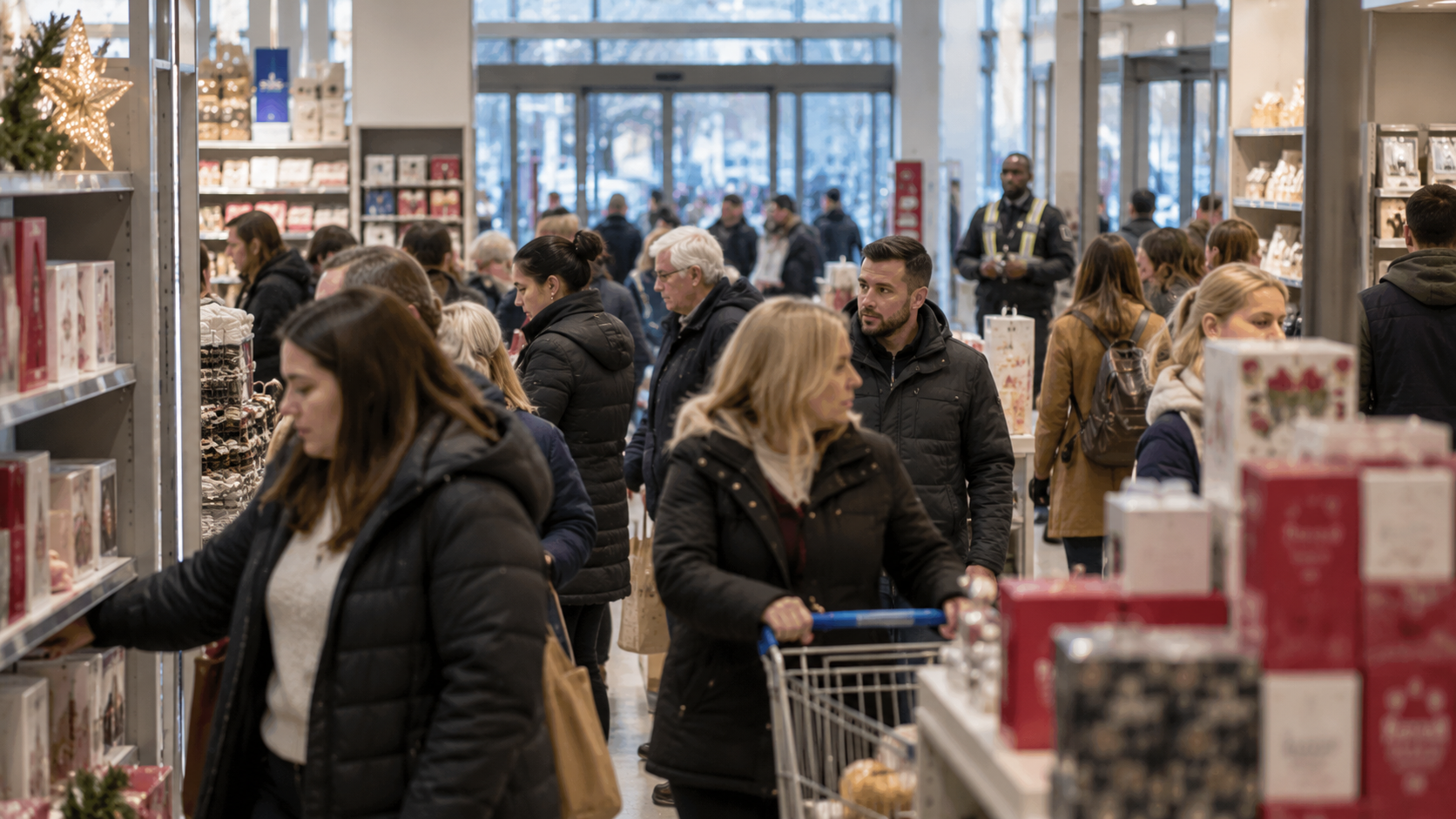
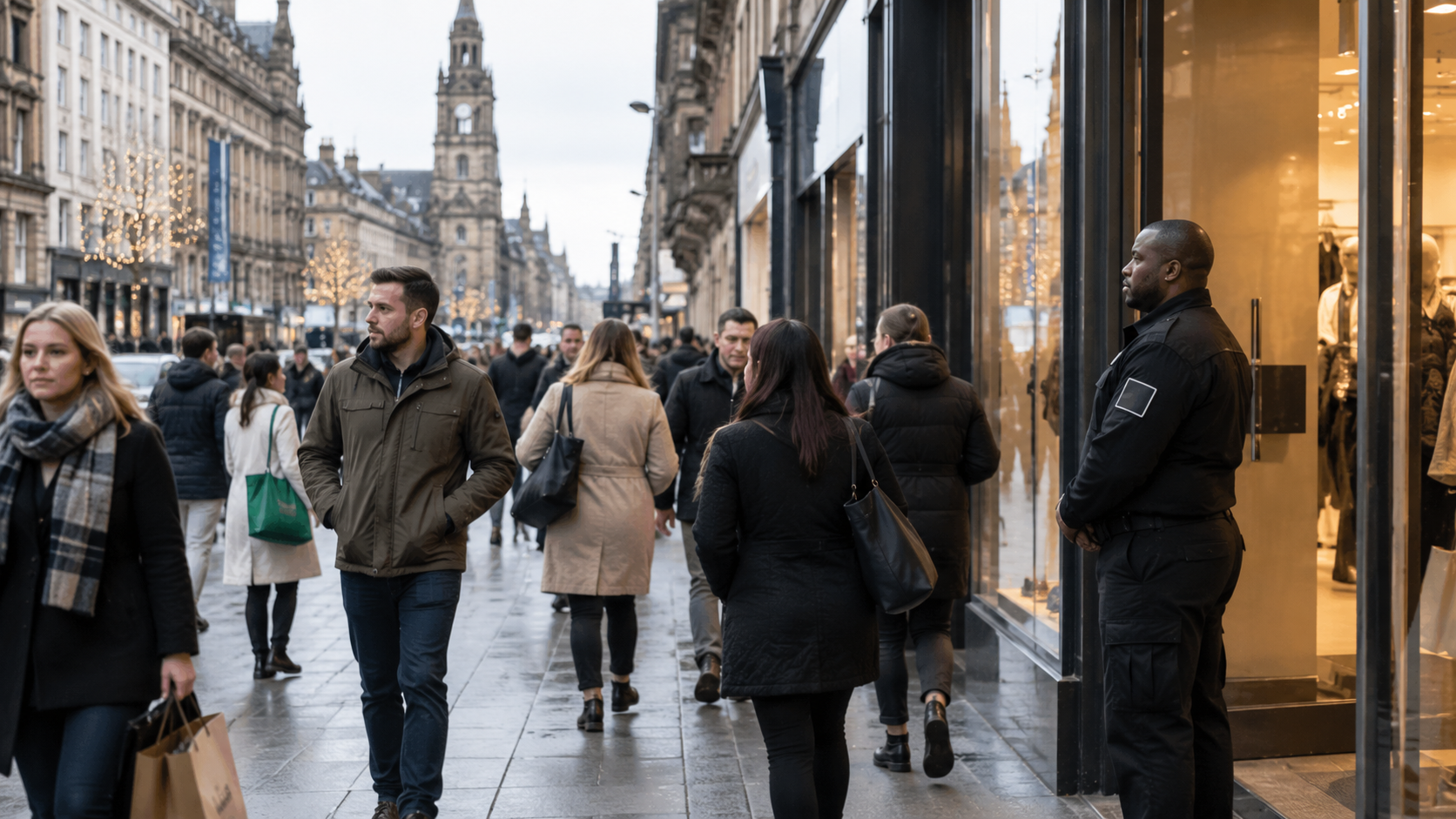
In St Helens, risk varies by location and sector. Town-centre shops deal with footfall-driven theft and antisocial behaviour. Retail parks face organised theft and vehicle-based incidents. Warehouses and storage units often see out-of-hours access attempts. Night-time venues add risks linked to alcohol and crowd movement.
Security planning has to reflect these differences. A single approach rarely works across all sites. Security is as much about people as it is about technology. For example, a guard stationed near a high-value display stops theft by being there. A CCTV camera might capture footage, but it does nothing to stop the act in real time. Guards and cameras together are more effective.
Retail crime in Merseyside shows that organised groups happen around low-staffed hours. They might observe delivery routines and find weak points. For a local business owner, this means understanding routines and adjusting them. Changing patrol patterns, staff positions, and even rearranging stock displays can reduce risk.
Not every risk is obvious. Seasonal changes affect shoplifting and vandalism. December sees higher footfall, but also increased pickpocketing and bag theft. In summer, empty car parks may attract opportunistic theft or arson attempts. Knowing these patterns helps businesses divide security where it counts.
A visible security presence has other benefits. It reassures staff, makes customers feel safer, and can reduce complaints. Retailers often underestimate this effect. It is about creating a controlled environment where people behave predictably.
What are the peak crime hours for businesses needing retail security in St Helens?
Crime does not happen at random times. It follows patterns.
In St Helens, many retail incidents happen:
- Late afternoon into early evening, when footfall peaks
- Around closing time, when staff numbers drop
- Early mornings, before sites are active
- Weekends, especially around paydays and events
These windows matter. Covering low-risk hours while leaving peak periods exposed often leads to poor outcomes. Businesses that align security hours with risk windows see better results without overspending.
There are subtle shifts within the same window. For example, early evening in winter might be the peak for shoplifting. Because it is dark and people are leaving work. In summer, mid-afternoon may see more incidents because tourists or shoppers linger longer.
Delivery windows are often exploited. Stockrooms accessed during busy periods may be overlooked. Guards trained to spot unusual behaviour can intervene before loss occurs.
Some retailers use local crime data from Merseyside Police to adjust their schedules. This is not common practice, but it is effective. The goal is coverage that matches risk, not blanket staffing that wastes resources.
How has rising retail theft in St Helens increased demand for daytime retail security?
Retail theft is no longer a nighttime issue. Much of it now happens during trading hours. This includes individual theft, repeat offenders, and small organised groups.
As a result, many St Helens businesses now focus on daytime security. The aim is not confrontation. It is deterrence and visibility. A calm, professional presence changes behaviour. It also gives staff confidence to focus on customers rather than watch for theft.
Daytime retail security is often used alongside staff training and store layout changes. It works best as part of a wider loss-prevention plan rather than as a stand-alone measure.
Daytime theft in and around St Helens is often underestimated. Shoppers may act confidently when staff are busy or distracted. Small items, especially high-value or easily resold goods, are targeted.
A clothing store recently reported a 15% drop in shrinkage with daytime security. This included a trained guard and staff awareness training. The intervention did not disrupt normal operations. Customers hardly noticed, but staff reported feeling safer, and losses decreased.
Finance teams can use these results to justify investment. The cost of a daytime guard may be less than the cost of inventory replacements or insurance claims. This is why St Helens businesses need retail security.
What are the differences between day and night retail security risks?
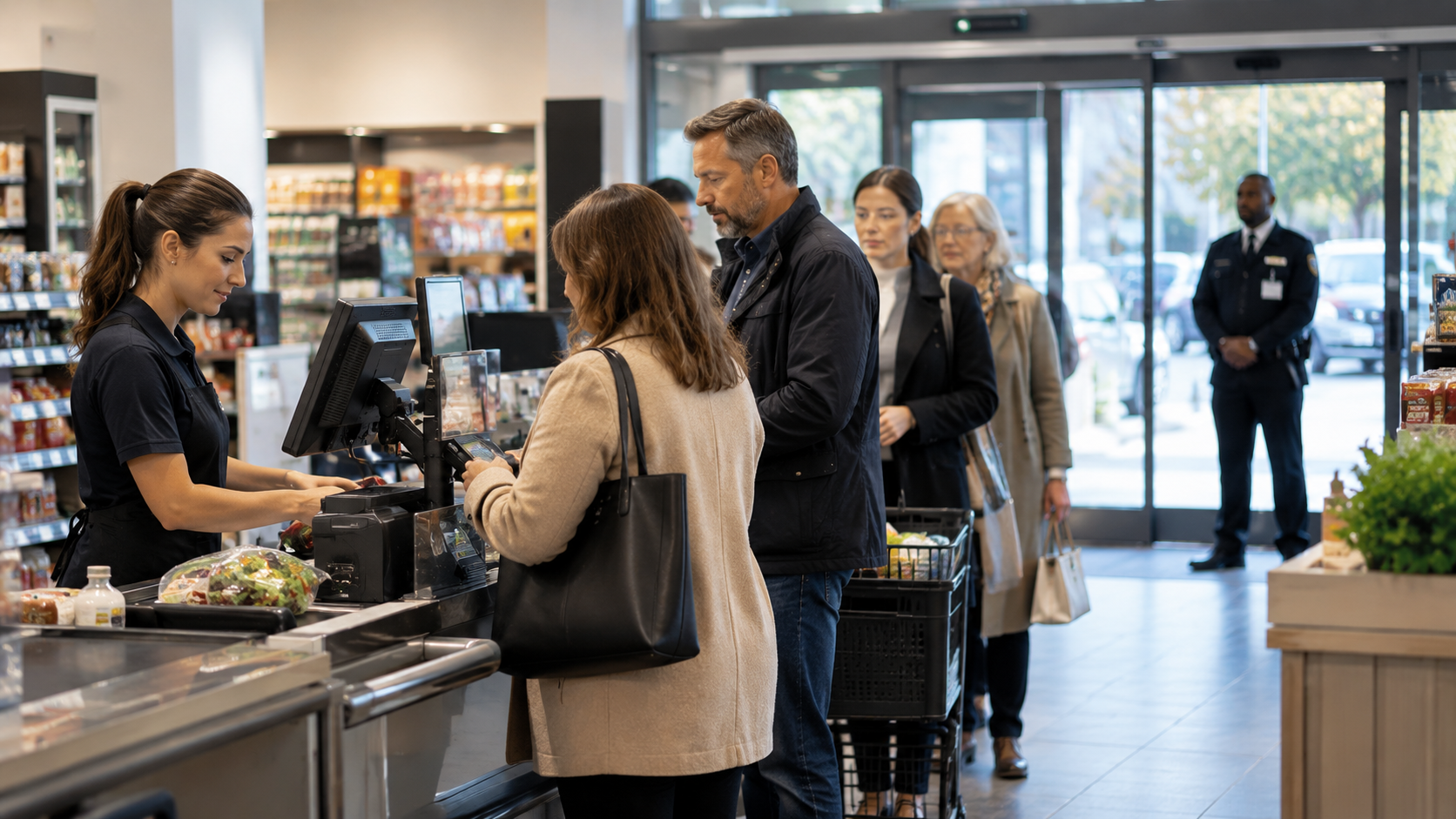
Day and night bring very different challenges. During the day, risks are internal to the store. These include shoplifting, staff abuse, distraction theft, and conflict at tills or exits. Evidence collection and de-escalation are essential skills here.
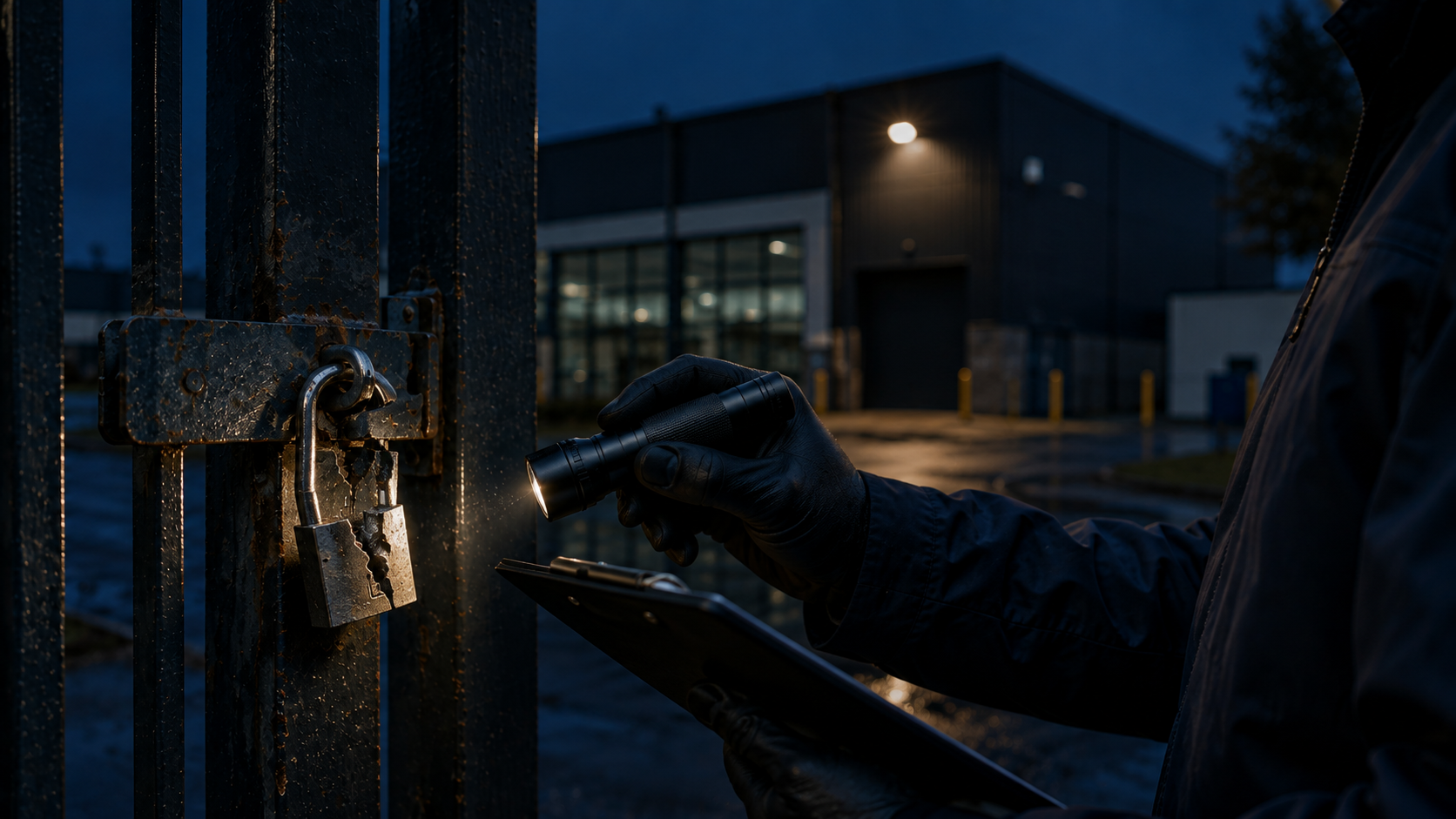
At night, risks shift outward. Break-ins, vandalism, and unauthorised access become more common. Lighting, perimeter checks, and response speed matter more than customer interaction. Security planning should reflect these shifts. Using the same setup for both periods often leaves gaps.
Night-time security is more about access control. Many warehouses have automated doors. Guards check alarms, inspect locks, and patrol the perimeter. But daytime security focuses on human behaviour. It involves monitoring customers, delivery staff, and temporary contractors. Retailers often fail to see that daytime theft is less noticeable. Guards must observe but not react.
How do economic factors in St Helens influence retail security demand?
Economic pressure changes behaviour. When costs rise and margins shrink, both customers and businesses feel the strain.
For retailers, this often leads to tighter stock control and more scrutiny from insurers. For some offenders, financial pressure increases the likelihood of opportunistic theft.
This combination tends to increase demand for visible security as a stabilising measure. Businesses that act early often avoid larger losses later.
Legal and compliance requirements
Retail security decisions are shaped by law as much as by risk. Insurance compliance for retail premises is a major driver of security requirements. Insurers often ask for evidence that businesses have considered risk and acted. This includes documentation of training and vetting, patrol logs, and CCTV recordings.
Some businesses overlook small details. For example, failing to check the security cameras’ functions can invalidate a claim. Missing a patrol log entry can raise questions. Attention to these details shows insurers that a business is taking responsibility.
Event licensing and Martyn’s Law add new layers. Pop-up markets, in-store launches, or public events now need planning. Security needs to be proportionate and recorded. Businesses that ignore these rules risk fines, insurance disputes, and reputational damage.
In the UK, anyone carrying out licensable security must hold the correct SIA licence. This includes manned guarding and specific CCTV roles. Using unlicensed staff exposes businesses to fines, invalid insurance, and reputational damage.
Vetting standards also matter. Many insurers and larger clients expect guards to be under BS 7858. This shows that background checks have been carried out. DBS checks are often required, depending on the role and environment.
Businesses must also consider data protection. CCTV systems record personal data. Footage must be stored, accessed, and kept only as long as needed. Poor handling can create legal risk even when systems work as intended.
For some venues, new rules are on the horizon. Martyn’s Law introduces more duties for sites that attract large numbers of people. Those hosting events or operating in crowded areas should pay attention.
How do VAT rules apply to retail security in the UK?
Retail security services are usually subject to standard-rate VAT. This applies to guarding, monitoring, and many related services.
Finance teams should factor VAT into total cost comparisons. Cheaper quotes may exclude VAT or rely on unclear service definitions. Clarity at the contract stage avoids disputes later.
Many businesses misunderstand VAT treatment. Security services supplied to a retailer are standard-rated. Some providers include VAT in quotes, others exclude it. Finance teams must carefully review the contract. Mistakes can result in unexpected costs or incorrect accounting.
What documentation proves a security firm’s compliance history?
A credible security provider should be able to supply:
- Proof of SIA licences for guards
- Evidence of vetting standards
- Insurance certificates
- Risk assessments and method statements
- Sample incident reports
- Clear contract terms
These documents are not formalities. They protect the client if something goes wrong.
How do labour laws affect retail security overtime payments?
Security staff are covered by employment law like any other workers. This includes rules on working time, rest breaks, and holiday pay.
Contracts should state how overtime is handled. Unexpected overtime in cities near St Helens can quickly drive up costs. Clear terms protect both sides.
How do Merseyside Police collaborate with private retail security firms?
In St Helens, police work with retailers through local partnerships. These groups share information, identify repeat offenders, and coordinate responses.
Security teams that understand local reporting processes and evidence standards make it effective. This improves outcomes when incidents occur.
Merseyside Police often provide intelligence to local businesses. For example, a shop reporting repeat thefts may be included in a targeted patrol route. Security companies in St Helens maintain good communication with the police. This helps to respond faster. Evidence collected by private guards is often the first step toward police action.
Costs, contracts, and deployment in St Helens
Retail security costs depend on choices. No fixed rate suits every business.
Key cost drivers include:
- Hours covered
- Skill level required
- Location and site layout
- Use of technology
- Contract length
Town-centre sites often focus on visible presence during trading hours. Retail parks may prioritise mobile patrols and night coverage. Each approach carries different costs.
Inflation and wage changes have affected pricing across the sector. Businesses should expect transparent pricing and clear explanations for increases.
Local market conditions in areas around St Helens also affect costs. Town-centre security is often higher due to higher risk and footfall. Suburban sites may face lower hourly rates but need coverage for isolated hours.
How long does it take to hire and deploy a retail security team in St Helens?
Timelines vary. For short-term cover, deployment can happen within days if staff are available. For long-term or multi-site contracts, it may take several weeks.
Vetting, site training, and uniforming all take time. Rushing this process often leads to problems later.
What are common contract lengths for retail security in St Helens?
Many retailers choose 12-month contracts. This balances flexibility with stability. Shorter contracts suit seasonal needs. Longer contracts can offer price certainty but need careful performance management. Notice periods and exit clauses matter. They should be fair and clear.
How does retail security support business insurance premium reductions?
Insurers look for evidence that risks are managed. This includes security presence, CCTV coverage, and documented procedures.
When these are in place, insurers may reduce premiums or excess levels. The exact impact varies. What matters is being able to show that measures are active and maintained.
Insurance discounts are possible, but depend on proof. Having guards is not enough. Availability of Logs, CCTV footage, patrol schedules, and incident response evidence.
Some insurers offer lower premiums if loss-prevention measures are layered. For instance, combining cameras, daytime security, and cash handling can produce measurable savings. This encourages businesses to consider integrated approaches.
How does the Procurement Act 2023 affect public sector retail security contracts in St Helens?
Public bodies now face stricter rules on the awarding and management of contracts. This includes clearer performance measures and greater transparency.
For suppliers, this means higher standards. For clients, it means better oversight and clearer accountability.
Training, daily operations, and guard duties
From a business perspective, security operations should be predictable and well-documented. Guards should arrive informed. They should know what happened on the previous shift. They should understand the site layout and key risks.
Daily routines matter because they reduce mistakes. They also create records that support insurance claims and investigations. Practical training focuses on outcomes. Guards must know how to spot suspicious activity, manage incidents, and report.
Daily routines vary by site. Some stores need hourly patrols. Others need periodic checks of specific areas. Shift patterns are also important. Long, repetitive shifts can reduce vigilance. Rotating schedules keeps staff alert.
Post-patrol documentation is critical. Notes, logs, and digital entries provide an audit trail. This protects both the business and staff. It is the reason why businesses in and around St Helens need retail security.
What does a retail security guard do immediately upon starting a shift in St Helens?
At the start of a shift, guards review logs, check systems, and communication channels. They identify any outstanding issues and plan their patrols accordingly. This preparation sets the tone for the shift.
What is the first thing a security guard checks when arriving at a St Helens site?
Access points. Doors, shutters, and delivery areas are checked first. Any faults are recorded and escalated.
What fire safety checks are priority for retail security on duty?
Fire exits must be clear. Alarm panels should show a normal status. Combustible waste should be managed. These checks support wider safety duties and protect staff and customers.
Guards often check:
- Fire exits and doors
- Alarms and call points are functional
- Emergency lighting works
- Flammable materials
Regular inspections reduce risk and improve insurance compliance.
How frequently do guards report to supervisors during St Helens night shifts?
Reporting schedules depend on risk. Some sites need hourly updates. Others use event-based reporting. What matters is consistency and traceability.
What post-patrol documentation do retail security complete hourly?
Logs typically note patrol routes, observations, and incidents. Digital systems improve accuracy and speed.
How do shift patterns work for 24/7 retail security coverage?
24/7 coverage usually involves rotating shifts with planned handovers. Fatigue management is essential to maintain alertness.
Performance, risks, and staffing challenges
Performance should be measured by outcomes, not activity alone.
Useful measures include:
- Reduction in theft incidents
- Response times
- Quality of reports
- Compliance with agreed routines
The weather can affect performance. Heavy rain or ice changes patrol patterns and response times. Plans should account for this. Long shifts can reduce focus. Sensible scheduling helps maintain standards. Fog or ice can slow response times. Plans should include contingencies for these conditions.
KPIs help decision-makers track performance. Incident numbers, response times, and report quality are useful metrics.
Labour shortages are a challenge. Contracts that promise continuity may cost more but reduce risk. Stability in guard teams often saves money and improves long-term security outcomes.
What KPIs should businesses track for retail security performance?
Keep KPIs simple. Focus on incidents, response, and reporting quality.
How does weather in St Helens affect retail security effectiveness?
Poor weather changes movement and visibility. Security plans should adapt.
What health impacts of long shifts on retail security performance?
Fatigue reduces attention. This increases risk. Shift limits and breaks matter.
What strategies are St Helens firms using to retain retail security amid labour shortages?
From a client view, stability comes from realistic contracts and fair pricing. Underpriced services often fail first.
Technology and future trends in St Helens retail security
Technology supports people. It does not replace them. CCTV works best when monitored and linked to a response. AI tools help spot patterns but need oversight. Remote monitoring reduces costs for low-risk hours.
Drones have niche uses for large sites. Green technology reduces running costs. Martyn’s Law will shape planning for some venues. Early awareness helps avoid rushed changes later.
Technology is evolving. Remote monitoring can reduce costs and extend coverage. AI tools help detect unusual patterns but need supervision.
Drones used for perimeter check are not a replacement for guards. But they provide rapid situational awareness.
Sustainability is becoming relevant. Energy-efficient systems and low-power cameras reduce operating costs. These practices appeal to procurement teams and support corporate social responsibility goals.
How do remote monitoring systems complement traditional retail security in urban St Helens?
Remote monitoring extends coverage and reduces gaps. It works best when linked to on-site response. It fills the gaps when physical coverage is impractical. Guards can be dispatched only when alerts arise. This approach balances cost and risk.
How are drone patrols integrating with ground-level retail security in St Helens?
Drones support perimeter checks and post-incident reviews. They are not a daily solution for most stores.
What predictive analytics tools help St Helens businesses assess retail security needs?
Data tools highlight patterns over time. They support better scheduling and budgeting. Data-driven tools analyse footfall, incident reports, and seasonal patterns.
This information helps managers decide where to place staff and cameras. It can also guide investment in new security measures.
What impact will Martyn’s Law have on retail security requirements for St Helens venues?
Some venues will need formal risk plans and proportionate measures. Understanding this early reduces disruption.
Conclusion
Retail security in St Helens is about balance. Businesses must weigh cost against risk, visibility against disruption, and compliance against flexibility. There is no universal answer. But there is a clear process. Understand local risks. Know legal duties. Choose proportionate measures and review performance.
When done correctly, retail security supports stable trading. It also supports safer workplaces and clearer insurance outcomes. That is why it deserves careful thought rather than reactive decisions.
Data-driven tools analyse footfall, incident reports, and seasonal patterns. This information helps managers decide where to place staff and cameras. It can also guide investment in new security measures.
Frequently Asked Questions
1. Do I need security guards for daytime retail in St Helens?
Visible guards during trading hours deter shoplifting and minimise shrinkage. Guards provide a safer environment for staff, reducing incidents of abuse or conflict.
2. Can CCTV alone protect my retail premises?
Cameras capture footage but do not stop theft in real time. CCTV works best when combined with trained staff or remote monitoring.
3. How can retail security affect my insurance premiums?
Insurers may lower premiums if you can show active, documented risk management. Logs, patrol reports, and CCTV records support claims and show compliance.
4. How often should security patrols occur in St Helens retail stores?
High-value areas may need hourly patrols; lower-risk regions can be done less frequently. Regular documented checks create an audit trail for insurance and compliance purposes.
5. What are the legal requirements for hiring retail security in St Helens?
All guards performing licensable activities must hold a valid Security Industry Authority licence. BS 7858 vetting and appropriate DBS checks ensure staff are trustworthy with regulations.
6. Should small stores invest in technology for security?
Alarms, monitored CCTV, and remote alerts can extend coverage without hiring full-time guards. Combining technology with an occasional manned presence increases effectiveness and reduces losses.
7. How does Martyn’s Law impact St Helens retail businesses?
Some stores, pop-up events, and malls may need protective security plans. Proportionate measures, risk assessments, and liaison with police may become mandatory.
8. What is the best way to deploy a security team across many retail sites?
Prioritise stores by footfall, past incidents, and local crime patterns. Combine daytime guards, remote monitoring, and mobile patrols to maximise coverage.