Newcastle is a city that rarely stands still. Shops open early, students drift in with coffee, commuters spill from Central Station, and footfall builds long before lunchtime. Retail now sits at the core of the city’s economy. You see it not just on Northumberland Street, but across Eldon Square, Byker, and the parks that spread out toward the Tyne.
That rhythm brings opportunity. It brings risk, too.
Shops can flip from quiet to hectic in seconds. A rush may arrive out of nowhere thanks to school breaks, the return of students, match days, or a cleared-up Saturday afternoon. In that environment, retail security has shifted from a “maybe” to something closer to infrastructure. It protects staff before tempers rise. It fills gaps when systems can’t act quickly enough. And that underpins why Newcastle upon Tyne businesses need retail security as part of daily operations rather than a last-minute reaction.

Retail Security Basics in Newcastle Upon Tyne
Walk through Newcastle on any weekday, and you can see how retail works today. It isn’t a single lane of shopfronts anymore. Newcastle’s retail scene isn’t in one place. It stretches from Eldon Square to Northumberland Street and Grey Street, and out to the retail parks where parking can be just as valuable as pavement space. In each of those places, expectation sits high: shelves stocked, staff unfazed, doors opening on time, and customers able to browse without trouble.
Security is working in the background across the city’s shops. Most people don’t notice it unless there’s an issue. Retail pressure isn’t just a Newcastle issue. The same pace runs through the wider North East, so retailers must work just as hard to protect their sites.
What Retail Security Means in Practice
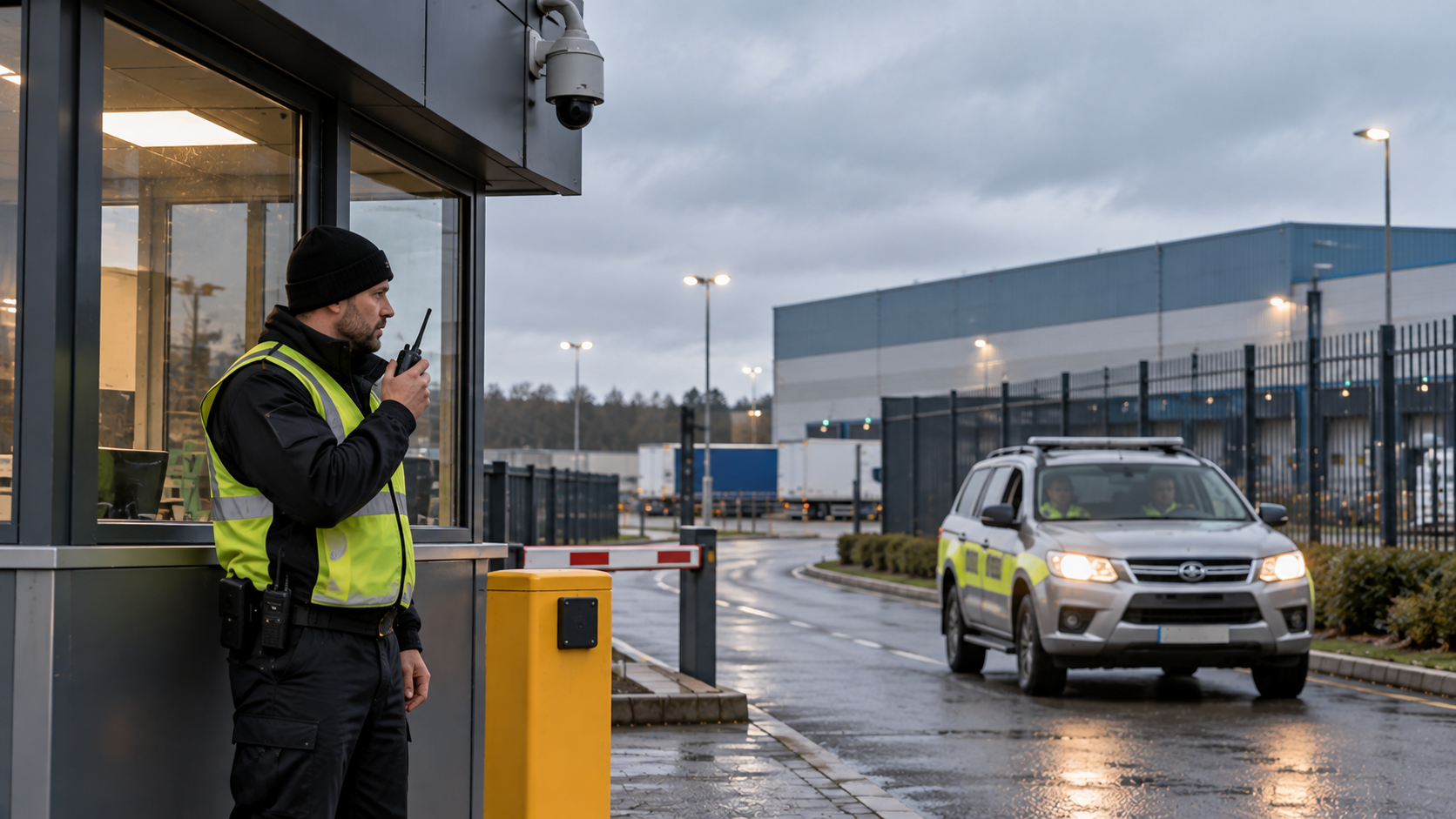
Retail security is not simply someone in uniform. It’s a disciplined layer made up of trained people, clear processes and technology that links the two. Guards aren’t placed to stand still or to tick presence boxes. Their role is active, moving, and observant. They read a space who’s browsing, who’s unsettled, who’s turning up for the third time this week with the same bag and the same quick way of checking exits.
That judgment is where professionally delivered retail security services in Newcastle upon Tyne stand apart from static guarding. A static post protects a doorway. A retail security guard protects the environment around its walkways, queues, changing rooms, blind corners and high-value displays. Remote monitoring has its place, too. CCTV, alarms, audio challenges. But none of those can walk over to a lone staff member at closing time and say, quite simply, “I’ve got this.”
This is central to why Newcastle upon Tyne businesses need retail security as a standard part of daily operations rather than a contingency response.
Newcastle-Specific Retail Security Needs
Newcastle’s geography makes the case clear. Thousands travel through the station each day. That flow keeps Central Station and Grainger Street lively from dawn to night. Haymarket funnels students, shoppers and office workers into a tight space filled with small stores, cafés and independent operators. And across the river, Gateshead’s Metrocentre, though technically next door, influences footfall patterns that spill back into the city centre.
Retail here isn’t in one neat zone. It overlaps with nightlife, residential blocks and travel hubs. That blend creates visibility in some spots and blind spots in others.
Retail operators also face a customer base that changes by the hour. Early mornings belong to commuters and students. Mid-afternoon brings families, tourists and casual browsers. Evenings introduce nightlife traffic and with it, different behaviours to manage.
This is where retail crime prevention Newcastle efforts become less about reacting to shoplifting and more about shaping the tone of a site. A present, alert guard can defuse tension before a complaint turns into shouting. They can step into a moment before frustration becomes damage. They make customers feel safe without changing the atmosphere retailers work hard to create.
How Local Crime Trends Shape Demand
Shoplifting and anti-social behaviour are increasing across Newcastle’s city centre. Mixed-use areas feel it most, where lots of people move through, and it’s harder to keep watch. Sunderland is seeing something similar. Staff notice more repetitive behaviour instead of dramatic incidents. Retail parks are exposed too, but in a different way wide parking lots, multiple entry points, and fewer witnesses once evening settles in.
Patterns have emerged that retailers recognise:
- Repeat offenders rotating between stores on the same street
- Opportunistic theft during busy hours
- Smaller, cumulative losses that rarely trigger police reports but drain stock and morale
- Groups using stores as meeting points, sometimes escalating into confrontations
Guards make those patterns harder to exploit. Visible patrols break up attempts to target stores. Their observations then feed into wider plans that a security company in Newcastle can use citywide.
Peak Risk Periods for Newcastle Retailers
Risk doesn’t build evenly, starting light in the morning before rising by lunchtime. After school, the pace changes, more browsers, more noise, more movement. Evenings can bring friction, especially in areas feeding nightlife.
Late-night risk is a category of its own. As shutters come down and tills are counted, fewer staff remain on site. Most incidents at that time don’t start dramatically. Many issues begin quietly. A loiterer near the back entrance, a door that hasn’t been shut properly, or someone taking advantage of a calm moment.
Retail risk management in Newcastle focuses on those edges, vulnerable windows of time where routine becomes predictable.
Retail Park, Metro and Riverfront Exposure
Large-format stores near Kingston Park or Team Valley see different pressure points. Cars coming and going. Noisy groups use parking areas as waiting spots. People arriving late, lingering early. These aren’t inherently problematic behaviours until one tips into something else.
Retail parks need roaming attention rather than a single fixed post. Industrial edges near the riverfront often mix goods movement with public space. And Metro stations feeding Eldon Square add transient movement that doesn’t always align with trading hours.
Seasonal, Sporting and Event Surges
Newcastle has a calendar that can stress-test retail:
- St James’ Park matchdays
- Great North Run weekend
- Student arrivals and freshers’ weeks
- Christmas markets and late-night shopping
Each brings different crowds. A one-size security plan won’t hold. Shops in Durham get busy too, especially during university terms and visitor weekends. It reminds us that crowd pressure is a wider North East trend.
Economic Influence
When pressure rises, whether through living costs or more competition, theft rises too. Not necessarily the dramatic grab-and-run. Often it’s slow and persistent: small items, returned twice, taken a third time. Guards see that long before stock counts expose a pattern.
This evolving backdrop is why manned guarding for retail stores in Newcastle, used at the right scale and timing, supports predictable trading.
Legal and Compliance Requirements for Retailers in Newcastle
Retailers in Newcastle may be focused on tills, footfall and staffing rotas, but the law has its own quiet weight in the background. Hiring a guard puts a business inside a highly regulated space. That applies the same whether you’re operating across Eldon Square or running one shop in Byker. Most rules apply nationwide, but how they surface in a busy northern city brings a particular texture worth understanding.
Security Guard Licensing
Let’s start at the beginning. If someone is guarding retail premises, patrolling a shop floor, responding to incidents, or controlling access, they must hold a valid SIA licence. There is no wiggle room here. A licence is not a courtesy badge or an optional certificate; it is the legal gateway into front-line security work.
Like other cities in England, Newcastle has seen retailers take licence checks more seriously instead of assuming everything is fine. It’s not enough to ask a guard whether they’re licensed. Responsible employers verify the licence number against the SIA public register. Some go further, building checks into supplier contracts so they’re not caught out mid-audit.
Using unlicensed guards is not a harmless shortcut. It carries criminal liability. It can void insurance. It may leave a retailer with the unenviable job of explaining, after an incident, why corners were cut.
Vetting and Suitability
Licensing is the first layer, not the last. A licensed guard can still be the wrong fit for a retail site. High-risk retail categories bring added pressure. Stores selling jewellery, medicines, kids’ items or gadgets rely on officers with a cool head and strong customer awareness.
The industry solves that gap with BS 7858 screening. This process checks:
- Identity
- Employment history
- Criminal disclosures
- References
- Right to work in the UK
Retailers rarely see the full details of that vetting; that’s intentional. Data laws keep personal results private. The retailer should get written confirmation that the guards on site meet screening standards.
DBS sits in the background as part of the same picture. It doesn’t entitle a guard to work on its own, but it reassures retailers that suitable checks have been done before someone steps on the shop floor.
Post-Brexit right-to-work rules add one more thread. EU nationals can still work in Newcastle retail security roles, but only if their immigration status is documented and verifiable. A misunderstanding here can unwind a contract more quickly than any staffing challenge.
Insurance Requirements and Why Logs Matter
Insurance is usually the point where theory turns practical. Policies expect evidence. Not complicated paperwork, just proof that security is present, active and aware. For a retailer in the city centre, that may mean:
- Clear and dated patrol logs
- Concise incident reports
- Escalation notes when something is passed on to management or the Police
- Visitor and contractor sign-ins
- Timestamped alarm responses
An incident near a shopfront can change everything, whether it’s a claim, a theft or an argument that turns messy. Insurers will always ask if the right protections were in place. Good documentation protects the business even when the outcome isn’t perfect.
It’s one of the quiet reasons many retailers use a security firm in Newcastle rather than piecing together ad-hoc cover. Structured reporting is part of the package.
Data Protection, CCTV and Evidence Handling
Newcastle’s retail centres rely heavily on CCTV. Once a guard has access to live or recorded footage, the GDPR applies immediately. That means:
- Controlled access (not everyone watches everything)
- Secure retention of footage
- Deletion policies
- Clear purpose for viewing or sharing clips
Body-worn cameras are subject to the same rules. Retailers sometimes imagine these systems live outside compliance because they belong to the guard. They don’t. Ownership is irrelevant. The moment a customer or staff member is identifiable, privacy law steps into the room.
VAT and Contract Mechanics
Unlike some service areas with exemptions, retail security services in Newcastle upon Tyne fall fully under standard VAT. There are no retail carve-outs. It must be priced, invoiced and budgeted correctly, which usually matters more for multi-site operators or retailers dealing with seasonal cover.
Newcastle-Specific Conditions
Local context adds a final twist. Retailers involved in:
- Temporary markets,
- Pop-up spaces,
- Construction refurbishments,
- Sites near event venues
Often inherit conditions through planning approvals or landlord requirements. Crowd control plans linked to Christmas events, for example, may mandate security presence even when the store itself is small.
Public and Private Partnerships
The city benefits from a stronger joined-up picture than it sometimes advertises. Northumbria Police, retail managers and Business Crime Reduction Partnerships regularly exchange intelligence on:
- Known repeat offenders
- Shoplifting clusters
- Anti-social behaviour patterns
- District-to-district shifts
These networks allow guards on one street to recognise behaviours emerging on another. It turns individual store protection into a collective resilience.
Martyn’s Law and What Comes Next
When Martyn’s Law (Protect Duty) is finalised, Newcastle’s retail will be asked to raise the bar further, particularly venues with:
- High footfall,
- Crowd-mixing environments, or
- Adjoining public event spaces.
Eldon Square, The Gate, and streets feeding into St James’ Park are likely to feel it first. Documentation, planning and situational readiness, not fear or heavy-handed control, will sit at the centre.
Costs, Contracts and Deployment in Newcastle Retail Security
Retailers facing risk don’t just want reassurance; they want numbers. They want to know what security will cost, when it can start, and what they are committing to. Newcastle is no different. From big chains on Northumberland Street to small shops near Grey Street cafés, cost matters. It always sits alongside practicality and compliance when decisions are made.
Security spend doesn’t arrive in a neat, one-size figure. It bends to context.
How Costs Vary by Geography and Risk Profile
Newcastle’s retail terrain pushes costs in different directions depending on where a business sits.
City-centre stores especially those in Eldon Square or within five minutes’ walk of Central Station, typically face the highest cost bracket. There’s a simple reason: more people, longer trading hours and greater exposure. And, frankly, a higher likelihood that shoplifters view those stores as the first stop rather than an afterthought.
Move away from the core, and the curve changes. Kingston Park, Byker, Team Valley or Silverlink retail parks see a different rhythm: quieter mornings, busy mid-afternoons, sharp drop-offs after early evening. Yet the risk doesn’t disappear when the shutters drop. It moves sideways into:
- Fuel thefts from car parks,
- Loitering in unlit areas,
- Attempted rear-entry intrusions,
- Opportunistic break-ins before the next trading day.
This is where the cost of hiring retail security guards in Newcastle upon Tyne becomes less about postcode prestige and more about on-the-ground reality. Retail parks often need roving patrols. Middlesbrough faces similar challenges. Retail parks stay open late, and shared parking means sites can feel exposed once crowds thin out. Guards cover entrances, loading bays and shared car parks rather than just one door.
Deployment Speed: Fast Enough, But Not Instant
Security can sometimes be in place within 24–72 hours, particularly when working with established teams. But speed isn’t the whole equation.
Emergency cover tends to cost more per hour and may involve less tailored operating procedures. Planned deployments where guards are briefed days or weeks in advance provide:
- Site familiarity,
- Smoother communication,
- Clearer reporting routines,
- A stronger deterrent from day one.
Retailers prepping for predictable peaks, Christmas, uni-term rush, St James’ Park match-day flows often schedule cover weeks out. That small foresight buys smoother execution.
Common contract structures
Security doesn’t have to be a lifelong commitment. Most Newcastle retailers fall into one of four contract shapes:
- Short burst cover (weeks): Useful during refurbishment, damage spikes or launch periods.
- Seasonal reinforcement (3–4 months): Christmas trading, freshers’ season, extended hours.
- Rolling 6–12 month agreements: Standard for city-centre stores or multi-location operators.
- Multi-year continuity: Favoured by anchor tenants, shopping centres and larger brands.
With longer agreements, costs are more predictable, handovers run smoother, and roles are easier to define.
What Drives the Hourly Rate
There are no secret formulas, only practical variables:
- Number of guards required
- Shift length (8-hour vs 12-hour)
- Whether hours fall into nights, weekends or event windows
- Lone-worker risk levels
- Reporting expectations
- Whether the site needs foot patrols, CCTV oversight or both
Put simply: the more complex the coverage, the more likely the hourly rate reflects it. Sites close to St James’ Park on game days usually attract a premium. More people and higher pressure push costs up.
Inflation and Wage Movement: Slow But Steady
Labour-led industries can’t outrun broader economics. Minimum wage increases filter directly into hourly guard rates. Fuel prices influence mobile patrols. Insurance and compliance costs shift upward over time.
That doesn’t mean erratic pricing; it means predictable adjustment. Many contracts now include annual review clauses rather than sudden leaps.
Insurance Impact: Overlooked But Meaningful
Retailers sometimes view security as an expenditure only. Insurers disagree. Well-documented loss prevention Newcastle upon Tyne measures can lower risk profiles. When claims land on a desk, insurers often ask:
- Were patrols recorded?
- Was an incident logged within minutes, not days?
- Was CCTV checked or secured properly?
- Are there fault reports the retailer ignored?
Security goes beyond stopping incidents on the day. Proper records make it easier for insurers to stay onside instead of distancing themselves.
Procurement Act 2023 and Why It Matters
More public and semi-public retail settings are tightening their rules. They expect solid governance, proper logs and proof that their guards are trained. Private retailers feel the ripple effect. Expectations rise across the board, even when no official tender is involved.
The theme running through Newcastle is simple: Quality security isn’t cheap, but it matches the level of need. The return comes later in reduced losses and steadier day-to-day operations.
Training, Daily Operations and Guard Duties
If you watch a guard for five minutes, you might miss most of what they do. Not because they’re hiding it. But because retail security works best when the work looks ordinary.
- Bags stay zipped.
- Queues move.
- Staff settle in for a shift without scanning every doorway.
That calm isn’t an accident. It’s the output of training, checks, situational awareness and the small decisions a guard makes dozens of times a day.
Guard Training Baseline: Where Skills Actually Form
Every guard working on a Newcastle shop floor starts with an SIA licence. It covers conflict resolution, emergency response, search law and the core standards of professional conduct. It’s the minimum that keeps the line bright between legal intervention and overreach.
But retail adds extra layers. It’s one thing to know your powers. The real test is applying them on the job, whether you’re helping a shopper or guiding children out in the rain.
Site-specific preparation fills that gap. Guards working in Eldon Square face dense crowds and cramped aisles. Kingston Park brings open air, shared parking and long lines of sight. Stores near Haymarket carry more commuter pressure. Each environment demands a slightly different toolset, even when the uniform stays the same.
The best manned guarding for retail stores in Newcastle doesn’t train guards once, then send them off. They brief, observe, refresh and re-align guards with real conditions.
Start-Of-Shift Actions Invisible But Essential
Before a guard has even settled into their rhythm, the first few minutes of a shift build the framework for every decision that follows. A typical handover might include:
- Scan the previous shift’s notes
- Highlights on theft attempts or abusive customers
- Equipment checks (radio, torch, bodycam activation status)
- Awareness of staffing levels — who’s alone, who’s closing
- Any defects, hazards or out-of-action exits
The task isn’t “clock in and walk.” It’s “clock in and understand.”
Knowing whether a faulty light in a rear car park has been fixed may prevent a repeat incident. Noticing the same customer return again and again after being asked to leave can mean being ready before trouble starts.
Patrol Logic: When and Why They Move
Patrols are the visible heartbeat of retail security services in Newcastle upon Tyne. Guards walk the shop floor, but they do more than cover ground. They:
- Drift through aisles where behaviour changes fastest,
- Revisit high-value fixtures often enough to be unpredictable,
- Change routes when patterns start forming,
- Monitor queue pressure near tills,
- Watch exits and corners when the store grows busy.
Different hours bring different pressures. Lunchtime traffic is steady, school hours spike activity, and evenings carry more tension and poor decisions.
Randomisation matters. Predictability invites exploitation, especially from organised theft teams who “practice run” stores before making a move.
Supporting Retail Teams: The Human Part
Retail security isn’t separate from retail. Guards support the people who make stores work.
- They escort lone staff leaving late.
- They position themselves near escalating conversations.
- They act as the person customers speak to when something feels off.
One common misconception is that guards spend most of their time in conflict. In reality, most problems vanish before they surface. Someone dithers. Someone re-evaluates after spotting a uniform. Someone leaves quietly after being noticed. The guard’s presence shifts decisions.
Safeguarding Customers and the Hidden Duties
Not every risk involves a criminal act. Many retailers welcome vulnerable shoppers and visitors with different needs. Security officers help by communicating clearly and keeping everything under control.
You see this at The Gate late on a Saturday night or in Eldon Square on a rainy weekday:
- A lost child guided back to a parent,
- A confused customer was escorted to the right exit,
- A distressed shopper is given room to recover instead of drawing a crowd.
Documentation and Reporting: The Quiet Defence
Reports don’t make headlines. But they decide whether a retailer gets insurance help, settles disputes or proves due diligence. Guards record:
- Incidents (including the ones that didn’t escalate)
- Suspicious behaviour
- Denied entry and exclusion notes
- Property damage
- Failed lighting or slipped locks
- Alarm responses
These notes become the building’s memory. They stop repeating vulnerability. They help managers fix small problems before they grow into bigger ones.
Day vs Night: Two Different Worlds
Daytime brings noise, speed and distraction. Guards engage, advise and intervene early.
- Night hours invert the map.
- Empty corridors.
- Dim side doors.
- Staff closing tills under pressure to get home.
This balance swings responsibility from monitoring people to monitoring space. Car parks and back doors matter more at night than customer flows and queues.
Perimeter, Shared Spaces and Back-Room Vigilance
Retail parks stretch risk outward. Guards don’t stop at the store boundary. They sweep:
- Loading bays where unsupervised stock meets public access
- Waste areas where offenders sometimes stash items before collection
- Poorly lit cut-throughs people use to avoid main roads
- Fire exits propped open “just for a minute”
Every one of these spots can be the weak plank in the floor.
End-Of-Shift Secure-Down
A shift ends quietly, the way it started. Guards complete:
- A final walk-through,
- Last hazard checks,
- Confirmation of alarms,
- Handover notes for whoever comes next.
Even a minor oversight can have consequences. Constant, careful practice is what turns risk management from a slogan into a working habit in Newcastle shops.
Performance, Risks and Operational Realities in Newcastle
Retail security might look effortless when nothing happens. But success often hides in quiet actions like a locked door, a completed patrol or a moment of intuition that stops trouble early. The question retailers in Newcastle quietly ask is simple: “How do we know it’s working?”
KPIs that Actually Matter
Some stores track dozens of metrics. Most don’t need to. Retailers who care about performance tend to watch five or six key indicators:
1. Patrol verification: Not just walking around walking the right areas at the right time. Digital checkpoints or time-stamped logs reduce guesswork.
2. Incident quality: Are reports precise, readable and timely? A five-line note beats a five-day memory.
3. Response accuracy: Not speed alone, but judgement when to intervene, when to watch, when to escalate.
4. Escalation discipline: Knowing when to escalate is critical, as constant escalation wastes attention and failing to escalate invites danger.
5. Pattern recognition: Spotting repeated visits, suspicious groups, or behaviour that “feels wrong” before it becomes wrong.
When those markers hold steady, the security function is keeping risk contained.
Weather, Darkness and Newcastle’s Geography
Newcastle’s climate creates quirks that southern retailers rarely experience. As autumn arrives, daylight shrinks faster than footfall. Night feels deeper on certain streets around bus stations, near the river and in the outer zones of retail parks. Wind off the Tyne can funnel through narrow lanes. It pushes pedestrians into tighter spaces and leaves blind corners empty until someone arrives.
These shifts affect how guards move and what they see. On a bright afternoon, a guard can track multiple trouble points without breaking stride. At 9 pm in winter, that same guard needs:
- Longer sweeps,
- Deliberate checking of shadows and recesses,
- A sharper awareness of who is entering the site.
This is why you’ll often find guards noting the weather in reports. It isn’t filler. A rain-hit theft near a fire door can clarify why patrols were delayed or why people gathered at an exit.
Environmental Constraints and Practical Safety Checks
Performance isn’t only about preventing theft. Sometimes it’s preventing accidents. Retail parks, especially those with shared spaces and long vehicle routes, create hazards:
- Slippery surfaces near trolley bays,
- Low lighting that hasn’t been fixed,
- Stacks of stock left outside during quick deliveries.
Guards often act as the first alert system. When retailers invest in simple fixes like better lighting and controlled deliveries, it pays off. Claims drop and unexpected problems become rare.
Shift Structure and Supervision
Retail guarding rarely runs 9–5. Some sites operate long days. Others run into the evening. A handful operate through the night, especially in mixed developments where deliveries roll in at dawn. In those stretches, reliable oversight matters more than heroics.
Guards check in with supervisors at agreed intervals. This rhythm:
- Confirms safety,
- Validates continued presence,
- Maintains situational awareness even when the shop floor is empty.
The Silent Test: Calm Days
One myth deserves clearing. A quiet retail site is not proof that security is unnecessary. It may be evidence that the approach is working.
- Guards remove opportunity.
- They interrupt patterns.
- They change behaviour simply by being in the right place at the right time.
When the only metric is “nothing happened,” it’s easy to forget the value they add. But nothing happening on the right day is sometimes the best outcome a retailer can hope for.
Technology and Future Trends Shaping Newcastle Retail Security
Retail security in Newcastle has changed faster than many realise. Ten years ago, a guard, a notebook and a radio formed the full toolkit. Today, the role leans on technology not as a replacement but as support. It acts as a second set of eyes that never blinks, gets distracted, or forgets the small things.
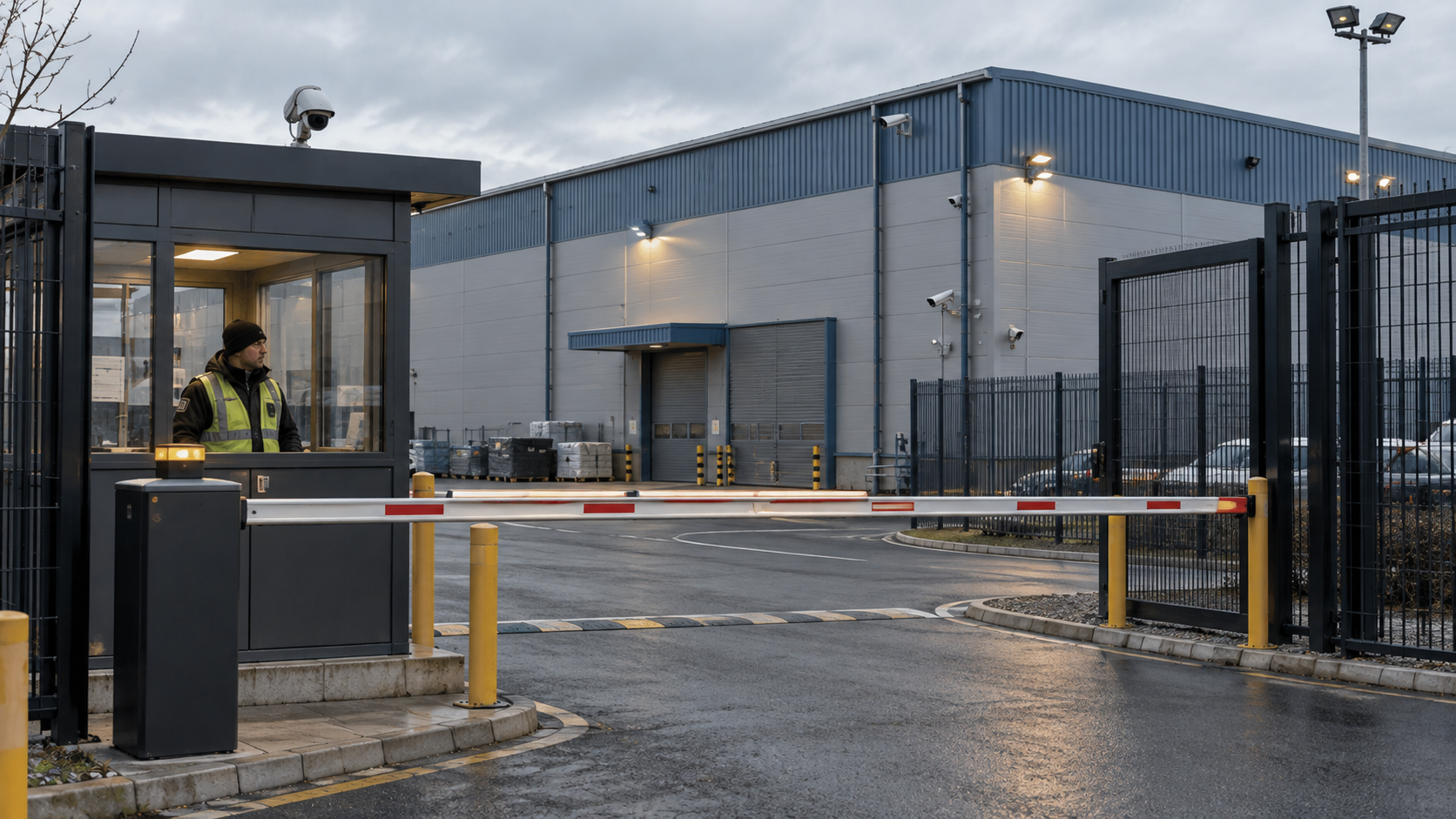
Walk through Eldon Square or down Northumberland Street, and you’ll spot the changes. Dome cameras, bodycams, digital logs and controlled doors are running quietly behind the scenes.
Retail Security And CCTV Integration Working Together
CCTV has always been part of retail, but the way guards use it has matured. Instead of scanning screens endlessly, guards tap into CCTV when it matters. Live feeds help them:
- Verify developing situations,
- Check blind zones without leaving a vulnerable position,
- Confirm suspicious movement during busy hours,
- Respond with purpose, rather than instinct alone.
In crowded environments where customers drift in every direction, CCTV serves as an anchor, helping guards prioritise where their presence is most valuable. It strengthens security on the high street and in shopping centres without getting in the way of customers.
AI Analytics: A Support Tool, Not A Decision-Maker
Artificial intelligence often lands in conversation, sometimes with too much weight. AI in Newcastle retail sites isn’t scanning faces or triggering alarms on its own. Instead, it performs quieter, narrower tasks:
- Flagging repeated loitering near rear exits,
- Highlighting odd movement patterns at night,
- Pushing alerts when the same bag or body posture appears repeatedly.
These prompts never replace judgment. They simply nudge human attention, which helps guards concentrate effort where patterns suggest risk. If a guard acts, it is because they assessed the situation, not because an algorithm told them to.
Remote Monitoring: Extending Capability Without Thinning Presence
Retail parks and mixed-use centres spread out risk. One person in one spot cannot see everything. Remote monitoring centres help by:
- Confirming alarms before escalation,
- Guiding guards to where help is most needed,
- Adding eyes during quiet periods when footfall drops, but vulnerability rises.
This blend of remote supervision and on-site response keeps Newburn, Byker and Kingston Park stores safer without doubling headcount.
Drone Patrols: Rare, But Possible
Drones aren’t flying through Eldon Square anytime soon. But in peripheral retail estates large footprints, long service roads, and open parking areas drones already provide value at specific times:
- Verifying alarm triggers,
- Scanning for trespass in poor light,
- Covering distance faster than a foot patrol.
They supplement guards who remain responsible for engagement and decision-making.
Predictive Analytics Planning For Tomorrow, Not Yesterday
Data is now being used to inform when retail crime prevention measures need to be tightened. Retailers analyse:
- Seasonal peaks (Christmas, Great North Run weekend),
- Student calendar influence,
- Police-reported activity,
- The ebb and flow of footfall across the week.
This insight drives when retailers in Newcastle should bring on-site security, not just whether they should.
Upskilling & Martyn’s Law
Future security isn’t just about tools; it’s about capability. Training now extends into:
- ACT terrorism awareness,
- Digital reporting,
- Evidence handling,
- Customer de-escalation skills.
With Martyn’s Law approaching, large retail environments such as Eldon Square, The Gate and stadium-linked areas will feel the change first. They will need written plans, clearer communication routes and more confident decision-makers on the shop floor.
Green Security Measures
Retailers in Newcastle are beginning to square security with sustainability. This takes the form of:
- LED and motion-sensitive lighting for shared car parks,
- Solar CCTV on temporary units,
- Digital records over paper logbooks.
Small adjustments that cut costs over time while strengthening visibility.
Conclusion
Newcastle runs on constant change. Terms turn over, weekend visitors roll in, and crowds lift and fall depending on match days and shopping calendars. In that shifting landscape, retail shops, small independents and big brands face the same reality. Risk doesn’t wait until a business is ready.
Stores operate best when their teams can focus on customers rather than scanning doorways or second-guessing activity that feels wrong. Retail security fills that space. It steadies the room and protects people. It keeps trading conditions predictable when the city becomes busier, louder or more unpredictable than expected.
That’s at the heart of why Newcastle upon Tyne businesses need retail security today. Not out of fear. Not as an expensive insurance policy. But as a quiet system that helps retailers stay open, confident and ready for whatever tomorrow brings.
Contact us for more information.
Frequently Asked Questions
1. Do all retail security guards in Newcastle need an SIA licence?
Yes. Anyone performing retail security duties must hold a valid SIA licence.
2. Do Newcastle retailers need DBS checks?
You don’t request them yourself; your provider must vet and confirm guards meet DBS/BS7858 standards.
3. How quickly can security start?
Emergency cover: usually 24–72 hours. Planned deployments run smoother when booked ahead.
4. What’s the average cost of hiring retail security guards in Newcastle upon Tyne?
It varies. City-centre sites cost more due to footfall; retail parks cost less by day but may need extra cover at night.
5. Are risks higher by day or night?
- Day = theft hidden by crowds.
- Night = fewer staff and more vulnerability.
- Most stores need a mix.
6. Does security lower insurance risk?
Often yes, patrol logs and clear reports strengthen claims.
7. Is CCTV enough on its own?
Not usually. CCTV records; guards respond.
8. When should a retailer bring guards in?
When shrinkage rises, staff work alone, or behaviour starts to feel uncomfortable ideally before losses escalate.