Norfolk shops are feeling it on the ground. Not in a headline way. In the small, daily things. A shelf that looks full in the morning and thin by tea time. A member of staff who suddenly feels uneasy working a late shift. A familiar face that keeps drifting back, never quite buying anything.
This is why the question Why Norfolk businesses need Retail Security has started to come up in real conversations, not just boardrooms. Retail crime here is no longer rare or random. It has patterns. It has repeat offenders. And it has a cost that quietly eats into already tight margins.
For many local traders, security used to mean a camera in the corner and a hope that nothing went wrong. That no longer holds. In 2026, safety, law, insurance, and day-to-day trading are now tangled together. Ignore one, and the others start to fray.
Table of Contents
Understanding Retail Security Basics in Norfolk
When people ask Why Norfolk businesses need Retail Security, they are usually not thinking about guards in high-vis jackets. They are thinking about something simpler as keeping the doors open and keeping staff safe. Making sure today’s takings still exist tomorrow. Retail security in Norfolk is built around that reality, not around theory.
What retail security means in a Norfolk setting
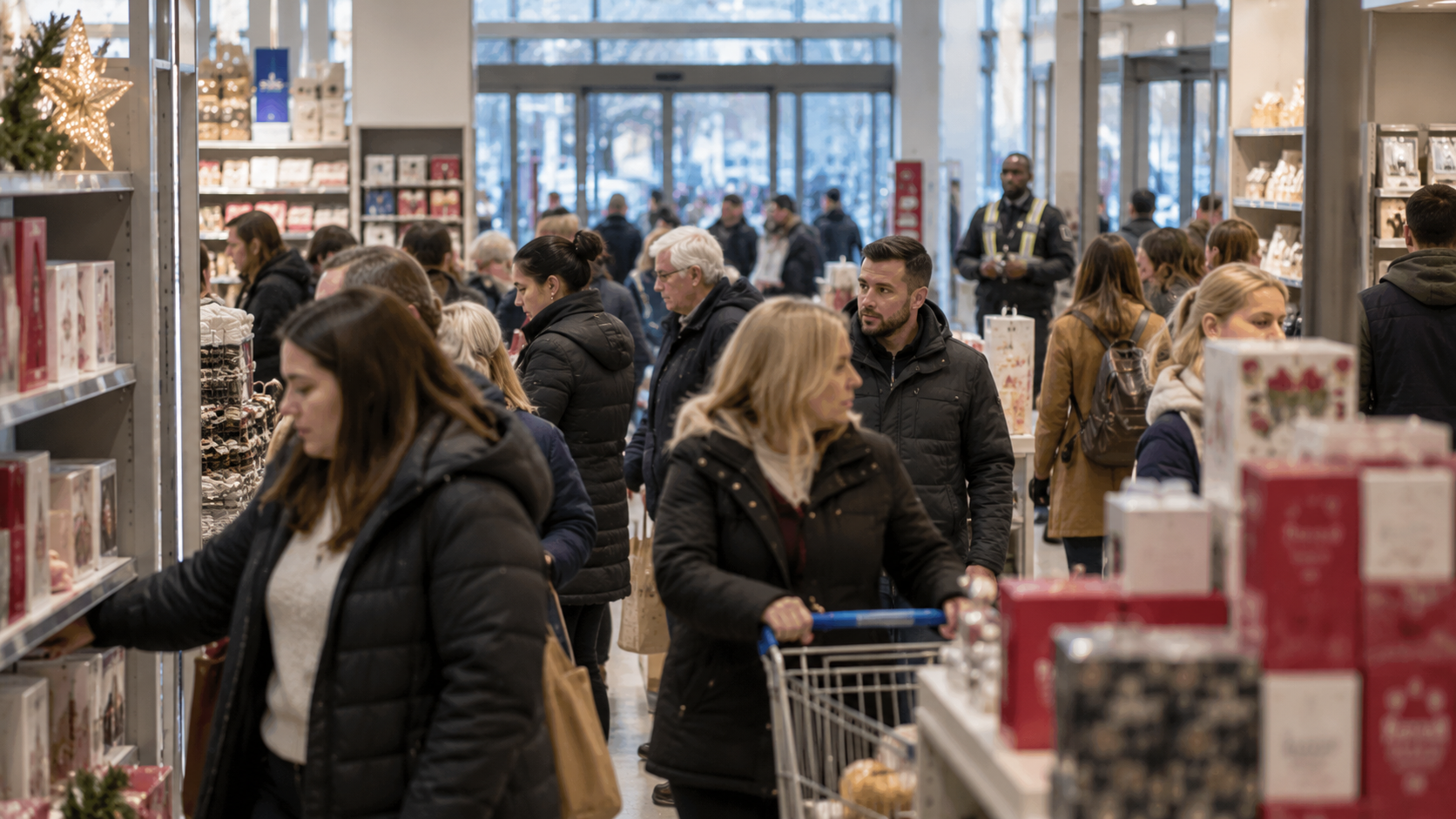
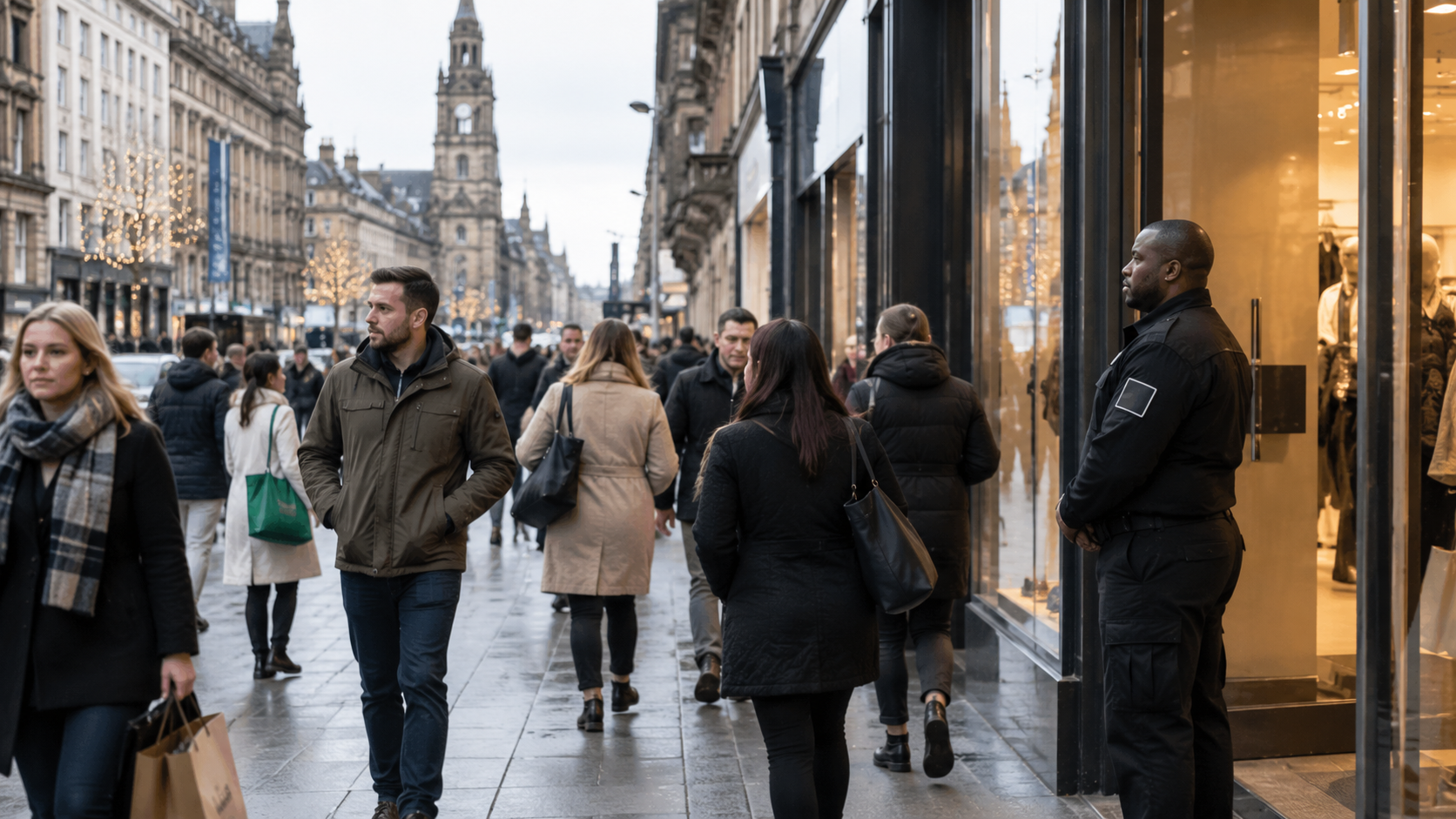
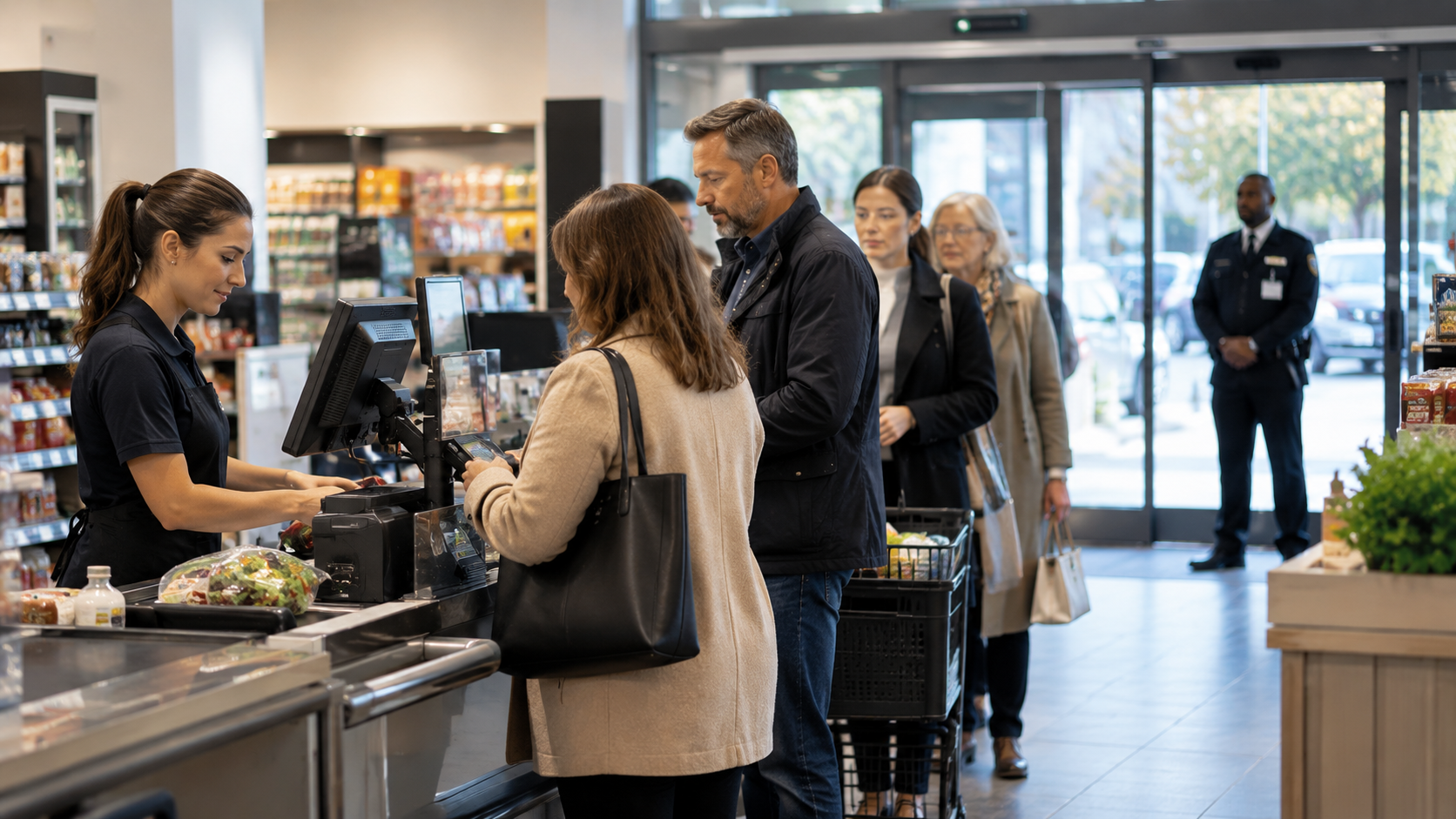
Retail security is different from warehouse or corporate guarding because it lives in the public space. Shops, retail parks, and high streets deal with footfall, emotion, and impulse. A retail guard here is part watcher, part problem-solver, part quiet presence.
In Norfolk, that usually means:
- Deterrence, so people think twice
- Early spotting, before theft turns into confrontation
- Evidence, so repeat offenders can actually be dealt with
It is not about force. It is about control in open, messy environments.
How Norfolk’s crime patterns drive demand
Norfolk does not suffer from random crime as much as repeat, low-level theft. The same faces drift through, and the same tactics get used.
That is exactly why Norfolk businesses need Retail Security to keep coming up in local trade groups. A single person stealing every day does more damage over a year than one dramatic break-in.
Retail security teams track these patterns. They share them, and it can change outcomes. In recent years, Norfolk has had a 6.9 annual crime rate per 1k working-day people.
Peak risk hours for Norfolk retailers
Trouble does not spread evenly across the clock and bunches up. In Norfolk, risk usually spikes:
- Late mornings, when stores are busy but not fully staffed
- Mid-afternoon, when school lets out and foot traffic shifts
- Early evening, when staff are tired, and shops are still open
That is why many retailers now want daytime patrols, not just night guards.
Norfolk-specific retail vulnerabilities
This county has its own pressure points. Market towns with limited policing, retail parks near transit routes and coastal towns that swell with visitors.
Common weak spots include:
- Open-front shops with blind aisles
- Retail parks without shared radios
- Seasonal pop-up stores with no loss systems
These gaps are exactly where professional retail security earns its keep.
Anti-social behaviour in retail parks
Retail parks attract more than shoppers. Teen groups. Drifters. People who linger because nobody tells them not to. Guards reduce this simply by being visible and calm. Not confrontational. Just present. That presence keeps customers inside longer. And longer visits mean more sales.
Why daytime patrols are now essential
Rising retail theft in Norfolk has flipped the old logic. Crime no longer waits for dark as it happens when tills are full, and staff are distracted. Daytime patrols break that rhythm. They interrupt, watch and write things down.
Day vs night retail risks
Day risks are about people. Night risks are about property. And a professional guard knows about it and acts accordingly.
Day brings:
- Shoplifting
- Aggressive behaviour
- Refund fraud
Night brings:
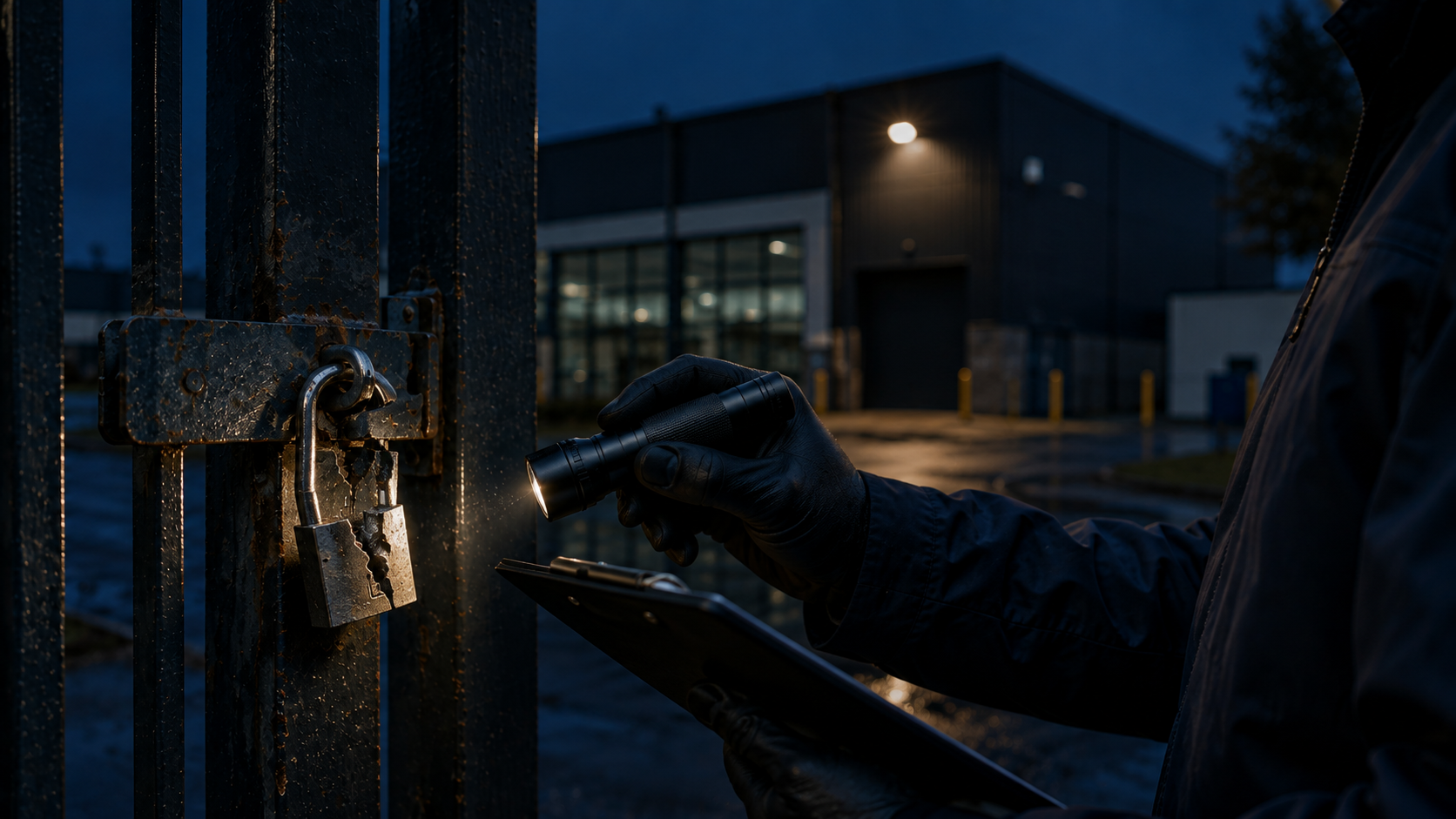
- Break-ins
- Vandalism
- Copper and stock theft
Smart retailers use different coverage for each.
Seasonal events and crowd spikes
Events like Norfolk Pride, summer festivals, and holiday weekends change footfall overnight. More people. More distraction. More opportunity. That is when even small shops need short-term guarding to stay in control.
Economics and business growth
As Norfolk grows, so does opportunity. New retail parks. New independents. New money. That also draws crime. Security is no longer a last-minute spend. It is part of opening the doors in the first place.
Legal and Compliance Requirements in Norfolk
The legal side is often the part they only notice when something goes wrong. A claim gets rejected, or a CCTV clip is ruled unusable. That is when compliance stops being paperwork and starts costing real money.
SIA rules for security guards in Norfolk
Every guard working in a retail setting in Norfolk must hold a valid SIA licence for their role. Door supervision, guarding, and CCTV all sit under different badges. There is no local shortcut. If a person does not have the card, they should not be on your shop floor.
What compliant guards must have:
- A live SIA licence
- Role-specific training
- Identity verification and screening
Using someone without it is not a grey area. It is illegal.
Penalties for using unlicensed guards
Norfolk businesses caught using unlicensed security can face:
- Heavy fines
- Invalid insurance cover
- Criminal liability for the company director
In simple terms, if something happens and your guard was not licensed, you carry the risk. That is one of the quieter reasons why Norfolk businesses need Retail Security, which keeps coming up in legal briefings.
DBS checks and screening
Not every guard needs an enhanced DBS, but every reputable firm in Norfolk runs background checks. Retailers should expect:
- Basic DBS for most guards
- Enhanced checks for high-risk sites
- Right-to-work verification
It protects the staff and protects you.
Insurance and liability
UK law expects security firms to hold Public liability insurance and Employer’s liability insurance. Additionally, they expect to have Professional indemnity. If your provider cannot show these, walk away.
CCTV, data, and the law
Retail security often runs CCTV. That footage is personal data. Under UK GDPR rules, it must be:
- Stored securely
- Accessed only by authorised people
- Deleted after a defined period
This is where SIA Digital Evidence Management matters. It keeps your clips usable in court and safe from complaints.
VAT and retail security
Security services in the UK are subject to VAT. That means if your provider is VAT-registered, you should expect it on the invoice. If a company offers to “avoid” VAT, that is a red flag. It usually points to deeper compliance problems.
What proves a firm is compliant
A real security provider in Norfolk can show:
- SIA Approved Contractor Scheme status
- Insurance certificates
- Audit records
- Incident reporting systems
If they cannot produce those quickly, they are not who they say they are.
Licensing changes and hiring pressure
Recent SIA changes have tightened training and evidence handling. This has reduced the pool of cheap, poorly trained guards. It is pushing Norfolk businesses to choose quality over shortcuts.
Labour law and overtime
Retail guards are workers. They are protected by:
- Minimum wage rules
- Working time limits
- Overtime and rest break laws
If a firm underpays its staff, that risk can land on the client, too.
Post-Brexit staffing rules
EU nationals can still work in security, but they must have the right visa and undergo checks. Norfolk firms now have to document this properly. No paperwork means no guard.
How Norfolk Police and retailers work together
The East of England region Police do not operate in isolation. They share data, patterns, and offender lists with retail security through:
- Norfolk BCRP
- DISC Information Sharing System
- Project Pegasus Intelligence
This is how guards know who to watch and when to act. It is also why Norfolk businesses need Retail Security is not just about guards, it is about being plugged into a wider safety network that actually works.
Costs, Contracts, and Deployment in Norfolk
When people weigh up the Retail Security for their business, money is usually the first thing on the table. Not in a greedy way, but in a survival way. Margins are thin, rents are up, and energy is still painful. So every pound spent on security has to earn its place.
What retail security really costs in Norfolk
Prices shift depending on where you trade. Norwich city centre is not the same as a retail park outside King’s Lynn. Footfall, crime pressure, and working hours all change the rate.
In broad terms:
- Norwich city centre tends to cost more due to higher theft risk and longer opening hours
- Suburban and market town sites are cheaper but often need wider coverage
The difference is not just location. It is exposure. And exposure is what drives risk.
How fast can a team be deployed
Most Norfolk providers can place guards within days, sometimes faster for urgent cases. It depends on:
- Site size
- Hours needed
- Whether specialist skills are required
A single store can often be covered in 48–72 hours. Large retail parks take longer because radios, patrol routes, and briefings all need to be set up.
Contract lengths and flexibility
Retail security in Norfolk is rarely one-size-fits-all. Common contracts include:
- Short-term (for sales, festivals, or high-risk periods)
- Six-month rolling
- Annual agreements
Longer contracts tend to be cheaper per hour. But flexibility matters when trading conditions change.
Notice periods
Most firms run on 30 days’ notice for standard contracts and Immediate cancellation for serious breaches. If a provider locks you into something you cannot exit, that should make you nervous.
Wage rises and 2026 pricing
Security wages have climbed. They had to. Better training, tougher licensing, and staff shortages have pushed rates up. That flows through to your invoice. But it also means fewer poorly trained guards turning up late or not at all. In plain terms, higher wages buy you reliability.
Inflation and long-term contracts
Inflation has made fixed-price contracts risky for providers. Many now include review clauses. That is not a trick. It is a way to keep guards paid without service dropping.
This is one reason why Norfolk businesses need Retail Security to be now a planning issue, not just a reaction to theft.
Insurance savings
Good security reduces claims. Fewer claims mean lower premiums. Many Norfolk insurers now ask:
- Do you use licensed guards?
- Do you have CCTV with digital evidence?
- Are incidents logged properly?
If you tick those boxes, discounts often follow.
The Procurement Act 2023
For councils, housing associations, and publicly funded retail sites, the Procurement Act 2023 has changed how security is bought. It pushes buyers to look at:
- Value, not just price
- Compliance history
- Local economic benefit
That makes reputable Norfolk security firms more competitive than cheap national contractors who cut corners.
What does all this really mean
Costs are rising, but risk is rising faster. And that is the part many people miss. Why Norfolk businesses need Retail Security is not about spending more. It is about losing less. Less stock. Less staff stress. Less insurance pain. And in a county that is growing, that quiet stability is what keeps doors open when others start to close.
Training, Operations, and Daily Duties in Norfolk
People often picture retail security as someone standing near the door, arms folded, watching shoppers. That image is old and, honestly, wrong. When you look at businesses that need Retail Security, the real story sits in the small, careful routines that happen every single shift.
What training Norfolk retail guards must have
Before a guard ever walks into a Norfolk store, they go through SIA training built for public-facing environments. That includes conflict management, legal powers, first aid, and evidence handling.
Many also receive site-specific briefings, because a busy Norwich shop is nothing like a quiet market town store.
Good training focuses on:
- De-escalation, not force
- Legal awareness, so mistakes do not get made
- Customer safety, not just theft
What happens the moment a shift starts
A Norfolk guard does not just clock in and wander. The first minutes matter. They check the handover log, look for overnight issues, and get a sense of what kind of day is coming.
The very first things checked are usually:
- Doors and fire exits
- Alarm panels
- Any incidents from the previous shift
If something feels off, it gets flagged before the shop is even busy.
Handover and continuity
Shifts overlap for a reason. One guard briefs the next on:
- Known troublemakers
- Any broken equipment
- Incidents are still being followed up on
That way, nothing falls through the cracks. This continuity is a big part of why Norfolk businesses need Retail Security rather than just cameras.
Patrols and perimeter checks
Guards do not just stand still; they move. Most Norfolk sites run patrols every 30 to 60 minutes, depending on risk. Perimeter checks focus on:
- Rear doors and delivery bays
- Fire exits
- Car parks and alleyways
These are the spots thieves use when they think nobody is watching.
Logs and records
Every proper retail security team keeps a live logbook. That includes:
- Patrol times
- Incidents
- Equipment faults
- Visitor or police contact
These records protect the business just as much as the guard does.
CCTV checks & Alarm
Early in the shift, guards test radios, body cameras, alarms, and CCTV feeds. If a camera is down, it is reported straight away. Evidence is only useful if it exists. If an alarm trips, guards follow a set path. Confirm it and make the approach and call for backup if needed. There is no rushing or guesswork.
Fire Safety and Reporting
Fire doors are checked. Escape routes are kept clear. In Norfolk car parks, lighting is inspected because dark corners invite trouble. A single broken lamp can change how safe a place feels. Night guards usually check in with supervisors every few hours. It keeps everyone connected and means help can be sent fast if needed.
Shift patterns and response times
24/7 coverage usually runs on rotating shifts. Response times in Norfolk sit in line with nearby counties like Cambridgeshire and Suffolk. Fast, but controlled. When a shift ends, the site is locked, alarms are set, and logs are completed. The next guard should walk into a calm, known situation.
This is the real backbone of why Norfolk businesses need Retail Security. Quiet routines. Clear records. And people who notice when something does not look right.
Performance, Risks, and Challenges in Norfolk
When people talk about businesses needing Retail Security, they often focus on visible things, such as uniforms, radios, and patrols. What gets missed is how performance is measured and protected behind the scenes. A quiet shop floor is not luck. It is usually the result of dozens of small things going right.
What good retail security performance looks like
In Norfolk, the best firms track simple, practical KPIs. Not spreadsheets for the sake of it, but signals that show whether guards are really doing their job.
Most retailers watch:
- Incident reduction month on month
- Repeat offender sightings
- Response time to alarms or calls
- Staff safety reports
- Shrinkage levels
When these improve, the service is working.
Weather and its effect on guarding
Norfolk’s weather is not gentle. Wind off the coast, cold rain in winter, bright glare in summer. All of it changes how guards move and see.
Bad weather:
- Reduces visibility
- Pushes people into sheltered doorways
- Increases slip and trip risk
Guards note this in their logs because it explains why patrols might slow down or shift route.
Documenting conditions on patrol
Every proper Norfolk patrol log includes the basics:
- Time
- Location
- Weather
- Anything unusual
A soaked car park and a windy night change how a site behaves. Recording it matters if something later goes wrong.
Long shifts and physical strain
Standing, walking, and staying alert is tough on straight time. Twelve hours of that takes a toll. Fatigue dulls reaction time and judgement. That is why good firms rotate duties and avoid endless static posts.
Long shifts can lead to:
- Slower responses
- Missed details
- Higher injury risk
Which is why staffing levels matter as much as technology.
Mental health on night shifts
Working nights in Norfolk retail parks can be lonely. Dark. Quiet. Sometimes tense. Guards need support, not just a rota.
- Reputable firms provide:
- Check-in calls
- Access to counselling
- Fatigue monitoring
A tired or stressed guard is not an effective guard.
Environmental rules
Outdoor patrols are affected by environmental and health regulations. Heat exposure. Cold stress. Noise limits. Even lighting levels. Guards are entitled to safe working conditions, and sites must allow for them.
Labour shortages and retention
Norfolk, like the rest of the UK, faces a shortage of trained security staff. The good firms are adapting. Retention is also important to security, as without proper guards in a firm, it’s tough to assign. And it would open up a path for new threats and affect your business.
This is part of Why Norfolk businesses need Retail Security done properly. Cheap contracts often fall apart when staff walk away.
The Real Risk
The biggest risk is not theft but the inconsistency. A guard who changes every week. A log that is not filled in or a camera that stays broken. That is where problems grow.
Strong retail security in Norfolk is not flashy. It is steady. It notices the rain. It notes the tiredness. It keeps turning up. And that is what keeps your shop quiet when others are not.
Technology and Future Trends in Norfolk
Walk into a Norfolk or Essex shop today, and you can feel it. Security no longer hides in the background. It hums quietly through screens, radios, sensors, and data feeds. This is another reason why Norfolk businesses need Retail Security, which is no longer just about hiring a guard. It is about building a system that sees more, reacts faster, and forgets less.
How technology has reshaped retail security
Urban areas like Norwich have pushed change. High footfall can make offenders move fast. Old-style guarding could not keep up.
Today, many Norfolk retailers use:
Live CCTV with analytics
Body-worn cameras
Shared radio networks
Cloud-based incident logs
Guards now walk in with context, not just instinct.
Post-COVID shifts in how sites are protected
COVID changed how people move through shops. Queues, one-way systems and fewer staff on the floor. Security had to fill the gaps.
Retail security in Norfolk now often handles:
Crowd flow
Distancing enforcement
Entry control during busy periods
Those habits stuck. They made security part of daily operations, not just a reaction to theft.
AI and modern surveillance
AI does not replace guards. It supports them. In Norfolk, AI tools are used to flag:
Unusual loitering
Repeat faces
Sudden crowding
This lets a guard focus where it matters instead of staring at screens all day.
Remote monitoring and human presence
Remote monitoring hubs now watch multiple Norfolk sites at once. When something looks wrong, they call the on-site guard. That pairing is powerful.
It means:
- Faster response
- Fewer blind spots
- Better evidence if police get involved
Again, this feeds into why Norfolk businesses need Retail Security that is both human and digital.
Drone patrols
In large retail parks and distribution-linked shopping zones, drones are starting to appear. Not everywhere. Not all the time. But they help scan rooftops, car parks, and dark corners faster than a person ever could.
They work best when:
- Linked to live CCTV
- Used only when needed
- Guided by on-site guards
Predictive analytics
Some Norfolk businesses now use tools that look at:
- Past theft patterns
- Time of day
- Weather
- Events
The software predicts when risk will rise. Guards are then scheduled before trouble starts.
New skills and certifications
Modern retail security guards need more than physical presence. They now train in:
- Digital evidence handling
- Data protection
- Counter-terror awareness
- Advanced first aid
These skills make them useful in ways older models never were.
Green security
Norfolk’s outdoor retail spaces are embracing greener patrols. Electric patrol vehicles. Solar-powered lighting. Smarter energy use. It cuts costs and keeps sites brighter and safer.
Martyn’s Law and the future
Martyn’s Law will push even small Norfolk venues to think about crowd safety, evacuation plans, and hostile threat response. That will increase the role of trained retail security, not reduce it.
The future is not about more guards. It is about better ones, supported by smarter systems. That is where Norfolk is heading, whether shops are ready or not.
Conclusion
Retail in Norfolk has changed, even if some shop fronts still look the same. The risks are sharper as rules are tighter and margins are thinner. That is why Norfolk businesses need Retail Security to keep coming up in conversations that used to be about rent or footfall. It is no longer just about stopping a thief.
It is about keeping staff calm, keeping insurers on side, and keeping the doors open when pressure builds. Good Security Company Norfolk does not shout but steadies things. It notices the small shifts before they become expensive ones. In a county that is growing and stretching, that quiet stability is worth more than most people realise.
Frequently Asked Questions
1. Do small Norfolk shops really need retail security, or is it just for big chains?
Yes, they do. In fact, small shops often feel the hit more. One bad week of theft can undo a month of profit. Big chains can absorb losses. A family-run store on a Norfolk high street cannot.
2. Is retail crime actually getting worse in Norfolk?
Most traders will tell you it is. Not louder, not always more violent, just more frequent. The same faces keep coming back. That slow drip of loss is what hurts.
3. Will having a guard scare off my customers?
Usually, the opposite. When a guard is calm and visible, people feel safer. Parents relax. Staff focus. Shoppers stay longer. That changes how a place feels.
4. Can CCTV alone replace a retail security guard?
Cameras watch, and guards act. CCTV is great for evidence, but it does not stop someone from walking out with a jacket in their bag.
5. How fast can I get retail security in place in Norfolk?
For most shops, it can be days, not weeks. Urgent cases are often covered even faster, especially in Norwich and the larger retail parks.
6. Does security really help with insurance costs?
It often does. Fewer claims, better evidence, and licensed guards make insurers more comfortable. Comfortable insurers tend to charge less.
7. What happens if a guard makes a mistake on my site?
That is why licensing, training, and logs matter. A proper firm carries insurance and records everything. You are not left exposed.
8. How do I know if a security company is actually any good?
Ask for the SIA details, their incident reports, and how they handle handovers. If they hesitate, keep looking.