Introduction
Retail businesses across Hertfordshire operate within a mixed risk landscape shaped by busy town centres such as Watford, Hemel Hempstead, and Stevenage, alongside smaller parades, retail parks, and commuter-linked locations close to London. Footfall levels fluctuate sharply by time of day and season, creating predictable windows for theft, antisocial behaviour, and staff confrontation.
National crime data consistently shows that retail theft accounts for a significant proportion of recorded offences in England and Wales, with the majority occurring during normal trading hours rather than overnight, reinforcing the day-to-day nature of retail risk. For many retailers, security decisions are driven less by isolated incidents and more by the ongoing impact of repeat shoplifting, stock loss, and the strain placed on frontline staff.
Unlike static systems, on-site retail security provides real-time judgement. Trained personnel can observe behaviour, intervene early, and adapt their presence to peak trading periods and local patterns of activity. For Hertfordshire retailers, this human layer of security often becomes essential to maintaining safe trading conditions, supporting staff confidence, and ensuring that day-to-day operations are not disrupted by avoidable security issues.
Understanding Retail Security Basics in Hertfordshire
Retail Security and Its Role in Hertfordshire Businesses
Retail security in Hertfordshire refers to the combined use of on-site personnel, operational controls, and supporting technology to protect stock, staff, and customers during trading hours. Unlike purely reactive systems, retail security focuses on prevention, visibility, and early intervention. In high-footfall environments such as town centres and retail parks, the presence of trained security staff plays a key role in shaping behaviour and maintaining orderly trading conditions.
Differences Between Retail Security and Static or Remote-Only Systems
Static security systems such as CCTV, alarms, and remote monitoring provide valuable oversight and evidence but operate after an incident has already occurred. Retail security adds a human decision-making layer, allowing issues to be identified and managed as they develop. In Hertfordshire stores, where theft and confrontation often occur during busy trading periods, this distinction is critical. On-site security can deter repeat offenders, support staff directly, and prevent minor incidents from escalating.
Local Retail Crime Patterns in Hertfordshire
Retail crime across Hertfordshire is typically opportunistic rather than organised or violent. Common issues include shoplifting, distraction theft, refund fraud, and antisocial behaviour. These incidents are closely linked to footfall density and store accessibility rather than late-night activity. Towns such as Watford, Hemel Hempstead, Stevenage, and St Albans experience increased risk during peak trading hours, reinforcing the need for security measures focused on open-store environments.
Peak Risk Periods for Hertfordshire Retailers
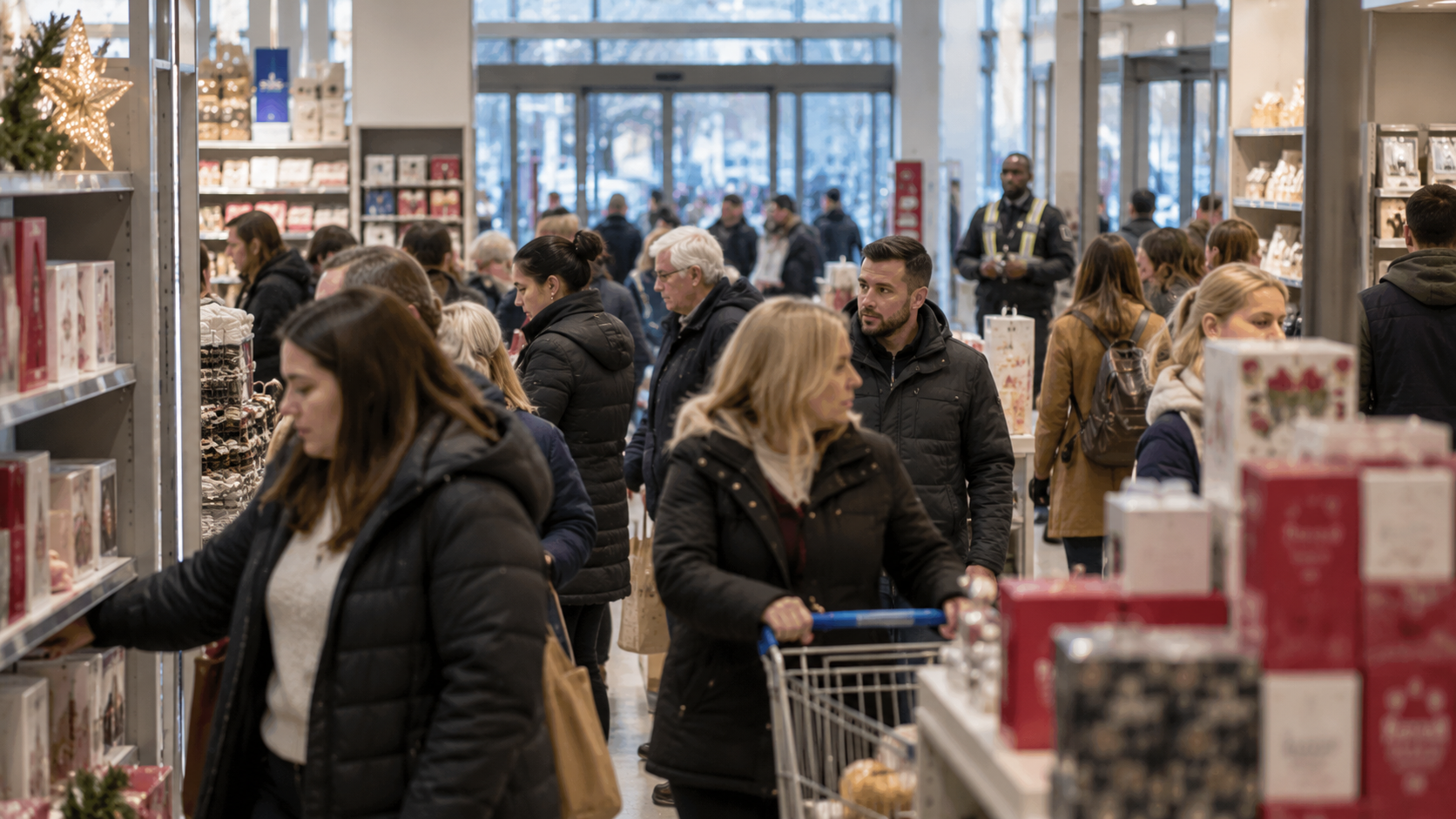
Retail security risks in Hertfordshire are highest during midday to early evening trading hours, particularly on weekends, during school holidays, and throughout seasonal sales periods. At these times, stores are busier, staff attention is divided, and offenders can blend into crowds. Overnight incidents account for a smaller proportion of retail loss compared to daytime activity, making time-specific coverage more effective than blanket approaches.
Retail Sectors with Higher Exposure to Security Issues
Certain retail environments face higher security exposure due to layout, footfall, and product type. Shopping centres, retail parks, supermarkets, convenience stores, and fashion outlets experience consistent shrinkage risk. Mixed-use developments, where retail units sit alongside residential buildings or transport links, also face increased levels of loitering and unauthorised access, requiring a more visible security presence.
Managing Antisocial Behaviour in Hertfordshire Retail Locations
Antisocial behaviour in Hertfordshire retail areas often occurs in shared spaces such as car parks, walkways, and entrances. Retail parks are particularly exposed due to their open layouts and extended operating hours. Retail security provides early intervention and visible authority, helping to manage loitering, disputes, and disruptive behaviour before it affects customers or staff across multiple units.
Daytime Retail Theft and Loss Prevention
Retail theft in Hertfordshire has increasingly shifted toward daytime incidents. Offenders rely on distraction, speed, and busy store conditions rather than forced entry. Retail security supports loss prevention by monitoring entrances, identifying suspicious behaviour, and reducing reliance on frontline staff to challenge offenders directly, which can expose employees to confrontation.
Differences Between Daytime and Evening Retail Security Risks
Daytime risks primarily involve theft, fraudulent returns, and staff intimidation, while evening risks tend to involve antisocial behaviour linked to reduced staffing levels or nearby hospitality venues. Effective retail security planning recognises these differences and adjusts coverage accordingly, rather than applying the same approach throughout all trading hours.
Seasonal and Event-Driven Security Pressures
Seasonal trading peaks, Christmas periods, school holidays, and local events significantly increase footfall across Hertfordshire retail locations. These conditions introduce temporary staff, higher transaction volumes, and increased pressure on store operations. Retail security during these periods is often scaled temporarily to maintain stability rather than implemented as a permanent year-round increase.
Transport Connectivity and Retail Security Exposure
Hertfordshire’s strong rail and road connections to London create fluctuating footfall patterns, particularly around town centres near stations. Retailers located close to commuter routes experience sharp spikes in customer volume during peak travel times, increasing theft risk and reducing staff visibility. Retail security helps manage these short but intense pressure points by maintaining oversight during peak movement periods.
Economic and Development Factors Influencing Retail Security
Hertfordshire’s strong local economy supports high retail activity but also creates competitive trading conditions where margins are carefully managed. Retailers therefore deploy security in a targeted, risk-led way, focusing on locations and time periods where it delivers measurable value. Continued retail and mixed-use development further increases the need for coordinated, on-site security to manage shared spaces and growing footfall concentrations.
Legal and Compliance Requirements for Retail Security in Hertfordshire
SIA Licensing Requirements for Retail Security Personnel
All individuals carrying out retail security duties in Hertfordshire must hold a valid Security Industry Authority (SIA) licence appropriate to their role. This is a national legal requirement and applies to guards responsible for access control, theft prevention, and managing disorder within retail premises. Responsibility does not sit solely with the security provider; retailers are expected to exercise due diligence to ensure licensed personnel are deployed on their sites.
Legal and Financial Risks of Using Unlicensed Security Staff
Engaging unlicensed security personnel is a criminal offence under UK law. For Hertfordshire retailers, the consequences can include unlimited fines, reputational damage, and complications with insurance claims following an incident. Insurers may decline cover or settlements if security arrangements are found to be non-compliant, making licence verification a commercial as well as legal necessity.
Vetting Standards and DBS Expectations in Retail Environments
While a DBS check is not legally mandatory for all security roles, BS 7858 vetting is the recognised screening standard for security personnel in the UK. This includes identity verification, employment history, and right-to-work checks. In retail environments where guards interact directly with staff and the public, DBS checks are widely expected by landlords, shopping centre operators, and insurers, particularly for family-facing or high-footfall locations.
Licensing and Accountability of Security Companies
Retailers in Hertfordshire are required to engage security firms that operate within the UK’s licensing framework. This places accountability on both parties: the provider must supply compliant staff, and the retailer must ensure that contractual arrangements meet regulatory expectations. Mandatory licensing exists to protect businesses from unqualified operators, but it does not remove the client’s responsibility to verify compliance.
Insurance Requirements for Retail Security Arrangements
Security providers working in retail environments should carry appropriate levels of public liability and employer’s liability insurance. These policies protect retailers in the event of injury, property damage, or legal claims arising from security incidents. Insurance documentation is often reviewed following incidents involving customers or staff, making adequate cover a critical component of compliant retail security planning.
Data Protection and CCTV Use in Retail Security
Where retail security operates alongside CCTV systems, compliance with UK GDPR and the Data Protection Act is essential. Retailers remain legally responsible for how surveillance data is collected, accessed, and stored on their premises, even when security personnel are supplied by a third party. Clear procedures and trained staff reduce the risk of data protection breaches and regulatory complaints.
VAT Treatment of Retail Security Services
Retail security services are subject to standard-rate VAT. For Hertfordshire retailers, unusually low-cost security quotations may indicate non-compliance with VAT or employment regulations. From a procurement and audit perspective, transparent pricing that reflects lawful operating costs is often safer than short-term savings that introduce regulatory risk.
Local Authority and Council Considerations in Hertfordshire
While there are no Hertfordshire-wide retail security laws beyond national regulation, local councils may impose conditions linked to planning permissions, late-opening stores, or mixed-use developments. Retailers operating in town centres or shared retail environments may be expected to demonstrate appropriate security measures as part of wider site management obligations.
Compliance Documentation and Due Diligence
Retailers should expect access to clear documentation demonstrating a security provider’s compliance history. This typically includes SIA licence verification, vetting records, insurance certificates, training evidence, and site-specific assignment instructions. Maintaining this documentation supports insurance reviews, internal audits, and post-incident investigations.
Labour Law Considerations Affecting Retail Security Provision
UK labour laws govern working hours, rest periods, and overtime payments for security staff. For retailers, this matters because underpriced security services may rely on non-compliant working practices, increasing the risk of service disruption or reputational exposure. Lawful staffing arrangements support continuity and reduce operational risk.
Post-Brexit Right-to-Work Compliance
Security personnel working in Hertfordshire retail environments must meet UK right-to-work requirements. While responsibility for immigration compliance sits with the employer, retailers can be exposed if a provider fails to meet legal standards. Established firms maintain clear employment documentation to demonstrate compliance.
Retail Events, Extended Trading, and Licensing Conditions
Late-night shopping, promotional events, and seasonal trading periods may trigger licensing or risk management conditions requiring enhanced security presence. Retail security often forms part of the operational plan submitted to landlords, local authorities, or insurers, particularly where increased footfall or extended hours elevate risk.
Martyn’s Law and Future Implications for Retail Venues
Martyn’s Law, once enacted, is expected to introduce proportionate security duties for publicly accessible venues, including certain retail environments. While requirements will vary by venue size and footfall, Hertfordshire retailers should expect greater emphasis on risk assessment, preparedness, and documented security planning rather than reactive measures alone.
Police Engagement and Local Retail Partnerships
Hertfordshire Constabulary works with retailers through incident reporting, crime prevention initiatives, and local retail partnerships. Retail security supports these efforts by managing low-level incidents on-site and contributing to information sharing where appropriate. In some town centres, Business Crime Reduction Partnerships provide a framework for coordinated retail security standards and responses.
Costs, Contracts, and Deployment for Retail Security in Hertfordshire
Retail Security Cost Drivers in Hertfordshire
Retail security costs in Hertfordshire are influenced by several practical factors rather than a single headline rate. Key drivers include location type, trading hours, footfall levels, and the balance between on-site personnel and supporting technology. Stores in busy town centres such as Watford, Hemel Hempstead, and St Albans typically face higher security costs than suburban parades due to increased footfall, longer trading hours, and higher exposure to theft and antisocial behaviour. Retail parks often fall between these two, with costs shaped by site size and shared-space complexity.
Town Centre Versus Suburban Retail Security Costs
Town centre retail locations generally require more visible security presence during peak hours to manage crowd density and repeat offending. Suburban locations, while not immune to theft, often experience lower incident frequency and can rely on more targeted coverage. As a result, retail security in town centres tends to be more intensive and time-specific, whereas suburban deployments are often focused on predictable risk windows rather than continuous coverage.
Mobilisation and Deployment Timeframes
The time required to deploy retail security in Hertfordshire depends on the scale and complexity of the requirement. Short-term or seasonal deployments can often be mobilised quickly where risk assessments are straightforward. Larger sites, shopping centres, or multi-unit retail parks typically require longer lead-in times to align security coverage with site rules, operating hours, and landlord requirements. Clear planning at the outset reduces disruption and ensures security measures are operational when risk is highest.
Contract Lengths and Flexibility in Retail Security Agreements
Retail security contracts in Hertfordshire vary widely in length. Short-term agreements are common for seasonal trading peaks, store openings, or promotional events, while longer-term contracts are often used for shopping centres or high-risk locations requiring consistent coverage. Flexible contract structures allow retailers to adjust security levels in response to changing risk rather than committing to unnecessary year-round coverage.
Notice Periods and Contract Exit Considerations
Notice periods for retail security contracts are typically linked to the stability of the deployment. Short-term or flexible agreements often carry shorter notice requirements, while longer contracts may require extended notice to ensure service continuity. Retailers should understand these terms clearly, particularly where store closures, refits, or changes in trading hours are planned.
Wage Pressures and Their Impact on Retail Security Costs
Security costs in 2025 continue to be influenced by wage increases, driven by minimum wage changes and broader labour market pressures. For Hertfordshire retailers, this means security pricing increasingly reflects compliance with employment law rather than discretionary mark-ups. Consistently low pricing can indicate unsustainable staffing models that risk service disruption or non-compliance.
Inflation and Long-Term Retail Security Pricing
Inflation affects retail security costs through wage growth, insurance premiums, and operational overheads. Longer-term contracts often include price review mechanisms to reflect these changes over time. Retailers benefit from understanding how and when pricing adjustments may occur, rather than treating security costs as fixed indefinitely.
Insurance Considerations and Risk Reduction
Retail security can influence insurance outcomes by demonstrating proactive risk management. Insurers may consider the presence of structured security measures when assessing claims history or renewal terms, particularly following incidents involving theft or staff safety. While security does not guarantee premium reductions, it can support more favourable risk assessments and reduce the likelihood of disputed claims.
Procurement and Public-Sector Adjacent Retail Environments
Retailers operating within publicly owned or managed spaces, such as transport-linked developments or council-managed centres, may be indirectly affected by public procurement standards. While the Procurement Act 2023 primarily applies to public bodies, its emphasis on transparency and compliance influences how security services are specified and evaluated within shared retail environments in Hertfordshire.
Training, Daily Operations, and Guard Duties for Retail Security in Hertfordshire
Training Standards for Retail Security Personnel
Retail security personnel operating in Hertfordshire are expected to meet nationally recognised training standards aligned with their SIA licence requirements. In retail environments, training places particular emphasis on conflict management, customer-facing conduct, theft prevention, and lawful intervention. This ensures security staff can manage incidents proportionately while protecting staff welfare and customer experience, especially in high-footfall stores and shared retail spaces.
Shift Commencement and Site Familiarisation
At the start of each shift, retail security personnel familiarise themselves with the specific layout, operating hours, and risk profile of the site. This includes reviewing site instructions, understanding current promotions or events that may affect footfall, and identifying areas of heightened risk such as entrances, fitting rooms, or high-value stock zones. For Hertfordshire retailers, this preparation supports consistent coverage during predictable peak trading periods.
Equipment and System Checks at Shift Start
Retail security operations rely on functional equipment and systems. At shift commencement, personnel verify the availability and working condition of radios, access control points, panic alarms, and any integrated CCTV interfaces relevant to their role. These checks ensure that issues can be reported early and that security staff are able to respond effectively if incidents occur during trading hours.
Shift Handovers and Continuity of Coverage
Effective shift handovers are critical in maintaining continuity in retail security. Incoming personnel review handover notes covering incidents, known offenders, staff concerns, and any operational changes. This process is particularly important in Hertfordshire retail environments with extended opening hours, where risks often span multiple shifts rather than occurring in isolation.
Patrol Routines Within Retail Environments
Patrol routines in retail settings are structured to balance visibility with unpredictability. Rather than fixed routes, patrols are adapted to footfall patterns, store layout, and time of day. In Hertfordshire retail parks and shopping centres, this often includes circulation between entrances, car parks, and shared walkways to deter theft and antisocial behaviour without disrupting customer movement.
Access Control and Visitor Oversight
Retail security supports controlled access to non-public areas such as stockrooms, staff-only corridors, and service entrances. This oversight helps reduce internal loss, unauthorised access, and safety risks. In mixed-use developments common across Hertfordshire, access control also plays a role in separating retail spaces from residential or transport-linked areas.
Incident Monitoring and Early Intervention
A core function of retail security is identifying emerging issues before they escalate. Personnel monitor behaviour, respond to alarms, and intervene where appropriate to deter theft or manage confrontational situations. Early intervention reduces reliance on police attendance and helps protect staff from having to manage difficult situations alone.
Reporting, Logbooks, and Daily Documentation
Accurate reporting underpins effective retail security operations. Guards maintain daily records covering incidents, refusals of service, alarms, maintenance issues, and interactions of note. For Hertfordshire retailers, these records support internal reviews, insurance requirements, and evidence-based decision-making around future security deployment.
Fire Safety and Environmental Checks
Retail security personnel contribute to site safety by monitoring fire exits, escape routes, and general housekeeping standards. In larger stores and shopping centres, this includes checking that emergency exits are unobstructed and that lighting in public and staff areas is adequate, particularly during evening trading hours.
Communication and Supervisor Reporting
Clear communication channels ensure retail security remains aligned with store management and supervisors. Regular check-ins allow emerging risks to be escalated and adjustments to be made during shifts. This is particularly important during late openings, seasonal peaks, or high-pressure trading periods.
Emergency Preparedness and Response Awareness
Retail security personnel are briefed on site-specific emergency procedures, including evacuation routes, medical response protocols, and escalation thresholds. While response times vary depending on location, familiarity with procedures ensures that security staff can act decisively in the early stages of an incident.
End-of-Shift Secure-Down Procedures
At the conclusion of a shift, retail security personnel support secure-down procedures where required. This may include monitoring closing routines, ensuring public areas are cleared, and confirming that access points are secured. Proper handover documentation ensures continuity into the next trading period.
Shift Patterns and Coverage Planning
Retail security coverage in Hertfordshire is typically aligned with trading hours rather than constant 24/7 deployment. Daytime coverage focuses on theft prevention and staff support, while evening coverage addresses reduced staffing levels and antisocial behaviour. Flexible shift patterns allow retailers to match security presence to actual risk exposure rather than fixed assumptions.
Performance, Risks, and Challenges in Retail Security Across Hertfordshire
Key Performance Indicators for Retail Security Effectiveness
Retailers in Hertfordshire typically assess security performance using practical, outcome-based indicators rather than abstract activity metrics. Common KPIs include reductions in stock loss, frequency of theft-related incidents, response times to in-store issues, staff feedback on feeling supported, and the consistency of incident reporting. These indicators help retailers understand whether security presence is influencing behaviour and reducing operational disruption during peak trading periods.
Incident Reporting and Operational Visibility
Clear, consistent reporting underpins effective retail security performance. Daily incident logs, refusal records, and observations of suspicious behaviour provide retailers with visibility over recurring risks and emerging patterns. In Hertfordshire retail environments, this documentation is often used to adjust deployment times, justify additional coverage during peak seasons, and support insurance or loss-prevention reviews.
Weather-Related Impacts on Retail Security Operations
Weather conditions can indirectly affect retail security effectiveness, particularly in retail parks and town-centre locations. Poor weather can drive footfall into enclosed spaces, increasing crowd density and the likelihood of opportunistic theft. Conversely, warmer conditions may encourage loitering in outdoor areas such as car parks and shared walkways. Retail security teams adapt patrol focus and visibility to reflect these environmental shifts rather than following fixed routines.
Managing Fatigue and Long Shift Impacts
Extended trading hours, late openings, and seasonal peaks can place physical and mental demands on retail security personnel. Fatigue can reduce observation quality and reaction times if not properly managed. Hertfordshire retailers mitigate this risk by structuring shifts around trading patterns, rotating coverage during high-pressure periods, and avoiding unnecessarily long or repetitive duties where possible.
Mental Wellbeing and Conflict Exposure
Retail security staff are regularly exposed to confrontation, verbal abuse, and high-stress situations, particularly during busy periods or incidents involving theft and antisocial behaviour. Supporting mental wellbeing through clear escalation procedures, management support, and realistic expectations is essential to maintaining consistent performance. Retailers benefit when security personnel feel supported rather than isolated in challenging situations.
Environmental and Site-Specific Constraints
Retail security operations must operate within environmental and regulatory constraints, particularly in shared public spaces. Noise considerations, lighting levels, and pedestrian safety all influence how security presence is managed. In Hertfordshire retail parks and mixed-use developments, security teams balance visibility with customer experience while remaining compliant with local environmental expectations.
Staffing Availability and Retention Pressures
Like many regions, Hertfordshire faces ongoing challenges around security staff availability and retention. Competition from other sectors, rising living costs, and unsociable hours all contribute to turnover risk. Retailers increasingly prioritise stable, familiar security personnel who understand site-specific risks, as continuity often delivers better outcomes than frequent personnel changes.
Retention Strategies in Retail Security Deployment
To address staffing pressures, retailers and security providers focus on predictable shift patterns, clear site instructions, and positive working relationships with store teams. Guards who are treated as part of the retail operation rather than external enforcers are more likely to remain engaged and effective. This stability directly supports loss reduction and operational consistency.
Balancing Cost Control with Performance Outcomes
Retailers in Hertfordshire must balance security investment against tight operating margins. Performance measurement therefore focuses on whether security presence delivers tangible benefits such as reduced shrinkage, fewer staff incidents, and smoother trading periods. Targeted, data-led deployment allows retailers to manage risk without overextending budgets.
Adapting Security Strategies to Evolving Retail Risks
Retail security risks continue to evolve, with theft methods, customer behaviour, and trading patterns changing over time. Regular performance reviews and incident analysis allow Hertfordshire retailers to adapt security strategies proactively rather than reacting to losses after they occur. This adaptability is key to maintaining effective protection in a dynamic retail environment.
Technology and Future Trends in Retail Security Across Hertfordshire
Integration of Retail Security Teams with CCTV Systems
CCTV remains a core component of retail security across Hertfordshire, particularly in shopping centres, supermarkets, and retail parks. The key shift in recent years has been tighter integration between on-site security presence and live camera systems. Rather than reviewing footage after incidents, retailers increasingly use CCTV feeds to support real-time monitoring, allowing security staff to identify suspicious behaviour early and intervene discreetly before losses occur. This integration improves situational awareness without disrupting customer experience.
The Role of AI Analytics in Retail Security Environments
AI-supported analytics are becoming more common in Hertfordshire retail settings, particularly in larger stores and multi-unit sites. These systems assist by flagging unusual movement patterns, repeated visits linked to theft, or overcrowding at entrances. Importantly, AI is used as a decision-support tool, not an automated enforcement system. Human judgement remains essential, with technology helping retailers prioritise attention during busy trading periods rather than replacing on-site security presence.
Remote Monitoring as a Support Layer for Retail Sites
Remote monitoring is increasingly used to complement on-site retail security, especially outside peak trading hours. In Hertfordshire, retailers often rely on remote monitoring to oversee stockrooms, loading areas, and car parks during quieter periods. This layered approach allows businesses to maintain coverage without full on-site staffing at all times, while still enabling rapid response when activity escalates.
Post-COVID Shifts in Retail Security Operations
Post-COVID trading patterns have altered how retail security is deployed across Hertfordshire. Changes in footfall timing, higher levels of customer frustration, and increased abuse toward retail staff have placed greater emphasis on visible, approachable security presence. Technology now supports these objectives by improving communication, incident logging, and coordination between stores, centre management, and security teams rather than focusing solely on enforcement.
Predictive Analytics and Risk-Led Retail Security Planning
Retailers are increasingly using incident data and loss trends to inform security deployment decisions. Predictive analytics tools help identify high-risk trading hours, seasonal pressure points, and repeat problem areas within stores or retail parks. Security company Hertfordshire, this data-led approach supports targeted coverage that aligns security presence with actual risk, improving cost control and operational effectiveness.
Limited but Emerging Use of Drones in Retail Security
Drone technology has limited application in day-to-day retail environments but is beginning to appear in large retail parks and mixed-use developments for perimeter assessment and car park monitoring. In Hertfordshire, drone use remains tightly controlled and supplementary, typically supporting incident reviews or large-site oversight rather than routine patrol activity.
Green and Sustainable Retail Security Practices
Sustainability considerations are increasingly influencing retail security planning. Hertfordshire retailers are adopting energy-efficient CCTV systems, reducing unnecessary vehicle patrols, and favouring foot-based presence in pedestrian areas. These practices help lower environmental impact while maintaining visibility and customer reassurance, particularly in town-centre locations.
Skills and Upskilling Trends in Retail Security
As technology becomes more embedded in retail environments, security personnel require broader skills beyond physical presence. Familiarity with digital reporting tools, CCTV systems, and customer-focused conflict management is increasingly important. Retailers benefit when security staff can operate confidently within these technology-supported environments without creating friction for customers or store teams.
Future Impact of Martyn’s Law on Retail Security
Martyn’s Law is expected to influence security planning for larger retail venues, shopping centres, and mixed-use developments in Hertfordshire. While the legislation is focused on terrorism preparedness, its practical impact for retail is likely to include clearer risk assessments, improved incident planning, and better coordination between site operators and security teams. The emphasis will be on preparedness and proportionate measures rather than visible militarisation of retail spaces.
Conclusion
Retail security in Hertfordshire is shaped less by extreme incidents and more by everyday operational pressure. Busy town centres, commuter-linked footfall, retail parks, and mixed-use developments create predictable patterns of theft, antisocial behaviour, and staff confrontation. For many retailers, the challenge is not whether security is needed, but how to apply it proportionately, cost-effectively, and in a way that supports staff and customers without disrupting trading.
Effective retail security in Hertfordshire relies on understanding timing, location, and exposure. Daytime risk, seasonal spikes, transport-driven footfall surges, and shared public spaces all influence how security should be deployed. Static systems such as CCTV and alarms remain important, but they are most effective when supported by trained on-site presence and clear operational procedures that reflect local conditions.
Ultimately, retail security should be viewed as a business control measure rather than a reactive expense. When planned correctly, it reduces loss, supports insurance requirements, protects staff wellbeing, and stabilises day-to-day operations. Hertfordshire retailers who take a risk-led, locally informed approach are better positioned to manage security as part of normal business continuity rather than as a response to incidents after they occur.
Frequently Asked Questions: Retail Security in Hertfordshire
Do small retailers in Hertfordshire really need on-site security?
Not all retailers require full-time security. However, stores in busy locations, handling high-value stock, or experiencing repeat theft often benefit from targeted coverage during peak trading hours rather than constant presence.
Is retail crime in Hertfordshire mostly a night-time issue?
No. Most retail crime in Hertfordshire occurs during daytime trading hours when footfall is high. Shoplifting, distraction theft, and antisocial behaviour are more common than overnight break-ins for many retailers.
Can CCTV alone protect a retail store?
CCTV is useful for monitoring and evidence, but it does not prevent incidents in real time. Many Hertfordshire retailers find that CCTV is most effective when paired with visible on-site security that can respond immediately.
How do retailers justify security costs to insurers?
Insurers typically look for evidence of reasonable preventative measures. Clear security deployment plans, incident logs, trained personnel, and CCTV integration all help demonstrate risk management and may support more favourable policy terms.
Are retail parks higher risk than high-street shops?
Retail parks often face different risks, including loitering, shared car parks, and reduced natural surveillance in the evenings. These layouts usually require a coordinated security approach rather than store-by-store measures.
Does retail security help reduce staff confrontation?
Yes. Visible security presence reduces the likelihood that staff will need to challenge suspicious behaviour themselves, which can lower stress, reduce conflict, and support staff retention.
How does seasonality affect retail security planning?
Sales periods, holidays, and Christmas trading significantly increase risk due to higher footfall and temporary staffing. Many Hertfordshire retailers use short-term or extended coverage during these periods rather than year-round increases.
Will Martyn’s Law affect retail businesses in Hertfordshire?
Larger retail venues and shopping centres are likely to see increased requirements around risk assessment and incident preparedness. The focus will be on proportionate planning rather than heavy security measures for smaller stores.
How quickly can retail security be adjusted if risks change?
Most retailers adjust coverage based on incidents, trading patterns, or seasonal demand. Flexible deployment allows security to increase during higher-risk periods without long-term commitment.