Derby has always been a city that builds things. But that same industrial strength brings exposure around the region. And in 2026, that exposure is growing faster than many factory owners realise.
This is why Derby businesses need Factory Security is no longer a theoretical discussion or a box-ticking exercise. It’s about protecting live operations, not just buildings. One stolen tool can stall a production line. One unauthorised visitor can compromise a contract. Sometimes it’s quieter than that, a pattern of small losses, slow leaks, things going missing that never quite get reported.
Rising operational theft and tighter scrutiny on manufacturing sites around Sinfin and Osmaston can be prevented. It can by addition of new legal pressure as the risk picture changes completely. Security stops being a background cost and becomes part of how a factory survives, stays compliant, and keeps control of its own site.
Table of Contents
Understanding Factory Security Basics in Derby
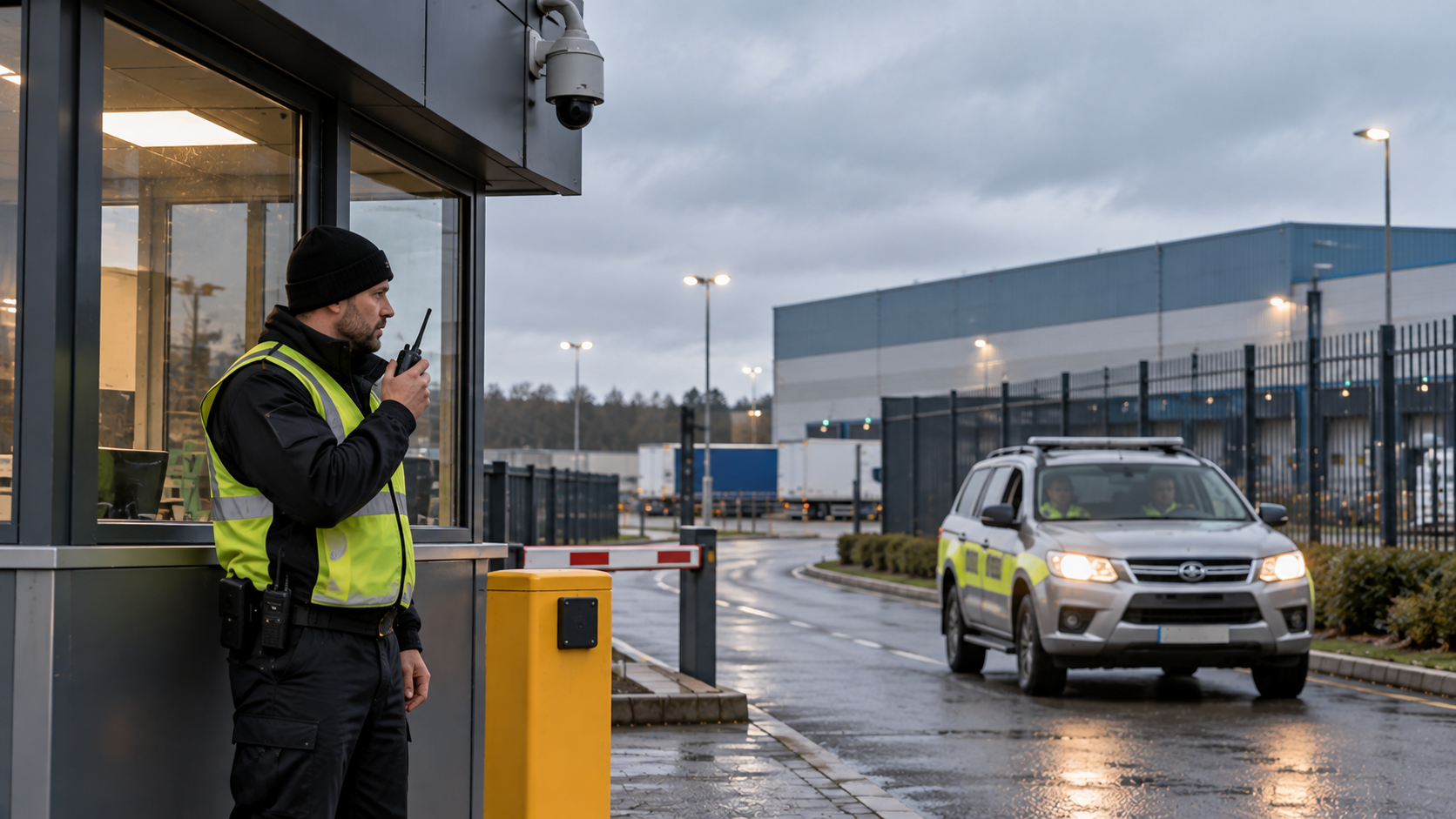
Factory security isn’t a generic guard-on-a-gate setup. In Derby, it’s shaped by how sites actually work, day-to-day deliveries arriving early, contractors moving between units, and night shifts running with minimal staff.
What is Factory Security, And How Is It different From Other Security in Derby
Static security is fixed. Factory security moves with the site. It responds to production flow, vehicle traffic, shift changes, and vulnerable zones. Because these things will change throughout the day.
This is exactly why Derby businesses need Factory Security rather than relying on basic guarding models. The basics are designed for offices or retail parks, but a factory site is different.
Factory security typically includes:
- Active patrols across internal and external zones
- Vehicle and goods-in checks
- Monitoring of high-risk operational areas, not just entrances
How does Derby’s Crime Profile Affect Factory Security Needs
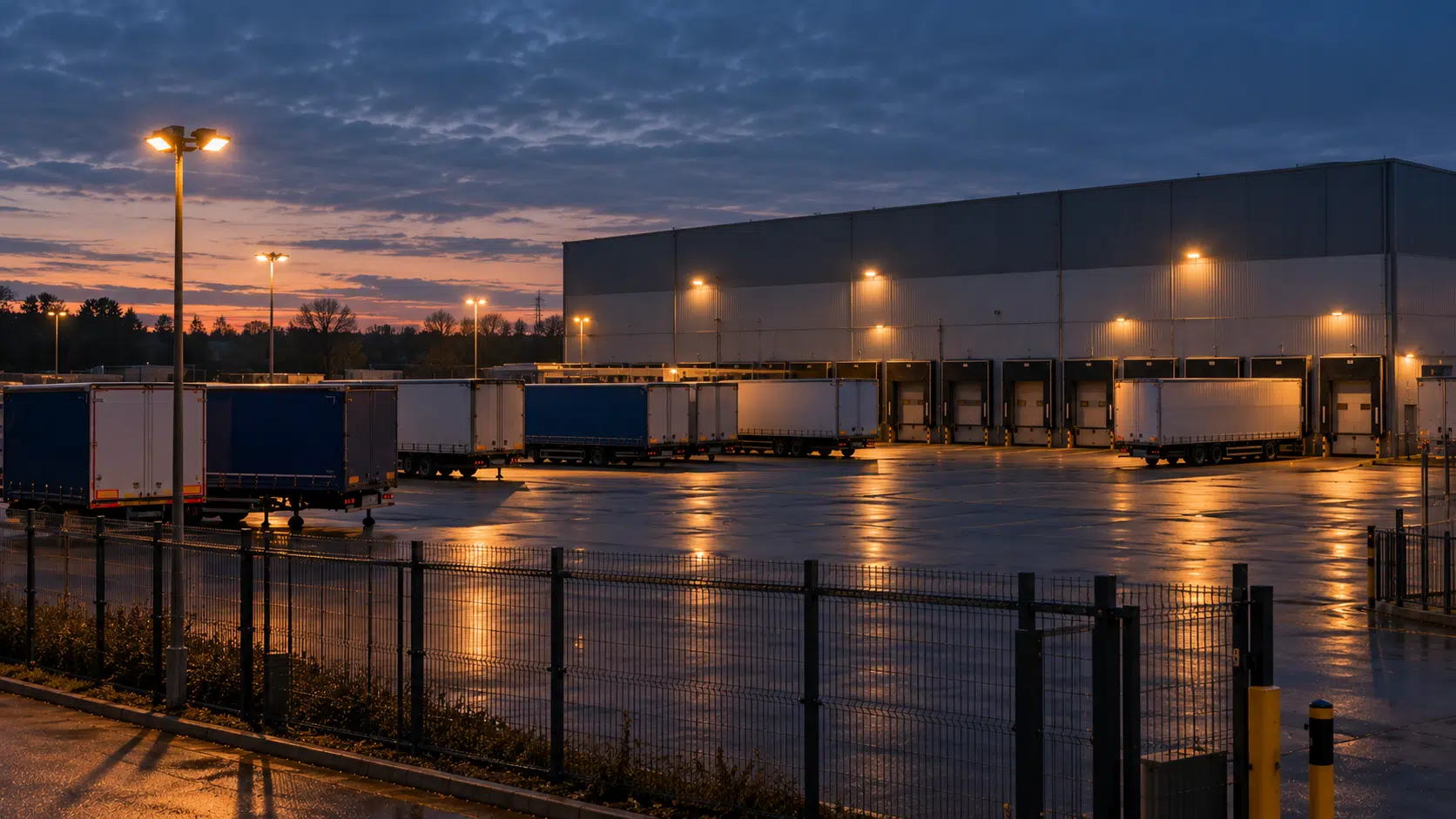
Derby’s industrial areas sit close to residential zones, arterial roads, and retail corridors. That mix increases exposure. Opportunistic crime doesn’t stop at shopfronts; it spills into yards, loading bays, and car parks. Tool theft, scrap metal loss, and unauthorised access are now routine risks, not rare incidents.
Peak Crime Hours for Factories in Derby
Crime around industrial sites rarely sticks to one window. Patterns shift.
- Early mornings (5 am–8 am): low staff presence, deliveries starting
- Late afternoons: distractions during shift change
- Overnight: perimeter breaches, vehicle theft, copper and machinery targeting
Good factory security adapts to these cycles instead of assuming nights are the only danger.
Derby-Specific Vulnerabilities Factory Sites Face
Local layouts are important to security. Many Derby factories operate from older estates or mixed-use zones.
Common weak points include:
- Open yards with poor boundary definition
- Shared access roads between multiple tenants
- Blind spots created by extensions and retrofitted units
Security planning that ignores these realities usually fails.
Anti-Social Behaviour at Factory and Industrial Sites
Anti-social behaviour isn’t always dramatic. Sometimes it’s small groups cutting through sites. Sometimes it’s repeated nuisance incidents that escalate.
Factory security helps by:
- Establishing visible authority early
- Challenging unauthorised presence before patterns form
- Logging behaviour so issues don’t stay “unofficial”
Left unchecked, minor disruption becomes routine loss.
Why Rising Retail Theft Affects Factory Security Demand
Retail theft in Derby has pushed offenders to look sideways. It’s not just at shops, but at supply routes and storage locations. Factories now see more daytime risk, not less.
Day patrols are increasing because:
- Vehicles are targeted during loading
- Staff assume “someone else is watching”
- Thieves blend into legitimate activity
Day vs Night Factory Security Risks
Day risk is about disguise, and the Night risk is more about force.
- Daytime: impersonation, distraction, internal movement
- Night-time: perimeter breaches, asset stripping, vehicle theft
A single security approach rarely covers both properly.
How Factory Size and Layout Affect Guarding Needs
Large sites don’t just need more guards. They need smarter coverage. Smaller sites often assume they’re safer until a single weak point is exploited. In Derby, compact sites near main roads are often hit faster and more often.
Economic Pressure and Business Growth in Derby
Tighter margins increase theft temptation. Business growth increases exposure. New contracts, new staff, and new shifts all stretch existing controls. Factory security demand rises not because businesses are fearful, but because they’re realistic.
Growth without protection is fragile. Derby businesses are starting to recognise that and adjusting before problems become expensive lessons.
Legal and Compliance Requirements in Derby
Legal compliance is where many factory security arrangements quietly fall apart. Not through bad intent but through assumptions. In Derby, those assumptions are getting riskier every year.
SIA Licensing Requirements in the East Midlands
Every security guard carrying out manned guarding duties must hold a valid SIA licence. There’s no local workaround. Derby sits firmly under national enforcement, with spot checks increasing across industrial estates. This is a core reason why Derby businesses need Factory Security from compliant providers rather than informal cover.
Licensed guarding must meet:
- Correct licence type for the role
- Valid renewal status
- Right to work checks
Anything less exposes the client, not just the guard.
Penalties for Using Unlicensed Guards in Derby
This isn’t a paperwork issue; it’s a criminal offence. Using unlicensed guards can cause major issues. Following it, you also face:
- Unlimited fines
- Contract invalidation
- Reputational damage during inspections or audits
Enforcement doesn’t stop at the security firm. Liability reaches the factory operator, too.
DBS Checks and Suitability Screening
Not all guards legally require DBS checks. But factories handling high-value assets, aerospace components, or controlled materials usually insist on enhanced vetting. Sensible businesses treat DBS as risk control, not a box to tick.
Insurance Factories Should Expect from Security Providers
At a minimum, compliant providers carry:
- Public liability insurance
- Employer’s liability insurance
- Professional indemnity (in some environments)
If a firm hesitates when asked for certificates, that’s your answer.
CCTV, Factory Security, and UK Data Protection Law
Security and surveillance must comply with UK GDPR and data protection law. That affects:
- Camera placement
- Signage
- Data retention policies
Guards increasingly act as the human interface between systems and compliance. Logging incidents, responding to access requests, and avoiding misuse.
VAT Rules for Manned Security Services
Manned guarding services are VAT-rated in the UK. If a quote avoids VAT without a clear exemption, it’s usually a warning sign. Derby factories are frequently caught out by “too good to be true” pricing.
Local Authority Rules for Construction and Industrial Sites
Derby City Council doesn’t license guards directly. But site conditions often require security presence as part of planning approvals. This is common on construction-linked factory expansions and mixed-use estates.
Proving a security firm’s compliance history
Reputable providers can show:
- SIA licence verification records
- Insurance certificates
- Incident reporting procedures
- Audit trails and assignment instructions
If it can’t be documented, it didn’t happen.
Mandatory Licensing and What It Means for Derby Clients
Mandatory licensing shifts risk back onto the buyer. Choosing non-compliant security doesn’t save money; it transfers liability. That’s why more Derby firms now ask for compliance packs before signing contracts.
Labour Law, Overtime, and Post-Brexit Staffing
Overtime must follow UK working time regulations. After Brexit, EU nationals require a confirmed right-to-work status. Any shortcuts here can invalidate cover overnight.
Police Collaboration and Intelligence Sharing
Factory security doesn’t operate in isolation. Many deployments are shaped by data and coordination with East Midlands Police, including crime pattern alerts and targeted patrol timing.
Local businesses also benefit from collaboration with Derby BCRP, where shared intelligence helps reduce repeat offences across estates.
Behind the scenes, compliance isn’t glamorous. But in Derby’s industrial landscape, it’s the difference between controlled risk and expensive exposure.
Costs, Contracts, and Deployment in Derby
Costs are usually the first question Derby factory owners ask. Not because they’re cutting corners in the system. But because security spend has to make sense on a balance sheet that’s already under pressure. The reality is that factory security pricing in Derby isn’t flat. It shifts by location, risk, and how the site actually operates.
Typical Factory Security Costs: City Centre vs Suburbs
Sites closer to Derby city centre tend to carry higher rates. Traffic density, public access, and mixed-use surroundings all raise exposure. Suburban and estate-based factories often benefit from slightly lower hourly costs. But only if access points are controlled.
Cost differences are driven by:
- Footfall and proximity to public routes
- Night-time activity nearby
- Site size and patrol complexity
This is one of the reasons why Derby businesses need Factory Security plans tailored to their postcode, not generic rate cards.
How Fast Factory Security be Deployed in Derby
Deployment speed depends less on urgency and more on preparedness. For compliant providers with licensed staff already vetted. And cover can often be arranged within days. Complex sites take longer, not because of staffing, but because proper risk assessment matters.
Fast deployment usually involves:
- Pre-licensed, site-ready guards
- Existing insurance and compliance clearance
- Clear assignment instructions from day one
Contract lengths across the East Midlands
Short-term cover exists to support fewer sites. But most factory security contracts in the East Midlands sit between six and twenty-four months. Longer contracts stabilise pricing and guard consistency. Shorter agreements cost more per hour and change hands more often, which brings its own risks.
Notice periods and contract exits
Standard notice periods typically range from 30 to 90 days. Anything longer deserves scrutiny. Factories should retain flexibility, especially during expansion, downsizing, or shift changes.
Watch for:
- Automatic renewal clauses
- Penalties hidden in “minimum hours” terms
Wage pressure and 2026 security costs
Wage increases are the biggest cost driver heading into 2026. Higher minimum pay, retention pressure, and licensing costs all filter into hourly rates. The key difference is transparency. Reputable firms explain increases. Others just roll them in quietly.
Inflation and long-term pricing
Inflation doesn’t just raise prices; it changes how contracts are written. Fixed-rate deals now come with review points. Longer agreements increasingly include escalation clauses tied to national wage benchmarks.
Factory security and insurance premiums
Insurers look favourably on professional security. Not always with dramatic discounts, but with fewer exclusions and smoother claims handling.
Security support can help by:
- Reducing incident frequency
- Demonstrating active risk management
- Supporting claims with logs and footage
Public sector contracts and the Procurement Act 2023
For publicly owned factories or council-linked sites, the Procurement Act 2023 changes how security contracts are awarded. Transparency, value, and compliance now carry more weight than headline price. Derby-based bidders with proven local delivery are better positioned.
Contracts that work for Derby businesses
Good contracts don’t just protect the provider. They protect the client. Clear costs, sensible exits, and realistic deployment plans matter more than chasing the lowest hourly rate. Security that’s rushed or underpriced rarely stays cheap for long.
Training, Operations, and Daily Duties in Derby
Factory security in Derby isn’t about standing still and reacting. It’s operational work, shaped by machinery, shift patterns, and risk that changes hour by hour. Guards working industrial sites are trained to think in sequences.
What happened before they arrived, what’s life now, and what could go wrong next? That operational mindset is exactly why Derby businesses need Factory Security rather than generic guarding.
Training Standards for Factory and Industrial Environments
Industrial guarding demands more than basic presence. Guards are trained to work safely around the factory site. They know how to handle moving vehicles, heavy equipment, and restricted production zones. This includes understanding site-specific hazards and recognising unsafe behaviour early. They can also respond without disrupting operations.
Most factory-trained guards receive:
- Industrial health and safety awareness
- Access control procedures for staff, contractors, and suppliers
- Emergency response training tailored to noisy, low-visibility environments
On higher-risk sites, this is reinforced with fire marshal duties and first aid. Additionally, they hold conflict management relevant to industrial settings.
Shift Commencement and Site Familiarisation
The first minutes of a shift matter. Guards don’t arrive blind. They begin by reviewing handover logs, unresolved incidents, and any alerts raised overnight or during the previous shift. That context prevents repetition of mistakes and missed patterns.
Initial actions typically include:
- Confirming who is authorised to be on site
- Reviewing delivery schedules and contractor activity
- Refreshing emergency procedures and escalation routes
Only after that does physical checking begin.
Perimeter and Access Control Procedures
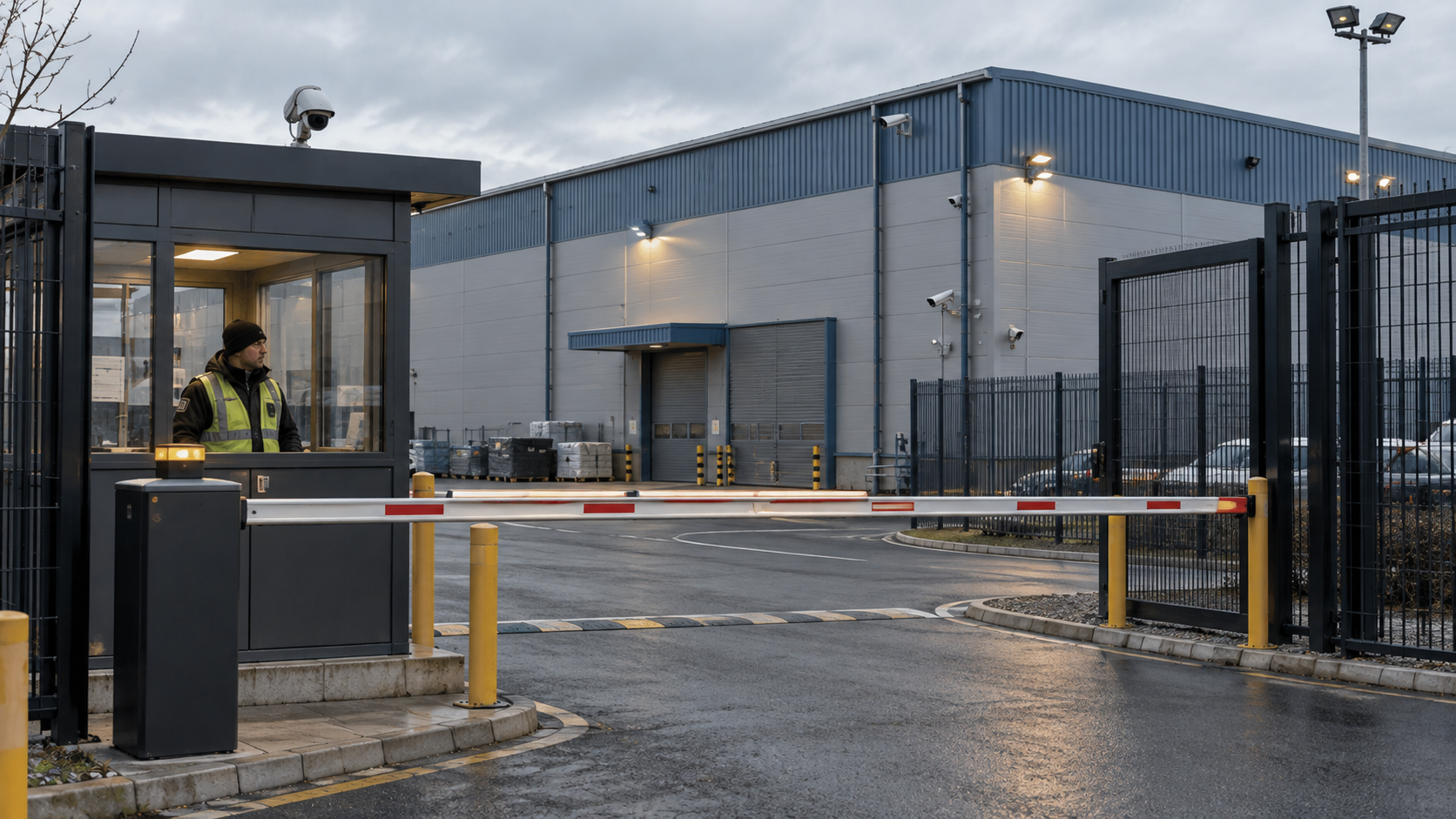
Perimeter security is always the first physical priority on Derby factory sites. Older industrial estates, shared access roads, and mixed-use boundaries create risk if ignored.
Guards systematically check:
- Gates, fences, and vehicle barriers
- Fire exits and roller shutters
- Signs of forced access or tampering
Once the perimeter is confirmed, internal access points are verified. It ensures restricted zones remain secure during live operations.
Patrol Strategy During Active Shifts
Patrols are structured, not random. Guards vary routes and timings to avoid predictability. And they focus attention on high-risk areas such as loading bays, storage zones, and car parks.
During patrols, guards monitor:
- Unauthorised movement or loitering
- Lighting failures and blind spots
- Vehicles are parked out of place
Daytime patrols focus on disguise and impersonation risks. Night patrols focus on intrusion and asset removal.
Alarm Response and Incident Handling
Alarm activations, especially during early hours, are treated cautiously. Guards verify triggers, isolate zones, and escalate only when required. Rushing creates risk; ignoring creates liability.
All responses are logged with time, location, and action taken. This documentation supports investigations, insurance claims, and compliance audits.
Reporting Discipline and Supervision
Factory security runs on reporting. Guards maintain hourly or event-based logs covering patrols, alarms, visitors, and faults. Supervisors expect scheduled check-ins, particularly during night shifts. Missed reports trigger immediate follow-up. Nothing relies on memory, and everything is recorded.
Secure-Down and Shift Handover
End-of-shift procedures mirror the start controlled and methodical. Guards secure access points, confirm site status, and brief incoming staff properly. Poor handovers cause incidents. Good ones prevent them.
24/7 Coverage and Regional Response Expectations
Most Derby factories operate rotating shifts to avoid fatigue and maintain consistency. Emergency response standards remain consistent across the East Midlands. Whether additional support is required from nearby hubs such as Nottingham or Leicester.
Factory security works when it’s repeatable, disciplined, and understood. Quiet shifts aren’t luck. They’re the result of structure done properly.
Performance, Risks, and Challenges in Derby
Factory security performance isn’t judged by how quiet a site looks. It’s judged by what doesn’t happen: losses avoided, incidents interrupted early, risks reduced before they turn expensive.
In a city like Derby, where factories operate through weather swings, labour pressure, and long operating hours, performance has to be measured properly. That’s a big part of why Derby businesses need Factory Security that’s actively managed, not left to run on autopilot.
KPIs That Matter for Factory Security Performance
Not all metrics are useful. Headcount and hours worked don’t say much on their own. What matters is control.
The KPIs most Derby factories track include:
- Number of incidents detected vs incidents reported late
- Patrol completion rates and timing accuracy
- Alarm response times
- Repeat vulnerability identification (same issue flagged more than once)
Good KPIs show patterns. Bad ones just fill reports.
How Derby Weather Affects Factory Security Effectiveness
Weather plays a bigger role than most businesses expect. Derby sees heavy rain, fog, frost, and long dark winter evenings, all of which affect visibility, movement, and patrol speed.
Poor weather increases:
- Slip and trip risks on yards and walkways
- Blind spots caused by glare, mist, or pooling water
- Fatigue during extended outdoor patrols
Security plans that ignore the weather eventually fail during it.
Documenting Weather Conditions During Patrols
Guards don’t just note incidents; they note conditions. Rain, ice, wind, or reduced visibility are logged because they explain timing, patrol adjustments, and risk exposure.
Weather logs typically include:
- Patrol delays caused by conditions
- Areas temporarily unsafe to access
- Lighting or drainage issues revealed by rain
That detail protects both the guard and the client.
Health Impacts of Long Shifts on Security Performance
Long shifts reduce sharpness. That’s not opinion, it’s operational reality. Fatigue increases missed checks, slower reactions, and poor judgement.
Common impacts include:
- Reduced patrol effectiveness late in shifts
- Slower alarm verification
- Increased error rates in reporting
Well-run Derby sites manage shift length carefully, especially overnight.
Mental Health Support for Night-Shift Guards
Night shifts carry isolation with long hours and limited interaction. Responsible providers recognise this and build support into operations.
That often includes:
- Regular supervisor check-ins
- Rotating night duties rather than permanent isolation
- Clear escalation paths for stress or fatigue
Mental resilience directly affects site safety.
Environmental Regulations Affecting Outdoor Patrols
Outdoor factory security isn’t exempt from environmental rules. Guards must follow site-specific policies around waste areas, fuel storage, and noise control, especially during night hours. Failure here doesn’t just risk fines; it damages community relations.
Labour Shortages and Their Impact on Derby Factory Security
Labour shortages are one of the biggest challenges facing Derby firms. Security is no exception. Fewer available guards increase competition, raise wages, and strain rotas.
The risk isn’t just higher cost. It’s an inconsistency.
Labour pressure can lead to:
- Increased reliance on temporary cover
- Higher fatigue from overtime
- Reduced site familiarity
Factories that plan ahead cope better than those reacting at the last minute.
Managing Risk Realistically
Security performance drops when expectations ignore reality. Weather, people, fatigue, and labour markets all influence outcomes. Strong factory security accounts for those pressures openly, adjusts deployment, and tracks performance honestly.
That’s how Derby businesses keep control, not by pretending risks don’t exist, but by managing them before they escalate.
Technology and Future Trends in Derby
Factory security in Derby is no longer just boots on the ground and keys on a belt. Technology hasn’t replaced guards. It’s changed how they work, what they’re expected to notice, and how quickly decisions are made. This shift is one of the quieter reasons why Derby businesses need Factory Security that keeps pace with what’s coming, not just what’s always been done.
How technology has reshaped factory security in urban Derby
Urban factories sit closer to housing, roads, and shared infrastructure. That density has pushed security away from static posts and toward layered systems. Guards now operate alongside access control, sensors, and live monitoring feeds, using technology to extend visibility without expanding headcount.
What’s changed most is awareness. Incidents are detected earlier. Patterns show up faster. Response becomes proactive rather than reactive.
Post-COVID changes to factory security protocols
COVID didn’t just change health rules; it rewired site discipline. Even now, Derby and Lincolnshire factories maintain tighter visitor control, clearer zoning, and better logging.
Lasting changes include:
- Reduced free movement between departments
- Digital visitor logging replacing paper books
- Clearer separation between staff, contractors, and drivers
Security teams became process enforcers, not just observers.
AI surveillance and its role alongside guards
AI surveillance doesn’t watch everything. It filters. Movement patterns, loitering, perimeter breaches, AI flags what matters so guards can act. On Derby sites, this reduces false alarms and frees guards to patrol properly.
AI works best when:
- Guards understand what the system is flagging
- Human judgement confirms, not blindly trusts alerts
Systems are tuned to industrial environments, not retail assumptions
Remote monitoring and traditional factory security
Remote monitoring adds coverage, not control. Cameras and alarms feed into monitoring centres. But on-site guards still handle verification and response. The combination works because each covers the other’s blind spots.
Remote systems support:
- Overnight perimeter monitoring
- Lone guard safety
- Faster escalation during confirmed incidents
Drone patrols and ground-level security
Drone use is still limited, but it’s growing on large Derby industrial estates. Drones assist with perimeter sweeps, roof inspections, and remote boundary checks. Especially after alarms or severe weather. They don’t replace guards. They give them eyes where boots take time.
Predictive analytics and risk planning
Factories are starting to use data to plan security, not just react to incidents. Predictive tools analyse:
- Incident frequency
- Time-of-day risk
- Seasonal patterns
This helps adjust patrol timing, staffing levels, and coverage zones before problems spike.
Upskilling and certifications for modern security teams
Technology demands skill. Guards now need more than a licence; they need system literacy.
Increasingly essential skills include:
- CCTV and alarm system competence
- Data protection awareness
- Incident reporting via digital platforms
Upskilling keeps technology useful instead of ignored.
Green security practices on Derby factory sites
Sustainability is creeping into security. Outdoor patrols now consider lighting efficiency, battery-powered equipment, and reduced vehicle idling.
Emerging practices include:
- LED perimeter lighting upgrades
- Smarter patrol routing to cut fuel use
- Solar-assisted cameras on remote boundaries
Martyn’s Law and future factory security expectations
Martyn’s Law will push factories, especially those with public access or mixed-use elements. It’s to formalise risk assessment and response planning. For Derby businesses, this means clearer procedures, better training, and documented readiness rather than informal cover.
Technology won’t replace guards. But factories that ignore it will fall behind those using it to stay compliant, resilient, and in control.
Conclusion
Factory security in Derby isn’t about fear. It’s about control. Control of sites that run long hours, hold valuable assets, and can’t afford disruption from theft, compliance failures, or avoidable incidents. The risks are real, but they’re rarely dramatic; they are gradual, operational, and expensive if ignored.
That’s exactly why Derby businesses need Factory Security that fits how their sites actually work, not how a checklist says they should. Good security feels steady. Boring, even. Gates stay shut. Losses don’t happen. Audits pass. And when something does go wrong, it’s handled fast, properly, and without panic.
Frequently Asked Questions
1. Do I really need factory security if my site has CCTV already?
Yes, I see this assumption a lot. CCTV records what happened; it doesn’t stop it from happening. I treat cameras as support, not protection. Without trained guards on site, CCTV usually tells you how you lost something, not how to prevent it next time.
2. Is factory security in Derby mainly a night-time requirement?
Not anymore. I deal with just as many incidents during the day. Deliveries, contractors, open gates, people blending in daytime risk is quieter but constant. Nights are about force. Days are about access and distraction.
3. How quickly can factory security be put in place for a Derby site?
If the site is straightforward and compliant, I can usually get cover live within days. What slows things down isn’t staffing; it’s unclear layouts, missing procedures, or last-minute changes. Preparation matters more than urgency.
4. Will security guards disrupt production or staff routines?
No. They shouldn’t. My approach is to fit security around operations, not block them. When guards understand shift flow and pressure points, most staff barely notice them. That’s when it’s working properly.
5. Does factory security actually reduce insurance risk?
In practice, yes. I’ve seen fewer claim disputes, faster resolutions, and better insurer conversations when proper security is in place. It’s not always about cheaper premiums; it’s about fewer headaches when something goes wrong.
6. Are smaller factories in Derby really at risk, or is this a big-site issue?
Smaller sites are often hit harder. Fewer staff, simpler layouts, and assumptions like “no one would bother with us” create gaps. I’ve seen compact sites targeted precisely because they look easy.
7. How do I know if a security provider is genuinely compliant?
I ask for proof. Licences, insurance, incident logs, and assignment instructions. If a provider hesitates or talks around it, that’s your answer. Compliance isn’t paperwork, it’s evidence.
8. What’s the biggest mistake Derby businesses make with factory security?
Waiting until something happens. Most problems don’t arrive loudly. They build quietly, small losses, repeated access issues, near-misses. Security works best when it’s preventative, not reactive.