Lincolnshire has long been shaped by manufacturing, food production, agriculture, and logistics. Many factories sit on large sites, often away from town centres. That space supports growth, but it also creates exposure. Long perimeters, high-value machinery, fuel storage, and out-of-hours operations all increase risk.
The question of why Lincolnshire businesses need factory security is worth examining carefully. Loss rarely comes from one dramatic event. It builds through small gaps.
This guide explores how factory security works in real Lincolnshire settings. It looks at local risk patterns, legal duties, and insurance expectations. It also breaks down costs, deployment choices, daily coverage, and the role of technology. It is to help decision-makers understand exposure and plan protection that fits how their sites actually run.
Table of Contents

Understanding Factory Security Basics in Lincolnshire’s Industrial Landscape
What Factory Security Means on Lincolnshire Sites
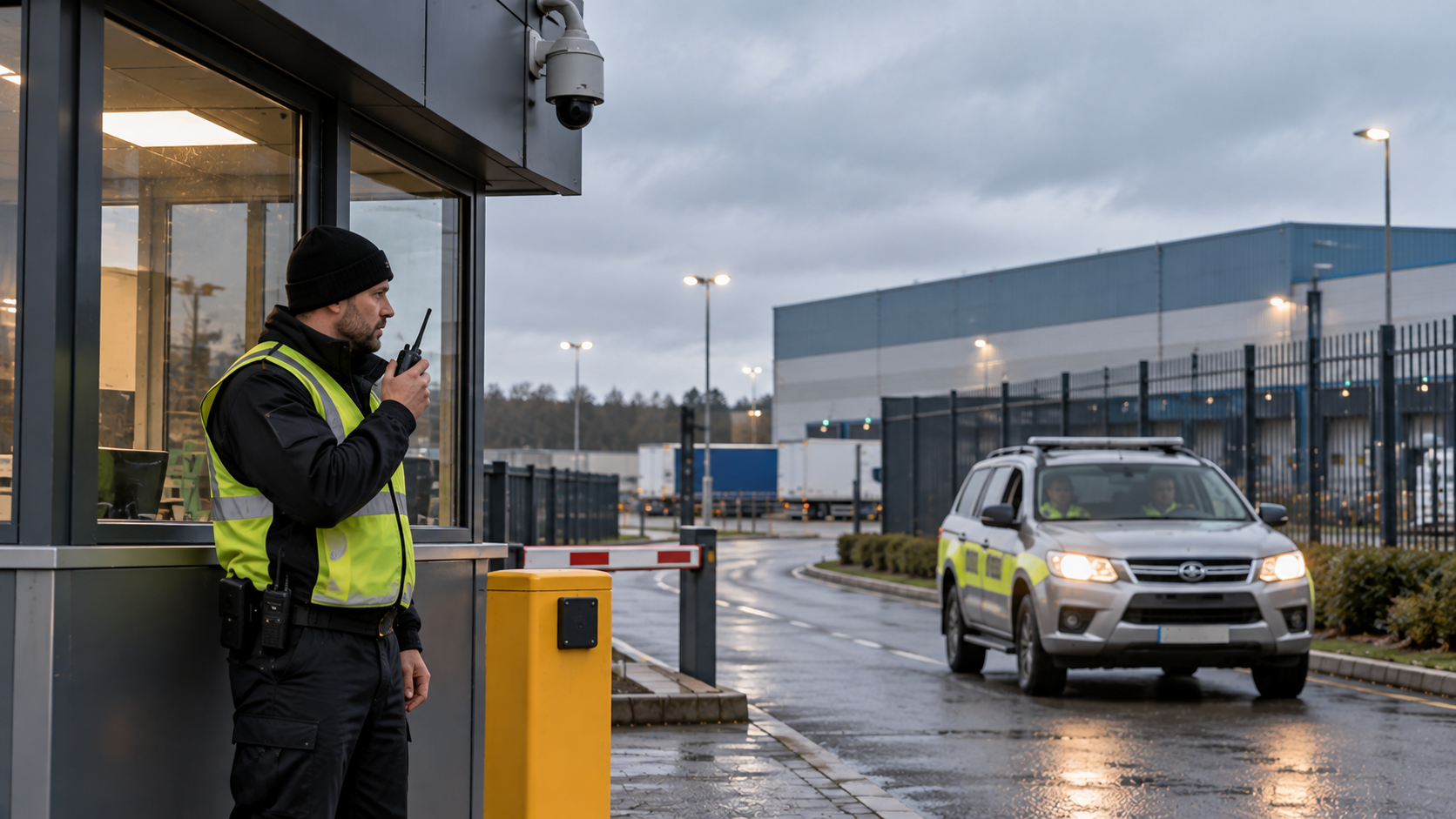
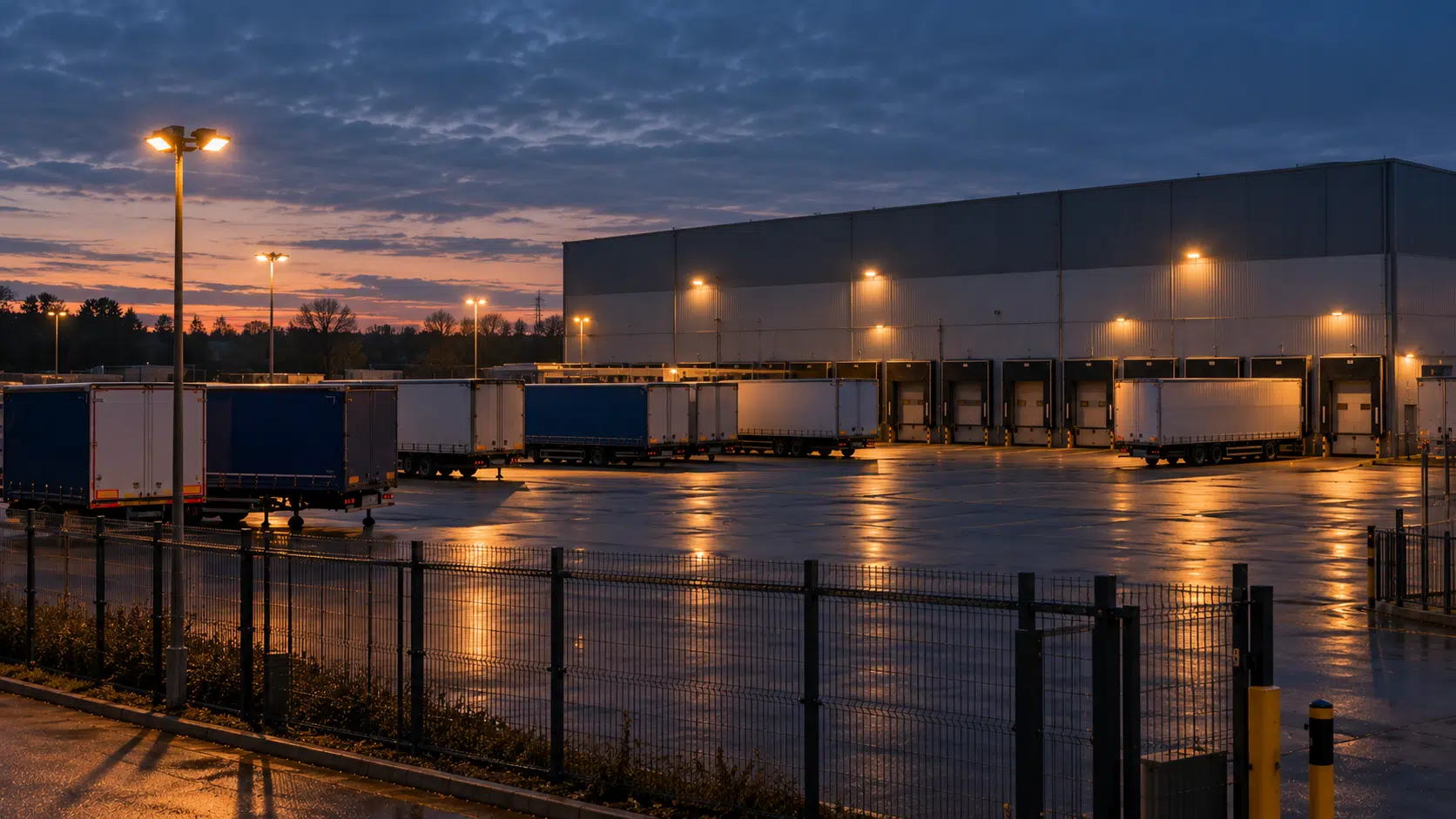
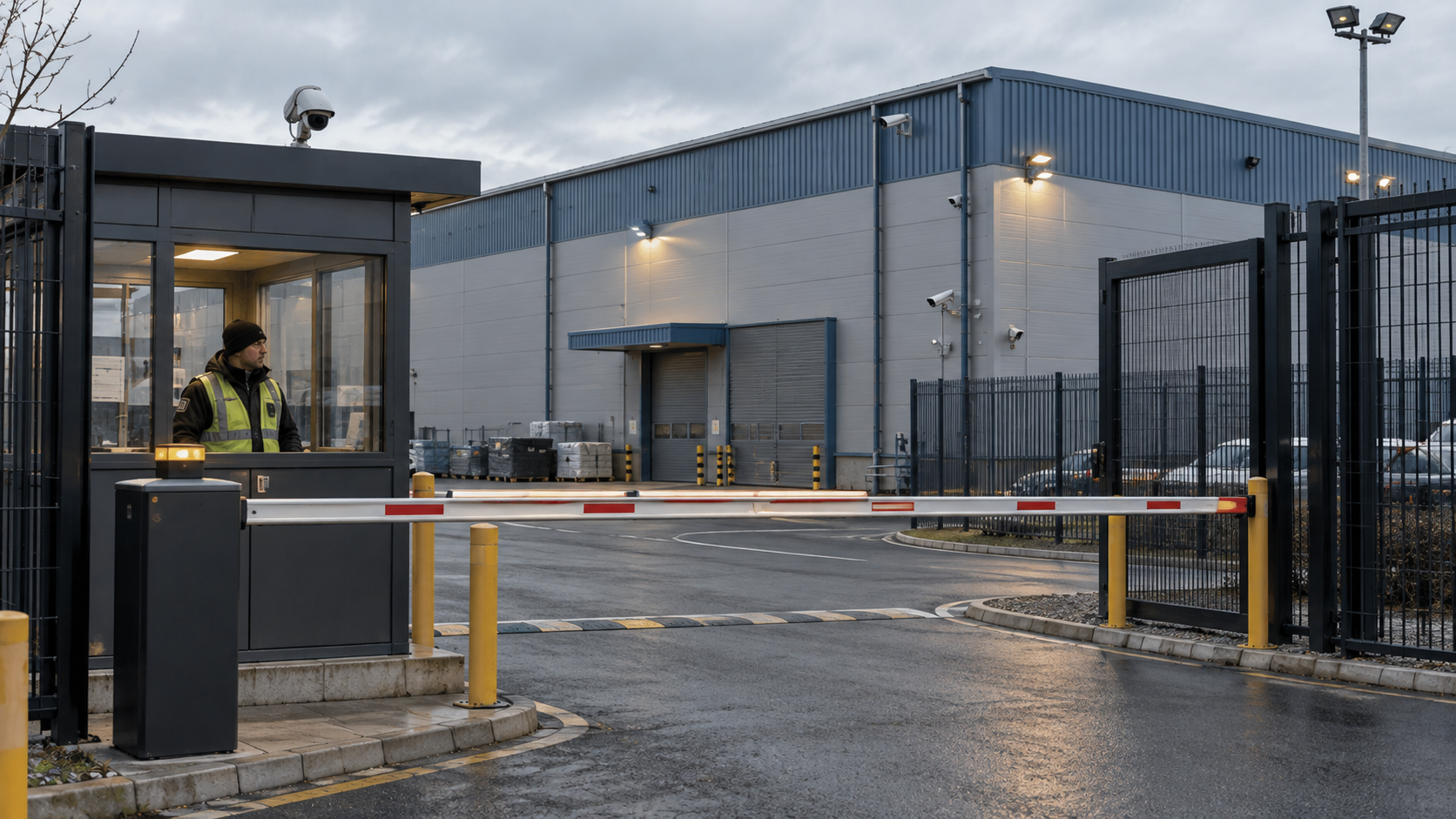
Factory security in Lincolnshire is shaped by space, distance, and function. Many sites extend far beyond a single building. They include yards, loading zones, plant areas, fuel storage, and open boundaries. Security here must manage movement across land, not just entry through doors.
Unlike offices, factories cannot rely on reception control alone. Unlike warehouses, they often hold machinery that cannot be quickly replaced. This is where factory security best practices in the UK differ in purpose. The goal is to keep production running, even when pressure appears outside normal working hours.
Key elements usually include:
- Controlled access across multiple points
- Clear separation between staff, visitors, and contractors
- Early detection rather than late reaction
When these basics are missing, small issues turn into downtime.
How Lincolnshire’s Crime Profile Shapes Security Planning
Lincolnshire records lower crime than many city regions, but that can create a false sense of safety. Official figures show around 63 crimes per 1,000 people recorded across the county in the most recent reporting year. For factories, the issue is not volume. It is an opportunity.
Industrial crime here is shaped by:
- Rural and semi-rural locations
- Limited lighting and visibility at night
- Easy vehicle access via A-roads and ports
Organised theft groups often target machinery, fuel, and metal because removal is quick and resale is easy. This is where industrial factory security services in Lincolnshire must focus on prevention rather than response.
When Factory Risk Is Highest in Lincolnshire
Risk does not stay constant across the day or the week. It rises and falls with activity.
High-risk periods often include:
- Night shifts with reduced supervision
- Weekends when production slows
- Early mornings before full staffing
- Seasonal shutdowns and holidays
Factories that rely only on cameras during these periods often discover problems after damage has already occurred. On-site presence and defined response plans reduce that delay.
Which Factory Types Face Greater Exposure Locally
Not all factories face the same threats. In Lincolnshire, exposure often increases where assets are portable, valuable, or essential to output.
Higher-risk factory types include:
- Food processing and cold storage
- Agricultural and produce handling sites
- Engineering and fabrication units
- Factories linked to logistics or ports
These sites manage frequent deliveries, mixed workforces, and time-sensitive output. Security planning must reflect that reality, not generic assumptions.
The Impact of Shift-Based Manufacturing
Shift work changes how security functions. Staff move in waves. Supervision changes hands. Access patterns become harder to track.
Without structure, gaps appear:
- Doors left unsecured during handovers
- Shared access codes
- Contractors blending into shift changes
This is where SIA-licensed factory security guards add value. Their role is not enforcement alone. It is control, visibility, and consistency.
Why Delivery Schedules Increase Access Risk
Every delivery creates a temporary opening. Gates open. Vehicles wait. Drivers move through yards.
Security must account for:
- Verification of arrivals
- Control of tailgating
- Clear vehicle routes
- Logged departures
When delivery control is weak, factories absorb hidden risk that insurers often question after a claim.
Shutdowns, Holidays, and Seasonal Change
Planned downtime does not reduce risk. It often increases it. Sites appear quiet. Patterns change. Temporary cover is introduced.
Factories that plan ahead often avoid loss by:
- Adjusting coverage before shutdown
- Increasing checks during low activity
- Reviewing lighting and access points
This planning also supports discussions around factory security costs in Lincolnshire, as coverage aligns with real exposure rather than fixed assumptions.
Legal and Compliance Requirements for Factory Security in Lincolnshire
SIA Requirements for Factory Security Staff in Lincolnshire
Any guard carrying factory security work must hold a valid SIA licence. This applies across Lincolnshire, whether the site is rural, coastal, or close to transport links running toward Nottingham or Derby. The rule is simple. If a guard is there to deter crime, control access, or patrol with authority, licensing applies.
For factory operators, this is about proof. Insurers and investigators often ask one question first: were the guard on site authorised to do the job they were doing? If the answer is unclear, liability can shift quickly.
What Happens When Licensing Is Ignored
Using unlicensed security is not just a technical breach. It can weaken insurance positions and complicate claims. Penalties may follow, but the larger issue is credibility. If a factory relies on unapproved guarding, it becomes harder to show that risks were managed responsibly. This is why factory security legal requirements in the UK matter long before an incident occurs.
When DBS Checks Become Relevant
DBS checks are not required for every factory guard. They apply when access goes beyond basic perimeter control. In Lincolnshire, this often affects sites handling food, controlled goods, or sensitive production areas.
If a guard enters staff zones or areas linked to regulation, screening becomes a reasonable safeguard. The key is proportionality. Overuse adds cost. Underuse adds risk.
Insurance Expectations and Security Evidence
Factories insured against theft and interruption are often asked to evidence their security arrangements. This may include confirmation of guarding hours, patrol routines, and reporting processes.
Insurers view factories differently from offices because losses can stop production, not just remove property. This is where industrial factory security services in Lincolnshire are assessed on structure rather than appearance.
Managing CCTV and Data Lawfully
CCTV is common on factory sites, but it carries legal weight. Cameras must have a clear purpose. Signs must be visible. Access to footage must be controlled. This applies to yards, entrances, and vehicle routes.
Factories are expected to:
- Limit who can view recordings
- Store footage securely
- Retain data only as long as needed
- Respond properly to data requests
Poor handling can trigger regulatory action, even if no crime occurs.
VAT and Cost Planning
Security services are usually subject to VAT. This matters when budgets are reviewed or contracts compared. For finance teams, clarity helps when forecasting factory security costs in Lincolnshire, especially where coverage changes during shutdowns or seasonal peaks. Misunderstanding VAT does not stop enforcement, but it can strain relationships later.
Local Authority and Planning Considerations
Lincolnshire does not impose wide council-level security rules on factories. However, planning conditions tied to large developments, lighting, or access control may apply.
These often appear during expansions or refits. Ignoring them can delay approvals or raise compliance questions.
Documents That Prove Compliance
Well-run factories keep records simple. They do not over-document, but they can show control when asked.
Common examples include:
- Proof of guard licensing
- Vetting records where required
- CCTV and data policies
- Incident and access logs
- Insurance correspondence
These papers matter most after something goes wrong.
Martyn’s Law and Looking Ahead
Martyn’s Law is expected to raise expectations around preparedness at larger sites. While many factories in Lincolnshire may fall outside the early scope, logistics hubs and high-occupancy operations may face new duties over time. Planning early allows changes to be absorbed without disruption.
Legal compliance in factory security is not about adding layers for comfort. It is about showing care, foresight, and control. In Lincolnshire, where factories often operate quietly and at scale, that evidence matters when it counts most.
Costs, Contracts, and Deployment Across Lincolnshire Factory Sites
How Factory Security Costs Form in Lincolnshire
There is no fixed price that fits every site. Costs rise or fall based on exposure. A factory near open land faces different risks than one inside a busy estate.
Common cost pressures come from:
- Long boundaries that need monitoring
- Multiple access points are used daily
- Night or early-morning shifts
- Seasonal production spikes
Sites that understand manufacturing site security in Lincolnshire early tend to plan better. They avoid sudden cost jumps later.
Deployment Speed and Real-World Timelines
Factories often need security fast. New sites open. Layouts change. Temporary risks appear during refits or shutdowns. In Lincolnshire, fast deployment depends less on speed and more on clarity.
Security can be put in place quickly when:
- Coverage hours are clear.
- Access rules are agreed upon.
- Reporting lines are simple.
- Risk areas are identified.
Delays usually happen when expectations are vague. Clear planning keeps disruption low.
Contract Lengths and Operational Stability
Contract length shapes how security performs over time. Very short contracts often bring instability. Very long ones without review can drift away from site needs.
In Lincolnshire, contract terms usually align with:
- Production cycles
- Lease periods
- Insurance review dates
Stable terms support continuity. They also make accountability clearer when issues arise.
Notice Periods and Hidden Exposure
Notice periods seem like a legal detail. If coverage ends before a replacement, a factory may face real exposure. This risk increases during winter, shutdowns, or peak output periods.
Factories should link notice terms to:
- Key production windows
- Planned downtime
- Insurance renewal timing
This reduces gaps that are difficult to justify later.
Inflation and Long-Term Cost Control
Inflation affects security slowly. It shows up in wages, compliance costs, and equipment upkeep. Contracts that ignore this often fail. Contracts that overreact create uncertainty.
Balanced planning includes:
- Review points at set intervals
- Clear rules for adjustments
- Transparency on cost changes
This approach supports factory crime prevention in Lincolnshire by keeping coverage steady, even under pressure.
Security as Part of Insurance Strategy
Security does more than protect property. It shapes how insurers view risk. Clear coverage, documented routines, and defined response plans all matter.
Security supports insurance by:
- Showing active risk control
- Supporting claim credibility
- Reducing disputes after a loss
This is especially important for industrial estate security in Lincolnshire, where shared access can blur responsibility.
Procurement Act 2023 and Factory Contracts
The Procurement Act 2023 affects how some factories engage suppliers, especially those linked to public contracts or regulated supply chains. The focus is on fairness, clarity, and value.
For Lincolnshire sites, this means:
- Clear scope definition
- Transparent evaluation
- Documented decisions
Well-written contracts reduce friction later.
Planning Deployment Without Noise
Good security deployment is quiet. Guards know the site. Managers know what to expect. Reporting fits how the factory runs.
Strong planning starts with simple questions:
- When is the site most exposed?
- Which areas matter most?
- What proof will insurers ask for?
Costs, contracts, and deployment are connected. One affects the other. In Lincolnshire, where factories often run at scale and distance, thoughtful planning protects budgets and operations at the same time.
Training, Operations, and Daily Duties Across Lincolnshire Factories
Training That Matches Factory Reality
Training for factory environments is practical. It focuses on awareness and safety. Guards need to understand how production works, not just where gates sit. Heavy vehicles move constantly. Machinery stays active even during quiet hours. One mistake can cause delay or injury.
Training often prepares guards to:
- Move safely around the plant and traffic.
- Communicate clearly with supervisors.
- Spot behaviour that does not fit the routine.
- Act without slowing production.
This is different from shop security. Factories demand patience and judgment. That is why factory security guards in Lincolnshire are trained to observe first, not react fast.
The First Moments of a Shift
A shift does not begin at the gate. It begins with awareness. Guards take in the sight. In Lincolnshire, fog or rain can quickly reduce visibility. Darkness arrives early in winter. These details matter.
Early checks usually focus on:
- Access points and barriers
- Yard condition
- Vehicle flow
- Any unresolved issues
These checks reduce risk later in the shift.
Handovers on Sites That Never Stop
Factories that run all day rely on clean handovers. Information must pass without noise. Missed details create gaps. Gaps attract problems.
Strong handovers often include:
- Ongoing concerns
- Expected movements
- Changes to access
- System or lighting issues
This keeps coverage steady and predictable.
Machinery, Yards, and Loading Areas
Yards and loading bays are busy places. They are also where most issues start. Vehicles arrive. Doors open. People move between zones. Security must stay visible without blocking work.
Checks focus on:
- Vehicles that do not belong
- Equipment left unsecured
- Damage to fencing
- Activity outside normal hours
This approach supports manufacturing site security in Lincolnshire by reducing opportunities rather than chasing incidents.
Why Reporting Matters
Reporting is not about volume. It is about clarity; short notes, clear times, and simple facts. Managers and insurers rely on these records.
Daily reports often cover:
- Access activity
- Patrol findings
- Incidents or near misses
- Actions taken
Good reporting shows control. It also supports factory security services in Lincolnshire when questions arise later.
Handling Issues Without Stopping Work
Factories cannot pause every time if something looks wrong. Security teams assess risk before acting. Low-level issues are contained quietly. Higher risk concerns are escalated with care.
Common steps include:
- Isolating the area
- Informing site leads
- Recording details
- Supporting emergency response when needed
Production only stops when safety demands it.
Shutdowns and Secure-Down Periods
Shutdowns feel calm, but they are not. Reduced staff and silence create an opportunity. In Lincolnshire, isolated sites face higher exposure during holidays and maintenance periods.
Secure-down planning often includes:
- Fewer access points
- Increased checks
- Clear escalation plans
- Regular communication
This planning also helps manage factory security costs in Lincolnshire by aligning coverage with real risk.
Routine Beats Reaction
Security works predictable patrols, clear boundaries, and a calm presence. These routines reduce temptation and confusion.
Factories that invest in structure see fewer issues because:
- Staff know what is normal.
- Visitors stand out quickly.
- Problems are logged early.
This approach supports factory security best practices in the UK without adding noise.
Training, operations, and daily duties are not separate tasks. They connect. In Lincolnshire, where factories often operate across space and time, steady routines protect people, property, and output. Quiet control works better than visible force.
Performance, Risks, and Operational Challenges for Factory Security in Lincolnshire
KPIs That Matter to Lincolnshire Factory Managers
Key performance indicators should reflect risk, not activity for its own sake. Counting patrols alone does not show whether a site is safer. What matters is whether security reduces exposure and supports steady operations.
Useful KPIs often focus on:
- Unauthorised access attempts
- Repeat issues at the same location
- Response time to alerts
- Downtime linked to security events
These measures help managers see patterns. They also support discussions around factory security costs in Lincolnshire by linking spend to outcomes, not assumptions.
Weather and Perimeter Risk
Weather plays a larger role in Lincolnshire than many expect. Open land, coastal air, and long winters affect visibility and access. Fog reduces sightlines. Heavy rain damages the ground and fencing. Wind can move temporary barriers.
Perimeter risks increase when:
- Lighting fails in poor weather.
- The ground becomes uneven or flooded.
- Fences loosen over time.
- Natural cover grows unchecked.
Factories near routes connecting the East Midlands region, including Leicester city, often see increased vehicle movement during bad weather, which can mask unauthorised access. Regular checks and maintenance reduce this risk more effectively than reactive fixes.
Fatigue and Overnight Coverage
Overnight security is demanding. Fatigue reduces awareness and slows response. In Lincolnshire, many factories rely on night operations to meet production targets, which raises the importance of alert coverage.
Fatigue risks increase when:
- Shifts run too long
- Breaks are poorly timed
- Coverage levels are minimal
- Weather worsens conditions
This is not about staffing numbers alone. It is about planning coverage that supports alertness. Poor planning increases liability and weakens claims after incidents. This is why SIA licensed factory security guards are expected to work within defined routines that support focus.
Health and Safety Where Security Meets Production
Factory security operates close to health and safety risks. Guards move around vehicles, machinery, and contractors. They often spot hazards before anyone else.
Common intersections include:
- Vehicle movements in yards
- Poorly marked walkways
- Unauthorised access to machinery areas
- Lone working during quiet periods
When security teams report hazards early, they reduce accidents. This also supports insurance expectations. Insurers look favourably on sites where security contributes to wider risk management, not just crime prevention. This is a key reason manufacturing site security in Lincolnshire is assessed on awareness as much as presence.
Why Poor Planning Raises Liability
Poorly planned security creates gaps. Gaps create questions. After an incident, investigators ask whether risks were foreseeable and whether reasonable steps were taken. If planning is weak, liability grows.
Common planning failures include:
- Unclear coverage during shutdowns
- Overreliance on cameras alone
- Poor documentation of incidents
- Inconsistent routines
These failures affect more than safety. They can undermine insurance claims and increase premiums. This is where factory security services in Lincolnshire are often reviewed closely, especially after a loss.
Measuring Performance Without Disrupting Work
Factories cannot afford constant disruption. Performance measurement must be light-touch and practical.
Effective approaches include:
- Monthly trend reviews
- Focus on repeat issues
- Linking incidents to time and location
This method helps managers adjust coverage without stopping production.
Technology and Future Trends Shaping Factory Security in Lincolnshire
From Cameras to Connected Systems
Early factory security relied on basic cameras and alarms. Today, systems talk to each other. Cameras link with access control. Alarms trigger alerts. Logs build a picture over time. For factories spread across open land, this matters. Visibility improves without adding friction to daily work.
Modern setups help teams spot issues sooner. They also support reviews around factory security costs in Lincolnshire by showing where coverage adds value and where it does not.
AI as Support, Not a Stand-In
AI now helps filter noise. It flags unusual movements, spots activity after hours, and reduces false alerts caused by weather or wildlife. In Lincolnshire, that support is practical. Guards can focus on what matters.
AI works best when it:
- Highlights patterns, not single events
- Supports decisions, not makes them
- Feeds clear alerts to on-site teams
This approach keeps human judgment at the centre. It also aligns with expectations placed on SIA-licensed factory security guards, who remain responsible for response and control.
Remote Monitoring That Backs Up On-Site Presence
Remote monitoring has become a strong support layer. It does not replace guards. It extends reach. When a site is quiet, monitoring centres can watch multiple zones and flag concerns early. On-site teams then respond with context.
This layered model suits Lincolnshire factories that operate nights, weekends, or seasonal shutdowns. It also helps industrial estate security in Lincolnshire by covering shared areas without adding constant patrols.
Drones and Large Industrial Sites
Drone patrols attract attention, but their use is limited. In Lincolnshire, drones can help with large perimeters, roof checks, or temporary risks. They are not a daily solution. Weather, regulation, and privacy all shape use.
Where drones add value:
- Short-term surveys
- Post-incident checks
- Large, open estates
They remain a specialist tool, not a default.
Predictive Tools and Planning Ahead
Predictive tools help managers plan. They use past data to flag risk gaps. For factories, this supports smarter coverage rather than more coverage.
Predictive planning helps:
- Adjust routines before risk rises
- Align security with production cycles
- Support insurance discussions
It also helps demonstrate control under the factory security legal requirements in the UK, where foresight matters.
Where Technology Meets Local Understanding
Technology only works when people trust it. Systems must be clear. Alerts must be accurate. Support must be reliable. This is where a trusted security service in Lincolnshire matters. Local understanding shapes how tools are used, not just which tools are chosen.
The future of factory security here is balanced. Smart systems. Calm presence. Clear planning. Technology supports people. It does not replace them. For Lincolnshire factories, that balance keeps sites secure while operations keep moving.
Looking Ahead: Factory Security Decisions That Fit Lincolnshire
Factories across Lincolnshire rarely face one obvious threat. Risk builds over time. This is why Lincolnshire businesses need factory security to be considered carefully, not rushed. Effective security reflects how a site actually operates. Not how it appears on a plan. It protects the output as much as the equipment. It also supports insurance reviews and reduces pressure when incidents are examined.
Strong decisions come from looking at legal duties, cost control, daily routines, performance strain, and future change through a local lens. Protection works best when it is planned, balanced, and reviewed as operations evolve.
If you are reassessing your current setup or preparing for change, Region Security Guarding supports Lincolnshire factories with practical, locally informed security planning. If you want clarity without pressure, you can contact us to discuss your site and its risks in confidence.
Frequently Asked Questions
1. Do all factories in Lincolnshire need on-site security guards?
No. Needs vary by site size, location, operating hours, and asset value. Some factories are better suited to remote monitoring or mixed coverage.
2. When are factories most at risk?
Risk often rises at night, over weekends, and during shutdowns. Low activity and reduced staffing can create gaps if plans stay unchanged.
3. How do insurers view factory security?
Insurers look for reasonable precautions. This includes licensed guards, clear routines, incident records, and access control.
4. Is CCTV enough on its own?
Cameras help with visibility and evidence. On their own, they rarely stop incidents. Many sites benefit from a visible presence supported by systems.
5. How fast can security be deployed?
Speed depends on preparation. When risks, hours, and access rules are clear, security can often be put in place with little disruption.
6. Should security change during shutdowns?
Yes. Fewer people on site can increase exposure. Access points and checks should be adjusted before downtime begins.
7. Are rural factories more exposed?
Often, yes. Isolation, poor lighting, and longer response times increase risk. Planning must reflect distance, not just crime levels.
8. How often should security be reviewed?
At least once a year, and whenever operations change. Reviews help ensure protection still fits the site and insurer expectations.