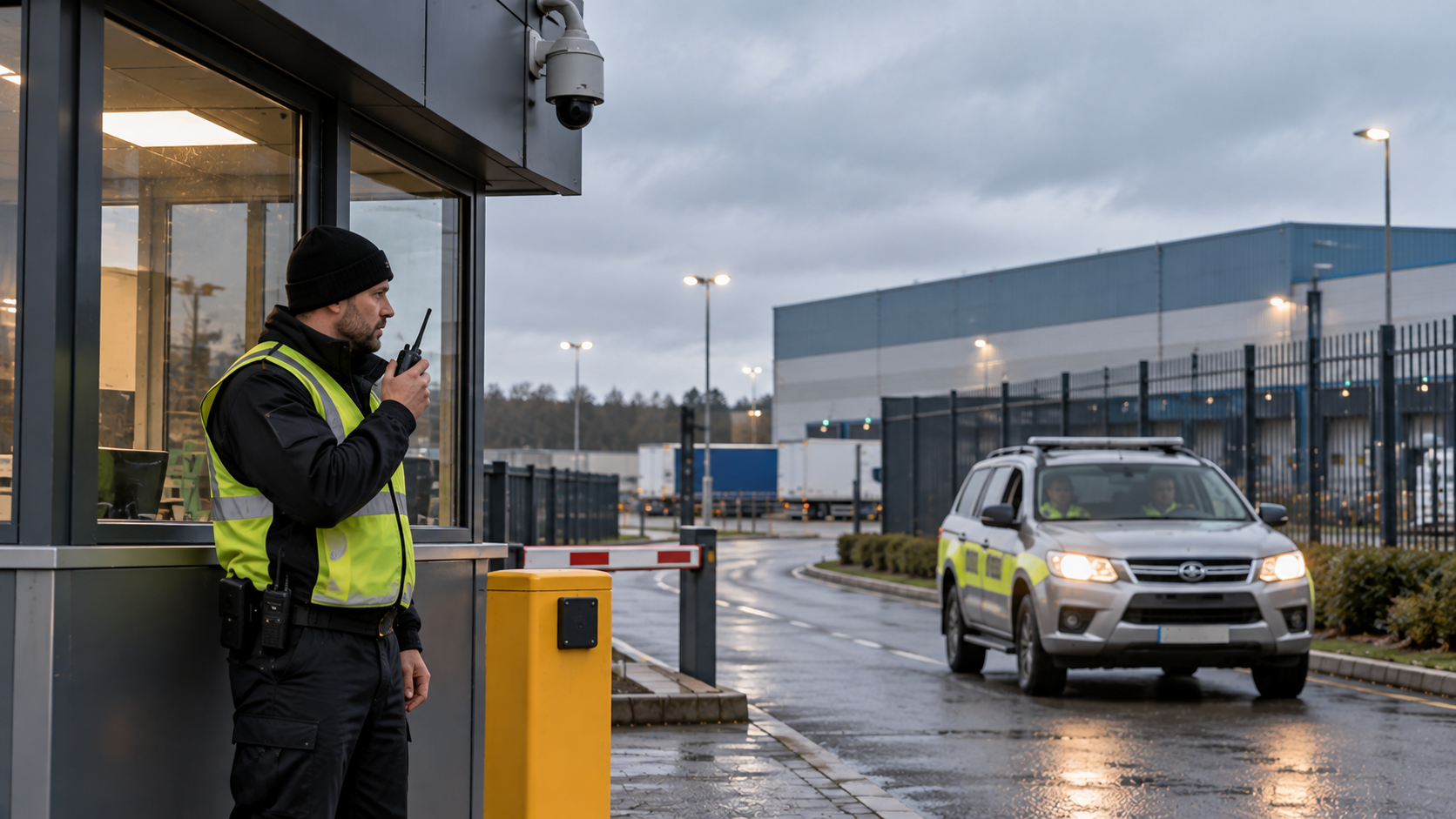
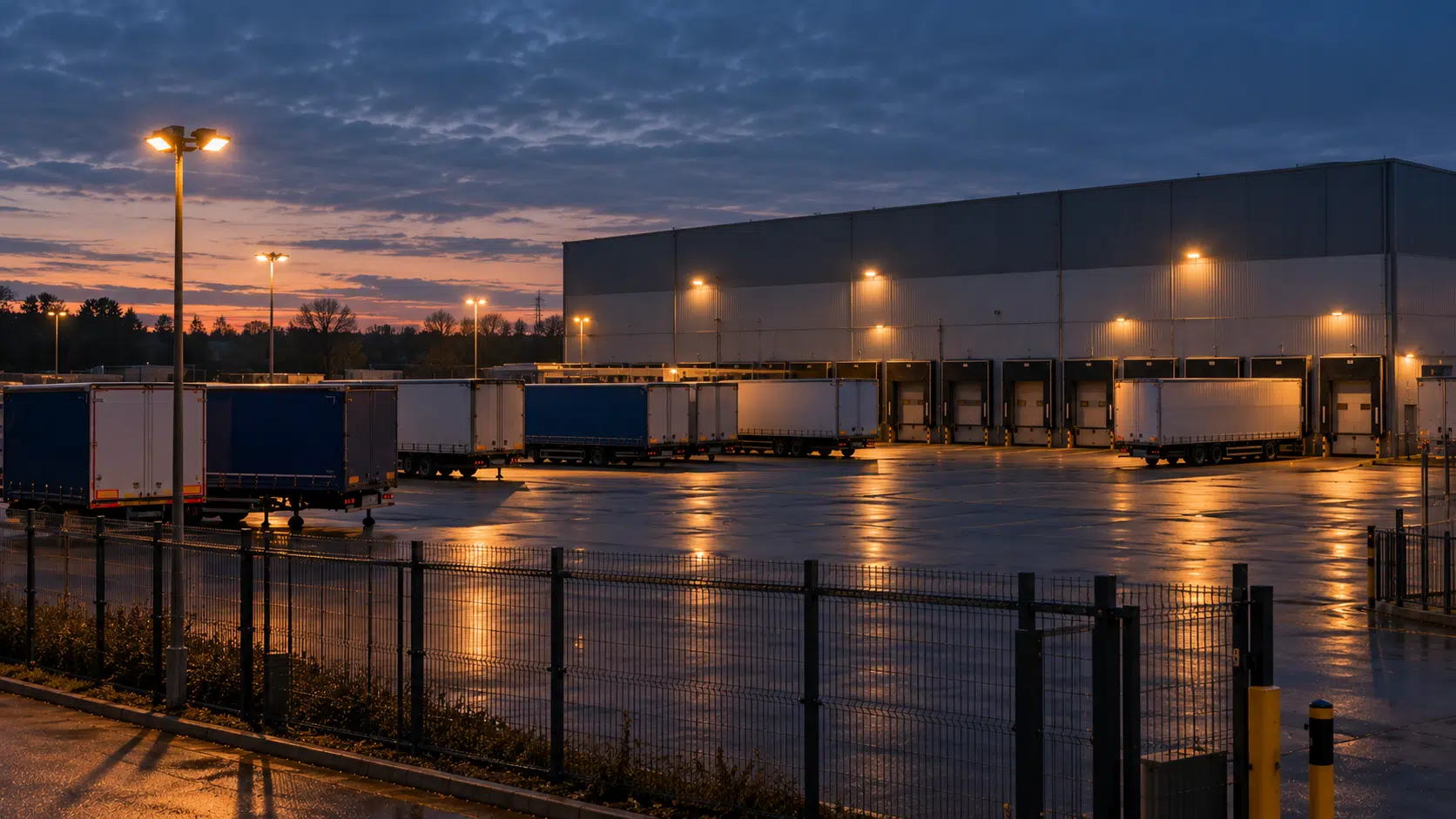
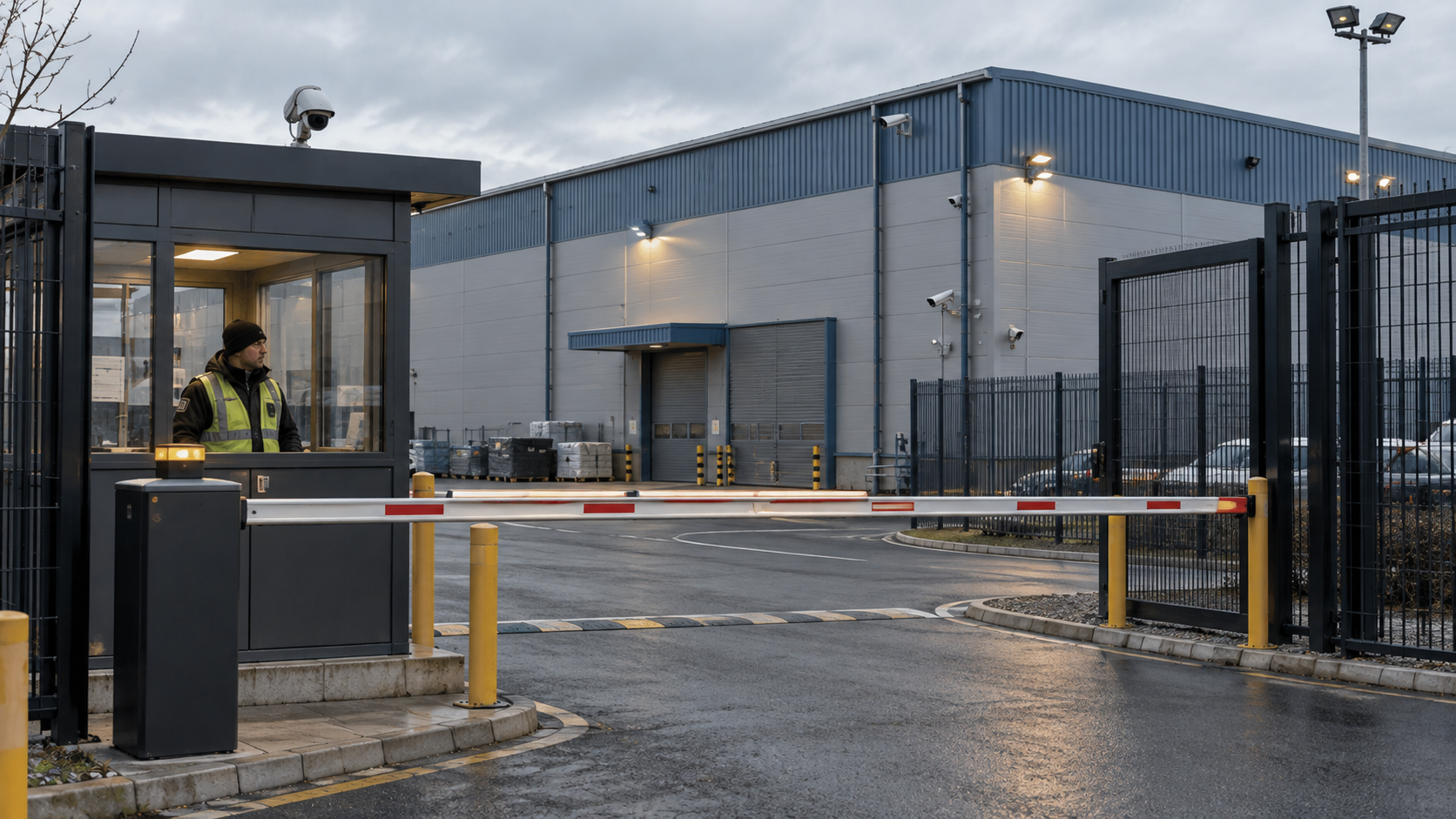
Salford did not become an industrial centre by accident. Its factories, warehouses, and production sites run almost constantly, with deliveries arriving at odd hours and shifts rolling into one another without much pause. Forklifts keep moving, machines wait between runs, and people come and go long after offices nearby have gone quiet. That pace brings opportunity, but it also brings risk. Stock sits on site, equipment remains accessible, and a single lapse can slow production or derail orders in ways that affect both staff and customers sooner than expected.
Many sites still depend on alarms and cameras to carry the weight of security, yet those tools only react once something has already crossed a line. They cannot judge whether the activity makes sense or whether it feels wrong for that moment. Factory security adds the human judgement those systems lack. A guard learns the rhythm of the site, recognises when movement breaks that rhythm, and steps in early. That presence helps manage access, supports safer working, and gives insurers confidence that risk is being handled as it happens. This is why Salford businesses need Factory Security, particularly those supporting the manufacturing and logistics work that keeps the wider North West in motion.
Table of Contents
Factory Security Basics in Salford
What Factory Security Means for Salford Businesses
Factory security in Salford does not begin with policy documents or tidy diagrams. It begins with what really happens once the gates open. A site might appear calm from the road, yet inside, there is steady motion that never quite repeats itself in the same way twice. Shifts overlap, pallets are moved, deliveries arrive early or late, and machines are left idle one moment and active the next. This is normal working life across Salford’s industrial areas, which sit inside Greater Manchester’s wider manufacturing and logistics network serving the North West. When something breaks down in one place, the effects rarely stay contained.
In practice, factory security relies on people who spend time learning the site rather than observing it from a distance. Guards become familiar with patterns over days and weeks. They notice when a door is left unsecured, when someone appears in an area they rarely visit, or when movement happens at a time that does not sit right. Static guarding remains fixed in one position, while remote monitoring depends on screens and alerts viewed somewhere else. Both have their uses, but neither can replace a guard walking the floor, speaking to staff, and acting before a situation develops into loss. Cameras show what has already happened. Alarms respond to a trigger. A guard can interrupt a problem while it is still small.
Salford factories depend on this human-led presence because their work is detailed, valuable, and often time-sensitive. Specialist equipment, sensitive materials, and tight production schedules leave little room for mistakes. When security understands the layout of a site, the pace of work, and how deliveries move through the space, it becomes part of the operation rather than something added on top. That familiarity leads to quicker decisions, less disruption, and fewer losses that would otherwise remain hidden until they become expensive. This is why Salford businesses need Factory Security built for industrial sites, not borrowed from office or retail settings.
Salford’s Industrial Crime Profile and Risk Landscape
The risks facing factories in Salford are shaped by both their activity and their location. Theft remains common, particularly where fuel, metals, or finished goods can be moved quickly and sold on. Trespass is also frequent on larger estates where several units share access roads, yards, and fencing. Once someone enters unnoticed, the problem often grows into damage, interference with machinery, or safety failures that bring production to a stop.
Internal loss develops more quietly. Factories rely on routine and trust, but without consistent oversight, it becomes difficult to spot slow stock loss, misuse of equipment, or access by people who should not be there. These issues rarely appear overnight. They build gradually until audits, delayed orders, or missing materials expose gaps that are costly to resolve.
Salford’s closeness to major transport routes adds further exposure. Industrial zones near motorways and freight links benefit from fast movement across the North West, yet those same routes appeal to organised groups who understand supply chains. In this environment, security that reacts only after an incident often arrives too late, because events can begin and end before outside help is even aware.
Compared with other parts of Greater Manchester, Salford’s strong focus on manufacturing and logistics creates a different risk profile. Areas dominated by offices or housing face other pressures. Industrial zones need protection shaped around large footprints, valuable assets, and constant movement. Tailored factory security matters because generic approaches often miss how these sites truly operate.
High-Risk Factory Sectors in Salford
Risk is not evenly spread across all factories. In Salford, certain sectors demand closer attention because of what they handle and how they work. Manufacturing sites often contain expensive machinery, specialist tools, and processes that cannot be replaced quickly. Even minor damage or theft can stop production for days, disrupt delivery schedules, and weaken client confidence. Security here focuses on controlled access and steady presence across working areas.
Warehousing and distribution sites move to a different rhythm. Goods arrive and leave throughout the day, vehicles queue at loading bays, and staffing levels often rise during busy periods. This activity creates an opportunity for loss if it is not closely watched. A visible security presence helps manage access, confirm permissions, and reduce the chance of stock leaving the site without authorisation.
Food processing and cold storage facilities bring added pressure. Alongside theft and trespass, hygiene standards and temperature control must be protected. Security staff need to understand site rules and move carefully so protection does not interfere with sensitive processes.
Construction-linked fabrication units often work in cycles. Busy phases are followed by quieter periods, yet valuable materials and equipment may remain on site when fewer staff are present. Security during these times maintains oversight until full activity resumes.
Time-Based Risks in Salford Factories
Risk inside factories changes with time. During busy daytime hours, constant movement can allow unauthorised access to blend into normal activity. Security must stay alert without slowing work, which depends on understanding how the site behaves at peak periods.
At night, fewer people are present and supervision drops. Quieter conditions attract theft or trespass, and interference with machinery may go unnoticed until the next shift arrives. Shift changes add another point of exposure, as responsibility passes between teams and gaps can appear if handovers are rushed.
Weekends and holiday shutdowns increase these risks further. Many factories slow down or close for short periods, yet stock and equipment remain on site. Without steady coverage, even brief closures can lead to losses that delay reopening and disrupt production.
Seasonal and Event-Driven Pressures
Seasonal demand shapes factory security more than many businesses expect. Busy production periods bring more goods, more vehicles, and often temporary staff, which increases complexity across the site. Security during these times must adapt rather than follow fixed routines.
Large events elsewhere in Greater Manchester can also change the balance. When attention shifts, some industrial areas become quieter and more exposed, creating an opportunity for those looking to take advantage. Security plans that remain unchanged throughout the year often fail to reflect these shifts.
Effective factory security in Salford responds by adjusting patrols, staffing, and focus as conditions change. In a city tied closely to movement across the North West, flexibility is not optional. It is essential for protecting people, property, and production.
Legal and Compliance Requirements for Factory Security in Salford
SIA Licensing Requirements for Factory Security Guards
Factory security in Salford is not guided by guesswork or informal practice. It sits within a legal framework that is direct and closely monitored. Anyone carrying out guarding duties on a factory site must hold a valid Security Industry Authority licence. This applies whether the site is a small workshop on an industrial estate or a large production plant running around the clock. The law does not draw a distinction. Licensing exists to ensure that guards understand where their authority begins and ends, how to act lawfully, and how to handle situations without creating further risk. For factory owners, seeing a licence is not just about meeting a rule. It is reassuring that the person trusted with access to the site has been trained and checked for this kind of environment.
Approved security contractors help keep this structure in place. They track licences, manage refresher training, and keep records ready if questions are asked. That said, responsibility does not stop once a contract is signed. In Salford, factory owners remain accountable for who they allow on site. If an unlicensed guard is used, liability does not disappear simply because a third party was involved. Choosing properly licensed personnel protects the business as much as it protects the site.
Vetting, Screening, and Workforce Compliance
A licence alone does not tell you who is working inside a factory. On most sites, guards move close to stock, machinery, and areas that are not open to everyone. Because of this, the person behind the uniform matters. Vetting helps factories feel confident about who they allow on-site. Basic checks confirm identity, work history, and the legal right to work. These checks are simple, but they matter. A factory needs to trust that the guard on duty can handle access and responsibility without risk.
Background checks are also part of daily factory security. Guards speak with staff, contractors, and visitors throughout the day. On sites with controlled access, proper screening lowers the chance of internal issues and keeps routines steady. Factories rely on orders to keep moving. When managers know guards have been checked properly, there is less doubt, fewer disruptions, and a smoother working day overall.
Legal Risks of Non-Compliant Factory Security
When factory security does not meet legal standards, problems tend to surface quickly. Using guards who are not licensed or properly screened can lead to fines, inspections, and questions from insurers. These issues often appear at the worst possible time, such as after an incident or during a routine check. The responsibility does not stop with the security company in Salford. Factory owners are also accountable if they allow guards on site without carrying out basic checks.
Across industrial areas, including Bolton, enforcement has become more noticeable as attention turns to higher-risk workplaces. Factories that cut corners to reduce costs often face bigger trouble later. One incident can bring legal action, damage reputation, and disruption to daily operations. Staff confidence can drop, and insurers may become harder to deal with. In most cases, the cost of fixing these problems is far greater than the cost of getting security compliance right from the start.
Insurance, Documentation, and Audit Readiness
Insurance decisions are closely tied to how factory security is managed day to day. Insurers want proof that risks are controlled, not ignored. Licensed guards and proper cover form part of that picture, but records matter just as much. Training notes, incident logs, and compliance documents show that security is active and maintained.
When an incident happens, clear paperwork helps claims move forward and reduces disputes. Factories that keep records up to date are often seen as lower risk, which can affect premiums and long-term cover.
Data Protection and CCTV Integration in Factories
Many factories use cameras alongside guards, which brings data protection into everyday security work. Monitoring people and vehicles must be lawful and explained clearly. Guards need to know what they can watch, how footage is stored, and when it can be shared.
Secure handling of data is part of routine duty. Footage and access logs must be protected and kept only as long as needed. Following these rules protects both the business and the people working inside it.
Event Licensing, Site Access, and Martyn’s Law
Factories are not always closed environments. Open days, audits, or large deliveries can bring more people onto the site than usual. These moments change risk and need planning. Martyn’s Law has increased focus on preparedness, even in places that are not public venues.
Clear access control and visible security help keep these activities safe. Across the North West, including areas like Wigan, expectations are moving toward planning ahead rather than reacting later. For Salford factories, meeting these expectations keeps security practical, lawful, and ready for the unexpected.
Costs, Contracts, and Factory Security Deployment in Salford
Cost Drivers for Factory Security in Salford
The cost of factory security in Salford depends on how the site works each day. Some factories slow down in the evening. Others keep running through the night. When work continues after hours, security must stay too. This means more time on site and more responsibility for guards. Trained and licensed guards are skilled workers, and their time cannot be reduced without increasing risk.
Shift patterns also affect cost. A factory with fixed hours is easier to protect than one with late finishes or changing shifts. Each change needs checks and handovers. Site layout matters as well. A small site with one entrance is easier to watch than a large area with yards and many access points. The more open the site, the more attention it needs.
Across the North West, places like Oldham and Rochdale often see similar base costs. Salford can be higher where traffic and deliveries never really stop. Busy movement needs people on site, not light cover.
City-Edge vs Industrial Estate Pricing
Location shapes security needs. Factories near main roads or city edges see more visitors, vehicles, and short visits. Security here focuses on access checks and knowing who should be on site.
Factories on outer estates feel different. They may be calm during the day and very quiet at night. Empty areas can attract attention after dark. Security in these places focuses on fences, gates, and night patrols.
This is why similar factories can have different costs. Pricing follows how the site is used and how fast a problem must be addressed.
Contract Structures and Commitment Lengths
Short-term contracts are common during busy seasons or site changes. They give flexibility but often cost more because planning happens fast.
Long-term contracts suit factories that run all year. Guards learn the site and settle into routines. This usually keeps costs steady. Flexibility still matters because factories change over time.
Guards also need time to settle in. Inductions and safety briefings are part of the process. Factories that plan ahead usually get better results.
Inflation, Wage Pressure, and the 2025 Cost Outlook
Security costs rise with the wider economy. Pay rates increase, training changes, and rules shift. For Salford factories, this often means slow growth in cost, not sudden jumps.
Inflation also affects uniforms, vehicles, and supervision. Planning early helps manage these pressures. Factories that treat security as part of daily work are better prepared for the years ahead.
Insurance Premium Reductions and Risk Mitigation
Insurers care about what happens on site each day. They look for active risk control, not just reports after damage. Factory security helps stop problems early.
Licensed guards, regular patrols, and clear records show that risks are being managed. Over time, this can reduce claims and avoid disputes. For many Salford factories, this is why security becomes a smart business choice, not just a cost.
Training, Operations, and Daily Factory Guard Duties
Training Standards for Factory Security Guards
Factory security does not begin at the door. It begins with understanding the place. In Salford factories, guards learn the site before they protect it. They walk through work areas. They see how staff move, how goods are handled, and where activity usually slows or speeds up. Over time, this builds a clear picture of what feels normal. When something breaks that pattern, it stands out.
Training also includes learning about machinery. Factories use equipment that can injure people or stop work if handled the wrong way. Guards are shown what areas to avoid, where safe distance matters, and how shutdown zones are marked. This knowledge helps guards stay safe and avoid accidents caused by simple mistakes.
Safety training runs through all daily work. Guards learn exits, fire points, and who to call when something goes wrong. When security follows the same safety rules as everyone else, it becomes part of the site, not an outside presence.
Start-of-Shift Procedures in Salford Factories
Each shift starts with a careful look around. Guards arrive early and check the site before work builds up. Doors, gates, and key areas are checked to confirm nothing has changed since the last shift.
Next comes the outer areas. Fences, yards, and loading zones are walked. Small details matter. A loose gate or damaged fence can turn into a bigger issue later in the day.
Access checks follow. Guards make sure entry systems work and that only approved people are on site. This matters most early in the morning and during shift changes, when unfamiliar faces are more likely.
Patrol Routines and Monitoring
Factory patrols follow risk, not time. Areas with more value or activity are checked more often. Quieter areas are still watched, but at the right moments.
High-risk spots get extra care. These include storage rooms, plant areas, and places that are not easy to see during busy hours. Guards learn these zones early and adjust their patrols as work patterns change.
Utilities are also checked. Power, water, and other systems keep production running. Signs of damage or interference are reported early to stop wider disruption.
Shift Handovers and Incident Briefings
Security does not pause when shifts change. Guards write down what happened during their time on site. This includes issues seen, actions taken, and areas that need attention.
Before leaving, the guards speak with the next shift. They explain what matters and what to watch. This simple exchange prevents gaps and confusion.
Good handovers help security feel continuous, even across long hours and busy schedules.
Alarm Response and Emergency Handling
When an alarm sounds, guards stay calm. They check the cause before reacting. This avoids panic and helps focus on real problems.
Fire safety always comes first. Guards know exits and alarm points and follow site procedures. They act within their training to support safe movement.
Guards also help emergency services by sharing clear details and managing access until the situation is resolved.
End-of-Shift Secure-Down Procedures
A shift ends the same way it starts, with checks. Guards secure doors, gates, and sensitive areas, especially when work slows or stops.
Reports are finished before the handover. Patrols, issues, and actions are recorded so nothing is missed.
Responsibility is then passed on clearly. The next guard starts informed and ready. This keeps factory security steady, even as shifts change.
Performance Measurement, Risks, and Staffing Challenges
KPIs for Factory Security Performance
Factory security is judged by what stops happening, not by how busy reports look. In Salford, the clearest sign that security is working is fewer problems on site. When theft drops, trespass becomes rare, and safety issues are dealt with early, it shows that risks are being controlled. Small incidents matter too. A problem noticed and fixed early often prevents a bigger loss later.
Response time is another simple measure. When something goes wrong, how fast a guard reacts makes a real difference. Quick, calm action can stop delays, damage, or safety issues from spreading. Records also matter. Patrols completed, checks logged, and rules followed show that security is steady and reliable. Together, these signs help managers see whether security supports daily work rather than slowing it down.
Environmental and Weather-Related Challenges
Factories in the North West work in all weather. Rain, wind, and poor light affect yards, loading areas, and fencing. Wet ground increases slip risk. Strong weather can loosen barriers or covers that protect stock.
Because of this, guards adjust how they patrol. Routes and timing change when conditions are tough. Notes are made when weather affects checks, so changes are clear and understood. Over time, this helps factories plan better and avoid problems during harsh seasons.
Health, Fatigue, and Mental Well-being
Long shifts are common in factory security. Standing, walking, and watching for long hours can lead to tiredness. Fatigue lowers focus and makes small issues easier to miss. Night shifts add pressure because guards work when the site is quiet, and the body expects rest.
Support helps reduce these risks. Clear rotas, regular breaks, and access to supervisors all matter. When guard wellbeing is taken seriously, performance stays steady, and mistakes become less likely.
Retention and Labour Market Pressures
Finding and keeping trained guards is an ongoing challenge across Greater Manchester. Factories that rely on constant change often face higher risk and higher cost. Guards who feel supported and treated fairly are more likely to stay.
In nearby areas such as Rochdale, stable shifts and clear communication help improve retention. For factories, keeping the same guards brings real value. Familiar faces know the site, the staff, and what normal looks like. That knowledge improves security and helps problems get spotted early.
Technology and the Future of Factory Security in Salford
Integrating Technology with Factory Guarding
Factory security in Salford is changing because factory life itself has changed. Sites run longer hours, handle more movement, and depend on a steady flow rather than stop-start routines. Because of this, security works best when people and systems support each other instead of working apart. Cameras now cover yards, production floors, and loading bays, giving wide visibility, but they do not understand context. A guard does. When footage supports someone who knows the site well, small issues are noticed early and handled quietly before damage or delay follows.
Alarms fit into this picture in the same way. They signal that something has happened, not why it happened. A guard nearby can check straight away, confirm whether it is a mistake or a real risk, and respond without waiting. Access control adds order by limiting movement, but it relies on guards to spot misuse or gaps. When these tools are combined, factories gain clearer oversight and fewer blind spots.
AI, Analytics, and Predictive Risk Planning
AI is becoming a background support rather than a centrepiece. It helps highlight patterns that deserve attention, such as repeated movement near stock areas or unusual access times. These tools guide focus, but decisions still sit with people on site.
Looking at trends over weeks and months adds value. Incident records, access data, and patrol notes show where pressure builds and when risks rise. This allows security teams to adjust patrols with purpose instead of spreading effort evenly. In industrial areas like Oldham, factories using this approach often resolve issues sooner and with less disruption.
Remote Monitoring and Hybrid Security Models
Remote monitoring now works alongside factory guards instead of replacing them. Control rooms watch alarms and camera feeds during quieter periods and pass clear information to on-site guards when something needs checking.
This hybrid setup keeps guards close to the site while adding extra awareness in the background. It improves response times and communication, especially at night or on weekends, without losing human judgement.
Drones and Perimeter Innovation
Drones are entering factory security in limited but useful ways. On large sites, they help check fence lines and open yards that are hard to patrol on foot. Used carefully, they save time during inspections or alarm checks.
Clear rules are essential. Privacy and flight regulations must be followed. In areas like Wigan, drones are usually treated as a support tool, not a constant presence.
Green and Sustainable Security Practices
Sustainability now shapes security choices. Smarter patrol routes cut vehicle use. Energy-efficient lighting and modern cameras reduce power demand while improving visibility.
For Salford manufacturers with ESG goals, security decisions affect more than safety. Factories in places like Bolton increasingly see that protection, efficiency, and responsibility now move together.
The Long-Term Impact of Martyn’s Law
Martyn’s Law is shaping how factories think about preparedness. Visitor access is more structured, with clearer sign-in steps and controlled routes during busy periods.
Emergency planning has also matured. Security now considers guidance, communication, and response under pressure. Across the North West, this forward planning supports stronger resilience as safety expectations continue to rise.
Conclusion
Factories in Salford sit inside a working landscape that never truly pauses. Deliveries arrive early, production runs stretch late, and sites often hold people, machinery, and valuable stock at the same time. In that setting, security is not about reacting to problems after they happen. It is about keeping work moving without interruption. Legal rules demand licensed and compliant protection, daily operations show the value of trained eyes on the ground, and cost planning makes it clear that unmanaged risk usually proves more expensive in the long run.
The industrial risk profile across Salford reflects its role in the wider North West economy. Busy routes, shared estates, and changing work patterns mean threats do not follow a fixed schedule. Factory security adapts to those conditions by blending people, procedures, and technology in a way that supports prevention rather than repair. Loss is reduced, downtime is avoided, and confidence grows among staff, insurers, and partners.
For these reasons, factory security should be viewed as part of how a business functions, not as an added expense. That is why Salford businesses need Factory Security as a long-term investment in stability, compliance, and steady growth.
Frequently Asked Questions
Why do factories in Salford need guards, not just alarms?
Alarms shout after something has happened. A guard sees things as they start. They know who should be on site. They step in when things feel wrong. That stops small problems from turning big.
How does Salford’s crime profile change security plans?
Some areas stay busy all day. Others go quite fast. Shared estates mix sites together. Crime follows chance, not a clock. Plans must move with shifts, deliveries, and staff levels.
Must factory guards in Salford hold SIA licences?
Yes. All guards doing security work need a valid SIA licence across Greater Manchester. Licensing shows training and vetting. It helps keep people and sites safe.
How much does factory security cost here?
There is no single price. Night work, many entry points, and high-value stock raise costs. Early planning and steady contracts help control spending.
How fast can security be put in place?
Often within a few days. But guards need time to learn the site and rules. Rushed starts can leave gaps. Proper induction makes cover work from day one.
What training should factory guards have?
They need site-led induction, machine awareness, vehicle safety, and emergency steps. Good training lets them protect without disrupting work.
How does guarding cut insurance risk?
Insurers want active control. Visible guards, patrol logs, and clear reports show risk is managed. That reduces claims and aids renewals.
Will new laws change factory security in the North West?
Yes. Rules like Martyn’s Law push firms to plan more, control access, and train staff. Security will keep moving toward prevention and readiness.