Retail crime is rising across the UK. So are insurance costs. Many retailers still believe CCTV alone lowers risk. Insurers see it differently. Cameras record events, but they do not stop them.
In 2026, insurers focus on prevention, not evidence. A security guard acts before loss occurs. They deter theft, manage behaviour, and reduce incidents in real time. This lowers claim exposure.
That is why reducing retail insurance premiums with manned guarding has become a practical strategy. Guards change risk levels, not just outcomes. For insurers, fewer incidents mean fewer payouts, and that is what truly influences premiums.
Table of Contents
The 2026 Commercial Insight: The “Evidence Trap” Retailers Miss
Many retailers misunderstand how insurers measure risk. They assume better footage means better protection. Insurance thinking does not work that way.
Why CCTV Only Provides Evidence After Loss Occurs
CCTV records what already happened. It supports a claim, but it does not stop the incident. The theft, damage, or injury has already taken place before anyone reviews the footage. From an insurer’s view, the financial loss exists the moment the event occurs.
Passive monitoring also has limits. Cameras cannot challenge behaviour. They cannot prevent confrontation. They cannot respond to changing situations in real time. Evidence helps investigation, not prevention.
What Insurers Actually Want: Claim Prevention
Insurers aim to reduce claim frequency. Fewer incidents mean lower risk exposure. The quality of footage matters less than stopping the event itself.
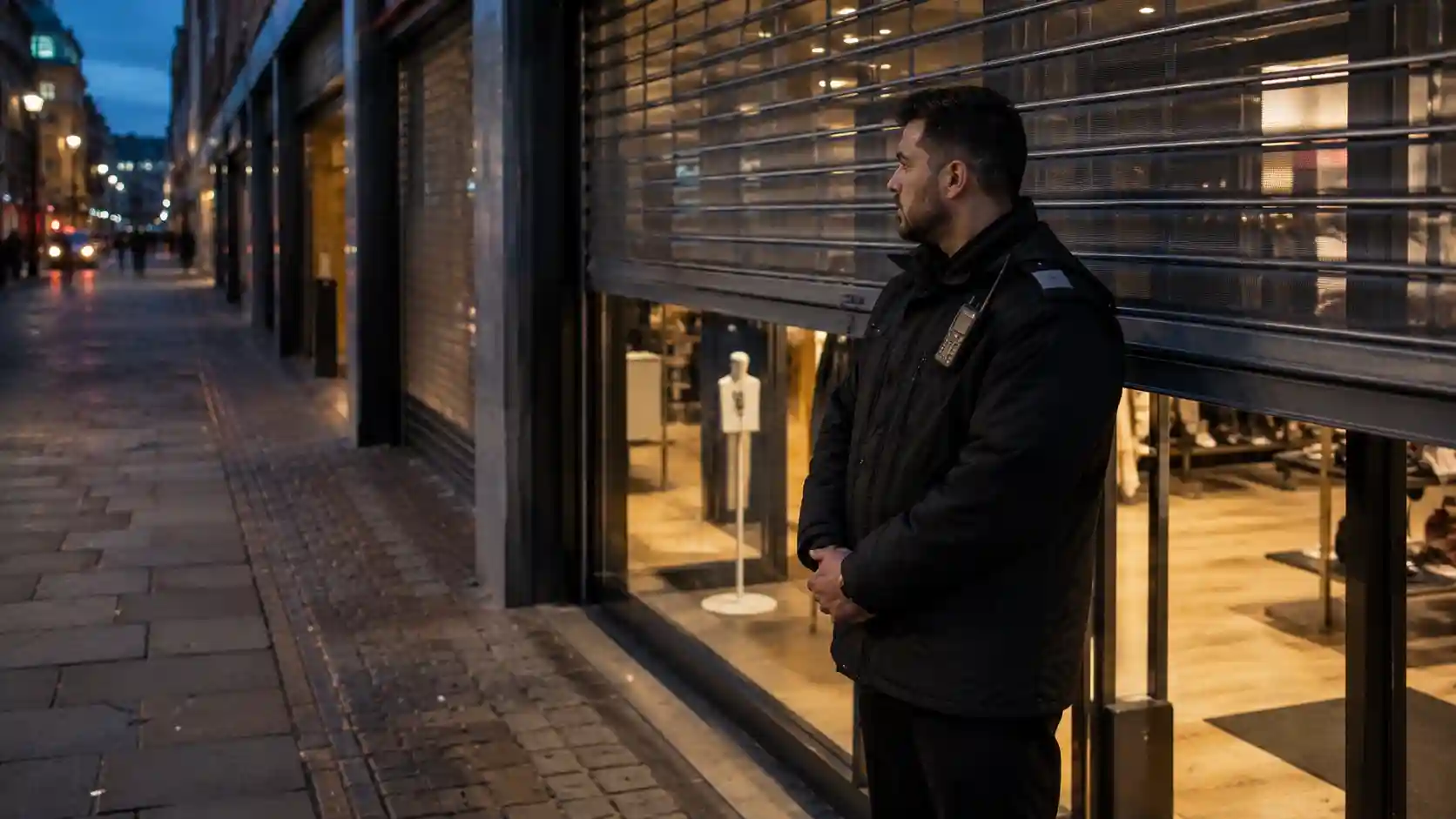
A security guard changes the situation before loss develops. They deter offenders, manage risk, and intervene early. This turns a potential claim into something that never happens.
How Manned Guarding Supports Reducing Retail Insurance Premiums
Insurers reward businesses that show strong risk control. Lower risk means fewer claims, lower payouts, and more stable pricing. This is why physical security measures often bring direct financial benefits.
Premium Savings And 2026 UK Insurance Benchmarks
Professional guarding can lower premiums in many UK retail settings. Insurers assess how often incidents occur and how severe they are. A visible guard reduces both.
Fewer thefts, less damage, and safer stores create a stronger risk profile. When risk falls, insurance values the site differently. The environment becomes more predictable, which supports better pricing.
Insurance Premium Credits (IPC) And Risk Scoring
Insurers use risk scoring to set policy terms. They review security controls, response capability, and operational standards. A guard on site improves how underwriters assess exposure.
Insurance Premium Credits (IPC) often apply where protection is verified. Trained personnel, clear procedures, and active monitoring signal lower liability. This strengthens the underwriting position.
Burglary And Malicious Damage (BMD) Reduction
A physical presence discourages criminal behaviour. Offenders avoid locations with immediate supervision. This reduces burglary and malicious damage risks.
Guards also respond quickly to threats. Fast action prevents escalation and limits loss. Consistent protection helps stop repeat incidents, which further improves long-term insurance outcomes.
Public Liability And Violence Risk Reduction
Insurers look closely at injury risk in retail stores. Injuries lead to claims. Claims lead to cost. Staff harm, customer accidents, and legal disputes increase financial risk. Preventing these events helps control insurance exposure.
Public Liability Claim Mitigation
Security guards step in early. They watch how people behave and calm tense situations. This reduces conflict and helps prevent injury.
They also act when accidents happen. They deal with slips, stop unsafe activity, and handle disputes. Quick action limits harm. It also reduces the chance of compensation claims.
Violence Against Shopworkers Act Compliance
Following the Violence Against Shopworkers Act shows that staff safety matters. It proves the business takes threats seriously.
Clear protection measures help create a safer workplace. Insurers see this as strong risk control. Lower risk leads to lower liability.
Why Security Accreditation Matters To Insurers
Insurers trust security that meets clear standards. Verified accreditation shows the service is reliable, trained, and well-managed. It removes doubt about how protection works in practice. When standards are checked by trusted bodies, risk becomes easier to measure.
SIA Approved Contractor Status (ACS) As A Risk Indicator
SIA Approved Contractor Status (ACS) shows strong quality control. Every guard who does the security job needs to hold an SIA license. And also, the provider has to be registered; if not, they face trouble.
This confirms the provider follows strict industry rules. For insurers, this means the service is organised and dependable. So they trust the SIA and approve the insurance on site.
ACS companies use trained staff who understand safety and risk. They follow set procedures and clear operating standards. Work is supervised and reviewed. This reduces mistakes and weakens security.
From an insurer’s view, ACS proves accountability. Security is not informal or untested. The result is a more stable risk profile.
NSI Gold Or SSAIB Accreditation And Insurer Confidence
NSI Gold and SSAIB certifications provide independent checks. External experts assess how security operates. They confirm that systems and practices meet recognised benchmarks.
These accreditations build professional trust. They show that protection is tested and reviewed on a regular basis. Insurers see verified standards as stronger protection and trust them clearly.
Reducing retail insurance premiums with manned guarding, proven by trusted organisations, perceived risk falls. Clear standards and external oversight give insurers greater confidence in the retail environment.
CCTV vs Manned Guarding: Prevention & Documentation
CCTV and manned guarding support retail security in different ways. Both have value, but they produce very different outcomes. One records events, and the other changes what happens.
Passive Surveillance Limitations
CCTV observes activity but cannot intervene. It records behaviour without control. When an incident begins, the system only captures the event.
There is no physical deterrent. Offenders often act despite cameras because they know no one is present to respond. Monitoring also depends on review speed. Delays in response allow situations to develop, increasing loss and damage.
Active Deterrence And Immediate Intervention
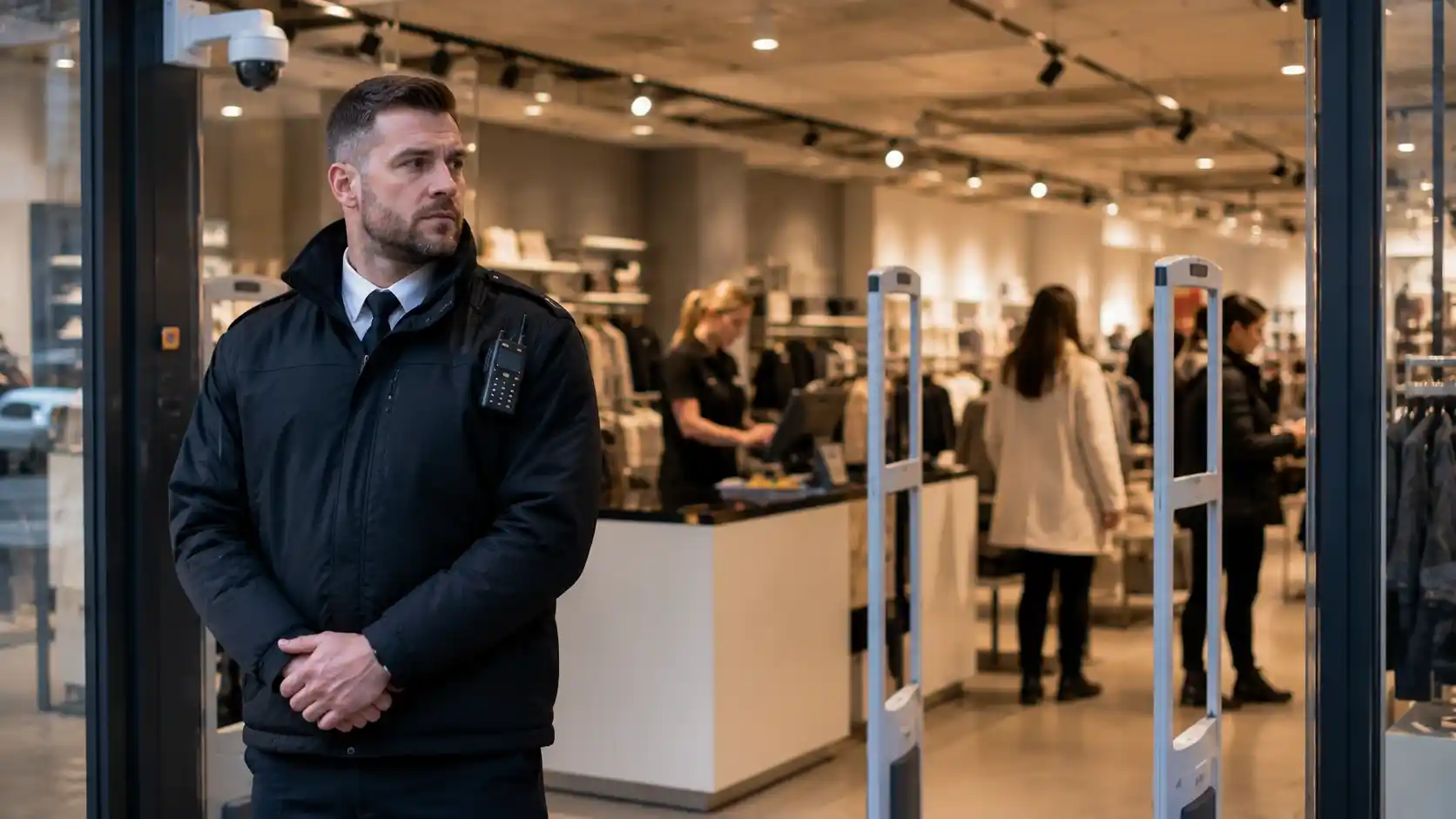
Unlike the CCTV surveillance, a guard can able to respond in real time. Their presence alone discourages theft and disorder. This helps to prevent any trouble for your site.
Also, People behave differently when supervision is visible. If it’s just a camera, many people won’t bother about it. But with guards, they behave without any issues.
Guards watch behaviour closely. They identify risk early and act before problems grow. Immediate intervention prevents damage, stops conflict, and protects staff and customers. This direct action reduces incident frequency.
Why Insurers Value Human Decision-Making
Retail environments change quickly. Human judgement adapts to each situation. A guard assesses risk, chooses a response, and acts without delay.
They manage escalation, control tension, and handle unexpected events. This flexible response limits harm and reduces claim exposure. For insurers, fast decisions and practical action create stronger risk control.
Conclusion
Insurers reward businesses that stop problems before they happen. Prevention lowers risk, and lower risk reduces claims. This is reducing retail insurance premiums with manned guarding that carries real value. A guard deters crime, responds quickly, and controls situations before loss or injury occurs.
When incidents fall, insurance exposure drops. Fewer claims often lead to better pricing and improved policy terms. For retailers, manned guarding is not just protection on site. It strengthens the overall insurance position.
You can contact us for further information regarding the manned guarding for your retail store and how insurers prefer the security for stores.
Frequently Asked Questions
How does manned guarding help reduce retail insurance premiums?
We deal with problems before they grow. Theft, conflict, unsafe behaviour, we step in early. Less trouble means less risk. Insurers see that and often price the policy differently.
Do insurers recognise CCTV as effective risk reduction?
CCTV helps with review and records events. But on its own, it does not stop incidents. What matters more is preventing loss before it happens.
What security standards do insurers look for in retail environments?
They expect proper training and recognised approval. We follow set procedures and work under regulated standards. That shows the protection is reliable.
Can security guards reduce public liability claims in retail stores?
Yes, we handle situations quickly. I calm disputes, respond to accidents, and remove risks. Quick action reduces injuries and legal claims.
Is combining CCTV and manned security better for insurance purposes?
Yes, CCTV watches the space. We act when something happens, and together, the risk is lower.