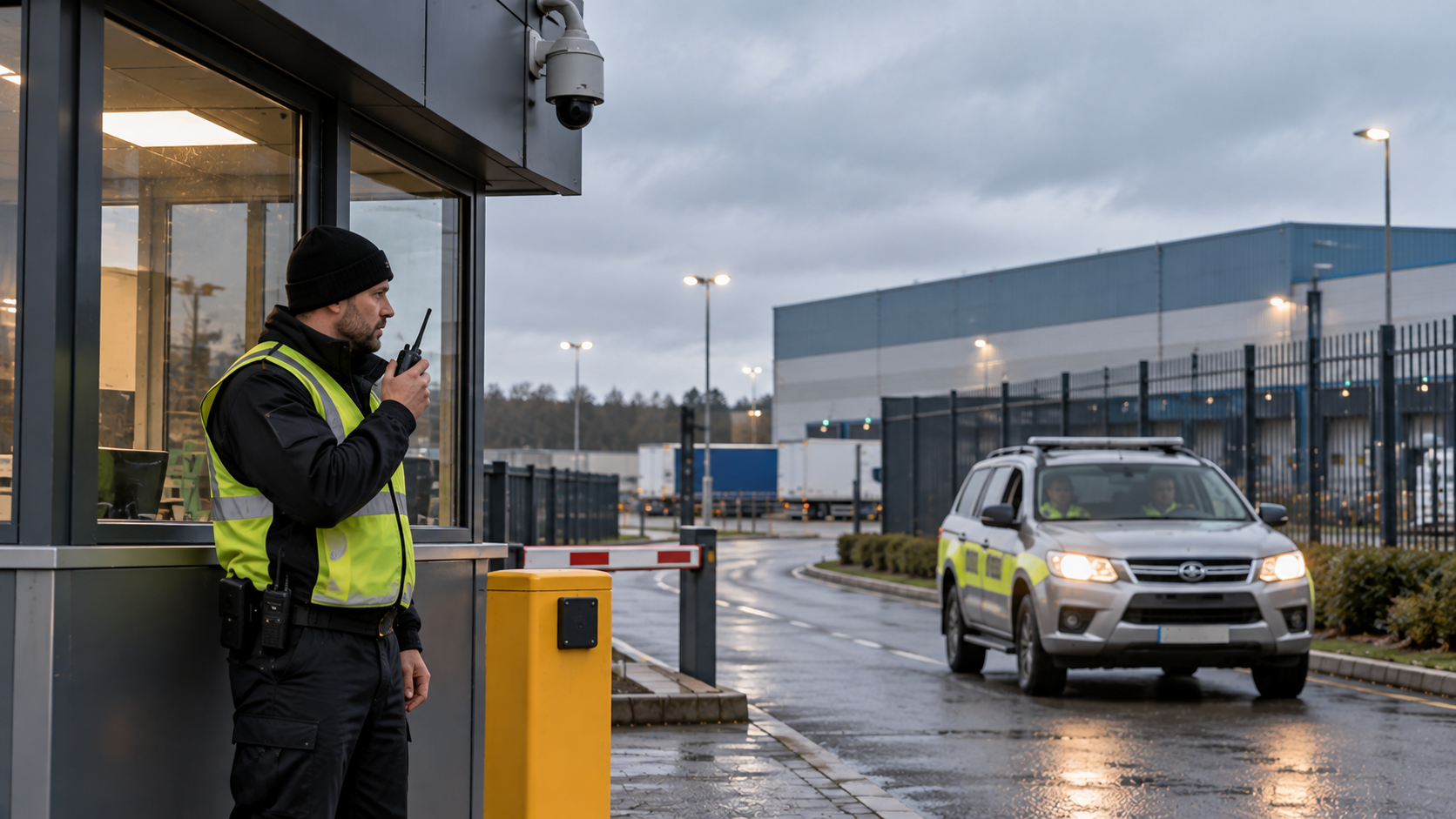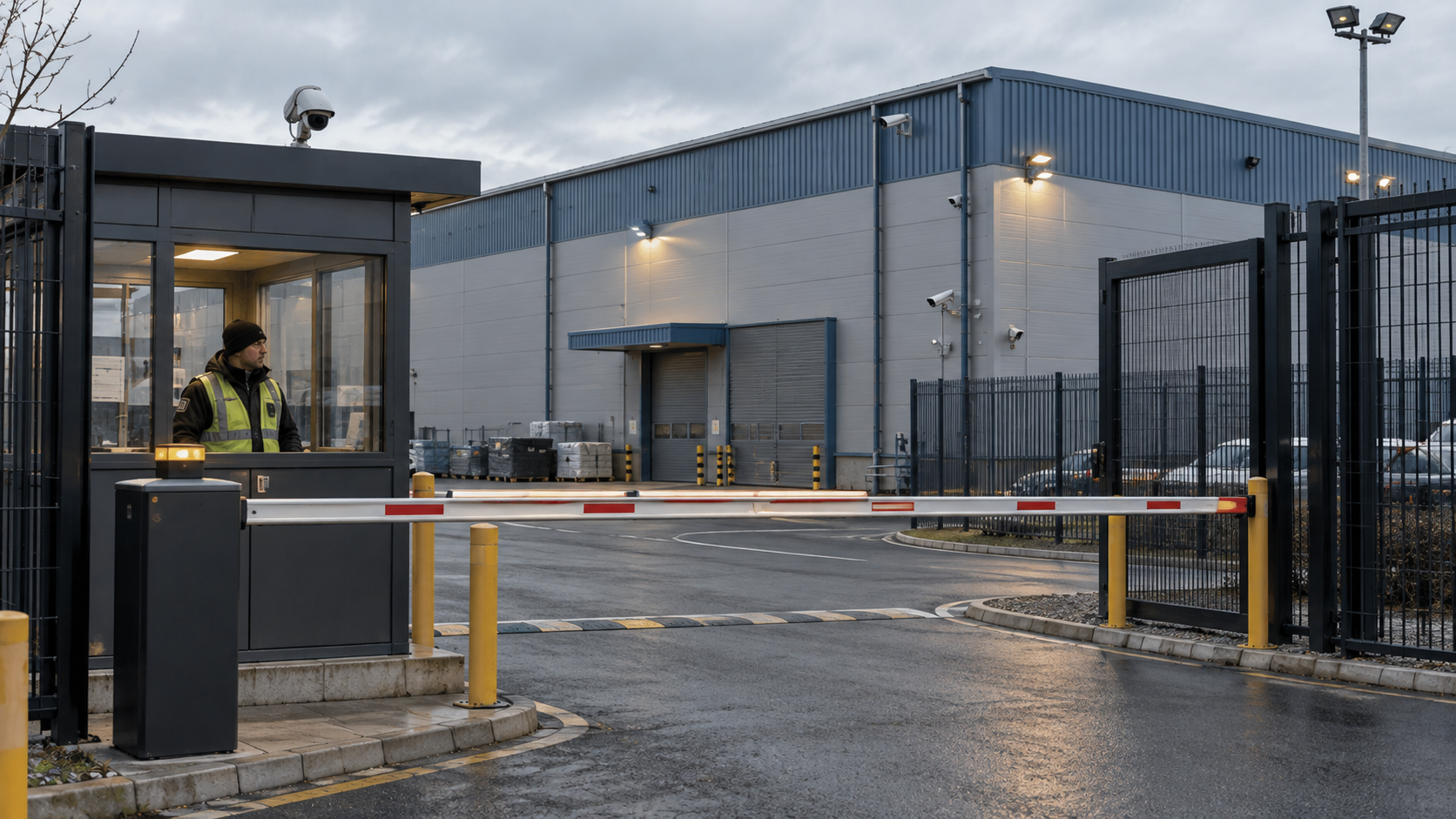
The good news is that many of these gaps can be found during a simple review of the site. This detailed guide looks at ways to tackle business crime in Tamworth by focusing on how a business can understand its risks, spot weak areas and use sensible security measures. The aim is not to add every tool available. It is to use the right measures for the actual site.
What Makes a Business More Exposed to Crime?
Some sites have clear weak points. Others have risks that are harder to see.
Too many open entry points
Every door, gate and window needs thought. A business may secure its main door but leave a rear door, fire exit or side gate with little protection.
Poor lighting
Dark spaces can make it harder to see what is happening. This can matter in yards, car parks, loading areas and paths around a building.
Goods left in the open
Tools, stock, fuel and machinery can attract unwanted attention when they are easy to see and easy to reach.
Unclear access rules
A business may have keys or access cards, but still lack a clear record of who has them. Problems can arise when workers leave, contractors change, or old cards stay active.
Gaps in daily checks
A broken light, damaged fence or faulty camera may not look serious on its own. Over time, small faults can leave a site less secure.
These security risks for businesses are easier to deal with when they are found early.
Ways to Tackle Business Crime in Tamworth
There is no single answer that works for every building. A small shop, a warehouse, and a construction site can have very different needs.
1. Start With a Simple Site Review
Walk around the whole property. Do not just look at the front entrance.
Check:
- Doors and windows
- Side and rear access
- Gates and fences
- Yards and car parks
- Loading areas
- Storage spaces
- Staff-only rooms
- Places hidden from public view
Ask a simple question: Could someone enter here without being noticed?
Then ask what they could reach once inside. This gives a clearer picture of where the real weak points sit.
2. Protect the Outside Before Relying on Technology
Physical security still matters. Good locks, strong doors, shutters, gates, fencing and barriers can make entry harder. Manned guarding can also add a visible layer of protection when needed.
Check that doors close properly. Make sure gates cannot be left open by mistake. Repair damaged fencing and replace weak locks when needed. A camera watching a weak gate does not fix the gate.
3. Improve Visibility Around the Site
Lighting should help people see the areas that matter most.
Place lights around:
- Main entrances
- Rear doors
- Loading bays
- Walkways
- Car parks
- Yards
- Storage areas
Check for dark corners and blocked views. Trim plants or move objects that create hiding places. Good visibility can also help staff notice problems sooner.
4. Use CCTV for a Clear Reason
CCTV can be useful, but more cameras do not always mean better security. Think about what each camera should see. A useful camera may cover a door, gate, till area, yard or vehicle entrance.
Check image quality too. A camera may record all night but still fail to show enough detail to help after an incident.
Cameras should be checked and maintained. Their position should also be reviewed when the layout of a site changes.
5. Keep Access Under Control
Not everyone needs access to every part of a business. Store valuable goods, tools, records and equipment in areas with suitable controls. Use keys, access cards or other systems where they make sense.
Review who can enter each area. Remove old access when people leave or no longer need it. Keep visitor rules simple. Staff should know who is allowed into restricted areas and what to do when someone arrives without a clear reason.
6. Build Better Staff Habits
Security is not only about doors, cameras and alarms. A worker who spots an open gate, damaged lock or unusual visitor may stop a problem from growing. Staff should know what signs to watch for and how to report them.
Simple habits can help:
- Check doors before closing
- Report broken lights
- Challenge unclear access in line with company rules
- Record incidents
- Keep keys secure
- Report missing access cards
Clear rules matter more than long rules that nobody follows.
7. Keep Valuable Areas Out of Sight
Do not leave costly goods where people outside can easily see them. Tools, stock, and equipment should be kept in a safe place when not in use.
Use locked rooms, cabinets or covered storage where needed. Check windows, doors and open areas that give a clear view inside the site. A tidy and secure storage area can make valuable items harder to spot and reach.
8. Consider a Visible Security Presence
Some businesses may need people on site at certain times. This can be useful where there are repeated incidents, large outdoor areas or long periods with little staff activity.
A security company in Tamworth provide guards or mobile patrols, but the service should follow a clear risk review. It should solve a known problem rather than be added simply because it sounds useful.
Why Different Security Layers Work Together
One security measure can fail. A lock can be forced. A camera can lose power. A staff member can miss something. A gate can be left open. A layered plan gives the site more than one line of defence.
- Physical layer: Use doors, locks, gates, shutters, fencing and barriers to control the space.
- Technology layer: Use CCTV, alarms, lighting and access systems where they add value.
- People layer: Use staff awareness, site checks, guards or patrols where needed.
- Procedure layer: Use clear opening, closing, visitor, key and incident rules.
Good West midland security practice is not about using the most expensive equipment. It is about matching each layer to the problem.
A Simple Security Check for Tamworth Businesses
This simple security review can support practical ways to tackle business crime in Tamworth.
- Are all outside doors secure?
- Are rear and side doors checked?
- Are gates locked when they should be?
- Are fences free from damage?
- Are important areas well lit?
- Do cameras cover key points?
- Are cameras working?
- Who has keys and access cards?
- Are old access cards removed?
- Are valuable goods stored safely?
- Do staff know how to report a problem?
- Are opening and closing checks clear?
Doing this on a set routine can make weak points easier to spot.
How to Keep the Security Plan Up to Date
A security plan should change when the business changes. A new entrance can create a new risk. Longer opening hours can change when the site is occupied. New equipment can make one room more valuable. A new delivery route can change how people enter the property.
Review the site after an incident and after major changes. It is also worth checking old measures. A camera may no longer cover the right area. A lock may be worn. A fence may no longer suit the site. Regular checks help turn security risks for businesses into clear, fixable tasks.
Conclusion
Ways to tackle business crime in Tamworth start with a close look at the site itself. The most useful first step is to find out where a problem could happen, why that point is weak and what can be done about it.
Local crime data can help show the wider picture, but it does not replace a site review. Each business has its own layout, staff, working hours and valuable assets.
The strongest approach is often simple: protect entry points, improve visibility, control access, train staff, check the site and use technology or a security presence where there is a clear reason.
That keeps security focused on real risks rather than on buying more equipment.