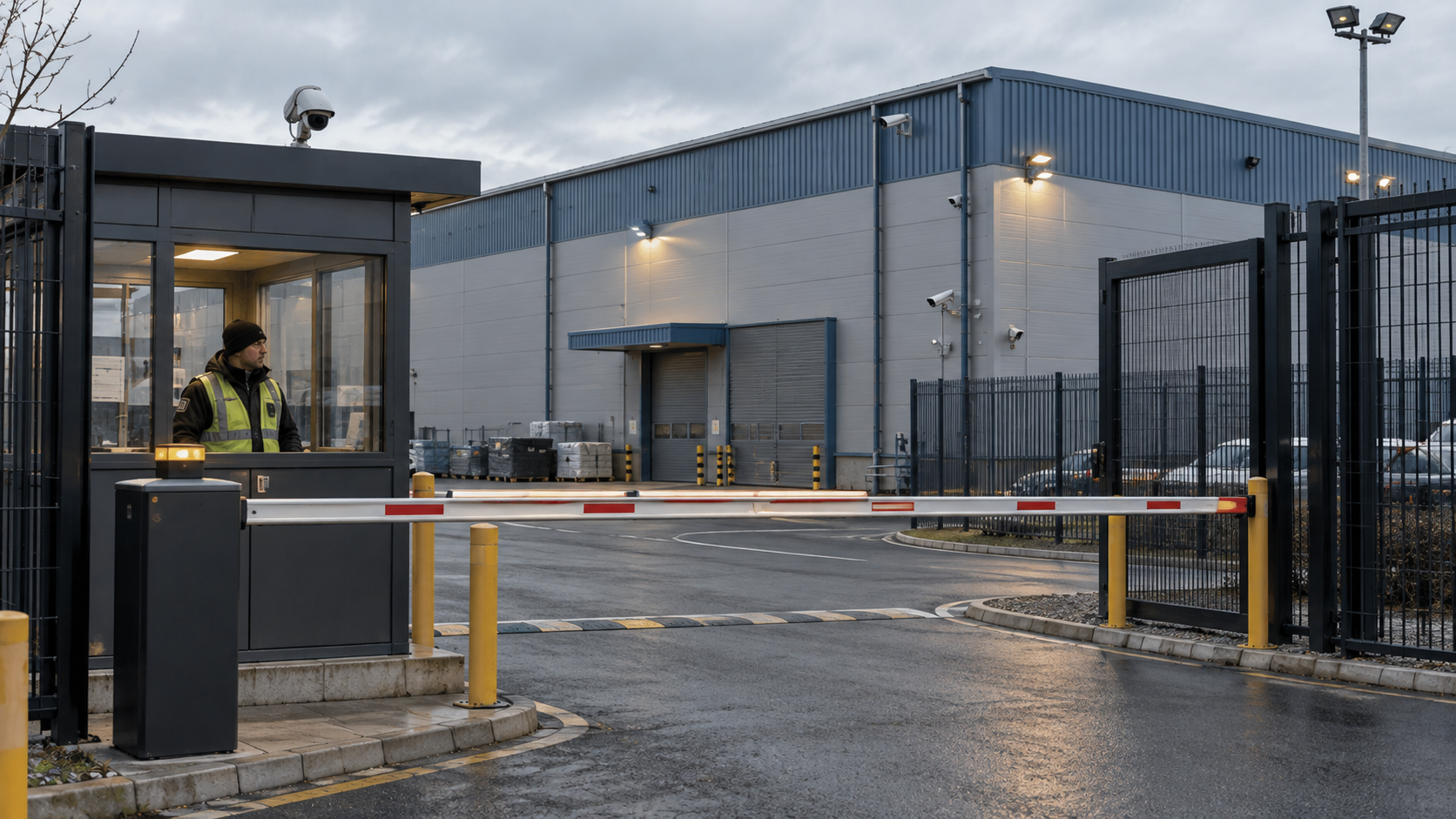
For businesses in Willenhall, simple measures can make a real difference. Secure doors and windows, controlled access, good lighting, working CCTV, clear staff procedures and regular checks can all help reduce the chance of theft, unwanted access and damage.
You do not need to change everything at once. Start with the areas that create the biggest risk and work from there.
What Security Threats Should Willenhall Businesses Look Out For?
The first step in knowing how to prevent security threats is understanding what could happen at your premises.
The risk will depend on your building, opening hours, location, equipment and the people who use the site. Common concerns include:
- Theft of stock, tools or equipment
- Burglary and attempted break-ins
- Unauthorised access
- Vandalism and property damage
- Vehicle or fuel theft
- Trespassing after closing time
- Aggressive or threatening behaviour
- Lost, stolen or misused keys and access cards
The Home Office’s 2023 Commercial Victimisation Survey found that 26% of business premises in England and Wales experienced at least one measured crime during the previous 12 months. Theft was the most common offence, followed by burglary and vandalism.
Start With the Risks That Affect Your Premises
Do not assume that every business faces the same problems.
Walk around the property and think about where someone could enter, hide or reach valuable items.
Look at the building during the day and, where possible, after dark. An entrance that seems visible at 10 am may be much harder to see when the premises are empty.
How to Prevent Security Threats Around Your Premises
Once you know where the weak points are, you can start dealing with them.
The most useful approach is to combine several basic measures instead of relying on one solution.
Check Doors, Windows and Other Entry Points
Make sure external doors close properly and that locks are in good condition.
Check windows, shutters, rear doors and other less-used entrances. These areas can be forgotten because staff do not use them as often as the main entrance.
Do not leave spare keys in obvious places. If keys are lost, review who still has access and replace them where necessary.
Review Gates and Boundaries
Walk the full boundary of the property.
Look for:
- Damaged fencing
- Loose gates
- Gaps in boundaries
- Areas hidden from view
- Overgrown plants
- Objects that could help someone climb over a fence
A damaged fence may seem like a maintenance issue, but it can also become an easy route onto the property.
Government guidance on protecting buildings recommends paying attention to physical boundaries, access points and the condition of security measures.
Control Who Can Enter Your Business
Not everyone who visits your premises needs access to every room.
Staff, contractors, delivery drivers and visitors may all have different reasons for being on site. Good access rules make it easier to keep people in the areas they actually need to use.
Keep Restricted Areas Secure
Rooms containing valuable equipment, stock, documents or other sensitive items should not be freely accessible.
Use suitable locks or access controls and make sure staff know which areas are restricted.
Review Keys, Passes and Codes
Access should change when people’s roles change. When an employee leaves, check their keys, access cards and codes. Do the same when contractors finish work.
Old access details can become a security gap if nobody remembers to remove them.
The National Protective Security Authority recommends considering who needs access, where they need to go and how access should be controlled according to the risk.
Improve Lighting in Vulnerable Areas
Lighting is easy to overlook, particularly around the rear and sides of a building. Dark areas can make it harder for staff, neighbours or cameras to spot unusual activity.
Check Areas That Are Easy to Miss
Look at lighting around:
- Rear entrances
- Side gates
- Car parks
- Loading areas
- Fire exits
- Storage areas
- Fence lines
A light that has stopped working should be fixed quickly. Do not wait for a routine maintenance visit if the area is left exposed at night.
Consider What the Area Looks Like After Dark
Walk around the property after sunset if it is safe to do so.
You may notice areas that are hidden from view or poorly covered by existing lighting. This can help you decide where improvements are most useful.
Use CCTV as One Part of the Plan
CCTV can help you monitor activity and provide evidence after an incident. However, cameras should not be treated as the only answer.
Cover the Areas That Matter
Consider cameras around:
- Main entrances
- Rear doors
- Vehicle entrances
- Car parks
- Storage areas
- Areas containing valuable equipment
Check the view from each camera regularly. New signs, vehicles, plants or stored goods can block a camera without anyone noticing.
Follow the Rules for CCTV
If your business uses CCTV, you also need to consider data protection.
GOV.UK states that businesses using CCTV must tell people they may be recorded, control who can access recordings and make sure the system is used for its intended purpose.
This is why installing cameras is only one part of the job. They also need to be used and managed properly.
Secure the Property After Closing
Security should not stop when the last customer or employee leaves. An empty building may have fewer people around to notice a problem, so your closing routine matters.
Use a Simple End-of-Day Check
Before the last person leaves, check:
- External doors are locked.
- Windows and secondary entrances are secure.
- Gates are closed.
- Valuable equipment is put away.
- Alarm systems are ready.
- Unnecessary access points are secured.
- Any unusual damage or activity has been reported.
A short checklist can prevent someone from forgetting an important step.
Know What to Do When an Alarm Activates
Decide in advance who receives an alert and what happens next. Know the entire process. A written procedure is easier to follow when people are under pressure.
Give Staff Clear Security Procedures
Your employees can play an important role in spotting problems. Someone working on site every day may notice a damaged lock, an unfamiliar visitor or an access card being used in an unusual way.
Teach Staff What to Look For
Keep instructions simple.
Staff should know:
- How to report suspicious activity
- Who can approve visitor access
- What to do if a key or access card is lost
- How to secure their area before leaving
- Who to contact during an emergency
Make Reporting Easy
People are more likely to report concerns when they know what to do. Create a clear reporting route and make sure new employees receive basic security information when they start.
The Home Office’s research into crime against businesses includes staff vigilance training and visitor procedures among the measures businesses use to help prevent crime.
Protect Stock, Equipment and Vehicles
Think about the items that would cause the biggest problem if they were stolen. This could include computers, tools, machinery, stock, fuel or vehicles.
Keep Valuable Items Out of Easy Reach
Where possible, store valuable equipment away from windows and public areas. Keep an up-to-date record of important items, including serial numbers where available. This can make it easier to identify missing property.
Take Care With Vehicle Keys
Vehicle keys should be kept somewhere secure and only accessible to people who need them.
If vehicles remain on site overnight, consider where they are parked. Good lighting, secure gates and clear visibility can all help reduce the opportunity for theft.
Build Several Security Measures Into One Plan
There is rarely one measure that solves every problem. A stronger approach is to make several simple measures support one another.
|
Area |
Practical action |
|
Doors and windows |
Check locks and closing mechanisms |
|
Boundaries |
Inspect fences and gates |
|
Access |
Review keys, passes and visitor access |
|
Lighting |
Fix dark or poorly lit areas |
|
CCTV |
Cover important points and check camera views |
|
Staff |
Give clear reporting instructions |
|
Closing |
Follow an end-of-day checklist |
|
Response |
Set out what happens after an alarm |
Fix the Biggest Weaknesses First
You do not need to spend money on every possible security measure. Start with the problems that could cause the most harm.
For example, if a rear entrance is poorly lit and rarely checked, improving the lighting and adding it to the closing checklist may be more useful than making changes elsewhere.
This is a practical way to secure your business because the measures are based on the risks you have actually found.
How to Prevent Security Threats When Your Business Changes
Security checks should not be a one-off job. A business can change over time. New staff may join, old employees may leave, rooms may change purpose, and new equipment may be brought onto the premises.
Review Access After Staff Changes
When someone leaves or changes their role, check whether they still need their existing access. Remove permissions that are no longer required.
Review Security After Building Changes
If you add a new entrance, storage area, fence, gate or extension, review the security around it.
A new part of the property may create a new weak point. Regular reviews help you secure your business as it changes rather than relying on an old security plan.
When Should You Consider Extra Support?
Some businesses can handle basic checks and improvements themselves. Others may need additional help if their premises are large, open outside normal hours or have experienced repeated incidents.
Review Your Current Arrangements
If you are unsure where the main weaknesses are, an independent review can help you look at the premises with fresh eyes.
The important thing is to start with the risks rather than automatically choosing a particular type of security measure.
When extra support is needed, businesses can consider working with a security company in Willenhall that understands the local area.
Look Beyond a Single Site
If your business operates from more than one location, the same basic principles can be applied across each site.
You can review security coverage across the West Midlands to understand the wider local coverage available.
Any additional support should be based on the risks, layout and operating hours of your premises.
A Simple Willenhall Security Checklist
Use this checklist during your next review:
- Are all external doors and windows secure?
- Are gates and fences in good condition?
- Are dark areas properly lit?
- Are old keys and access cards still active?
- Can visitors reach restricted areas?
- Does CCTV cover the areas that matter?
- Are valuable items stored securely?
- Do staff know how to report concerns?
- Is there a clear closing routine?
- Does everyone know what to do if an alarm is triggered?
If you find a weakness, record it and decide what needs to happen next.
How to Prevent Security Threats: What Should You Do First?
If you are not sure where to begin, keep it simple.
First, inspect the premises. Find the doors, gates, windows, dark areas and valuable items that need attention.
Second, control access. Make sure people can only enter the areas they need.
Third, improve visibility. Fix poor lighting and check that CCTV covers important areas.
Fourth, involve staff. Give them clear instructions on reporting concerns and securing their areas.
Finally, review the plan regularly. Your premises and risks can change.
These steps answer how to prevent security threats without relying on one piece of equipment or one security measure.
Conclusion
Preventing security problems starts with knowing where your premises are vulnerable. For businesses in Willenhall, how to prevent security threats means identifying weak points and taking practical steps to reduce risks. This includes securing entry points, controlling access, improving lighting, using CCTV and giving staff clear security procedures.
There is no need to make every change at once. Find the biggest weaknesses first, deal with them and then review the rest.
By taking this approach, you can secure your business in a way that fits how your premises actually operate.