Sussex is not a single risk environment. Coastal towns deal with seasonal crowds. Industrial estates sit quietly for long hours. Commuter areas change pace every morning and evening. Security issues here often come down to timing, access, and visibility. That is why Sussex businesses need manned guarding.
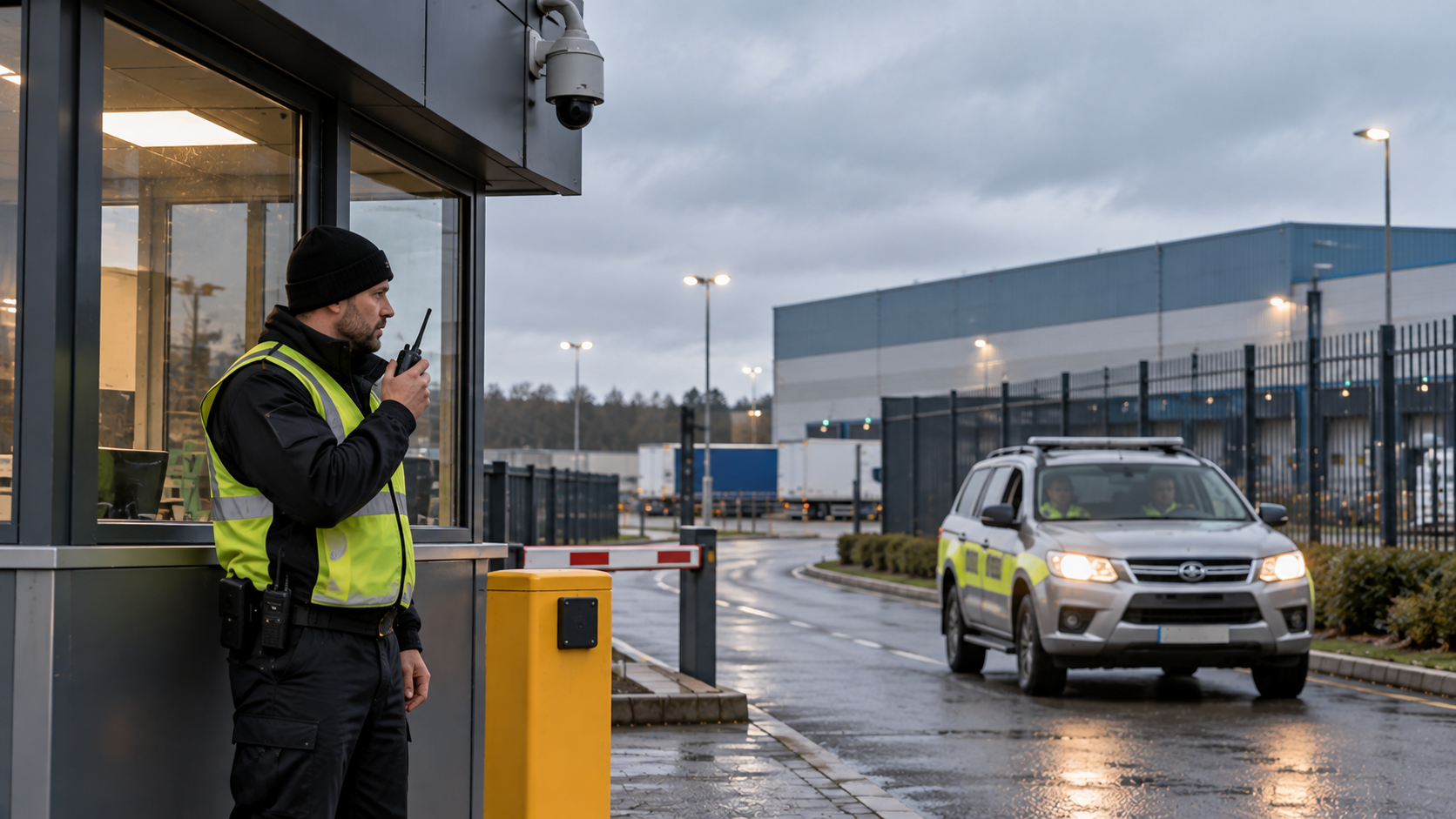
Technology helps, but it has limits. Cameras observe, and alarms notify. Neither can step in, speak to someone, or judge a situation as it unfolds. On-site security guards in Sussex add that human layer. Their presence can steady a site during openings, closures, and low-activity periods.
Commercial security guarding in Sussex also supports wider obligations. Insurers and property owners expect clear risk control.
This article explains when manned guarding makes sense, how costs are shaped locally, and what best practice looks like for Sussex-based organisations making security decisions.

Understanding Manned Guarding in Sussex: How On-Site Security Works in Practice
Manned guarding refers to trained guards on site to manage risk as it happens. In Sussex, these guards do more than watch screens. They speak to staff, check faces at gates, and act when something looks off.
This is different from static systems like CCTV, which only record or alert. Commercial security guarding in Sussex adds judgment where machines do not.
Here are the key ideas that show why this matters.
Sussex Crime Patterns Change by Location
Crime is not the same across the county. In East Sussex, the rate sits around 74 crimes per 1,000 people for the year to September 2025. Coastal towns, inland business parks, and commuter hubs all show different profiles. This means risk is not random. It moves with time, place, and activity.
- Brighton & Hove often has more reports of violence and theft.
- Quiet logistics estates see more property crimes at night.
- Nighttime on seafronts sees anti-social behaviour rise.
These patterns shape business security risk in Sussex more than broad averages.
Early Mornings and Late Nights are Critical
Many problems crop up when staff numbers are low. Think of these:
- Before 8 a.m. – deliveries arrive, gates open, few people are on site.
- 6–10 p.m. – shops close, tills ring down, footfall shifts.
- Overnight – long, quiet, high exposure for warehouses.
On-site security guards in Sussex are most useful here. They fill gaps when remote alarms flash, but no one is there to act.
Warehouses Have Open Faces and Long Hours
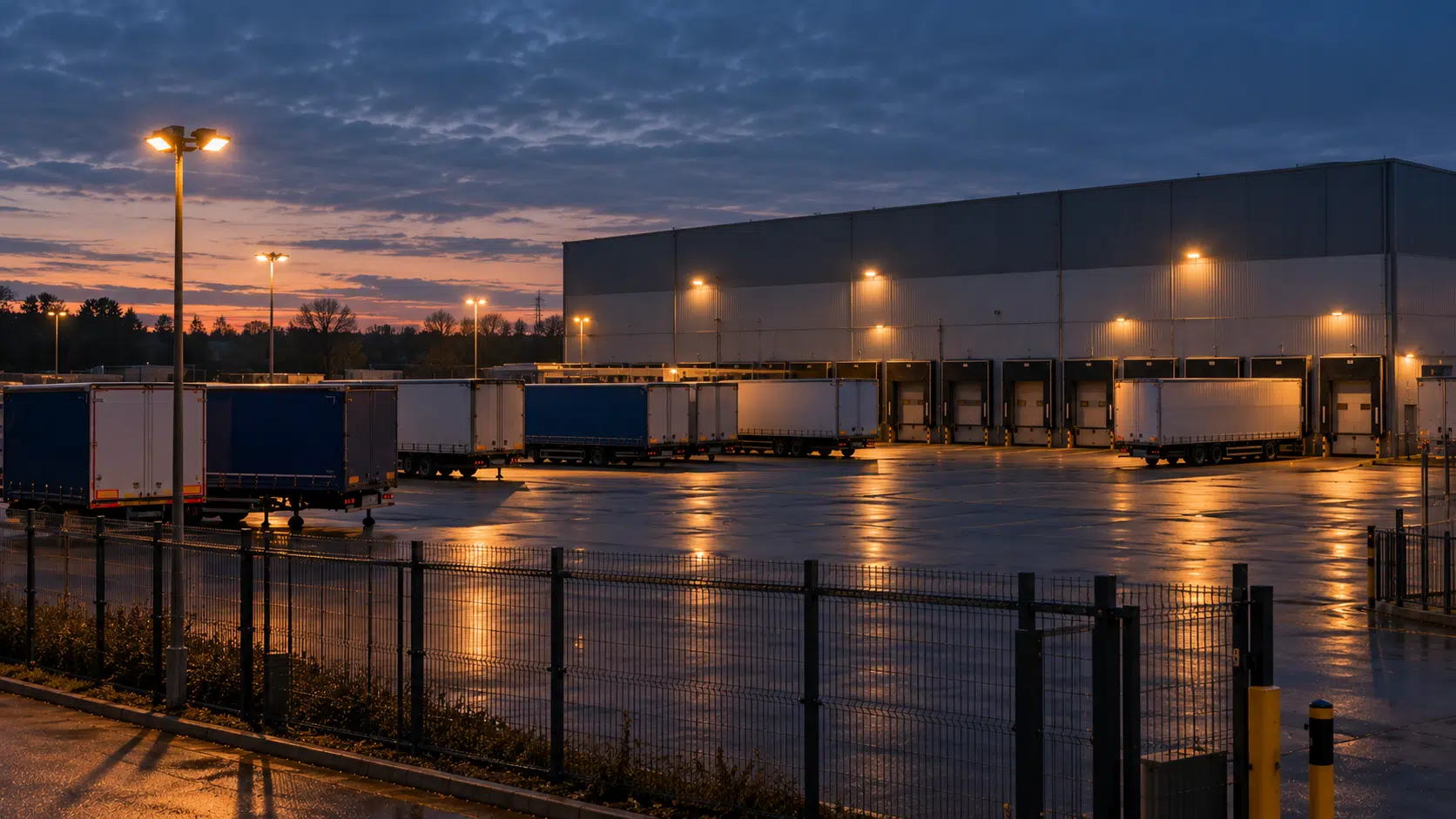
Warehouses near the A27 or A23 in Sussex have wide yards. They might look calm, but that calm hides risk.
Guards provide:
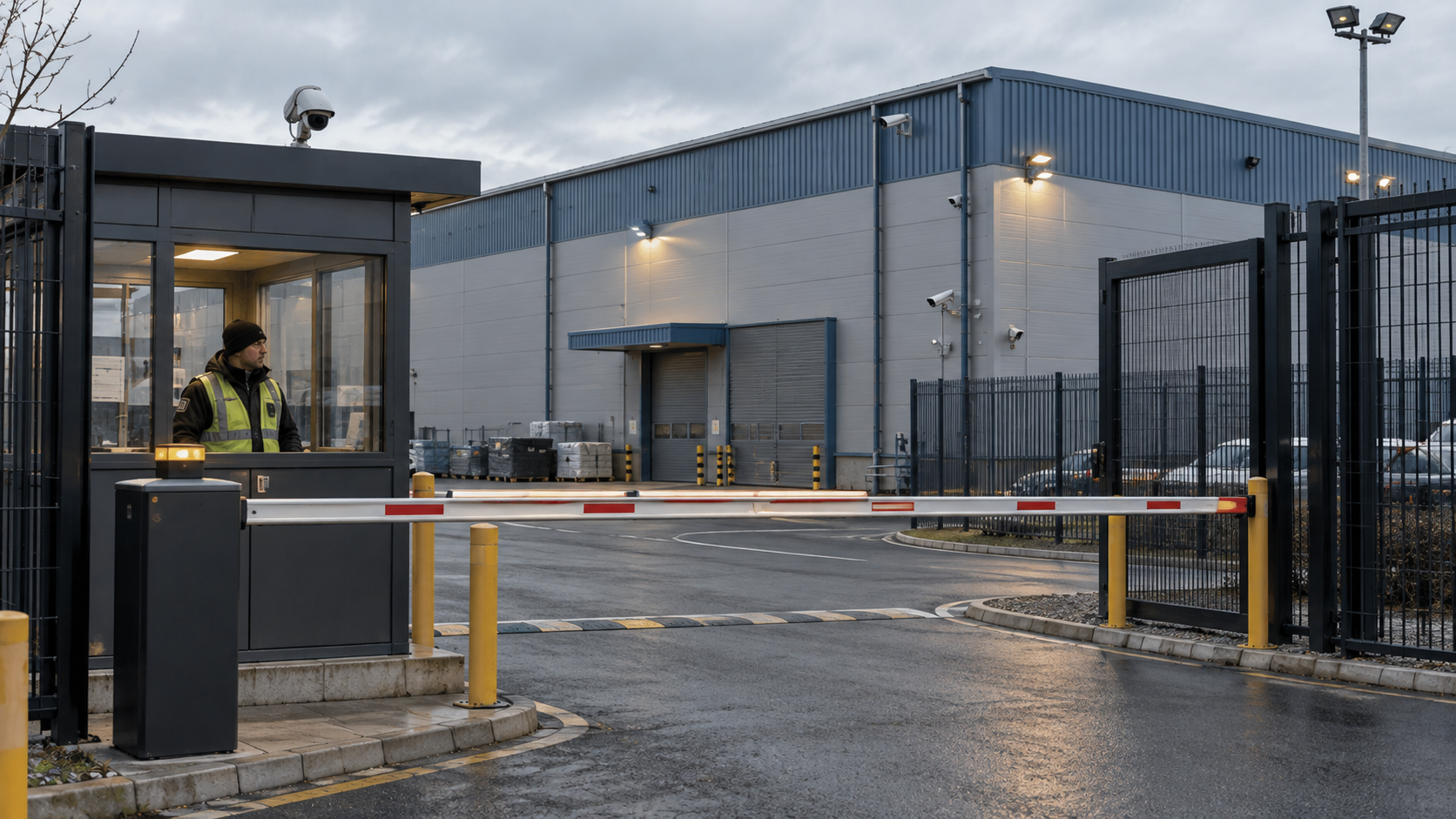
- Vehicle checks at yards
- Perimeter patrols where cameras miss blind spots
- Quick decisions when alarms trigger
This is similar to sites in Berkshire or Oxfordshire, where logistics hubs also face long quiet periods and wide-open spaces.
Retail Parks Need More Than Cameras
Shops and retail parks have people and money moving through them all day. Some issues are not crimes, yet still harm business.
Manned guarding helps with:
- Managing loitering or fights before they escalate
- Helping staff when a situation gets tense
- Supporting closures at night without stress
Retail security guarding in Sussex adds calm authority. Cameras only record events. Guards can stop them.
Day and Night Risks Do Not Look the Same
The kind of risk changes throughout the day.
Daytime risks
- Visitor flow issues
- Access mistakes
- Package theft
Night risks
- Break-ins
- Vandalism
- Fence breaches
In Sussex, a guard’s role changes with the clock. It is not a fixed job. It is risk management.
Events Bring Their Own Pressure
Sussex hosts festivals and fairs. These bring crowds and unpredictability. Event security and Martyn’s Law planning in Sussex push more organisers to think ahead.
A guard on site can do:
- Crowd movement checks
- Gate control
- Rapid response to small incidents
This is not just about big festivals but also local summer nights and weekends that swell footfall.
Human Presence Helps Insurers and Owners
Insurers often look for risk control evidence before they offer better terms. A simple CCTV feed may not convince them.
A team of trained guards with logs and reports often does. This can affect premiums, not just peace of mind. Property owners in Sussex see value when human oversight reduces avoidable claims.
Local, Real-Time Judgement Beats Alerts
Technology works. It tells you when an incident happens. Guards can tell you what is happening. That difference is crucial in Sussex, where risks can be subtle and fast-moving.
Commercial security guarding in Sussex blends human judgment with machine support to keep people and places safer in real terms.
Legal and Compliance Requirements for Manned Guarding in Sussex
Legal compliance defines how exposed a business really is. In Sussex, many security problems surface only after an incident, when insurers or regulators start asking questions.
At that point, intent matters less than evidence. This is why manned guarding in Sussex must sit on a clear legal footing from the start.
SIA Licensing Sets the Legal Baseline
All guards carrying out security duties in Sussex must hold a valid SIA licence. This applies across retail, logistics, construction, offices, and events. There are no local exemptions. If a guard is not licensed, responsibility does not stop with the provider.
For businesses using on-site security services in Sussex, this means:
- Legal liability can extend to the client
- Insurance cover may be questioned
- Contracts can be challenged after claims
Licence checks should always be verified, not assumed.
Consequences of Non-Compliant Guarding
Using unlicensed guards is a criminal offence. In practice, this often comes to light during audits or after losses. Sussex businesses have seen claims delayed or refused because guarding arrangements failed basic checks.
This makes commercial security compliance in Sussex a financial issue, not just a legal one.
DBS Checks and Suitability for Local Sites
DBS checks are not mandatory for every guard role, but many Sussex sites expect them. Retail premises, education-linked buildings, and public-facing environments often require higher assurance.
From a risk view:
- DBS checks support staff and visitor safety
- They reduce exposure where trust is critical
- Insurers may request confirmation
For many organisations, DBS vetting is now standard practice within business security management in Sussex.
Insurance Responsibilities Remain With the Business
Hiring guards does not remove all responsibility. Insurers usually expect:
- Public liability cover from the security provider
- Employer’s liability for guarding staff
- Clear written duties and limits of responsibility
Poorly defined roles are a common weakness in Sussex commercial security arrangements, especially on shared or mixed-use sites.
Data Protection When Guards Use CCTV
Where guards work alongside CCTV, data protection law applies. Guards may observe, record, or report personal data. This brings GDPR obligations into play.
Businesses should ensure:
- Clear CCTV signage is in place
- Access to footage is restricted
- Incident reports follow data handling rules
Weak controls here can create compliance risks, even with guards present.
VAT and clarity on pricing
Security guarding services in the UK are subject to VAT. This affects budgets and comparisons. When reviewing security service pricing in Sussex, businesses should confirm whether quotes include or exclude VAT. Misunderstandings here often surface late in procurement.
Construction Sites and Local Authority Scrutiny
Construction projects across Sussex often face planning and safety conditions. Councils may expect visible site security, especially near homes or public access routes. Construction site security in Sussex commonly uses manned guarding to show:
- Controlled access
- Protection of public safety
- Compliance with site conditions
This becomes more important on long-running projects.
Documents That Demonstrate Compliance
A compliant security setup should always be supported by records, including:
- SIA licence details
- Insurance certificates
- Site instructions
- Incident and patrol logs
These documents protect the business during inspections, disputes, or claims.
Events, Licensing, and Future Pressure
Public events in Sussex face increasing safety expectations. Licensing conditions often require a trained security presence. Event security planning in Sussex, including future Martyn’s Law duties, is pushing organisers to show active, professional control rather than informal stewarding.
Why Legal Clarity Reduces Real Risk
Compliance is not box-ticking. It determines how well security holds up under challenge. For Sussex organisations, clear legal grounding supports insurance cover, limits liability, and strengthens overall commercial security risk control.
Costs, Contracts, and Deployment of Manned Guarding in Sussex
Cost matters, but context matters more. Across the South East, security budgets fail when they are set without understanding how risk behaves on the ground.
Manned guarding in Sussex works best when pricing, contract terms, and deployment speed reflect how a site actually operates, not how it looks on paper.
What Really Shapes Security Guard Costs in Sussex
There is no flat rate that applies across the county. The security guard costs Sussex businesses face are shaped by exposure, not just postcodes. A quiet warehouse can cost more to secure than a busy office if it sits empty overnight.
Costs usually rise when:
- Sites operate outside normal hours
- Assets are visible or easy to move
- Public access cannot be fully controlled
This is why cost discussions should start with business security risk Sussex, not hourly figures.
How Sussex Compares Within the South East
Sussex sits between high-pressure urban areas and quieter rural zones. It shares traits with Surrey, where mixed-use developments and commuter-driven activity change risk by time of day. Coastal Sussex sites often face seasonal spikes. Inland estates face long, quiet periods.
This mix affects how Sussex commercial security arrangements are priced. What works for a Surrey business park may not suit a seafront retail site or a logistics hub near arterial roads.
Day Cover, Night Cover, and Why Pricing Shifts
Daytime guarding often focuses on people. Night cover focuses on assets. That difference affects cost. On-site security guards Sussex businesses use overnight may need fewer interactions but more patrol focus. This changes staffing models and pricing.
Common cost shifts appear when:
- Night cover replaces alarms after repeated incidents
- Weekend cover is added for construction phases
- Temporary cover becomes semi-permanent
Understanding this helps avoid reactive spending later.
Deployment Speed and Practical Limits
Deployment is rarely instant, but it should not be slow. In Sussex, guards can often be mobilised within days if the requirements are clear. Delays usually come from missing details, not a lack of supply.
Smooth deployment depends on:
- Defined hours and access rules
- Clear site boundaries
- Confirmed compliance checks
Sussex security services for businesses work best when preparation happens before urgency.
Contract Length and Why Flexibility Matters
Most guarding contracts in Sussex run for fixed terms. Twelve months is common. Shorter contracts are often used for construction phases or seasonal retail. Long contracts offer stability, but they should allow change.
This is critical for:
- Warehouse and construction site security Sussex
- Retail sites with seasonal demand
- Sites expanding or downsizing
Rigid terms can lock a business into the wrong level of cover.
Ending a Contract Without Disruption
Notice periods are often overlooked. One to three months is typical. This matters when risk changes quickly. A site may need more cover, not less. Or it may close sooner than planned.
Clear notice terms protect continuity and reduce cost shocks. This applies across the South East, not just Sussex.
Inflation, Wages, and Long-Term Pricing
Rising costs affect all service contracts. Guarding is no different. Many Sussex agreements now include review points or index-linked adjustments. This spreads pressure over time rather than forcing sudden renegotiation.
For finance teams, this makes costs more predictable, even if they rise slowly.
Insurance Value Beyond the Invoice
Insurers look for control, not just cover. Visible guarding can support risk assessments, especially where people, vehicles, or public access are involved.
This is relevant for retail security guarding and construction site security in Sussex. While premiums are never guaranteed to fall, poor security often raises questions.
Short-Term Cover for Events and Projects
Events and short projects work on different rules. Event security planning in Sussex focuses on intensity, not duration.
Costs reflect preparation, supervision, and timing. Similar patterns appear across Surrey and the wider South East during seasonal peaks.
Why Cost Decisions Should Follow Exposure
Guarding works when spending follows risk. In Sussex, the best outcomes come from matching coverage to how a site changes through the day, the week, and the year.
When that balance is right, manned guarding becomes a controlled cost, not an uncertain one.
Training, Operations, and Daily Duties in Sussex Manned Guarding
Good security is rarely about dramatic moments. In Sussex, it is built through routine, awareness, and consistency. Training and daily operations shape how well manned guarding works when pressure appears.
This section explains what that looks like in practice, without turning into a guard handbook.
Training Standards That Matter in Sussex Environments
Training requirements change by setting. A retail guard in a coastal town faces different pressures than a night guard on an industrial estate.
In Sussex, most clients expect guards to be prepared for public contact, conflict awareness, and basic emergency response.
For retail security guarding in Sussex sites, training often focuses on:
- De-escalation and calm communication
- Theft awareness without confrontation
- Supporting staff during busy or tense periods
This type of training helps prevent disruption rather than react to it.
What Happens at the Start of a Shift
When a guard arrives on site, the first minutes matter. This is when context is set. On-site security guards Sussex businesses rely on will usually review access points, check the environment, and understand what has changed since the last shift.
Early checks often include:
- Site condition and visible damage
- Access points and entry routes
- Any notes left from the previous shift
This helps guards spot new risks rather than assume the site is unchanged.
Shift Handovers and Why They Reduce Risk
Many incidents happen when information is lost. Shift handovers are designed to prevent that. In Sussex, commercial security arrangements and handovers allow guards to pass on details of unusual activity, deliveries, or unresolved issues.
Effective handovers usually cover:
- Incidents or near misses
- Areas requiring extra attention
- Changes to access or operations
This continuity is often more valuable than extra patrols.
Patrols That Fit the Site, Not the Clock
Patrol frequency is not fixed. It depends on risk, layout, and time of day. For warehouse and construction site security in Sussex, patrols often focus on perimeters first, then internal zones.
In public-facing areas, patrols may be lighter but more visible. In quiet zones, they may be less frequent but more detailed. The aim is coverage, not repetition.
Perimeter and Access Checks on Industrial Sites
Sussex industrial estates often have wide boundaries. Guards typically prioritise:
- Fences and gates
- Vehicle access points
- Areas with limited lighting
These checks help identify tampering early, before losses occur.
Logging, Reporting, and Accountability
Daily records are a key part of security operations. Logs provide evidence of presence and action. They are also used during audits or insurance reviews.
Typical entries include:
- Patrol times and findings
- Visitor activity
- Incidents or alarms
Clear reporting supports business security risk management by creating traceable oversight.
Alarm Response During Quiet Hours
Early mornings and nights are high-risk periods. When alarms trigger, guards assess before escalating. This reduces false callouts and helps protect police response relationships.
For Sussex security services for businesses, this measured response supports smoother operations and fewer disruptions.
Fire Safety and Basic Site Checks
Fire risks are often overlooked. Guards are usually trained to notice blocked exits, unsafe storage, or lighting failures. On construction and temporary sites, this role becomes even more important.
On construction sites in Sussex, these checks protect both assets and public safety.
Supervision and Night Reporting
Night shifts often operate with remote supervision. Guards report at set intervals or after incidents. This ensures welfare and accountability without constant oversight.
24/7 Coverage and Shift Balance
Sites that need round-the-clock cover rely on structured shift patterns. Fatigue and awareness matter. Well-planned coverage keeps standards steady across the day.
Emergency Awareness From Day One
At the start of duty, guards are expected to know emergency routes, assembly points, and escalation steps. This applies across retail, logistics, and event security planning in Sussex, where response time matters.
Why Operations Matter More Than Checklists
Training and routines are not about ticking boxes. They shape how guards think and act under pressure.
In Sussex, effective manned guarding depends on awareness, communication, and consistency. When daily duties are done well, serious incidents often never happen.
Performance, Risks, and Challenges in Sussex Manned Guarding
Performance in manned guarding is not about presence alone. In Sussex, it is judged by outcomes. Businesses want to know if risk is lower, incidents are handled well, and disruption is reduced.
This section explains how performance is assessed, where challenges arise, and what limits guarding effectiveness on the ground.
What Performance Looks Like in Real Terms
The most useful measures are practical. They show control, not activity. For manned guarding in Sussex, businesses often track a small set of indicators that reflect real impact.
Common performance measures include:
- Reduction in repeat incidents
- Quality and clarity of reports
- Response time to alarms or issues
- Consistency of site coverage
These indicators help link guarding to business security risk in Sussex, rather than treating it as a background service.
Weather and Outdoor Guarding Challenges
Sussex weather is rarely extreme, but it is unpredictable. Wind, rain, and long dark evenings affect visibility and movement, especially on exposed sites. Outdoor patrols in coastal or rural locations can become harder during the winter months.
Weather affects:
- Patrol speed and coverage
- Visibility around perimeters
- Use of lighting and access routes
Recording Conditions and Site Changes
Guards are expected to note conditions that affect security. Poor lighting, flooding, or damaged fencing can change risk quickly. Clear records help businesses understand why patrols shift or access rules change.
This type of reporting supports Sussex’s commercial security arrangements by showing awareness, not just attendance.
Long Shifts and Performance Limits
Fatigue affects judgement. Long shifts can reduce attention, especially during quiet hours. In Sussex, this is most relevant on overnight industrial or construction sites.
From a risk view:
- Tired guards miss small warning signs
- Reaction times slow
- Reporting quality can drop
This is why shift design matters as much as coverage length.
Night Work and Mental Strain
Night shifts bring isolation. Guards often work alone with limited interaction. Over time, this can affect alertness and decision-making. While support structures vary, awareness of mental strain is part of responsible security planning.
For Sussex security services for businesses, this is about maintaining consistent standards, not managing staff wellbeing directly.
Environmental and Site-Specific Limits
Outdoor patrols must also respect environmental rules. Noise, lighting use, and access restrictions can limit how patrols are carried out, especially near residential areas or protected land.
These limits shape how warehouse and construction site security in Sussex is delivered, particularly at night.
Where Guarding Faces Pressure
Manned guarding has limits. It cannot remove all risk. It works best when aligned with site design, lighting, and access control. Problems arise when guarding is expected to fix structural issues alone.
Retail sites with open layouts, for example, may still incur losses despite security guards. The value lies in reducing frequency and impact, not eliminating risk.
Why Performance Reviews Matter
Regular review keeps guarding aligned with reality. Risk changes with seasons, trading hours, and development phases. Without review, coverage drifts out of step with need.
For projects and temporary work, such as construction site security in Sussex or event security planning, this review cycle is even more important.
Understanding Challenges Without Overreach
Challenges in guarding are not failures. They are signals. In Sussex, effective security planning recognises limits, tracks outcomes, and adjusts early.
When performance is measured against risk, manned guarding becomes a managed control rather than a static cost.
Technology and Future Trends in Sussex Manned Guarding
Security in Sussex is changing, but the role of people on site remains central. Technology now supports decisions rather than making them. The shift is practical, not dramatic. Tools help guards see more, react faster, and record better.
Technology as a Support Layer, Not a Replacement
Modern systems feed information to guards instead of replacing them. Live alerts, access data, and camera feeds allow quicker judgment. In manned guarding in Sussex, this means fewer blind spots and fewer false responses.
The result: technology adds awareness and guards add control.
Post-COVID Site Behaviour and New Risks
Work patterns changed after COVID. Many sites now sit quiet for long periods, then become busy without warning. This stop-start activity increases uncertainty.
Reputable security services in Sussex now focus more on:
- Quiet-hour oversight
- Lone worker reassurance
- Managing access when staff levels drop
These needs are now part of normal operations.
AI Tools That Narrow Attention
AI surveillance is used to highlight movement or unusual behaviour. It does not decide outcomes. It points guards toward what needs checking.
This supports business security risk in Sussex by:
- Reducing missed activity
- Cutting false alarms
- Highlighting repeat issues
Responsibility stays with people, not software.
Remote Monitoring Paired With On-Site Response
Remote monitoring works best when linked to guards on the ground. Monitoring teams see patterns across sites. On-site security teams respond locally. This mix offers coverage without overstaffing.
It is now common within Sussex commercial security arrangements, especially on larger or spread-out sites.
Drones for Short, Focused Use
Drones are not routine. They are used in specific cases, often for wide or hard-to-see areas. A quick aerial check can confirm activity. Guards then manage the response.
This approach appears in warehouse and construction site security in Sussex, where scale limits fixed cameras.
Predictive Planning Instead of Guesswork
Data from incidents, access logs, and time patterns now informs planning. Predictive tools help identify when risk rises.
For decision-makers, this supports:
- Smarter scheduling
- Fewer wasted hours
- Better use of on-site cover
This keeps guarding aligned with real exposure.
Skills Are Shifting, Not Expanding Endlessly
Guards are not becoming technicians. They are becoming more aware. Training now includes basic system use and data handling. This supports faster decisions without complexity.
Retail security guarding Sussex sites benefits most, where speed and judgement matter.
Environmental Pressure on Outdoor Patrols
Energy use and site impact matter more than before. Shorter patrol routes, better lighting design, and less vehicle use are becoming common.
Construction site security in Sussex often leads this shift due to sustainability targets.
Martyn’s Law and Future Expectations
Public venues face higher expectations around preparedness. Planning, visibility, and response clarity matter more than numbers alone.
Event security planning in Sussex will place greater weight on trained guards supported by clear systems.
What This Means for Sussex Businesses
Technology will keep evolving. Human judgment will stay essential. The future of guarding in Sussex sits in the space where tools support people, and people remain accountable for outcomes.
Conclusion: Making the Right Security Choice for Sussex Businesses
Security planning in Sussex is shaped by place and timing. Coastal sites face seasonal pressure. Retail locations deal with daily public contact. These differences explain why Sussex businesses need manned guarding as part of sensible risk control, not as a default spend.
Well-planned manned guarding brings clarity. It helps manage access, reduce disruption, and show insurers that risk is being handled, not ignored. The value often sits in prevention.
Problems are addressed early, before they become losses or claims. Technology supports this work, but it does not replace judgment on site.
For many organisations, the real task is balance. The right approach fits the site as it is today, not as it was last year.
Region Security Guarding supports Sussex businesses with practical, locally focused manned guarding services.
If you are reviewing cover or planning ahead, you can contact us to discuss what level of security is appropriate for your operation, without pressure or assumptions.
Frequently Asked Questions
1. When is manned guarding most useful in Sussex?
It suits sites with public access, valuable assets, or long, quiet periods. Retail parks, warehouses, construction sites, and coastal venues often benefit most.
2. Is manned guarding legally required in Sussex?
No, but if guards are used, they must be licensed. In practice, insurers, landlords, or event licences may require on-site guarding.
3. How fast can guards be deployed?
Deployment can often happen within a few days once site details, hours, and access rules are clear.
4. Can manned guarding help with insurance?
Yes. Manned guarding helps lower insurance premiums and improves insurers’ risk assessment by demonstrating active control and clear oversight.
5. Is CCTV enough on its own?
CCTV records incidents but cannot act on them. Sites with people, open layouts, or repeat issues often need guards to manage situations early.
6. Are guarding contracts flexible?
Many are fixed-term, but good contracts allow changes if risk levels shift, which matters for seasonal or changing sites.
7. What checks should businesses make before hiring guards?
Confirm licensing, insurance, defined duties, and reporting standards. These protect the business if issues arise.
8. Can manned guarding be used short-term?
Yes. It is common for events, refurbishments, or temporary risk increases that do not require long-term cover.