Solihull has a retail mix that brings steady footfall all day. Town-centre shops sit close to busy roads. Retail parks draw weekend crowds. Destination stores attract visitors who do not know the area well. This mix creates opportunity, but it also brings risk. Small thefts, staff abuse, and organised shoplifting often build slowly, then spike without warning.
Proximity to Birmingham adds pressure. Travel links make it easy for offenders to move between areas, which changes how retail crime shows up in Solihull. It is not rural crime, and it is not city-centre crime either. It sits in between.
That is why retail security here works best when it focuses on prevention. The aim is to spot patterns early, guide behaviour, and support staff before losses and incidents become routine.
Retail security basics for everyday trading in Solihull
Retail security explained for Solihull businesses
Retail security in Solihull is practical and visible. It is about people on the shop floor who watch what is happening, support staff, and step in early when something feels off. This is different from static security, where a guard stays in one place, and different again from remote systems that rely only on cameras and alerts.
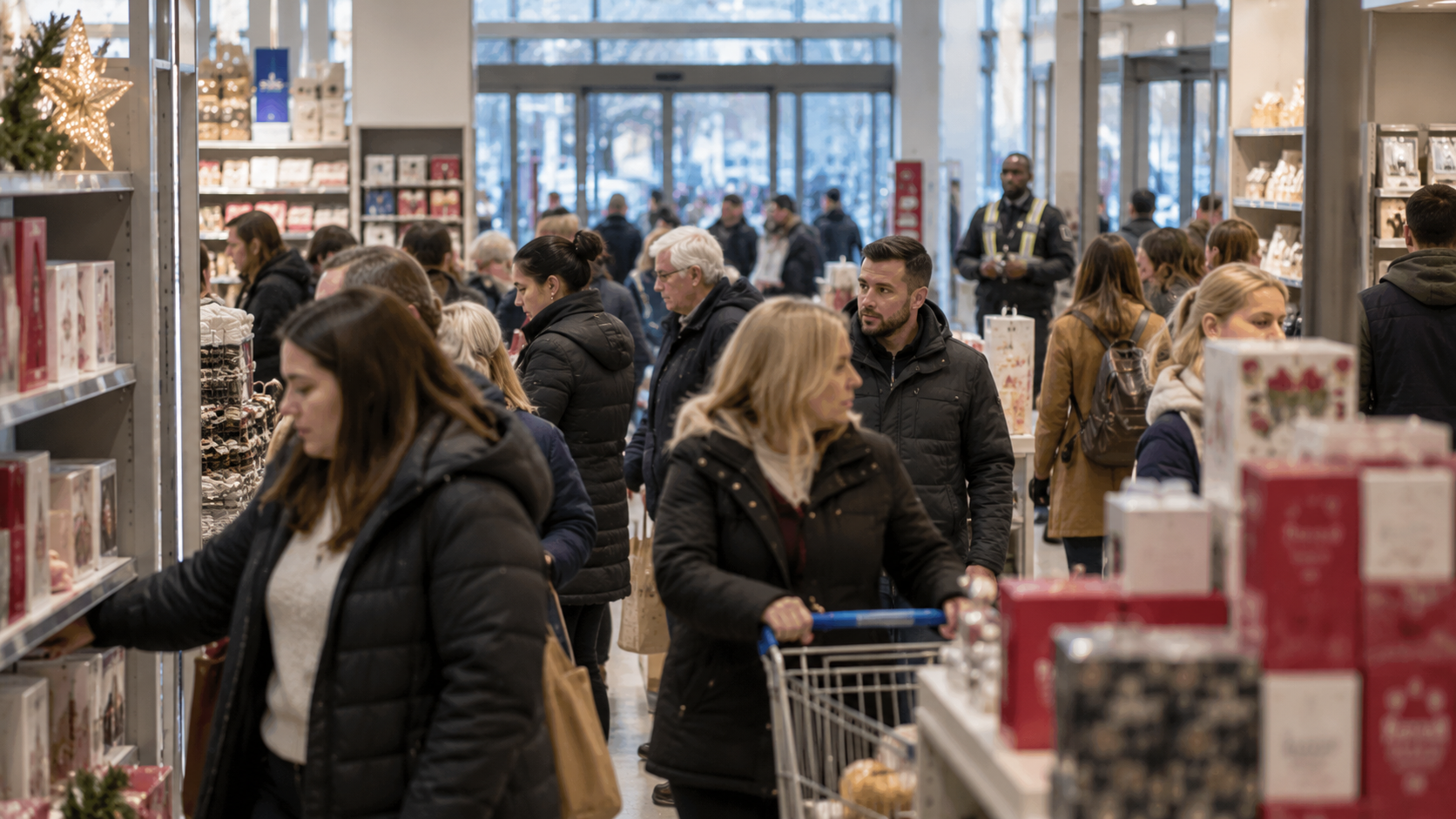
Retail guards move with the space. They watch entrances, aisles, and payment points. They speak to customers. They notice patterns. In Solihull, this matters because shops rely on steady footfall and calm trading. High fences and heavy barriers are rare here. A visible guard works better because presence alone often changes behaviour before it turns into loss or conflict.
What retail security means in a Solihull context
Retail security covers loss prevention, staff safety, and order during trading hours. It includes deterrence, customer interaction, and clear reporting. Store detectives work quietly and focus on theft evidence. Static guards focus on fixed access points. Retail guarding sits between the two and stays flexible.
In Solihull, visibility matters more than force. Many stores are open-plan. Retail parks and town-centre units rely on approachability. A guard who is seen, calm and alert fits the environment better than physical controls that interrupt the shopping experience.
How Solihull’s retail crime profile shapes security needs
Retail crime in Solihull shifts by time of day. During the day, theft in shops is usually quiet. It happens when staff are distracted, items are hidden, or the same people return again and again. It is rarely aggressive. As the day moves on, the pressure changes. More people linger near entrances. Tempers shorten. Fewer staff are free to notice problems early.
Local police records show this is not rare. Shoplifting appears again and again in Solihull reports, alongside vehicle crime and violent incidents. Month after month, dozens of cases are logged across the area. That steady flow of reports shows retail theft here is ongoing, not something that fades once a season passes.
Peak risk hours often line up with school run times and the early evening commute, when footfall is high, and staff attention is stretched. This pattern differs from city-centre crime and from quieter areas. Nearby commercial zones in Coventry tend to see more late-night and industrial-related incidents, while Solihull retail risks usually appear earlier in the day and rise and fall with customer flow.
High-risk retail locations within Solihull
Some locations need closer attention because of how people move through them.
- Retail parks attract large crowds and shared parking areas. Movement is fast, and exits are easy.
- High-footfall town centre units deal with constant entry and exit, which increases distraction-based theft.
- Standalone stores near transport routes face higher walk-in risk and quicker escape options.
These settings benefit from guards who patrol, reposition, and stay engaged rather than staying fixed in one spot.
Anti-social behaviour and retail impact
Anti-social behaviour often starts small. Loitering near entrances. Raised voices. Groups testing boundaries. Staff often step back because they want to avoid confrontation or complaints. That pause gives problems time to grow.
Trained retail guards step in earlier. They speak first. They set limits without escalation. Their role is to steady the situation, not to react after damage or distress has already happened. Over time, this reduces repeat issues and improves staff confidence.
Seasonal and event-driven retail pressures
Trading pressure rises during holidays and sales periods. Stores are busier, shelves are fuller, and teams are stretched. That combination increases risk.
Regional events also affect Solihull. Large gatherings in places like Wolverhampton can shift footfall patterns and bring unfamiliar visitors into retail areas. Retail security planning needs to account for these changes so coverage matches reality on the ground, not just what worked last month.
Legal and compliance duties for retail security in Solihull
What Solihull retailers are legally responsible for
Retail security is about more than stopping theft. It also brings legal duties that sit with the shop, not just the security company. In Solihull, retailers need to check that anyone doing licensed security work is allowed to do it and has been properly checked.
If an incident happens, the focus is not only on the guard. The business is reviewed, too. Investigators look at how the guard was chosen, what checks were carried out, and how CCTV and reports were managed. When these basics are in place, risks are lower, staff are safer, and problems are easier to handle.
Licensing rules that retail guards must meet
Any guard carrying out front-line retail security duties must hold the correct SIA licence for their role. This applies whether the guard is based in a town-centre shop, a retail park, or a standalone store near a transport route.
Retailers also carry responsibility. Even when security is outsourced, the business is expected to take reasonable steps to confirm licences are valid and up to date. Using unlicensed guards can lead to fines, contract disputes, and problems with insurers. It also weakens the legal position if a detention or incident is challenged later.
Background checks and vetting standards
Licensing alone is not enough. Retail guards should also be screened under BS 7858 standards, which look at employment history, identity, and right to work. In retail settings, DBS checks are often expected as well, especially where guards deal closely with staff or members of the public.
Retail theft cases often fail because evidence handling or staff conduct is questioned. When guards are not properly vetted, their statements can carry less weight. Strong screening protects the retailer as much as it protects customers.
CCTV use, data protection, and evidence handling
Many Solihull retailers rely on CCTV alongside physical security. When guards interact with these systems, data protection rules apply. Footage must be used for a clear purpose, stored securely, and shared only when justified.
Guards should understand what they can view, record, and report. Incident logs need to match CCTV records so timelines are clear. When evidence is handled correctly, it supports investigations and reduces the chance of complaints or regulatory action.
Insurance cover and shared liability
Retail security affects insurance more than many businesses realise. Public liability cover protects against claims from customers or visitors. Employer’s liability protects staff, including security personnel working on site.
Insurers often assess how security is managed in practice. Poor licensing checks, weak reporting, or unclear procedures can increase premiums or complicate claims. Clear contracts and documented compliance help spread risk fairly between the retailer and the security company in Solihull.
Working with local authorities and the police
Retail security does not operate in isolation. Guards often act as the first point of contact before incidents reach the police. In Solihull, this means working within reporting expectations set by West Midlands Police. Clear communication and accurate incident records make follow-up action more effective.
Approaches can vary across the region. Neighbouring areas such as Sandwell may prioritise different issues based on local crime patterns. Understanding how local policing works helps Solihull retailers align their security plans with wider enforcement efforts.
What Solihull retailers should expect to spend, sign, and plan for
How retail security pricing works in Solihull
Retail security costs in Solihull are shaped by how and when protection is needed, not by flat national rates. A town-centre shop with steady footfall usually needs visible cover during trading hours. A retail park unit may need wider patrols and later shifts. These differences affect pricing more than store size alone.
Daytime cover tends to focus on deterrence and staff support. Evening cover carries a higher risk and often costs more because incidents are harder to predict and fewer staff are present. Solihull prices also differ from places like Dudley, where retail layouts and footfall patterns are not the same. Proximity to larger centres such as Birmingham also influences demand and availability.
Pay pressure, inflation, and the effect on retail margins
Security wages have risen in line with the living wage and wider cost pressures. This affects retail margins, especially for stores operating on tight profit lines. Retaining trained guards now costs more than simply filling shifts. Experience matters in retail settings, where calm judgement often prevents loss before it shows on stock reports.
Underpaying creates risk. High turnover leads to gaps in coverage and guards who lack site knowledge. That often results in higher shrinkage and more incidents, which costs more in the long run. Retailers across the West Midlands, including areas like Walsall, have seen this pattern repeat.
Contract terms that fit retail trading cycles
Retail security contracts are rarely one-size-fits-all. Some Solihull businesses need short-term cover for refurbishments or risk spikes. Others rely on longer agreements to maintain consistency. Seasonal uplift contracts are common during sales periods and holidays, when footfall rises and pressure increases.
Notice periods and exit clauses matter. Flexible terms allow retailers to scale coverage without being locked into unsuitable arrangements. This is especially important for businesses that compete with shopping areas in Sandwell, where trading patterns can change quickly.
From agreement to guard on site
Deployment speed depends on planning. In many cases, trained retail guards can be placed quickly, but site familiarisation still matters. Guards need time to learn layouts, staff routines, and risk points. Skipping this step can disrupt trading rather than support it.
Well-planned mobilisation protects opening hours and customer flow. It ensures security is present without drawing attention or causing delays. Retailers in neighbouring areas such as Coventry often follow similar approaches to avoid disruption during busy periods.
Clear deployment planning helps Solihull retailers balance cost control with consistent protection, keeping security aligned with how the business actually trades day to day.
How retail security operates day to day in Solihull
Retail security in Solihull is built around routine. Guards work to a clear rhythm that fits trading hours, staff patterns, and customer flow. The aim is not to react late, but to stay present and useful throughout the day. What follows is what a typical shift looks like in retail settings across the borough.
Start-of-shift procedures in retail settings
A retail guard’s shift starts before customers arrive in force. On arrival, the guard checks access points and walks the store to understand how the space feels that day. Small changes matter. A moved display, a blocked sightline, or a door left ajar can change risk quickly.
Equipment checks come next. Radios are tested. Body-worn cameras, if used, are checked. Any faults are logged early, so there are no gaps later. Guards also review incident notes from the previous shift. This helps them spot repeat behaviour, known problem times, or areas that need closer attention during the day.
Patrol routines and store coverage
Retail patrols are not random. Guards move with purpose and timing. High-risk aisles are checked more often, especially those with small, high-value items. Entrances and exits are watched closely because they shape how people move and how theft happens.
Staff-only zones matter too. Stock rooms, loading areas, and service corridors are checked to make sure access stays controlled. Guards adjust their position as footfall rises and falls, staying visible without getting in the way of customers or staff.
Incident response during trading hours
When theft is suspected, guards act within clear limits. They observe first, confirm behaviour, and follow store procedures. Calm handling protects staff and reduces the chance of complaints or escalation.
Aggression is handled early. Guards step in when voices rise or behaviour shifts, often by speaking to people before situations harden. Medical or welfare concerns are treated seriously. Guards call for help, support staff, and keep the area safe until the issue is resolved.
Reporting and documentation
Every incident is recorded. Logbooks note times, actions taken, and outcomes. Incident reports are written clearly so managers and insurers can understand what happened without guesswork.
Evidence is handled with care. CCTV references match written notes. Items are logged correctly. This detail matters if police follow up or if patterns need reviewing later. Clear records protect the business as much as they support enforcement.
End-of-shift and secure-down procedures
As trading ends, guards support the store’s closing. They help manage last exits, watch for rush thefts, and check that doors and alarms are set correctly. Asset protection checks confirm that stock and equipment are secure.
Handover notes are shared with the next shift or the store manager. Anything unusual is flagged. This keeps continuity across days and reduces repeat issues.
Retail guarding differs from industrial models used in places like Walsall, where patrols focus on perimeters and empty sites. In Solihull retail, the work stays people-focused, paced to trading, and grounded in daily interaction.
Measuring retail security performance in Solihull
Retail security performance is not measured by how quiet a shift feels. It is measured by what changes over time. In Solihull, where shops balance steady daytime trade with sharp evening peaks, performance shows up in patterns rather than single incidents. Retailers who track the right signals tend to spot problems earlier and avoid slow losses that never make it into formal reports.
KPIs that matter in retail security
The most useful indicators are simple and practical. Theft reduction is the first. This is not just about arrests. It includes fewer repeat attempts, less shelf loss, and fewer write-offs after stock checks. When guards are placed and timed well, losses usually flatten before they fall.
Incident frequency is another marker. Retailers often focus only on serious events, but smaller disruptions tell a story. Arguments, refusals, and near misses show whether guards are stepping in early or arriving late. A steady drop in low-level incidents usually means the shop floor feels more controlled.
Staff confidence is harder to measure but easy to notice. When teams report issues sooner, follow procedures, and stay on the floor during busy periods, it often reflects trust in the security presence. In retail settings near busy commuter routes, that confidence directly affects customer experience.
Environmental and operational risks
Retail security performance is shaped by conditions outside the store as much as inside it. Weather plays a role. Heavy rain or cold snaps change footfall patterns and push people to linger indoors. That can raise tension and increase opportunistic theft.
Evening trading brings its own challenges. Staff numbers drop, fatigue sets in, and groups are more likely to gather. Guards often carry more responsibility during these hours, especially where stores stay open later to compete with shopping areas in Birmingham.
Lone-worker exposure is another concern. Smaller units and standalone shops may rely on one or two staff members late in the day. Retail guards help reduce risk by staying visible, checking in regularly, and responding quickly when something feels wrong.
Staffing shortages and retention pressures
Retail guarding sees higher turnover than many other security roles. The work is public-facing, repetitive, and mentally demanding. Guards deal with low-level conflict daily, which can wear people down over time.
Training fatigue adds pressure. When guards move sites too often or cover repeated short shifts, they lose familiarity with layouts and routines. That reduces effectiveness and increases mistakes. Retailers feel the impact through inconsistent coverage and uneven performance.
Local labour markets matter too. Competition from logistics, warehousing, and other sectors across the West Midlands affects availability. Areas such as Wolverhampton draw from the same workforce, which makes retention as important as recruitment.
Retailers who recognise these pressures tend to focus on stability. Clear routines, reasonable shift patterns, and consistent deployment often do more for performance than constant change.
Where retail security in Solihull is heading
Retail security in Solihull is changing, but not in the way many people expect. New tools help, yet day-to-day safety still depends on people making good calls on the shop floor. The future here is about balance. Technology fills gaps and speeds up response, while guards keep judgment, context, and calm in place during busy trading hours.
How cameras and data support on-site guards
CCTV remains a core part of retail security, but its role has shifted. Cameras now help guards focus rather than watch everything at once. Simple analytics highlight movement patterns, repeat visits, and areas where loss tends to happen. That information guides patrols and positioning during the day.
Human oversight still matters. A screen cannot read intent or defuse tension with a word. In Solihull stores, guards use camera insights to decide where to stand and when to step in, especially during rush periods linked to commuting from nearby centres such as Birmingham.
Mixing remote support with on-site presence
Many retailers now combine on-site guards with remote monitoring. This setup allows alerts to be checked quickly and escalated when needed. It works best when roles are clear. Remote teams flag issues. On-site guards respond in person.
Hybrid setups suit Solihull’s retail mix. Town-centre units benefit from quick escalation during busy hours, while retail parks gain wider coverage without adding barriers. The key is coordination, so responses stay calm and consistent rather than rushed.
Using AI carefully in retail spaces
AI tools are being used to track shrinkage trends and spot unusual behaviour. Over time, this helps retailers understand where loss builds and when extra cover makes sense. Used well, it supports planning.
Limits matter. False positives can frustrate staff and customers if alerts are treated as facts. In retail settings, guards remain responsible for deciding what action, if any, is needed. Ethical use means AI informs decisions but does not replace them.
Preparing retail sites for new legal expectations
Upcoming legal changes, often referred to as Martyn’s Law, will affect how public venues manage safety. Retail spaces may need clearer risk plans, staff awareness, and documented procedures.
For Solihull retailers, preparation means reviewing layouts, crowd flow, and response plans before rules take effect. Planning early avoids rushed changes later and helps security stay part of normal operations rather than an added burden.
Technology will keep evolving. In Solihull retail, its value lies in how well it supports people already doing the work on the floor.
Conclusion
Retail security works best when it is part of daily operations, not something added after losses or incidents. In Solihull, shops trade in open spaces with steady footfall. Small problems can build quietly when no one is paying attention.
This is why Solihull businesses need retail security in practical terms. It helps reduce repeat theft and limits disruption that drains time and money. It also supports staff by setting clear boundaries and giving them help when situations turn tense. Compliance matters too. Licensing, reporting, and data handling all come into focus when incidents are reviewed later.
Solihull retailers also sit close to larger centres like Birmingham, where movement between areas is easy, and risks change quickly. When security is treated as routine rather than reactive, businesses stay steadier as conditions shift. That is the real reason why Solihull businesses need retail security as part of everyday operations.
Frequently Asked Questions
Why do Solihull retailers face different security risks than city centres?
Solihull sits between quiet suburbs and busy urban areas. Shops see steady footfall, not constant crowds. Theft often blends into normal shopping and happens earlier in the day. It usually relies on distraction, not force. City centres face different risks, where late nights and dense crowds change how problems show up.
Is retail security legally required for all stores in Solihull?
No. Not every shop must have security guards. But if guards are used, they must be properly licensed and working within the rules. Even without guards, retailers still have a duty to keep staff safe, look after customers, and take reasonable steps to prevent loss.
How much does retail security typically cost in Solihull?
There is no fixed price. Costs depend on hours, layout, and risk. Town-centre shops often need cover during the day. Retail parks may need longer shifts. Evening cover usually costs more. Prices also reflect local demand and can differ from nearby places like Birmingham.
Can retail guards detain shoplifters legally?
Retail guards can detain someone under specific conditions, usually through citizen’s arrest rules. Detention must be reasonable, proportionate, and follow store procedures. Poor handling increases legal risk, which is why training and clear boundaries matter.
Do small shops need the same level of retail security as large stores?
No. Security should match the size, layout, and trading pattern of the shop. A small unit may only need cover at peak times, while larger stores often need a constant presence. Over-securing can be as ineffective as under-securing.
How does retail security reduce insurance claims?
Visible security lowers repeat theft and reduces incidents that lead to claims. Clear reporting and proper evidence handling also help insurers assess incidents faster. Over time, consistent security can support better insurance terms.
What training should retail guards have before deployment?
Retail guards should hold the correct licence and understand store procedures. They also need training in conflict management, evidence handling, and customer interaction. Retail work requires calm judgment more than force.
How often should retail security plans be reviewed?
Plans should be reviewed when trading patterns change, incidents increase, or layouts are altered. Many Solihull retailers review security at least once a year to keep it aligned with real conditions on the shop floor.